Dr. Carlos Corvera is a renowned cancer surgeon and Chief of the Hepatobiliary & Pancreatic Surgery Program at the University of California San Francisco (UCSF) Medical Center , affiliated with the UCSF Helen Diller Family Comprehensive Cancer Center . He specializes in the diagnosis and treatment of liver, bile duct, gallbladder, and pancreatic diseases, with expertise in both complex conventional and minimally invasive surgical techniques. Education: M.D., 1993 - School of Medicine, University of California San Diego General Surgery Residency, 2000 - School of Medicine, University of California, San Francisco Clinical Fellowship in Surgical Oncology, 2001 - Surgery, Memorial Sloan Kettering Cancer Center, New York Fellowship in Hepatobiliary Surgery, 2002 - Surgery, Memorial Sloan Kettering Cancer Center, New York Corvera's research focuses on the mechanisms underlying inflammation, thickening, and scarring in the biliary tract. His clinical work emphasizes improving surgical outcomes for pancreatic and liver cancer patients through innovative laparoscopic and robotic techniques. Recent publications highlight advancements in neoadjuvant therapy for pancreatic cancer, robotic-assisted resections, and comparative studies of surgical approaches for metastatic diseases.
Carl Borrebaeck is an Expert Professor in the Department of Immunotechnology at Lund University's Faculty of Engineering (LTH). He serves as a Principal Investigator at the Lund University Cancer Centre (LUCC) and is a Profile Area Member of the LTH Profile Area: Engineering Health. Professor Borrebaeck's research spans cancer therapeutic concepts and advanced diagnostics based on multiplexed biomarker discovery. His work focuses on developing recombinant antibodies against tumor-associated target molecules and checkpoint inhibitors, resulting in numerous clinical trials. His diagnostic research utilizes advanced microarray platforms for affinity proteomic technologies aimed at early detection of pancreatic, breast, and prostate cancers. His approach can detect proteins at mid-fM concentrations and differentiate pancreatic cancer patients in stages I and II from healthy controls with 96% accuracy. His publications reveal a strong focus on precision oncology, integrating proteomics, immunology, and advanced diagnostics with increasing incorporation of artificial intelligence approaches in recent years. Protein Biochemistry (100%) Antibody Research (83%) Antibody Microarray Technology (80%) Monospecific Antibody Development (77%) Professor Borrebaeck founded the translational cancer center CREATE Health in 2006 involving three faculties, and the interdisciplinary program MAD for Cancer in 2014 involving four faculties, aimed at multifocal therapeutic approaches to destroy tumors. His research contributes to UN Sustainable Development Goals related to health and well-being.
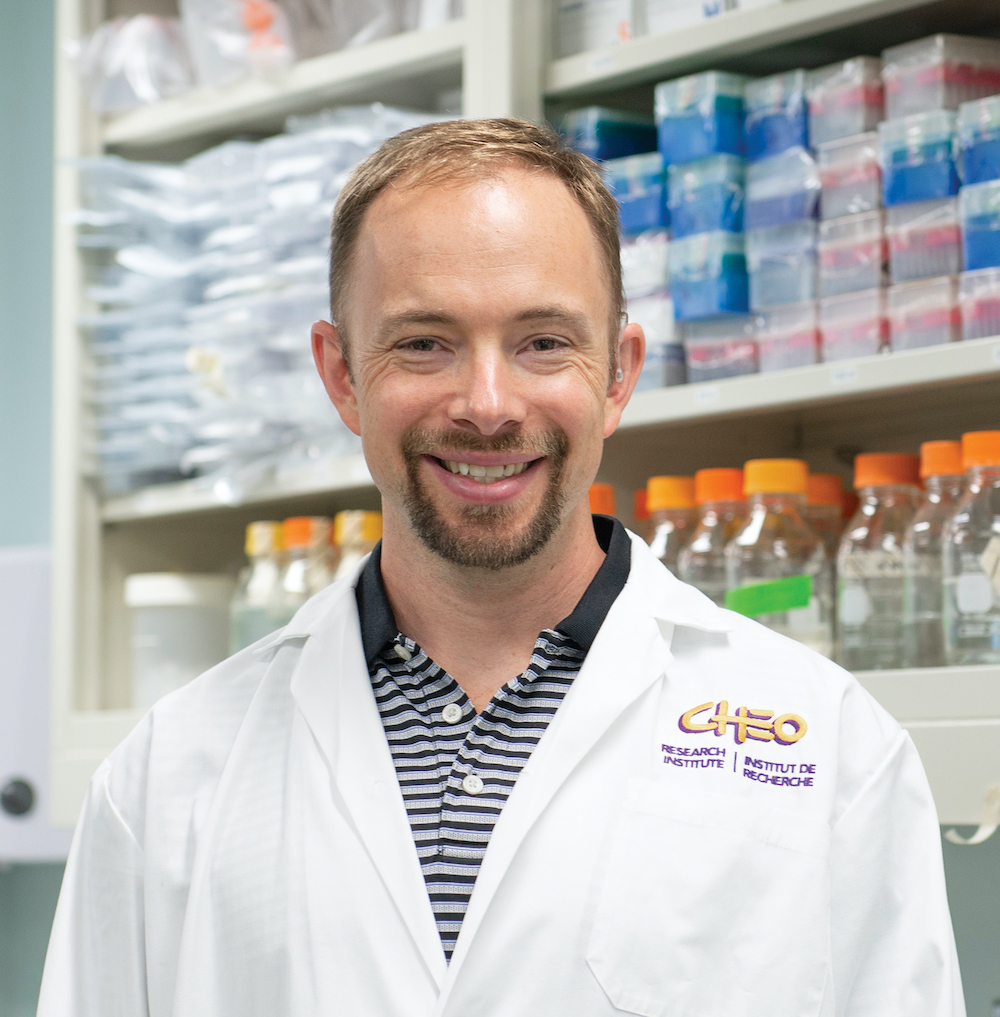
Dr. Shawn Beug is an Associate Professor in the Department of Biochemistry, Microbiology and Immunology at the Faculty of Medicine, University of Ottawa, and a Scientist at the Molecular Biomedicine, Apoptosis Research Centre, Children’s Hospital of Eastern Ontario Research Institute. His research focuses on understanding molecular and cellular regulators of cell death, signaling, and immunity to develop targeted therapies for cancer and immunological diseases. BSc in Biology (University of Regina) MSc in Cellular and Molecular Medicine (University of Ottawa) PhD in Biochemistry (University of Ottawa) Postdoctoral Researcher at CHEO Research Institute Dr. Beug’s laboratory investigates the role of Inhibitor of Apoptosis (IAP) proteins in cytokine signaling, cancer-immune cell interactions, and the development of cancer therapies. His work explores TNFα signaling, Smac mimetics, and their interplay with immune checkpoint inhibitors in glioblastoma and pediatric cancers like neuroblastoma. Recent publications highlight his studies on IAPs’ modulation of TNFα signaling, tumor microenvironment interactions, and synergistic approaches combining oncolytic viruses and immunotherapies. His research has been cited in journals such as Nature Communications , Science Signaling , and Oncogene . Tier 2 Canada Research Chair (2020) Grants from SickKids, the Canadian Institutes of Health Research (CIHR), the Cancer Research Society (CRS), and the CHEO Foundation support his work. His lab employs advanced techniques like CyTOF, single-cell RNA sequencing, and high-throughput screens to dissect IAP-driven signaling pathways and immune regulation. Dr. Beug’s lab is located at Room 401 Smyth Road, Ottawa, ON, K1H 8L1 (Office: R3113, Lab: R3121), with direct collaboration ties to the Apoptosis Research Centre and Children’s Hospital of Eastern Ontario Research Institute.
Jean-Simon Diallo is an Associate Professor in the Department of Biochemistry, Microbiology and Immunology at the University of Ottawa's Faculty of Medicine, and a Senior Scientist at the Ottawa Hospital Research Institute (OHRI) within the Centre for Cancer Therapeutics. His research bridges virology, pharmacology, and cancer immunotherapy. Education: B.Sc. (Biochemistry, University of Ottawa, 2000) M.Sc. (Biochemistry, McGill University, 2003) Ph.D. (Molecular Biology, Université de Montréal, 2007) Research focuses on "viral sensitizer" drugs that enhance viral replication and therapeutic efficacy, with applications spanning: Oncolytic virotherapy for cancer Vaccine biomanufacturing Gene therapy delivery systems Antiviral drug discovery (e.g., SARS-CoV-2) His methodology integrates: High-throughput molecular biology Medicinal chemistry Mass spectrometry analysis Translational research frameworks Key collaborations include the multidisciplinary Diallo Lab at OHRI, where his team investigates small-molecule-virus interactions to expand therapeutic applications in oncology and infectious disease management.
Waltraud Kleindienst serves as a Senior physician in the Department of Neurology at the University of Salzburg. Her research spans neuro-oncology, neuroimmunology, and advanced imaging techniques with substantial publication output from 2016 through 2025. Her primary research interests include: Neuro-oncology with focus on glioblastoma and CNS lymphoma Neuroimmunology including multiple sclerosis and paraneoplastic syndromes Advanced neuroimaging techniques, particularly radiomics applications Molecular biomarkers with emphasis on DNA methylation patterns Seizure disorders and status epilepticus Analysis of Dr. Kleindienst's publication record reveals an evolving research trajectory with increasing emphasis on computational approaches to neuroimaging and molecular biomarkers for risk stratification in neurological disorders. Her recent work demonstrates strong collaboration within Austrian neurology networks, particularly examining real-world clinical outcomes and translational applications of radiomics in neuro-oncology. Dr. Kleindienst maintains active research collaborations with prominent Austrian neurology specialists including Trinka E., Moser T., and Harrer A., contributing to multi-center studies that bridge clinical practice and advanced computational methods in neurological care.
Roberto Ferrara is a Researcher in Medical Oncology at the Università Vita-Salute San Raffaele . His work focuses on immunotherapy, lung cancer, and biomarker development, with a particular emphasis on non-small cell lung cancer (NSCLC) and treatment response prediction. Recent research includes the application of machine learning to immunotherapy outcomes in metastatic NSCLC, robotic surgery safety in elderly lung cancer patients, and the role of circulating tumor DNA in monitoring lorlatinib efficacy for ALK-positive NSCLC. His studies also explore viral drivers of immune senescence and sex-based differences in immunotherapy responses. He contributes to clinical education in oncology, teaching advanced topics to medical students in the Laurea Magistrale in Medicina e Chirurgia program. His publications span journals like Journal of Thoracic Oncology and Science Advances , reflecting interdisciplinary approaches to cancer care.
Andrea Necchi is an Associate Professor of Medical Oncology at Università Vita-Salute San Raffaele, specializing in urological malignancies including renal cell carcinoma and bladder cancer. His research focuses on surgical oncology outcomes, tumor biology, and precision medicine approaches. Key research areas include tumor thrombus management, lymph node metastasis detection, and frailty assessment in oncology patients Current clinical trials investigate FGFR inhibitors and immunotherapy biomarkers Recent publications highlight his work on microbiome signatures predicting immunotherapy response and extracellular matrix changes in early bladder cancer development. His clinical practice emphasizes advanced imaging techniques for lymph node assessment and surgical outcome optimization. Email: necchi.andrea@unisr.it
Lydia Scarfò is an Associate Professor at Vita-Salute San Raffaele University , affiliated with the Department of Internal Medicine under the School of Medicine. Her research focuses on prognostic factors in chronic lymphocytic leukemia (CLL), preneoplastic conditions like monoclonal B lymphocytosis (MBL), targeted therapies, and clinical trial design. Education : MD in Medicine and Surgery (University of Ferrara, 2006), specialization in Hematology (2012), specialization in Internal Medicine (2017). Research Highlights : Active in preclinical and clinical studies for CLL and related disorders, leading a Phase 3 trial for follicular lymphoma therapy while co-investigating over 20 clinical trials. Her work explores molecular biomarkers like ATM aberrations , TP53 mutations , and U1 spliceosomal RNA mutations to improve CLL diagnostics and treatment. Publications : Recent works include studies on the lymph node microenvironment in CLL, SARS-CoV-2 immune responses in treated patients, and novel combination therapies for Richter transformation. Her research has been published in journals like Leukemia , Blood Advances , and The Lancet Oncology . Labs & Collaborations : Works at the San Raffaele Scientific Institute in Milan, contributing to the European Research Initiative on CLL (ERIC) and advancing clinical research methodologies.
Giulia Veronesi is a Full Professor of Thoracic Surgery at Vita-Salute San Raffaele University in Milan and serves as Director of the Thoracic Surgery Division at San Raffaele Hospital. With over 286 publications and an H-index of 49, she is a leading authority in robotic thoracic surgery and lung cancer screening programs. Her career spans both clinical practice and academic research with significant contributions to surgical oncology. Dr. Veronesi earned her Degree in Medicine and Surgery from the University of Milan in 1994, followed by Specialization in Thoracic Surgery from the University of Modena and Reggio Emilia in 2006, and Specialist certification in Digestive System Surgery and Surgical Digestive Endoscopy from the University of Milan in 2000. She further enhanced her expertise with a Master's Degree in Management Training for Managers of Complex Hospital Structures from the SDS School of Healthcare Management (2012). Her professional training includes prestigious institutions such as Mount Sinai School of Medicine, Institute Mutualiste Montsouris in Paris, and Cornell University. Her research focuses on advancing robotic surgical techniques for thoracic procedures, particularly for lung cancer treatment and early detection. She has developed one of Europe's largest lung cancer screening programs using low-dose CT and microRNA testing in high-risk populations. Her work spans minimally invasive surgical techniques, biomarker development, and innovative approaches to thoracic oncology. Recent publications reveal a strong emphasis on robotic surgery applications, early detection methodologies, and molecular diagnostics for lung cancer. Dr. Veronesi's research output demonstrates consistent innovation across multiple fronts of thoracic surgery. Her publications from 2024-2025 show particular focus on refining robotic surgical techniques for complex cases, improving early detection methods, and understanding molecular mechanisms in lung cancer progression. The breadth of her work spans from technical surgical innovations to population-level screening programs. Robert J. Ginsberg Lectureship Award for Surgery (2019) from International Association for the Study of Lung Cancer Women&Technologies Award (2017) from Women&Tech-Associazione Donne e Tecnologie As an educator, Dr. Veronesi has served as a proctor for robotic thoracic surgery across multiple European countries and has held teaching positions at Humanitas University, the University of Milan, and University of Modena. She has secured over €3.5 million in research funding as Principal Investigator, including significant grants from AIRC (€765,000), ERA-NET/CLEARLY project (€1,630,749), and NCI-funded trials. Her research portfolio includes groundbreaking work on lung cancer screening protocols, biomarker validation, and robotic surgical techniques. Dr. Veronesi founded the ESTS Robotic Working Group and serves on multiple editorial boards including Lung Cancer, Annals of Thoracic Surgery, and Journal of Thoracic Disease. She actively leads multidisciplinary teams for thoracic oncology and lung cancer screening at San Raffaele Hospital, integrating surgical, medical, and diagnostic expertise to optimize patient outcomes. Her leadership extends to national committees including the Consiglio Superiore di Sanità.
Maria Sandovici is a researcher at the Faculty of Medical Sciences , University of Groningen , affiliated with both the Vascular Medicine (VASC) and Translational Immunology Groningen (TRIGR) departments. Her work focuses on inflammatory rheumatic diseases, particularly giant cell arteritis and polymyalgia rheumatica , utilizing advanced imaging techniques like PET/CT and exploring cellular mechanisms involving macrophages and fibroblasts . Recent articles (2025) highlight her contributions to: Standardizing PET/CT diagnostics for polymyalgia rheumatica Comparing immune checkpoint inhibitor-induced vs. primary disease phenotypes Mapping fibroblast heterogeneity in giant cell arteritis Elucidating GM-CSF/IL-6 inflammatory pathways She has co-supervised PhD research on B cell roles in these conditions and received recognition for her 2015 clinical trial on leflunomide combination therapy. Her work aligns with UN Sustainable Development Goals for improved health outcomes.
Amiram Ariel is an Associate Professor specializing in immunology with a focus on inflammation resolution mechanisms. He serves as Associate Editor for Inflammation at Frontiers in Immunology and Review Editor for Molecular Innate Immunity, demonstrating active scholarly engagement. His research centers on macrophage biology and pro-resolving mediators, investigating their roles in treating inflammatory disorders, fibrosis, cancer metastasis, and diabetic wound healing. Key contributions include elucidating interferon-stimulated neutrophil functions in immunotherapy response and JMJD3/STING pathway interactions in tissue repair. Recent publications (2021-2024) reveal consistent themes: leveraging resolution-phase macrophages against dormant tumor cells, IFN-β-mediated anti-fibrotic effects, and inflammation resolution strategies for COVID-19 pathogenesis. These works bridge molecular immunology with translational applications in oncology and regenerative medicine. No scientific awards are documented in the available materials. While his 53 publications indicate significant scholarly output, details regarding student mentorship, grant funding, or laboratory structure are absent from the provided text. His professional network includes 79 followers and 49 researchers he follows, reflecting active academic collaboration. Dr. Ariel's educational background includes studies at Hebrew University, though specific degrees and years remain unspecified in the source material.
Rossella Fioravanti is an Associate Professor at the Department of Chemistry and Pharmacy Technology, Sapienza University of Rome. She leads Laboratory 116, dedicated to the synthesis of pharmaceutical compounds, with 100% research focus. Her team includes Elizabeth Di Bello, Antonello Mai, Beatrice Noce, Sergio Valente, and Clemens Zwergel. Her research spans pharmaceutical chemistry and epigenetic drug discovery , focusing on designing heterocyclic compounds for cancer, neurodegenerative diseases, and infectious diseases. Key areas include: Development of HDAC/LSD1 inhibitors for epigenetic cancer therapy Selenium-based neuroprotective agents for Alzheimer's and Parkinson's diseases Sirtuin activators for cardioprotection and metabolic disorders Green chemistry approaches in sustainable drug design Recent publications (2022-2025) demonstrate strong emphasis on cancer epigenetics (50% of articles), neurotherapeutics (20%), and innovative drug modalities (30%). Trends include multi-target agents, selenium pharmacology, and structure-based drug design, with consistent focus on translational applications.
William Damsky, MD, PhD is an Associate Professor of Dermatology and Dermatopathology at Yale School of Medicine. He serves as the Principal Investigator of the Damsky Lab and holds dual appointments as Associate Professor of Dermatology (Primary) and Assistant Professor of Pathology (Secondary). Dr. Damsky is an attending physician at multiple institutions including Yale-New Haven Hospital, Yale Health Center, VA Veteran's Hospital, and Cornell Scott Hill Health Center. Dr. Damsky completed his undergraduate, MD, and PhD degrees at the University of Vermont. He then pursued an Internal Medicine internship, Dermatology residency, and N.I.H. funded Research Fellowship in Investigative Dermatology at Yale, where he also served as Chief Resident. His research program focuses on understanding immune mechanisms of inflammatory skin diseases, particularly cutaneous granulomatous disorders including sarcoidosis, granuloma annulare, necrobiosis lipodica, and necrobiotic xanthogranuloma. His lab employs advanced techniques such as single cell RNA sequencing, spatial transcriptomics, RNA in situ hybridization, and proteomic profiling. He also maintains a research program in alopecias and has published over 50 peer-reviewed articles. Analysis of Dr. Damsky's recent publications reveals a strong emphasis on granulomatous skin diseases, inflammatory pathways, and targeted therapies. His work frequently employs spatial transcriptomics and other advanced molecular techniques to understand disease mechanisms. A significant focus is on JAK inhibitors and their application in treating granulomatous disorders, with several publications demonstrating their efficacy in conditions like granuloma annulare. Young Investigator Award from American Academy of Dermatology (2020) Young Physician-Scientist Award from American Society for Clinical Investigation (2022) Todd Nagel Memorial Award from Skin Cancer Foundation (2018) Physician Scientist Career Development Award from Dermatology Foundation (2017) Dr. Damsky leads clinical trials in sarcoidosis and granuloma annulare, and his research is supported by the Dermatology Foundation, the Skin Cancer Foundation, and Pfizer. He collaborates extensively with Dr. Brett King, a leading alopecia expert, and serves as a mentor through the Yale Combined Program in the Biological and Biomedical Sciences (BBS). The Damsky Lab investigates immune dysregulation in skin disorders, with particular focus on macrophage-rich inflammatory conditions. The lab's research directly informs clinical practice through analysis of patient samples before and after treatment with novel targeted therapies, allowing correlation of immunologic changes with clinical responses.
Goran Micevic is an Assistant Professor at Yale School of Medicine and Yale Cancer Center , leading a research group focused on melanoma immunobiology and inflammatory skin diseases. His work bridges epigenetic mechanisms with immune response regulation in cutaneous malignancies. Board-certified in Dermatology and Dermatopathology (2024) Affiliated with Molecular Medicine, Pharmacology, and Physiology Program Member of Janeway Society and Hamburg House Affiliates Research interests include: Epigenetic regulation in melanoma formation Immune checkpoint modulators (PD-1/PD-L1) Epigenetics-Immunology crosstalk Prognostic methylation signatures T-cell exhaustion in melanoma Therapeutic targeting of DNMT3B Clinical interests span cutaneous malignancies, atopic dermatitis, alopecia areata, and psoriasis. His lab employs mouse models, single-cell sequencing, and CRISPR technology to explore next-generation cancer immunotherapies. Scientific awards include: Dermatology Foundation Career Development Award (2023) Ruth L. Kirschstein Fellowship (2019) Yale's Selma & Karl Folkers Prize (2018) Milton Winternitz Prize (2018) Students include co-mentored graduate researcher Maya Deshmukh . Recent grants include support from the Skin Cancer Foundation (2023) for epigenetic immunotherapy research.
Dr. Erin Fraser is a public health veterinarian at the British Columbia Centre for Disease Control (BCCDC) and a Clinical Assistant Professor at the School of Population & Public Health at the University of British Columbia. Her work bridges veterinary medicine, public health, and climate change adaptation through a One Health lens. Education: BSc in Biology, MSc in Epidemiology, and DVM from the University of Guelph Dr. Fraser specializes in zoonotic disease surveillance , with particular focus on: Climate change impacts on tick-borne diseases Antimicrobial resistance in companion animals One Health approaches to peptide-based infection control in poultry SARS-CoV-2 transmission patterns in animal populations Her research contributes to Genome Canada initiatives and informs public health policy through BCCDC programs. She co-founded Veterinarians Without Borders - Canada and has led interdisciplinary projects addressing: Global zoonoses control Food security in remote communities Wildlife health monitoring One Health capacity building