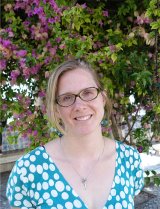
Anne Pluymakers is an Assistant Professor at the Applied Geophysics and Petrophysics department of Delft University of Technology (TU Delft) , with prior postdoctoral experience at both TU Delft (2018-2020) and the University of Oslo (2015-2017). Her research focuses on experimental rock mechanics and thermo-hydro-mechano-chemical (THMC) fluid-rock interaction , particularly investigating how mechanical and transport properties of rocks evolve under realistic subsurface conditions. Education: Doctorate (2015) in Frictional and sealing behaviour of simulated anhydrite fault gouge , Universiteit Utrecht Master's (2010) in Earth Sciences, Universiteit Utrecht Bachelor's (2008) in Earth Sciences, Universiteit Utrecht Her recent work spans CO2 storage , wellbore integrity , and microstructural analysis using neutron/X-ray imaging, with applications to geothermal energy and subsurface energy systems . Collaborative projects include Constraining uncertainties across scales and REFLECT , focusing on geoenergy transitions. Scientific Awards: Veni grant, Netherlands Organisation for Scientific Research (NWO), 2017 She actively contributes to public engagement , including media appearances on CO2 storage beneath the North Sea and educational initiatives like the Geo-resources for the future minor program.
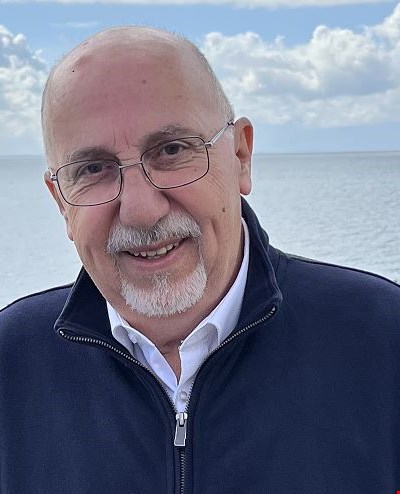
Gianluca Boccardo is an Associate Professor at the Department of Applied Science and Technology (DISAT) at Polytechnic University of Turin, where he conducts research at the intersection of computational fluid dynamics, deep learning, and porous media applications. His work bridges theoretical chemical process development with practical industrial applications in energy systems and sustainable engineering. His research interests span multiple domains of engineering and computational science: Computational Fluid Dynamics for complex engineering systems Deep learning applications in chemical process modeling Multiscale modeling of transport phenomena in porous media Energy processes engineering and sustainable technologies Fluid mechanics applications in industrial contexts Analysis of his recent publications reveals a strong trend toward integrating machine learning techniques with traditional computational methods to solve challenging problems in chemical engineering. His work particularly focuses on applying these hybrid approaches to porous media systems, pharmaceutical processes, and energy storage technologies, demonstrating a commitment to both theoretical advancement and practical industrial application. Professor Boccardo actively supervises numerous PhD students working on cutting-edge research topics and leads significant research initiatives including the MULTIPHASE Erasmus Mundus Joint Master program and the BATCAT Battery Cell Assembly Twin project. His research group receives funding from both competitive EU grants and commercial contracts with industry partners. He is an active member of the Molecular Engineering Lab (MolE) and the Multiscale Modeling research group at DISAT, where his team develops innovative approaches to modeling complex chemical processes and developing sustainable engineering solutions.
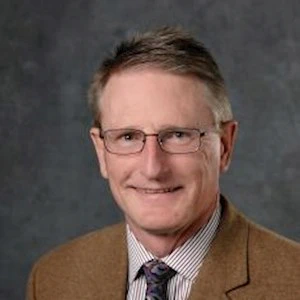
Professor Tassos Karayiannis serves in the Mechanical and Aerospace Engineering Department within Brunel University London's College of Engineering, Design and Physical Sciences. Holding the position of Professor, he currently directs the Centre for Energy Efficient and Sustainable Technologies (2020-present) and leads the Two-Phase Flow and Heat Transfer Research Group (2018-present). His academic journey includes significant leadership roles including Vice Dean for Education (2014-2017) and Deputy Head of School (2005-2014). His educational background includes a PhD in Engineering Science with focus on Convective Heat Transfer from The University of Western Ontario and a BSc (Hons) in Mechanical Engineering from City University, London. His professional development includes extensive training in leadership, management, and academic administration through programs at Brunel University and Cranfield School of Management. Professor Karayiannis' research centers on thermal science and engineering with particular expertise in heat transfer phenomena. His primary research areas include single-phase heat transfer, boiling and condensation mechanisms, heat transfer enhancement techniques, microchannel thermal systems, and geothermal energy applications. His work bridges fundamental thermal science with practical engineering solutions for energy efficiency and sustainability challenges. Current research focuses on advanced thermal management systems for high heat flux applications and geothermal energy technologies. His publication record demonstrates consistent contribution to thermal science, with recent work emphasizing microscale heat transfer phenomena, geothermal systems, and advanced heat exchanger technologies. Key publication trends show increasing focus on sustainable thermal systems, with significant contributions to understanding two-phase flow in microchannels and vacuum-insulated geothermal technologies. Fellow of Institution of Mechanical Engineers (1990) Fellow of Institute of Energy (2002) UK National Heat Transfer Committee Member and Chairman (2013) UK Heat Transfer Society President (2022-2023) Geothermal Energy Advancement Association Vice-President (2023) Professor Karayiannis actively supervises PhD students including Joseph Widgington (Flow boiling in microchannels), Mina Kerolos (Pool boiling on plain and enhanced surfaces), Paige Draper (Lifetime optimisation of multiple deep closed-loop geothermal wells), and Buse Bekir (Pool boiling of refrigerants). His research is supported by substantial grants from EPSRC, Innovate UK, and industry partners including TMD Technologies Ltd and Oxford nanoSystems. Current projects include BOiliNg flows in SmAll and microchannels (BONSAI), Enhanced Multiscale Boiling Surfaces (EMBOSS), and geothermal feasibility studies for district heating. He maintains active collaborations with researchers across the UK and internationally, particularly in microscale thermal systems and sustainable energy technologies. He leads the Two-Phase Flow and Heat Transfer Research Group at Brunel, which maintains specialized facilities for microchannel thermal testing, boiling and condensation experiments, and geothermal system analysis. The group collaborates with the Centre for Energy Efficient and Sustainable Technologies and participates in multi-institutional projects including Spray cooling high power dissipation applications (SANGRIA) with Edinburgh and Imperial colleges.
Dr. Samaneh Farokhirad is an Assistant Professor in the Department of Mechanical and Industrial Engineering at New Jersey Institute of Technology (NJIT), affiliated with the Center for Applied Mathematics and Statistics. Her research focuses on fluid mechanics, soft matter physics, and biophysical interactions, employing computational and theoretical models to study soft materials at interfaces. She holds a Ph.D. and M.Phil. from City College of New York (CCNY), an M.S. from Iran University of Science and Technology, and a B.S. from Sharif University of Technology. Her academic journey includes postdoctoral roles at the University of Pennsylvania and CCNY, along with a visiting scholar appointment at the University of Wisconsin-Madison. Dr. Farokhirad has secured significant funding from the National Science Foundation and Oracle, and serves on editorial boards for Computational Physiology and Medicine, Frontiers in Physiology, and Frontiers in Bioengineering and Biotechnology. Research interests span computational modeling of droplet dynamics in microfluidic systems, nanoparticle adhesion to biological membranes, and electromechanical coupling in biological systems. Her work bridges fluid mechanics, soft matter physics, and biomedical applications, with recent focus on optimizing nanocarrier targeting for therapeutic delivery. Key Awards: DOE’s Director’s Discretionary Allocation Award (2025), Oracle for Research Project Award (2023), NIH Early Career Reviewer (2021). Grants: NSF funding for nanocarrier targeting research, Oracle computational infrastructure support. Labs/Teams: Leads the Farokhirad Research Group at NJIT, collaborating on multiphase flow dynamics and biophysical modeling.
Prof. Dr. Michael Zehetbauer is a retired full professor at the University of Vienna, affiliated with the Department of Physics of Nanostructured Materials. His research focuses on severe plastic deformation (SPD) techniques like high-pressure torsion (HPT), nanomaterials, and functional materials for energy and biomedical applications. He has extensively studied SPD-induced microstructural evolution in alloys, including high-entropy alloys, magnesium-based biodegradable materials, and thermoelectric materials. His work bridges materials science with applications in hydrogen storage, corrosion resistance, and medical implants. He teaches courses on materials physics characterization techniques. His publications emphasize SPD’s role in enhancing mechanical, thermal, and biomedical properties of materials. Notable research includes optimizing magnesium alloys for biodegradability and improving thermoelectric efficiency through nanostructuring. He collaborates on SPD-processing advancements for sustainable energy and biomedical solutions.
Professor Martin Crimp holds a tenure-track position in the Department of Chemical Engineering and Materials Science (ChEMS) at Michigan State University's College of Engineering. He specializes in deformation mechanisms of metals, intermetallic alloys, and high-temperature materials, with expertise in transmission electron microscopy and diffraction techniques. His research bridges fundamental materials science with applications in biomedical engineering and advanced manufacturing. Education: Ph.D., Materials Science (Case Western Reserve University, 1987); M.S. and B.S., Metallurgical Engineering (Michigan Tech, 1984/1981) Affiliations: Chemical Engineering and Materials Science Department; Materials Science and Engineering Program Research focuses on microstructural characterization of metals using electron channeling contrast imaging (ECCI), dislocation microscopy, and crystal plasticity modeling. Recent work includes developing 3D-printed bioactive ceramic scaffolds with antibacterial properties and investigating superconducting Nb cavities for particle accelerators. He has pioneered methodologies to quantify deformation processes near grain boundaries, integrating advanced microscopy with computational modeling. Publications emphasize materials' mechanical reliability under extreme conditions, including high-temperature creep and radiation effects. Notable contributions include modeling shear accommodation mechanisms in titanium alloys and advancing electron microscopy techniques for nanoscale defect analysis. Awards: Recognized in Who's Who in Engineering Education (2002) Active in interdisciplinary collaborations, his lab explores biomedical materials for orthopedic applications and energy-related materials for nuclear and accelerator technologies. Current projects include U.S. Department of Energy-funded studies on deformation-induced damage in hexagonal metals.
Diletta Giuntini serves as Assistant Professor in the Mechanics of Materials section of the Department of Mechanical Engineering at Eindhoven University of Technology (TU/e), with affiliations to the Institute for Complex Molecular Systems (ICMS) and EIRES Research. She concurrently holds a position in the Eindhoven Young Academy of Engineering (2021-2025). Her academic foundation includes a BSc and MSc in Aerospace Engineering from the University of Pisa, Italy, followed by a PhD in Engineering Sciences through the joint UCSD-SDSU program (2016). Postdoctoral work at Hamburg University of Technology under a Humboldt Fellowship (2018) preceded her current TU/e appointment. Giuntini's research pioneers advanced ceramic processing via ultra-fast sintering and additive manufacturing, focusing on nano-architected multiscale materials. Her work on supercrystalline nanocomposites—nanoparticle assemblies mimicking atomic crystals—explores emergent mechanical properties through nanoscale structural tailoring, heavily incorporating biomimetic principles for innovative material design. Analysis of her 15 most recent publications reveals dominant themes: supercrystalline nanocomposite characterization via nanoindentation/fatigue/creep testing (73% of works), computational sintering optimization (13%), and biomimetic composite design (13%). This output demonstrates consistent integration of experimental validation with predictive modeling to enhance ceramic toughness and functional properties. Her scientific recognition includes: Acta Materialia Outstanding Reviewer Award (2019) TMS-AIME Champion H. Mathewson Award (2022) As Project Manager for ACROPOROUS (2021-2028), she leads research on sustainable ceramics and porous materials, while supervising 11 graduate students. Her teaching encompasses Advanced and Additive Manufacturing, Engineering Design, and Fracture Mechanics. She actively promotes diversity through initiatives like the Power Hour at the 2018 Gordon Research Seminar on Solid State Studies in Ceramics.
Yang Chen is a Lecturer in the Department of Mechanical Engineering at the University of Bath, affiliated with multiple research centres including the Centre for Integrated Materials, Processes & Structures (IMPS) and the Centre for Regenerative Design & Engineering for a Net Positive World (RENEW). He holds a PhD from the Université Paris-Est (collaborating with French Alternative Energies and Atomic Energy Commission) and completed postdoctoral research at the University of Oxford. His research focuses on advanced techniques for data-rich experiments and simulations in heterogeneous materials, particularly fibre-reinforced composites applied in aerospace, automotive, and nuclear energy sectors. Key expertise includes FFT solvers, X-ray computed tomography, nonlinear mechanical modelling, and fluid flow in porous media. He has secured prestigious fellowships, including the EPSRC Future Composites Research Hub Innovation Fellowship and the Humboldt Fellowship. Teaching responsibilities include the ME20016 Solid Mechanics 3 course for mechanical engineering undergraduates. Current PhD supervision opportunities span topics like hydrogen storage composites, nuclear fusion materials, and nuclear waste management. He actively collaborates on projects such as HyFIVE (Hydrogen Storage) and explores advanced ceramic materials for nuclear energy. His work aligns with UN Sustainable Development Goals, emphasizing sustainable innovation and energy solutions. Notable contributions include developing physics-informed neural networks for resin flow prediction and machine learning-based emulators for constitutive modelling. His publications address fracture mechanics, computational homogenization, and material degradation under irradiation. He is open to supervising doctoral students through funded programs like ZENITH and GW4+ DLTP.
David C. Dunand is a James and Margie Krebs Professor in the Department of Materials Science and Engineering at Northwestern University . He is a TMS Fellow and ASM International Fellow , recognized for his work in physical and mechanical metallurgy of multiphase metallic materials, with a focus on additive manufacturing , green manufacturing , and synchrotron X-ray radiation for in-situ strain and phase analysis. Ph.D., Metallurgy, MIT B.S. and M.S., Materials Engineering, Swiss Federal Institute of Technology His research spans metallic alloys , composites , and foams , particularly studying mechanical properties in relation to microstructure. Recent projects include $500,000 DOE funding for industrial emissions reduction and educational video games like Aluminoid and Oxide Blaster to teach metallurgy concepts. He co-founded NanoAI, LLC (acquired by Braidy Industries) and served as Co-Director of ISEN from 2008–2015. His group has published extensively on Al-Ce-Ni-Mn-Sc-Zr alloys , CoCrFeNi microlattices , and Fe-Ni extraterrestrial structures . Collaborations include institutions like MIT , Paul Scherrer Institut , and Universities in Switzerland and Thailand . The lab operates a SISMA MYSINT 100 laser powder bed fusion system . TMS Fellow (2012) ASM International Fellow (2007) Department Teacher of the Year (1998) Structural Materials Division Distinguished Scientist/Engineering Award (2008) James and Margie Krebs Professorship (2005–2016) His former students now hold positions at institutions including MIT , Boeing , Blue Origin , and Marquette University . His lab has produced over 15 recent publications in 2024 alone, focusing on additive manufacturing , high-temperature alloys , and microstructure-property relationships .
Javier Pozuelo de Diego is an Associate Professor and Director of the Department of Materials Science and Engineering and Chemical Engineering at the University Carlos III of Madrid (UC3M). He leads the Polymers and Composites research group under the Álvaro Alonso Barba Institute of Chemistry and Materials Technology. His work spans materials science, industrial engineering, and applied physics. Academic Rank: Associate Professor Department: Materials Science and Engineering and Chemical Engineering Research Focus: Polymer composites, electromagnetic interference (EMI) shielding, self-healing materials, and nanotechnology applications Research Interests Dr. Pozuelo specializes in advanced polymer composites for electromagnetic shielding, active food packaging, and infrastructure durability. His work explores graphene and MXene-based lightweight nanostructures, carbon nanotube scaffolds, and self-healing asphalt composites for industrial applications. Key areas include nanomaterial functionalization, interfacial engineering, and microwave-absorbing materials. Scientific Contributions The recent 2024 2023-2022 2019-2016 publications highlight his expertise in biodegradable EMI shielding materials, antimicrobial packaging, and conductive nanocomposites. Trends show a focus on sustainability, hierarchical architectures, and multifunctional properties. Patents: Materiales para apantallamiento electromagnético (2015) Grants: 15+ projects funded by Airbus, EADS Casa, AITEX, and Spanish government agencies (AEI, Ministry of Science, etc.)
Mina Karimi is a Postdoctoral Scholar Research Associate in the Department of Mechanical and Civil Engineering at California Institute of Technology (Caltech). She is part of the Bhattacharya group, advised by Professor Kaushik Bhattacharya. Her research focuses on computational mechanics, poromechanics, and Bayesian inference applied to porous media systems. Key areas include reactive flow modeling, multiscale simulations, and data-driven approaches for subsurface engineering challenges. Her work integrates advanced computational methods with geomechanical and materials science problems, emphasizing energy systems and environmental applications. Recent studies explore carbon sequestration mechanisms, chemo-poro-mechanical coupling, and high-dimensional parameter estimation using Bayesian frameworks. She also investigates crack-healing phenomena in shape memory alloy composites and develops accelerated micromechanical models for solute transport. Publications span topics from machine learning-enhanced groundwater modeling to Hessian-informed sampling techniques for high-dimensional inverse problems. Her research bridges theoretical developments with practical applications in subsurface energy storage, geological carbon sequestration, and material behavior under extreme conditions. Advising is conducted under the mentorship of Prof. Bhattacharya, with affiliations to the Resnick Sustainability Institute at Caltech. Current efforts emphasize computational tools for poromechanics and uncertainty quantification in complex multiphase systems.
Heli Koivuluoto is an Associate Professor (tenure track) in Materials Science and Environmental Engineering at Tampere University. She holds a Doctor of Science (Tech.) degree in Materials Technology with a focus on Rock Engineering and a Master of Science in Technology. Her research centers on advanced coating technologies, including cold spray, thermal spraying, and icephobic materials. Key areas include surface engineering for corrosion resistance, functional coatings for marine and cold environments, and material characterization using SEM/TEM. Education: Doctor of Science (Technology), Materials Technology, Rock Engineering (2010) Master of Science (Technology) (2005) Her work emphasizes practical applications such as ice-resistant coatings, composite materials for aerospace and infrastructure, and process optimization in additive manufacturing. She has supervised numerous master's theses and internships, including projects on cold-sprayed coatings and composite materials at institutions like the University of Modena and Reggio Emilia. Recent research trends include real-time process monitoring in cold spray additive manufacturing, development of durable superhydrophobic and icephobic surfaces, and microstructural analysis of quasicrystalline composites. Her work contributes to UN Sustainable Development Goals related to industry, innovation, and infrastructure. Dr. Koivuluoto is actively engaged in organizing international conferences, including the ITSC 2025 Thermal Spray Conference, and serves as a reviewer for multiple journals and funding applications.
Olga Wodo is an Associate Professor in the Department of Materials Design and Innovation at the University at Buffalo, part of the School of Engineering and Applied Sciences. Her research focuses on materials informatics, high-performance computing for materials design, and computational mechanics. Education: PhD in Mechanical Engineering (2003–2008), Czestochowa University of Technology, Poland Erasmus Programme (2002), Universita degli Studi Roma Tre, Italy MSc in Mechanical Engineering (1998–2003), Czestochowa University of Technology, Poland Her work spans topics such as microstructure analysis, additive manufacturing, and organic photovoltaics. She has developed tools like GraSPI for graph-based morphology quantification and applied active learning to optimize structure–property mapping. Recent publications highlight her contributions to defect identification in materials, phase diagram modeling, and accelerated discovery of processing–microstructure–property relationships. Dr. Wodo’s research emphasizes data-driven approaches and computational modeling, with applications in renewable energy technologies and sustainable materials. She maintains active collaborations and contributes to the development of open-source software for materials analysis.
Alexandre MUSSI is a Lecturer at the University of Lille, affiliated with the Materials and Transformations Unit (UMET, CNRS UMR 8207) and teaches in the Physical Measurements department at IUT A in Lille. His research is centered on mineral plasticity, particularly in mantle and subduction zone minerals, using advanced Transmission Electron Microscopy techniques such as electron tomography, weak-beam imaging, and orientation mapping. His research interests include mineral deformation mechanisms, dislocation dynamics, electron tomography, high-pressure mineral physics, and geophysical applications of materials science. He collaborates extensively with researchers like Patrick CORDIER, Philippe CARREZ, and Karine GOURIET. Alexandre MUSSI’s recent publications (2021–2024) span high-impact journals such as Nature , Annual Review of Earth and Planetary Sciences , and Journal of Geophysical Research: Solid Earth . The articles reflect a strong focus on dislocation behavior in olivine, quartz, and MAX phases under extreme conditions, combining experimental TEM with mechanical modeling. A secondary theme involves materials for pharmaceutical applications, particularly mesoporous silica-based drug delivery systems. He has co-directed PhD theses by Timmo WEIDNER (2024) and Billy Clitton NZOGANG (2019). He actively presents his work at international conferences, including invited talks at Thermec 2021 and the French Microscopy Society (SFµ) 2023. He has not received any explicitly mentioned scientific awards in the provided text. He is actively involved in research projects related to planetary interiors and materials characterization. Alexandre MUSSI is part of the Plasticity research team at UMET and utilizes advanced electron microscopy platforms such as PMEL. He is not indicated as part-time, retired, or a former staff member, and there is no mention of his passing, confirming his active status.
Dr. Matteo Pedrotti is a Senior Lecturer in Civil and Environmental Engineering within the Faculty of Engineering at the University of Strathclyde. His academic career focuses on geomechanics and advanced geomaterials research, with a particular emphasis on understanding material behavior from nano-to-micro scales to field applications. He leads multiple research projects and serves as a peer reviewer for prominent journals in his field. Dr. Pedrotti's research interests span the design and characterization of advanced composite systems of geomaterials and synthesized hydrogels. His work investigates how atmospheric interactions, stress history, and groundwater chemistry influence hydro-mechanical characteristics at the nano and micro scales. This research enables the engineering of advanced porous networks with unprecedented macroscopic bulk performance. His vision includes establishing a research group to develop "super soils" with enhanced water retention for agriculture, increased mechanical strength for construction, self-healing capabilities against desiccation cracking, and zero water permeability for environmental barriers. Analysis of Dr. Pedrotti's publication record reveals a strong focus on clay mechanics and soil characterization techniques. His research employs advanced methods like X-ray Computed Tomography to study particle kinematics and microstructural behavior. The work spans fundamental micromechanics of clay particles to practical applications in soil stabilization and environmental protection. Key themes include drying-induced volumetric behavior, pore-scale modeling, and the utilization of materials like mica for soil improvement. Dr. Pedrotti actively supervises postgraduate research and leads multiple funded projects. His current research portfolio includes: Exploring natural fibers to improve resilience of unreinforced masonry structures in Malawi (£24,986 funding) Experimental characterization of Bentonite hydromechanical behavior in high salinity environments (multiple projects totaling approximately £122,000) Mechanisms of stress transfer in clayey materials using X-ray Computed Tomography at Diamond Light Source (£60,000) An energy-free pump using nanoporous gels for passive subsurface water lifting Dr. Pedrotti maintains active professional engagement through peer review activities for journals like ACS Sustainable Chemistry and Engineering and Scientific Reports. He organizes the Geotechnical Engineering Course (CL-314) and participates in international symposia including IS-Grenoble2024 and the EPSRC Multi-Disciplinary IM3AGES Facility Workshop.