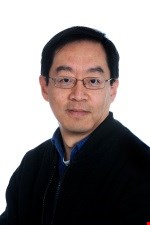
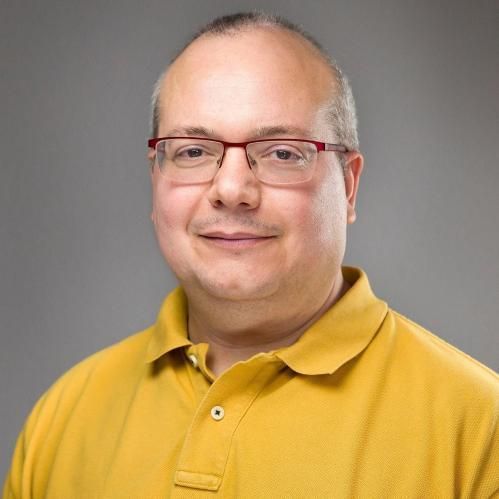
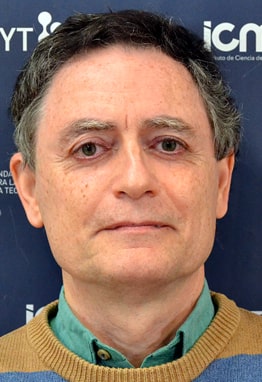
Per Erik Vullum is an Associate Professor at the Norwegian University of Science and Technology (NTNU), based at Realfagbygget, D4-106, Gløshaugen campus (Høgskoleringen 5). His research spans materials science with emphasis on lithium-ion battery systems, electron microscopy characterization, and welding of dissimilar metals. Contact details: per.vullum@ntnu.no, +4773593486, +4793016522. Primary research interests include: Battery materials (silicon anodes, layered oxide cathodes, solid electrolytes) Intermetallic phase formation in aluminum-copper/steel welds Advanced microscopy techniques (TEM, STEM, in situ characterization) Industrial catalysis for energy and chemical processes Additive manufacturing of high-strength alloys Analysis of his 15 most recent publications reveals dominant focus on battery technology (8 articles, 53%), particularly silicon anode degradation and cathode cracking mechanisms. Secondary themes include dissimilar metal joining (4 articles, 27%) and electron microscopy (2 articles, 13%), with one catalysis study. Collaborative work with SINTEF and industry partners is evident through co-authors on welding and subsea cable projects. Scientific awards: No awards mentioned in the source text Advising and grants: The provided text does not reference any PhD/Master's students, grants, or funding sources. His collaborative publications suggest team-based research but omit specific grant details. Labs and teams: Vullum operates within NTNU's materials research ecosystem, likely connected to electron microscopy facilities given his TEM-focused publications. His SINTEF blog contribution indicates active collaboration with Norway's applied research sector, particularly in subsea cable and battery projects.
Dr. Elizabeth Sooby is an Associate Professor in the Department of Physics and Astronomy at the University of Texas at San Antonio (UTSA), with a joint appointment in the Department of Mechanical Engineering. She is the founder and principal investigator of the Extreme Environments Materials Laboratory (EEML), a 2000 sq ft radiological facility dedicated to high-temperature synthesis and thermal analysis of uranium-bearing materials for nuclear energy applications. Her work focuses on accident-tolerant nuclear fuels and materials for advanced reactors. Her educational background includes a Ph.D. and M.S. in Physics from Texas A&M University and a B.S. in Physics from Millsaps College. Prior to UTSA, she was a Staff Scientist II and Seaborg Postdoctoral Fellow at Los Alamos National Laboratory. Dr. Sooby's research interests center on materials physics, nuclear materials, corrosion, high-temperature synthesis, and reaction kinetics. Her lab investigates uranium-based ceramics and intermetallics such as UN, UB2, and U-Mo, using advanced techniques like arc melting, thermal analysis, SEM, XRD, and in situ infrared thermography. The research aims to improve nuclear fuel safety and performance under extreme conditions. Her recent publications highlight a strong focus on accident-tolerant fuels, including uranium diboride oxidation, silicon carbide recession in TRISO particles, and machine learning integration for real-time monitoring of high-temperature reactions. The work spans experimental synthesis, microstructural characterization, and computational modeling, with applications in both terrestrial and space nuclear systems. DOE Early Career Award President’s Distinguished Achievement Award in Research Achievement Research Achievement Award, University Excellence Awards Endowed Fellowship G. T. Seaborg GRA Fellow Dr. Sooby has secured over $1 million in grants from the U.S. Department of Energy and a $3 million NNSA grant for the CONNECT project. She actively mentors a diverse team of undergraduate, graduate, and postdoctoral researchers and collaborates with national laboratories and industry partners. Her lab supports 8–14 student researchers at any time and has been featured in major news outlets for its contributions to climate change mitigation and space exploration. The Extreme Environments Materials Laboratory (EEML) is equipped with a Centorr Tri-Arc Furnace, Mbraun glovebox, Hitachi SEM, Bruker XRD, and Netzsch Simultaneous Thermal Analyzer coupled with mass spectrometry. The lab enables safe handling and synthesis of pyrophoric and radiological materials, making it one of the few university labs in the U.S. conducting such research.
Dr.-Ing. Uwe Scheithauer serves as Group Leader for Additive and Hybrid Manufacturing at the Fraunhofer Institute for Ceramic Technologies and Systems IKTS in Dresden, Germany. His work focuses on advanced manufacturing techniques involving ceramic materials and hybrid processes.
Luca Iuliano is a Full Professor at the Department of Management and Production Engineering (DIGEP) at the Polytechnic University of Turin, where he serves as both a Member and Coordinator of the Interdepartmental Center IAM@PoliTo - Integrated Additive Manufacturing. His academic career spans multiple decades with continuous involvement in teaching and research related to manufacturing technologies. Professor Iuliano's research interests focus on advanced manufacturing technologies, particularly in the areas of additive manufacturing (AM), 3D bioprinting, reverse engineering, and 3D modeling. His work bridges theoretical understanding with practical industrial applications, addressing challenges in materials engineering, production processes, and design optimization. His research has significant implications for industrial innovation, sustainability, and the advancement of manufacturing technologies across multiple sectors. His publication record demonstrates consistent contributions to the field of additive manufacturing, with recent work focusing on metal additive manufacturing processes, material properties of printed components, and applications in biomedical engineering. The research shows a clear trajectory toward increasingly complex material systems and applications, with growing emphasis on sustainability and industrial implementation of additive manufacturing technologies. President of Competence Industry Manufacturing 4.0 - CIM 4.0 (2019-2021) Coordinator of Interdepartmental Center IAM@PoliTo Scientific Director for multiple research centers and agreements Professor Iuliano actively supervises PhD students and has been involved in numerous research projects funded by competitive calls, commercial contracts, and international collaborations. His leadership extends to coordinating significant research initiatives including PNRR projects, EU-funded programs like Horizon 2020, and regional research platforms focused on additive manufacturing. The Interdepartmental Center IAM@PoliTo that he coordinates serves as a hub for additive manufacturing research, bringing together expertise from multiple departments to advance both fundamental understanding and industrial applications of these technologies.
Mariangela Lombardi is a Full Professor in the Department of Applied Science and Technology (DISAT) at Politecnico di Torino. She is a member of the Interdepartmental Center IAM@PoliTo - Integrated Additive Manufacturing and serves as Partnership Agreement Coordinator with GE AVIO. Her expertise spans materials science and engineering with a focus on industrial applications. Her research interests include: Additive manufacturing Advanced and sustainable manufacturing Advanced materials Her work aligns with European Research Council sectors in materials engineering, mechanical manufacturing, production technology, and sustainable design. She contributes to Sustainable Development Goals 9 (Industry, Innovation, and Infrastructure) and 12 (Responsible consumption and production). Professor Lombardi has received notable recognition including the Best biannual paper award from the Journal of the European Ceramic Society (2009-2010). She has served as an External Professor at SUPSI and holds scientific director roles in EIT Manufacturing Association and CLC SOUTH. Best biannual paper published in the Journal of the European Ceramic Society (2009-2010) She has been actively involved in PhD education, serving on the Collegi of the PhD programme "Scienza e Tecnologia dei Materiali" from the 31st cycle (2015/2016) through the current 40th cycle (2024/2025). She also participates in degree programme committees for Chemical and Materials Engineering and Mechanical, Aerospace, and Automotive Engineering. Her research portfolio includes numerous EU-funded projects (Horizon 2020, Horizon Europe), PNRR initiatives, and commercial contracts with industry partners. She leads research groups in Additive Manufacturing, Biomaterials, Ceramic Materials, Materials for high temperatures, and Metallic Materials. Professor Lombardi supervises numerous PhD students working on topics related to additive manufacturing, materials characterization, and advanced materials development across multiple laboratories including Ceramic 3D Printing LAB, Electron microscopy laboratory, and Furnace Laboratory.
Dr. James Hansell Adair is a Professor of Materials Science and Engineering, Biomedical Engineering, and Pharmacology at The Pennsylvania State University's College of Earth and Mineral Sciences. His research focuses on colloid and interfacial chemistry, material synthesis, and powder processing with applications in nanomedicine. With over 185 publications and twelve patents, Dr. Adair leads innovative work in nanoparticle drug delivery systems and nanograin materials development. Dr. Adair received his educational foundation at the University of Florida, earning his B.S. in Chemistry, followed by M.S. and Ph.D. degrees in Materials Science and Engineering. He furthered his expertise as a Fulbright Post-doctoral Fellow at the University of Western Australia in the Department of Soil Science and Plant Nutrition and the Royal Perth Hospital. Ph.D. in Materials Science and Engineering, University of Florida M.S. in Materials Science and Engineering, University of Florida B.S. in Chemistry, University of Florida Fulbright Post-doctoral Fellow, University of Western Australia (1981-1982) Dr. Adair's research spans multiple areas including 2D materials, additive manufacturing, biomaterials, ceramics, nanomaterials, and optical materials. His work particularly focuses on colloidal manipulation of nanoscale particulates (sub-50nm) for drug and bioimaging applications. He develops bioresorbable calcium phosphate, nanoporous silica, and calcium phosphosilicate particulates into which medically active substances including drugs, genetic material, peptides, proteins, and fluorescent molecules are captured. His team produces nanograin ceramics with grain sizes of 50-70 nanometers and nanograin metals at 20-40nm scale, with applications ranging from drug delivery to miniaturized surgical instruments. Dr. Adair's recent publications demonstrate a strong focus on nanomedicine applications, particularly in cancer treatment and cardiovascular disease. His work bridges materials science with biomedical applications, developing targeted nanoparticle systems for drug delivery, imaging, and disease monitoring. Key themes include VCAM-1 targeting for atherosclerosis, CCK receptor inhibition for pancreatic cancer, and reactive oxygen species-triggered drug release mechanisms. His research shows a clear trajectory toward increasingly sophisticated nanomedical applications with clinical relevance. Fellow, American Ceramic Society Fellow, World Academy of Ceramics Fellow, American Chemical Society Fellow, Materials Research Society Academician, Science Division of the World Academy of Ceramics (2005) International Men of Achievement (1996) Outstanding Collaborative Research Team (2015) Dr. Adair has secured significant research funding from the National Science Foundation and other agencies. His grants include projects on ceramic cellular contact-aided compliant mechanisms, electron energy loss imaging filters, and phase stability of inorganic materials. He has mentored numerous graduate students across Penn State's Intercollege Graduate Degree Program in Materials Science and Engineering, with many publications featuring student co-authors. His research group operates within the Particulate Materials Center, focusing on nanocolloids for medical applications. Dr. Adair leads research in the Particulate Materials Center at Penn State and is affiliated with multiple institutes including the Materials Research Institute (MRI), Penn State Cancer Institute, and One Health Microbiome Center. His collaborative work spans across disciplines, integrating materials science with biomedical engineering and pharmacology. He serves on the Faculty Senate and has held leadership positions in the American Ceramic Society, including past Chair of the Basic Science Division.
Professor Yordan T. Maksimov serves at Technical University - Gabrovo's Faculty of Mechanical Engineering within the Department of Materials Science and Mechanics of Materials. Holding full professorship since 2004 (previously Associate Professor since 1995), he specializes in mechanical engineering with focus on metal fatigue enhancement and surface engineering. His educational background includes mechanical engineering graduation (1985), Candidate of Technical Sciences (1990), and Doctor of Technical Sciences (2003). Research interests center on Mechanics of Materials , Surface Engineering , and Fatigue Durability Enhancement through patented metalworking methods. His work integrates CAE systems in continuum mechanics with experimental validation. Analysis of his 15 most recent publications (2022-2024) reveals dominant themes in surface integrity optimization (79%), fatigue-strength correlation (68%), and advanced burnishing techniques (100%), primarily using AISI 304/316 steels and aluminum alloys. His methodology consistently combines experimental testing with FEM modeling. Gold Medal, Brussels Inventions Exhibition (2011) Academician, Ukrainian Academy of Sciences (2013) Medal from Ukrainian Academy Presidium (2019) Multiple national invention awards (1984-2014) As principal investigator, he has directed 22 national and 5 European research projects while supervising 12 doctoral students to completion. His laboratory complex at the Intelligent Growth Center provides industrial metal testing services. Current work focuses on cryogenic-assisted burnishing and multi-objective process optimization for aerospace components.
Olivier Politano is a Professor at the University of Bourgogne's Faculty of Sciences, specializing in atomic-scale simulations of metallic systems. His research is conducted within the Metallurgical Processes, Sustainability, and Materials department, where he focuses on computational materials science with particular emphasis on metal-environment interactions. His research interests span molecular dynamics simulations of metallic systems, corrosion processes, high-temperature oxidation of metals, thin oxide films, and nanometric metallic multilayers. Politano has developed expertise in variable charge molecular dynamics to study how reactive materials behave in different environments, with significant contributions to understanding hydrogen's role in aluminum systems. Analysis of his recent publications reveals a consistent focus on computational modeling of metal-environment interactions, with increasing emphasis on nanostructured materials and additive manufacturing applications. His work bridges fundamental atomic-scale phenomena with practical engineering applications, particularly in corrosion resistance and high-temperature material performance. Politano has supervised 11 PhD theses (with 2 ongoing) and mentored 4 postdoctoral researchers. He has secured substantial research funding through multiple national and international projects, demonstrating his ability to translate theoretical research into funded initiatives with practical applications. His leadership extends beyond research to significant administrative roles, including serving as deputy director of Laboratoire ICB since October 2024 and managing the 5th year of the ESIREM engineering school's Materials and Sustainable Development Department since 2021. He previously served as head of the university's computing center from 2011 to 2016, overseeing a substantial research infrastructure with approximately 8,000 cores.
Dr. Bin Wang is a Reader in Mechanical and Aerospace Engineering at Brunel University, where he serves as the Vice Dean International of the College of Engineering, Design and Physical Sciences. Previously, he held roles as Chairperson of the Board of Study in Mechanical, Aerospace and Automotive Engineering, Year 1 Tutor, and Programme Director of MSc Structural Integrity. With a career spanning multiple prestigious institutions including Nanyang Technological University (Singapore), Deakin University (Australia), Manchester University, and Aberdeen University before returning to Brunel in 2011, Dr. Wang brings extensive international academic and research experience. Dr. Wang's educational background includes: BEng (1985) in Solid Mechanics from Xi'an Jiaotong University MSc (1988) by research in Dynamics from University of Manchester (formerly UMIST) PhD (1991) in Applied Mechanics from University of Manchester (formerly UMIST) Dr. Wang's research expertise spans Applied Mechanics, with particular focus on stress and strain analysis, dynamics and impact mechanics. His work extends to reliability and safety analysis with applications in energy and medical fields. His research has contributed to the British Energy's R3 document on Impact Assessment of nuclear power plants, and he presented work on 'Shooting Cancers' at the Royal Society Summer Science Exhibition (2004). Dr. Wang is also one of the inventors of a patented knee implant which is a leading product in the North American market. Analysis of Dr. Wang's recent publications (2022-2024) reveals a strong focus on advanced materials research, particularly in composite materials, lithium-ion battery safety, high-entropy alloys, and structural integrity. His work bridges theoretical modeling with practical applications, with significant contributions to understanding material behavior under extreme conditions, mechanical properties of novel composites, and failure mechanisms in critical engineering systems. The interdisciplinary nature of his research connects mechanical engineering with materials science, energy storage, nuclear safety, and biomedical applications. Dr. Wang has received several prestigious awards and fellowships: International Exchange Fellowship, Australia Academy of Science (1998) Bed Morris Fellowship, French Science Foundation (1999) Senior Fellow, Nanyang Technological University (2001) Impact Award, PraxisUnico (2011) As an academic leader, Dr. Wang serves as Editor of the International Journal of Mechanical Engineering Education and is a member of editorial committees for several research journals. He has supervised PhD students in areas including Life Cycle Analysis and Carbon footprint Analysis of Structural Automotive Parts. His research portfolio includes diverse projects such as 'Vagina-on-a-Chip,' 'Stress wave propagation in metal rings under high speed impact,' 'Mechanics of Pipe whip of cantilever beams,' and 'Nanofibres for wound dressing and surgical application.' Dr. Wang is also actively involved in professional organizations, holding positions as Fellow of the Institution of Mechanical Engineers, Chartered Engineer, and Member of the Educational Committee of The Welding Institute. Dr. Wang leads research in the IMM research group at Brunel University, focusing on interdisciplinary projects that combine mechanical engineering principles with advanced materials science and computational methods. His work often involves collaboration with industry partners to address real-world engineering challenges in energy, transportation, and healthcare sectors.
Professor Damiano Pasini is affiliated with the Department of Mechanical Engineering at McGill University, with associate memberships in the Department of Bioengineering and Department of Biomedical Engineering. His research focuses on solid mechanics, structural optimization, and fabrication of architected materials (mechanical metamaterials) with extreme properties for aerospace and medical applications. Expertise in mechanical metamaterials and 3D printing Research on plant tissue mechanics (Selaginella lepidophylla) Applications in bone replacement implants and soft robotics Key methodologies: experiments, theory, simulations Research areas include topology optimization and defect tolerance in additive manufacturing
Dr. Khalid Saeed serves as a Lecturer in Mechanical Engineering at Ulster University's Faculty of Computing, Engineering and the Built Environment, based at the Derry~Londonderry campus in Room MS222. His research focuses on advanced composite materials with significant contributions to sustainable manufacturing and infrastructure development, aligning with UN Sustainable Development Goals 9 and 11. Dr. Saeed earned his PhD from Ulster University through doctoral research titled "Characterization of 3D-printed laminate composites with enhanced mechanical properties," supervised by Professors A. McIlhagger and E. Archer. His primary research interests center on composite materials and additive manufacturing, specifically investigating carbon fiber reinforced polymer composites produced via 3D printing. He examines how fiber volume fraction, printing parameters, and material composition affect critical mechanical properties including tensile strength, elastic modulus, and fatigue resistance. This work bridges fundamental materials science with practical engineering applications for lightweight structural solutions in aerospace, automotive, and construction industries. Analysis of Dr. Saeed's publication timeline reveals a strategic evolution from broader materials research (2016-2019) toward specialized 3D-printed composite investigations (2020-2024). His high-impact articles in Composite Structures demonstrate exceptional scholarly reception, with the 2022 publication accumulating over 100 citations. The research consistently addresses mechanical property characterization through experimental testing and theoretical modeling, emphasizing industrial applicability. No major scientific awards or fellowships are documented in available records, though his publications demonstrate significant academic impact through citation metrics. Dr. Saeed has not supervised any doctoral students to completion based on current information. He maintains active collaborations with Ulster University researchers including Professors A. McIlhagger, E. Archer, and E. Harkin-Jones. While specific grant details aren't provided, his research appears supported by institutional resources and potential external funding mechanisms. He operates within Ulster University's Engineering Research group and contributes to the Advanced Manufacturing and Materials Research Institute, utilizing specialized facilities for composite fabrication, 3D printing, and mechanical testing to advance sustainable materials innovation.
Rafael Barea del Cerro is a Researcher at Nebrija University's Higher Polytechnic School within the Department of Manufacturing Process Engineering, focusing on advanced materials and manufacturing processes. His academic foundation includes a PhD in Materials Science from Universidad Autónoma de Madrid (2004). Education: PhD in Materials Science, Universidad Autónoma de Madrid (2004). Thesis: 'Thermal Conductivity of Biphasic Ceramic Materials' supervised by Dr. P. Miranzo. Dr. Barea del Cerro's research centers on additive manufacturing, materials optimization, and data-driven engineering design. He investigates mechanical and thermal properties of advanced materials including magnesium alloys, ceramic composites, and metal deposition systems. His work integrates computational modeling with experimental validation to enhance manufacturing efficiency and material performance across industrial applications. Analysis of his 2020-2025 publications reveals dominant themes in additive manufacturing process optimization (laser-wire deposition, powder bed fusion), material behavior under extreme conditions (dynamic strain aging, compression testing), and sustainable thin-film engineering. Key methodologies include in situ diffraction, acoustic emission monitoring, and AI-driven shape optimization. No scientific awards are documented in available sources. Information regarding student supervision or research grants is not publicly specified in current academic profiles. His work appears primarily self-directed within institutional research frameworks. He actively contributes to the MOD3RN Nebrija Research Group, specializing in Material Optimization for Data Driven Design in non-linear engineering applications, where he develops computational and experimental approaches for next-generation manufacturing solutions.
Fernando Agulló-Rueda is a Senior Research Scientist at the Materials Science Institute of Madrid (ICMM) , part of the Spanish National Research Council (CSIC) , where he has worked since 1988. He earned his PhD in Physics from the Autonomous University of Madrid (UAM) in 1986, focusing on halide perovskites, and conducted postdoctoral research at institutions including the IBM Thomas J. Watson Research Center, Max-Planck Institute for Solid State Research, and University of Hamburg. His research spans the optical and vibrational properties of materials , with a focus on Raman microscopy , semiconductor nanostructures, thin films, and radiation effects on materials. Education: PhD in Physics (1986), Autonomous University of Madrid (UAM) MSc in Physics (1982), Autonomous University of Madrid (UAM) Dr. Agulló-Rueda has established the Raman Microscopy Lab at ICMM in 1995 and contributed to over 138 peer-reviewed publications with 4028 citations (h-index 33 in Web of Science, 40 in Google Scholar). His work bridges fundamental and applied materials science , including collaborations in biological materials, ion irradiation effects, and photonic device development. He has supervised three doctoral theses at UAM and served on scientific committees for conferences like the International Conference on Thin Films (ICTF2023). His outreach efforts include books and lectures on nanotechnology and microelectronics. Scientific leadership roles include: Editor of the Raman spectroscopy channel at spectroscopyNOW (2001–2005) Member of the Executive Council and Treasurer of the Spanish Vacuum Society (ASEVA) (2021–2023) Organizer for the 19th International Conference on Thin Films (ICTF2023)
Prof. Efrain Carreno-Morelli, a Swiss/Argentinian/Italian citizen born in Argentina in 1966, is a Materials Technology Professor at the University of Applied Sciences and Arts Western Switzerland (HES-SO Valais-Wallis). He leads the Powder Technology and Advanced Materials Research Group since 2011, teaching powder metallurgy, composites, and ceramic materials. With over 100 peer-reviewed publications and 5 patent applications (1 granted), he specializes in powder injection molding , additive manufacturing , and metal-ceramic composites . Metal powder processing (MIM/CIM) 3D printing (SLM/Binder Jetting) Hydrogen storage materials Biocompatible implant development His research spans from carbon nanotube composites to solvent-based 3D printing techniques (SG-3DP). He serves on editorial boards of Papers in Physics and Powder Metallurgy Progress , and participates in multiple technical committees (EuroPM, WorldPM, Powdermet-AMPM). Current projects focus on additive manufacturing of aluminum alloys (Innosuisse 35906.1 IP-ENG) and cemented carbide parts (Innosuisse 28800.1 IP-ENG). Key contributions include: Net-shape processing of shape memory alloys Development of nickel-free stainless steels for medical use Novel solvent-based 3D printing (SG-3DP)
Leonardo Pagnotta is a Full Professor in Mechanical Design and Experimental Mechanics at the University of Calabria (UNICAL), where he serves in the Department of Mechanical, Energy and Management Engineering (DIMEG). He has held significant leadership positions including Director of DIMEG (2015-2021), member of the university's Academic Senate (2015-2021), and Coordinator of the PhD program in Mechanical Engineering. Currently, he heads both the Laboratories of Mechanical Engineering and the Laboratory of Mechanical Characterization of Materials at UNICAL. Professor Pagnotta earned his Degree in Industrial Technology Engineering (Mechanical specialization) from the University of Calabria in 1984, followed by a PhD in Mechanics of Materials from the University of Pisa in 1990. His academic career progressed from University Researcher (1994-2000) to Associate Professor (2000-2006), and finally to Full Professor since 2006 in the Scientific Sector ING-IND/14 "Mechanical Design and Machine Construction". His research focuses on numerical methodologies for stress analysis, reliability design, structural optimization, and experimental mechanics techniques. Key areas include residual stress measurement, elastic properties characterization of isotropic and anisotropic materials, fracture mechanics, and non-destructive testing. He has extensively worked on thermal barrier coatings (TBCs), metallic coatings, and mechanical characterization at micro- and nano-scales. Recent research explores nanostructured coatings, graphene-based composites, SMART materials, and applications in hydrogen energy systems, including fluid dynamics in hydrogen transport pipelines and hydrogen-powered trains. Professor Pagnotta's recent publications reveal a strong trend toward sustainable energy applications, particularly hydrogen infrastructure and storage systems. His work bridges traditional mechanical engineering with cutting-edge materials science, with significant focus on additive manufacturing technologies and their material challenges. The research demonstrates a clear evolution from fundamental mechanics to applied sustainable energy solutions, reflecting contemporary engineering priorities in clean energy transition. Professor Pagnotta has received numerous prestigious awards throughout his career: 2023: Best Poster Award for "On Fatigue Behavior Nanostructured Epoxy Composite Materials" at the 8th World Congress on Advanced Materials 2013: JMST Best Paper Award for "Mechanical Characterization of Materials at Small Length Scales" 2010: WSEAS Best Paper Award for "Evaluation of Squeeze-film Damping Effects in MEMS Perforated Plates" 1996: AIAS Award for "Lifetime Reliability Evaluation of Ceramic Components by a Finite Element Post-Processor" 1993: AIAS Award for "Influence of Specimen Planarity Errors in Biaxial Flexure Tests on Ceramic Materials" 1987: AIAS Award for "Application Possibilities of Holographic Interferometry in Residual Stress Measurement" As an academic advisor, Professor Pagnotta has supervised numerous theses across Mechanical, Management, and Biomedical Engineering programs, mentored student internships at companies and research centers worldwide, and served as scientific supervisor for multiple PhD dissertations. His research has been supported by significant grants including AQUAGENIUS, SAFE H2D, AGE-IT, INSPIRATION, ARIA, PICO-e-PRO, and other competitively funded projects. He has served as Principal Investigator for research agreements with ENEL, AEROprogetti, and IRPE, and contributed to collaborations with ALENIA, BREDA, and FOS. Professor Pagnotta leads several research laboratories at UNICAL, including his current role as Coordinator of the Mechanical Laboratories Cluster at DIMEG (2024-present). He previously co-founded and headed "MechLab" at DIMEG (2015-2023) and founded the "Material Characterization Laboratory (LCM)" in 2012. His laboratory work focuses on mechanical measurements, materials characterization, and advanced experimental techniques, supporting both research and educational activities in mechanical engineering.