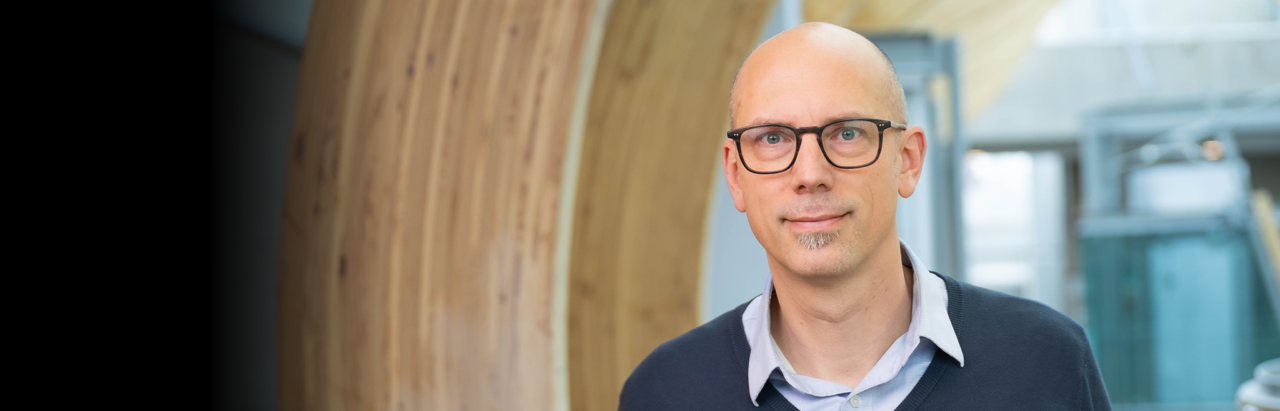
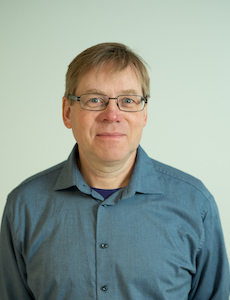
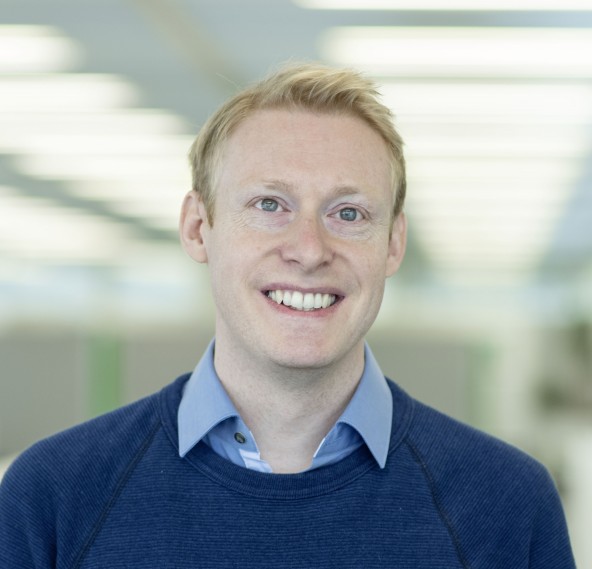
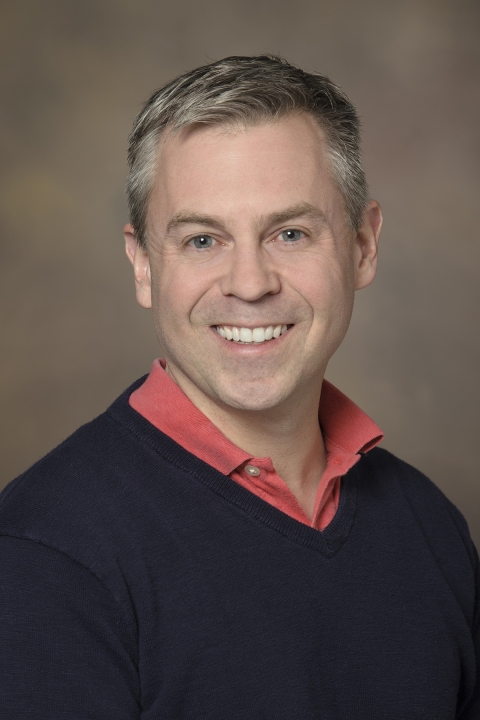
Thibault Mayor is a Professor in the Department of Biochemistry and Molecular Biology and the Michael Smith Laboratories at the University of British Columbia (Vancouver). His research focuses on understanding how cells manage misfolded proteins, with implications for neurodegenerative diseases like Parkinson's and Alzheimer's. He holds academic affiliations with the Centre for High-Throughput Biology (CHiBi) and has been recognized with awards including the UBC Killam Teaching Award (2020). Education: BSc, University of Geneva, Switzerland (1997) PhD, University of Geneva & Max Planck Institute of Biochemistry, Germany (2001) Postdoctoral Fellow, California Institute of Technology (2002) Research Interests: Mayor's lab investigates protein homeostasis, ubiquitin-proteasome system dynamics, and the molecular mechanisms underlying protein aggregation in aging and disease. Projects include proteomic approaches to identify aggregation-prone proteins and develop microbial cell factories for protein production. Grants & Awards: CIHR Project Grant ($730K, 2018) Michael Smith Foundation Career Award (2012) UBC Killam Teaching Award (2020) Labs & Collaborations: The Mayor Lab is part of the Michael Smith Laboratories and collaborates with computational biologists like Jörg Gsponer. They maintain active partnerships in proteomics and systems biology, contributing to initiatives like the BC Proteomics Network.
Rhenish Friedrich Wilhelm University of BonnGermany
Prof. Waldemar Kolanus leads the Molecular Immunology and Cell Biology department at the University of Bonn's Life & Medical Sciences Institute (LIMES) . His research bridges immunoregulation , stem cell dynamics , and metabolic stress responses in immune cells. Unit 2 member at LIMES Principal investigator in SFB 704 and ImmunoSensation Cluster Leads a multidisciplinary lab with postdocs, PhD students, and technical staff His work focuses on intracellular signaling pathways connecting immune activation to tissue homeostasis, particularly through: Cytohesin proteins in integrin-mediated adhesion and migration TRIM71 in stem cell regulation and congenital hydrocephalus High-salt environments affecting macrophage function Publication trends show expertise in immune cell migration , genetic models , and chemical inhibition , with frequent use of mice and zebrafish for in vivo studies. Key articles explore: TRIM71's dual role in auditory development and germ cell maintenance Cytohesin family's Golgi regulation and insulin signaling Ruxolitinib's off-target migration inhibition of dendritic cells Contact details: Address: LIMES Institute, Carl-Troll-Straße 31, Bonn Email: kolanus.sekretariat@uni-bonn.de Phone: +49 228 73-62788
Jens S. Andersen is a Professor in the Department of Biochemistry and Molecular Biology at the University of Southern Denmark, where he leads research in Biomedical Mass Spectrometry and Systems Biology. His work is centered on the development and application of quantitative mass spectrometry and microscopy-based proteomics to study human cell biology, particularly the structure and function of organelles such as centrosomes, cilia, autophagosomes, and mitochondria. His research focuses on determining the protein composition and dynamic properties of cellular organelles, the roles of specific protein groups, and their contributions to biological processes and diseases. He investigates cell signaling mediated by post-translational modifications, especially within the DNA damage response, autophagy, and immune systems. His lab, the Jens S. Andersen Lab, is part of the Research Section of Biomedical Mass Spectrometry. The analysis of his recent publications reveals a strong interdisciplinary trend combining proteomics, structural biology, and cell signaling. His work spans cilia biology, RNA metabolism, DNA repair, and cancer mechanisms, with frequent use of advanced techniques like mass spectrometry, CRISPR, and live-cell imaging. The integration of systems biology approaches is evident across his research outputs. Professor, Department of Biochemistry and Molecular Biology, University of Southern Denmark Head of Research, Biomedical Mass Spectrometry and Systems Biology Principal Investigator, Jens S. Andersen Lab ORCID: 0000-0002-6091-140X While no specific scientific awards are mentioned in the provided texts, his extensive publication record in high-impact journals such as Science , Nature Communications , Molecular Cell , and EMBO Journal reflects significant scholarly contributions. He has supervised research projects and collaborated widely across Europe, though specific names of students are not listed. His research is supported by multiple ongoing projects, reflecting sustained funding and academic leadership. The Jens S. Andersen Lab operates at the intersection of proteomics and cell biology, contributing to fundamental understanding of organelle dynamics and disease mechanisms. The lab's work is highly collaborative, involving partnerships with groups in structural biology, RNA research, and cancer biology.
Prof. Dr. Soeren Lienkamp is an Assistant Professor at the Institute of Anatomy , Faculty of Medicine , University of Zurich . His work bridges digital education and genetic research , focusing on enhancing medical teaching through innovative formats. Research Interests : Genetics, developmental biology, kidney disease modeling, CRISPR applications, digital medical education, and advanced microscopy. Methodologies : Combines Xenopus tropicalis models, deep learning , and bioengineering to study genetic kidney disorders and improve diagnostic tools. Publication Trends : His recent articles highlight predictable genome editing , 3D imaging technologies , and mechanistic insights into kidney and eye development. Earlier works focus on ciliary function , Wnt signaling , and metabolic stress in renal cells.
Cheryl Walker, Ph.D., is a Professor in the Departments of Molecular and Cellular Biology, Medicine, and Molecular and Human Genetics at Baylor College of Medicine. She serves as Director of the Center for Precision Environmental Health and Co-Leader of the Chromatin Biology Program at the Dan L Duncan Comprehensive Cancer Center. Her research focuses on gene-environment interactions, epigenomics, and the molecular mechanisms underlying diseases such as cancer, fibroids, and non-alcoholic fatty liver disease (NAFLD). Key areas include the role of chromatin remodelers like SETD2 in genomic stability and their dual functions in cytoskeletal dynamics. She has pioneered studies on how early-life environmental exposures, such as endocrine-disrupting chemicals (EDCs), reprogram the epigenome to increase disease susceptibility later in life. Dr. Walker’s work is funded by NIH and DOD grants, including leadership of the TaRGET II Consortium for environmental epigenomics. Her lab employs cutting-edge technologies like ChIP-seq and RNA-seq to study epigenetic reprogramming. Notable contributions include discoveries linking SETD2 methylation to microtubule stability and genomic integrity, and identifying epigenetic signatures of environmental exposures in health disparities research. Education: Ph.D. in Molecular Biology Affiliations: Baylor College of Medicine, Gulf Coast Center for Precision Environmental Health Her awards include election to the National Academy of Medicine and fellowships in the American Association for the Advancement of Science (AAAS) and American Thoracic Society (ATS). The lab actively collaborates on translational projects, including biomarker development and disaster-related health studies following events like Hurricane Harvey. Key Research Themes: Epigenetic drivers of cancer and fibrosis Environmental epigenomics and disease risk Chromatin-cytoskeleton cross-talk in disease
Jian Zhang is an Assistant Professor in the Department of Biomedical Engineering at the University of Arkansas. He obtained his B.S. in Theoretical and Applied Mechanics from Peking University (2011) and a Ph.D. in Biomedical Engineering from Carnegie Mellon University (2016), followed by postdoctoral research at Vanderbilt University (2017-2022). His work integrates engineering , mechanics , and computational biology to study cancer mechanobiology and regenerative medicine. Education: B.S., Theoretical & Applied Mechanics, Peking University (2011) Ph.D., Biomedical Engineering, Carnegie Mellon University (2016) Dr. Zhang's research focuses on cancer mechano-metabolism —how mechanical forces interact with cellular bioenergetics to influence tumor progression. His lab develops bioengineering tools and computational models to study cell migration in 3D environments, nuclear mechanics, and extracellular matrix interactions. Recent work explores leader-follower dynamics in collective invasion and mitochondrial transfer in aggressive cancers. The 15 most recent publications highlight themes in cancer metabolism , nuclear deformation , and matrix stiffness , with applications in metastasis and regenerative medicine. His articles span computational modeling of energy-driven invasion hierarchies, biophysical studies of nuclear mechanics, and translational research connecting tissue density to cancer progression. At the University of Arkansas, Dr. Zhang teaches BMEG 26104 Introduction to Biomedical Engineering (Fall) and BMEG 4700V/5700V Special Topics: Physics of the Cell (Spring). The Zhang Lab (Cell Biophysics Laboratory) emphasizes collaborative research, mentorship, and the development of precision mechanomedicine tools to address challenges in cancer and regenerative medicine.
Kevin T. Vaughan is an Associate Professor in the Department of Biological Sciences at the University of Notre Dame, with a research focus on the cell biology of cancer and neurodegenerative diseases. He is a member of the Harper Cancer Research Institute and conducts mechanistic studies on mitosis, organelle transport, and cholesterol trafficking. Research Interests: Cell Biology of human diseases Mitosis and cell cycle regulation Neurodegeneration, particularly Niemann-Pick Type C disease Cancer therapeutics and combinatorial drug treatments Cholesterol transport mechanisms Cytoplasmic dynein function in cellular dynamics His research employs mass spectrometry and animal models to investigate novel regulatory pathways in mitosis and to develop new therapies for pancreatic and breast cancer. The lab has discovered a new cholesterol transport pathway disrupted in NPC disease and is exploring potential corrective strategies. Recent Research Trends: Dr. Vaughan's recent publications emphasize the role of cytoplasmic dynein in mitotic processes, kinetochore dynamics, and organelle transport. His work bridges fundamental cell biology with translational applications in cancer and rare genetic disorders. Key themes include motor protein regulation, mitotic spindle assembly, and intracellular trafficking defects in disease. Scientific Affiliations: Member, Harper Cancer Research Institute Faculty, College of Science, University of Notre Dame Advising and Research Support: As a principal investigator, Dr. Vaughan leads a research laboratory focused on cellular mechanisms of disease. He collaborates on interdisciplinary projects related to cancer therapeutics and neurodegeneration. His lab receives institutional support through the University of Notre Dame and the Harper Cancer Research Institute, enabling studies in both basic and applied biomedical research. Laboratory and Team: The Vaughan Laboratory is based in the Galvin Life Science Center and conducts research on mitotic regulation and cholesterol transport. The team utilizes biochemical, cellular, and imaging approaches to study disease mechanisms and test novel therapeutic strategies in model systems.
Prof. Mike Boxem is a Professor in the Department of Biology at Utrecht University's Faculty of Science, specializing in Developmental Biology. His research focuses on epithelial polarity, cell polarity complexes, and C. elegans genetics. He holds a PhD from Utrecht University (2002) and completed postdoctoral work at the Dana-Farber Cancer Institute. Notable honors include the NWO Vici (2016), NWO Vidi (2010), and ECHO grants. He leads the PolarNet Marie Curie ITN network and has supervised 8 research projects. His work contributes to understanding cell polarity mechanisms and developmental processes in C. elegans. Educations: BSc Medical Biology, VU University Amsterdam PhD in Biology, Utrecht University (2002) Research Interests: Boxem’s lab investigates how cell polarity complexes regulate epithelial tissue organization in C. elegans. Key topics include Crumbs polarity proteins, intermediate filaments, and signaling pathways controlling lumen formation and germline development. His work integrates genetic, biochemical, and imaging approaches to dissect molecular mechanisms underlying polarity establishment and maintenance. Grants & Awards: NWO Vici Grant (2016) - Supports long-term research NWO Vidi Grant (2010) - Established his independent lab ECHO Grant (2014) - European funding for collaborative projects Labs/Teams: His group is part of the Biodynamics and Biocomplexity research division. Collaborations span global networks, including the PolarNet consortium focusing on epithelial polarity.
Elif Nur Fırat Karalar is an Associate Professor at the Department of Molecular Biology and Genetics in Koc University 's School of Engineering and Natural Sciences. She serves as Director of the Sponsored Research Office and leads the Cytoskeleton Research Laboratory (CytoLab) , focusing on centriolar satellites, cilia, and their roles in developmental disorders and ciliopathies. Her lab has pioneered studies on microtubule-associated proteins like CCDC66 and CCDC15. PhD, University of California, Berkeley (2010) BSc, Bilkent University (2004) Her research explores membrane-less organelles, cellular signaling, cytoskeletal networks, and mitotic control mechanisms. Recent work includes ERC-funded projects on centriolar satellite homeostasis and TÜBİTAK grants dissecting ciliopathy protein functions in cell migration. She employs advanced techniques like U-ExM expansion microscopy and Superresolution Imaging Core (KUSIM) . Scientific recognitions include: 2024 - EMBO Member 2023 - ERC Starting Grant (second award) 2021 - TUBITAK Incentive Award 2019 - EMBO Young Investigator 2015 - ERC Starting Grant Elif Nur Fırat Karalar has successfully mentored multiple graduate students including Melis Dilara Arslanhan (PhD 2023) , Dila Gulensoy (MSc 2023) , and Şevket Onur Taflan (MSc 2021) . Her lab has received substantial funding from TÜBİTAK , EMBO , Royal Society , and IBG Science Medal . CytoLab actively participates in international conferences like Cilia2024 and organizes workshops such as the Advanced Imaging in Life Sciences series.
J. Ross Chapman is a Professor of Genome Maintenance Biology at the University of Oxford, affiliated with the MRC Molecular Haematology Unit. He holds fellowships from Cancer Research UK and the Lister Institute, and is part of the EMBO Young Investigator Programme. His research focuses on DNA repair mechanisms, particularly the balance between accurate and mutagenic repair pathways in cancer and immune disorders. Career highlights include roles as a Sir Henry Wellcome Fellow and Principal Investigator. His group studies genetic recombination mechanisms, aiming to develop cancer therapies targeting repair pathway dysfunctions. Key research areas include the role of BRCA1, BARD1, 53BP1, and CST complexes in DNA repair. Awards include CRUK and Lister Institute Fellowships, alongside EMBO recognition. His lab’s work spans genomic stability, immune system development, and cancer therapy strategies. Recent studies explore chronic inflammation in leukemia evolution and synthetic lethality in BRCA-deficient cells.
Ruhee Dere, Ph.D., serves as Associate Professor in the Department of Medicine at Baylor College of Medicine, Houston, TX, where she leads research at the Center for Precision Environmental Health. Her work bridges molecular cell biology and translational oncology with focus on ciliary dynamics in disease pathogenesis. Her academic foundation includes: Ph.D. in Genetics from Texas A&M University (2006) Postdoctoral Fellowship at U.T. MD Anderson Cancer Center (2011) M.S. in Life Sciences from Mumbai University (2000) B.S. in Life Sciences from St. Xavier's College, Mumbai, India (1998) Dr. Dere's research program centers on elucidating molecular mechanisms of primary cilia formation/disassembly , with direct implications for ciliopathies and renal cystogenesis . Her seminal work established that VHL tumor suppressor loss triggers ciliary defects via Aurora kinase A (AURKA) activation , identifying AURKA as a direct VHL E3 ligase target. She demonstrated that AURKA-HDAC6 axis inhibition rescues ciliary defects in vitro and in vivo using novel cystogenesis models. Recent breakthroughs reveal nuclear histone modifiers repurposed in cytoplasmic compartments to regulate microtubule dynamics, uncovering unprecedented epigenome-cytoskeleton crosstalk . Analysis of her 15 most recent publications (2018-2024) reveals three dominant research thrusts: (1) epigenetic-cytoskeletal integration via SETD2/PBRM1-mediated microtubule methylation, (2) genomic instability mechanisms in renal carcinogenesis through centrosome/chromatin defects, and (3) therapeutic targeting of VHL-AURKA pathways to rescue ciliary dysfunction. Over 70% of recent work focuses on SETD2's dual roles in chromatin and cytoskeletal regulation. While specific awards are not detailed in source materials, Dr. Dere's contributions to cilia biology and renal cancer mechanisms are evidenced by consistent high-impact publications. Her laboratory has developed high-throughput image-based ciliation assays for compound screening and maintains animal models of cystogenesis . Current work explores nuclear-cytoplasmic shuttling of epigenetic regulators and their therapeutic potential in ciliopathies.
University of California, San FranciscoUnited States
David Agard is a Professor in the Department of Biochemistry and Biophysics at the University of California San Francisco (UCSF), where he leads a research group focused on uncovering the structural basis of biological function at the molecular and cellular levels. His lab specializes in advanced cryo-electron microscopy (cryo-EM) and fluorescence light microscopy, developing novel imaging technologies to study dynamic cellular processes. His research interests span structural biology , molecular chaperone function (particularly Hsp90 and its role in disease), microtubule nucleation , centrosome and cilium structure , and the structure of phage-encoded tubulins . He is deeply involved in methodological innovations in cryo-EM data processing , including deconvolution, heterogeneous reconstruction, and tomography, enabling atomic-level insights into complex biological systems. Recent publications highlight his lab’s work on the structural mechanisms of Hsp90-client regulation, microtubule organization, phage nucleus formation, and high-resolution imaging techniques using functionalized graphene-oxide grids. His work increasingly integrates AI-driven structural modeling and in situ approaches to understand macromolecular complexes in their native cellular context. Dr. Agard has made seminal contributions to understanding the ATPase cycle of Hsp90, the architecture of the gamma-tubulin complex, and the structural dynamics of viral and cellular tubulins. His research bridges biochemistry, biophysics, and cell biology, with implications for cancer, neurodegeneration, and antimicrobial strategies.
Dr. Zoi Diamantopoulou is a Beatson Research Fellow at the Cancer Research UK Scotland Institute (School of Cancer Sciences), Glasgow. Previously, she held Senior Postdoctoral Marie Curie Fellowships at ETH Zürich and University of Basel. Her research focuses on the interplay between circadian rhythms and cancer metastasis, particularly through circadian regulation of Circulating Tumour Cells (CTCs). Education: PhD in Cellular Biology (2010), University of Patras, Greece BSc in Biology (2005), University of Patras, Greece Her work employs in vivo mouse models, microfluidics, genetic engineering, and next-generation sequencing to explore how circadian disruptions influence metastatic progression. She also investigates chronotherapy for optimized drug administration and analyzes patient blood samples to identify circadian-related molecular vulnerabilities. Scientific Awards: 2021 Marie Skłodowska-Curie Postdoctoral Fellowship 2018 The BACR Chris Marshall Prize for Cell Signalling Lab Members: Senior Scientific Officer Gurman Pall, PhD Student Sara Ortega.
Gregory C. Rogers is a Professor in the Department of Cellular and Molecular Medicine at the University of Arizona, with additional appointments in the BIO5 Institute, Cancer Biology GIDP, and Genetics GIDP. He specializes in molecular mechanisms governing centriole duplication and centrosome instability in cancer progression. Education: BA in Biology from the University of Rochester PhD in Cell and Developmental Biology from University of California, Davis Postdoctoral training at Albert Einstein College of Medicine and University of North Carolina, Chapel Hill His research focuses on centriole duplication control, centrosome amplification/loss in prostate cancer, and the role of Polo-like kinase 4 (Plk4) in mitotic errors. Articles from 2010-2025 highlight his work on centrosome dynamics, cancer-related chromosomal instability, and Drosophila model applications. Recent studies (2023-2025) explore PIM kinase inhibition in immunotherapy, Plk4 regulation, and centrosome loss as a driver of prostate malignancy. Earlier work (2010-2019) established foundational knowledge of centriole assembly and condensin II function.
Dr. Wolfgang Zachariae is a Group Leader at the Max Planck Institute of Biochemistry in Martinsried, Germany, where he heads the "Chromosome Biology" research group. His laboratory focuses on understanding the molecular mechanisms of meiosis, particularly chromosome segregation and the role of cohesin in this process. Dr. Zachariae's educational background includes: PhD (summa cum laude) from Heinrich-Heine University, Düsseldorf, Germany (1990-1994), with Prof. Karin Breunig on "Regulation of the transcriptional activator Lac9" Diploma Thesis with Prof. Karin Breunig on "Enrichment of the transcription factor Lac9 from the yeast Kluyveromyces lactis" (1988-1990) Studies in Biology at Heinrich-Heine University, Düsseldorf, Germany (1984-1988) Postdoctoral Fellowship at the Institute of Molecular Pathology (IMP), Vienna, Austria (1994-1999), in the Laboratory of Prof. Kim Nasmyth, focusing on "cell cycle control by the anaphase-promoting complex in budding yeast" Dr. Zachariae's research focuses on the molecular biology of chromosome segregation during meiosis. His group uses baker's yeast as a model organism to study how chromosomes are correctly separated during the two meiotic divisions. A key focus is on cohesin, a molecular "glue" that holds chromosome pairs together, and how its regulated destruction ensures proper chromosome separation. His research employs diverse methodologies including genetics, biochemistry, video microscopy, and computational simulations of biochemical reactions. This work has significant medical relevance as errors in meiotic chromosome segregation are leading causes of infertility, miscarriage, and chromosome abnormalities like Down syndrome. Analysis of Dr. Zachariae's recent publications reveals a consistent focus on the molecular mechanisms of meiosis, particularly the regulation of cohesin and the anaphase-promoting complex (APC/C). His work spans from fundamental molecular mechanisms (such as phosphorylation of Rec8 by casein kinase) to the broader implications for gamete formation and chromosome segregation. The research demonstrates an interdisciplinary approach combining yeast genetics with advanced biochemical and imaging techniques. Dr. Zachariae has made significant contributions to the field of chromosome biology through his publications in top-tier journals including Cell, EMBO Journal, Developmental Cell, and Current Biology. His work on the regulation of meiotic chromosome segregation has provided fundamental insights into cell division processes that are conserved across eukaryotes. Dr. Zachariae leads an active research group consisting of PhD students (Nikoleta Milanovic, Addison E. Noronha, Vinal Massaad, Magdalena Matijevic), postdoctoral researchers (Olha Biriuk, Oleksii Lyzak, Marc Llavanera, Tugce Öz-Yoldas), and technical staff. His laboratory investigates the molecular mechanisms of chromosome segregation during meiosis using baker's yeast as a model system. The group has developed sophisticated approaches combining genetics, biochemistry, live-cell imaging, and computational modeling to understand how cohesin is regulated during the two meiotic divisions.