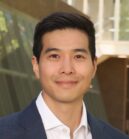
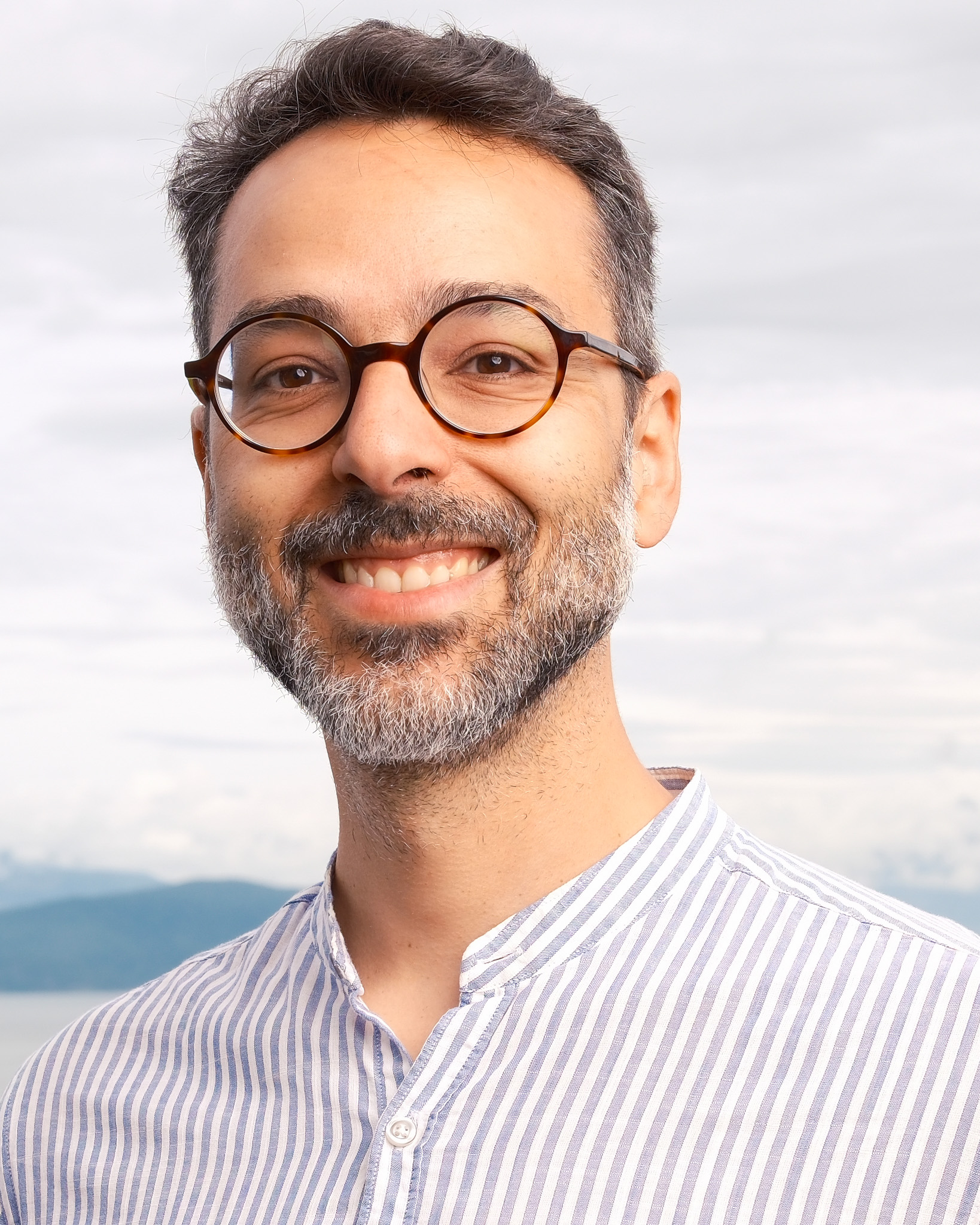
J. Daniel Kim is an Assistant Professor of Management at the Wharton School, University of Pennsylvania, where he teaches MBA and PhD courses on entrepreneurship and innovation. His research focuses on high-growth entrepreneurship, venture scaling, strategic human capital, mergers and acquisitions, innovation, and labor markets. PhD - MIT Sloan School of Management BA - Dartmouth College His research explores: Startup hiring challenges and firm-driven search strategies Timing and risks of venture scaling Post-acquisition employee retention patterns Founder impact on organizational change Immigrant founder contributions to entrepreneurship Key article trends show: Focus on talent dynamics in high-growth firms Analysis of organizational antecedents in acquisitions Quantitative approaches using population-level data Interdisciplinary connections between entrepreneurship, strategy, and economics Debunking myths about founder demographics Linkage between labor market mechanisms and startup performance Scientific recognition includes: Multiple Teaching Excellence Awards at Wharton (2024-2020) Best Paper Prize from Strategic Management Society (2020) Kauffman Dissertation Fellowship (2017) MIT Sloan Doctoral Thesis Prize (2019) Prof. Kim serves as an economist with the United States Census Bureau and has published in top journals including Strategic Management Journal , Organization Science , and American Economic Review: Insights . His work has been featured in The Wall Street Journal , New York Times , and Financial Times .
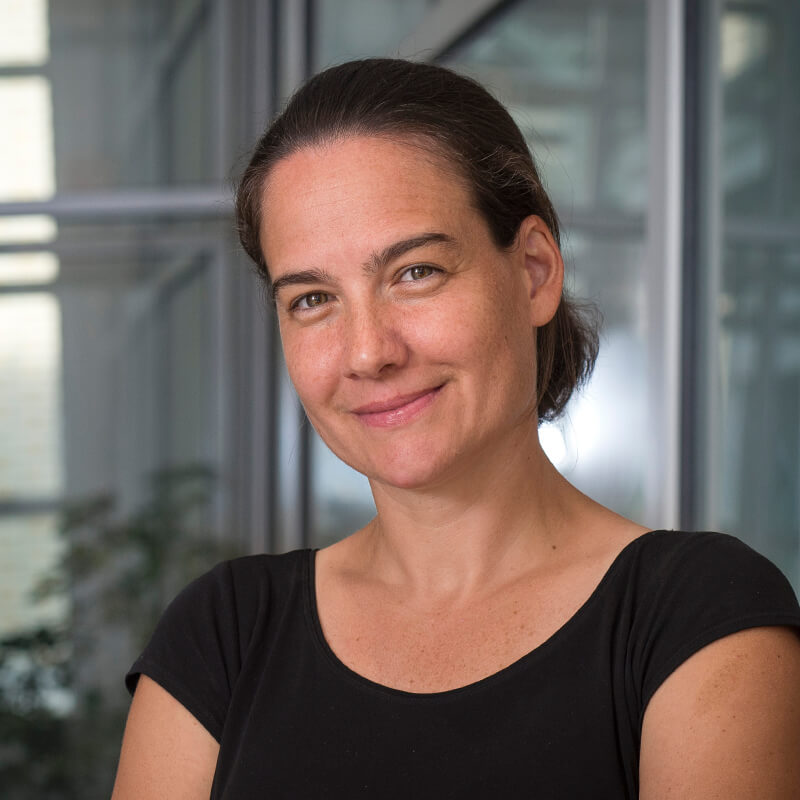
Hsei Di Law is a Research Fellow at the National Centre for Epidemiology and Population Health (NCEPH), part of the Australian National University (ANU). She is concurrently pursuing an MSc in Computational Data Analytics at the Georgia Institute of Technology . Her work focuses on data linkage, machine learning, and epidemiological study design using whole-of-population linked datasets. Research Affiliations National Centre for Epidemiology and Population Health (ANU) Centre of Epidemiology for Policy and Practice Linked Data for Better Health group Health Experience and Health Services Research collaborator Research Interests : Hsei Di Law's work centers on large-scale linked administrative datasets and longitudinal data analysis , with applications in environmental contamination (PFAS, asbestos), healthcare economics (out-of-pocket costs), and epidemiology of diseases. She specializes in integrating machine learning techniques with epidemiological study design to address policy-relevant questions. Publication Trends : Her recent publications (2025–2023) analyze healthcare affordability in Australia, PFAS environmental health impacts , and data linkage methodologies . Over 2022–2015, she studied cardiovascular risk under-treatment , COVID-19 healthcare outcomes , and immune system disorders using mouse models. Projects Led : She is involved in multiple projects, including the ACT Asbestos Health Study II , PFAS Health Study , and Whole-of-population linked data project . These projects examine the health effects of asbestos and PFAS contamination , healthcare utilization, and epidemiological modeling . Contact : Email: hsei-di.law@anu.edu.au Phone: +61 2 6125 0547 Location: Building 62A, Room 2.56, ANU
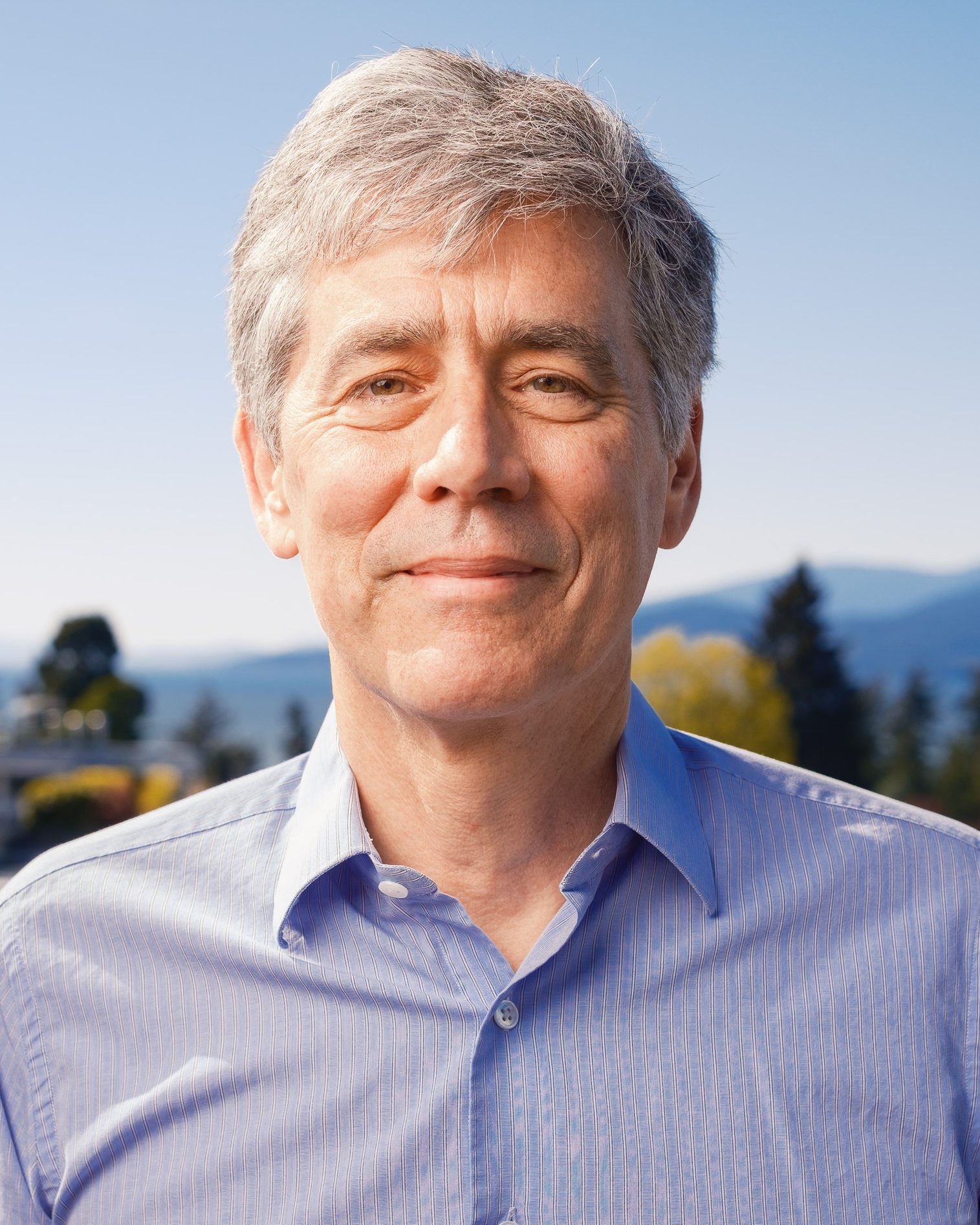
David Green is a Professor at the Vancouver School of Economics , University of British Columbia, and an International Fellow at the Institute for Fiscal Studies in London. He holds a Ph.D. from Stanford University and has served as Chair of the BC Basic Income Panel . Research Focus : Labour economics, income inequality, wage distribution, and public policy. His work bridges macro-level employment trends with micro-level identification of causal effects. Key Contributions : Analysis of minimum wage impacts on job stability, immigrant economic integration, resource boom spillovers, and basic income policy evaluation. Article Trends include: Welfare reform and health outcomes (2022) Covid-19 occupational risks (2022) Resource boom wage spillovers (2019) Post-2000 skill demand reversal (2016) Minimum wage and job tenure dynamics (2013) Scientific Recognition : Harry Johnson Prize (2000, 1995) for best articles in the Canadian Journal of Economics. International Fellow, Institute for Fiscal Studies (London). Policy Engagement : Directed the 2017-2019 BC Basic Income Panel , producing evidence-based reports on poverty reduction and workforce participation. His empirical work frequently informs national policy debates on taxation, immigration, and social assistance.
Dr. Steven Manson is a Professor in the Department of Geography, Environment, and Society at the University of Minnesota's College of Liberal Arts, where he also served as Associate Dean for Research and Graduate Programs. He directs the Human-Environment Geographic Information Science (HEGIS) laboratory and leads major data science initiatives like the National Historical Geographic Information System (NHGIS) and IPUMS Terra. PhD in Geography, Clark University (2002) BA Honours in Geography, University of Victoria (1995) His research focuses on geographic information science and human-environment systems , using agent-based modeling and big data to analyze land use change, urban dynamics, and sustainability challenges. Recent work explores spatiotemporal data harmonization and geospatial cyberinfrastructure . The articles reveal trends in GIScience methodology , urbanization analysis , and data-intensive sustainability research . Key contributions include self-organizing map applications for health data and hybrid statistical-GIS techniques for environmental policy. Scientific accolades include: Ecological Society of America Sustainability Science Award NASA Earth System Science Fellow McKnight Land Grant Professorship As Principal Investigator for NHGIS and IPUMS Terra, he secured over $40M in NSF, NIH, and DOJ grants for spatiotemporal data infrastructure. Outreach initiatives include developing open geospatial textbooks adopted globally and collaborating with Twin Cities K-12 programs.
Anton Rozhkov is an Industry Assistant Professor and Director of the M.S. in Applied Urban Science and Informatics Program at the Center for Urban Science and Progress (CUSP) at New York University (NYU) Tandon School of Engineering. His work focuses on applying geospatial tools, modeling techniques, and data science to address complex challenges in urban environments, with particular emphasis on infrastructure planning and city design. Dr. Rozhkov earned his Ph.D. in Urban Planning and Policy from the University of Illinois Chicago, where his research centered on decentralized and renewable energy systems in urban contexts through a complex systems approach. Prior to his doctoral studies, he received an M.S./B.S. in Engineering in Land Cadaster from the State University of Land Use Planning in Moscow, Russia, and worked as a senior specialist in the Russian power grid sector with "Rosseti" Group of Companies. His research interests span the application of complex systems, data science, and spatial analytics to solve urban challenges, particularly focusing on how data-driven policies and new technologies can transform infrastructure planning and city design. Dr. Rozhkov employs methods including causal loop diagrams, system dynamics, and agent-based modeling to understand how decentralized energy systems interact with existing power grids and contribute to sustainable urban development. He has published extensively on urban transportation, energy systems, and census data analysis, with a notable focus on Chicago's urban landscape and Illinois state initiatives. Dr. Rozhkov has been actively involved in several significant research projects including an empirical investigation into affordable transit-oriented development in California sponsored by the California State University Transportation Consortium, the Sustainable Urban-Regional Modeling Network project funded by the Illinois Innovation Network, and the Census 2020 Map-The-Count project with the Illinois Department of Human Services which developed predictive models for census response rates and a GIS platform for reporting outreach activities. Ph.D. in Urban Planning and Policy, University of Illinois Chicago M.S./B.S. in Engineering in Land Cadaster, State University of Land Use Planning (Moscow, Russia) His teaching portfolio includes courses on geographic information systems (GIS), advanced spatial analysis, decision modeling, and machine learning for cities. Dr. Rozhkov emphasizes not just understanding urban trends but exploring the "why" behind these trends to develop sustainable solutions. His recent publications (2020-2025) demonstrate a consistent research trajectory examining the complex interrelationships between urban infrastructure systems, particularly focusing on energy, transportation, and spatial patterns through sophisticated analytical methods. Outside of his academic work, Dr. Rozhkov is passionate about urban and landscape photography, traveling, running, snowboarding, and playing guitar. He was born and raised in Balashikha, a city in the Moscow suburbs in Russia, and maintains a gallery of his photographic work from various global locations.
Rebecca Nugent is the Stephen E. and Joyce Fienberg Professor of Statistics & Data Science and Department Head at Carnegie Mellon University. She holds a PhD in Statistics from the University of Washington (2006), an MS in Statistics from Stanford (2006), and a BA in Mathematics, Statistics, and Spanish from Rice University (2002). Her research spans clustering methodology , record linkage , educational data mining , public health , and semantic organization , with a focus on high-dimensional data and adaptive learning environments. She leads the Integrated Statistics Learning Environment (ISLE) and Corporate Capstone programs, emphasizing low-barrier data platforms for education and industry collaboration. Academic Roles : Department Head, Carnegie Mellon; Affiliated Faculty, Block Center for Technology and Society Research Grants : NSF (2017-2019), NIH (2018), Carnegie Mellon ProSEED/Simon Initiative (2020, 2018), Berkman Fund (2014) Her 15 most recent publications focus on data science pedagogy, clustering algorithms, record linkage applications in historical and medical data, educational data mining, and semantic organization studies. Awards include the ASA Waller Education Award (2015) and the William H. and Frances S. Ryan Award (2015) . She mentors a diverse group of PhD, Master's, and undergraduate students, with alumni pursuing careers in academia, industry, and sports analytics.
Thomas Lemieux is a Professor at the Vancouver School of Economics within the Faculty of Arts at the University of British Columbia , where he has been affiliated since 1999. Previously, he taught at MIT and the Université de Montréal. Born in Quebec City, he earned his Ph.D. from Princeton University. Research Interests: His work focuses on labor economics and econometric methods , particularly analyzing earnings inequality , unionization effects , regression discontinuity designs , and educational returns . He employs advanced decomposition techniques to study wage dynamics across gender, immigration status, and sectoral divides. Scientific Awards: Fellow, Royal Society of Canada Fellow, Society of Labor Economists Research Fellow, Institute for the Study of Labor (IZA) Research Associate, National Bureau of Economic Research (NBER) Publications: He has published extensively in top journals like the Quarterly Journal of Economics , Econometrica , and Journal of Labor Economics , with recent work examining: Union wage premiums using matched employer-employee data Spillover effects of minimum wage policies Changes in task prices and occupational wages Top income dynamics in Canada Immigrant wage gaps across education sources Regression discontinuity identification challenges Canadian labor market responses to the Great Recession
Wei Li is a Professor at Arizona State University's School of Geographical Sciences and Urban Planning. She also holds affiliations with the School of Social Transformation, SPARC (Spatial Analysis Research Center), Global Futures Scientists and Scholars, Center for Asian Research, and the U.S. Census Bureau's advisory committees on Asian populations. Her research focuses on urban ethnicity, transnational migration, and minority community development, particularly among Chinese and Asian groups in the Pacific Rim. She pioneered the concept of 'ethnoburb' to describe suburban Asian settlements and has conducted extensive studies in Los Angeles, Toronto, and Metropolitan Phoenix. Li's education includes a Ph.D. in Geography from the University of Southern California (1997), an M.S. from Peking University (1985), and a B.S. from Beijing Normal College (1982). She has been funded by prestigious institutions like the National Science Foundation, Fulbright Foundation, and the Rockefeller Foundation. Her work explores intersections of migration, race, and economics, with notable projects on Hurricane Katrina's impact on minority communities and the role of ethnic financial sectors in community development. Her research interests are structured around migration analytics, ethnic geographies, and globalization's socio-spatial effects. Key focuses include skilled migration pathways, returnee dynamics, and the co-movement of people and capital. Li emphasizes transnationalism and how diaspora communities reshape urban landscapes and economies. Li’s articles collectively analyze migration trends, community resilience, and policy implications, reflecting her expertise in migration studies, urban sociology, and cultural geography. She has been recognized with major awards like the AAG’s Ronald F. Abler Distinguished Service Honors and the Distinguished Ethnic Geography Career Award. In advising, Li has no listed advisees but has mentored through institutional roles and grants. Her grants include studies on Asian American communities, diaspora banking, and post-disaster migration. Li’s contributions extend to policy commentary on attracting skilled migrants to China and comparative analyses of India and Chinese diasporas. She leads SPARC’s spatial analysis initiatives and chairs the International Metropolis Project’s steering committee. Her work bridges academia and public service, including roles in the Woodrow Wilson Center and National Bureau of Asian Research.
Dr. Paul Brindley is a Senior Lecturer at the School of Architecture and Landscape , University of Sheffield, specializing in geospatial analysis of human-landscape interactions. His work combines GIS, statistics, and digital data to address urban greenspace equity, rural-urban classification, and health-environment linkages. Senior Lecturer in GIS and Spatial Analysis Key researcher in the NERC-funded Improving Wellbeing through Urban Nature (IWUN) project Co-author of official Rural-Urban Classification for England and Wales Research focuses on: Urban Greenspace Accessibility using GPS and social media data Health Inequality Mapping through epidemiological GIS studies Vague Geographic Objects modeling of subjective spatial boundaries Computational Neighborhood Mapping via web data mining Project leadership includes: 2016-2019: IWUN Work Package 1 (Sheffield health-green space analysis) 2013-2014: Rural-Urban Classification updates for 2011 Census 2015: Real-Time Bus Data Mapping system development Teaching modules: LSC119: The Changing Landscape LSC336: Landscape Planning Toolkits LSC5020: Rural Landscape Planning GIS Workshops Professional contributions: Co-developer of Crime Map Analyst toolkit for non-GIS experts Joint Director of Learning and Teaching Links Member of Creative Spatial Practices initiative
Munir Squires is an Assistant Professor at the Vancouver School of Economics , University of British Columbia. His research focuses on development economics and economic history , particularly kinship systems, cultural norms, and the socioeconomic effects of cousin marriage. Education: PhD from the London School of Economics Contact: Email: Munir.Squires@ubc.ca , Office: Iona Building 257 Research Interests: Dr. Squires examines how kinship structures influence economic outcomes, including taxation, growth, and cooperative behaviors. His work spans historical data analysis, cultural economics, and experimental studies in developing economies. Recent Publications: His research trends include analyzing kinship taxation in Kenyan microenterprises, health impacts of cousin marriage, and historical census data methodologies. He also explores the intersection of mobile money networks and traditional financial systems in Africa. Teaching: He instructs ECON 442 (Issues in Economic Development) , covering topics like global economic divergence, poverty, institutional impacts, and labor/credit market dynamics.
Leah Boustan is a Professor of Economics and Director of the Economic History Program at Yale University. She is a research associate at the National Bureau of Economic Research (NBER), where she co-directs the Development of the American Economy Program, and serves as co-editor of the American Economic Journal: Applied Economics . Her research lies at the intersection of economic history and labor economics, with a focus on migration, intergenerational mobility, and racial economic disparities. She employs large-scale historical datasets, particularly digitized U.S. census records, to study long-term economic trends. Her work has demonstrated that children of immigrants consistently achieve higher economic mobility than children of the U.S.-born, and that immigrants assimilate culturally and economically at rates comparable across historical periods. The themes in her recent publications reflect a strong emphasis on empirical methods, historical data linkage, and policy-relevant findings. Her research spans topics such as immigrant incarceration, enclave effects, occupational assimilation, and the economic impacts of the Great Black Migration. She has also contributed to understanding political discourse on immigration through textual analysis of congressional speeches. Alfred P. Sloan Research Fellowship (2012) IZA Young Labor Economist Award (2019) Fellow of the Econometric Society (2022) Fellow of the Society of Labor Economists (2024) Allan Sharlin Memorial Book Award Alice Hanson Jones Award Boustan has advised major research initiatives such as the Census Linking Project, which enables longitudinal analysis of historical U.S. census data. She has not publicly listed formal PhD or Master’s students in the provided materials. Her work is supported by prestigious fellowships and institutional affiliations, and she plays a key role in shaping research agendas in urban economics and economic history through editorial leadership. She is affiliated with interdisciplinary research teams focused on digitizing and analyzing historical records, and her collaborations with scholars like Ran Abramitzky have produced influential books and policy insights. Future work is likely to expand on big data applications in economic history and intergenerational inequality.
Steven Ruggles is a Regents Professor in History at the University of Minnesota Twin Cities and serves as Director of the Minnesota Population Center , which includes the Institute for Social Research & Data Innovation and the Life Course Center. He specializes in Population censuses Microdata analysis IPUMS infrastructure Educational disparities Longitudinal demographic studies His research contributes to UN Sustainable Development Goals (SDGs) related to educational equity and population health. He has secured significant funding from: National Science Foundation NIH National Institute on Aging NIH National Institute of Child Health/Human Development Key collaborative projects include: Multigenerational Longitudinal Panel for Aging Research (2024-2029) Prospective Microdata for Aging (2023-2026) Current Population Survey Integration (2022-2026) Ruggles' recent publications focus on: Data privacy in decennial censuses Synthetic data limitations Multigenerational panel construction Contextual approaches to demographic research He actively collaborates with scholars such as: Steven Manson (Geography, UMN) Matthew Sobek (UMN) Kiran Muralidhar (Texas A&M)
Amy O'Hara is a Research Professor at the Massive Data Institute within the McCourt School of Public Policy at Georgetown University. She also serves as the Executive Director of the Georgetown Federal Statistical Research Data Center, where she leads initiatives to improve secure access to government data for academic research. Education: Ph.D. in Economics, University of Notre Dame M.A. in Economics, University of Notre Dame B.S. in Economics, SUNY College at Buffalo Her research focuses on data governance, privacy-preserving technologies, and the use of administrative data to measure population dynamics, economic mobility, income, eviction, and debt. She is particularly interested in improving data infrastructure for public policy analysis and secure data access frameworks. O'Hara's work contributes to the evolving landscape of big data and its application in public policy, emphasizing methodological rigor and ethical data use. Her expertise stems from both academic research and over a decade of leadership at the U.S. Census Bureau, where she founded the administrative data curation and research unit. Scientific Awards and Honors: No awards listed in the provided text. She has advised policy-relevant research and contributed to national conversations on data infrastructure. Her leadership in establishing secure data environments supports interdisciplinary research and government-academic collaboration. She plays a key role in shaping how federal data can be ethically and effectively leveraged for social science research. She is affiliated with the Massive Data Institute and leads the Georgetown FSRDC, which enables researchers to access restricted federal datasets under secure conditions. These facilities are critical for longitudinal and high-impact policy studies.
Dr. Dharmi Kapadia is a Senior Lecturer in Sociology at The University of Manchester, specializing in racism, health inequities, and ethnic minority mental health. She holds a PhD in Social Statistics from the University of Manchester and has extensive research experience in ethnic inequalities across healthcare, employment, and aging populations. Her work is affiliated with the ESRC Centre on Dynamics of Ethnicity (CoDE) and the Synergi Collaborative Centre. Education: BSc, MSc, PhD in Social Statistics (University of Manchester) Research interests include access to mental health services for ethnic minorities, racism's impact on mental health, and ethnic disparities in employment and aging. She leads/co-investigates projects funded by the Nuffield Foundation and ESRC, including studies on racial discrimination during the pandemic and ethnic inequalities in later life. Her research outputs span over 50 publications, focusing on topics like racial discrimination pathways, mental health disparities, and data quality in health records. Awards include the 2023 Outstanding Teaching Commendation and the 2022 Sociology Public Engagement Prize. Key Projects: 'Ethnic Inequalities in Later Life' (Nuffield Foundation), 'Ethnic and Racial Inequality in a Time of Crisis' (ESRC) Kapadia collaborates with institutions like the Cathie Marsh Institute and Manchester Institute for Collaborative Research on Ageing. Her future work emphasizes addressing systemic racism in healthcare and policy interventions for marginalized communities.
Professor James Brown serves as the ABS Professor of Official Statistics and Head of Discipline for Mathematical Sciences at the University of Technology Sydney (UTS). He holds a B.Sc. (Hons) in Mathematics with Actuarial Studies (1993), M.Sc. in Social Statistics (1996), and Ph.D. in Census Coverage Assessment (2000) from the University of Southampton. His research focuses on census methodology, survey design, policy evaluation, and multilevel statistical modeling. He has led major projects including the 2012 Rwanda Census Quality Report and contributed to UK census coverage strategies. Professional roles include Fellow of the Royal Statistical Society, Chair of Scotland’s 2022 Census Steering Group, and member of the ABS Methodology Advisory Committee. He has editorial experience with journals like the Journal of the Royal Statistical Society Series A and International Statistical Review . Key funded projects include studies on HIV legal frameworks, food security during the pandemic, and healthcare safety regulation. Awards : Fellow of the Royal Statistical Society, Member of British Society for Population Studies Grants : Includes $3M for legal-environment assessments in HIV policy and census quality advisory roles in New Zealand and Australia. His advisory work spans national statistical agencies, including collaborations with the Office for National Statistics (UK) and Statistics New Zealand. Current research emphasizes administrative data integration and future population statistics frameworks.