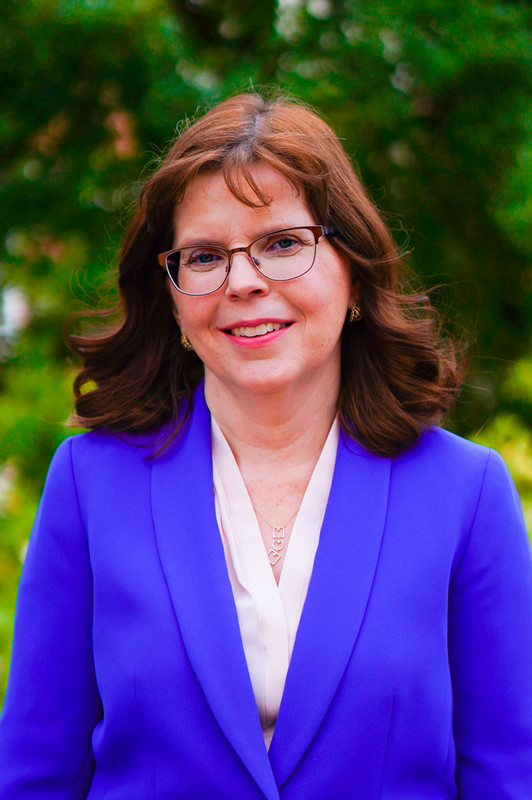
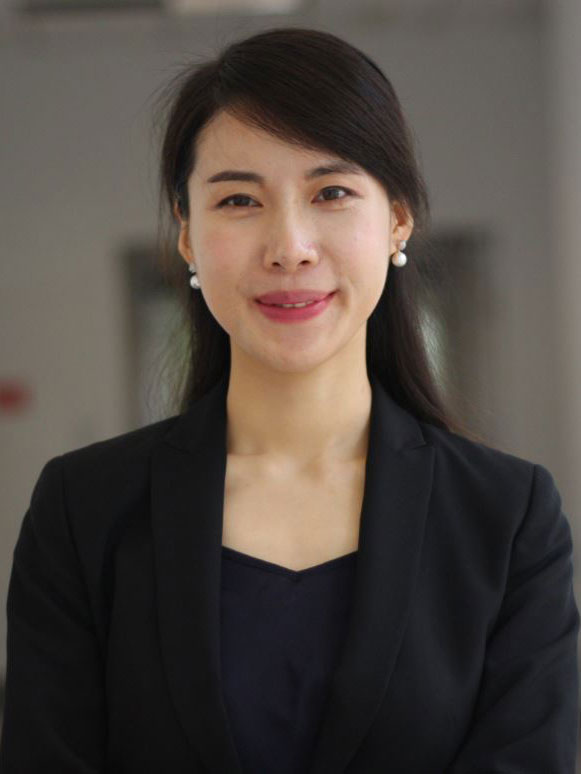
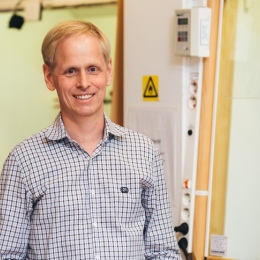
Virginia Davis is the Dr. Daniel F. and Josephine Breeden Professor in the Department of Chemical Engineering at Auburn University's College of Engineering. She holds a Ph.D. in Chemical and Biomolecular Engineering from Rice University, and M.S. and B.S. degrees in Chemical Engineering from Tulane University. Research Focus: Self-assembly of nanomaterials, rheology, lyotropic liquid crystals, additive manufacturing, polymers, nanocomposites, and biosensors Key Projects: USDA-funded agricultural outreach, NSF grant for MXene dispersion studies, Alabama STEM Council member Her recent publications explore cellulose nanocrystals, MXene 3D printing, and sustainable polymer recycling. Davis has received multiple honors including the Breeden Professorship, AIChE Fellowship, and Auburn University Faculty Awards for research and mentorship. Research Trends: Dominated by bio-based nanomaterials (cellulose nanocrystals, MXenes), with applications in additive manufacturing, environmental remediation (PFAS adsorption), biosensors (carbofuran detection, cancer biomarkers), and agricultural delivery systems. Scientific Awards Auburn University Faculty Awards (2023, 2025) AIChE Fellow (2023) Dr. Daniel F. and Josephine Breeden Professorship Davis leads outreach initiatives like the Tomorrow’s Community Innovators camp and collaborates with interdisciplinary teams on plastic recycling innovations. Her work emphasizes both fundamental material science and practical applications addressing environmental and agricultural challenges.
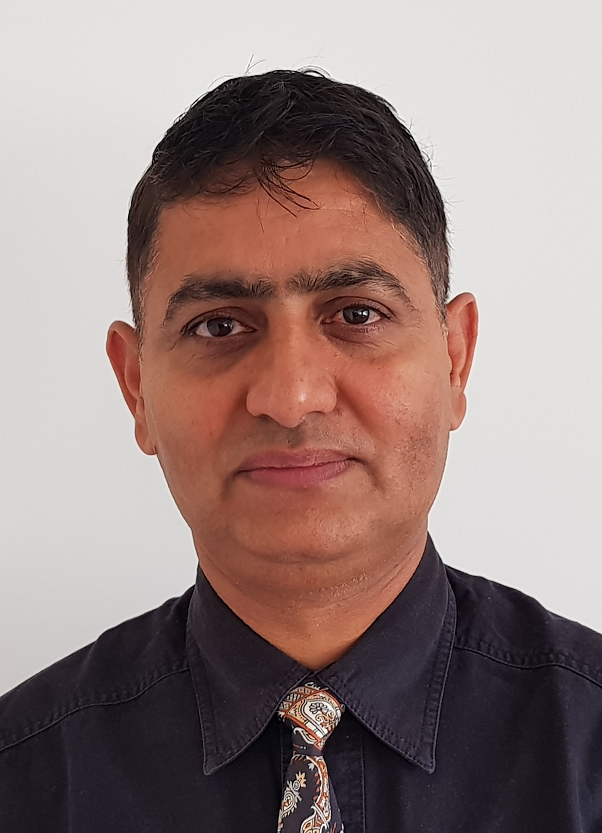
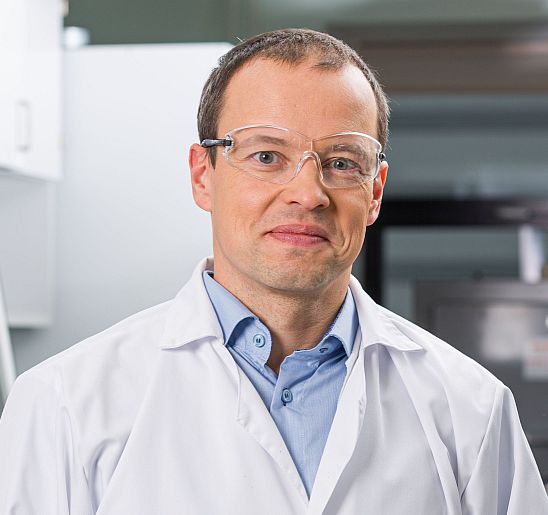
Professor Vishnu Pareek is the John Curtin Distinguished Professor at Curtin University, leading the Western Australian School of Mines (WASM) within the Faculty of Science and Engineering. He has held academic roles including Dean of Engineering, Head of School, and various professorships since 2002. His research focuses on multiphase flow modeling, computational fluid dynamics, and reactor engineering, with applications in energy and chemical processes. He holds a BE (Hons) from MNIT, MTech from IIT Delhi, and a PhD from UNSW. Key research interests include LNG process modeling, erosion modeling, and granular flow dynamics. He has authored over 200 peer-reviewed publications, with recent work emphasizing structured packing design, biomass gasification, and additive manufacturing for process intensification. Notable projects include CFD-ANN hybrid models for fluidized beds and experimental studies on 3D-printed structured packings. His expertise spans industrial collaborations in LNG safety, fluid catalytic cracking, and biofuel production. Teaching areas include chemical engineering fundamentals and process systems engineering. He advises on energy policy and leads research teams in multiphase flow and reactor design.
Aji Mathew is a Professor at the Department of Materials and Environmental Chemistry, Stockholm University. He holds a PhD in polymer chemistry from Mahatma Gandhi University (2001) and conducted postdoctoral research at CERMAV (Grenoble, France) and NTNU (Trondheim, Norway). His academic career includes roles as an assistant professor (2007–2011) and associate professor (2011–2015) at Luleå University of Technology before becoming an associate professor (2015) and subsequently a professor (2017) at Stockholm University. His research focuses on bio-based nanocomposites and sustainable materials, particularly nanocellulose and its applications in environmental remediation, advanced materials, and circular economy solutions. His group, the Aji Mathew Group , specializes in designing bio-based materials for diverse applications, including water treatment, 3D printing, and biomedical uses. Key projects involve upcycling textile waste, developing eco-friendly composites, and creating functional hydrogels. His work bridges fundamental polymer chemistry with practical sustainability challenges. Publications highlight innovations like nanocellulose-based foams, zeolitic frameworks for water purification, and bio-based coatings. While no awards are explicitly mentioned, his extensive peer-reviewed contributions reflect significant scholarly impact. His research emphasizes scalability and real-world applicability, addressing global environmental and material science challenges.
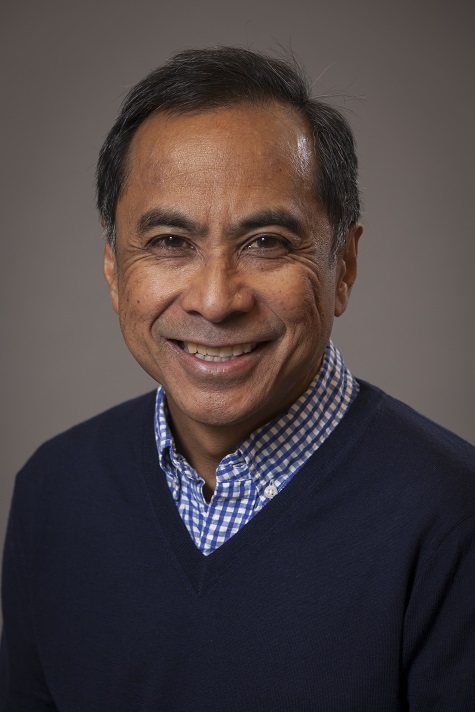
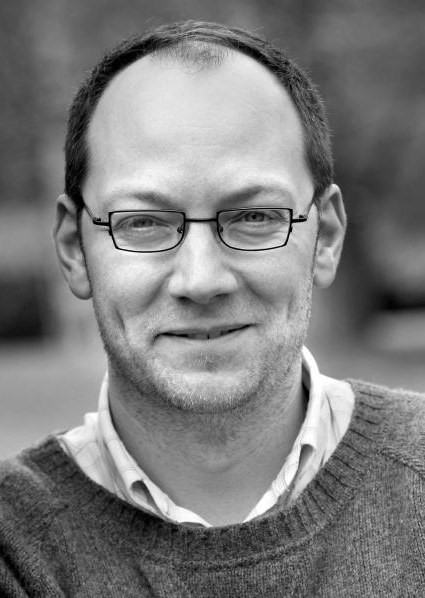
Kristofer Gunnar Paso serves as a Professor in the Department of Chemical Engineering within the Faculty of Natural Sciences at the Norwegian University of Science and Technology (NTNU), where he conducts research at the Ugelstad Laboratory. His work integrates fundamental rheological principles with practical applications in petroleum engineering and sustainable materials development, addressing critical industry challenges through experimental and theoretical approaches. Professor Paso's research spans rheology, polymer technology, enhanced oil recovery, wax deposition mechanics, and nanocellulose applications. His investigations focus on the behavior of complex fluids—including waxy crude oils, biopolymer composites, and nanocellulose suspensions—with emphasis on improving oil transportation efficiency, developing sustainable materials, and understanding interfacial phenomena. Key contributions include modeling wax deposition mechanisms, optimizing pour point depressants, and pioneering nanocellulose applications for enhanced oil recovery under extreme conditions. Analysis of his 2018-2025 publications reveals a strategic evolution from petroleum-focused rheology toward sustainable material solutions. While maintaining strong contributions to flow assurance (40% of recent work), his research increasingly incorporates biocomposites and recycled materials (25% growth since 2020), reflecting industry shifts toward decarbonization. His collaborative approach spans petroleum engineering, food science, and environmental technology, evidenced by publications in Energy & Fuels , Polymers , and Current Opinion in Food Science . No scientific awards were documented in the source material. Professor Paso maintains active collaborations across NTNU and international institutions, though specific advising relationships and grant details remain unreported. His laboratory operations center on the Ugelstad Laboratory's advanced rheological testing facilities, which support investigations into material behavior under reservoir conditions and industrial processing environments.
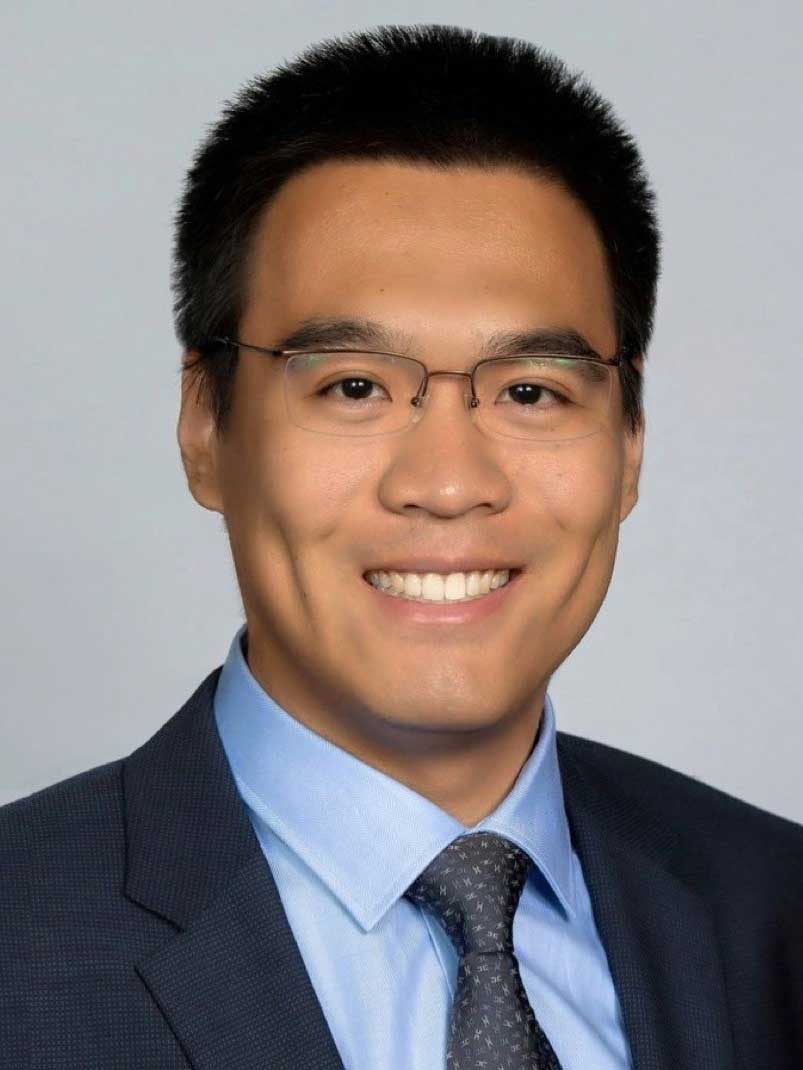
Yi Zheng is an Associate Professor in the Department of Mechanical and Industrial Engineering at Northeastern University, where he directs the Nano Energy Laboratory. He previously held positions at the University of Rhode Island before joining Northeastern in 2019. His research focuses on nanoscale thermal transport, renewable energy systems, photon-based cooling, and sustainable materials derived from biomass. Zheng serves on editorial boards for Scientific Reports and Journal of Photonics for Energy , and actively participates in conferences like ASME IMECE. He holds a PhD in Mechanical Engineering from Columbia University (2015), with earlier degrees from Columbia and Tsinghua University. Education: Ph.D., Mechanical Engineering, Columbia University (2015) M.S., Mechanical Engineering, Columbia University (2011) B.S., Mechanical Engineering, Tsinghua University (2009) Research Interests: Prof. Zheng’s work bridges nanotechnology and energy systems, emphasizing novel materials for thermal management, radiative cooling, and sustainable energy harvesting. His lab develops biomass-derived composites for solar desalination, thermophotovoltaics, and smart cooling paints. Key projects include ultra-dark solar absorbers, phase-change material-based thermal devices, and recyclable cellulose-based materials. Grants & Awards: 2024 ASME Rising Star Award 2019 NSF CAREER Award 2025 NASA Glenn Faculty Fellow 3M Non-Tenured Faculty Award (2022) Labs/Teams: The Nano Energy Laboratory at Northeastern collaborates internationally on projects like photonics-enabled biosensors and adaptive radiative cooling systems. Recent innovations include self-cleaning cellulose composites and cooling paints for urban heat reduction.
Dr. Edward L. Quitevis is a Professor in the Department of Chemistry and Biochemistry at Texas Tech University, holding joint appointments in Physics. He earned his Ph.D. from Harvard University (1981) and completed postdoctoral research at the University of Toronto (1981-1984). His research focuses on the dynamics of complex fluids, particularly ionic liquids and supercooled liquids, using advanced techniques like optical heterodyne-detected Raman-induced Kerr effect spectroscopy (OHD-RIKES) and fluorescence recovery after photobleaching (FRAP). Key interests include nanostructural organization in ionic liquids, intermolecular dynamics, and the glass transition phenomenon in supercooled systems. Current research themes include understanding the relationship between nanostructure and dynamics in ionic liquids, studying ultraslow translational/rotational diffusion near the glass transition, and exploring applications of ionic liquids in materials science. His group has developed novel insights into the role of cation-anion interactions and nanoscale segregation in these systems. Dr. Quitevis collaborates widely, with publications in top journals like Physical Chemistry Chemical Physics and Journal of Chemical Physics . Students advised include Jagdeep Kaur, Dujuan Meng, Mahesh Thakurathi, and Sophia Sagala. His lab focuses on experimental and theoretical approaches to probe liquid-state dynamics, with recent work on cellulose dissolution, graphene exfoliation in ionic liquids, and lubrication applications.
Ueli Grossniklaus is an Ordinary Professor at the University of Zurich within the Faculty of Mathematical and Natural Sciences , affiliated with the Department of Plant and Microbiology . His work focuses on plant developmental biology, particularly epigenetic and genetic mechanisms governing reproduction and adaptation. Key Courses: Epigenetics, Plant Biology Workshop, Group Seminars on Current Research Laboratory Techniques: Advanced methods in plant cell mechanics, transcriptomics, and genome editing Research Interests span plant epigenetics, reproductive biology, and the interplay between environmental stress and genetic regulation. He investigates: Mechanistic control of gametogenesis and fertilization Epigenetic contributions to plant adaptation Evolutionary implications of asexual reproduction Biophysical forces in plant cell growth Publication Trends (2025–2018) reveal expertise in: Arabidopsis and fern model systems Epigenetic regulation (DNA methylation, histone dynamics) Apomixis and hybrid seed failure mechanisms Biomechanics of pollen tubes and carnivorous plants Genome editing tools (CRISPR) and long-read sequencing Scientific Collaborations include interdisciplinary projects on: Microfluidic devices for plant cell analysis Gene drive ecology and ethics 3D imaging of plant reproductive structures Advising and Grants focus on mentoring through research internships in developmental biology, genetics, and systems biology. His lab engages in: Epigenetic response to environmental stress Cell wall mechanics in reproduction Computational modeling of plant growth Laboratory Teams integrate plant biologists, bioengineers, and computational scientists to study: Mechanistic gene regulation Evolutionary developmental biology Microrobotics for cellular force measurement
Bert F. Sels is a Full Professor at KU Leuven (Catholic University Leuven) in the Faculty of Bioscience Engineering, Department of Molecular and Microbiological Sciences, where he founded and heads the Center for Sustainable Catalysis and Engineering (CSCE). He is also a Visiting Professor at the Chinese Academy of Sciences in Guangzhou and co-founder of the spin-off company Zeopore. Previously, he directed the Centre for Surface Chemistry and Catalysis (COK) from 2016-2019 and served as Head of the Division Bio-refinery and Sustainable Chemistry (2015). He obtained his Ph.D. in 2000 from KU Leuven under Professor Pierre Jacobs, specializing in heterogeneous oxidation catalysis. His research focuses on heterogeneous catalysis for sustainable industrial processes, with expertise spanning: Biorefinery and biofactory systems for chemical production Design of hierarchically structured zeolites and carbon materials Spectroscopic characterization of catalytic active sites Methane activation and small molecule kinetics Renewable chemistry and biomass valorization His group has published 350+ papers (h-index 88) and holds 30 patents. Publications demonstrate strong focus on catalytic biomass conversion, zeolite engineering, and sustainable fuel production, with recent work emphasizing lignin valorization, carbohydrate upgrading, and low-carbon chemical synthesis. Key trends include hierarchical catalyst design and integrated biorefinery processes. Awards and Honors: Green Chemistry Award (2015) INEOS Research Award (2019) European Academy of Sciences and Arts Membership (2018) DSM Chemistry Award (2001) TOTAL Research Award (2013) UMICORE Research Award (2012) First Clean Tech Challenge (2009) He leads the CSCE research group and co-founded the European Research Institute of Catalysis (ERIC). As former co-chair of the International Zeolite Association's Catalysis Commission and associate editor of ACS Sustainable Chemistry & Engineering, he maintains extensive collaborative networks.
Tarmo Tamm is a Researcher at the Intelligent Materials and Systems Lab, University of Tartu. His work focuses on conducting polymers, soft actuators, and biomaterials , with emphasis on applications in biomedical engineering, nanotechnology, and electrochemistry. He holds a primary affiliation with the University of Tartu and has authored/co-authored over 100 peer-reviewed articles since 2002. His research spans material characterization, actuator design, and polymer electrolyte systems. Key projects include development of biocompatible hydrogels (e.g., sea cucumber-derived materials), soft exoskeletons inspired by spider leg mechanics, and sustainable paper recycling processes . Tamm’s publications highlight interdisciplinary collaboration with institutions globally, addressing topics like ion mobility in PEDOT films, microbial interactions with silicone foams, and encapsulation techniques for biomedical actuators. His work often bridges fundamental material science with practical applications, such as energy storage systems and medical devices. Current research trends emphasize electrochemomechanical systems and bioinspired materials , with growing focus on sustainable materials engineering.
Dr. Hongli (Julie) Zhu is an Associate Professor in the Department of Mechanical and Industrial Engineering at Northeastern University's College of Engineering. Her research focuses on sustainable energy storage, multifunctional materials, and advanced manufacturing, with emphasis on developing environmentally friendly biomass-derived materials, all solid-state batteries, and flow batteries. She leads the ZHU Lab at Northeastern University, which is dedicated to creating safer, cheaper, and higher performance energy storage solutions while exploring multifunctional materials derived from nature. Dr. Zhu received her PhD from South China University of Technology and Western Michigan University (2004-2009). She conducted postdoctoral research at KTH Royal Institute of Technology in Sweden (2009-2011), focusing on biodegradable and renewable biomaterials from natural wood, followed by additional postdoctoral work at the University of Maryland (2012-2015), where she researched nanocellulose and energy storage. Dr. Zhu's research spans multiple disciplines at the intersection of materials science, energy storage, and sustainable manufacturing. Her work addresses critical challenges in energy storage technology, including developing all solid-state batteries, flow batteries, and high energy density battery systems. She has pioneered research in sustainable biomass-derived materials, particularly investigating cellulose, hemicellulose, and lignin for applications in bendable, implantable, and biocompatible electronics. Her lab also focuses on advanced manufacturing techniques, including high-speed roll-to-roll processing for emerging advanced materials and devices. Analysis of Dr. Zhu's publication record reveals a strong focus on next-generation battery technologies, particularly solid-state systems. Her research demonstrates significant contributions to understanding and improving lithium dendrite suppression, electrode architecture optimization, and interface stabilization in solid-state batteries. She has also made substantial advances in sustainable materials derived from natural resources, developing applications for cellulose nanostructured fibers, paper, and aerogel/hydrogel systems. MRS Communications Early Career Distinguished Presenters and JMR Distinguished Invited Speakers (2024) Selected in Stanford University List of Top 2% Scientists Worldwide (2021-2024) College of Engineering Faculty Fellow (2023) Soren Buus Outstanding Research Award (2022) Women in Materials Science, Advanced Materials (2021 and 2022) Women Scientists at the Forefront of Energy Research, ACS Energy Letters (2020) Innovator of the Year 2013, Maryland Jakob Wallenberg Scholarship, Sweden Dr. Zhu has secured significant research funding from various sources, including the National Science Foundation and Department of Energy. Her current projects include "Uncovering the mechano-electro-chemo mechanism of fresh Li in sulfide based all solid-state batteries through operando studies" (NSF), "Enabling Advanced Electrode Architecture through Printing Technique" (DOE), and "Engineering the Metal Sulfide Interface in All Solid State Batteries through Operando Study" (NSF). She collaborates with industry partners including Rogers Corporation and has developed patented technologies related to sustainable materials and energy storage. Dr. Zhu serves as Codirector of Advanced & Intelligent Manufacturing, Editor of Progress in Materials Science, and on the Editorial Advisory Board of Chemical Society Reviews. The ZHU Lab at Northeastern University is a highly interdisciplinary research group that bridges scales from the nanoscopic to macroscopic and system level. The lab's work has led to numerous patents, including "Natural fiber composites as a low-cost plastic alternative" and "Fire-retardant Nanocellulose Aerogel, and Methods of Preparation and Uses Thereof." The group focuses on making energy storage safer, cheaper, and higher performing while exploring multifunctional materials derived from nature, with particular emphasis on applying high-speed roll-to-roll manufacturing to emerging advanced materials and devices.
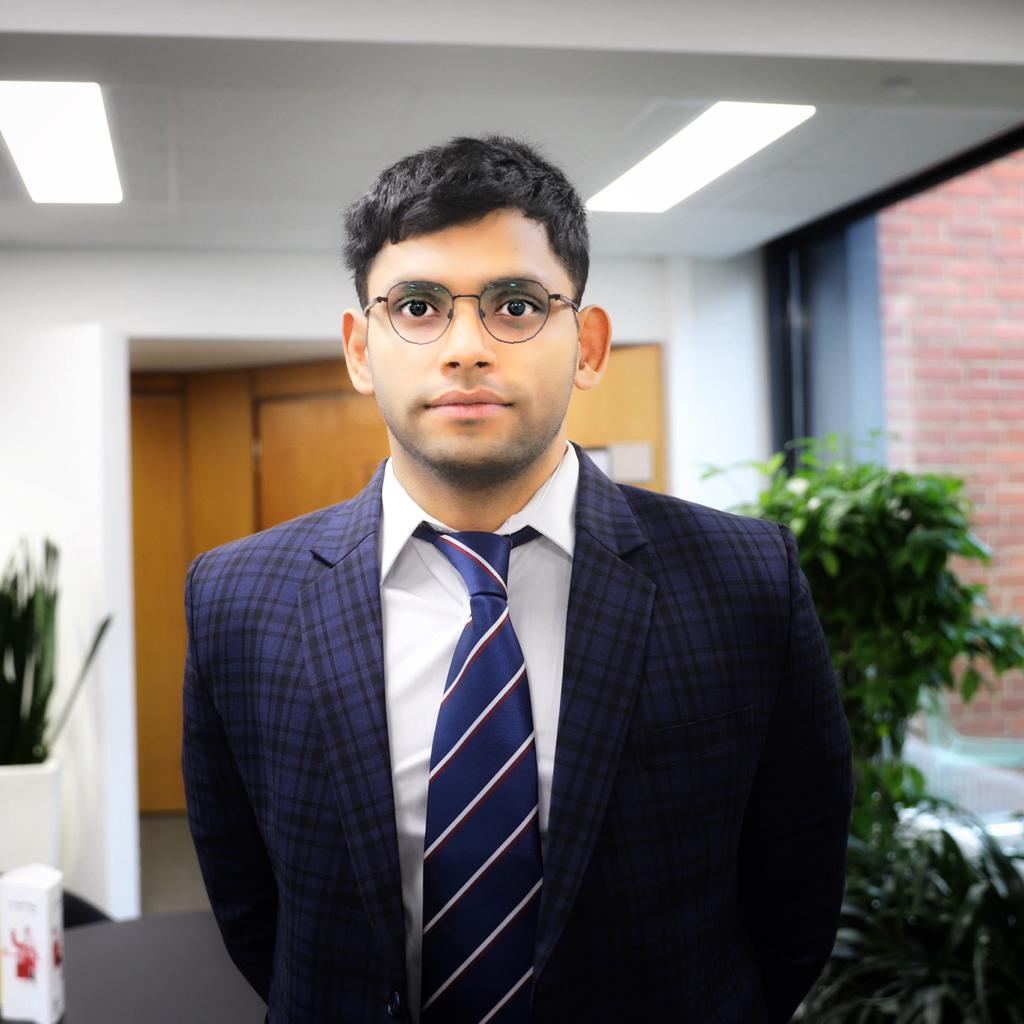
Dr. Sanandam Bordoloi is an Assistant Professor at the Department of Civil Engineering, Aalto University's School of Engineering, specializing in Geotechnical and Geo-environmental Engineering. He earned his PhD from Indian Institute of Technology (IIT) Guwahati and has held postdoctoral positions at Hong Kong University of Science and Technology (HKUST) and University of Illinois at Urbana-Champaign (UIUC). Expertise in unsaturated soil mechanics Specializing in biochar applications for geotechnical systems Focus on carbon capture and waste valorization Developed novel techniques for soft clay remediation Recipient of Telford Premium Prize His recent publications highlight trends in biochar-amended composites , CO2 mineralization , landfill restoration , and soil-hydrological interactions . Key subfields include contaminant transport mechanisms, cementitious material innovation, and root-soil feedback systems. Scientific Awards: Telford Premium Prize for exceptional civil engineering research
Koenraad Muylaert is a Full Professor at the Faculty of Science, KU Leuven, and head of the Biology department at KU Leuven Kulak. His research focuses on microalgae ecology and phytoplankton physiology , with applications in eutrophication studies , wastewater treatment , and biofuel production . Based in Kortrijk, Belgium, he works with international teams in Ecuador, Qatar, and Belgium. Current projects on mountain lake eutrophication and urban aquatic systems Specializes in nano-material flocculation and omega-3 fatty acid production from microalgae Research Trends from his recent articles show emphasis on: Microalgae harvesting innovations (cellulose nanocrystals, PDMAEMA polymers) Comparative processing techniques (DAF vs sedimentation, drying methods) Biotechnological applications in flavor chemistry and microbiome interactions Laboratory operates at KU Leuven's Kortrijk campus, with strong collaborations in environmental engineering and food science . His work bridges fundamental ecological research with industrial biotechnology for sustainable solutions.
Niklas Hedin is a Professor and Head of the Department of Chemistry at Stockholm University . His research group specializes in developing advanced materials for environmental and energy applications, with a particular focus on CO₂ capture technologies , green material synthesis , and biochar-based solutions for pollution mitigation and sustainable resource utilization. Professor at Department of Chemistry Head of Department Stockholm University affiliation The research spans from fundamental molecular spectroscopy studies to industrial-scale applications . Key projects include the use of activated limestone for Baltic Sea eutrophication control, colloidal porous liquids for energy-efficient carbon capture, and engineered biochars for dual environmental remediation and agricultural applications. Recent publications highlight 2025 breakthroughs in aminated cellulose aerogels , graphene oxide composites for direct air capture , and ultrasound-assisted hydrogen peroxide synthesis . These works demonstrate Hedin's commitment to multiscale material engineering combining experimental validation with computational modeling. The group includes several PhD students and postdoctoral researchers working on specialized aspects of material synthesis and environmental application. His team actively collaborates with industrial partners and government agencies to translate laboratory findings into real-world solutions for sustainable chemistry and climate change mitigation .
Prof. Dr. Thomas Koop is a Professor of Physical Chemistry at Bielefeld University, where he leads the Atmospheric and Physical Chemistry research group within the Faculty of Chemistry. He has served as Dean of the Faculty of Chemistry from 2022-2024 and currently serves as Vice Dean (2024-2025). His research focuses on phase transition phenomena, particularly ice nucleation and growth, supercooled liquids, and the formation of amorphous glassy materials. His work has significant implications for understanding atmospheric aerosols, cloud formation mechanisms, and cryobiological processes. The group employs experimental techniques such as differential scanning calorimetry and optical cryo-microscopy, developing specialized equipment for studying phase transitions at micro and nanoscales. Prof. Koop's publication record shows a consistent focus on atmospheric chemistry with increasing exploration of biological ice nucleators, planetary atmospheres (including Venus), and the physical properties of atmospheric aerosols. His most cited work includes 'Water activity as the determinant for homogeneous ice nucleation in aqueous solutions' (Nature, 2000), which established fundamental principles in the field. 2024-2025: Vice Dean of Faculty of Chemistry 2022-2024: Dean of Faculty of Chemistry 2001-2022: Co-founder and Executive Editor of Atmospheric Chemistry and Physics Since 2004: Coordinator of Graduate School of Chemistry and Biochemistry Prof. Koop has mentored numerous students and postdoctoral researchers, contributing significantly to the development of the next generation of atmospheric scientists. His research has been supported by various funding agencies and has led to collaborations with institutions worldwide, from MIT and UC Berkeley to research centers in Switzerland and Israel.
Jonathan Cullen is Professor of Sustainable Engineering at the University of Cambridge and President of Fitzwilliam College, specializing in resource efficiency and decarbonization through top-down analysis of industrial material and energy systems. His work bridges academic research with industry applications across energy-intensive sectors. Education: Bachelor's in Chemical and Process Engineering, University of Canterbury, New Zealand MPhil in Engineering for Sustainable Development, University of Cambridge PhD in Engineering Fundamentals of Energy Efficiency, University of Cambridge His research develops metrics for quantifying energy and material consequences of production systems, focusing on circular economy implementation, minimum energy requirements, and zero-carbon transition pathways. Key applications target cement, steel, plastics, and petrochemicals where he pioneers methods like exergetic analysis and material flow accounting to expose carbon lock-ins and circularity opportunities. Recent publications reveal three dominant trends: (1) Frameworks for theoretical minimum energy requirements across industrial processes, (2) Geopolitical analysis of critical mineral flows and ownership structures, and (3) Circular economy metrics for plastics and construction materials. These consistently employ system-scale modeling validated through industry partnerships. Research Funding: Lead: C-THRU ($4M, VKRF) - carbon clarity in petrochemical supply chains Co-I: UK FIRES (£5.2M, EPSRC) - industrial decarbonization program Co-I: CirPlas (£1.25M, UKRI) - plastic waste elimination 7+ projects (EPSRC, Innovate UK, Horizon 2020) Academic Leadership: Teaching: Energy Systems and Policy (MPhil in Energy Technologies) Undergraduate supervision in Materials/Mathematics Graduate Tutor at Fitzwilliam College IPCC AR6 Lead Author (Industry Chapter) He directs the Resource Efficiency Collective, which develops open-source tools like Mat-dp for material demand projections and Starter Data Kits for energy planning. Current work focuses on scaling circular business models for construction retrofitting and quantifying geopolitical risks in critical mineral supply chains.