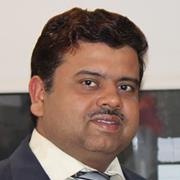
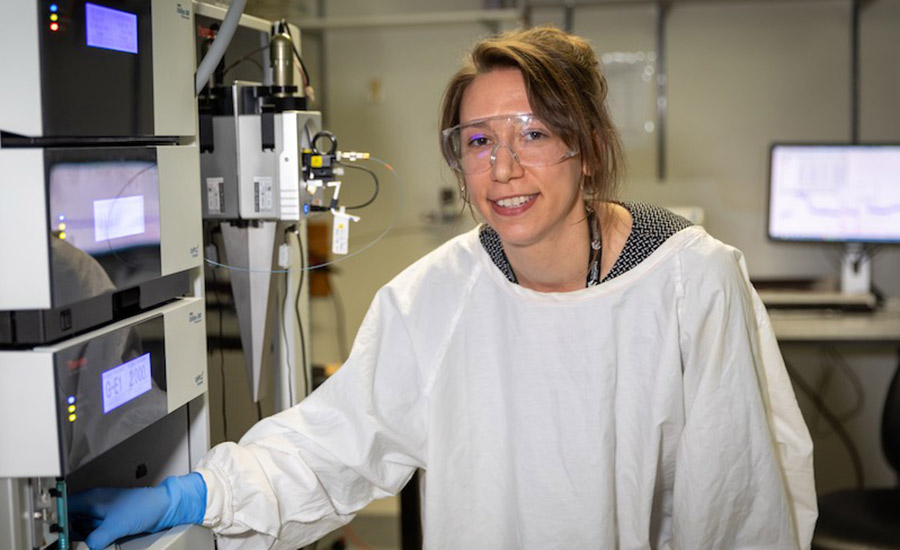
Dr. Yogambha Ramaswamy is a Senior Lecturer in the School of Biomedical Engineering at The University of Sydney and a member of the Sydney Nano Institute. She holds a Master’s in Biotechnology from the University of Queensland and a PhD in Biomedical Engineering from the University of Sydney (2009). Her postdoctoral career began as a Vice-Chancellor’s Postdoctoral Research Fellow at the University of New South Wales, followed by a Peter Doherty Early Career Fellowship in 2013 before joining the University of Sydney in 2015. Dr. Ramaswamy’s research focuses on biomaterials, tissue engineering, and mechanobiology, with a particular emphasis on developing calcium silicate-based ceramics and biopolymers for orthopedic and regenerative applications. Her recent work explores the role of physical cues in modulating stem and cancer cell behavior. She teaches courses such as AMME1961 (Introduction to Biomedical Engineering B) and AMME5962 (Introduction to Mechanobiology). Her research has been supported by grants including the NHMRC Early Career Fellowship and collaborations with institutions like the CSIR-Indian Institute of Chemical Technology and the University of Otago. Her publications span biomaterials, nanotechnology, and mechanobiology, with recent work addressing atherosclerosis, hydrogel design, and nanomedicine. She currently supervises PhD students Frank (biomaterials) and Alexander (atherosclerosis research).
Dr. Susan Hua is an Associate Professor at the University of Newcastle's School of Biomedical Sciences and Pharmacy, specializing in translational nanopharmaceutics and therapeutic targeting. She established the first translational nanopharmaceutics laboratory in the Hunter region, focusing on drug delivery systems for gastrointestinal, musculoskeletal, and reproductive pathologies. Education: Bachelor of Pharmacy with Honours, University of Queensland (UQ) PhD in Neuroscience and Nanotechnology, UQ Research Interests: Her work centers on using nanotechnology to create targeted drug delivery systems for diseases such as chronic pain, inflammatory conditions, and obstetric complications. Key focuses include oxytocin receptor-targeted liposomes for uterine therapies and localized drug delivery to bypass biological barriers. Awards & Recognition: 2020 DVC(A) Educator Innovation Award 2017 NSW Premier's Early Career Researcher of the Year 2015 HMRI Early Career Researcher of the Year Grants & Collaborations: A/Prof Hua has secured over $5.5M in grants, including NHMRC and ARC funding. She collaborates with institutions like HMRI, John Hunter Hospital, and global teams on projects like nanoparticle-based treatments for preterm labor and uterine hemorrhage. Teaching & Leadership: She coordinates pharmacy programs, emphasizing clinical application and innovation. Her courses include Pharmacotherapeutics and Pharmacy Practice, with awards for teaching excellence (2020, 2011). Labs & Programs: Head of Therapeutic Targeting Program, University of Newcastle Director, Translational Pharmaceutics & Medical Technologies Theme (HMRI)
Professor Hala Zreiqat AM is a leading biomedical engineer at The University of Sydney , serving as the Director of the ARC Training Centre for Innovative BioEngineering . A Fellow of all major Australian academies (AAS, ATSE, FAHMS, FRSN), she develops 3D printed bioceramics for bone regeneration while championing diversity through initiatives like the IDEAL Society and BIOTech Futures mentorship program. Her work bridges academia, clinical practice, and industry in musculoskeletal research . Research Focus: Her lab creates synthetic bone scaffolds that mimic natural bone architecture, strength, and porosity, enabling non-rejected bone regeneration via patient-matched implants. Key applications include orthopaedic, dental, and maxillofacial repair , with over $18M in competitive funding and multiple patents. Current projects explore AI-driven scaffold performance prediction and anti-senescence strategies for aging-related bone loss. Scientific Trends: Recent publications highlight 3D printed nanovoxelated ceramics , antisenescence biomaterials , and multifunctional theranostic platforms . Her team integrates machine learning for scaffold design, atom probe tomography for interface analysis, and two-photon imaging for cellular monitoring in 3D environments. 2021-2022 Fulbright Senior Scholar 2018 NSW Premier's Woman of the Year 2019 Eureka Prize for Innovative Use of Technology Fellow of Australian Academy of Science (2021) Over $18M in research funding Teaching & Leadership: She designed core courses like Tissue Engineering and Nanomaterials in Medicine , mentoring 158 students in 2020 alone. As Chair of CAAR (2020-2023), she strengthens Australia-Arab collaborations. Her lab trains early-career researchers , with alumni now in academia and industry.
Professor Gavan McNally is a distinguished behavioral neuroscientist at the University of New South Wales, where he serves as a Professor in the School of Psychology. He is actively engaged in research on the fundamental behavioral and brain mechanisms for learning and motivation, with applications to clinical conditions such as addictions, anxiety disorders, and mood disorders. McNally holds several prestigious editorial positions, including Editor-in-Chief of Neurobiology of Learning & Memory and Senior Editor of The Journal of Neuroscience. He also serves as President-Elect of the European Behavioral Pharmacology Society and is a Member of the Australian Research Council College of Experts. McNally's research interests span behavioral neuroscience, focusing on how fundamental brain mechanisms apply to clinical conditions. He employs a systems neuroscience approach, combining well-controlled behavioral approaches with optogenetics, chemogenetics, in vivo calcium imaging, and whole brain circuit mapping in both normal and transgenic animals. His work bridges basic science with clinical applications through collaborations with colleagues at University of Sydney, Sydney Local Health District, Monash University, and Turning Point. McNally's research particularly examines the cellular, circuit, and systems level mechanisms underlying learning, motivation, and their dysregulation in disorders like addiction. His laboratory investigates how these mechanisms translate to human conditions, with a strong emphasis on developing new treatments for psychological disorders. His extensive publication record demonstrates a clear trajectory in understanding punishment learning, addiction mechanisms, and the neural circuits underlying motivated behavior. Recent work has increasingly focused on the cognitive pathways to punishment insensitivity, the role of specific neural circuits in addiction, and translational approaches to understanding maladaptive behaviors. McNally's research bridges animal models with human studies, creating a comprehensive understanding of the neural mechanisms that govern learning and motivation, with particular attention to how these processes go awry in addiction and other psychological disorders. 2008 QEII Fellow, Australian Research Council 2009 Association for Psychological Science, International Rising Star 2010 Fellow, Association for Psychological Science 2010 UNSW Faculty of Science Staff Excellence Award for Research and Training 2011 Pavlovian Research Award, The Pavlovian Society 2012 Future Fellow (Level 3), Australian Research Council 2016 D.G. Marquis Behavioral Neuroscience Award, American Psychological Association 2017 Fellow, American Psychological Association 2019 Fellow of the Academy of Social Sciences in Australia 2021 D.G. Marquis Behavioral Neuroscience Award, American Psychological Association 2022 Ross Day Plenary Lecturer, Australasian Brain and Psychological Sciences 2023 European Behavioural Pharmacology Society Plenary Lecturer 2024 Elspeth McLachlan Plenary Lecturer, Australasian Neuroscience Society 2024 D.G. Marquis Behavioral Neuroscience Award, American Psychological Association Professor McNally actively supervises several students including Bixuan Lin, Si Yin Lui, Hannah Machet, Bart Cooley, Kelly Zhuang, and Alexandra Gregory. His current research is supported by significant funding including an Australian Research Council Discovery Project (2024-2026) on "Risky choices: From cells and circuits to computations and behaviour," another Discovery Project (2025-2028) on "Multimodal mapping of punishment learning," and NHMRC grants including a Synergy Grant on "Linking clinical and basic science discovery to find new treatments for alcohol-use disorder" and an Ideas Grant on "Novel pathways to abstinence from alcohol seeking." These projects reflect his commitment to both fundamental neuroscience and translational applications for treating psychological conditions. His teaching responsibilities include PSYC2081 Learning & Physiological Psychology and PSYC3051 Physiological Psychology. McNally's laboratory employs advanced techniques including optogenetics, chemogenetics, in vivo calcium imaging, and whole brain circuit mapping to investigate the neural mechanisms underlying learning, motivation, and their dysregulation in disorders. His team works at the intersection of basic neuroscience and clinical applications, with strong collaborations across multiple institutions to translate fundamental findings into potential treatments for addiction and other psychological disorders. The lab has made significant contributions to understanding the role of brain regions like the ventral pallidum, paraventricular thalamus, and nucleus accumbens in addiction, fear learning, and punishment sensitivity.
Associate Professor Arnold Lining Ju is a biomedical engineer at the University of Sydney's School of Biomedical Engineering, affiliated with multiple institutes including the Heart Research Institute and Sydney Nano Institute. He holds academic positions in both the Faculty of Engineering and Faculty of Medicine & Health. Education: BSc from Peking University, PhD from Georgia Tech and Emory University (USA). Honors include Snow Fellowship, Heart Foundation Future Leader Fellowship, and multiple awards for cardiovascular research innovation. Research focuses on mechanobiology and biomechanics of thrombosis, developing microfluidic devices and organ-on-chip systems. Key projects include AI-driven single-cell nanotools, 3D biofabrication, and anti-thrombotic peptide design. Leads interdisciplinary teams and collaborates internationally with institutions like Harvard and University of Texas. Teaching roles include coordinating advanced cellular biomechanics courses and supervising PhD/Masters students in biomedical engineering and physiology. Over 50 peer-reviewed publications, with contributions to Nature Materials, Nature Communications, and other top journals.
Dr. Rebecca San Gil is a Lecturer at the School of Medical Sciences , University of Sydney, Australia. She leads the NeuroMolecular Discovery Group within the Neuroscience theme and is a member of the Charles Perkins Centre . Her research focuses on the molecular mechanisms underlying neurodegenerative diseases such as motor neuron disease (MND) and frontotemporal dementia (FTD) , with an emphasis on protein aggregation, stress responses, and therapeutic discovery. PhD, University of Wollongong (2018) Postdoctoral Research, Queensland Brain Institute (2018–2025) Endeavour Research Fellow (University College London) Her research spans molecular biology , neurosciences , and biochemistry , integrating techniques like genome-wide CRISPR screening , multi-omics analysis , and translational research . Key themes include the role of molecular chaperones , heat shock response , and protein folding dynamics in mitigating neurodegeneration. Dr. San Gil’s recent publications (2016–2025) highlight her work on TDP-43 pathology , heat shock proteins , and therapeutic strategies across ALS/FTD models. She has received awards such as the FightMND Early Career Research Fellow and the Sydney Dementia Network Future Research Leader Award (Travel Support Scheme) in 2025. Scientific Awards : FightMND Early Career Research Fellow, Sydney Dementia Network Future Research Leader Award (2025) Dr. San Gil actively mentors researchers like Celine CHYE and collaborates with institutions globally. Her team welcomes new members to explore neurodegenerative disease biology and therapeutic discovery .
Professor Ravi Shukla is a faculty member at RMIT University's School of Science, holding the title of Professor and Deputy Head of Department (Research). He specializes in Nanobiotechnology, with research spanning biomaterials, drug delivery systems, and medical diagnostics. His work integrates biosciences, materials science, and food technology to advance understanding of nanomaterial-biomolecular interactions. Academic History: Professor Shukla has held roles at RMIT since 2011, progressing from Research Fellow to his current professorship. He also serves as an Adjunct Professor at the University of Missouri and Theme Leader for Nanobiotechnology at RMIT’s Center for Advanced Materials and Industrial Chemistry. His teaching focuses on fostering student belonging and innovation in biotechnology education, including coordinating RMIT’s undergraduate Biotechnology program. Research Interests: His lab explores hybrid biomaterial synthesis, nano-enabled proteomics, and non-viral gene therapy using MOFs. Recent work emphasizes applications in diabetes biosensing, CRISPR/Cas9 delivery, and antimicrobial resistance mitigation through nanostrategies. Over 130+ publications and substantial research funding highlight his interdisciplinary impact. Professional Engagement: Editor roles in Frontiers in Bioengineering and Biotechnology , Co-Editor-in-Chief of Current Research in Nutrition and Food Science , and advisor to the Australasian Association of Ayurveda underscore his leadership. He actively mentors students in projects like nano-antimicrobial wound healing and aptamer-based hepatitis A detection. Key Achievements: Pioneered nucleic acid-encapsulated MOFs for cancer therapy and developed paper-based biosensors for rapid diagnostics. His work aligns with UN Sustainable Development Goals 2 (Zero Hunger) and 3 (Good Health).
Suzanne Estaphan is a Senior Lecturer in Medical Science (Physiology and Clinical Pharmacology) at the Australian National University (ANU) School of Medicine and Psychology . She holds qualifications including a Doctorate of Physiology (2015) , MSc in Physiology (2012) , MBBCh (2005) , and Basic Certificate in Medical Education (2018) . Her academic roles span curriculum development, admissions, and assessment committees in the ANU Medical School. Senior Lecturer, ANU (2023–present) Academic Editor, PLOS ONE (2024–present) Review Editor, Frontiers in Physiology (2023–present) Dr. Estaphan's research bridges oxidative stress and inflammation in disease pathology with medical education innovation . Her work explores antioxidant interventions for organ damage and investigates AI/virtual reality applications in education. Recent projects include studying sleep dysfunction in eating disorders and diabetes medication effects on exercise capacity . Between 2023–2025, her 15 most recent publications span oxidative stress , medical education , and molecular pathophysiology . Themes include homeostasis , clinical reasoning , and metabolic disorders , with subfields like MMP-9 biology , pancreatic injury , and VR-based hypoxia training . Scientific accolades include the American Physiological Society Travel Award (2017) and recognition as Senior Fellow of the Higher Education Academy (2023) . She mentors medical students, contributes to national physiology curriculum consensus projects, and has secured approximately $200,000 in research funding .
Dr. Heather Murray is a Cancer Institute NSW Early Career Research Fellow at the University of Newcastle, affiliated with the School of Biomedical Sciences and Pharmacy. She holds dual roles as a Lecturer and Postdoctoral Researcher, focusing on proteomics and phosphoproteomics to uncover therapeutic targets in acute myeloid leukemia (AML). Her work combines genomic, proteomic, and clinical approaches to address treatment resistance and precision medicine in blood cancers. Education: PhD in Medical Biochemistry (University of Newcastle, 2020), MPhil, BSc (Hons) in Biomedical Sciences, and BSc in Biological Sciences, all from the University of Newcastle. Research Interests: Proteomic characterization of leukemia subtypes, DNA repair mechanisms, and drug resistance pathways. Her lab uses phosphoproteomics to identify synergistic drug combinations targeting oncogenic pathways like FLT3 and KIT mutations. Key Collaborations: Works with clinicians like Associate Professor Anoop Enjeti and researchers at Hunter Medical Research Institute. Partnerships include institutions like the University of Southern Denmark and QIMR Berghofer. Grants & Funding: Secured over $2M in funding, including a 2022 Cancer Institute NSW Fellowship, BarbeCURE grants, and philanthropic support from organizations like the McDonald Jones Charitable Foundation. Supervision: Mentors 6 current PhD students on topics like venetoclax resistance, breast cancer biomarkers, and ex vivo AML models. Supervision history includes 6 completed Honours projects. Labs/Teams: Leads the Molecular Oncology group under Associate Professor Nikki Verrills. Member of the HMRI Precision Medicine Program and University of Newcastle ECR committees.
Fabio Zanini is an Associate Professor at the University of New South Wales (UNSW) , leading a research group focused on computational biology , single-cell approaches , and transcriptomic analysis across diseases like severe dengue , neonatal lung disease , cancer , and marine biology . He previously conducted postdoctoral research at Stanford University (2016-2019) and earned a PhD in Bioinformatics from the Max Planck Institute for Developmental Biology and the University of Tuebingen (2015). Current Affiliation: Group leader, UNSW Previous Training: Postdoc (Stanford), PhD (Max Planck/University of Tuebingen) His research spans single-cell RNA sequencing , computational virology , developmental cell biology , and bioinformatics tool development , with recent work on: Severe dengue progression (viral-host interactions, immune signatures) Lung development (endothelial cell diversity, hyperoxia-induced injury) Cancer genomics (mutant HSC clones, AZA therapy response) Marine biology (plankton transcriptomics, evolutionary analysis) Bioinformatics (HTSeq 2.0, northstar algorithm) Recent scientific awards include grants from the Chan Zuckerberg Initiative ($270,000), NIH R01 (multiple), ARC Discovery Grant , and NHMRC Ideas Grant . Notable contributions include: Northstar - Cell classification algorithm SpectralSeq - Hyperspectral-transcriptomic integration Tabula Muris - Mouse aging atlas He has supervised research into hematopoietic stem cell regulation , lung vascular development , and autophagy in viral infections , with collaborations across Stanford , University of Sydney , and Harvard .
Dr. Zhi-Ping Feng is a Bioinformatician at the John Curtin School of Medical Research (JCSMR), Australian National University (ANU). Her research focuses on integrating omics data with protein structure-function relationships to study interactions between macromolecules. She has expertise in analyzing genomic and transcriptomic data (e.g., RNA-Seq, ChIP-Seq) and protein structure determination via nuclear magnetic resonance (NMR) spectroscopy. Previously, she held a Senior Research Fellow position at the Walter and Eliza Hall Institute (WEHI) from 2009, working on quality control in omics research and genomic data analysis. Her postdoctoral work at WEHI (2002–2005) involved structural biology of malaria-related proteins, supported by an Australian Postdoctoral Fellowship. She holds a PhD in protein bioinformatics from China and a physics background from Peking University. Education: PhD in Protein Bioinformatics (China) Bachelor’s in Physics, Peking University Research Interests: Her work bridges computational biology and structural biology, with emphasis on: Intrinsically unstructured proteins (IUPs) and their applications in malaria proteomics Omics data integration for disease modeling (e.g., cancer, diabetes, neurodegeneration) Protein-protein interaction networks and structural bioinformatics Publications: Recent work spans cancer immunotherapy, miRNA regulation in retinal degeneration, and T cell biology, with contributions to understanding Wnt signaling in joint replacement complications and genetic fusions in pediatric brain tumors. Awards: Australian Postdoctoral Fellowship (2005) Grants/Teams: Currently affiliated with ANU Bioinformatics Consultancy, supporting translational medical research in immunology, cancer, and genomics. Labs/Teams: Collaborates with the JCSMR’s multidisciplinary teams focusing on biomedical informatics and translational research.
Senani N.H. Rathnayake is a Research Fellow at the University of Technology Sydney (UTS), Faculty of Science. He completed his PhD at UTS (2019-2024) and held a Postdoctoral Fellowship at the University of Groningen (2023-2024). His primary research focuses on respiratory diseases, particularly the molecular mechanisms of smoking-induced lung damage, COPD, and asthma. Key areas include gene expression profiling, epigenetic changes, and cellular responses to cigarette smoke exposure. Research Interests: Transcriptomic and epigenetic alterations in lung diseases Smoking cessation effects on airway biology Genetic regulation of COPD biomarkers (e.g., sRAGE) Sex chromosome influences on respiratory disease susceptibility Awards & Fellowships: 2023 TSANZ Past Presidents Scholarship Award 2022-2023 European Respiratory Society Short-Term Fellowship Recent Research Trends: His articles emphasize smoking's impact on bronchial epithelial cells, including transcriptomic shifts, mucus barrier dynamics, and CRISPR-based gene-editing applications. Recent work explores Y-chromosome effects on COPD and asthma pathogenesis. Professional Engagement: Co-chair of the 2023 TSANZ Annual Scientific Conference Member of Australian Society for Medical Research, European Respiratory Society, and Thoracic Society of Australia and New Zealand
Dr Marten Moore is a Research Fellow at the Division of Plant Sciences, The Australian National University. His research focuses on understanding mRNA dynamics, plant stress responses, and photosynthesis efficiency through molecular and genetic approaches. He investigates how plants adapt to environmental stresses such as light fluctuations and salinity, with a particular emphasis on retrograde signaling pathways linking chloroplasts to nuclear responses. Dr Moore’s work integrates experimental and computational methods, including the development of tools like ConCysFind for analyzing conserved protein sequences across plant species. He collaborates on projects aimed at enhancing crop resilience through improved energy use efficiency and yield stability, leveraging insights from wheat and Arabidopsis models. Key Projects: Using RNA regulation to improve energy use efficiency and boost yield in wheat (2024–2027) Regulators of protein translation reveal new pathways to plant productivity (2022–2025) Smart Plants and Solutions for Enhancing Crop Resilience and Yield (2021–2025) His research interests span mRNA fate during stress recovery, nitric oxide signaling in plant cells, and the role of glutathione peroxidases in symbiotic root nodules. Dr Moore’s contributions bridge fundamental plant biology with applied agricultural challenges, aiming to translate molecular insights into practical solutions for sustainable agriculture.
Professor Elisa Hill is a distinguished academic at RMIT University where she serves as a Professor in the Department of Health and Biomedical Sciences within the College of Science. She leads the Gut-Brain Axis Laboratory and holds the significant position of Deputy Chair of the Academic Board at RMIT University. Her career spans prestigious institutions including The University of Melbourne and research collaborations in Paris, France. Professor Hill earned her PhD in Neuroscience from The University of Melbourne in 2002. She subsequently undertook a CNRS postdoctoral position in Paris studying cortical neuronal diversity. Returning to Melbourne in 2006 as an NHMRC Howard Florey Centenary Fellow, she joined Prof Steve Petrou's laboratory to investigate neuronal networks in genetic mouse models of epilepsy. In 2009, she imported the Neuroligin-3R451C mouse model of autism to Australia, establishing herself as a pioneer in gut-brain axis research. Her research program focuses on three interconnected areas: identifying causes of gut dysfunction in transgenic mouse models of neurological disease, determining how neurons communicate with the lymphoid system and inflammation, and understanding interactions between the nervous system and bacteria. Professor Hill has demonstrated that gene variations associated with autism alter neuron populations in the mouse enteric nervous system, affecting gut motility, permeability, microbiome composition, and behavior. Her laboratory has developed sophisticated capabilities including video-imaging assays for gut motility, immunofluorescence for neuronal and immune cell analysis, and whole-cell patch clamp electrophysiology for neuronal activity profiling. Analysis of her recent publications reveals a strong focus on the gut-brain axis in autism, with particular attention to the Neuroligin-3R451C mouse model. Her work spans neuroimmunology, gastrointestinal physiology, microbiome interactions, and behavioral neuroscience, demonstrating an increasingly interdisciplinary approach that integrates molecular, cellular, and systems-level perspectives. A notable trend is the expansion of her research into translational applications, including biomaterial development for urogynaecological health. NHMMRC Howard Florey Centenary Fellowship ARC Future Fellowship RMIT Senior Vice Chancellor's Research Fellowship Professor Hill actively supervises numerous PhD students including Vic Lin, Yuansong Li, and Mohammed Al Alamoudi, among others. Her research has been supported by major funding bodies including NHMRC, US Department of Defense CDMRP, CNRS, ARC, and RMIT. She leads the Gut-Brain Axis Laboratory, which collaborates extensively with researchers across institutions, particularly with Prof Ashley Franks at La Trobe University. The laboratory employs a multidisciplinary team with expertise in neuroscience, microbiology, immunology, and gastrointestinal physiology, utilizing advanced techniques to investigate the complex interactions between the nervous system, immune system, and gut microbiome.
Dr. Kazuhide Shaun Okuda is a Senior Lecturer and Group Leader at the La Trobe Institute for Molecular Science, Department of Biochemistry and Chemistry at La Trobe University, Australia. He also holds honorary positions at Peter MacCallum Cancer Centre and the University of Melbourne. With extensive experience in zebrafish research and vascular biology, Dr. Okuda has established himself as an expert in lymphatic development, disease modeling, and drug discovery. Dr. Okuda earned his PhD in Molecular Medicine from the University of Auckland, New Zealand (2010-2014), where he generated groundbreaking zebrafish transgenic lines for lymphatic vessel imaging. His subsequent postdoctoral work at Cancer Research Malaysia and the University of Queensland/Peter MacCallum Cancer Centre focused on anti-cancer therapeutics screening and dynamic signaling events during development and regeneration. His research focuses on understanding lymphoedema mechanisms, identifying therapies that modulate vascular growth, and elucidating dynamic mechanisms of vascular development and disease progression. Dr. Okuda's work has significant potential impact in developing new treatments for lymphoedema and diseases with excessive vascular growth such as cancer and lymphatic malformations. Analysis of Dr. Okuda's publication record shows a consistent focus on vascular and lymphatic development using zebrafish models. His most recent work (2023-2025) demonstrates an expansion into drug delivery systems, advanced imaging techniques, and single-cell analysis approaches while maintaining his core interest in lymphangiogenesis mechanisms and therapeutic interventions. Dr. Okuda has received significant research funding, including a National Health and Medical Research Council Ideas Grant (2024-2027) for his project on 'Cellular signalling and growth control in vascular development and lymphatic malformations.' Primary supervisor of PhD students (X4), La Trobe University (2023-present) Co-supervisor of PhD students (X3), University of Melbourne (2020-present) Co-supervisor of a PhD student, La Trobe University (2023-present) Senior Lecturer and Group Leader, La Trobe Institute for Molecular Science (2023-present) Honorary Scientist, Peter MacCallum Cancer Centre (2023-present) Honorary Fellow, University of Melbourne (2020-present) Dr. Okuda leads a research group at the La Trobe Institute for Molecular Science focused on identifying therapeutic leads/targets that modulate the vasculature and studying dynamic signaling mechanisms in endothelial cells using zebrafish models. His team has made significant contributions to understanding lymphatic development, including the identification of Ddx21 and ribosome biogenesis as novel regulators of embryonic lymphangiogenesis.