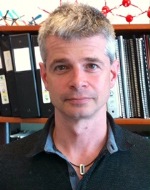
Ralph G. Meyer is a Professor and Department Head at the College of Veterinary Medicine , Utah State University (USU). He holds a PhD in Molecular Cell Biology (University of Kaiserslautern, 1998) and completed postdoctoral training in Molecular Toxicology at University of Tuebingen and University of Arizona. Education : PhD (1998), MS (1994) in Molecular Cell Biology Academic Roles : Faculty at University of Pennsylvania, Interim Head at USU CVM’s VCLS department Research Interests focus on: Reproductive toxicology and developmental biology Epigenetic regulation of sperm chromatin NAD+ metabolism in aging and disease Scientific Awards : Biology of Reproduction Top Reviewing Editor (2017, 2018) NIH Ruth-Kirschstein-NRSA Fellowship (T32, 2002-2004) Edward A. Smuckler Memorial AACR Poster Award (2004) Teaching : Course director for Fundamentals of Pharmacology (VM7522) and Veterinary Toxicology (VM7523) since 2013. Mentored graduate students including Renata Hoskova and Chelsea Ketchum.
Professor Adele Murrell is a Professor of Epigenetics in the Department of Life Sciences at the University of Bath's Faculty of Science. She serves as Co-Director of the Centre for Therapeutic Innovation and is affiliated with both the Centre for Mathematical Biology and the Centre for Bioengineering & Biomedical Technologies (CBio). She is currently accepting doctoral students and maintains an active research program with multiple ongoing projects. Her research focuses on understanding how cells establish and maintain their specific identities through epigenetic mechanisms. Her work centers on epigenetic barriers and cell identity, genomic imprinting as a model epigenetic system, long-range epigenetic silencing in cancer, and epigenetic reprogramming during metastasis. She investigates how higher-order chromatin structure and epigenetic modifications shape the genome within the nucleus to constitute cell identity and provide memory of developmental origins. Her current work examines colon cancer and liver metastasis, focusing on changes in DNA methylation and its demethylation intermediates such as 5-hydroxymethylcytosine. Analysis of Professor Murrell's recent publications reveals a strong focus on DNA hydroxymethylation patterns in cancer progression, particularly in colorectal cancer metastasis. Her work bridges molecular epigenetics with clinical applications, exploring how epigenetic changes during metastasis could be targeted to prevent cancer spread. She has developed novel techniques for detecting epigenetic modifications and has made significant contributions to understanding allele-specific chromatin domains and genomic imprinting mechanisms. Professor Murrell leads multiple research projects including 'Two stages of genome wide 5-hydroxymethylcytosine (5hmC) reprogramming during colorectal carcinogenesis and liver metastasis' funded by the MRC until February 2024, and 'Modelling the fits and starts of how genes burst into expression' funded by The Leverhulme Trust until June 2024. She was also a Co-Investigator on the 'Multi User High-Content Confocal Microscope' project funded by the Biotechnology and Biological Sciences Research Council. Her laboratory work connects with UN Sustainable Development Goals, particularly those related to health and well-being. Her fingerprint analysis shows strong activity in Epigenetics (100%), DNA Methylation (94%), Allele research (73%), Methylation studies (69%), Genomic Imprinting (60%), CTCF research (56%), Promoter Region analysis (44%), and Differentially Methylated Regions (34%).
Sushanta Mitra is a Professor in the Department of Mechanical and Mechatronics Engineering and the Executive Director of the Waterloo Institute of Nanotechnology at the University of Waterloo. He holds cross-appointments in multiple research groups and leads the Micro-Nano Scale Transport Lab. His research focuses on nanotechnology, microfluidics, biosensors, and fluid dynamics, with applications in energy systems, biomedical engineering, and soft matter physics. Key research interests include liquid-liquid encapsulation, droplet dynamics, and advanced material characterization. His work spans interdisciplinary areas such as graphene physics, catalysis for fuel cells, and sensor development for medical diagnostics. He has pioneered techniques like magnetic manipulation of hydrogels and multilayer liquid encapsulation, with applications in drug delivery and environmental monitoring. Recent publications highlight innovations in biosensing platforms, including SERS-based systems for tuberculosis and glioma detection. His studies on soft interfaces, droplet adhesion, and magnetic actuation contribute to advancements in soft robotics and biomedical devices. Mitra’s lab emphasizes practical applications of nanotechnology to address global challenges in health, energy, and sustainability. No scientific awards are explicitly mentioned in the provided texts. His advising and grants involve collaborations in interdisciplinary projects, though specific details on grants or student advisement are not documented here. The Micro-Nano Scale Transport Lab serves as a hub for cutting-edge research in nanoscale transport phenomena and material science.
Zulfiya Orynbayeva, PhD, is an Assistant Professor in the Department of Surgery at Drexel University College of Medicine. Her research focuses on mitochondria pathophysiology and nanomedicine, particularly investigating energy metabolism in cancer, neurodegeneration, and reproductive system pathologies. Education: MSc and PhD in Biophysics from Tashkent State University (1984-1993). Research Interests : - Mitochondrial dysregulation in tumors and its role in metabolic adaptation - Development of anti-cancer therapies targeting mitochondrial energy pathways - Oocyte competence and mitochondrial energy requirements - Single-cell array nanotechnologies for metabolic analysis Techniques : Oxygraph-2K for mitochondrial screening, optical spectroscopy, amperometric methods, and nanoscale probes. Patent : A method and apparatus for measuring biological activity with single-cell resolution (US10253289, 2015). Contact: zulfiya.orynbayeva@drexelmed.edu | Department of Surgery, Drexel University College of Medicine.
Flavia Carton is an Assistant Professor at the University of Trento, affiliated with the Department of Cellular, Computational and Integrative Biology (CIBIO) and the Centre for Medical Sciences (CISMED). She specializes in teaching human anatomy, focusing on structural and functional relationships in the human body. Primary Affiliation: Department of Cellular, Computational and Integrative Biology (CIBIO) Secondary Affiliation: Centre for Medical Sciences (CISMED) Teaching Responsibilities Anatomia umana I: Covers locomotor, cardio-vascular, and spinal nervous systems. Anatomia umana II: Focuses on central nervous, respiratory, digestive, urinary, reproductive, integumentary, and endocrine systems. Research & Awards No specific research publications or scientific awards were explicitly listed in the provided text.
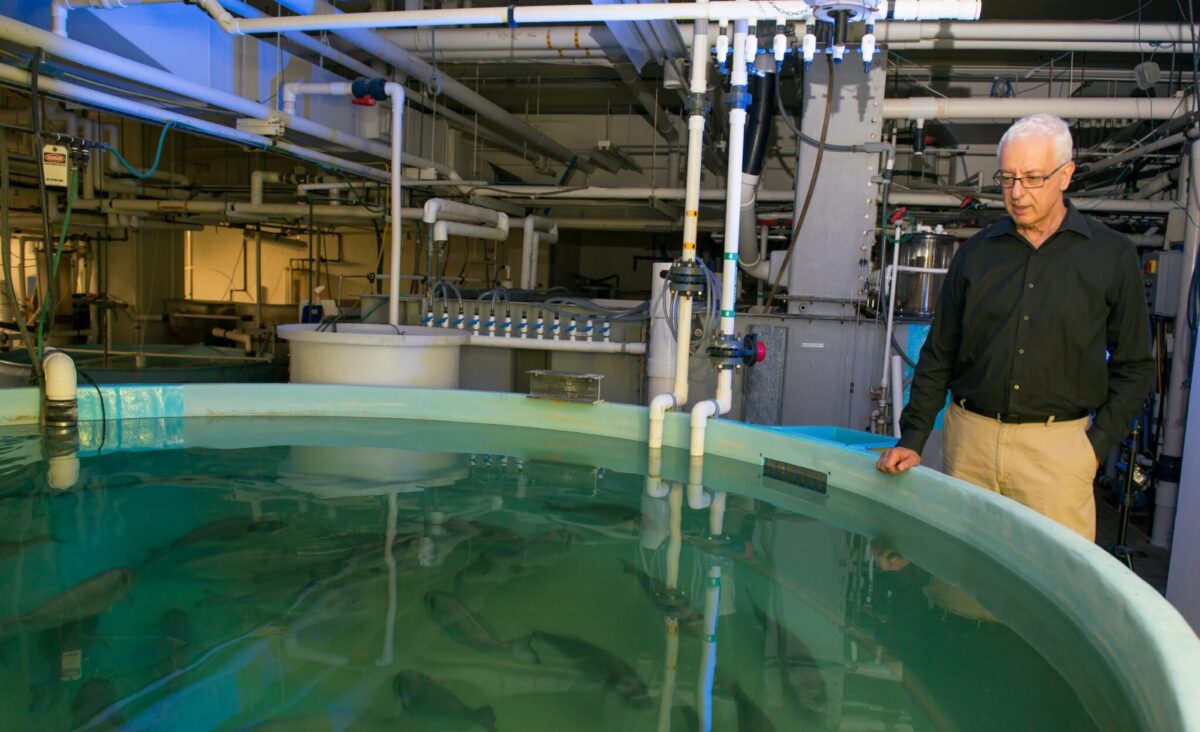
Yonathan Zohar is a Professor of Marine Biotechnology at the University of Maryland, Baltimore County (UMBC), leading research at the Institute of Marine and Environmental Technology (IMET). His work focuses on advancing sustainable aquaculture and fish reproductive biology. He has pioneered land-based aquaculture systems to address environmental and logistical challenges, including year-round salmon spawning and waste management innovations. Zohar’s research combines fundamental endocrinology with applied solutions, such as developing sterile fish strains and biodegradable waste systems. In 2020, he received the International Society for Fish Endocrinology’s Lifetime Achievement Award for his transformative contributions. His research interests span fish endocrinology, reproductive physiology, and aquaculture sustainability. Notable projects include manipulating fish reproduction cycles using environmental cues and converting fish waste into biogas to reduce energy costs. With a $10M USDA grant, he collaborates globally to commercialize land-based aquaculture. Zohar’s work emphasizes environmental responsibility and economic viability, aiming to reduce overfishing and meet rising seafood demand. Key Projects: Year-round salmon spawning, biogas production from fish waste, sterile fish development Funding: USDA grant ($10M), BARD Fund (U.S.-Israel partnership) Scientific contributions include over 50 peer-reviewed articles on fish endocrinology and aquaculture. His teams at IMET and the Aquaculture Research Center (ARC) address industry bottlenecks like sludge management and seasonal reproduction limits. Awards: Lifetime Achievement Award (2020) Collaborations: U.S. and international government/industry partnerships
Odelya Hartung Kaufman, MD, PhD, is a Clinical Geneticist and Associate Research Scientist in the Department of Genetics at Yale School of Medicine. She specializes in diagnosing and managing genetic conditions in children and adults, with expertise in developmental disabilities, inherited eye disorders, hearing loss, and congenital birth defects. Her research focuses on genetic mechanisms underlying early embryonic defects, human infertility (e.g., unexplained female infertility and recurrent pregnancy loss), and rare undiagnosed diseases via the Undiagnosed Disease Network. Education & Training: MD and PhD in Biomedical Sciences from Albert Einstein College of Medicine (2016) Pediatrics and Medical Genetics Residency at Mount Sinai Hospital (2020) Research Interests: Dr. Kaufman’s work combines clinical practice with research into genetic causes of rare diseases. Her studies utilize zebrafish models to investigate RNA binding proteins’ roles in ovary development and Balbiani body architecture. Recent publications highlight advancements in understanding nutrient sensing pathways and genetic mutations linked to syndromes like Shwachman–Diamond syndrome. Awards & Grants: No specific awards listed, though her work aligns with NIH-funded initiatives through the Undiagnosed Disease Network. Grants and funding sources are not detailed in the provided text. Labs & Teams: Member of the Jiang Lab at Yale School of Medicine, collaborating on interdisciplinary projects at the intersection of genetics and clinical care.
David Agard is a Professor in the Department of Biochemistry and Biophysics at the University of California San Francisco (UCSF), where he leads a research group focused on uncovering the structural basis of biological function at the molecular and cellular levels. His lab specializes in advanced cryo-electron microscopy (cryo-EM) and fluorescence light microscopy, developing novel imaging technologies to study dynamic cellular processes. His research interests span structural biology , molecular chaperone function (particularly Hsp90 and its role in disease), microtubule nucleation , centrosome and cilium structure , and the structure of phage-encoded tubulins . He is deeply involved in methodological innovations in cryo-EM data processing , including deconvolution, heterogeneous reconstruction, and tomography, enabling atomic-level insights into complex biological systems. Recent publications highlight his lab’s work on the structural mechanisms of Hsp90-client regulation, microtubule organization, phage nucleus formation, and high-resolution imaging techniques using functionalized graphene-oxide grids. His work increasingly integrates AI-driven structural modeling and in situ approaches to understand macromolecular complexes in their native cellular context. Dr. Agard has made seminal contributions to understanding the ATPase cycle of Hsp90, the architecture of the gamma-tubulin complex, and the structural dynamics of viral and cellular tubulins. His research bridges biochemistry, biophysics, and cell biology, with implications for cancer, neurodegeneration, and antimicrobial strategies.
Dr. David Boocock is a Senior Research Fellow and Group Leader of the Biological Mass Spectrometry and Clinical Proteomics group at the John van Geest Cancer Research Centre, Nottingham Trent University. He joined NTU in 2007 as a Research Fellow and became Senior Research Fellow in 2009, establishing the quantitative LC-MS facility for biological research. His work spans biomarker discovery, cancer research (prostate, breast, melanoma, ovarian, and LAM), Alzheimer's disease, diabetes, and COPD, utilizing advanced proteomics and metabolomics techniques. Senior Research Fellow, Biological Mass Spectrometry and Clinical Proteomics Group John van Geest Cancer Research Centre, Nottingham Trent University Established quantitative mass spectrometry facility in 2013/14 His research focuses on proteomics and biomarker discovery across multiple disease contexts, with particular emphasis on cancer progression and therapeutic response. He employs SWATH Acquisition, LC-MS/MS, and multiomics approaches to analyze protein expression patterns. Collaborations include SCIEX, Ludwig-Maximilians-Universität München, and University of Debrecen. Recent publications highlight his work on chronic kidney disease biomarkers (2025), prostate cancer metastasis mechanisms (2024), and transglutaminase biology in neurodegenerative and metabolic diseases. He supervises PhD students and contributes to undergraduate teaching in cancer and proteomics topics.
Dr Brent McParland is a Senior Lecturer at the Sydney Pharmacy School, University of Sydney, and a member of the Charles Perkins Centre. His work bridges respiratory pharmacology, parasitology, and reproductive medicine with clinical applications. His primary research investigates mechanisms of exaggerated airway narrowing in asthma and COPD, focusing on airway smooth muscle dynamics, autacoid pharmacology (5HT, NO, Bradykinin, PGs, LTs, Histamine), and the role of extracellular matrix. He also leads pioneering research into whether Australian ticks cause Lyme-like illness, examining Babesia and Theileria pathogens through molecular detection methods. His work extends to reproductive medicine and drugs in sport, aligning with the Charles Perkins Centre's themes of obesity, diabetes, cardiovascular disease, infection, and maternal health. Analysis of his 15 most recent publications reveals a dominant respiratory focus (73% of articles), particularly on airway smooth muscle physiology in asthma/COPD, with significant contributions to parasitology (13%) regarding Australian tick-borne diseases. His methodological approaches emphasize cellular signaling, pathogenesis, and pathology, often utilizing in vitro models and molecular characterization techniques. Dr McParland has secured competitive research funding including: 2014: Australias Lyme-Like Illness grant (Australian Respiratory Council) 2013: NHMRC Project Grant on COPD airway mechanics 2006: Ramaciotti Foundation grant on asthma fluid lining 2006: University of Sydney Newly Appointed Staff grant 2006: Asthma Foundation of NSW award on cold-induced exacerbations He teaches core pharmacology courses including Pharmacology Fundamentals, Respiratory Diseases (Asthma, COPD, PAH), and Autacoid Pharmacology, while contributing to the Charles Perkins Centre's multidisciplinary research on metabolic, infectious, and reproductive health conditions through his expertise in airway pathophysiology and vector-borne disease mechanisms.
Iva Filipovic serves as a Research Specialist in the Department of Laboratory Medicine, Division of Clinical Microbiology at Karolinska Institutet since 2025, following her Postdoctoral Research Fellowship (2019-2025) at the Department of Medicine Huddinge, Center for Infectious Medicine. She contributes to The Systems Virology Lab under Ujjwal Neogi, focusing on translational immunology in medical contexts. Her educational background includes: PhD in Physiology, Development and Neuroscience (Reproductive Immunology), University of Cambridge (2019) MSc in Immunology, Imperial College London (2015) BSc in Molecular Biology with Physiology, University of Belgrade (2014) Her research integrates tissue-resident immunology with systems approaches, examining innate lymphocytes in reproductive health, infectious diseases, and cancer. She employs advanced methodologies including RNA-Seq, single-cell analysis, and 29-color flow cytometry to investigate immune mechanisms in endometrial tissue, liver fibrosis, and viral pathogenesis. Current work emphasizes translational applications in sepsis, cholangiocarcinoma, and SARS-CoV-2 immunity. Analysis of her 15 most recent publications (2018-2025) reveals dominant themes in mucosal immunology, with significant contributions to understanding MAIT cells in sepsis, NK cell dynamics in reproduction, and immune biomarkers in cancer. Her work consistently bridges basic immunology with clinical applications through multi-omics approaches and large-scale collaborative studies like the Karolinska KI/K COVID-19 immune atlas. She actively participates in The Systems Virology Lab, contributing to Karolinska's infectious disease research infrastructure. Her technical expertise in high-dimensional immune profiling supports collaborative projects across virology, hepatology, and oncology research groups at Karolinska Institutet.
Dr. Milo Wiltbank is a Professor of Reproductive Physiology & Management at the University of Wisconsin-Madison's Department of Animal and Dairy Sciences. His research focuses on ovarian function in dairy cattle, particularly hormonal regulation of the corpus luteum and fertility improvement through timed artificial insemination (TAI). He joined the Endocrinology & Reproductive Physiology Program (ERP) in 1991 and currently teaches OBS&GYN 710 – Reproductive Endocrine Physiology and OBS&GYN 711 – Advanced Reproductive Endocrine Physiology . Education: B.S. and M.S. from Brigham Young University (1980/1982), Ph.D. from the University of Michigan (1987), followed by postdoctoral training at Colorado State University. Research emphasizes applied and basic studies on luteal physiology, prostaglandin regulation, and estradiol/progesterone-based TAI protocols. His work has pioneered methods to optimize pregnancy rates in dairy herds through hormonal management and follicular development manipulation. Over 278 publications highlight contributions to bovine reproductive science. Advising: Current Ph.D. student Autumn R. Joy and notable past advisees including Adam Beard, Rafael Reis Domingues, and Megan Mezera. Active in ERP Program committees and as a T32 faculty trainer. Labs/Teams: Collaborates with reproductive endocrinology teams at UW-Madison and global institutions, advancing technologies like ReBreed21 and high-fertility cycle models for livestock productivity.
Jason P. Breves is a Professor of Biology at Skidmore College , where he investigates the endocrine mechanisms enabling vertebrates to adapt to dynamic environments. His work focuses on pituitary hormones like prolactin and growth hormone in Mozambique tilapia , Atlantic salmon , and other euryhaline fish models to understand how hormonal systems regulate osmoregulation, growth, and stress responses. Education: B.S. in Marine Biology (Roger Williams University), M.S. in Oceanography (University of Rhode Island), Ph.D. in Molecular Biosciences and Bioengineering (University of Hawaii), and Postdoctoral Studies at University of Massachusetts Amherst. Research Interests: The lab explores three major themes: (1) Prolactin signaling in gill, kidney, and gastrointestinal tract; (2) Osmoreception and prolactin gene regulation; and (3) Somatotropic axis modulation by stressors, nutrition, and xenobiotics. His team uses molecular, cellular, and organismal approaches to dissect hormone-gene interactions and their ecological implications. Recent Publications highlight his work on salinity-dependent gene regulation, cortisol's impact on growth hormone pathways, and thermosensitive prolactin cells. Key subfields include ion transporter dynamics , transcriptomic responses to environmental stress , and hormonal crosstalk in osmoregulation . Collaborators span institutions like University of Hawaii, USGS Conte Anadromous Fish Research Center, and University of Gothenburg. Scientific Awards: Grace Evelyn Pickford Medal (2025), New Investigator Award (2019), Gorbman-Bern Award (2019), and multiple Scholander Awards. Students: Mentored over 30 undergraduate researchers, including recipients of conference awards and presentations at Experimental Biology and International Biology of Fish Congress. Funding includes NSF grants (IOS-1755131, DBI-2018952) for molecular targets and advanced instrumentation. His lab serves as a nexus for comparative endocrinology and aquatic physiology research.
Katie Marshall is an Assistant Professor in the Department of Zoology at the University of British Columbia’s Faculty of Science. Her research focuses on the physiological and ecological mechanisms underlying species’ survival in cold environments, particularly in intertidal invertebrates and forest pest insects. She explores how low-temperature adaptation affects population growth and geographic range limits, aiming to predict climate change impacts on species distributions. Dr. Marshall is affiliated with the Biodiversity Research Centre and the Comparative Physiology Group, emphasizing interdisciplinary collaboration in ecology and evolutionary biology. Her work integrates biological and environmental disciplines, combining molecular studies with ecological observations. For instance, she investigates ice-binding proteins in marine invertebrates and metabolic adaptations in insects and mussels exposed to freezing conditions. She also utilizes advanced technologies like machine learning and DNA metabarcoding for species classification and ecosystem monitoring. Dr. Marshall’s research addresses key questions about why species have specific geographic ranges and how they might respond to environmental changes. Recent studies highlight themes such as the evolutionary origins of cold tolerance, the effects of temperature fluctuations on insect survival, and the interplay between climate variables and organismal physiology. She emphasizes understanding functional traits and eco-evolutionary dynamics to improve predictive models for species range shifts and ecosystem management. Though no specific scientific awards or grants are listed in the provided texts, her contributions to biodiversity and physiological ecology are evident through her active research and lab leadership. The Marshall Lab collaborates broadly within the Zoology Department and across UBC’s Biodiversity Research Centre to advance knowledge in these critical areas.
Robert N. Ben is a Full Professor in the Department of Chemistry and Biomolecular Sciences at the University of Ottawa. His research focuses on organic and bioorganic chemistry, particularly the development of small-molecule ice recrystallization inhibitors (IRIs) for improving cryopreservation techniques. These inhibitors enhance the viability of cells, tissues, and biological systems during freezing and thawing processes, with applications in regenerative medicine, stem cell therapy, and biomedical engineering. He holds a B.Sc. from Laurentian University (1990) and a Ph.D. from the University of Ottawa (1994). His work bridges synthetic chemistry and biological applications, aiming to design cryoprotectants with enhanced stability and activity for medical and industrial uses. Key research areas include asymmetric synthesis of bioactive compounds, carbohydrate chemistry, and glycoprotein design. Ben’s lab investigates the structure-activity relationships of IRIs, their mechanisms of action, and their utility in preserving diverse biological materials, including red blood cells, stem cells, and tissues. His contributions have advanced understanding of how small molecules mitigate ice crystal growth, reducing cryopreservation damage in cellular therapies and organ preservation. Despite no listed awards, his prolific research output (over 50 publications from 2013–2024) highlights his leadership in cryopreservation science. He advises students in synthetic and bioorganic chemistry but no specific advisees are named in the provided texts. Current projects emphasize translating IRI-based technologies into clinical applications, such as improving platelet and cord blood storage.