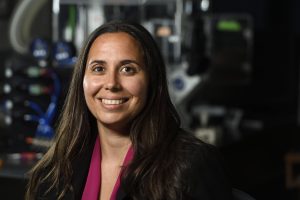
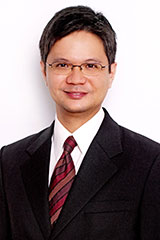
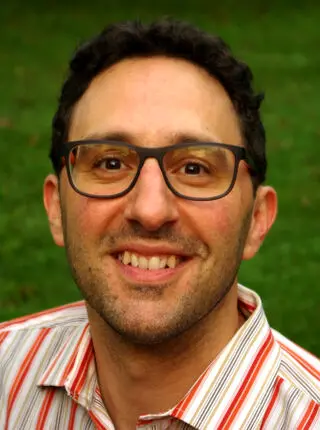
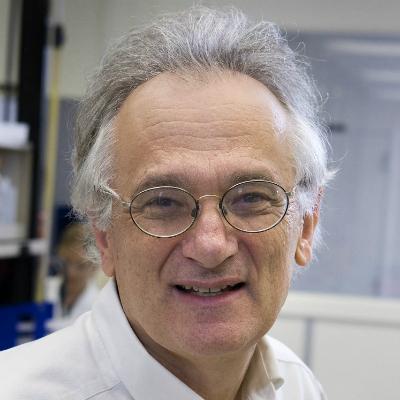
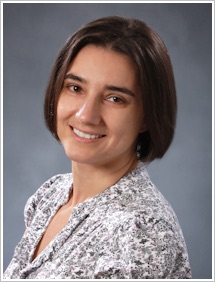
Dr. Vakil Takhaveev is a Lecturer at ETH Zurich's Department of Health Sciences and Technology, within the Institute of Food, Nutrition and Health. His research focuses on DNA damage mechanisms, aging, cancer, and neurodegeneration, with particular emphasis on developing novel DNA-damage-sequencing methods like click-code-seq and TRABI-Seq . He investigates anticancer drug action (e.g., trabectedin), aging clocks using DNA oxidation profiling, and stress-induced carcinogenesis. His work integrates multi-omics approaches and advanced sequencing techniques. Research Directions: Novel DNA-Damage-Sequencing Methods: Developed click-code-seq and TRABI-Seq for genomic mapping of DNA lesions and repair dynamics. Anticancer Drug Action: Explored mechanisms of trabectedin and other chemotherapeutics, linking DNA repair vulnerabilities to therapy resistance. Aging Clocks: Created DNA oxidation-based biomarkers for biological aging using genome-wide profiling in human and mouse models. Stress-Induced Pathologies: Studies metabolic and DNA damage links to early tumorigenesis and neurodegeneration. Awards & Recognition: 2025 Public Award Winner in PIs of Tomorrow competition 2024 ETH Zurich Career Seed Award Best presentation awards (Swiss Chemical Society, American Chemical Society) Grants & Collaborations: Impetus grants for aging clock development Swiss Chemical Society and American Chemical Society fellowships Labs & Teams: Leads research on DNA damage and aging mechanisms at ETH Zurich, collaborating with international groups in oncology and toxicology.
Rebecca Schulman is an Associate Professor in the Department of Chemical and Biomolecular Engineering at the Whiting School of Engineering, Johns Hopkins University. She holds secondary appointments in Chemistry and Computer Science and is affiliated with multiple interdisciplinary institutes, including the Institute for NanoBioTechnology, the Hopkins Extreme Materials Institute, the Chemistry-Biology Interface Program, the Center for Cell Dynamics, and the Laboratory for Computational Sensing and Robotics. She currently co-directs the Passport to Future Technology Leadership program for PhD students. Research Interests: Schulman's research lies at the intersection of DNA nanotechnology, synthetic biology, and smart materials. Her group develops intelligent, adaptive biomolecular materials and nanostructures by integrating concepts from materials science, biochemistry, circuit design, and soft matter physics. The team focuses on engineering dynamic self-assembly processes using DNA to create reconfigurable materials, molecular circuits, and autonomous soft micro-robots. Key themes include self-healing nanostructures, feedback-regulated crystallization, programmable hydrogels, and synthetic genetic networks for materials control. Publication Trends: Her recent publications demonstrate a consistent focus on using DNA-based chemical reaction networks to program spatial and temporal behavior in materials. The work spans from fundamental mechanisms like catalytic polymerization and crystal growth regulation to applications in soft robotics, self-wiring circuits, and synthetic pattern formation. The research is highly interdisciplinary, combining synthetic biology with materials engineering to achieve life-like functionalities in non-living systems. Scientific Awards: AIMBE Fellowship Award Vannevar Bush Faculty Fellowship Award Hartwell Individual Biomolecular Research Award President’s Early Career Award in Science and Engineering (PECASE) DARPA Young Faculty Award DARPA Directors Fellowship NSF CAREER Award Turing Scholar Award DOE Early Career Award Advising and Grants: Schulman mentors graduate students and leads a vibrant research group focused on next-generation biomolecular engineering. Her work is supported by major federal grants, including the NSF CAREER, DOE Early Career, DARPA, and the Vannevar Bush Fellowship—a prestigious Department of Defense award for basic research. She is actively involved in training future leaders through programs like the Passport to Future Technology Leadership. Labs and Teams: The Schulman Lab at Johns Hopkins is a multidisciplinary team working on DNA-powered materials and molecular programming. The lab is embedded within several collaborative centers, enabling strong cross-departmental and cross-institutional research. Their work combines experimental biochemistry with theoretical modeling to design and implement complex molecular systems.
Andrew Spakowitz is a Professor of Chemical Engineering, Materials Science and Engineering, and by courtesy, Applied Physics and Chemistry at Stanford University. He currently serves as the Senior Associate Dean for Research and Faculty Affairs and holds the Tang Family Foundation Chair of the Department of Chemical Engineering. His academic career at Stanford spans from Assistant Professor (2006-2014) to Associate Professor (2014-2020) and now Professor since 2020. Dr. Spakowitz earned his PhD in 2004, MS in 2001 from the California Institute of Technology, and his BS in Chemical Engineering from the University of Wisconsin, Madison in 1999. He completed postdoctoral training in Molecular and Cell Biology and Biophysics at UC Berkeley from 2004-2006. His research focuses on theoretical and computational approaches to understanding biological processes and complex materials. The Spakowitz lab addresses fundamental chemical and physical phenomena through four main research themes: chromosomal organization and dynamics, protein self-assembly, polymer membranes, and charge transport in conducting polymers. His group employs diverse theoretical and computational methods including analytical theory of semiflexible polymers, polymer field theory, continuum elastic mechanics, Brownian dynamics simulation, equilibrium and dynamic Monte Carlo simulations, and reaction-diffusion modeling. Analysis of his recent publications reveals a strong emphasis on epigenetics and chromatin dynamics, with significant work on DNA methylation patterns, nucleosome clustering, and chromosome organization. His research also extends to polymer physics applications in biological systems, particularly in respiratory diseases, water purification membranes, and bacterial phage interactions with human mucus. Tang Family Foundation Chair of the Department of Chemical Engineering Professor Spakowitz mentors several graduate students and postdoctoral scholars in the Chemical Engineering and Materials Science departments. His lab members work on diverse projects spanning from chromatin dynamics to polymer membranes for water purification. He teaches multiple courses including CHEMENG 120B (Energy and Mass Transport), CHEMENG 340 (Molecular Thermodynamics), CHEMENG 466 (Polymer Physics), and CHEMENG 467 (Physics of Biomacromolecules). The Spakowitz lab operates from Clark S295 at Stanford University, conducting theoretical and computational research that bridges chemistry, physics, biology, and engineering disciplines to address complex problems across multiple length and time scales.
Shasha Chong is an Assistant Professor of Chemistry at the California Institute of Technology and a Ronald and JoAnne Willens Scholar. She earned her B.S. from the University of Science & Technology of China (2008) and Ph.D. from Harvard University (2014). Her research bridges chemistry, physics, and biology to investigate the molecular mechanisms of cellular processes, focusing on intrinsically disordered regions (IDRs) in transcription proteins. Research Focus: IDRs in transcriptional regulation, cancer biology, liquid-liquid phase separation, and single-molecule imaging techniques. Grants & Awards: CCE Innovation Award (2024), ALSF Innovation Grant, Mallinckrodt Research Grant, Margaret E. Early Medical Research Trust Grant. Collaborations: Caltech-City of Hope Biomedical Research Initiative Grant (2025). Teaching: Co-instructor for courses like Biochemistry Laboratory (Ch 11) and Advanced Topics in Biochemistry (BMB/Bi/Ch 174). Labs & Teams: Leads the Chong Laboratory at Caltech, focusing on interdisciplinary approaches combining single-molecule imaging, genome editing, and bioinformatics.
Britt Adamson is an Associate Professor in the Department of Molecular Biology and the Lewis-Sigler Institute for Integrative Genomics at Princeton University, where she serves as Director of the Undergraduate Program in Quantitative and Computational Biology. Her lab investigates molecular networks in human cells with focus on stress response mechanisms and genome editing technologies. She received her B.S. in Biology from the Massachusetts Institute of Technology (2005) and Ph.D. in Genetics and Genomics from Harvard University (2012), followed by postdoctoral training at UCSF under Jonathan Weissman supported by a Damon Runyon Cancer Research Foundation Fellowship. Adamson's research centers on how cells organize stress response networks during DNA damage and endoplasmic reticulum stress, developing CRISPR-based functional genomics and single-cell sequencing tools to map molecular behaviors. Her work bridges fundamental cell biology with therapeutic applications in genome editing. Analysis of her 15 most recent publications reveals dominant themes in precision genome editing (prime/base editing optimization) and systematic dissection of DNA repair pathways through combinatorial CRISPR screening. Her lab consistently integrates computational approaches with high-resolution experimental techniques to uncover context-dependent cellular behaviors. Her scientific recognitions include: Damon Runyon Cancer Research Foundation Postdoctoral Fellowship Princeton IP Accelerator Award (2025) STAT Who to Know: 10 Scientists leading a new generation of gene editors (2024) Adamson actively mentors eight graduate students (including alumni Ann Cirincione and Jun Hussmann) and two postdocs, with research funded through institutional awards and collaborative grants. Her lab's technological developments have enabled projects spanning virology, immunology, and developmental biology. The Adamson Lab operates within Princeton's Lewis-Sigler Institute for Integrative Genomics, fostering an interdisciplinary environment that merges cell biology, genomics, and computational science. Current projects focus on improving prime editing efficiency and understanding stress response adaptation in disease contexts.
Calliope Dendrou is an Associate Professor in Clinical Pathology and Inflammation at the Kennedy Institute of Rheumatology (KIR), University of Oxford, leading the Immune Disease Multiomics Laboratory. She previously held a Wellcome & Royal Society Sir Henry Dale Fellowship at the University of Oxford’s Centre for Human Genetics before joining KIR in 2023. Her research focuses on immune disease mechanisms using multiomics approaches, including genomic profiling to identify therapeutic targets across tissues and immune-mediated diseases. She co-leads large-scale projects like the Oxford-J&J Cartography Consortium and the Chan Zuckerberg Initiative’s LEGACY Network, and teaches on the MSc in Genomic Medicine program. Educational Background: BSc (Biology, Imperial College London, 2005; Forbes Memorial Medal Winner); PhD in Infection & Immunity (University of Cambridge, 2010). Postdoctoral training at the Weatherall Institute of Molecular Medicine under Prof. Lars Fugger. Research interests include immunogenetics, cytokine signaling pathways, drug repositioning, and cross-disease pathophysiology. Her work integrates single-cell and spatial transcriptomics to dissect immune-cell interactions in diseases like rheumatoid arthritis, inflammatory bowel disease, and celiac disease. Recent articles highlight her contributions to understanding vaccine adjuvant responses, Th17 cell roles in spondyloarthritis, and immune-epithelial networks in celiac disease. Collaborations emphasize multi-omic data analysis (e.g., Panpipes pipeline) and translational studies toward precision medicine. Awards: Forbes Memorial Medal (BSc), Wellcome & Royal Society Sir Henry Dale Fellowship. Leadership roles include Equality, Diversity, and Inclusion Champion and 'Single-Cell & Spatial Omics for Precision Medicine' Module Lead. Lab & Teams: Immune Disease Multiomics Lab at KIR. Active in collaborative initiatives such as the LEGACY Network, focusing on large-scale immune profiling in ancestrally diverse populations.
Tracey Evans Chan is an Associate Professor and Director of the NUS Law Academy at the National University of Singapore's Faculty of Law. His expertise lies in biomedical law and ethics, with a focus on issues such as surrogacy, transplant ethics, and human-animal research. He has held significant roles, including a secondment to Singapore's Ministry of Health, where he contributed to the Human Biomedical Research Act 2015. He currently serves on the National Medical Ethics Committee and the Advisory Committee on Restricted Research under the same Act, and is a member of NUS's Institutional Review Board. Education: LLM (Harvard University) LLB (National University of Singapore) Research Interests: Chan's work bridges legal and ethical dimensions of biomedical advancements. Key areas include regulatory challenges in mitochondrial replacement technology, consent frameworks for minors, and the ethical implications of emerging medical technologies. His contributions to Singapore's legal committees reflect his commitment to balancing innovation with societal values. Publications & Trends: His recent works explore themes like advance care planning, the placebo effect in clinical practice, and cross-jurisdictional comparisons of healthcare dependency laws. These publications underscore his interdisciplinary approach to legal and biomedical challenges. Awards & Grants: No specific awards or grants are listed, but his policy contributions and academic output highlight his impactful work in regulatory frameworks. Advising & Teams: As a faculty member, he teaches courses like Medical Law and Ethics. His involvement in NUS's Institutional Review Board and Singapore's advisory committees demonstrates his role in shaping research ethics and healthcare policy.
Itsik Pe'er is a Full Professor and Vice-Chair in the Department of Computer Science at Columbia University's Fu Foundation School of Engineering & Applied Science, and holds a joint appointment as Professor of Systems Biology at the Vagelos College of Physicians and Surgeons. His research focuses on computational methods in human genetics, including genetic variation analysis, disease association studies, and algorithm development for genomic data. He leads the Itsik Pe'er Lab of Computational Genomics, which develops tools like Xplorigin, Germline, and SEACells to address challenges in genomics and medical research. His work spans machine learning applications in healthcare, microbiome analysis, and cancer genomics. Notable contributions include studies on hypertensive disorders in pregnancy, bias correction in predictive models, and the development of non-Euclidean learning libraries like Manify. Pe'er has advised students including Vladimir Vacic, Anat Kreimer, and Arthi Ramachandran, and collaborates on grants addressing genetic epidemiology and computational biology. His lab's location is in the Computer Science Building at Columbia's Morningside Campus.
Marc V Fuccillo is an Associate Professor of Neuroscience at the Perelman School of Medicine, University of Pennsylvania, where he leads a research laboratory focused on understanding the neural circuit mechanisms underlying behavioral control. His work bridges molecular, synaptic, and behavioral approaches to investigate how striatal circuits regulate mouse behavior from simple motor patterns to complex goal-directed actions. Fuccillo holds dual appointments in the Neuroscience and Cell and Molecular Biology Graduate Groups at Penn and maintains an active laboratory investigating the synaptic and circuit basis of neuropsychiatric disorders. Education: B.A. in Molecular and Cellular Biology and Music Performance (Violin) from Brown University (1998) Ph.D. in Developmental Genetics from New York University School of Medicine (2007) M.D. from New York University School of Medicine (2008) Fuccillo's research centers on the synaptic and circuit mechanisms of behavioral control, with particular emphasis on striatal circuits. His laboratory employs a range of technologies including mouse genetics, in vitro electrophysiology, in vivo imaging, and quantitative behavioral analysis to explore how neural circuits of the striatum regulate behavior and how disruptions in these circuits contribute to neuropsychiatric disorders. His work has particularly focused on autism-associated abnormalities in behavioral control, examining how synaptic adhesion molecules like neuroligins and neurexins shape circuit function and behavior, with significant findings regarding D1 dopamine receptor positive medium spiny neurons in the nucleus accumbens. Analysis of Fuccillo's recent publications reveals a strong focus on striatal circuit function across multiple dimensions. His work spans molecular neuroscience (examining synaptic adhesion molecules), cellular physiology (studying specific neuron types in striatal circuits), systems neuroscience (mapping circuit connectivity), and behavioral neuroscience (quantifying motor learning and decision-making). A unifying theme is how disruptions in specific molecular pathways lead to circuit-level abnormalities that manifest as behavioral phenotypes relevant to neuropsychiatric disorders, with particular attention to autism, OCD, and schizophrenia models. Scientific Recognition: Publications in high-impact journals including Nature Neuroscience, Current Biology, Cell Reports, and Neuron Research supported by multiple NIH grants including NIMH F32, NIMH K01, and HHMI Gilliam Fellowship awards for lab members Fuccillo actively mentors a diverse group of trainees including postdoctoral fellows, graduate students, and undergraduates. His laboratory has produced numerous successful alumni who have gone on to faculty positions, medical residencies, and graduate programs at prestigious institutions. His mentoring approach emphasizes technical skill development across multiple neuroscience disciplines while fostering independent scientific thinking. Current research in his lab is supported by NIH funding focused on understanding the molecular architecture of striatal circuits and their role in behavioral control, with three major research directions exploring molecular logic of striatal circuits, circuit mechanisms of behavioral control, and striatal dysfunction in neuropsychiatric disease models. The Fuccillo Laboratory operates within the Department of Neuroscience at the University of Pennsylvania, with access to state-of-the-art facilities for molecular, electrophysiological, imaging, and behavioral neuroscience research. The lab maintains active collaborations with other neuroscience research groups at Penn and beyond, creating a rich intellectual environment for studying the neural basis of behavior. Current research directions include investigating whether there is a molecular logic to striatal circuit composition, how striatal circuits shape behavioral control, and what mouse models of autism, schizophrenia, and OCD can reveal about striatal circuit dysfunction in disease pathophysiology.
Dr. Steven G. Clarke is a Distinguished Professor at UCLA Department of Chemistry & Biochemistry and director of research at the Molecular Biology Institute . His work bridges protein chemistry , methylation biology , and aging research through studies of spontaneous protein damage and its repair mechanisms. Education: BA in Chemistry and Zoology, Pomona College (magna cum laude, Phi Beta Kappa) PhD in Biochemistry and Molecular Biology, Harvard University (NSF Fellow) Postdoctoral Fellowship at UC Berkeley (Miller Fellow) Dr. Clarke's research focuses on protein isoaspartyl repair via PCMT1/PIMT enzymes , ribosomal protein methylation in Saccharomyces cerevisiae , and PRMT family characterization including PRMT7 and PRMT9. His lab combines biochemical assays , genetic models , and structural analysis to investigate aging mechanisms and disease implications. Recent publications highlight: COQ5 structure-function analysis in coenzyme Q biosynthesis PCMTD1 ubiquitin ligase interactions PRMT7 substrate specificity in histone H2B Protein isoaspartyl impacts on T cell function in lupus Novel PRMT inhibitors for cancer therapy Methionine addiction in osteosarcoma malignancy Major scientific awards: American Chemical Society Ralph F. Hirschmann Award in Peptide Chemistry NIH MERIT Award Ellison Medical Foundation Senior Scholar Award William C. Rose Award, ASBMB UCLA Distinguished Teaching Award (Eby Award winner) Current lab members include PhD candidates Eric Pang (UCSB) and Sining "Cindy" Wang (UCLA), while undergraduates Celeste Medina-Seymoure , Elizabeth Oroudjeva , Olivia Pacheco , and Jasmine Winter contribute to ongoing proteostasis studies. Collaborations with Profs. Jose Rodriguez and Catherine Clarke demonstrate interdisciplinary research approaches.
Dr. Yogambha Ramaswamy is a Senior Lecturer in the School of Biomedical Engineering at The University of Sydney and a member of the Sydney Nano Institute. She holds a Master’s in Biotechnology from the University of Queensland and a PhD in Biomedical Engineering from the University of Sydney (2009). Her postdoctoral career began as a Vice-Chancellor’s Postdoctoral Research Fellow at the University of New South Wales, followed by a Peter Doherty Early Career Fellowship in 2013 before joining the University of Sydney in 2015. Dr. Ramaswamy’s research focuses on biomaterials, tissue engineering, and mechanobiology, with a particular emphasis on developing calcium silicate-based ceramics and biopolymers for orthopedic and regenerative applications. Her recent work explores the role of physical cues in modulating stem and cancer cell behavior. She teaches courses such as AMME1961 (Introduction to Biomedical Engineering B) and AMME5962 (Introduction to Mechanobiology). Her research has been supported by grants including the NHMRC Early Career Fellowship and collaborations with institutions like the CSIR-Indian Institute of Chemical Technology and the University of Otago. Her publications span biomaterials, nanotechnology, and mechanobiology, with recent work addressing atherosclerosis, hydrogel design, and nanomedicine. She currently supervises PhD students Frank (biomaterials) and Alexander (atherosclerosis research).
Kelly Arnold is an Associate Professor in the Department of Biomedical Engineering at the University of Michigan. Her research integrates systems engineering principles with immunology to investigate variability in immune responses across infection, vaccination, and injury, with a focus on computational modeling and clinical translation. Research Focus Systems-level immune response modeling Vaccination and antibody functionality Vaginal microbiome-host interactions Chronic lung disease progression Computational serology and proteomics Recent Work Her 2025 studies examine SARS-CoV-2 vaccination responses in cancer patients and computational frameworks for vaginal probiotics. Earlier works (2024-2007) span COPD progression, lupus fibrosis, HIV susceptibility, and tissue engineering for fertility preservation. Methodologies include proteomic profiling, network modeling, and microfluidic systems.
Michele Klingbeil is a Professor in the Department of Microbiology at the University of Massachusetts Amherst, where she leads the Klingbeil DNA Replication Laboratory. She received her PhD in Cell and Molecular Biology from the University of Toledo in 1996 and previously worked at Johns Hopkins School of Medicine before moving to UMass in July 2007. Her educational background includes: PhD in Cell and Molecular Biology, University of Toledo, 1996 Dr. Klingbeil's research focuses on the unique biology of trypanosomatid parasites, particularly Trypanosoma brucei , the causative agent of African sleeping sickness. Her laboratory investigates two main areas: (1) replication of the unusual mitochondrial DNA network called kinetoplast DNA (kDNA), and (2) nuclear DNA replication initiation. Her work on kDNA is particularly significant as this structure is essential for parasite survival but has no counterpart in mammalian hosts, making it an attractive drug target. She employs a combination of reverse genetics (RNAi), cell biology, and biochemistry to understand the replication and repair mechanisms of kDNA, with a special focus on a family of four DNA polymerases related to bacterial Pol I. Dr. Klingbeil's recent publications reveal her laboratory's deep investigation into mitochondrial DNA polymerases in trypanosomatids, with discoveries showing multiple polymerases having specialized functions in kDNA replication and repair. Her research has established that several of these polymerases are essential for parasite viability, opening new avenues for drug development. She has also made significant contributions to understanding the simplified Origin Recognition Complex in trypanosomatids compared to other eukaryotes. Dr. Klingbeil has received the Thomas G. Lessie Distinguished Lectureship Award for her impact on teaching at the graduate level. Her research is funded by the National Institutes of Health, U.S. Department of Agriculture, the Joeph P. Healey Endowment, and the University of Massachusetts Amherst. She has mentored numerous graduate and undergraduate students, including current PhD candidates Dave Bruhn, Jeniffer Concepción, and Juemin Luo, as well as visiting scholar Eva Vidal Rico. Her former students have gone on to positions at institutions including Dana Farber/Broad Institute, Regis College, and Flagship Ventures. The laboratory regularly participates in scientific conferences including the Molecular Parasitology Meeting at Woods Hole and the Kinetoplastid Molecular Cell Biology conference. Dr. Klingbeil teaches several courses including Parasitology (MICRO 590S), Parasitology Lab (MICRO 590L), Molecular Mechanisms of Pathogenesis (MICRO 797P), Advanced Cell Biology (MCB 641), and Writing in Microbiology (MICRO 360). Her laboratory organizes regular social events including pumpkin carving parties and outings to Six Flags New England and Mt. Sugarloaf.
Dewey G. McCafferty is Professor of Chemistry at Duke University with appointments in Biochemistry and the Duke Cancer Institute. His research focuses on chemical biology of chromatin-modifying enzymes and ubiquitin signaling pathways relevant to neurodegeneration and infection. Notable work includes discovering the lasso peptide antibiotic Arcumycin, characterizing the Nedd4 ubiquitin ligase in Parkinson's disease models, and developing chemoproteomic approaches for target identification. Key contributions include elucidation of the futalosine pathway in Chlamydia infections, mechanisms of CPAF protease in bacterial pathogenesis, and engineering of histone demethylase enzymes. McCafferty received the Eli Lilly Award in Biological Chemistry (2005) and directs NIH-funded projects on ubiquitin ligases in neurodegeneration.
Réka Albert is a Distinguished Professor of Physics at Pennsylvania State University, affiliated with the Eberly College of Science. Her research focuses on the application of network science to biological systems, including signal transduction networks, ecological interactions, and cancer systems biology. She holds editorial roles at npj Systems Biology and Applications , IET Systems Biology , and Bulletin of Mathematical Biology . Education: Ph.D. in Physics from the University of Notre Dame (2001), M.S. and B.S. from Babeș-Bolyai University, Romania (1995-1996). Research Interests: Modeling complex systems using network theory; Boolean network analysis of biological pathways; ecological community dynamics; systems-level understanding of disease mechanisms (e.g., cancer, AML). Her work bridges theoretical physics, computational biology, and experimental data to predict system behavior and therapeutic strategies. Awards: External member of the Hungarian Academy of Sciences (2016), APS Maria Goeppert-Mayer Award (2011), NSF CAREER Award (2007), and Alfred P. Sloan Fellowship (2004). Grants/Support: NSF awards (MCB 1715826, IIS 1814405), ARO MURI on hyperuniform systems, and collaborations with biologists like Sarah Assmann (plant signaling) and Katriona Shea (ecology). Labs/Teams: Leads a multidisciplinary research group at Penn State, mentoring over 20 PhD alumni and current students like Eli Newby and Fatemeh Nasrollahi. Active in developing tools like pystablemotifs for Boolean network analysis.