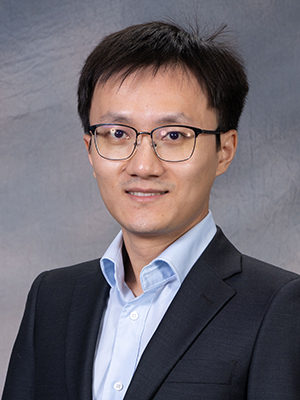
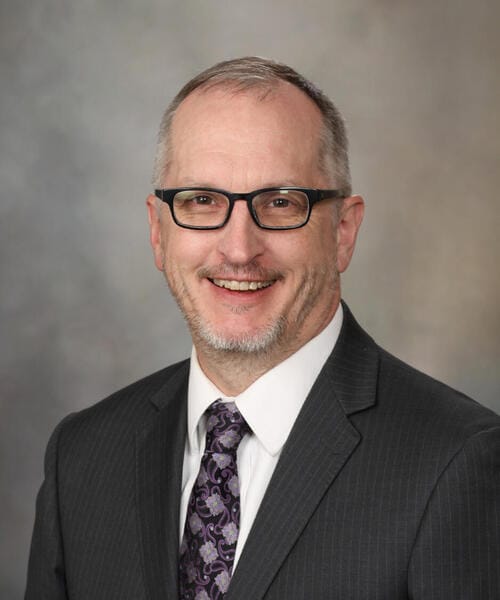
Chen Wei Wayne is an Assistant Professor in the Department of Mechanical Engineering at Texas A&M University. His research focuses on generative design AI, machine learning, uncertainty quantification, and advanced manufacturing. He leads the DIGIT Lab, which develops AI methods for design innovation, automation, and manufacturing integration. Education: Ph.D., Mechanical Engineering, University of Maryland, College Park (2019) M.S., Mechanical Engineering, Chongqing University, China (2015) B.S., Mechanical Engineering, Chongqing University, China (2012) Research Interests: Generative adversarial networks (GANs) for design synthesis Data-driven metamaterials and multiscale systems Uncertainty quantification in engineering design AI-driven design automation Awards & Honors: ASME Journal of Mechanical Design Reviewer of the Year Award (2023) ASME DAC Best Paper Award (2022) Journal of Mechanical Design Editors’ Choice Honorable Mention (2021) Lab Activities: Recent lab milestones include successful completion of TAMUQ Summer Research Programs (2024) Hosts undergraduate researchers like Wisam Gadam and Eddie Guerrero
Maxim V. Berezovski is a Full Professor in the Department of Chemistry and Biomolecular Sciences at the University of Ottawa , Faculty of Science. His research focuses on bioanalytical chemistry , aptamer development , and biomarker discovery , particularly in cancer and immune cell biology. His lab specializes in Kinetic Capillary Electrophoresis (KCE) , aptamer-based biosensors, and single-cell analysis. Research interests include: Therapeutic and diagnostic applications of nucleic acid and peptide aptamers Biomarker identification for cancers (e.g., breast, glial tumors) Proteomic/metabolomic analyses of exosomes and extracellular vesicles Recent work emphasizes aptamer-driven innovations, such as: Fluorescence-guided brain tumor surgery Quantitative detection of SARS-CoV-2 proteins Molecular imaging of tumors using infrared-labeled aptamers Publications span aptamer engineering , cancer diagnostics , and environmental impacts on proteomics . Collaborations focus on interdisciplinary applications in medicine, biotechnology, and environmental science.
Professor Luke Chamberlain is a leading researcher at the Strathclyde Institute of Pharmacy and Biomedical Sciences, University of Strathclyde, where he investigates the role of protein S-acylation in health and disease. His work bridges fundamental biochemistry with therapeutic discovery, focusing on the zDHHC family of enzymes and their impact on cellular signaling, membrane trafficking, and disease mechanisms. Education: PhD in Role of Cysteine-String Protein in Regulated Exocytosis, University of Liverpool (1998) BSc in Microbiology, University of Edinburgh (1994) His research is primarily focused on protein S-acylation (palmitoylation) , a reversible lipid modification that regulates protein localization, stability, and function. He explores how defects in this process contribute to neurodegenerative diseases, cancer, and diabetes. His lab employs advanced techniques such as click chemistry, confocal microscopy, proteomics, and behavioral analyses to dissect molecular mechanisms. The recent publications highlight trends in understanding substrate specificity of zDHHC enzymes , development of inhibitors , and the regulatory role of S-acylation in metabolic and neurological pathways . His work increasingly emphasizes chemical biology approaches to target S-acylation therapeutically. Scientific Awards: No awards explicitly mentioned in the text. Prof. Chamberlain actively mentors postdoctoral researchers and prospective PhD students, offering support for fellowship applications. He is Principal Investigator on multiple grants, including an integrated analysis of S-acylation dynamics (BBSRC-funded) and a Strathclyde-led network with Thailand. His professional activities include serving as an examiner for PhD theses, chairing international conferences such as the FASEB meeting on Protein Lipidation, and participating in research visits to institutions like Tsinghua and Peking University. Labs and Facilities: His research group utilizes the Leica SP8 Confocal Microscope facility at the Strathclyde Institute, enabling high-resolution imaging of protein localization and dynamics in live and fixed cells.
Bhama Ramkhelawon, PhD, is the Florence and Joseph Ritorto Associate Professor of Surgical Research in the Department of Surgery and Associate Professor in the Department of Cell Biology at NYU Grossman School of Medicine. She is also the Director of Vascular Surgery Scientific Research, leading a dynamic research program focused on vascular biology and disease mechanisms. Her research centers on understanding the molecular and cellular mechanisms underlying vascular aneurysms, peripheral vascular disease, and the interplay between metabolism, inflammation, and aging in the cardiovascular system. Utilizing advanced techniques such as single-cell transcriptomics, mouse models, and clinical data analysis, her lab investigates how immune cells, platelets, and metabolic pathways contribute to vascular pathologies. Recent publications highlight a strong trend in vascular mechanobiology, aging-related transcriptomic changes, adenosine signaling, and inflammatory responses in vascular tissues. Her work bridges basic science with clinical applications, particularly in post-surgical complications like endoleaks and aneurysm repair outcomes. Bhama Ramkhelawon has made significant contributions to the field with over 80 publications in high-impact journals such as Circulation Research , JCI Insight , and Cell Systems . Her research is supported by active clinical trials focusing on vascular aneurysms and peripheral vascular disease, indicating ongoing funding and translational research efforts. She mentors students and researchers as part of her role as a principal investigator and director. Her lab is involved in multi-disciplinary collaborations, integrating cell biology, immunology, and vascular surgery to advance understanding of cardiovascular diseases.
Kathryn Hess Bellwald is a Full Professor at École Polytechnique Fédérale de Lausanne (EPFL) in both the School of Life Sciences and School of Basic Sciences . She leads the Laboratory for Topology and Neuroscience and serves as Academic Director for the Euler Programme . Her work bridges pure mathematics and interdisciplinary applications in neuroscience, materials science, and data analysis. Education : PhD in Mathematics (MIT, 1989), preceded by positions at Stockholm, Nice, and Toronto universities. Her research spans algebraic topology , homotopy theory , operad theory , and algebraic K-theory , with applications in neuroscience and materials science . She has pioneered topological data analysis methods for classifying neuronal morphologies , microglia phenotypes , and nanoporous materials , creating a parameter-free framework linking neural network structure to activity. The 15 most recent publications highlight her work on topological inverse problems , neuroinflammation , and equivariant homotopy . These studies often involve collaborations with the Blue Brain Project and EPFL teams in neuroscience , machine learning , and materials science . Scientific Awards : Fellow, American Mathematical Society (2017); Distinguished Speaker, European Mathematical Society (2017); Crédit Suisse Teaching Prize (2012); Polysphère d'Or (2013); Full Member, Swiss Academy of Engineering Sciences (2016); Chaire de la Vallée Poussin (2023); Fellow, Association for Women in Mathematics (2024). She has mentored numerous PhD students in mathematics and neuroscience, including Adélie Eliane Garin , Varvara Karpova , and Dimitri Zaganidis . Her EPFL Mathematics affiliations include the DIVISION MATH , while her Neuroscience lab operates under the Brain Mind Institute (BMI) in the School of Life Sciences (SV). Grants and collaborations are evident in her work on neurodegenerative diseases , synthetic materials , and machine learning frameworks .
Dr. Athma A Pai is an Associate Professor at UMass Chan Medical School, holding primary appointments in the RNA Therapeutics Institute and the T.H. Chan School of Medicine. She maintains extensive secondary appointments across multiple departments including Genomics and Computational Biology, Systems Biology, and several graduate programs at the Morningside Graduate School of Biomedical Sciences, reflecting the highly interdisciplinary nature of her work. Education: BS in Biochemistry/Anthropology from University of Pennsylvania PhD in Human Genetics from University of Chicago Postdoctoral training in RNA Genomics from MIT Dr. Pai's research program centers on RNA biology with particular emphasis on RNA processing, splicing mechanisms, and the regulation of gene expression. Her work investigates how environmental factors influence RNA processing through biochemical, molecular, and genetic mechanisms. She employs cutting-edge genomic and transcriptomic approaches to study alternative polyadenylation, mRNA transcript initiation and termination, and the spatial organization of RNA processing events within cells. Her research has significant implications for understanding fundamental gene regulation mechanisms and their roles in disease processes. Analysis of Dr. Pai's recent publications reveals a strong focus on developing high-resolution profiling methods for understanding transcriptional and translational regulation. Her work increasingly integrates computational approaches with experimental biology to investigate how RNA processing events are coordinated across the transcriptome. A notable trend is her exploration of how RNA processing contributes to inflammatory responses and cellular defense mechanisms, with implications for therapeutic development. Dr. Pai actively mentors students through multiple graduate programs at UMass Chan Medical School, including Biochemistry and Molecular Biotechnology, Biophysical Chemical and Computational Biology, Interdisciplinary Graduate Program, MD/PhD Program, RNA Therapeutics and Biology Program, and Systems Computational and Quantitative Biology. She maintains an active laboratory (Pai Lab) that welcomes postdoctoral researchers interested in RNA biology. Her laboratory website provides additional information about ongoing research projects and opportunities for collaboration and training, and she maintains a professional presence through her Twitter account (@athmapai).
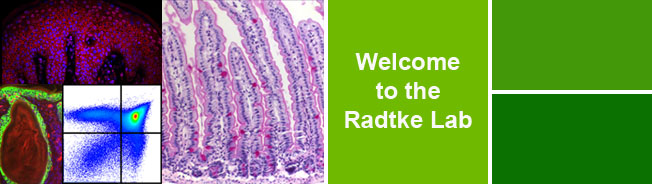
Freddy Radtke is a Full Professor at the School of Life Sciences at École polytechnique fédérale de Lausanne (EPFL), where he leads the Radtke Lab (UPRAD) within the Swiss Institute for Experimental Cancer Research (ISREC). He holds multiple affiliations across EPFL, including in the SSV-ENS and EDMS-ENS programs, reflecting his broad engagement in teaching and doctoral education in life sciences. His research is centered on the molecular mechanisms of stem cell maintenance and differentiation, particularly through the Notch signaling pathway. His work spans several self-renewing systems: the hematopoietic system, skin, and gut. Key findings include the identification of Delta-like 4 as the essential Notch1 ligand for T cell commitment, the tumor suppressor role of Notch1 in skin, and its critical function as a gatekeeper of intestinal progenitor cells by repressing CDK inhibitors. These discoveries have significant implications for understanding cancer development and regenerative processes. The recent publications highlight a consistent focus on Notch signaling across diverse biological contexts—hematopoiesis, skin development, intestinal regeneration, and stem cell systems biology. The keywords and subfields reflect deep mechanistic investigations into cell fate decisions, signal transduction, and tissue homeostasis, with strong translational relevance to cancer and inflammatory diseases. Freddy Radtke has mentored numerous Ph.D. students and is actively involved in teaching courses such as Stem Cells and Organoids and Scientific Project Design in Translational Oncology . His lab conducts research supported by external funding, and he collaborates across disciplines to integrate systems biology with stem cell research. The lab includes scientists, doctoral assistants, technicians, and administrative staff, indicating a vibrant and multidisciplinary research team.
Dr Michael Boemo is an Assistant Professor at the University of Cambridge, holding dual appointments in the Department of Pathology and Department of Genetics. He leads research at the intersection of computational biology, DNA replication, and cancer genomics, developing machine learning tools to analyze replication stress and genomic instability. Academic Background: BA in Mathematics (Rutgers University), PhD in Physics (University of Oxford) Research Focus: Genomic instability in cancer, DNA replication/repair defects, computational modeling using machine learning and high-performance simulations Teaching: Lectures in Natural Sciences Tripos (mathematical biology, genetics, systems biology), module organizer for cancer biology and biological modeling His research group leverages nanopore sequencing and AI to map replication fork dynamics, revealing how stalled forks generate mutations in cancer cells and pathogens. Recent work examines extrachromosomal DNA replication vulnerabilities and transcription-replication conflicts. Dr Boemo collaborates across computational biology and cancer research domains, with publications spanning journals like Nature Methods, Cell, and PLoS Computational Biology. His lab develops tools such as DNAscent for replication fork analysis and explores therapeutic targeting of replication stress.
Professor Sungheon Gene Kim holds a faculty position at the Weill Cornell Medicine Graduate School of Medical Sciences within the Department of Radiology . His research focuses on quantitative MRI methodology for oncological applications , particularly in breast cancer and head and neck cancer . Kim's lab develops advanced dynamic contrast-enhanced MRI (DCE-MRI) and diffusion MRI (dMRI) techniques to assess tumor microenvironment and treatment response . Key research areas include: Tumor vascular properties via 3D UTE-GRASP MRI Cellular microstructural analysis through POMACE framework Adipose-tissue cancer interaction via MR spectroscopic imaging His lab has received continuous funding from the National Cancer Institute (R01CA219964, UG3/UH3CA228699, R01CA160620). Recent publications demonstrate technical advancements in ultrafast MRI reconstruction , deep learning-enhanced perfusion analysis , and multi-parametric tumor characterization . Collaborations with the National Institutes of Health Quantitative Imaging Network have produced novel cellular water exchange rate measurements that correlate with patient survival outcomes .
Vaishnav Krishnan, M.D., Ph.D., is an Associate Professor at Baylor College of Medicine with joint appointments in the Department of Neurology, Neuroscience, and Psychiatry and Behavioral Sciences . He also holds an Adjunct Associate Professor position in Electrical and Computer Engineering at Rice University. As a physician-scientist, he leads the Laboratory of Epilepsy and Emotional Behavior , focusing on the neurobiological mechanisms linking epilepsy to psychiatric comorbidities. Education: BS in Neuroscience and Chemistry, New York University (2003) MD-PhD in Behavioral Neuroscience and Molecular Neuroplasticity, UT Southwestern Medical Scientist Training Program (2010) Internship and Residency in Internal Medicine and Adult Neurology, Parkland Memorial Hospital (2011) and Beth Israel Deaconess Medical Center (2014) Postdoctoral Fellowship in Seizures and Autism-Related Behavior, Beth Israel Deaconess Medical Center (2016) His research employs genetically valid mouse models and home-cage behavioral monitoring to study interictal behavioral derangements, using EEG and wearable devices to translate findings to humans. His work has been supported by grants from NINDS , the American Epilepsy Society , Gulf Coast Center for Precision Health , and the Mike Hogg Fund . He has received awards such as the NINDS K08 Career Development Award and American Epilepsy Society Fellow . The Krishnan Lab has published extensively on epilepsy spectrum disorders , circadian and ultradian rhythms , and seizure prediction algorithms , with recent studies in Journal of Comparative Neurology , Brain Communications , and Epilepsia . He collaborates with epilepsy-focused labs, including those of Dr. Jeffrey Noebels and Dr. Berge Minassian. Scientific Awards and Recognitions: Outstanding Resident Teaching Award (Harvard Medical School, 2013) NINDS R25 Award (2014-2015) Clinical Research Training Fellowship in Epilepsy (American Academy of Neurology, 2016-2018) Mentored Clinical Scientist Research Career Development Award K08 (NINDS, 2019-2024) Junior Investigator Award (American Epilepsy Society, 2020-2021) Mike Hogg Fund Award (2021-2022) Gulf Coast Center for Precision Health Pilot Award (2022-2023) Fellow of the American Epilepsy Society (2022) Lab Members and Trainees: The lab includes current researchers like Medical Students Vanuli Arya and Anna Norman , Research Technician Saifina Karedia , and Postdoctoral Associate Arindam Mazumder . Former trainees include Paarth Kapadia (MD, BCM 2023) and Anney Tuo (Rice B.S., now in medical school), among others pursuing careers in medicine, research, and engineering.
Kevin T. Vaughan is an Associate Professor in the Department of Biological Sciences at the University of Notre Dame, with a research focus on the cell biology of cancer and neurodegenerative diseases. He is a member of the Harper Cancer Research Institute and conducts mechanistic studies on mitosis, organelle transport, and cholesterol trafficking. Research Interests: Cell Biology of human diseases Mitosis and cell cycle regulation Neurodegeneration, particularly Niemann-Pick Type C disease Cancer therapeutics and combinatorial drug treatments Cholesterol transport mechanisms Cytoplasmic dynein function in cellular dynamics His research employs mass spectrometry and animal models to investigate novel regulatory pathways in mitosis and to develop new therapies for pancreatic and breast cancer. The lab has discovered a new cholesterol transport pathway disrupted in NPC disease and is exploring potential corrective strategies. Recent Research Trends: Dr. Vaughan's recent publications emphasize the role of cytoplasmic dynein in mitotic processes, kinetochore dynamics, and organelle transport. His work bridges fundamental cell biology with translational applications in cancer and rare genetic disorders. Key themes include motor protein regulation, mitotic spindle assembly, and intracellular trafficking defects in disease. Scientific Affiliations: Member, Harper Cancer Research Institute Faculty, College of Science, University of Notre Dame Advising and Research Support: As a principal investigator, Dr. Vaughan leads a research laboratory focused on cellular mechanisms of disease. He collaborates on interdisciplinary projects related to cancer therapeutics and neurodegeneration. His lab receives institutional support through the University of Notre Dame and the Harper Cancer Research Institute, enabling studies in both basic and applied biomedical research. Laboratory and Team: The Vaughan Laboratory is based in the Galvin Life Science Center and conducts research on mitotic regulation and cholesterol transport. The team utilizes biochemical, cellular, and imaging approaches to study disease mechanisms and test novel therapeutic strategies in model systems.
Dr. Zhengqing Hu is a tenured, full-time Professor in the Department of Otolaryngology – Head and Neck Surgery at Wayne State University School of Medicine. He holds joint appointments in the Department of Physiology/Cell Biology and has active research programs in stem cell-based hearing restoration. Dr. Hu's academic journey includes dual MD and PhD training in China, a second PhD at Karolinska Institute, Sweden, and postdoctoral work at the University of Virginia. Education : MD from Shanghai Medical University, PhD in neurotology from China, second PhD in cell replacement therapy at Karolinska Institute Grants : NIH R01, DoD grants, VA SPiRE, and Wayne State OVPR funding His research focuses on auditory synapse regeneration , epigenetic reprogramming for hair cell repair, and development of biological hearing restoration models . The Hu lab employs stem cell biology, in vitro and in vivo transplantation, advanced microscopy, and electrophysiology to investigate inner ear progenitor cell differentiation and neural integration. Recent publications highlight DNA demethylation strategies for hair cell regeneration and auditory neuron synaptogenesis. Dr. Hu serves on multiple NIH, VA, and international grant review panels. He teaches graduate courses in Stem Cell Biology , Molecular Physiology , and Cell Biology at Wayne State University, including directing the Embryonic Stem Cell Biology course. His lab's work aims to establish a Biological-EAR model for future hearing loss treatments.
Dimitrios (Dimitris) Anastasiou is a Senior Group Leader at The Francis Crick Institute in London, UK, specializing in cancer metabolism research. Previously, he served as a Group Leader at the Medical Research Council National Institute for Medical Research (NIMR) starting in 2012 before transitioning to the Crick Institute in 2015. His research career includes postdoctoral work and an Instructor position at Beth Israel Deaconess Medical Center and the Department of Systems Biology, Harvard Medical School under Lewis Cantley, where he focused on metabolic reprogramming in cancer. University College London, UK - BSc Molecular Biology (2001) University of Basel, Basel, Switzerland - PhD in Biochemistry (2006) Anastasiou's research centers on understanding how cancer cells generate energy and utilize nutrients differently from normal cells. His laboratory conducts detailed analyses of metabolic pathways in cancer, investigating how tumor cells rewire their metabolism to support rapid growth and evade the body's defenses. His work spans biochemistry, proteomics, computational systems biology, human physiology, and tumor biology, with particular emphasis on identifying metabolic vulnerabilities that could be targeted for cancer therapy. His innovative approaches include developing chemical 'sensors' to monitor metabolic changes in cancer cells over time as tumors develop. Analysis of his recent publications reveals a consistent focus on metabolic regulation in cancer, particularly regarding glycolysis, hypoxia response, amino acid metabolism, and nucleotide biosynthesis. His work frequently examines enzyme regulation (particularly PKM2), metabolic adaptation to environmental stressors, and the intersection between metabolism and signaling pathways. A notable trend is his exploration of how metabolic enzymes function beyond their traditional roles, influencing cellular signaling and gene expression in cancer contexts. Anastasiou has made significant contributions to understanding metabolic reprogramming in cancer, particularly regarding pyruvate kinase M2 regulation, hypoxia responses, and nutrient utilization in tumor microenvironments. His work bridges basic biochemical mechanisms with potential therapeutic applications, focusing on identifying metabolic vulnerabilities in cancer cells that could be exploited for treatment. As a Senior Group Leader at the Crick Institute, Anastasiou leads a research group investigating how metabolism contributes to disease, particularly cancer. His laboratory utilizes a range of techniques including metabolomics, bioinformatics, structural biology, and high-throughput screening to study metabolic pathways. The group's work aims to identify fundamental differences between metabolic pathways in tumors and healthy tissue to discover new therapeutic targets against cancer.
Allan B. Dietz is a Professor of Laboratory Medicine and Pathology at Mayo Clinic College of Medicine and Science. He serves as Co-Director of the Human Cellular Therapy Lab at Mayo Clinic's Center for Regenerative Biotherapeutics, with dual appointments in the Department of Immunology and Division of Transfusion Medicine. 1986: BA in Biology and Chemistry from University of Northern Iowa 1992: PhD in Genetics from Texas A&M University 1993: Postdoctoral Fellowship at USDA Agricultural Research Service His research spans cellular immunotherapy, stem cell biology, and regenerative medicine , with a focus on dendritic cell vaccines for cancers (CML, melanoma, glioblastoma), monocyte immunosuppression mechanisms, and mesenchymal stromal cell applications in GVHD and tissue repair (ALS, Crohn’s, renal stenosis, diabetes). Recent work includes microfluidic bioreactor development for cell therapy manufacturing and immune profiling for cancer patients. Key publications from 2024-2025 include: Microfluidic bioreactors for dendritic cell production Pembrolizumab-ibrutinib melanoma trials Mesenchymal stem cells in spinal cord injury Multiorgan transplant immune management guidelines Awarded: 2017 Mayo Clinic Team Science Award 1997 Voyles Fellowship in Stem Cell Biology 1991 Carrington Award for Cell Biology Active in regulatory committees including FDA-compliant cell therapy oversight and ISCT North American meetings. Integrates laboratory findings with clinical workflows through Mayo Clinic's CCaTS and Center for Individualized Medicine programs.
Professor Wolfgang Fritzsche serves as Head of the Nanobiophotonics Department at the Leibniz Institute of Photonic Technology (Leibniz-IPHT) in Jena, Germany, where he leads cutting-edge research at the intersection of nanotechnology and photonics. His laboratory, located in HG 269, maintains active collaborations across multiple international institutions as evidenced by his extensive publication record. Dr. Fritzsche's research spans multiple nanotechnology domains with particular emphasis on plasmonic nanoparticles, nanozymes, and optical sensing platforms. His work demonstrates exceptional versatility across fundamental nanomaterial synthesis and practical biomedical applications. Recent projects include developing innovative antibiofilm agents using β-cyclodextrin inclusion complexes, engineering laccase-mimetic nanozymes for food safety monitoring, and creating plasmonic nanocomposites for antibacterial applications. His expertise in localized surface plasmon resonance (LSPR) sensing has led to significant advancements in real-time monitoring of nanomaterial interactions and biosensing platforms. Analysis of his recent publication trajectory reveals a strategic research focus on translating nanomaterial discoveries into practical diagnostic and therapeutic applications. His work demonstrates increasing integration of multiple nanotechnology approaches, particularly combining plasmonics with enzymatic mimetics and advanced imaging techniques. The consistent high-impact journal placements across chemistry, materials science, and biomedical engineering publications indicate strong cross-disciplinary recognition of his contributions to nanobiophotonics. While no specific awards are mentioned in the available documentation, Professor Fritzsche's leadership position at a Leibniz Association institute and his prolific publication record in top-tier journals represent significant professional recognition. His research program appears well-funded through the substantial output of collaborative papers spanning multiple application areas. Professor Fritzsche maintains an active research laboratory focused on nanobiophotonics, with particular expertise in plasmonic nanoparticle synthesis, surface functionalization techniques, and optical biosensing platforms. His team appears to specialize in bridging fundamental nanomaterial properties with practical biomedical applications, particularly in infection control, cancer therapy, and diagnostic technologies. The interdisciplinary nature of his publications suggests collaboration across chemistry, physics, biology, and medical research domains.