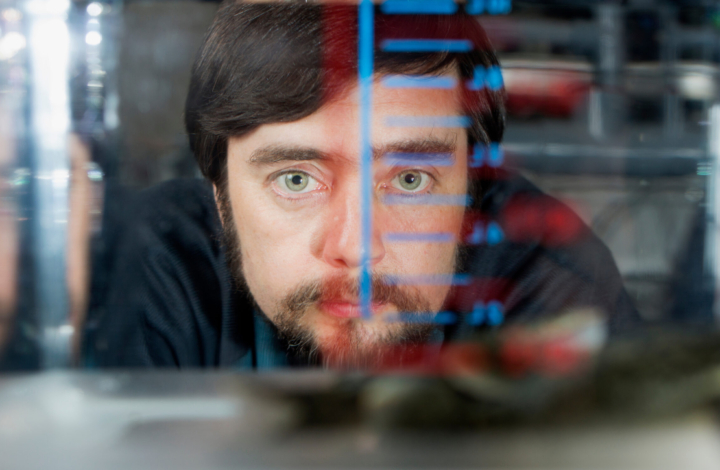
Alejandro Benjamin Balazs is an Assistant Professor of Medicine at the Ragon Institute of MGH, MIT, and Harvard. His laboratory specializes in synthetic immunology, gene transfer technologies, and immune system engineering to combat HIV and emerging viral threats like SARS-CoV-2. Current research focuses include: Understanding sterilizing immunity mechanisms against HIV. Studying pathogen escape from immunological pressure. Optimizing AAV vector delivery for broadly neutralizing antibodies. Investigating innate immune responses in viral neutralization. His lab has published extensively on: Antibody-mediated prophylaxis against HIV and SARS-CoV-2. Viral evolution and immune escape dynamics. AAV-based gene delivery systems. Humoral immunity in vulnerable populations. Immune signatures in humanized mouse models. Scientific accolades include: NIDA Avenir New Innovator (DP2) Grant (2015) Gilead Sciences Research Scholars Award (2016) MGH Transformative Research Scholars Award (2016) Doctoral students mentored in his lab include: Jackie Brady (Harvard BBS Program, 2015-2020) Allen Lin (Harvard Systems Biology, 2015-2020) Meredith Phelps (Harvard Virology, 2018-2022)
Carina Hanashima is a Professor at the Faculty of Education and Integrated Arts and Sciences , Waseda University, Japan. Her research focuses on neuroscience , developmental biology , and molecular mechanisms underlying cortical development . She has held academic positions at Kobe University (2014.04-2018.03), RIKEN (2008.10-2017.03), Osaka University (2012.04-2015.03), and Nara Women's University (2007.09-2014.11). Research Interests Neuronal specification and cortical circuit formation Role of transcription factors (e.g., Foxg1, Robo1) in brain development Gene regulatory networks in neurogenesis Evolutionary origins of the neocortex Recent Trends in Publications : Her work explores transcriptional repression , axon guidance signaling , and developmental clock mechanisms in mammalian and non-mammalian models (chicks, mice). Key themes include neurodevelopmental disorders (e.g., autism, schizophrenia), angiogenesis , and cell migration . Scientific Awards : Poster Award, Asia-Pacific Developmental Biology Conference APDBC (2012.10) Grants and Projects : Japan Society for the Promotion of Science Grants-in-Aid (2016.06-2021.03, 2021.04-2022.03) RIKEN Joint Retreat Organizer (2011-2017) Labs and Collaborations : She leads the Hanashima Lab at Waseda University, focusing on spatiotemporal control in neuronal identity and neurovascular coupling . Her lab employs genetic lineage tracing , in situ hybridization , and in utero electroporation techniques.
Carlijn Vermeer is a PhD candidate in Medical Sciences at Utrecht University. She is affiliated with multiple strategic research programs, including Brain Developmental disorders, Neuro-oncology, Personalized psychiatry, Cancer Molecular science, Regenerative Medicine & Stem Cells, and Immune and cellular therapies. Current affiliations: Brain, Cancer, Child Health, Circulatory Health, Infection & Immunity, Regenerative Medicine & Stem Cells Key research areas: Epilepsy, Neuromuscular disorders, Stroke, Pediatrics and oncology, Inflammatory disorders, Biofabrication Her work spans diverse medical disciplines with a focus on translational research and advanced therapies.
Edward Hirschowitz, MD is an Associate Professor in the field of Internal Medicine with significant affiliations including the Markey Cancer Center , the Cancer Research Priority Initiative , and the Translational Oncology Research Program . His academic and clinical work focuses on advancing cancer research and treatment through innovative methodologies.
Hokyung Kay Chung, PhD is an Assistant Professor in the Department of Cell Biology and Physiology at the University of North Carolina at Chapel Hill School of Medicine and a member of the UNC Lineberger Comprehensive Cancer Center. Her research program integrates synthetic biology, immunology, and cancer biology to engineer T cells for enhanced anti-tumor efficacy. Dr. Chung's research focuses on harnessing synthetic biology to reprogram T cell differentiation states for cancer immunotherapy. Her laboratory employs protein engineering, next-generation sequencing, CRISPR screening, and bioinformatics to develop three core platforms: (1) Transcription factor recipes for T cell programming using multiomics atlas-based analysis and in vivo CRISPR screening; (2) Synthetic toolkits for designer immunity including drug-inducible transcription factor circuits and signal rewiring platforms; (3) Hijacking tumors via engineered oncolytic viruses to encode immune modulators. Her work aims to create context-specific cell state programming that enhances T cell therapy efficacy across diverse cancer types. Her publication portfolio demonstrates significant contributions to synthetic immunology, with high-impact papers in Science, Nature Chemical Biology, Cell, and Immunity covering protease-based control systems, T cell differentiation engineering, and tumor microenvironment remodeling. Recent work includes developing sonogenetic CAR-T cells controllable by ultrasound and elucidating metabolic mechanisms of T cell exhaustion. K01 Research Scientist Development Award, NIH, 2023 Keystone Symposia Future of Science Fund Scholarship, 2020 Damon Runyon Fellowship Award, 2019 Salk Women & Science Special Award, 2019 Hans Neurath Outstanding Promise Travel Award, 2017 Dr. Chung leads the Chung Lab at the UNC Lineberger Comprehensive Cancer Center, where she directs research on synthetic T cell engineering. Her lab utilizes advanced techniques including single-cell CRISPR screening, protein engineering, and oncolytic virology to develop next-generation immunotherapies. Current projects focus on creating artificial T cell differentiation pathways and engineering the tumor microenvironment to support persistent anti-tumor immunity.
Edgar Weippl is a Professor at the Faculty of Computer Science, University of Vienna, where he serves as Vice Dean and Head of the Research Group Security and Privacy. His work spans cybersecurity, blockchain, and machine learning, with teaching roles in information security and software security courses. Current Positions: Vice Dean (Faculty of Computer Science), Head (Security and Privacy Research Group), Deputy Head (Neuroinformatics & Knowledge Engineering Groups) Research Interests: Cybersecurity, blockchain, IoT security, code obfuscation, privacy technologies, reinforcement learning, and socio-technical systems security Selected Publications: Focus on blockchain privacy, VoWiFi security, code obfuscation, and reinforcement learning applications
Gustavo Alberto Nader is a Professor of Kinesiology at The Pennsylvania State University , holding the Dorothy Foher and J. Lloyd Huck Chair in Molecular, Cellular and Integrative Physiology. His research focuses on skeletal muscle growth control , ribosome biogenesis , and transcriptional/epigenetic regulation in health and disease contexts. Affiliated with the Huck Institutes of the Life Sciences and College of Health and Human Development Principal Investigator on NIH-funded projects examining ribosomal control of muscle mass Research Interests span molecular mechanisms of muscle adaptation to exercise, cancer cachexia, chronic disease impacts on muscle, and cross-species Wnt signaling regulation by CO₂ levels. Key methodologies include human/animal/cell models, ribosomal analysis, and epigenetic profiling. Publication Trends show sustained focus on: Ribosome biogenesis in muscle hypertrophy (2012–2025) Cancer-induced muscle wasting mechanisms (2015–2024) CO₂/Wnt pathway interactions (2015–2019) Exercise-induced transcriptional responses (2001–2016) Scientific Awards include the Huck Chair, while his Grants & Collaborations involve NIH-funded studies on transcriptional/epigenetic mechanisms (2019–2026) with cross-disciplinary teams in physiology, oncology, and respiratory medicine.
Federica Sallusto is a Full Professor in Medical Immunology at ETH Zurich and Università della Svizzera italiana (USI), and a Group Leader in the Cellular Immunology department at the Institute for Research in Biomedicine (IRB), Bellinzona, Switzerland. She leads a prominent research group focused on human T cell biology, immunological memory, and immune responses in infection and autoimmunity. Doctor in Biology, University of Rome, 1988 Postdoctoral work: Istituto Superiore di Sanità, Rome; Basel Institute for Immunology Group Leader, IRB, since 2000 Full Professor, ETH Zurich and USI, since 2017 Her research centers on the heterogeneity and function of human CD4+ T cell subsets, particularly Th17 and T follicular helper cells, and their roles in protective immunity and inflammatory diseases. She investigates immune responses to pathogens such as Mycobacterium tuberculosis, influenza, SARS-CoV-2, and HIV, using cutting-edge techniques in cellular immunology and systems immunology. Her work integrates human immunology with translational applications in vaccinology and autoimmune disorders. The recent publications reflect a strong focus on human immune responses to infectious agents, mechanisms of T and B cell immunity, and the intersection of immunology with neurology and autoimmunity. Key themes include antigen-specific T cell activation, antibody cross-reactivity, regulation of inflammatory pathways, and the impact of vaccines and infections on immune memory and disease outcomes. Pharmacia Allergy Research Foundation Prize Behring Lecture Member, German Academy of Sciences Leopoldina (2009) Member, EMBO (2011) International Member, U.S. National Academy of Sciences (2022) Doctor honoris causa, University of Fribourg (2022) Federica Sallusto has mentored numerous students and postdoctoral researchers, many of whom are co-authors on her high-impact publications. Her group has received significant funding from the European Research Council (ERC), Marie Curie Actions, and the Swiss National Science Foundation (SNSF), where she served on the National Research Council from 2018 to 2024. She has held leadership roles including President of the Swiss Society for Allergology and Immunology (2013–2015) and President of the European Federation of Immunological Societies (2022–2024). Her laboratory is embedded within the IRB, a leading biomedical research institute affiliated with USI, and collaborates extensively with clinical and research teams across Europe. The group is part of broader scientific networks in antibody discovery, infectious disease immunology, and neuroimmunology.
Derek S. Tan is a Professor in the Department of Biochemistry and Biophysics at Weill Cornell Medical College, holding a Tri-Institutional Professor position effective from 2025. His research integrates chemical synthesis with biological applications, focusing on drug discovery, enzyme mechanisms, and therapeutic engineering. He maintains an active research program with continuous NIH funding. Education: Ph.D., Harvard University (2000) B.S., Stanford University (1995) Research Focus: Professor Tan's work spans chemical biology, medicinal chemistry, and microbiology. He designs bioactive molecules targeting bacterial permeability, enzyme inhibition, and cellular therapeutics. Key areas include ubiquitin pathway biochemistry, antibiotic development against Mycobacterium tuberculosis and Plasmodium falciparum , and engineered T-cell therapies for cancer. His interdisciplinary approach bridges synthetic chemistry with translational applications. Publication Trends: Recent articles (2021-2024) demonstrate three primary themes: 1) Development of mechanistic probes for enzyme systems (ubiquitin pathway, aminoacyl-tRNA synthetases), 2) Antibacterial/antiparasitic agent design leveraging bacterial permeability studies, and 3) Cellular engineering strategies including CAR-T micropharmacies for targeted drug activation. The work consistently combines synthetic chemistry innovation with biological validation. Grants: As Principal Investigator of the Tri-institutional PhD Program in Chemical Biology (NIH/NIGMS funded), he leads initiatives spanning 2020-2025 and 2025-2030. This underscores sustained commitment to interdisciplinary training at the chemistry-biology interface.
Vivian Li is a Senior Group Leader and Assistant Research Director at The Francis Crick Institute in London, UK, leading a research group focused on intestinal stem cell biology and colorectal cancer mechanisms. Dr. Li earned her PhD from the University of Hong Kong's Department of Pathology in 2008, researching molecular mechanisms of human colonic development and tumorigenesis, for which she received the Gold Medal Prize. She then completed postdoctoral training with Hans Clevers at the Hubrecht Institute in the Netherlands, funded by the Croucher Foundation Fellowship, focusing on Wnt pathway proteomics and intestinal stem cell genes using transgenic mouse models. Her research program investigates how stem cells maintain healthy gut tissue and what goes wrong during cancer development, with particular emphasis on Wnt signaling pathways. Dr. Li's laboratory utilizes advanced organoid technology ('mini-guts') to study stem cell behavior in three-dimensional cultures, gene editing techniques, and state-of-the-art imaging approaches. Her work spans developmental biology, stem cell research, and cancer biology with significant translational implications. Analysis of her recent publications (2022-2025) reveals a strong focus on cancer stemness mechanisms, intestinal regeneration pathways, Wnt signaling components, and innovative organoid modeling approaches for colorectal cancer. Her research consistently bridges basic science with potential clinical applications in gastrointestinal medicine. Gold Medal Prize for PhD thesis Croucher Foundation Fellowship Dr. Li established her independent laboratory at the MRC National Institute for Medical Research in February 2013 and transitioned to the Francis Crick Institute in 2015. Her research aims to develop tumor-specific therapies for bowel cancer and grow replacement human gut tissue for transplantation or drug testing platforms. She leads a multidisciplinary team utilizing cutting-edge techniques including reverse mouse genetics, ex vivo organoid cultures, and advanced genomic and proteomic analyses to investigate stem cell regulation in health and disease. Her laboratory at the Crick Institute operates within the Biological Research Facility and collaborates extensively with other research groups both within the institute and internationally, contributing significantly to understanding intestinal stem cell niche dynamics and cancer development mechanisms.
Judith E Carroll, PhD, is an Adjunct Associate Professor in the Department of Psychiatry and Biobehavioral Sciences at UCLA's School of Medicine, where she holds the George F. Solomon Professorship of Psychobiology. She directs the Aging Biology & Behavior Lab and co-leads the Infrastructure for Research in Equity, Aging, Cancer and Health initiative. Her research bridges psychoneuroimmunology, geroscience, and oncology, with continuous NIH funding since 2013. Education: PhD in Biological & Health Psychology, University of Pittsburgh (2010) MA in Biopsychology & Aging, Sonoma State University (2003) BA in Psychology, Sonoma State University (2002) Her research examines biological mechanisms linking stress, sleep, and aging in cancer populations. Primary interests include: Accelerated aging biomarkers in breast cancer survivors Sleep health interventions to reverse cellular aging Impact of early-life adversity on lifelong health trajectories Social determinants of cognitive decline in oncology Recent publications (2023-2025) demonstrate: Dominant focus on epigenetic aging and inflammation in oncology Longitudinal studies of cancer-related cognitive decline Methodological innovation in transcriptomic biomarker discovery Health disparities framework across 80% of publications Awards: American Psychosomatic Society Young Scholar Award (2012) American Sleep Medicine Foundation Bridge to K Award (2013) American Cancer Society Research Scholar Award (2015) STOP CANCER Career Development Award (2016) PNIRS Robert Ader New Investigator Award (2019) Active Grants (NIH): R01AG082348: Patterns of Biological Aging in Cancer Survivors (MPI, 2023-2028) R56AG068086: Heterogeneity in Aging Among Breast Cancer Survivors (PI, 2021-2022) R01CA237535: Accelerated Aging in Breast Cancer (PI, 2020-2023) She mentors through the TLC (Thinking and Living with Cancer) Study consortium involving 15+ institutions. Leads the Aging Biology & Behavior Lab researching stress-sleep-aging mechanisms and co-directs the Infrastructure for Research in Equity, Aging, Cancer and Health (REACH) initiative, fostering multi-institutional collaborations on health disparities.
Michael Levin is a Distinguished Professor at Tufts University in the Department of Biology within the School of Arts and Sciences. He serves as Director of both the Allen Discovery Center at Tufts University and the Tufts Center for Regenerative and Developmental Biology. His laboratory investigates the intersection of developmental biology, artificial life, bioengineering, synthetic morphology, and cognitive science. Allen Discovery Center at Tufts Tufts Center for Regenerative and Developmental Biology Tufts/UVM: ICDO Harvard Wyss Institute Stibel Dennett Consortium for Brain and Cognitive Science The Proteus Institute MIT Science and Technology Center EBICS Levin's research focuses on understanding diverse intelligence in evolved, designed, and hybrid complex systems. His lab combines developmental biophysics, computer science, and behavioral science to study how cognition scales up from cellular competencies to organism-level behaviors. A key specialty is developmental bioelectricity—the study of how somatic electrical networks store, process, and act on information to control large-scale body structure. His team creates tools to read and edit the bioelectric code guiding proto-cognitive computations in the body. Levin's publications reveal a strong focus on bioelectricity, morphogenesis, and non-neural cognition across multiple model systems including Xenopus, planarians, and synthetic living constructs. His recent work explores collective intelligence as a unifying concept across biological scales, the development of microfluidic devices for measuring electrical connectivity, and optical estimation of bioelectric patterns in living embryos. His research spans fundamental developmental mechanisms to potential biomedical applications in regeneration and disease treatment. As an editor, Levin serves as Co-Editor-in-Chief of Bioelectricity and Founding Associate Editor of Collective Intelligence. He has mentored numerous post-doctoral fellows and graduate students who have gone on to establish their own research programs. His lab has received significant attention for creating novel biological machines (xenobots) and demonstrating that cells can store and transmit behavioral memory outside the brain. The Levin Lab maintains several significant research initiatives including the Allen Discovery Center at Tufts, the Tufts Center for Regenerative and Developmental Biology, and collaborations with the Wyss Institute at Harvard. The lab employs a multidisciplinary approach combining wet lab experiments with computational modeling to investigate how living systems achieve goal-directed behavior and pattern formation.
Dr. Mariana Sa serves as an Associate Professor of Biology at Belhaven University, where she has been a faculty member since 2025. Her research focuses on fungal biodiversity with specialization in taxonomy, systematics, and proteomics, contributing significantly to the understanding of Neotropical mycobiota through extensive fieldwork in Brazilian ecosystems including the Amazon, Atlantic Forest, and caatinga regions. Her academic credentials include: Ph.D. in Biological Sciences from the Federal University of Rio Grande do Norte M.S. in Biological Sciences from the Federal University of Rio Grande do Norte B.S. in Biological Sciences from the Federal University of Paraiba She further developed her expertise through postdoctoral fellowships at Mackenzie Presbyterian University and the University of Guelph in Canada. Dr. Sa's research program integrates morphological, molecular, and biochemical approaches to explore fungal diversity. She specializes in describing new species and elucidating phylogenetic relationships within Basidiomycota, particularly Russulaceae and related families. Her work bridges classical taxonomy with modern proteomic techniques to understand fungal evolution and ecological adaptations in understudied tropical and semiarid habitats. This interdisciplinary approach has positioned her as a leading contributor to Brazilian mycology. Analysis of her publication record reveals consistent contributions to fungal systematics over the past decade, with particular emphasis on discovering novel taxa from ecologically diverse Brazilian biomes. Her research demonstrates a clear trajectory of increasing taxonomic sophistication, incorporating molecular phylogenetics alongside traditional morphological characterization to resolve complex classification problems in groups like Lactifluus and Russula. Her professional experience includes seven years of teaching at the University Center of João Pessoa, where she instructed courses in cellular and molecular biology, biochemistry, microbiology, immunology, and genetics prior to joining Belhaven University. While the provided information does not specify current advisees or research grants, her extensive publication record suggests active mentorship of students in research activities.
Dr. Silvi Rouskin serves as Assistant Professor in the Department of Microbiology at Harvard Medical School (Harvard University), where she leads groundbreaking research on RNA structural biology. Her work bridges computational biology, biochemistry, and single-molecule modeling to decode RNA's role in cellular processes and disease mechanisms. Her primary research focuses on RNA structure formation and its impact on gene regulation , alternative splicing , and viral pathogenesis . By pioneering tools like DMS-MaPseq and the DREEM algorithm, her lab detects multiple RNA conformations at single-nucleotide resolution in living cells. Current investigations target human, bacterial, and viral RNA structures to develop machine-learning prediction models for therapeutic applications in cancer and infectious diseases. Dr. Rouskin's publication record centers on RNA structural dynamics, exemplified by her 2020 HIV study revealing how alternative RNA configurations regulate viral gene activity. This work underpins her broader mission to build a comprehensive RNA structure database for accelerating drug target discovery. Her scientific accolades include: Pew Biomedical Scholar (2024) Vilcek Prize for Creative Promise in Biomedical Science (2021) Dr. Rouskin actively mentors the next generation of scientists, having guided at least one PhD candidate (Phil) to completion. Her lab currently supports undergraduate researchers including Tammy and Stuti (studying tau alternative splicing) and Sherry (investigating SMN1/SMN2 structures), reflecting her commitment to hands-on training in RNA biology. The Rouskin Lab operates at the Harvard Medical School campus (77 Avenue Louis Pasteur, NRB 930, Boston), combining wet-lab experimentation with computational innovation to advance structural RNA biology.
Adrian Whitty is an Associate Professor in the Department of Biology at Boston University . His research focuses on protein-protein and protein-ligand recognition, particularly in developing mechanistic understandings of growth factor receptor activation and advancing drug discovery for protein-protein interaction inhibition. Education: B.Sc. (Honors) in Chemistry from King’s College, University of London (1985); Ph.D. in Organic Chemistry from the University of Illinois at Chicago (1991); Postdoctoral Research Fellow at Brandeis University's Biochemistry Department (1990-93). His work integrates biochemical and cell-based assays using advanced technologies like FRET, Time-Resolved Fluorescence, and Surface Plasmon Resonance (Biacore 3000). He collaborates with computational chemists, organic synthesis experts, X-ray crystallographers, and biologists to develop novel approaches for designing small molecule inhibitors of protein-protein interactions. Recent publications highlight trends in machine learning applications for molecular scientists, structural analysis of enzyme mechanisms, macrocycle-based drug design, and quantitative studies of protein interaction energetics. His lab emphasizes rigorous hypothesis-driven experimental design, preparing students for careers in academia or industry. Advisory and leadership roles include membership in The Protein Society (2008-present), the American Society of Biochemistry and Molecular Biology (ASBMB) Governing Council (2007-present), and founding roles in the Council for Systems Biology in Boston (CSB2) and the Institute for Chemical Biology and Drug Discovery at SUNY Stony Brook. His laboratory is equipped with state-of-the-art facilities for fluorescence, analytical ultracentrifugation (AUC), dynamic light scattering (DLS), isothermal titration calorimetry (ITC), and tissue culture, supporting diverse techniques including flow cytometry and reaction pathway modeling with Mathematica and MATLAB.