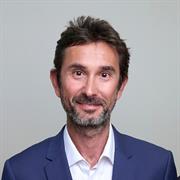
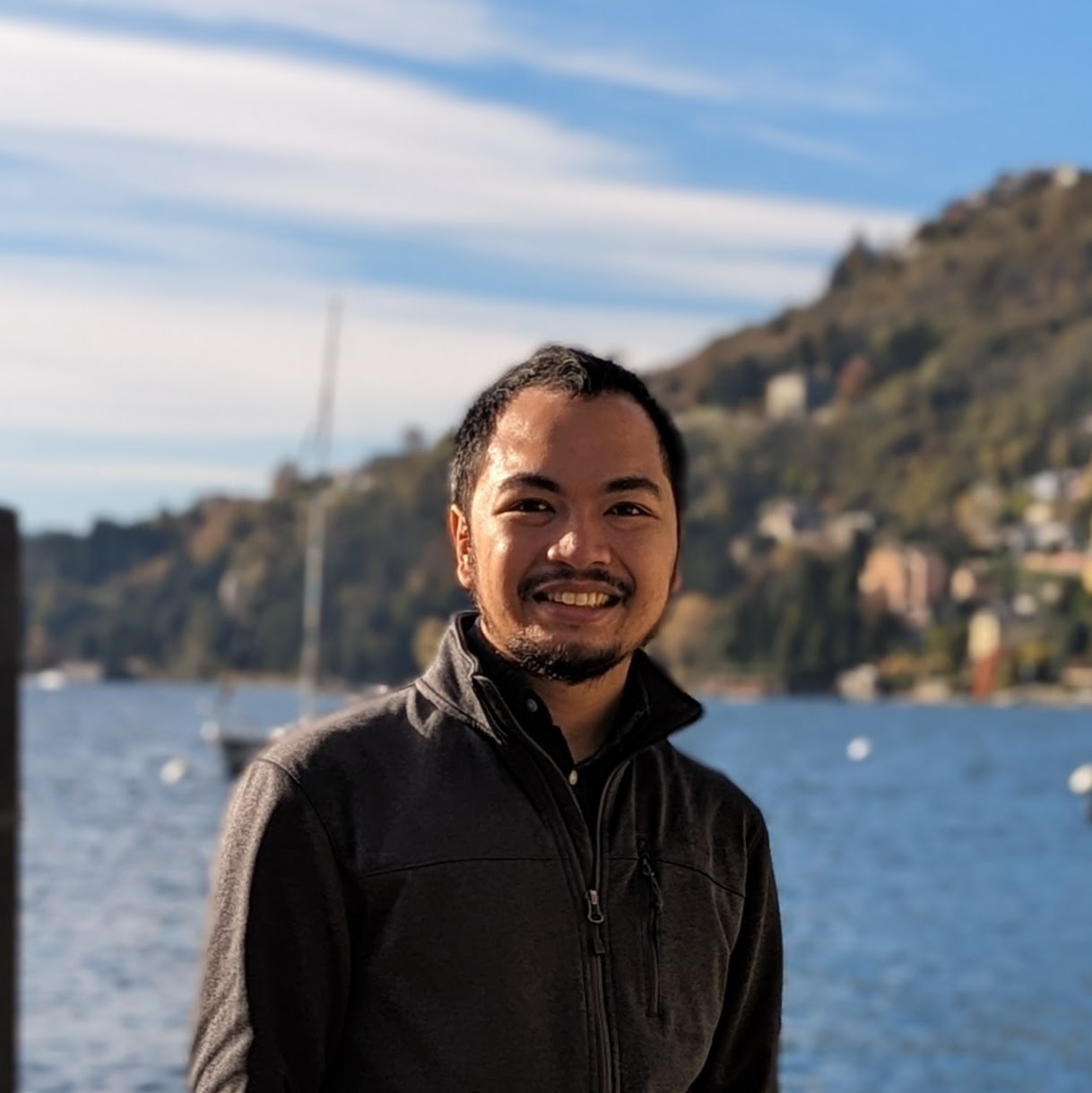
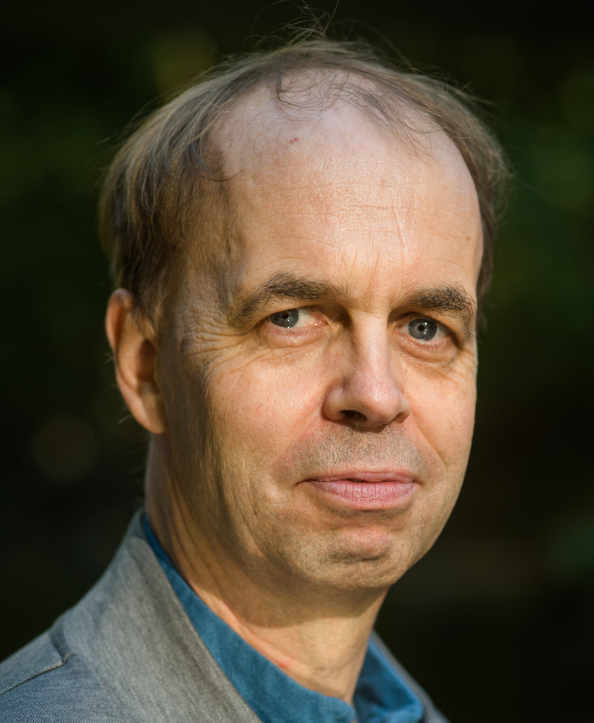
Prof. Penny Kyburz is a Professor and Associate Director (Engagement & Impact) at the School of Computing, Australian National University. She leads the GameFlow Lab and teaches Game Development, focusing on AI, human-AI interaction, and game design. Her work bridges academia and industry, with 20+ award-winning games including four BAFTA nominations. She holds a PhD, B.InfoTech(Hons), G.C.Ed.(Higher Ed.), and G.C.Acad.Prac. Education: Ph.D. B.InfoTech(Hons) Graduate Certificate in Education (Higher Education) Graduate Certificate in Academic Practice Research Interests: Video games, game design, and player experience AI and human-AI collaboration Virtual Reality and Mixed Reality applications Technology policy and digital rights Educational games and accessibility Awards: 4 BAFTA nominations for game contributions High critic scores for usability-tested AAA games Grants/Projects: IDEATE (2024–2028) MEC23: Advanced Biometrics (2023) C2 Sociotechnical Collaboration (2022–2024) Role-Based Deception in Games (2020–2021) Her GameFlow model and book on emergence in games are foundational in player experience research. She advocates for diversity in tech and has advised on digital rights in the Senate.
Martin Delacourt is a Lecturer at the University of Orléans, affiliated with the LIFO (Laboratoire d'informatique fondamentale d'Orléans). He earned his PhD on December 5, 2011, under the joint supervision of Bruno Durand and Victor Poupet at LIF Marseille. His research focuses on cellular automata, including directional dynamics, limit sets, and decidability of computational problems. PhD: University of Montpellier 2 (2011) ENS Lyon: Bachelor (2006), Master (2008) His research explores cellular automata through computational complexity, symbolic dynamics, and formal verification. Key themes include limit set characterization, defect dynamics, and algorithmic properties of number systems. He has published in conferences like AUTOMATA, MFCS, and CiE. Teaching responsibilities include courses in network engineering, computability, complexity theory, operating systems, and algorithm analysis at the University of Orléans. He has supervised work-study students in the MIAGE program since 2018.
Nick Cheney is an Associate Professor in the Department of Computer Science at the University of Vermont, leading the UVM Neurobotics Lab. He also serves as Graduate Program Director and is affiliated with the Vermont Complex Systems Center, an interdisciplinary hub for data-rich complex systems research. PhD in Computational Biology and Biological Statistics from Cornell University Advised by Hod Lipson and Steve Strogatz His research focuses on bio-inspired machine learning algorithms, particularly in evolutionary computation, deep learning, and reinforcement learning. Key applications span robotics, healthcare diagnostics, and environmental science. The lab's interdisciplinary work has been recognized with prestigious awards including the NSF CAREER Award and SIGEVO Impact Award . Recent publications highlight advancements in morphological computation, continual learning, and cross-domain applications of machine learning. His team develops algorithms for soft robots, medical diagnostics using wearable sensors, and sustainable agriculture systems, often publishing in venues like the Nature Scientific Reports , GECCO , and Soft Robotics . Scientific Awards : NSF CAREER Award SIGEVO Impact Award The lab actively mentors graduate students in Complex Systems and Data Science, with alumni securing positions at institutions like Harvard, UC Berkeley, and Medidata. Collaborative grants with biomedical and environmental researchers demonstrate the lab's commitment to societal impact through machine learning applications.
Dr. Dominic Williamson is a theoretical quantum physicist and DECRA Research Fellow at the School of Physics, University of Sydney. He specializes in quantum phases of matter and their applications to quantum error correction and computing. His work bridges condensed matter theory and quantum information science, focusing on fracton topological phases and fault-tolerant quantum architectures. Education: PhD in Physics from the University of Vienna (2017); Postdoctoral research at Yale University, Stanford University, and IBM Quantum. Current roles include faculty membership at the University of Sydney’s Quantum Science Group and prior industry experience at IBM and PsiQuantum. Research interests: Topological phases of matter, quantum error correction codes (e.g., fracton codes, QLDPC systems), fault-tolerant quantum computing architectures, and non-Abelian anyon systems. Recent breakthroughs include low-overhead quantum architectures and novel approaches to parallelized logical measurements. Grants: 2022 ARC Discovery Early Career Researcher Award for topological phases in quantum computation. Collaborations include projects on gauging logical operators and quantum code surgery. Professional activities: Editor for Quantum , frequent speaker at international conferences, and mentor for students at all levels (undergraduate to postdoctoral). Active in open-source research and public engagement through platforms like arXiv and Google Scholar.
Dr. Andrey Molotnikov is an Associate Professor in Additive Manufacturing and Director of the RMIT Centre for Additive Manufacturing at RMIT University's School of Engineering. His expertise spans additive manufacturing, computational materials science, and multi-material 3D printing. He leads a research team of 8 academics, multiple postdocs, and 10 PhD students, focusing on innovations like multi-material printing, high entropy alloys, and in-process quality assurance. Key research themes include architectured materials, computational modeling of solidification processes, and fatigue analysis of additively manufactured components. His work has resulted in over 80 publications (h-index 29) and several patents, with industry collaborations driving technology adoption. Recent publications (2022–2025) emphasize advancements in laser-based processes, defect detection via machine learning, and biomedical applications of additive manufacturing. He actively supervises research projects on topics such as hierarchical lattice structures and hybrid materials, supported by ARC grants and industry partnerships. Dr. Molotnikov’s labs and teams prioritize cross-disciplinary collaboration, aiming to bridge computational modeling with practical manufacturing solutions. His research addresses challenges in material compatibility, process optimization, and structural integrity of AM components.
Erik Quaeghebeur is an Assistant Professor at Eindhoven University of Technology's School of Mathematics and Computer Science, focusing on uncertainty modeling in artificial intelligence. His work spans probabilistic circuits, imprecise probability theory, and wind energy applications. PhD in Applied Mathematics (Ghent University, 2002-2009) Master's in Applied Mathematics (Université catholique de Louvain, 2001-2002) Master's in Physics Engineering (Ghent University, 1998-2001) Research interests include probabilistic modeling under uncertainty, with applications in AI and wind energy systems. His recent work explores tensor factorizations, equivariant graph neural networks, and scalable probabilistic circuits. Scientific contributions include 60 research outputs and 2 datasets . Awards encompass the ERCIM Alain Bensoussan Fellowship (2013), BOF Postdoc (2010), and B.A.E.F. Francqui Fellowship (2009). He serves on committees for the Society for Imprecise Probability and acts as editorial board member for related conferences. Foundations of Artificial Intelligence course (since 2020) Uncertainty Representations and Reasoning course (since 2021)
Dr. Damian Nale Dailisan is a Lecturer in the Department of Humanities, Social and Political Sciences at ETH Zürich, affiliated with the Computational Social Science group. He holds a Ph.D. in Physics from the University of the Philippines, specializing in traffic modeling and machine learning applications. His research focuses on multi-agent systems, particularly in transportation and urban systems. He has held postdoctoral roles and contributed to projects like the ACCeSs@AIM lab. His work bridges computational methods with real-world challenges, including traffic control optimization, AI-driven decision-making, and smart city infrastructure. Notable projects include FAIRLANE for priority lane management and studies on democratizing traffic control systems. Dailisan’s publications span journals like Transportation Research Part C and IEEE Access, addressing topics such as reinforcement learning in traffic signals and ethical AI frameworks. He has presented at workshops like 'Back to the Future' at ETH Zurich and collaborates with interdisciplinary teams to enhance urban mobility solutions. His technical expertise includes Python, network analysis, and agent-based modeling, with contributions to open-source tools for earthquake networks and social systems analysis.
Eric Medvet is a professor specializing in evolutionary computation, genetic programming, and robotics. He is actively involved in research areas such as neuroevolution, soft robotics, and modular robotics. His work bridges theoretical advancements in evolutionary algorithms with practical applications in robotics and AI. Roles: Conference chair for EuroGP (2020-2022), co-chair of multiple workshops and sessions. Key Research: Focus on genetic programming, embodied intelligence, and the design of adaptive robotic systems. Research Interests: His work emphasizes the development of scalable and interpretable AI systems, particularly through evolutionary methods applied to robotics. He explores topics like neuroevolution for soft robots, quality diversity algorithms, and the integration of machine learning with evolutionary computation. Publications: His recent work highlights trends in interpretable AI, modular robotics control, and evolutionary algorithms for complex systems. Notable contributions include studies on MAP-Elites, graph-based genetic programming, and the application of LLMs in automated testing. Grants & Labs: Developed frameworks like JGEA for evolutionary computation experiments. Collaborates on projects integrating evolutionary methods with real-world robotics applications.
Luca D'Acci is an Associate Professor in Sustainable Urban Forms and Evaluations at the Polytechnic of Turin, affiliated with the Interuniversity Department of Territorial Sciences, Planning and Policies (DIST). He holds additional affiliations as a Senior Research Fellow at the University of Portsmouth and as a member of research networks at the University of Birmingham and Erasmus University Rotterdam. His academic journey includes international roles such as Head of Urban Environment at Erasmus University Rotterdam and visiting researcher positions at the University of Oxford, University of Cambridge, and ETH Zurich. Education: MSc in Architecture-Science of Cities, Polytechnic of Turin (2003, cum laude) PhD in Economic Assessments, Polytechnic of Turin (2007) BSc in Mathematics, University of Turin (2007) BSc in Construction Engineering, Polytechnic of Turin (2009, cum laude) Post-PhD in Urbanism, University of Campinas (2010) Anthropology, University of Oxford (2020, 20 credits) Luca D'Acci’s research focuses on urban morphology, urban allometry, isobenefit urbanism, and the socio-economic-environmental impacts of urban form. His work bridges humanistic and quantitative approaches, integrating engineering, architecture, economics, and anthropology. He investigates how urbanicity, urban form, and spatial configuration influence well-being, sustainability, and resilience. His recent publications (2023–2025) reveal a strong trend toward computational modeling and simulation of urban growth, particularly through the lens of isobenefit urbanism —a concept he has pioneered. These works combine cellular automata, agent-based modeling, and morphogenetic frameworks to simulate sustainable urban futures. He also explores fractal patterns in housing markets, the psychology of urban living, and the mental costs of urbanicity. His research spans disciplines including urban science, environmental psychology, urban economics, and complex systems. Scientific Awards and Honors: Fellow, Erasmus Happiness Economics Research Organisation (EHERO), Erasmus University Rotterdam (2022–) Senior Research Fellow, University of Portsmouth (2017–) Fellow, Cluster for Sustainable Cities, University of Portsmouth (2017–2020) Fellow, Urban Morphology Research Group, University of Birmingham (2016–2021) Member, Cambridge Networks Network, University of Cambridge (2016–) Honorary Fellow, University of Birmingham (2016–) Luca D'Acci actively advises PhD students as a member of the Doctoral Collegium for Urban and Regional Development at Politecnico di Torino (2020–2024). He has secured and contributed to significant research grants, including projects funded by the World Bank, Asian Development Bank, European Commission, EPSRC, Lincoln Institute of Land Policy, and University College London (Future Urban Growth Lab). His editorial roles include membership on the boards of PLOS ONE , PLOS Mental Health , and Humanities & Social Sciences Communications . Labs and Research Networks: Future Urban Growth Lab (UCL, 2019–) LEUr Urban Ecology Lab (UFSC, 2022–) URban Evolution Morphology (UReM, 2024–) Erasmus Universiteit Rotterdam (EHERO, 2022–2024) Spatial Intelligence Unit (SPIN Unit), Estonia (2013–) International Society of Biourbanism (2013–)
Hugo Duminil-Copin is a renowned mathematician holding half-time appointments as Professor at the Institut des Hautes Études Scientifiques (IHÉS) and the Université de Genève . He has been recognized with prestigious awards, including the Fields Medal (2022) and the New Horizons Prize in Mathematics (2017) . His research focuses on probability theory and statistical mechanics, particularly phase transitions, percolation, and critical phenomena. Education: He earned his Ph.D. in Mathematics from the University of Geneva in 2012. Key academic milestones include a Full Professorship at IHÉS from 2015 and prior roles as Assistant and Associate Professor at Geneva. Research: Duminil-Copin explores foundational questions in statistical physics, such as the rigorous analysis of lattice models and phase transitions in dimensions three and four. His work bridges probability, combinatorics, and mathematical physics, with notable contributions to percolation theory and the Ising model. Awards: Beyond the Fields Medal, he has received the EMS Prize (2016), the Loeve Prize (2017), and an ERC Consolidator Grant (CRIBLAM, 2018–2023). Grants & Leadership: He led the ERC-funded CRIBLAM project, investigating random-cluster models and related topics. His collaborations span global institutions, emphasizing interdisciplinary approaches to complex systems.
Prof. Dr. Julia Schnabel is the TUM Liesel Beckmann Distinguished Professor and Helmholtz Distinguished Professor at TUM's TUM School of Computation, Information and Technology. Her research focuses on computational imaging and AI in medicine, including medical image processing, machine learning, motion modeling, and quantitative imaging. She holds IEEE, Ellis, and MICCAI Society fellowships, and has pioneered work in image reconstruction, artifact correction, and AI-based diagnostics. Educations: Bachelor/Master from TU Berlin (1993) PhD from University College London (1998) Postdocs at UMC Utrecht, King's College London, and UCL Her research interests span medical AI, deep learning for medical imaging, and clinical evaluation methodologies. Key contributions include frameworks for motion artifact correction in MRI, physics-informed neural networks, and benchmark datasets like NOVA for anomaly detection in brain MRI. She has authored over 100 publications, with recent work advancing unsupervised anomaly detection and federated learning in healthcare. Prof. Schnabel leads interdisciplinary projects at TUM and Helmholtz Zentrum München, focusing on AI-driven solutions for diagnostic and therapeutic challenges. Her labs develop tools for real-time cardiac imaging, histopathology segmentation, and trustworthy AI guidelines (FUTURE-AI initiative).
Claudius Gros is a Professor of Theoretical Physics at Goethe University Frankfurt. He holds a PhD from ETH Zurich and has held academic positions at Indiana University, University of Dortmund, and Saarland University. His research focuses on complex systems theory, physics of AI, self-organized robotics, and the Genesis Project, an interstellar mission concept for establishing life on exoplanets. His work bridges theoretical physics with interdisciplinary applications, including epidemiology modeling and societal dynamics analysis. Key contributions include the textbook Complex and Adaptive Dynamical Systems (Springer) and foundational studies on attention mechanisms in AI architectures. Education: Bachelor/Master: ETH Zurich, Theoretical Condensed Matter Physics PhD: ETH Zurich, 1985 (Advisor: T. Maurice Rice) Postdoc: Indiana University, 1988–1990 (With Steve Girvin and Allan MacDonald) Research Interests: Physics of AI : Analysis of transformer models, attention mechanisms, and neural scaling laws. Complex Systems : Epidemic models, dormancy dynamics in cellular automata (Spore Life), and self-organized robotics. Genesis Project : Feasibility of interstellar probes to seed life on exoplanets, magnetic sail deceleration. Societal Dynamics : Strategy condensation, envy-driven class stratification, and pandemic policy modeling. Articles Overview: Recent work spans AI physics (attention mechanisms, neural scaling), complex systems (epidemic oscillations, dormancy models), and robotics (self-organization principles). Themes include theoretical frameworks for embodied systems, computational models of societal behavior, and interdisciplinary applications of dynamical systems theory. Advising & Grants: Claudius Gros has advised multiple researchers, with co-authored papers featuring collaborators like O. Neumann, D.H. Nevermann, and B. Sandor. His grants include funding for Genesis Project studies and robotics research. Labs & Teams: His research group focuses on Physics of AI and Self-Organized Robotics , with active projects on embodied robots, neural network dynamics, and interstellar mission feasibility.
Professor Dollas Apostolos serves as a Professor in the School of Electrical and Computer Engineering at the Technical University of Crete (TUC), where he has held leadership roles such as Department Chairman. He directs the Microprocessor and Hardware Laboratory, focusing on reconfigurable computing, embedded systems, and high-performance digital systems. His work emphasizes rapid prototyping and real-world implementation of computational solutions. Education: Ph.D., Computer Science, University of Illinois at Urbana-Champaign (1987) M.Sc., Computer Science, University of Illinois at Urbana-Champaign (1984) B.Sc., Computer Science, University of Illinois at Urbana-Champaign (1982) Research Interests: Reconfigurable computing architectures FPGA-based acceleration for bioinformatics and genomics Embedded systems and real-time processing Hardware-software co-design for high-performance computing His research bridges theoretical innovation with practical applications, such as FPGA implementations for genome assembly and aquaculture monitoring systems. Publications: Recent work highlights FPGA-based solutions for bioinformatics (e.g., genome assembly acceleration), real-time embedded systems (e.g., fish cage net monitoring), and scalable data processing frameworks. His articles often explore the intersection of FPGA technology with computational biology, embedded vision, and distributed systems. Awards and Affiliations: Senior Member, IEEE and IEEE Computer Society Recipient of IEEE Computer Society Golden Core and Meritorious Service Awards Twice honored with the University of Illinois Teaching Excellence Award He is a co-founder of IEEE conferences like FCCM and RSP, reflecting his leadership in the reconfigurable computing community. Teaching and Labs: Teaches courses on computer architecture, logic design, and VLSI design. The Microprocessor and Hardware Lab under his direction drives advancements in FPGA-based systems, with projects ranging from bioinformatics hardware accelerators to embedded vision systems.
Dr. Lum Kit Meng is an Associate Professor at the School of Civil and Environmental Engineering, NTU, Singapore. His expertise spans Transportation Engineering, Urban Planning, and Traffic Management. He holds First Class Honors in Civil Engineering (NUS), a Master’s in Industrial Engineering (NUS), and a PhD in Transportation Engineering. Dr. Lum teaches undergraduate/postgraduate courses in Civil Engineering, Maritime Studies, and Logistics, and develops training programs for professionals. His research focuses on urban mobility, active mobility infrastructure, and traffic safety, with over 60 publications. He has provided consultancy services to public/private sectors, emphasizing data-driven analysis. Key research areas include pedestrian behavior, cycling facility design, and shared space dynamics. Recent studies explore 'keep left' regulations, e-scooter speed attitudes, and red-light camera impacts using simulation and VR techniques. His work bridges theoretical models (e.g., cellular automata) with practical infrastructure solutions. No awards or grants are explicitly listed, but his extensive publications and consultancy highlight industry-academic collaboration. He advises on transportation systems with a focus on Singapore’s urban challenges.
Nicole Yunger Halpern is an Adjunct Assistant Professor at the University of Maryland’s Department of Physics and Institute for Physical Science and Technology (IPST). She is also a NIST physicist, JQI affiliate, and QuICS Fellow. Her research, termed "quantum steampunk," merges quantum information theory with 19th-century thermodynamics to address modern scientific challenges. Education: B.Sc., Dartmouth College (covaledictorian) M.Sc., Perimeter Institute for Theoretical Physics Ph.D., California Institute of Technology (supervised by John Preskill) Her work spans atomic, molecular, and optical (AMO) physics; condensed matter; chemistry; high-energy physics; and biophysics. Publications highlight quantum thermodynamics, phase estimation, and complexity theories. Recent Research Trends: Articles (2025–2024) explore topics like non-Abelian symmetry , quantum scrambling , and autonomous quantum machines , reflecting interdisciplinary applications from lattice gauge theories to superconducting qubits. Scientific Awards: Ilya Prigogine Prize for thermodynamics dissertation ASPIRE Young Researcher Award (US nominee) She contributes to the Maryland Quantum-Thermodynamics Hub, funded by a $2 million Templeton Foundation grant, and leads the Quantum-Steampunk Laboratory .