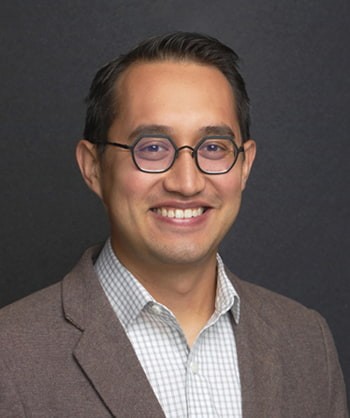
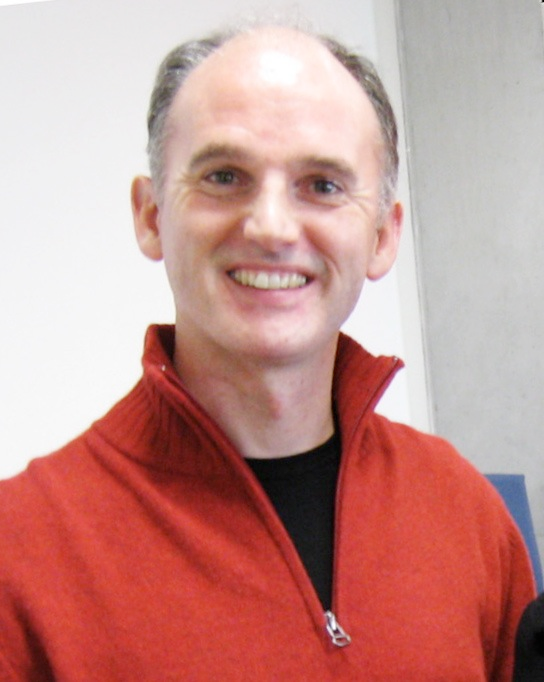
Dr. Nick Clark is a Researcher in the Condensed Matter Physics Group at the University of Manchester , focusing on advanced nanofabrication and computational data analysis for 2D materials. His work bridges solid-state physics with machine learning, particularly through the National Graphene Institute. Expertise: Complex nanofabrication, 2D material membranes, electron microscopy (TEM/STEM), optical/electronic characterization Techniques: In-situ imaging, deep learning data analysis, multidimensional dataset processing Current research explores van der Waals heterostructures , ferroelectric 2D interfaces , and liquid-phase atomic dynamics . Recent publications address stability of metal-organic frameworks, twist domain imaging, and metallized silicon nitride membranes for clean assembly. His work contributes to UN Sustainable Development Goals through 2D material innovation.
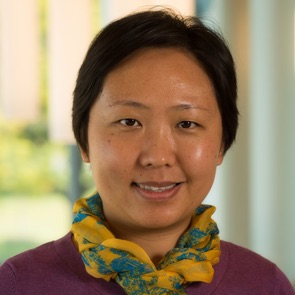
Dr. Elisa Roldan-Ciudad is a Lecturer in Biomedical Engineering at the Department of Engineering, Manchester Metropolitan University. She holds a PhD in Biomedical Engineering (2019) and is a Fellow of the Higher Education Academy (FHEA). Her research focuses on biomaterials, tissue engineering, and biomechanics, particularly in the design of electrospun scaffolds and ligament/vascular implants using machine learning-driven approaches. She actively contributes to academic governance through roles such as Departmental Athena Swan Lead and membership in the UK Metamaterials Network. Education: MEng (Biomedical Engineering, University of Zaragoza, 2011), MSc (Health and Safety, University of Barcelona, 2009), and PGCLTHE (Manchester Metropolitan University). Professional memberships include the Engineering Professors Council and Turing University Network. Teaching spans undergraduate and postgraduate courses in mechanical engineering, design, and biomedical applications. She supervises PhD students in biomaterials and biomedical manufacturing. Research highlights include biomimetic scaffold optimization and gender equality initiatives in engineering departments. She has collaborated with clinical institutions like the Ludwig Maximilian University of Munich and industry partners such as AlphaSIP S.L. Service roles include EPSRC Peer Review College membership and editorial contributions to journals like Nanomaterials . Her work bridges computational methods (machine learning) with material science to advance regenerative medicine and sustainable biomaterials.
Bryan Ranger is the Ferrante Family Assistant Professor in the Department of Engineering at Boston College, with a courtesy appointment in the William F. Connell School of Nursing and affiliation with the Global Public Health and the Common Good Program. He leads the Biomedical Imaging and Instrumentation Lab, focusing on ultrasound imaging, AI/ML algorithms, and global health applications. B.S.E., University of Michigan, Ann Arbor M.S.E., University of Michigan, Ann Arbor Ph.D., Massachusetts Institute of Technology (NSF Graduate Research Fellow) His research spans biomedical imaging, AI-driven diagnostics, and low-cost medical device development for resource-limited settings. Key themes include human-centered design, bioreactor monitoring, ultrasound elastography, and educational ultrasound platforms. Collaborations include Brigham and Women's Hospital, Jimma University (Ethiopia), Ahmedabad University (India), and Boston College departments like Computer Science and Nursing. Selected publications demonstrate expertise in musculoskeletal imaging, phantom development, and ultrasound education. Awards include Google Research Scholar (2022), Google Award for Inclusion Research (2023), ATIG Grant (2023), and SI-RITEA Grant (2023). Funded projects involve Gates Foundation support for maternal nutrition assessment and NIH mHealth Training Institute (2025). Google Award for Inclusion Research (2023) Google Research Scholar Program Award (2022) ATIG Grant (2023) SI-RITEA Grant (2023) NSF Graduate Research Fellow (PhD period) He teaches first-year engineering labs and courses in biomedical imaging, emphasizing societal responsibility in engineering education. His lab includes student researchers like Hayoung Cho, who received the Finnegan Award, and has presented at conferences including BMES, IEEE GHTC, and KEEN workshops.
Prof. Dr.-Ing. Alfred Ludwig is a Professor of Materials Science at the Institute for Materials, Faculty of Mechanical Engineering, Ruhr-University Bochum. He leads the Chair of Materials Discovery and Interfaces, focusing on combinatorial materials science and high-throughput methods for thin film and nanoparticle-based materials. His research emphasizes solar energy conversion, catalysis, and advanced material characterization. Education: Doctoral degree (1999), University of Karlsruhe Diploma in Mechanical Engineering (1996), University of Karlsruhe Research Interests: Dr. Ludwig’s work centers on interdisciplinary material discovery using continuous composition spread (CCS) thin films to correlate composition-processing-structure-property relationships. His projects include solar water splitting materials, high-throughput screening of semiconductor materials, and electrochemical energy storage systems. Techniques like reactive sputtering and combinatorial synthesis are key to his experimental approaches. Awards: DFG Heisenberg Professorship (2007–2012) Leadership Roles: Coordinator of RUB Materials Research Department (MRD) since 2009 Managing Director of Zentrum für Grenzflächendominierte Höchstleistungswerkstoffe (ZGH) since 2017 Editorial Advisory Board member for ACS Combinatorial Science His lab fosters an international team focused on translating high-throughput research into practical energy materials solutions.
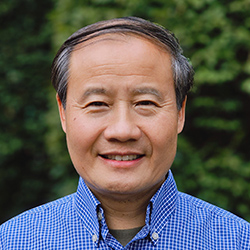
Dr. Qi Lu is an Associate Professor in the Department of Physics within the Division of Physics, Engineering, Mathematics, and Computer Science at Delaware State University. He holds a Ph.D. in Physics from Clemson University (2006), an M.S. in Physics from Clemson University (2002), and a B.S. in Applied Physics from Shanghai Jiao Tong University (1998). His research focuses on nanoparticle interactions with lipid membranes, optical imaging applications in biomedicine, and the effects of music tuning on brainwaves via EEG analysis. He has co-authored over 15 publications in peer-reviewed journals and contributed to multimodal deep learning and quantum confinement materials design projects. Dr. Lu's expertise spans imaging optics, machine learning, and grant writing. He has secured significant funding including a $431,935 DoD grant (2023-2025) as Co-PI for neuro-pain research and a $799,058 NSF grant (2021-2024) as Co-lead for soft matter and quantum design research. His work bridges nanotechnology with biological systems, particularly exploring how nanoparticles influence membrane structures and potential medical applications. Grants: DoD: Multimodal Deep-Learning for NeuroPain ($431,935, 2023-2025) NSF: SMaRT QD Materials Design ($799,058, 2021-2024) Labs/Teams: Collaborates with the Center of Excellence for Emerging Technologies and the Advanced Quantum Sensing Center at DSU.
Germà Garcia-Belmonte, Full Professor of Applied Physics at the Universitat Jaume I's Institute of Advanced Materials (INAM), specializes in device physics and electrochemistry of perovskite materials. His research focuses on ion migration, charge transport mechanisms, and impedance spectroscopy in metal halide perovskite solar cells and X-ray detectors. Key research areas: Organic Electronics, Photovoltaics, Electrochemical Kinetics Awards: 2018 Highly Cited Researcher (Clarivate), Top 2% Scientist (2019-2024, Stanford) Recent work examines ionic space-charge zones, dynamic doping effects, and long-term stability mechanisms in perovskites. His group applies numerical simulations and operando electrochemical characterization to advance solar cell and radiation detection technologies. Notable techniques: Intensity Modulated Photocurrent Spectroscopy (IMPS), Light Modulated Impedance Spectroscopy (LIMIS) Applications: High-resolution X-ray imaging, Lithium battery electrodes
James Douglas Brown is an Adjunct Professor at the University of Düsseldorf and Salzburg Universities, specializing in interdisciplinary research spanning cultural management and advanced photovoltaic technologies. He holds a BA in English Language and Literature and an MSc in Cultural Management and Policy, with extensive experience in arts management and higher education administration. His current academic roles include teaching cultural management courses while simultaneously conducting pioneering research in perovskite solar cell technology. Affiliations: University of Düsseldorf (Primary), University of Salzburg (Adjunct) Research Themes: Flexible photovoltaics, lead-free solar materials, indoor energy harvesting, bio-photoelectrochemical systems His research focuses on advancing perovskite-based solar cells with particular emphasis on flexibility, environmental stability, and applications in low-light environments. Recent breakthroughs include developing air-stable antimony-based materials and bio-hybrid systems merging semiconductor technology with biological interfaces. Key contributions include over 30 peer-reviewed publications since 2015, with a focus on scalable fabrication methods, device durability, and commercialization pathways for next-generation photovoltaic technologies. His work bridges material science, electrical engineering, and biological applications, reflecting a unique interdisciplinary approach.
Erkin Şeker, Ph.D. , is a Professor in the Department of Electrical and Computer Engineering at the University of California, Davis, where he also serves as Co-Director of the Center for Neuroengineering and Medicine and Chair of the Designated Emphasis in Neuroengineering . His research integrates micro- and nanofabrication, electrochemical biosensors, multifunctional neural interfaces, and microfluidic tissue chips to address challenges in healthcare and life-science miniaturization. Education: Ph.D. in Electrical Engineering, University of Virginia (2007) Research Interests Prof. Şeker’s group operates at the intersection of nanoporous metals , microfluidics , and device engineering . Current thrusts include: Nanostructured electrochemical biosensors for nucleic-acid detection in food safety, water quality, and medical diagnostics. Multifunctional biomedical device coatings that combine neural recording with on-demand drug delivery to combat epilepsy and other neurological disorders. Nanoporous metal morphology libraries for high-throughput investigation of structure–property relationships. Microphysiological models of neuroinflammation and gut–brain-axis interactions using tri-culture tissue chips. Publication Trends Over the past decade the group has produced >80 peer-reviewed articles spanning Analytical Chemistry , ACS Applied Materials & Interfaces , Advanced Functional Materials , Lab on a Chip , and Journal of Neuroinflammation . The work reveals a clear trajectory from fundamental studies of nanoporous gold mechanics and surface chemistry to translational applications in closed-loop neural control, nucleic-acid diagnostics, and tissue-level disease models. Scientific Awards & Honors NSF CAREER Award NIH NIBIB Trailblazer Award UC Davis Academic Senate Distinguished Graduate and Professional Teaching Award UC Davis Graduate Studies Distinguished Graduate and Postdoctoral Mentorship Award BMES Cellular & Molecular Bioengineering Young Innovator Next Level Research Award (College of Engineering) Fund for Medical Discovery Award (Massachusetts General Hospital) Elevation to IEEE Senior Member Advising & Funding Prof. Şeker has mentored >25 Ph.D. and M.S. students and numerous undergraduates. Active funding includes NSF, NIH (NIBIB, NINDS, NIA, NCCIH), USDA-NIFA, UC Lab Fees, and industry partnerships totaling several million dollars. He is PI or Co-PI on grants such as: "NeuralStorm: Taking Neuroengineering by Storm" (NSF NRT) "Closed-Loop Electro-Fermentation…" (USDA-NIFA) "Next-Generation Neural Interfaces Based on Axonal Confinement…" (NIH NIBIB Trailblazer) "A Scalable Primary Cortical Tri-Culture Model…" (NIH R03) Labs & Teams He directs the Şeker Research Group , a multidisciplinary team of graduate students, post-docs, and undergraduates housed in the UC Davis College of Engineering. Shared resources include College clean-room facilities, the Center for Neuroengineering and Medicine, and collaborative ties with the UC Davis Alzheimer’s Disease Research Center, Comprehensive Cancer Center, and Environmental Health Sciences Center.
Christina Mary Bailey-Hytholt is an Assistant Professor in the Department of Chemical Engineering at Worcester Polytechnic Institute (WPI) with affiliations in Biomedical Engineering. She holds the Leonard P. Kinnicutt Assistant Professorship and leads the Bailey-Hytholt Lab, focusing on biomaterials, drug/gene delivery, and diagnostics for prenatal and women's health. BS in Chemical Engineering (2015) and PhD in Biomedical Engineering (2020) from Brown University Postdoctoral work in Biologics Drug Product Development at Sanofi (2020-2021) Her research develops placental lipid bilayer models to study maternal-fetal molecular transport, environmental toxicants, and non-invasive prenatal diagnostics . She engineers lipid nanoparticles for pregnancy-related therapeutics and investigates extracellular vesicle communication in pregnancy. Her 15 most recent publications (2013-2025) span biomaterials , nano-drug delivery , and maternal-fetal interactions , with applications in toxicant screening , microfluidic diagnostics , and placental disease modeling . Forbes 30 Under 30 in Science (2022) NSF Graduate Research Fellowship (2015) Brown University Presidential Teaching Award (2020) AIChE 35 Under 35 (2023) Extraordinary Women Advancing Healthcare (2023) She mentors students in WPI's project-based learning environment and collaborates on grants like the NSF $259,570 award (2024) for preeclampsia models . Her lab integrates chemical and bioengineering principles for cell microenvironment engineering and clinical cervical sample analysis .
Joana Vaz Pinto is an Invited Professor at the Department of Materials Science, New University of Lisbon, since 2015. She holds a PhD in Applied Physics from the same university, conducted at the Instituto Tecnológico e Nuclear (ITN) and Laboratório de Caracterização Magnética e Baixas Temperaturas (LCMBT). Her primary affiliation is with CENIMAT|i3N, where she teaches Microelectronics Processing and Nanocharacterization, and oversees advanced characterization techniques like XRD and AFM. Her research focuses on thin-film devices, flexible electronics, and bioelectronics, particularly using Parylene for conformable substrates and sensors. Education: BSc in Physics Engineering (Universidade Nova de Lisboa, 2008), PhD in Applied Physics (Universidade Nova de Lisboa, 2008). Research spans semiconductor characterization, nanomaterials, and interdisciplinary applications in biotechnology and heritage conservation. She has published over 50 peer-reviewed articles and supervised over 15 MSc theses. Her work emphasizes sustainable nanomaterial processing, smart sensing platforms, and biomedical applications. Current projects include laser-induced graphene for cardiac tissue engineering and MXene-based energy storage systems. Collaborations span materials science, biotechnology, and environmental science, reflecting her multidisciplinary approach.
Professor Xunming Deng is affiliated with the College of Natural Sciences and Mathematics at the University of Toledo , where he serves in the Physics and Astronomy department. His research focuses on advanced materials and devices for renewable energy applications. Education: Ph.D. in Physics from the University of Chicago (1990) Deng's research interests span photovoltaic technology, amorphous silicon materials, thin film deposition, and photoelectrochemical hydrogen production. He has pioneered methods for high-efficiency solar cells and water-splitting systems using silicon alloys. His publication trends highlight innovations in multijunction solar cell design, phase diagram optimization, and light-trapping mechanisms, alongside contributions to nuclear physics through studies of parity-violating asymmetry in electron-deuteron scattering. Contact details: Email: xunming.deng@utoledo.edu
Lorand Szabo is a Full Professor at the Department of Electrical Machines and Drives , Faculty of Electrical Engineering , Technical University of Cluj-Napoca , Romania. He has been affiliated with this institution since 1990, transitioning from Research and Design Engineer to Lecturer (1999), Associate Professor (2007), and Full Professor (current). He also served as an Invited Professor at Pannon University (Hungary, 2007-2008) and University of Pavia (Italy, 2015). Teaching : Special Electrical Machines (1985-present), Electrical Machines and Drives (1996-present), Computer Aided Design of Electromechanical Systems (2009-present). Supervision : Ph.D. supervisor since 2007 for 8 students (6 completed). Research Focus : Linear and variable reluctance electrical machines, fault-tolerant designs, bearing fault detection in motors, and condition monitoring. His work extends to automotive applications (electric vehicles, hybrid systems), wind energy generators, and sustainable material sourcing for electrical machines. Recent Publications (2023-2025) address critical topics in sustainable mobility, including rare earth material dependency, deep-sea mining for electric technologies, battery management systems, and resource-efficient motor designs. These works reflect his interdisciplinary approach combining electrical machine innovation with environmental and industrial systems thinking. Technical Expertise : Finite element analysis (JMAG, ANSYS Motor-CAD), LabVIEW modeling, fault detection algorithms (wavelet transforms, kurtosis deconvolution), and modular motor construction for automotive and renewable energy applications.
Dr. Sebastián Vega is Associate Professor at Rowan University's Biomedical Engineering Department, directing research on biomaterials and tissue engineering. His lab develops hydrogel systems for bone regeneration and cellular communication, with active grants from NSF and health foundations. Research integrates biomaterial design with stem cell engineering. Recent publications focus on antimicrobial hydrogels and synthetic biology approaches for cell-material interfaces. Teaching includes courses on biomaterial-cell interactions.
Oğuz Gülseren is a Professor at the Department of Physics, Bilkent University. His research spans Theoretical Solid State Physics , Nanoscience , and Electronic Structure of Materials , focusing on computational studies of metal nanowires , carbon nanotubes , and first-principles calculations . He leads the Computational Nanoscience and Materials Research Group, offering PhD and postdoctoral positions. University: Bilkent University Department: Physics Contact: gulseren@fen.bilkent.edu.tr His research interests include plasmonics , dye-sensitized solar cells , and graphene , with significant work on vibrational properties , quantum structures , and nanoenergetic materials . Publications highlight ab initio and DFT methods applied to 2D heterostructures , self-assembly , and nano-biosensors . Recent articles emphasize data-driven inverse design , phonon resonance , and nanocarbon applications in energy and biotechnology. His group’s work integrates computational nanoscience with experimental validation , addressing challenges in thermal conductivity , optoelectronics , and chemical reactivity at the nanoscale.
Cristina Elena Belmar Campos is a Medical Specialist in Microbiology, Virology, and Infectious Disease Epidemiology at Hamburg University Medical Center (Universitätsklinikum Eppendorf), affiliated with the Faculty of Medicine and the Institute of Medical Microbiology, Virology and Hygiene . She holds a Research Fellow position and serves as Deputy Head of Medical Management and Antibiotic Stewardship Expert (DGI), focusing on hospital hygiene and infection control. Education & Expertise: Her academic background includes medical training with specialization in microbiology and virology. Her research interests span antimicrobial resistance, hospital-acquired infections, disinfection technologies, and molecular epidemiology of pathogens like SARS-CoV-2, Enterococcus, and Staphylococcus aureus. Research Contributions: Her work emphasizes practical solutions for infection control, including studies on UV-C radiation efficacy, ozone-based disinfection systems, and checklist protocols in ICUs. She has published widely on topics such as environmental pathogen transmission, antibiotic resistance mechanisms, and molecular diagnostics for emerging pathogens. Awards & Recognition: No specific scientific awards were listed in the provided materials. Advising & Grants: While not explicitly detailed, her research portfolio suggests involvement in collaborative projects, including work with the Mildred Scheel Nachwuchszentrum and European initiatives like the Leibniz-Group on dendritic organelles. Funding likely comes from grants focused on infection control and microbiological research. Labs & Teams: Active in the Center for Diagnostics and collaborates with groups studying antimicrobial resistance, hospital hygiene, and molecular microbiology at the UKE.