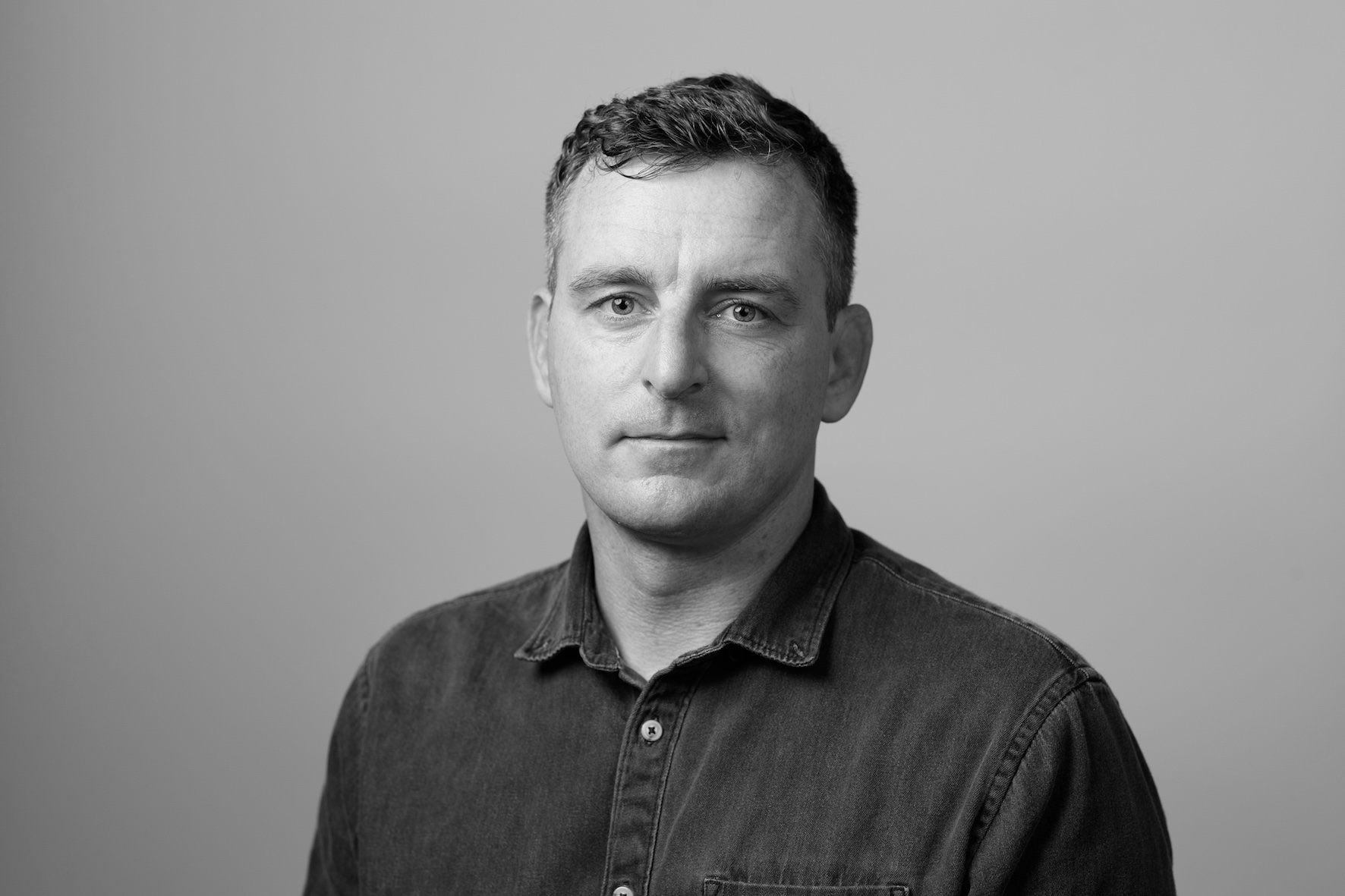
Dr. Vittorio Giorgio Senatore is a Research Fellow in the Department of Biotechnology and Biosciences at University of Milano-Bicocca, actively contributing to yeast biotechnology research. His work bridges fundamental molecular biology with applied waste valorization strategies. Dr. Senatore's research focuses on yeast metabolic engineering for sustainable applications, particularly: Developing CRISPR-based genome editing tools for Saccharomyces cerevisiae (pCEC-red vector system) Engineering yeast strains for PET monomer upcycling and agricultural waste valorization Optimizing ethylene glycol conversion into valuable chemicals like glycolic acid Producing vitamin B9 using Scheffersomyces stipitis on residual biomasses Analysis of recent publications (2022-2025) reveals a strategic progression from tool development to applied bioprocess engineering, with increasing emphasis on circular economy solutions. His work demonstrates strong technical competence in molecular biology combined with process engineering considerations. Dr. Senatore maintains an active research program with consistent publication output, showing particular strength in: CRISPR-Cas9 genome editing methodology Non-conventional yeast physiology Metabolic pathway analysis Bioprocess development for waste conversion His collaborative network spans multiple European institutions, reflecting active engagement in the international research community. The teaching publication on synthetic biology laboratory courses indicates commitment to graduate education in industrial biotechnology.
Byung-Kwan Cho is an Endowed Professor at the Korea Advanced Institute of Science and Technology (KAIST), where he leads the Systems and Synthetic Biology Laboratory in the Department of Biological Sciences. He holds a Ph.D. in Biochemical Engineering from Seoul National University and directs a research team of approximately 25 members, including postdoctoral scholars, graduate students, and researchers. Research Focus His laboratory pioneers interdisciplinary work in microbial systems and synthetic biology, with emphasis on: Designing minimal genomes for microbial cell factories Engineering acetogenic bacteria for C1 gas conversion Developing therapeutic gut microbes for metabolic diseases Synthesizing actinomycete genomes for antibiotic production Advancing enzymatic DNA synthesis for artificial genomes Achievements CJ Special Academic Award (2025) for contributions to synthetic biology The lab has produced ~200 publications, secured multiple patents, executed technology transfers, and presented at international conferences. Research is supported by industrial collaborations focusing on biomanufacturing and medical applications.
Patricia Duque Estrada serves as Assistant Professor in the Department of Food Science at the University of Copenhagen, Denmark, specializing in the Food Analytics and Biotechnology section. Her research focuses on enhancing plant-based protein quality through advanced processing techniques, addressing critical challenges in sustainable food systems and nutritional science. Based at Rolighedsvej 26 in Frederiksberg, she actively contributes to the university's mission of innovative food research. Her primary research domains include plant protein chemistry, extrusion processing, fermentation technology, and sustainable food systems development. She investigates how processing methods affect protein oxidation, satiety, and nutritional quality, with particular emphasis on legumes like faba bean and pea. Her work bridges food science and human nutrition to develop viable alternatives to animal proteins, examining both technical functionality and environmental implications of processing technologies. Analysis of her 2023-2025 publications reveals a strategic focus on alternative protein sources, with significant contributions to mycoprotein development and legume-based protein optimization. Her research integrates proteomics, food chemistry, and clinical nutrition to solve practical challenges in protein quality and sustainability. This work demonstrates strong interdisciplinary collaboration across European institutions, with publications in high-impact journals including Food Chemistry and npj Science of Food . Dr. Duque Estrada maintains active research collaborations evidenced by her co-authorship on multiple interdisciplinary studies. Her work has gained notable recognition through citations in patents and Wikipedia pages, indicating tangible real-world applications. She utilizes the University of Copenhagen's Food Analytics and Biotechnology facilities for her experimental work on protein characterization and processing optimization.
Michal Poborsky is a Research Fellow at the Department of Plant and Environmental Sciences within the Faculty of Science at the University of Copenhagen. His work focuses on engineering microbial systems for sustainable production of plant-derived compounds, operating under the Section for Molecular Plant Biology. Education PhD in Biotechnology from University of Copenhagen (awarded July 2022), thesis: Engineering Escherichia coli towards production of plant specialized metabolites His research integrates metabolic engineering, synthetic biology, and enzyme design to optimize microbial cell factories. Key expertise includes cytochrome P450 expression in Escherichia coli , benzylglucosinolate pathway engineering in Saccharomyces cerevisiae , and rational redesign of hydratases for enhanced substrate specificity. His methodologies address critical challenges in heterologous metabolite production, including enzyme functionality, transport engineering, and pathway compartmentalization. Analysis of his 2020-2023 publications reveals a cohesive trajectory in microbial engineering for plant metabolite synthesis. Dominant themes include cytochrome P450 functionality in bacterial systems (2023), comparative pathway engineering in yeast (2022), and precision enzyme engineering for regioselectivity control (2020-2021). These works collectively advance sustainable bioproduction of high-value phytochemicals through innovative strain and pathway design. No scientific awards are documented in the provided materials. While no formal advising roles or grant funding are specified, his collaborative network includes prominent researchers such as Barbara Ann Halkier, Carl Crocoll, and Morten S. Motawie across 5 of his 6 publications. His work has been referenced in 1 patent and garnered significant academic attention with 108 total Mendeley readers. Poborsky operates within the molecular plant biology research group led by Professor Barbara Ann Halkier at Thorvaldsensvej 40, Frederiksberg. His laboratory work centers on microbial strain development, with experimental focus on E. coli and yeast platforms for plant metabolite biosynthesis, leveraging techniques in genetic engineering, enzyme kinetics, and metabolic flux analysis.
Kenneth Thermann Kongstad is an Assistant Professor at the Department of Drug Design and Pharmacology within the Faculty of Health and Medicinal Sciences at the University of Copenhagen. His research spans interdisciplinary projects at the intersection of analytical chemistry, spectroscopy, biochemistry, and pharmacology. He has established an endophyte research lab focused on discovering novel drug leads from microorganisms living within plants, a largely unexplored area in natural product research with significant potential. His work bridges analytical science with pharmacological applications through collaborations with the Pharmacotherapy Research section and other departments. Dr. Kongstad's educational background includes: PhD from the Faculty of Pharmaceutical Sciences at University of Copenhagen, supervised by Prof. Jerzy W. Jaroszewski (deceased) and Dr. Manfred Spraul MSc. Eng. from Technical University of Denmark (DTU), with research conducted at University of Queensland, Australia under Prof. Rob Capon His primary research interests focus on the discovery of future drug leads from endophytic fungi, quantitative analysis of opioids for pharmacokinetic studies, and chemical characterization of bioengineered organisms. Dr. Kongstad specializes in advanced hyphenated NMR techniques ($$\text{HPLC-PDA-HRMS-SPE-NMR}$$) for natural product research and pharmaceutical applications. His work has developed innovative screening methodologies for semi-high-throughput analysis of plant extracts and identification of bioactive metabolites responsible for antifungal activity. He maintains active collaborations with research groups at Department of Plant and Environmental Sciences (KU), Department of Bioengineering and Biomedicine (DTU) and various departments within KU. Analysis of Dr. Kongstad's recent publications reveals a strong focus on applying advanced analytical techniques to identify bioactive compounds with therapeutic potential. His work spans diabetes research (particularly $$\alpha$$-glucosidase inhibitors), cancer research (multidrug resistance reversal), and pain management (opioid pharmacokinetics). A common thread is the integration of sophisticated analytical methodologies with biological activity screening to accelerate drug discovery from natural sources, especially endophytic fungi and plant extracts. Dr. Kongstad has received professional recognition including: Teacher of the Year (2019) He has established significant research collaborations across multiple institutions and has been involved in multiple funded research projects, including the DSF-funded 'FungalFight' project and collaborative efforts to develop cell factories for producing carminic acid. His endophyte research lab serves as a hub for interdisciplinary research, bringing together expertise in natural product chemistry, pharmacology, and analytical science. He has also filed two patents related to cell factory development for carminic acid production. His laboratory focuses on chemical and biological characterization of endophytic fungi, with particular attention to compounds with antifungal, antidiabetic, and other therapeutic properties. The lab integrates advanced analytical techniques with biological screening to identify bioactive metabolites. Dr. Kongstad's team collaborates extensively with researchers specializing in pharmacokinetic modeling, contributing to the development of personalized medicine approaches. He has also maintained editorial roles for journals including Natural Product Research, Analytical Methods, and Journal of Separation Science.
Jan Dutkiewicz serves as Assistant Professor in the Department of Social Science and Cultural Studies at Pratt Institute's School of Liberal Arts & Sciences, where he examines the ethical, political, and environmental dimensions of economic activity through the lens of food systems. His research centers on meat and commodity production in the United States, bridging academic scholarship with public policy discourse. Education: Ph.D. and MPhil in Politics, The New School for Social Research His interdisciplinary work integrates political economy, environmental ethics, and public health to analyze food system transformations. Key themes include cellular agriculture ethics, zoonotic disease risks in industrial farming, and the socio-political implications of plant-based transitions. He challenges locavore narratives through evidence-based advocacy for technology-informed food policy, emphasizing accessibility and systemic justice over individual consumer choices. Publications spanning 2013-2023 reveal consistent engagement with food system governance, appearing in The Lancet Planetary Health , Nature Food , and Journal of Peasant Studies . These works demonstrate methodological diversity—from ethnographic analysis of factory farms to policy frameworks for novel food technologies—while maintaining critical focus on labor conditions, environmental sustainability, and ethical consumption. Scientific recognition includes: SSHRC Doctoral Award Harvard Law School Policy Fellowship Connie Caplan Post-Doctoral Fellowship Visiting Fellowships at Oxford, Wesleyan, and UC Santa Barbara Funded by the Social Sciences and Humanities Research Council of Canada and the Robert L. Heilbroner Center, his research informs high-impact public scholarship. He contributes to The Guardian , Washington Post , and Vox while co-authoring the forthcoming trade book Feed the People! (Basic Books, 2026), which argues for technology-driven solutions to make industrial food systems more equitable. Current teaching includes SS-253P The Politics of Food. His collaborative projects with institutions like Harvard Law School and Oxford's Martin School demonstrate transdisciplinary approaches to food system transformation, though specific lab affiliations aren't documented in source materials.