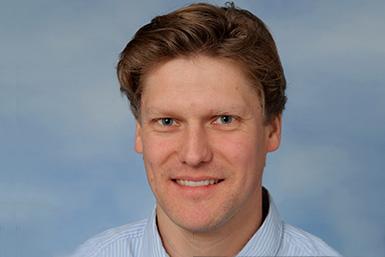
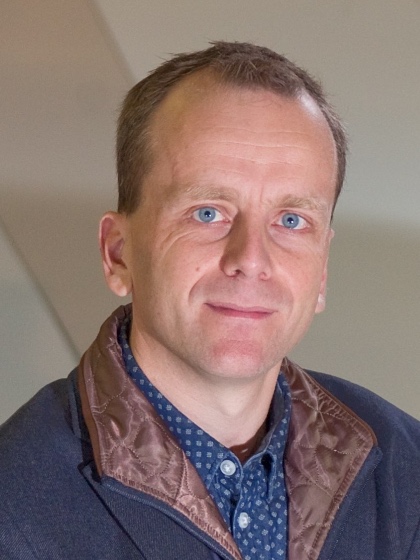
Leonie Bentsink is a Professor at the Laboratory of Plant Physiology , part of Wageningen University . Her research focuses on molecular mechanisms underlying seed dormancy, germination, and longevity in plants like Arabidopsis thaliana . She leads projects investigating translational regulation, seed microbiomes, and abiotic stress tolerance, supported by an NWO Vici grant (2018). Dr. Bentsink supervises multiple PhD candidates and has authored over 69 publications. Key contributions include discovering roles for genes like DOG1 and ANAC060 in dormancy regulation, and developing tools like the SeedTransNet translational network. Key Projects: Seed microbiome impacts on drought tolerance Seed germination cell communication mechanisms Spatial transcriptomics for abiotic stress resilience Datasets: 11 publicly available datasets on seed transcriptomes/metabolomes, including seed dormancy cycling and parental effect studies. Citations: Over 70 publications since 2000, with notable work on seed longevity and translational regulation.
Prof. dr. Tessa Quax is an Associate Professor at the Faculty of Science and Engineering, University of Groningen, leading research in Molecular Microbiology . Her work focuses on archaeal virology and virus-host interactions, supported by prestigious grants including an ERC Starting Grant (2022) and NWO Vidi Grant (2023). Key Research Areas: Archaeal virus entry/egress mechanisms Cell surface dynamics and motility Extreme environment microbiology Genetic tool development for archaea Recent publications in Nature Reviews Microbiology (2025) and Current Opinion in Microbiology (2024) highlight her work on viral host recognition and structural diversity. Her lab's 44 research outputs span archaeal cell biology, viral evolution, and ecological impacts of virus-induced lysis. Scientific Recognition: KNAW Beijerinck Premium (2022) KNAW Early Career Award (2021) Hector Research Career Development Award (2021) ERC Starting Grant (2022) As Chair of the International Society for Viruses of Microbes SAB and Speaker of the German Microbiology Society's Microbial Viruses group, she coordinates global research networks including a HFSP grant (2023) with Japan/Australia/USA collaborators. Her lab currently includes PhD candidate Zaloa Aguirre Sourrouille and multiple postdoctoral researchers.
Dr. Julia Kamenz is an Assistant Professor (Rosalind Franklin fellow) at the University of Groningen's Faculty of Science and Engineering, where she leads research in the Molecular Systems Biology group within the Groningen Biomolecular Sciences and Biotechnology Institute (GBB). Her work focuses on understanding the molecular mechanisms that regulate cell cycle progression and cell division. Dr. Kamenz received her undergraduate training in Biochemistry at the University of Tuebingen, completed her PhD at the Friedrich Miescher Laboratory of the Max Planck Society under Dr. Silke Hauf (defended February 2015 with highest honors), and conducted postdoctoral research at Stanford University with Prof. James E. Ferrell. Her PhD work was supported by a Boehringer Ingelheim Fonds fellowship, and her postdoc was funded by a German Research Foundation (DFG) Postdoctoral Fellowship. Her research expertise spans cell cycle regulation and dynamics, post-translational modifications, Xenopus laevis model systems, and live cell microscopy. Dr. Kamenz investigates how kinases and phosphatases intricately regulate cell proliferation and division, with particular interest in the molecular mechanisms that ensure faithful chromosome segregation during mitosis. Her recent work has revealed novel insights into mitotic checkpoint signaling, particularly in early embryonic development where these checkpoints appear to function differently than in somatic cells. Dr. Kamenz's publication record demonstrates a strong focus on the dynamics of cell cycle transitions, with recent papers appearing in high-impact journals including Nature, The Journal of Biological Chemistry, and The Journal of Cell Biology. Her research integrates experimental biochemistry, live-cell imaging, and computational modeling approaches to understand complex regulatory networks. ERC Starting Grant (November 2022) NWO Vidi Grant (July 2021) Mansour Postdoctoral Travel Award (2019) Dr. Kamenz has secured significant research funding including an ERC Starting Grant (€1.5 million) and an NWO XS grant (€50,000) for her project "What limits mitotic checkpoint signaling in the early embryo?" Her research contributes to understanding fundamental biological processes with implications for developmental biology and cancer research. She collaborates extensively within the University of Groningen and with international partners, particularly in the areas of cell cycle research and biophysical approaches to biological problems. Dr. Kamenz leads a research group focused on cell cycle regulation within the Molecular Systems Biology division of the Groningen Biomolecular Sciences and Biotechnology Institute. Her lab combines biochemical approaches using Xenopus egg extracts with live-cell imaging and computational modeling to dissect the molecular mechanisms controlling cell division.
Prof. dr. Sander van den Heuvel is a Professor in the Department of Biology at Utrecht University , specializing in developmental biology. He leads research on cell division control, particularly focusing on asymmetric division mechanisms and their coordination with differentiation in Caenorhabditis elegans . His work bridges fundamental developmental questions with applications in cancer biology and regenerative medicine. Research Interests Asymmetric cell division Developmental control of cell proliferation Spindle positioning in mitosis Wnt signaling in stem cells Epithelial tissue dynamics C. elegans as a model organism Publications & Activities : His recent work (2010–2014) explores spindle positioning, Argonaute-regulated cell shape, and G1/S inhibitors’ role in cell cycle arrest. These studies are connected to C. elegans , cancer biology, and developmental genetics. Scientific Awards NIH RO1 grants (1999, 2001) NIH PO1 grant (2002) AstraZeneca Academic Sponsorship (2003) Basil O’Connor Award (March of Dimes, 1999) Helen Hay Whitney Fellowship (1992) Grants : Received competitive NIH funding for studies on asymmetric division and cancer-related gene discovery. His lab also collaborates with institutions like the Netherlands Cancer Institute and Max Planck Institute.
Harry Bruning is an Assistant Professor in Environmental Technology at Wageningen University & Research, specializing in advanced water treatment technologies. His research focuses on electrodialysis, desalination, ion exchange membranes, and fouling mitigation in environmental systems. He leads projects on chemical-free desalination, PFAS degradation using modified cathodes, and sodium-selective electrodialysis. Bruning collaborates extensively on biogas technologies and hydraulic optimization in anaerobic digesters. Key research interests include membrane-based separation processes, water reuse strategies, and sustainable wastewater management. He has pioneered studies on EDTA complexation for selective ion removal and developed novel electrochemical methods for organic pollutant degradation. Publications highlight innovations in electrodialysis metathesis, fouling prevention via BODAC filtration, and modeling ammonia concentrations in anaerobic digestion. His work bridges theoretical process engineering with practical applications in industrial water systems. Supervising 17 PhD projects, Bruning advises on topics like microbial fuel cells for ammonium recovery and cooling tower water treatment. He contributes to datasets analyzing constructed wetlands and nanofiltration systems for water reuse.
Prof. Geert Smant is a Full Professor in the Laboratory of Nematology at Wageningen University & Research. His research focuses on plant-parasitic nematodes, particularly their interactions with plants, mechanisms of parasitism, and strategies for resistance in crops. He leads projects on cyst nematodes (e.g., Globodera pallida ), molecular biology of plant defenses, and genomic approaches to understand parasitic mechanisms. His work includes supervising PhD candidates and postdocs in projects like SMART UP (spatial mapping of root transcriptomes) and WORMVACS2.0 (vaccine innovations against helminths). Key contributions include genomic studies of Globodera species and elucidating effector-triggered immunity in plants. Prof. Smant has collaborated internationally, presenting at conferences like the 35th Symposium of the European Society of Nematologists and the 7th International Congress of Nematology . He oversees datasets on nematode genomics and plant responses to parasitism, available via public repositories. His team’s research spans lab-based studies, field applications, and interdisciplinary collaborations, aiming to develop durable resistance strategies against plant pathogens.
Professor Alain de Bruin (born 1968) is a distinguished academic at Utrecht University, serving as Professor in the Department of Biomolecular Health Sciences within the Faculty of Veterinary Medicine. Since January 1, 2020, he has been Head of the Department of Biomolecular Health Sciences. His academic journey began with veterinary medicine studies at the University of Hannover in Germany, followed by a PhD from the University of Bern in Switzerland in 1999. After specializing in veterinary pathology and completing a postdoctoral position at Ohio State University, he was appointed professor of pathobiology at Utrecht University in 2005. In 2010, he founded the Netherlands Molecular Pathology Center (UU/UMCG) and became an honorary professor of molecular pathology at the University of Groningen in 2014. Professor de Bruin's research primarily focuses on cancer biology, liver pathology, tumor suppression mechanisms, and aging processes. His expertise includes in vivo modeling, cell cycle analysis, generating transgenic mouse models, pathological analysis of animal disease models, and single-cell transcriptomics. His work centers on proteins that regulate cell proliferation, particularly E2F transcription factors, which he has discovered play critical roles in inhibiting cancer cell growth. His research themes span Life Sciences, Regenerative Medicine, and the Utrecht Platform for Organoid Technology. Analysis of his recent publications reveals a consistent research trajectory centered on cell cycle regulation, particularly the atypical E2F transcription factors (E2F7 and E2F8), and their roles in cancer development, polyploidization, and liver disease. His work demonstrates how these factors influence tumor suppression, angiogenesis, and cellular responses to DNA damage. The publications span multiple disciplines including cancer biology, molecular oncology, hepatology, and regenerative medicine, with applications in both human and veterinary medicine. Professor de Bruin has held significant leadership positions, including chairing the research council (2017-2019) and coordinating the 'Regenerative Medicine, Stem Cells, and Cancer' research program (2013-2019). He serves on the editorial board of 'Frontiers in Cell and Developmental Biology' and participates in review committees for NWO-Rubicon/Veni, the research alliance UTwente/UU/UMCU, and the Comprehensive Cancer Center at Ohio State University. His laboratory work has made significant contributions to understanding how E2F transcription factors regulate cell proliferation, with implications for developing novel cancer therapy strategies. His research on polyploidization mechanisms has provided insights into liver regeneration and tumor development, while his work on senescence has implications for aging-related diseases.
Jaap Keijer is a Full Professor and Chairholder in the Department of Human and Animal Physiology at Wageningen University & Research. His research focuses on metabolic physiology, particularly energy metabolism, mitochondrial function, and the interplay between diet, aging, and chronic metabolic diseases. He leads projects investigating nicotinamide nucleotide transhydrogenase (NNT) in energy metabolism, galactose's effects on metabolic programming, and the role of environmental factors like hypoxia in muscle physiology. He serves on the editorial board of Molecular Nutrition and Food Research and advises the German Institute of Human Nutrition. His work integrates molecular, cellular, and whole-organism approaches to understand health and disease mechanisms. Key research themes include metabolic adaptations in obesity, mitochondrial dysfunction in aging, and translational biomarker development for physical activity and metabolic health. Dr. Keijer teaches courses on molecular nutritional physiology, model organisms for lifespan research, and dissection-free human/animal physiology. His projects address clinical challenges such as sarcopenia, atrial fibrillation, and nutrient interventions for metabolic disorders. Recent studies explore dietary galactose's programming effects on intestinal metabolism and the impact of NNT deficiency on cardiac health. His lab employs advanced techniques like single-cell transcriptomics and Seahorse extracellular flux analysis to study metabolic pathways in humans and animal models. Publications emphasize mitochondrial dysfunction, metabolic biomarkers, and translational models for aging and disease. His work bridges basic research and clinical applications, aiming to improve metabolic health through dietary and lifestyle interventions. Current initiatives include developing a human gut-on-a-chip model and validating integrative biomarkers for physical activity in adolescents.
Andreas Milias Argeitis is an Associate Professor in the Faculty of Science and Engineering at the University of Groningen. He leads the Milias-Argeitis Lab within the Molecular Systems Biology research unit at the Groningen Biomolecular Sciences & Biotechnology Institute (GBB). His research focuses on integrating experimental and computational approaches to understand cellular processes, particularly the coordination between cell growth, division, and metabolic dynamics in budding yeast. Key research areas include systems biology, TOR signaling pathways, cell cycle regulation, and the application of machine learning and mathematical modeling. His lab develops advanced tools like optogenetic control systems and deep learning algorithms for cell segmentation and tracking. Recent work has revealed metabolic oscillations linked to the cell cycle and explored the role of proteins like Sch9 in TORC1-dependent signaling. Notable achievements include an NWO Vidi Grant (2018) and an ENW Science-M Grant (2023) for studying how growth drives the cell division cycle. He has over 40 peer-reviewed publications, including work in Nature Communications , Nature Metabolism , and Journal of Cell Science . His research bridges fundamental biology with technological innovations in single-cell analysis and synthetic biology. Lab activities include CRISPR/Cas9 genome editing protocols, fluorescent protein maturation studies, and the development of photo-switchable enzymes. Collaborations span biochemistry, mathematics, and engineering, reflecting his interdisciplinary approach to unraveling cellular mechanisms.
Dr. Carlo Ferri Marini is an Assistant Professor at the Department of Human Movement Sciences, University of Groningen and University Medical Center Groningen. He holds a PhD cum laude from the University of Urbino, with additional studies at Colorado Mesa University and University College Dublin. His research focuses on optimizing exercise testing and prescription in healthy and clinical populations, particularly in aerobic and resistance exercise physiology. He collaborates internationally and serves as an Academic Editor for BMC Sports Science, Medicine and Rehabilitation and PeerJ . Key areas of research include exercise intensity methods, lifestyle interventions for breast cancer survivors, and cardiometabolic health. Notable projects include the MOVIS clinical trial on exercise and nutrition programs for cancer survivors and the TRIPL-A trial for type 2 diabetes management. His work emphasizes improving the benefit-to-risk ratio of physical activity through evidence-based approaches. Dr. Marini’s recent publications explore topics such as pedaling cadence effects on metabolic responses, gut microbiota changes in breast cancer survivors, and the validity of exercise intensity metrics. He also investigates the role of exercise in mitigating tumorigenic activity and enhancing quality of life in clinical populations. Collaborations span institutions globally, reflecting his commitment to interdisciplinary research. His research has been featured in journals like Scientific Reports , European Journal of Sport Science , and Frontiers in Oncology . Dr. Marini is affiliated with the SMART Movements research group, advancing knowledge in movement sciences and health. His work bridges clinical and applied research, aiming to translate findings into practical guidelines for improving public health outcomes.
Dr. Michal Heger is a Researcher at Utrecht University's Faculty of Science, specifically within the Membrane Biochemistry & Biophysics department. He also holds the position of Professor of photonanomedicine at Jiaxing University Medical College in China and serves as Editor-in-chief of the Journal of Clinical and Translational Research. Additionally, he is Chief formulation officer at Nurish.Me in San Diego. Dr. Heger's research primarily focuses on the development of minimally invasive diagnostic and therapeutic modalities for treatment-resistant cancers, with special emphasis on bile duct cancer (extrahepatic cholangiocarcinoma, eCCA). His work follows three pillars: minimally invasive approaches, patient-friendly treatments, and affordable solutions. Photodynamic therapy (PDT) forms the core of his research program, where he investigates nanoscale carrier platforms for photosensitizer delivery, cancer cell responses to PDT, PDT-induced immune responses, and representative cell and animal models for cholangiocarcinoma. His publication record shows significant expertise in photodynamic therapy, with numerous articles spanning from 2012 to 2025. The research trends indicate a strong focus on nanotechnology applications in cancer therapy, particularly in developing targeted delivery systems for photosensitizers and combination therapies. His work bridges basic science with clinical applications, especially in difficult-to-treat cancers where conventional approaches have limited success. Dr. Heger collaborates extensively with various research groups, particularly in the areas of liquid biopsies and molecular profiling for cancer diagnostics and therapy monitoring. His work often involves interdisciplinary approaches combining pharmacology, nanotechnology, and molecular biology to address challenging clinical problems in oncology.
Prof. Dr. Lukas C. Kapitein is a leading researcher in Cell Biology, Neurobiology and Biophysics at the Faculty of Science, Utrecht University . His work bridges physics and neuroscience to understand how cells maintain their shape and intracellular organization, particularly in neurons. Academic Affiliation: Full Professor of Molecular and Cellular Biophysics since 2018 Key Collaborations: Co-manages the Gravitation project IMAGINE! with Anna Akhmanova Research Focus: The lab investigates the neuronal cytoskeleton , emphasizing microtubule organization and motor protein dynamics. They develop advanced optical methods to map cytoskeletal architecture and design intracellular assays to probe motor-cargo interactions, linking these to neurodegenerative disease mechanisms. Awards: ERC Consolidator Grant (2018), ERC Starting Grant (2013), NWO VIDI (2013), NWO ALW-VENI (2011), Erasmus MC Fellowship (2011). Students: PhD students include Albert Serweta, Thijs Makaske, Jasper Schelt, and Varsha Mahapatra. The lab also features postdocs and technical staff in microscopy and protein engineering. Methods: Combines protein engineering , super-resolution microscopy (STED, Localization, Expansion), and mathematical modeling to resolve microtubule polarity, transport rules, and dendritic spine dynamics.
Prof. Floris Foijer is a Full Professor at the University of Groningen's Faculty of Medical Sciences and UMCG, leading the Laboratory of Genomic Instability in Development and Disease. His research focuses on the consequences of aneuploidy in cancer, particularly how cancer cells exploit genomic instability for survival and proliferation. He holds roles as Director of the UMCG Functional Genomics Centre and Program Leader at the Kolff Institute's 'Regenerate' program. Foijer obtained his PhD from the Netherlands Cancer Institute (2006) and completed postdoctoral training at Harvard Medical School (2007-2009) and the Wellcome Trust Sanger Institute (2009-2011). He has pioneered murine models for chromosomal instability and developed CRISPR-based technologies. Key research areas include genomic instability's role in cancer evolution, therapeutic vulnerabilities in aneuploid cancers, and the link between chromosomal instability and aging. His work has been recognized with prestigious awards, including the Vici Grant (2023) and EMBO Fellowship (2009). Foijer collaborates internationally, contributing to projects like the ERIBA/iPSC/CRISPR facility supporting genome editing research. His lab's findings have advanced understanding of aneuploidy-driven cancer mechanisms and potential targeted therapies. Scientific Awards: - Vici Grant (2023) - EMBO Long-Term Postdoctoral Fellowship (2009) - Dutch Cancer Society Postdoctoral Fellowship (2007) Grants and Activities: - Director of UMCG Functional Genomics Centre (iPSC/CRISPR facility) - Member of KWF Assessment Board and Genomic Integrity Centre Scientific Board - Supervised 17 PhD/Master’s theses (noted in his profile) Labs/Teams: - Laboratory of Genomic Instability in Development and Disease - ERIBA/iPSC/CRISPR facility collaborations
Dr. Suzan Ruijtenberg is an Assistant Professor at the Faculty of Science, Utrecht University , specializing in Developmental Biology . Her research explores the molecular mechanisms governing cell cycle regulation and differentiation, with a focus on Caenorhabditis elegans as a model organism. Doctoral thesis: Coordination of cell proliferation and differentiation during C. elegans development (2015), Utrecht University. Dr. Ruijtenberg's research integrates Developmental Biology , Cell Cycle Regulation , and Molecular Genetics to dissect antagonism between cell cycle regulators and gene expression during differentiation. Recent work includes localized translation studies of erm-1 in C. elegans and the development of auxin-mediated degradation systems for protein regulation. Her publications (2010–2025) highlight advancements in C. elegans -based research, spanning DNA replication checkpoints , muscle differentiation , and genetic tools like the mIAA7 degron. These studies bridge developmental biology with cancer biology through insights into CDK4/6-cyclin D pathways .
Evelina Tutucci is an Assistant Professor at the Vrije Universiteit Amsterdam, affiliated with both the Faculty of Science (Systems Biology Department) and AIMMS (Applied and Industrial Mathematics and Systems Biology). Her research focuses on molecular mechanisms of gene expression regulation, RNA trafficking, and fungal pathogen biology. She employs advanced microscopy techniques such as single-molecule FISH and live-cell imaging to study mRNA dynamics in systems like Saccharomyces cerevisiae and Candida albicans. Her work contributes to UN Sustainable Development Goals related to health and sustainable agriculture through studies on fungal pathogens and mycology. Tutucci teaches courses including Caput RNA Biology, Genetics, and bioinformatics research projects. She has supervised one PhD thesis and developed open-access datasets for RNA imaging protocols, including a groundbreaking MS2 system for tracking mRNA lifecycles. Collaborations span global institutions, focusing on mRNA transport, mitochondrial protein synthesis, and cAMP signaling pathways in yeast. Her recent research highlights include discovering mitochondrial RNA localization mechanisms impacting protein synthesis efficiency and developing imaging tools for simultaneous mRNA/protein detection. Tutucci's contributions bridge molecular biology with systems-level understanding of cellular processes, emphasizing spatiotemporal dynamics of gene expression.