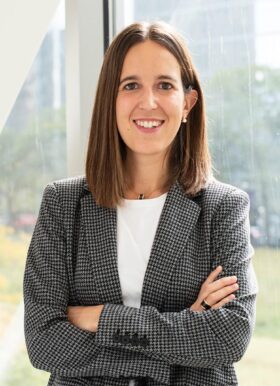
Dr. João Marques Garcia is an Assistant Professor at Wageningen University & Research's Bio Process Engineering department. Previously, he served as a Research Fellow at the European Space Agency (2022–2024), investigating cultivated meat for space missions. His expertise spans cellular agriculture, tissue engineering, and cultivated seafood production. Education: PhD in Regenerative Medicine (Utrecht University) MSc in Biomedical Engineering (University of Porto) His research focuses on advancing cultivated meat and seafood technologies, including octopus muscle cell line development, techno-economic modeling for cellular agriculture, and fish fat bioprocess optimization. He teaches courses such as MSc Research Practice in Bioprocess Engineering and Cultivated Meat and Seafood Production. No scientific awards or grant details are explicitly mentioned in the provided texts. He is involved in lab activities through the Bio Process Engineering subdivision.
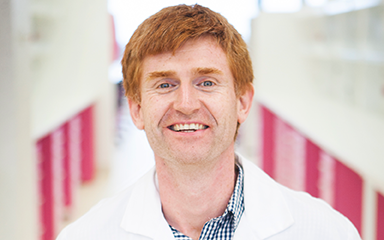
Prof. Hans Westerhoff is an Honorary Professor at the University of Amsterdam’s Division of Evolution, Infection and Genomics. His research focuses on systems biology, metabolic pathways, and cellular metabolism, with contributions to understanding inflammation, microbial ecosystems, and drug metabolism. He has published over 80 articles and holds the ISSB Fellowship (2014). His work integrates computational models with experimental data to address complex biological networks and their applications in medicine and environmental science. Research interests include metabolic control analysis, systems pharmacology, and microbial bioremediation. Notable projects involve studying neuronal differentiation dynamics, arsenic contamination mechanisms, and metabolic reprogramming in cancer cells. Supervised 18 students, fostering interdisciplinary approaches to systems biology challenges. Awards & Recognition: Fellow of the International Society for Systems Biology (2014) Collaborations span diverse fields: from neurodegenerative disease modeling to environmental microbiology, emphasizing cross-disciplinary problem-solving.
Martin H. Wühr is an Associate Professor of Molecular Biology and a member of the Lewis-Sigler Institute for Integrative Genomics at Princeton University. He leads the Wuhr Lab, focusing on quantitative proteomics to understand cellular organization. His work investigates how molecules self-organize into organelles and cells, particularly studying nuclear-cytoplasmic proteome partitioning and its impact on biological function. Research employs mass spectrometry-based proteomics combined with computational, biochemical, and imaging approaches, using models like human tissue cells and Xenopus laevis embryos. Key contributions include analyzing protein localization dynamics during embryogenesis and developing novel proteomic methodologies. Recent publications highlight advancements in multiplexed proteomics, nuclear import mechanisms, and microbial nutrient interactions. Awards and grants are not explicitly listed, but his lab’s technical innovations indicate significant field impact. Advising and lab management details are not provided, though collaborations with institutions like MIT and Harvard suggest active academic engagement. Labs/Teams: The Wuhr Lab at Princeton University focuses on systems-level proteomics and cellular organization studies.
LLewelyn Roderick is a full professor at the Department of Cardiovascular Sciences , Faculty of Medicine, KU Leuven. He leads the Experimental Cardiology unit and contributes to doctoral committees and faculty governance. Research focuses on calcium signaling microdomains, epigenetic regulation of cardiac growth, and arrhythmogenesis mechanisms. Projects include studies on obesity-induced cardiomyocyte dysfunction, hypoxia sensitivity in cardiac cells, and DNA methylation in aging hearts. Current initiatives investigate connexin-43 hemichannels, neutrophil extracellular traps, and 3D cardiac models for drug discovery. His work spans fundamental cardiovascular biology and translational approaches, including collaborations on immune-monitoring technologies and cardiac progenitor cell metabolism. Teaching contributions include advanced courses on epigenetics and cardiovascular biology.
Summary George D Pins is a Professor of Biomedical Engineering at Worcester Polytechnic Institute (WPI). He holds a BS (1989) and PhD (1996) from Rutgers University, followed by a postdoc at Harvard Medical School (1999). His research focuses on creating bioengineered scaffolds to regenerate tissues/organs using biomimetic strategies. Key projects include designing microfabricated basement membrane structures for skin substitutes and fibrin microthreads for muscle regeneration. Education: BS in Biomedical Engineering, Rutgers University, 1989 PhD in Biomedical Engineering, Rutgers University, 1996 Postdoctoral Fellowship, Harvard Medical School, 1999 Research Interests: Biomaterials fabrication, cell-biomaterial interactions, wound healing, functional tissue engineering, and bioMEMs. His lab develops 3D constructs mimicking native tissue architectures to study ECM cues and topographic effects on cellular behavior. Publications: Focus on fibrin microthread scaffolds, crosslinking strategies, and applications in cardiac patches, skeletal muscle repair, and in vitro models. Recent work explores plant-derived vascular structures and anisotropic scaffold design for myogenesis. Awards: AIMBE Fellowship, WPI Academic Advising Award, ARMI Leadership Council role. Recognized for contributions to tissue engineering and mentoring. Grants & Labs: NIH-funded projects (e.g., heart muscle patch development). Leads a lab advancing biomaterials for clinical problems like myocardial infarction and volumetric muscle loss.
Dr. Hu Yang is the Linda and Bipin Doshi Chair and Professor of Chemical and Biochemical Engineering at Missouri University of Science and Technology , serving as Department Chair and Director of the Center for Biomedical Research (CBR). He previously held the Qimonda Endowed Chair at Virginia Commonwealth University (VCU). His research focuses on nanotechnology-driven biomedical solutions, including drug delivery systems, dendrimer engineering, and treatments for cancer, glaucoma, and atherosclerosis. He has secured over $10M in research funding, including NSF and Coulter Awards, and holds five patents. Education: B.S. in Polymer Science from Sichuan University (1998), Ph.D. in Chemical Engineering from the University of Akron (2004), and postdoctoral training in pharmaceutical sciences at the University of Wisconsin-Madison. Research Interests: Biomaterials, nanotechnology, targeted drug delivery, gene therapy, ocular disease treatments, and pharmaceutical engineering. Key projects include ROS-responsive nanoassemblies for atherosclerosis, cancer cell membrane-derived vaccines, and dendrimer-based hydrogels for retinoblastoma treatment. Publications: Over 120 peer-reviewed articles, with recent work in Advanced Science , Biomacromolecules , and Journal of Agricultural and Food Chemistry . Themes include nanoparticle analysis in plant tissues, glaucoma therapy, and neuroinflammation studies. Awards: NSF CAREER Award (2010), Coulter Young Investigator Award (2009), and recognition as a top 2% cited scientist (Stanford, 2024). Grants & Leadership: Primary investigator on $5.5M NIH/NSF grants. Editorial roles include Materials Express and Smart Materials in Medicine . Lab: Drug and Gene Delivery Laboratory at Missouri S&T. Additional Roles: Member of the Massey Cancer Center (VCU), grant reviewer for NIH/NSF, and advocate for diversity in STEM education.
Dr. Farners Amargant i Riera is an Assistant Professor in the Department of Obstetrics and Gynecology at Washington University in St. Louis. She is affiliated with the Roy and Diana Vagelos Division of Biology & Biomedical Sciences (DBBS), specifically the Developmental, Regenerative and Stem Cell Biology and Molecular Cell Biology programs, and the Center of Regenerative Medicine. Her laboratory investigates ovarian function using multidisciplinary approaches. Her research focuses on: How biochemical and biomechanical ovarian signals regulate folliculogenesis and oocyte quality Mechanisms of reproductive aging and diseases like PCOS Using follicle culture, advanced microscopy, molecular biology, bioengineering tools Working with mouse models and human tissue samples Analyses of her recent publications (2018-2025) reveal consistent focus on reproductive biology themes: ovarian aging mechanisms, in vitro gamete maturation techniques, folliculogenesis regulation, and interspecies comparative studies of oogenesis. Her work bridges basic science with clinical applications in reproductive medicine. Dr. Amargant i Riera mentors PhD/MSTP students and leads a research team including postdoctoral associates and undergraduate researchers. Her laboratory employs cutting-edge techniques to address fundamental questions in reproductive biology with translational potential.
George Smith is a Professor and Director of the Center for Neural Development and Repair at the Lewis Katz School of Medicine, Temple University, and serves as Vice Chair of the Department of Medical Genetics and Molecular Biochemistry. His educational background includes a PhD in Neuroscience from Case Western Reserve University (1987) and dual Bachelor's degrees in Psychology and Chemistry from Lewis University (1983). Dr. Smith's research focuses on neural regeneration after spinal cord injury, with two primary projects: (1) Gene therapy approaches using recombinant viruses to express neurotrophic factors and guidance molecules for precise axon regeneration and synaptic reconnection; (2) Construction of motor relays via neural stem cell grafts combined with molecular highways to direct axon growth and restore motor function. His work bridges molecular neuroscience and translational applications for nervous system repair. Analysis of his 15 most recent publications reveals consistent emphasis on axon guidance mechanisms, neurotrophin signaling pathways (particularly mTor and bRaf), and innovative biomaterial strategies to overcome inhibitory environments in neural tissue. The research trajectory shows progression from basic axon growth studies to sophisticated circuit reconstruction approaches. He leads a laboratory developing advanced techniques including genetic axon tract tracers, neural stem cell differentiation protocols, and combinatorial neurotrophic factor delivery systems to address challenges in spinal cord repair.
Dr. Daniel Tward is an Assistant Professor at the University of California, Los Angeles (UCLA), holding joint appointments in the Department of Neurology and the Department of Computational Medicine. He earned his Ph.D. in Biomedical Engineering from Johns Hopkins University and completed postdoctoral training at the Kavli Neuroscience Discovery Institute. His research integrates neuroimaging, machine learning, and differential geometry to analyze brain structure changes in neurodegenerative diseases like Alzheimer's, with a focus on bridging molecular pathology and clinical imaging. Research Interests: Dr. Tward's work addresses challenges in neuroimaging data complexity, developing computational tools to map brain anatomy across scales (from centimeters to microns). Key areas include neurodegeneration in the medial temporal lobe, multi-modal image registration, and spatial transcriptomics. His lab emphasizes high-dimensional statistics and geometry-driven analysis to improve diagnostic accuracy and clinical trial design. Grants & Projects: Secured NIH funding for: A 3D multimodal human brain atlas integrating MRI and histology. CloudReg—a distributed framework for massive neuroimage registration. Contributions to the BRAIN Initiative Cell Census Network (BICCN) for mouse/rat brain atlases. Students & Training: Mentors undergraduate researchers via the BIG Summer program, with projects on neural networks, spatial transcriptomics, and MRI analysis. No PhD/Master's advisees listed.
Audrey Fu is an Associate Professor of Family Medicine and Public Health Sciences and of Molecular Medicine and Genetics at Wayne State University School of Medicine, located at Scott Hall, 540 E. Canfield Street, Detroit, MI 48201. Her interdisciplinary work bridges computational methods with biomedical applications, particularly in genomics and medical imaging fields. Her educational background includes a PhD from the University of Washington (2008), followed by postdoctoral training at the University of Chicago (2008-2014) and a Visiting Postdoctoral Scholar position at Stanford University (2014-2015). This strong foundation in statistics and computational biology has enabled her to develop innovative approaches to complex biomedical data analysis. Dr. Fu specializes in developing statistical methods and algorithms for analyzing high-dimensional biomedical data, with particular expertise in causal network inference using Mendelian randomization, deep learning for single-cell RNA-sequencing data, and methods for identifying disease-relevant cell types through integration of genomic data. Her research group actively practices open science, distributing open-source software packages in R and Python through GitHub and CRAN. Her publication record reveals a clear progression from fundamental statistical methodology development toward increasingly translational biomedical applications. While her earlier work focused on DNA methylation patterns, statistical inference of gene expression noise, and Bayesian clustering methods, her recent publications demonstrate expansion into medical imaging analysis, particularly in space medicine applications and neurological conditions like Chiari malformation. This evolution shows her ability to adapt statistical frameworks to address diverse biomedical challenges. NIH Pathway to Independence Award (K99/R00; 2014-2019) International Society for Bayesian Analysis Travel Award (2010) Dorothy and Leon Gilford Fellowship, Department of Statistics, University of Washington (2003) Dr. Fu is currently accepting new M.S. students for 2025-2026 but not new Ph.D. students. Her NIH K99/R00 award indicates successful transition from postdoctoral research to independent investigator status. Her lab develops multiple open-source software packages including MethylHMM, MRPC, LATE, and rolypoly, reflecting her commitment to making computational tools accessible to the broader research community. Her collaborative work spans multiple institutions and disciplines, from basic molecular biology to clinical applications in ophthalmology and neurosurgery.
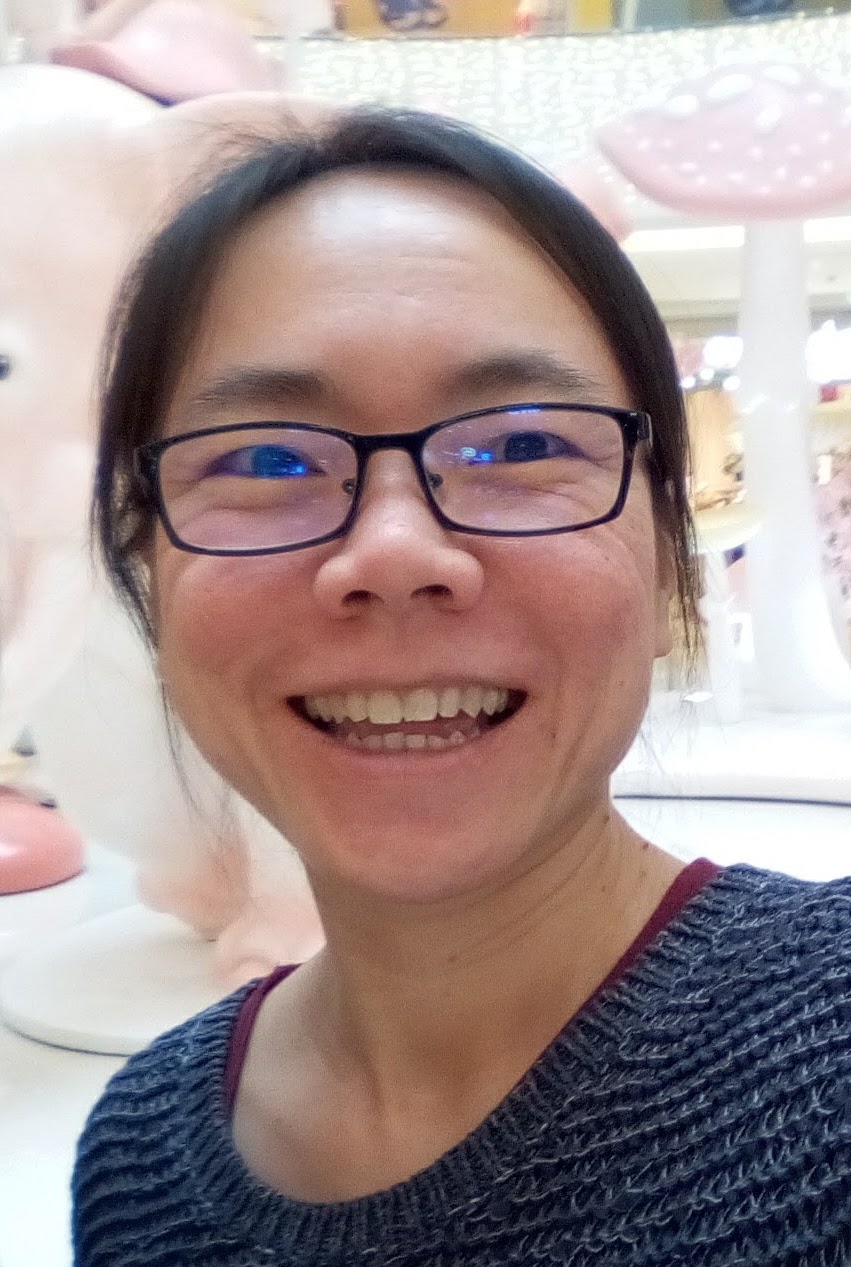
Alinda Berends is a Researcher and Teacher at the Pharmacology department within the Faculty of Science at Utrecht University . Her work bridges virology, immunology, and glycobiology.
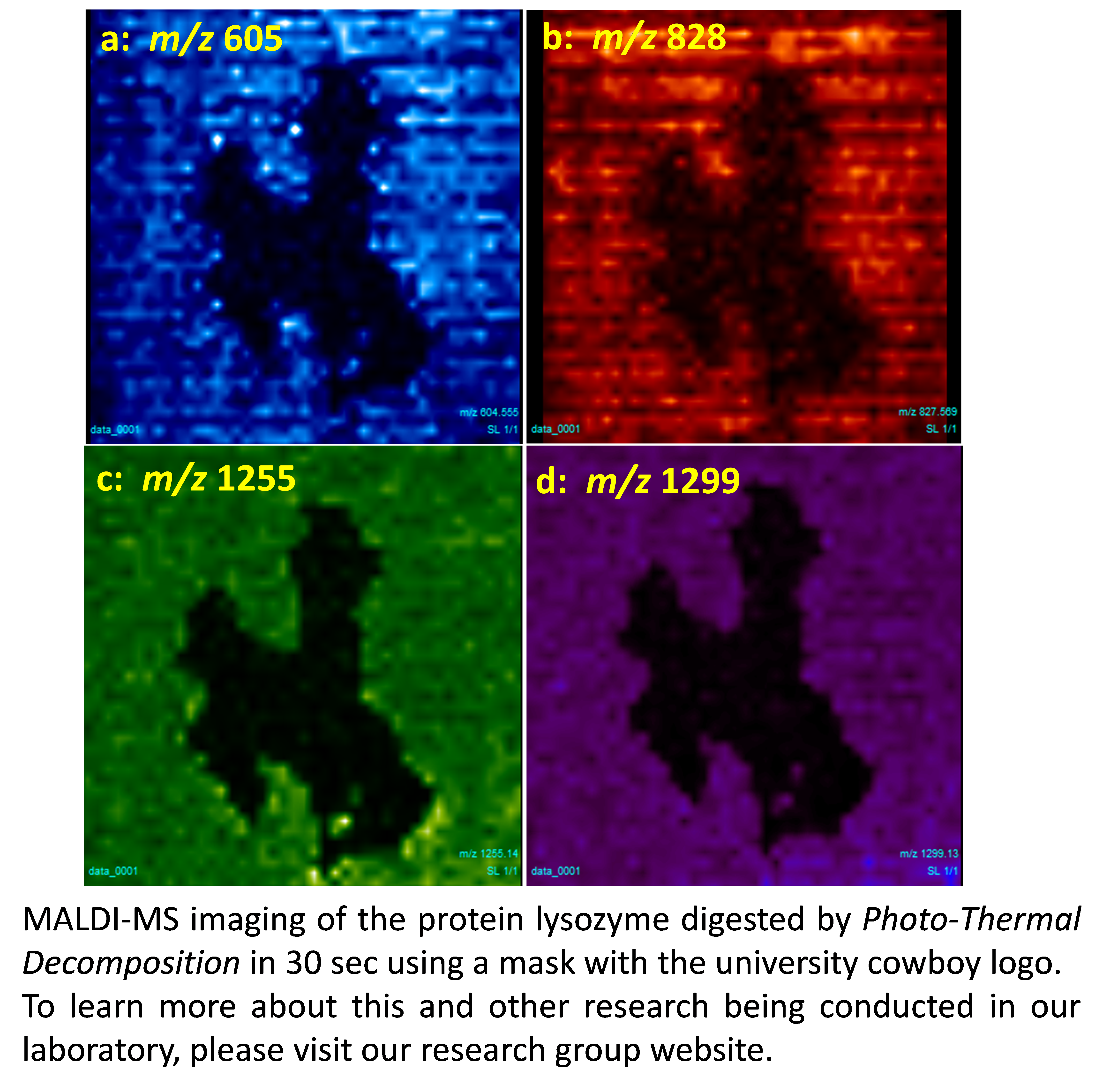
Franco Basile is a Professor in the Department of Chemistry at the University of Wyoming, specializing in Analytical Chemistry and Bioanalytical Mass Spectrometry . His research focuses on developing rapid, non-enzymatic sample preparation techniques for proteomics and metabolomics of biological and environmental samples, including microorganisms, bees, plants, and coal deposits. Education: B.S. in Chemistry (University of Wisconsin-Eau Claire, 1985), Ph.D. in Analytical Chemistry (Purdue University, 1992) Research Interests include: Analytical Mass Spectrometry : Pioneering thermal/microwave digestion for on-tissue proteomics and imaging-MS Metabolomics and Lipidomics : Analyzing root exudates, invasive grasses, and insect cold tolerance Microbial Ecology : Investigating sterol synthesis in bacteria and soil metaproteomics Article Trends span from 2025 to 2012 , emphasizing MALDI- and ESI-MS applications in proteomics, metabolomics, and environmental analysis. Recent work includes non-intrusive laser techniques for protein denaturation monitoring and sterol gene studies in planctomycetes. Scientific Awards : NSF CAREER Award R&D 100 Award ACS Outstanding Professor Award Lindbergh Foundation Research Award Funding sources include NSF, NIH, USDA, and DTRA for projects on insect cryobiology , microbial methane production , and field-portable biodetection systems . The Biodetection and Mass Spectrometry Laboratory houses advanced instrumentation like Q-Exactive HF-X Orbitrap and MALDI-ToF/ToF-MS, supporting interdisciplinary collaborations across ecology, geology, and biomedical sciences.
Professor Brendan Kennedy is a leading academic in biomedical engineering and optical imaging, serving as Group Leader of the Bioimaging Research and Innovation for Translational Engineering Laboratory (BRITElab) at the Harry Perkins Institute of Medical Research. He holds a Full Professor position in the School of Engineering at The University of Western Australia (UWA) and is a Visiting Professor in the Institute of Physics at Nicolaus Copernicus University, Poland. B.Sc. in Electronic Engineering (2001) Ph.D. in Electronic Engineering (2006) His research focuses on developing advanced optical coherence tomography (OCT) and optical elastography techniques for clinical applications in surgery, mechanobiology, and tissue engineering. These technologies enable high-resolution, real-time imaging of tissue elasticity and micro-scale mechanics, revolutionizing cancer detection and surgical margin assessment. Recent publications highlight his pioneering work in 3D mechanical characterization of tumors, intraoperative imaging for breast-conserving surgery, and multimodal systems integrating OCT with fluorescence lifetime imaging. His team has also advanced phantom designs for calibration, strain retrieval algorithms, and portable optical palpation devices for telehealth and low-resource settings. West Australian 40under40 Award Elected Optica Fellow (2024) Prof. Kennedy has secured over $15 million in competitive research grants and $5 million in industry contracts, driving translational projects like OncoRes Medical, a startup commercializing his optical imaging innovations. He holds 40+ patents and co-founded BioZone, a UWA initiative fostering interdisciplinary biomedical research.
Professor Marcelo Rivolta is a Professor of Sensory Stem Cell Biology in the School of Biosciences at the University of Sheffield. His research focuses on developing stem cell-based therapies for hearing loss, with particular emphasis on regenerating damaged inner ear structures. His educational background includes an M.D. from the University of Córdoba, Argentina (1989) and a Ph.D. from the NIH in Bethesda, Maryland, USA and the University of Córdoba, Argentina (1992-1995). Professor Rivolta's research interests center on sensory stem cell biology and regenerative therapies for hearing loss. His laboratory has made key advances in stem cell technologies for potential hearing restoration therapies. They isolated stem cells from the human fetal cochlea and developed protocols to drive otic differentiation from human pluripotent stem cells. The group has demonstrated that hESC-derived otic progenitors can repair damaged cochlea in animal models, showing functional recovery as measured by auditory brainstem thresholds. Currently, they are exploring the combination of stem cells with cochlear implants to develop a "bionic ear" and using stem cells to create in vitro platforms for drug discovery. Professor Rivolta is part of Otostem, an international consortium with partners in Stanford, Harvard, Geneva, Uppsala, Tübigen and Marseille. His work has significant implications for the millions of people worldwide affected by hearing loss. His scientific awards and honors include: Trustee of the charity 'The Ear Foundation' Reviewer for leading scientific journals Reviewer for research proposals submitted to Action on Hearing Loss, Deafness Research UK, The Wellcome Trust, MRC, BBSRC and other funding bodies Invited speaker at numerous national and international meetings Professor Rivolta teaches Stem Cell Biology at both undergraduate (BMS382) and Masters (BMS6051, BMS6056) levels. He leads the Hearing Research Group at the University of Sheffield, which focuses on regenerative therapies for hearing loss using human stem cells. His laboratory works on developing protocols for otic differentiation from human pluripotent stem cells and testing these in animal models of hearing loss.
Laura Rijns is a Postdoctoral Fellow at Stanford University co-advised by Professors Zhenan Bao and Karl Deisseroth, developing innovative (opto)genetic, electrical, and chemical tools for neural modulation in vitro and in vivo. Her work bridges biomaterials engineering with neuroscience to create next-generation platforms for cellular and tissue engineering. Education PhD in Biomedical Engineering, cum laude (2023), Eindhoven University of Technology (TU/e), Netherlands, under Professors Patricia Dankers and E.W. (Bert) Meijer, focusing on supramolecular hydrogels as extracellular matrix mimics for organoid development. MSc in Biomedical Engineering (2019), Eindhoven University of Technology (TU/e), researching supramolecular assemblies in Professor Meijer's laboratory. BSc in Biomedical Engineering (2017), Eindhoven University of Technology (TU/e). Her research centers on designing dynamic supramolecular hydrogels that replicate extracellular matrix complexity to control cellular behavior. Key interests include tunable mechanical properties for mechanobiology studies, ligand presentation strategies for directing cell polarity, and engineering biomaterials for renal organoid development and neural interfaces. She integrates principles from polymer chemistry, cell biology, and bioengineering to create responsive platforms that bridge synthetic materials with biological systems, with particular emphasis on translating fundamental material properties into functional tissue engineering outcomes. Analysis of her 15 most recent publications (2021-2024) reveals a cohesive research trajectory focused on supramolecular hydrogels for tissue engineering. Dominant themes include stress-stiffening mechanics, cell-adhesive motif engineering, and dynamic control of hydrogel-cell interactions. Her work demonstrates consistent innovation in renal tissue models (glomerulogenesis, tubulogenesis) and neural applications, with increasing sophistication in material design—from basic supramolecular polymers to multi-dynamic systems that mimic extracellular complexity. This progression highlights her unique interdisciplinary approach combining biomaterials science with regenerative medicine. No scientific awards were documented in the provided materials. Laura has no listed advisees or grant funding in the available information. She operates within Stanford's collaborative ecosystem, leveraging resources from both Professor Bao's chemical engineering lab (focusing on biomaterials and electronics) and Professor Deisseroth's neuroengineering group (pioneering optogenetics), creating a powerful synergy for developing neural modulation tools.