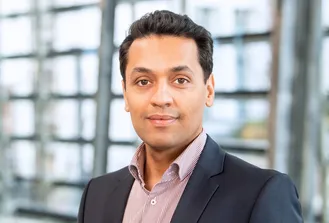
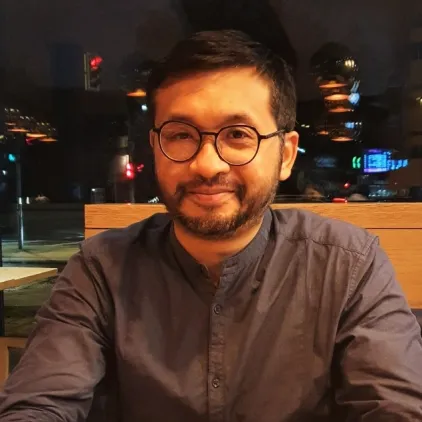
Prof. Jalal Etesami is an Assistant Professor in the Department of Computer Science at Technical University of Munich (TUM), leading the Decision Sciences & Systems group. He holds a Ph.D. in Industrial and Systems Engineering from the University of Illinois at Urbana-Champaign and was a Postdoctoral Fellow at EPFL in Switzerland. His research focuses on machine learning, causal inference, multi-agent systems, and game theory, with applications to systemic risk modeling and market design. He teaches advanced courses such as Causal Inference in Time Series , Algorithmic Game Theory , and Optimization, Learning, and Market Design . Notable contributions include work on causal structure learning, stochastic optimization, and non-Gaussian causal models. Recent research explores causal effect identification under confounding, neural networks for market analysis, and optimal experiment design. Prof. Etesami’s work appears in top venues like NeurIPS, AAAI, and IEEE journals. He actively contributes to the academic community, organizing seminars and workshops on topics ranging from causal reasoning to computational social choice.
Ralf Zimmer is a Full Professor for Practical Informatics and Bioinformatics at Ludwig Maximilian University of Munich (LMU) since 2001, affiliated with the Department of Informatics in the Faculty of Mathematica, Informatics and Statistics. He concurrently serves as Head of Section III and Head of the Research Group Network Regulation and Modeling / Machine Learning at the Leibniz Institute for Food Systems Biology at TUM (Leibniz-LSB@TUM) in Freising, Germany. His academic foundation includes a Diploma with distinction in Computer Science, Applied Mathematics and Operations Research from the University of Bonn (1981-1986), followed by a summa cum laude Doctorate in Computer Science and Applied Mathematics from CAU Kiel in 1990, where he received dual honors: the CAU Dissertation Award and Best Dissertation Award. Zimmer's research pioneers the integration of bioinformatics, systems biology, and machine learning to decode molecular food-consumer interactions. His group develops causal system models for biological networks, validated through in silico simulations and multi-omics perturbation experiments (transcriptomics/proteomics). Core methodologies include network regulation modeling, algorithmic bioinformatics, and database construction linking food compounds to biochemical networks and cellular phenotypes, with translational goals for food and biotech innovation. His 14 most recent publications (2012-2024) reveal dominant trends in multi-omics immunology and cardiovascular research, featuring computational innovations for high-throughput data analysis. Key themes include host-pathogen dynamics (viral infections), inflammatory disease mechanisms (atherosclerosis), and methodological advances in proteomics/transcriptomics, consistently bridging fundamental bioinformatics with clinical applications. Major scientific recognitions include: CAU Dissertation Award and Best Dissertation Award (1990) Director of LMU's Informatics Department (2010-2012) DFG Review Board membership for biomedical foundations (2008-2016) Leadership of the DFG Bioinformatics Munich Center (2001-2008) Academic Senate election at LMU München (2011) Zimmer directs LMU/TUM's joint B.Sc./M.Sc. bioinformatics programs since 2001 as founding architect of the DFG-funded Bioinformatics Munich initiative. His educational leadership spans spokesperson roles for international training groups (IRTG RECESS), collaborative research centers (SFB1123 Atherosclerosis), and elite programs (Data Science, Munich Center for Machine Learning). Grant stewardship includes directing the DFG Bioinformatics Munich Center and shaping national funding policy via the DFG review board. At Leibniz-LSB@TUM, his research group pioneers databases connecting food compounds to cellular phenotypes through molecular networks, collaborating with Munich universities, clinics, and biotech partners to develop high-throughput sequencing/proteomics applications for future food and health innovations.
Dr. Marica Valente is an Assistant Professor at the Department of Economics, University of Innsbruck. She is an empirical microeconometrician and environmental economist working on diverse microeconomic topics including health, labor, conflict, and illegality, with methodological expertise in causal inference and machine learning. Current affiliations: Department of Economics (University of Innsbruck), DIW Berlin (Department of Energy, Transportation and Environment) Education: PhD in Economics (2020, Humboldt University) under Bernd Fitzenberger and Jeffrey Wooldridge; Graduate studies at Toulouse School of Economics (2015) Her research intersects environmental economics with industrial organization and agricultural economics, while maintaining secondary interests in health economics, conflict economics, labor economics, and gender economics. She actively employs modern econometric techniques and data science approaches in her empirical work. Dr. Valente is affiliated with multiple research networks including Women in Data Science (WINDS), Innsbruck Digital Science Center (DiSC), Decision Sciences (IDS), and the Institute for Public Policy Evaluation (IRVAPP FBK). She currently offers a biennial Postdoc position at the University of Innsbruck and participates in international research collaborations.
Jia-Jie Zhu is a machine learner and applied mathematician currently serving as head of an independent research group at the Weierstrass Institute for Applied Analysis and Stochastics in Berlin, with an upcoming appointment as tenured associate professor at KTH Royal Institute of Technology in Stockholm. Previously, he conducted postdoctoral research in machine learning at the Max Planck Institute for Intelligent Systems in Tübingen, Germany, following doctoral studies in optimization and numerical analysis at the University of Florida. His research focuses on the mathematical foundations of machine learning and optimization, particularly at the intersection of computational algorithms, dynamical systems, and probability theory. Key areas include: Robust probabilistic machine learning algorithms Kernel methods for distribution manipulation Variational methods for optimization over probability distributions Gradient flows and optimal transport theory Wasserstein and Fisher-Rao geometry Applications in generative modeling and causal inference Dr. Zhu's recent work reveals deep connections between partial differential equations, kernel methods, and machine learning, resulting in theoretically grounded algorithms for handling distribution shifts. His publications demonstrate a consistent trajectory from foundational optimization theory to cutting-edge applications in robust learning and generative modeling, with increasing emphasis on the mathematical structures underlying modern ML systems. He has secured significant research funding, including a DFG Project on 'Optimal Transport and Measure Optimization Foundation for Robust and Causal Machine Learning' within the Priority Program 'Theoretical Foundations of Deep Learning' (SPP 2298), and actively organizes academic events such as the Workshop on Optimal Transport from Theory to Applications (OT-DOM) and upcoming sessions at ICSP 2025 and SwissMAP. As an educator, Dr. Zhu teaches nonparametric statistics at Humboldt University of Berlin and serves as area chair for major conferences including AISTATS 2025. He maintains an active research group with opportunities for master's students, PhD candidates, and postdoctoral researchers interested in the mathematical frontiers of machine learning.
Joachim Freyberger is a Professor at the University of Bonn , affiliated with the Department of Economics. He is associated with the Institute for Financial Economics & Statistics and the Hausdorff Center for Mathematics, focusing on econometrics and nonparametric methods. Institute for Financial Economics & Statistics Hausdorff Center for Mathematics His research spans econometrics, nonparametric identification, instrumental variables, and financial economics. Key areas include shape restrictions in estimation, interactive fixed effects in panel data, and structural analysis of consumer markets and asset pricing. Recent publications show a focus on nonparametric econometric theory, interactive fixed effects models, and applications to financial panels. Papers address challenges in identification, confidence band construction, and digital market analysis. He teaches advanced courses including Econometrics I and II , Topics in Econometrics and Statistics , and Research Module in Econometrics at Bonn, as well as introductory and graduate econometrics at UW-Madison.
Prof. Dr. Jochen Garcke is a faculty member at the Institute for Numerical Simulation, University of Bonn, with a dual affiliation at Fraunhofer SCAI's Department of Numerical Data-Based Prediction. His work bridges numerical simulation and machine learning, focusing on high-dimensional problems, sparse grids, and optimal control. Key research themes: Sparse grids, machine learning for simulations, reinforcement learning, uncertainty quantification Teaching includes courses on Numerical Methods in Science and Technology and Scientific Computing , emphasizing practical machine learning applications. Recent publications explore hybrid models combining data-driven and physics-based approaches in automotive engineering, wind turbines, and geoscientific modeling. His group employs adaptive sparse grids, graph algorithms, and spectral methods to tackle challenges in crash simulations, fluctuating renewable energy systems, and turbulent flow analysis. Collaborations span Fraunhofer SCAI and industry 4.0 initiatives.
Michael Knaus is a Junior Professor (Assistant Professor) in the Department of Economics within the Faculty of Economics and Social Sciences at the University of Tübingen, Germany. His office is located at Mohlstraße 36, 4th floor, room 415. He teaches graduate-level courses on causal inference and causal machine learning. Dr. Knaus specializes in the intersection of causal inference and machine learning, with particular expertise in Double Machine Learning methods. His research focuses on developing advanced statistical techniques to estimate treatment effects across various economic contexts including labor markets, finance, education, and health economics. His work bridges theoretical econometrics with practical applications, emphasizing methodological rigor and real-world relevance. His recent publications demonstrate a clear progression toward increasingly sophisticated methods for handling heterogeneous treatment effects and complex causal structures. His research shows strong integration of machine learning algorithms with causal inference frameworks to address challenging policy questions across multiple domains. Double Machine Learning based Program Evaluation under Unconfoundedness (The Econometrics Journal, 2022) Heterogeneous Employment Effects of Job Search Programmes: A Machine Learning Approach (Journal of Human Resources, 2022) How Does Post-Earnings Announcement Sentiment Affect Firms' Dynamics? (Journal of Financial Econometrics, 2024) Effect or Treatment Heterogeneity? Policy Evaluation with Aggregated and Disaggregated Treatments (2021) Dr. Knaus has made significant methodological contributions through his development of the causalDML R package, which implements Double Machine Learning methods for binary and multiple treatment effect estimation. His work has been published in top econometrics and economics journals and has gained recognition in the research community, with his GitHub repository accumulating 36 stars. He frequently collaborates with Michael Lechner, a leading researcher in causal inference and program evaluation. His teaching includes E464 Causal Inference and E463 Causal Machine Learning, both graduate courses that combine theoretical foundations with practical implementation using R. These courses prepare students for advanced research and data science roles requiring sophisticated causal reasoning skills, emphasizing hands-on application of methods to real-world problems.
Jilles Vreeken is a Professor of Computer Science at Saarland University and tenured faculty at the CISPA Helmholtz Center for Information Security, where he leads the Exploratory Data Analysis research group. He is also an ELLIS Fellow and Faculty of the Saarbrücken Unit on AI and ML. His work bridges theoretical foundations with practical applications in causal inference, unsupervised learning, and exploratory data analysis. Dr. Vreeken's research focuses on developing theory and algorithms for answering fundamentally exploratory questions about data: "what is going on in my data?", "what causes what and how?", and "what can we learn from this model?" without making unnecessary or unjustified assumptions. He takes a principled approach based on information theory to identify what is worth knowing, then develops efficient algorithms for extracting useful interpretable results. His work spans causal inference under realistic conditions (including hidden confounding, selection bias, and non-i.i.d. data), summarizing complex data and models in understandable terms, and combining these threads to create more robust and useful models across diverse data types. His recent publications demonstrate a strong trend toward causal discovery in increasingly realistic settings, including non-stationary time series, event sequences, and scenarios with hidden confounders. He has made significant contributions to federated learning, interpretable machine learning, and pattern mining. His work consistently applies information-theoretic principles to develop methods that are both theoretically sound and practically useful for extracting insights from complex data. Dr. Vreeken has received numerous prestigious awards including: IEEE ICDM'18 Tao Li Award for Excellence in Research IEEE ICDM'18 Best Paper Award UdS-CS'15 Busy Beaver Teaching Award ACM SIGKDD'11 Best Student Paper Award ACM SIGKDD'10 Doctoral Dissertation Runner-Up Award ECML PKDD'09 Best Student Paper Award As an advisor, Dr. Vreeken has mentored numerous doctoral researchers to completion, including Dr. Osman Ali Mian, Dr. David Kaltenpoth, Dr. Boris Wiegand, Dr. Sebastian Dalleiger, Dr. Janis Kalofolias, Dr. Jonas Fischer, Dr. Alexander Marx, Dr. Panagiotis Mandros, Dr. Kailash Budhathoki, Dr. Roel Bertens, Dr. Koen Smets, and Dr. Michael Mampaey. He has secured significant research funding as PI for multiple projects including "AI for Prediction and Therapy Guidance in Acute Stroke" (HAICU, 2025-2028), "Neuro-Explicit Models of Language, Vision and Action" (RTG, DFG, 2023-2028), and "Crushing Antimicrobial Resistance using Explainable AI" (HAICU, 2021-2024). Dr. Vreeken leads the Exploratory Data Analysis (EDA) research group at CISPA, which focuses on developing theory and algorithms for discovering novel insights from data, learning inherently interpretable models, and drawing reliable causal conclusions. The group has produced numerous influential algorithms and frameworks in causal inference, pattern mining, and exploratory data analysis, with applications spanning healthcare, materials science, and cybersecurity.
Prof. Dr. Moritz Helias is a University Professor and leads the Theory of Multi-Scale Neuronal Networks group at the Institute for Advanced Simulation (IAS-6), Computational and Systems Neuroscience, Forschungszentrum Jülich. His research bridges biological and artificial neural networks, focusing on dynamics, information processing, and the physics of AI. The group is part of a larger interdisciplinary institute that integrates theory, simulation, and data analysis to understand the brain. Institution: Forschungszentrum Jülich School: Institute for Advanced Simulation Department: IAS-6, Computational and Systems Neuroscience Position: Professor and Group Leader Email: m.helias@fz-juelich.de His research interests lie at the intersection of statistical physics and neuroscience. He investigates how structure shapes dynamics in both biological and artificial networks, aiming to uncover general principles of information processing. Using methods from statistical physics, his work enables a unified framework for understanding collective phenomena, learning, and generalization. Key areas include spiking neural networks, renormalized field theory, and the theoretical foundations of AI. The recent publications reflect a strong trend toward multi-scale modeling of neural systems, integrating statistical physics with neuroscience. Topics include spiking network dynamics, mean-field theory, renormalization, and applications of machine learning in physics. The work spans biological realism and artificial intelligence, with implications for neuromorphic computing and brain-inspired AI architectures. While no scientific awards are listed in the provided texts, his group actively contributes to open science through tools like NEST and theoretical frameworks that influence both neuroscience and AI. Prof. Helias supervises a research group focused on theoretical and computational approaches, contributing to collaborative projects involving large-scale simulations and data analysis. His team works closely with experimentalists and theorists to validate models and advance understanding of brain function. The group is also involved in developing simulation technologies and theoretical tools that support reproducible neuroscience. The Theory of Multi-Scale Neuronal Networks group is embedded within a vibrant research environment at IAS-6, collaborating with teams in statistical neuroscience, computational neurophysics, and future simulation architectures. This fosters a loop between data, theory, and simulation, enabling cutting-edge research on brain function and artificial intelligence.
Marios Georgakis is a clinician-scientist and Junior Group Leader at the Institute for Stroke and Dementia Research (ISD) at LMU Munich. He also holds a Visiting Scientist position at the Broad Institute of MIT and Harvard. His research focuses on leveraging multi-omics data and causal inference methods (e.g., Mendelian randomization) to discover drug targets for atherosclerosis, develop personalized risk stratification tools for cerebrovascular disease, and identify in vivo biomarkers of disease activity. His work bridges human genetics, molecular biology, and clinical translation. Education : MD and PhD (Epidemiology) from the National and Kapodistrian University of Athens; doctoral studies in Systemic Neurosciences at LMU Munich. Honors : Emmy Noether Award (DFG), CHARGE Consortium Early Career Achievement Award, Hertie Network Fellowship, and multiple scholarships/fellowships. Research Themes : Drug target discovery for cardiovascular disease via multiomics integration Molecular phenotyping of atherosclerosis using single-cell RNA-seq and spatial transcriptomics Development of AI-driven tools for vascular imaging and aging Genetic studies of inflammation, cytokines, and stroke subtypes Causal inference in vascular risk prediction and post-stroke outcomes Recent Article Trends : His team's publications (2024-2020) emphasize: Proteogenomic and genetic studies of atherosclerosis Cytokine signaling pathways (e.g., IL-6, CCL2/CCR2) Polygenic and genomic risk scores for stroke Multi-omics biomarkers in cerebrovascular disease Clinical translation of Mendelian randomization findings Meta-analyses of population-based data Scientific Awards : Emmy Noether Group Leader Award (DFG, 2023) CHARGE Consortium Early Career Achievement (2023) Hertie Network Fellowship (2023) Walter-Benjamin Postdoctoral Fellowship (2021-2022) Team Leadership : Georgakis mentors multiple PhD students and postdocs in his lab. His group collaborates with vascular surgeons, neurologists, and computational biologists. Current projects include the AtherOMICS biobank and AI-driven vascular phenotyping tools.
Dr. Marios Georgakis is a Clinician-Scientist and Junior Group Leader at the Institute for Stroke and Dementia Research (ISD) at Ludwig-Maximilians-Universität München (LMU Munich). He also serves as a Visiting Scientist at the Broad Institute of MIT and Harvard and is completing his clinical residency in Neurology at LMU University Hospital. As Principal Investigator of the Georgakis Lab, he leads a research team focused on developing precision medicine approaches for cerebrovascular diseases. Education: Medical studies (M.D.): Medical School, National and Kapodistrian University of Athens, Greece (2009-2015) Master studies (M.Sc.): Molecular Physiology (Neurosciences), National and Kapodistrian University of Athens, Greece (2015-2017) Doctoral studies (D.Sc.) in Epidemiology, National and Kapodistrian University of Athens, Greece (2015-2019) Doctoral studies (Ph.D.) in Graduate School of Systemic Neurosciences (GSN), LMU Munich, Germany (2017-2020) Dr. Georgakis' research focuses on leveraging big data from epidemiological studies and human biobanks to develop precise and personalized preventive and therapeutic strategies for cerebrovascular diseases. His work spans biomedical neuroscience with particular emphasis on cerebrovascular disease, stroke, atherosclerosis, cerebral small vessel disease, multi-omics, data science, epidemiology, and population genetics. He employs innovative bioinformatic tools including genome-wide association studies, Mendelian randomization, multi-omics integration, single-cell transcriptomics, spatial transcriptomics, and machine learning to discover causal mechanisms, identify therapeutic targets, develop risk stratification tools, and create accurate biomarkers for cerebrovascular diseases. His laboratory has established the AtherOMICS biobank for human atherosclerotic plaque samples and developed computational pipelines for big data analyses. Recent publication trends show a strong focus on genetic architecture of stroke, inflammatory pathways in cerebrovascular disease, and development of polygenic risk scores for clinical application. Scientific Awards: Emmy Noether Independent Group Leader Award, German Research Foundation (DFG), 2023 Early Career Achievement Award, CHARGE Consortium, 2023 Fellow of the Hertie Network of Excellence in Clinical Neuroscience, 2023 Clinician-Scientist Fellow of the Excellence Munich Cluster for Systems Neurology (SyNergy), 2023 Walter-Benjamin Fellowship for postdoctoral research by German Research Foundation (DFG), 2021-2022 Dr. Georgakis actively mentors a diverse team of 12 current students and postdocs including PhD students, MD students, and clinician scientists, with several alumni who have completed their training in his lab. His research is supported by multiple grants including the Emmy Noether program from the German Research Foundation, focusing on multi-omics characterization of immune mechanisms driving human atheroprogression, dissecting cerebrovascular atherosclerosis with population genetics, and developing personalized biomarkers using deep learning. The Georgakis Lab operates two main research platforms: the AtherOMICS Biobank for human atherosclerotic plaque samples and the Big Data Lab for computational analyses. These platforms enable his team to conduct deep phenotyping of human atherosclerosis, develop in vivo diagnostics, discover therapeutic targets, and create personalized diagnostic and risk prediction tools for cardiovascular diseases.
Sebastian Trimpe is a Full Professor and Head of the Institute for Data Science in Mechanical Engineering at RWTH Aachen University, concurrently serving as Co-Executive Director of the RWTH Center for Artificial Intelligence since 2023. Previously, he led a Max Planck Research Group at the Max Planck Institute for Intelligent Systems from 2018 to 2022. His educational background includes: Ph.D. in Dynamic Systems and Control from ETH Zurich (2013) Dipl.-Ing. (M.Sc.) in Electrical Engineering from TU Hamburg (2007) MBA in Technology Management from TU Hamburg (2007) B.Sc. in General Engineering from TU Hamburg (2005) Professor Trimpe's research integrates machine learning with control theory to address safety and efficiency challenges in autonomous systems. His work spans theoretical frameworks for robust decision-making under uncertainty and practical implementations in robotics, with particular emphasis on event-triggered control, distributed systems, and data-efficient learning methodologies. Key contributions include novel approaches to safe reinforcement learning and model predictive control with guaranteed stability. Analysis of his recent publications reveals a pronounced focus on bridging machine learning with control engineering, especially in safety-critical robotics applications. Common themes include distribution-aware learning for medical diagnostics, diffusion-based control approximation, and hardware-in-the-loop validation of theoretical frameworks, demonstrating strong alignment between algorithmic innovation and real-world deployment. His scientific achievements have been recognized with prestigious honors: IFAC World Congress Interactive Paper Prize (2011) Klaus Tschira Award for public understanding of science (2014) Best Paper Award at International Conference on Cyber-Physical Systems (2019) Future Prize by Ewald Marquardt Stiftung (2020) As institutional leader, he directs the Institute for Data Science in Mechanical Engineering and co-leads the RWTH AI Center, overseeing strategic research initiatives and industry collaborations. His academic service includes editorial roles for IEEE Control Systems Society conferences and participation in the Cluster of Excellence 'Internet of Production'. The Institute for Data Science in Mechanical Engineering operates as a multidisciplinary hub where fundamental research in learning-based control meets industrial applications. Current projects focus on drone swarm coordination, deformable object manipulation, and medical diagnostics systems, leveraging both simulation environments and physical testbeds like the Mini Wheelbot platform.
Wolfgang Spohn is a Senior Professor at the University of Tübingen (since 2019) and Principal Investigator of the Cluster of Excellence 'Machine Learning: New Perspectives for Science' . He previously served as Professor (C4) at the University of Konstanz (1996-2018) and as a Senior Lecturer at the University of Bielefeld (1991-1996). His academic career spans multiple prestigious roles including Academia Europaea member (2015) Frege-Preis awardee (2015) Lakatos Award winner (2012) His research focuses on epistemology , philosophy of science , philosophical logic , ontology , and decision/game theory . He developed ranking theory as a foundational framework for belief dynamics and epistemic reasoning. His work bridges formal epistemology with practical applications in legal theory, economic rationality, and artificial intelligence. Recent publications highlight his contributions to Rationality frameworks for law and science Indexical utility theory and time preferences Ranking-theoretic approaches to conditionals and norms Epistemological foundations of induction Scientific honors include Lakatos Award (2012) Frege-Preis (2015) Heisenberg-Stipendium (1985) He has led major research initiatives such as the DFG Forschergruppe on counterfactuals (2011-2019) and the Reinhart-Koselleck project on reflexive decision theory (2020-present).
Prof. Hendro Wicaksono is a Professor of Data-Driven Industrial Systems at the School of Business, Social & Decision Sciences, Constructor University Bremen gGmbH. His expertise lies in applying AI and data-driven methods to enhance decision-making in complex industrial systems. He holds a Dr.-Ing. from Karlsruhe Institute of Technology (Germany) and M.Sc./B.Sc. degrees from German and Indonesian institutions. Research Interests : Focuses on causal AI, explainable AI, digital twins, sustainable industrial systems, and smart cities. His work integrates machine learning with domain-specific challenges in supply chains and energy management. Projects : Led over 10 funded projects including Delfine (accelerating energy transition), Talenta (digital asset management), and xAgri (agri-food supply chain analytics). Collaborates with global partners like Stadtwerke Trier and JetBrains. Teaching : Courses include Data Management in Industry 4.0, Production Planning, and Smart Cities. Recently on sabbatical in Spring 2023. Students : Supervises 20+ PhD/Master students researching topics like causal ML in software projects, EV adoption modeling, and blockchain logistics. Affiliations : Visiting Professor at University of Exeter, Adjunct Professor at Sebelas Maret/Airlangga Universities (Indonesia), and Academic Leader at Bandung Institute of Technology.
Marc Hanheide is a Professor of Intelligent Robotics and Interactive Systems at the University of Lincoln 's School of Computer Science. With a career spanning EU projects like VAMPIRE, COGNIRON, CogX, and STRANDS, his work focuses on long-term robotic behavior, human-robot spatial interaction, and cognitive system architectures. He has secured over 12 major grants from organizations including EPSRC, BBSRC, and the European Commission. Key Research Areas : Autonomous robotics, HRI, AI, cognitive systems, agricultural robotics Current Projects : STRANDS (long-term behavior), AgriFoRwArdS (robotics training), NCNR (nuclear robotics) Major Contributions : Human-aware navigation modules, topology optimization for robot fleets, causal analysis frameworks Scientific Awards: While no specific awards are listed, his numerous EPSRC grants and leadership in multi-institutional projects highlight his impact. He has over 172 publications and collaborates with institutions like CoR-Lab and CITEC.