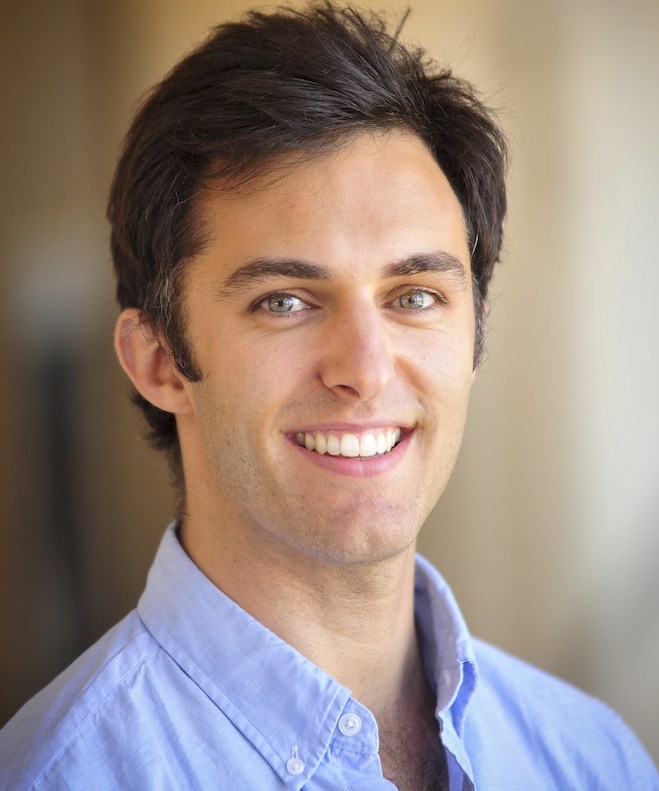
Daniel M. Roy is a Full Professor at the University of Toronto, with cross-appointments in the Department of Computer Science, Department of Statistical Sciences, and Department of Electrical and Computer Engineering. He serves as Research Director at the Vector Institute and holds the CIFAR Canada AI Chair. Research Focus: Foundational principles of prediction, inference, and decision-making under uncertainty across machine learning, statistics, mathematical logic, applied probability, and computer science. Scientific Contributions: Key work in learning theory, statistical network analysis, probabilistic programming, and information-theoretic frameworks for generalization. Awards: ICML 2024 Best Paper Award for "Information Complexity of Stochastic Convex Optimization" and promotion to Full Professor in 2024. Student Advising: Actively mentors Ph.D. candidates and postdoctoral researchers with strong quantitative backgrounds, particularly at the intersection of machine learning, statistics, and computer science. Email: daniel.roy@utoronto.ca
Norwegian University of Science and TechnologyNorway
Helge Langseth is a Professor at the Department of Computer Technology and Informatics , within the Faculty of Information Technology and Electrical Engineering at the Norwegian University of Science and Technology (NTNU). His research focuses on Artificial Intelligence , Machine Learning , and Probabilistic Graphical Models , particularly Bayesian Networks and their applications in Decision Support Systems . Langseth's work addresses Explainable AI (XAI) , Reinforcement Learning , and Recommender Systems . He has contributed to Bayesian Optimization , Probabilistic Modeling , and Robotic Control in oceanic environments. His recent publications emphasize transparency , fairness , and scalability in AI systems, with applications spanning maritime trade, migraine diagnosis, and power grid management. He is affiliated with the Intelligent Systems Research Group at NTNU and actively mentors doctoral and master's students. Co-authored works with Yanzhe Bekkemoen , Sverre Herland , and Jørgen Hanssen reflect his role in advising the next generation of AI researchers.
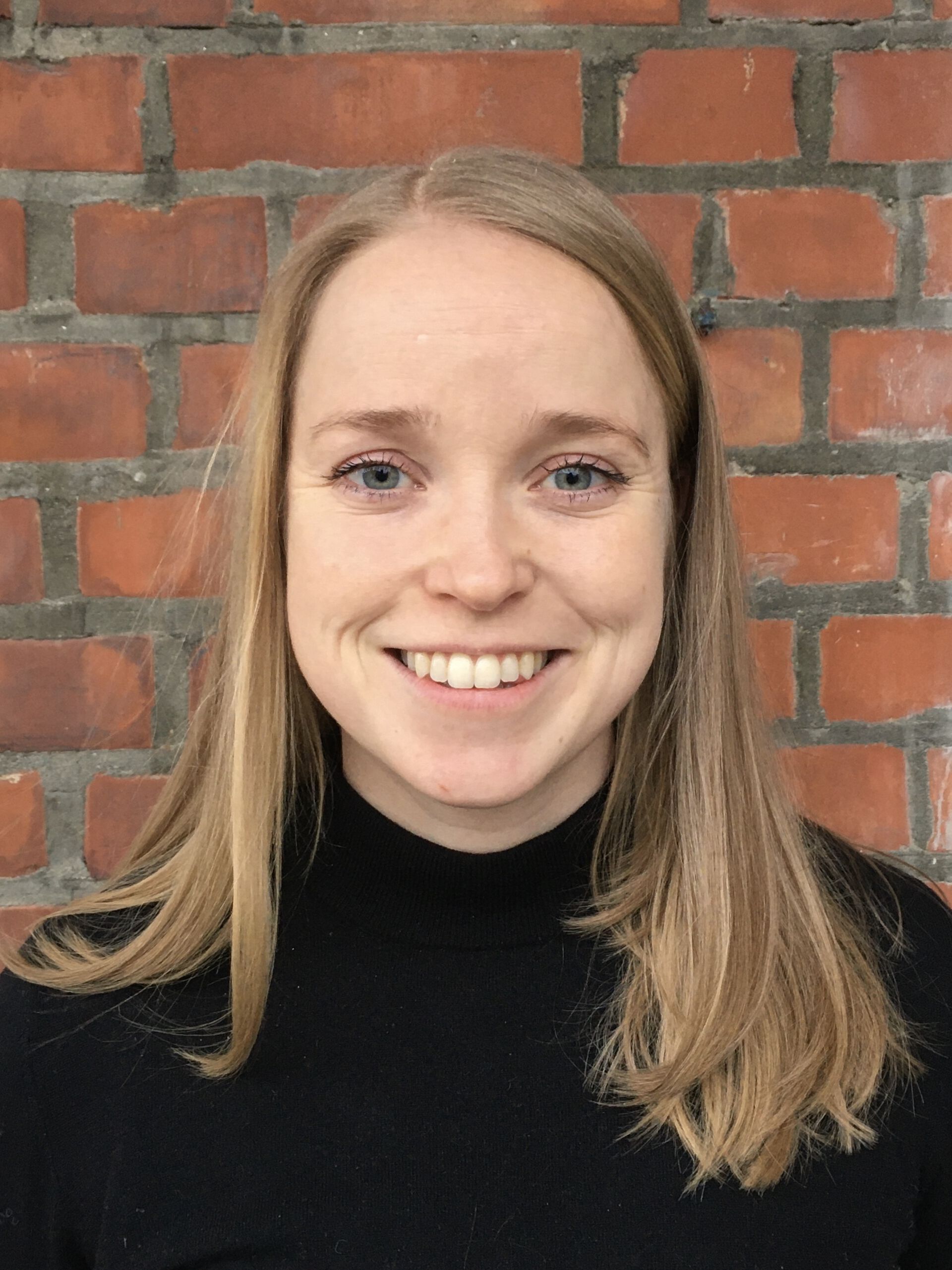
Agnes Fauske is a Researcher at the Department of Sociology and Human Geography, University of Oslo (UiO), since August 2024. Previously, she was a PhD candidate at UiO (2020–2024) and a research assistant/adviser at the Norwegian Institute of Public Health (2019–2020). She holds an MA (2019) and BA (2016) in sociology from UiO. Her research focuses on family sociology, gender equality, demography, quantitative methods, and social science genetics. Key interests include fertility trends, policy impacts on family formation, and the interplay between genetics and societal factors. She teaches courses such as SOS1000 Introduction to Sociology and Quantitative Methods at UiO. Fauske contributes to projects like OPENFLUX and the Research Group on Social Inequalities and Population Dynamics. Her work bridges demographic analysis with policy evaluation, emphasizing causal methods. She collaborates widely, including with the Norwegian Demographic Society and the Norwegian Sociological Association.
Per Sigvald Bakke is a Professor at the University of Bergen's Faculty of Medicine, Department of Clinical Science, with extensive expertise in respiratory medicine. His research primarily focuses on Chronic Obstructive Pulmonary Disease (COPD), asthma, and related pulmonary conditions, with significant contributions to understanding disease mechanisms, clinical phenotyping, and epidemiology. Dr. Bakke's research interests span COPD phenotyping, asthma heterogeneity, genomics of respiratory diseases, pulmonary function testing, and clinical epidemiology. His work frequently involves large-scale cohort studies and international collaborations, particularly through the U-BIOPRED consortium. His research has significantly advanced understanding of COPD progression, exacerbation risk factors, and the relationship between respiratory diseases and systemic conditions like metabolic syndrome. His publication record demonstrates consistent contributions to respiratory medicine, with recent work focusing on multi-omics approaches to disease phenotyping, genetic determinants of lung function, and clinical management of COPD. His research often bridges basic science with clinical application, addressing critical questions in respiratory disease management and patient outcomes. Dr. Bakke has been instrumental in numerous international collaborative studies including the ECLIPSE cohort, U-BIOPRED, and various genome-wide association studies examining COPD and asthma. His work has contributed to clinical guidelines and improved understanding of respiratory disease mechanisms across diverse populations.
Damon Clark is an Associate Professor (with tenure) in the Department of Economics at the University of California, Irvine, within the School of Social Sciences. He is also affiliated with several prestigious research institutions, including the National Bureau of Economic Research (NBER), IZA Institute of Labor Economics, and the Institute for Fiscal Studies (IFS) in London. Research Interests: His primary research focuses on the economics of education, with additional expertise in labor economics and public economics. His work explores school choice, educational policy, the signaling value of credentials, and the long-term impacts of education on health and economic outcomes. He employs rigorous empirical methods, including field experiments and quasi-experimental designs, to evaluate educational reforms and policies. The most recent publications reflect a consistent focus on education policy evaluation, school effectiveness, peer effects, and human capital formation. His research often uses large-scale administrative datasets and natural experiments to identify causal effects, contributing significantly to debates on equity, accountability, and efficiency in education systems. Scientific Awards and Honors: UC Irvine Faculty Mentoring Award (2015–2016) Excellence in Refereeing Award, Journal of the European Economic Association (2003) Excellence in Refereeing Award, American Economic Review (2012) Excellence in Refereeing Award, Quarterly Journal of Economics (2011) National Academy of Education/Spencer Post-Doctoral Research Fellow (2007–2008) European Economic Association Young Economist Award (2005) Advising and Grants: While specific student names are not listed, his role as a tenured associate professor and principal investigator on multiple grants indicates active mentoring of graduate students. He has secured significant external funding from agencies such as the National Institutes of Health (NIH), the Institute of Education Sciences (IES), the WT Grant Foundation, and the Nuffield Foundation, supporting research on test-based retention, school access, and intergenerational education transmission. Labs and Research Teams: Clark collaborates extensively with researchers at institutions like NBER, IZA, IFS, and universities across the U.S. and Europe. His work is often conducted through collaborative research networks rather than a single lab, reflecting the interdisciplinary and policy-oriented nature of his scholarship.
Norwegian University of Science And TechnologyNorway
Neil Martin Davies is a Researcher at the Department of Public Health and Nursing , Norwegian University of Science and Technology (NTNU) . His work bridges epidemiology, genetics, and public health, with a focus on causal inference, Mendelian randomization, and socioeconomic health disparities. His research explores the intersection of genetic epidemiology , developmental psychology , and clinical outcomes . Key themes include the impacts of antiseizure medications in pregnancy , cardiometabolic risks in psychiatric populations , and health policy implications of Mendelian randomization . Recent publications highlight methodological advancements in directed acyclic graphs (DAGs) , instrumental variable analysis , and family-based sampling . His work frequently addresses parental education effects , sleep patterns , and genetic correlations in large cohorts like UK Biobank. Neil Martin Davies contributes to scientific reporting standards , co-authoring the STROBE-MR guidelines for Mendelian randomization studies. His collaborations span neurology , mental health , and health economics , emphasizing causal relationships over correlational findings.
Professor Ole-Christoffer Granmo is a distinguished academic at the University of Agder, Norway, where he serves as Professor in the Department of Information and Communication Technology. He is the Founding Director of the Centre for Artificial Intelligence Research (CAIR) at the University of Agder, leading cutting-edge research in artificial intelligence and machine learning. Dr. Granmo obtained his master's degree in 1999 and his PhD in 2004, both from the University of Oslo. His academic journey has been marked by significant contributions to the field of AI, most notably the creation of the Tsetlin machine in 2018, for which he received the AI research paper of the decade award from the Norwegian Artificial Intelligence Consortium (NORA) in 2022. Professor Granmo's research primarily focuses on logical and causal world modeling across multiple modalities including images, sound, and natural language. His work spans logical auto-encoding, convolution, regression, transformer architectures, and reinforcement learning, all with the overarching goal of creating ultra-low-power artificial general intelligence through transparent logical learning and reasoning. His publications reveal a strong emphasis on interpretable AI systems, hardware implementations, and applications across diverse domains including cybersecurity, healthcare, social media analysis, and bioinformatics. AI Research Paper of the Decade (2022) - Norwegian Artificial Intelligence Consortium (NORA) Eight paper awards in machine learning Professor Granmo has coordinated over seven research projects and mentored 55+ master's students and nine PhD students. His leadership extends to co-founding the Norwegian Artificial Intelligence Consortium (NORA) and establishing two companies: Anzyz Technologies AS and Tsense Intelligent Healthcare AS. As an advisor at Literal Labs, he actively bridges academic research with practical industry applications, demonstrating his commitment to translating theoretical innovations into real-world solutions that address complex challenges across multiple sectors.
Arnoldo Frigessi is Professor of Statistics at the University of Oslo, where he leads the Oslo Center for Biostatistics and Epidemiology and serves as director of BigInsight—a Centre of Excellence for Research-Based Innovation. This consortium unites industry, business, public actors, and academia to develop model-based machine learning methodologies for big data, with strong emphasis on health applications. His research centers on statistical methodology driven by real-world scientific challenges, specializing in stochastic models for complex dependence structures and computationally intensive inference algorithms. Core application domains include: Genomics and personalized cancer therapy (particularly breast and lung cancer) Infectious disease modeling (including pandemic response) eHealth, sensor data analysis, and recommender systems Personalized marketing and viral diffusion dynamics Analysis of his 15 most recent publications (2024-2025) reveals dominant themes in cancer systems biology , where he integrates multi-omics, single-cell transcriptomics, and computational modeling to decode tumor evolution under therapy. Parallel work advances infectious disease epidemiology through time-varying reproduction number estimation and mobility-based transmission modeling, while methodological innovations span synthetic data generation (TVineSynth), causal inference via target trial emulation, and Bayesian ranking models for recommender systems. Scientific Awards: No specific awards mentioned in source materials Frigessi actively supervises graduate students, including a Department of Informatics project on "Utilizing covariate information in recommender systems." His leadership of BigInsight—funded as a Research-Based Innovation Centre by the Research Council of Norway—secures major grants supporting interdisciplinary collaborations with industrial partners (e.g., Telenor, DNB) and public health institutions. Current projects integrate real-world clinical data with mechanistic models for treatment optimization. He directs BigInsight's multidisciplinary team of statisticians, computer scientists, and domain experts, while leading the Oslo Center for Biostatistics and Epidemiology's efforts in developing statistical frameworks for complex health data. These initiatives drive Norway's national strategy for data-driven health innovation.
Ida Scheel is an Associate Professor in Statistics and Data Science at the University of Oslo , Department of Mathematics. She specializes in Bayesian hierarchical modeling, recommendation systems, and stochastic processes on networks. Her research interests include: Bayesian statistics and model diagnostics Data science applications in environmental and health domains Network-based machine learning Uncertainty quantification in predictive modeling Recent publication trends show a focus on Bayesian model validation, machine learning for product adoption prediction, and real-estate analytics. She contributes to interdisciplinary projects like BigInsight and CELS . Scientific awards : Sverdrup Prize for Young Researchers (2011) Advising : Supervised 8 PhD students (main/co-supervisor) in areas spanning Bayesian causal effects, neural network survival analysis, and model conflict detection. Key grants include participation in the Data Science@UiO and Integreat projects. Labs/teams : Active member of the Center for Computational Inference in Evolutionary Life Science (CELS) and the BigInsight center.
Odd Olai Aalen is a Professor of Medical Statistics at the University of Oslo, holding a PhD in Biostatistics from UC Berkeley. His research focuses on survival analysis, causal inference, and epidemiological modeling, contributing to advancements in statistical methodologies for clinical and public health applications. Aalen has been recognized for his work, including presenting the 2010 Armitage Lecture in Cambridge. Education: PhD in Biostatistics, UC Berkeley Research Interests: Development and application of survival analysis techniques Causal inference in medical research Frailty modeling in epidemiology Methodological innovations in longitudinal data analysis Recent Publications Trends: Aalen's work emphasizes translating statistical theory into practical tools for understanding disease mechanisms and treatment effects. His articles frequently address challenges in clinical trial design, mediation analysis, and addressing biases in observational studies. Key themes include improving outcomes prediction, refining causal pathway models, and integrating longitudinal data with survival analysis. Awards: 2010 Armitage Lecture, University of Cambridge Advising & Grants: While specific grant details are not listed, his extensive publication record reflects sustained funding in biostatistics and medical research. He leads the Causal inference and event history analysis research group, fostering interdisciplinary collaboration. Labs/Teams: Active in the Causal inference and event history analysis group at the University of Oslo, focusing on statistical methodologies for medical and epidemiological challenges.
Timo Szczepanska is a postdoctoral researcher at UiT The Arctic University of Norway , affiliated with the Norwegian College of Fishery Science . With expertise in computational modeling and social simulation, Szczepanska contributes to interdisciplinary research bridging technology, environmental science, and urban systems. Current member of the CRAFT research group Active participant in the FUTURES4Fish project Published extensively in journals like JASSS and Frontiers in Marine Science Research Focus: Szczepanska's work explores urban complexity through participatory simulations, develops agent-based models for human behavior analysis, and investigates climate change impacts on fisheries. Key methodological contributions include model reimplementations and integrating creative writing with future scenario planning. Recent Article Trends: Recent publications demonstrate a dual focus on decarbonisation strategies for urban mobility and innovative approaches to fisheries governance under climate change. Methodologically, Szczepanska combines agent-based modeling with game design and creative worldbuilding across multiple domains. Collaborative Networks: Collaborates with international researchers across institutions including Radboud University, Potsdam University of Applied Sciences, and various European research groups. Specializes in translating complex systems into interactive pedagogical tools and policy-relevant simulations. Technical Expertise: Proficient in computational platforms like NetLogo and Unity, with particular emphasis on model documentation, validation, and interdisciplinary translation of technological futures.
Anders Skrondal is a Professor II at the University of Oslo's Faculty of Educational Sciences, affiliated with the Centre for Educational Measurement (CEMO). He also serves as a Senior Scientist at CEFH (Research Council of Norway Centre of Excellence) at the Norwegian Institute of Public Health and Co-Principal Investigator at CREATE, another Norwegian Centre of Excellence. His academic journey includes roles as Head of the Biostatistics Group at the Norwegian Institute of Public Health and Professor of Statistics at the London School of Economics (LSE), where he directed the Methodology Institute. Skrondal's research focuses on psychometrics, statistics, biostatistics, and econometrics, with a major contribution being the development of the GLLAMM framework. He has authored 14 books and over 200 peer-reviewed papers, achieving an h-index of 63 and 30,000+ citations. His awards include the 1997 Psychometric Society Dissertation Prize and leadership roles in prestigious organizations like the Psychometric Society and Royal Statistical Society. Research Interests: Skrondal specializes in statistical methodologies including latent variable modeling, multilevel modeling, and missing data analysis. His work bridges theoretical advancements and practical applications in medicine, psychology, and social sciences. He is renowned for integrating latent variable and mixed model frameworks to address complex data structures. Recent trends in his publications emphasize methodological solutions for missing data, non-ignorable mechanisms, and psychometric model validation. His articles span statistical theory, medical applications, and educational measurement. Awards: President, Psychometric Society (2016–2017) Elected Member, International Statistical Institute Outstanding Academic Title for 'The Cambridge Dictionary of Statistics' (2011) Fulbright Professor at UC Berkeley (2013–2014) Advising & Grants: Skrondal has led major research initiatives such as CEFH and CREATE, funded by the Research Council of Norway. While no specific advisee list is provided, his collaborations span international institutions. His work on GLLAMM software is used in over 750 journals, reflecting widespread academic impact. Labs/Teams: Active in CEMO and CEFH, he contributes to interdisciplinary teams advancing educational measurement and public health research. His involvement in CREATE focuses on equality in education through statistical innovations.
Bjarte Hannisdal is an Associate Professor in the Department of Geosciences at the University of Bergen, Norway, and affiliated with the Bjerknes Centre for Climate Research. He plays a key leadership role in iEarth, a national Centre of Excellence in geoscience education, serving as the iEarth Education Chair and Head of Focus Area 1, which aims to develop innovative frameworks for higher education in geosciences. Department of Geosciences, University of Bergen Bjerknes Centre for Climate Research iEarth – Centre of Excellence in Geoscience Education His research lies at the intersection of geobiology, paleontology, and Earth system science, with a strong focus on quantitative methods. He investigates Earth system evolution, causality in dynamical systems, and the co-evolution of life and the planet using advanced statistical and information-theoretic approaches applied to geological and fossil records. His work spans microbial ecology in deep-sea sediments, paleoclimatology through isotope analysis, and the detection of causal interactions in deep time. Hannisdal has made significant contributions through a high-impact publication record, with articles in top journals such as Science , Nature Geoscience , PNAS , and Physical Review E . His recent publications highlight trends in applying machine learning and information theory to geoscience problems, including microbial responses to oxygen, causality detection in incomplete records, and the calibration of geochemical proxies. These works reflect a strong interdisciplinary trend, integrating biology, physics, and computational methods into Earth sciences. He is actively involved in higher education, having developed and taught courses such as GEOV114 (Introduction to Geobiology) and GEOV302 (Data Analysis in Geosciences), and contributes to others like GEOV344 and BIO318. His educational research explores student-centered learning and computational skill development. He has supervised doctoral research, including Dario Blumenschein’s project on educational change. His work is supported by funding from the Research Council of Norway, Trond Mohn Foundation, and EU Horizon 2020. Hannisdal collaborates widely across institutions and disciplines, as evidenced by his co-authorship with researchers from Norway, the US, Germany, and others.
Åste Marie Mjelve Hagen is a Professor at the Department of Special Needs Education within the Faculty of Educational Sciences at the University of Oslo. Her work focuses on evidence-based interventions for language and reading development in children, particularly those with special educational needs. Her educational background includes: Ph.D in Educational Psychology, University of Oslo, 2012 M.A. in Educational Psychology, University of Oslo, 2005 B.A., University of Oslo, 2003 Professor Hagen's research centers on language acquisition trajectories, vocabulary development in preschool settings, strategic reading comprehension, and school-based psychological interventions. She investigates how early childhood education impacts language outcomes and develops assessment tools for at-risk populations. Her methodology frequently employs systematic reviews and randomized controlled trials to establish causal relationships in educational interventions. Analysis of her 15 most recent publications reveals dominant themes in vocabulary interventions for second language learners, long-term language prognosis studies, and writing support for students with intellectual disabilities. Her work consistently bridges theoretical linguistics with practical classroom applications, emphasizing measurable outcomes through standardized assessments and treatment-inherent metrics. She leads significant research initiatives including “Better equipped for school”, “Inference skills in children”, and “Preventing and Improving Special Needs Education in Children with Language Problems”. As a core member of the Literacy and Numeracy in Context (LiNCon) research group, she contributes to Norway's national framework for evidence-based special education practices.
Astrid Marie Jorde Sandsør is a Professor at the Department of Special Needs Education, Faculty of Education, University of Oslo, and will serve as Vice Dean of Research at the Faculty of Education from January 2025-2029. She maintains strong affiliations with the Nordic Institute for Studies of Innovation, Research and Education (NIFU), where she has worked as a researcher, and serves as a principal investigator at CREATE - Centre for Research on Equality in Education. Her additional institutional roles include membership in the Young Academy of Norway, the Council of The Frisch Centre in Oslo, and affiliations with CESifo Research Network and the Institute for the Study of Labor (IZA). Dr. Sandsør earned her Doctorate in Economics from the University of Oslo in 2016 and her Master in Economics from the same institution in 2010. Her academic trajectory shows a consistent focus on empirical research in education economics, with early work examining small-group instruction effects and evolving toward comprehensive studies of educational inequality, early childhood interventions, and educational policy evaluation. Her research interests center on understanding and addressing educational inequality through rigorous empirical analysis. Sandsør investigates how socioeconomic background, genetic factors, and institutional arrangements interact to shape educational outcomes across the lifespan. Her work on universal early childhood education examines long-term effects on achievement gaps, while her research on admission systems analyzes mechanisms of access to higher education. She has made significant contributions to understanding gender differences in language learning, the impact of teacher density norms, and the effectiveness of interventions for at-risk students. Her methodological approach combines administrative data analysis, randomized field experiments, and causal inference techniques to produce policy-relevant findings. Analyzing her recent publication record reveals a strong focus on the intersection of genetics, environment, and educational outcomes, alongside persistent examination of socioeconomic inequality in education. Her work demonstrates increasing methodological sophistication, moving from descriptive analyses to experimental and quasi-experimental designs that establish causal relationships. The geographic focus remains predominantly Norwegian, leveraging the country's rich administrative data systems while contributing comparative insights to international literature on educational inequality and policy effectiveness. Through her position at NIFU and the University of Oslo, Sandsør has led numerous government-commissioned evaluations of educational policies, including assessments of teacher density norms, the teacher specialist scheme, and admission systems to higher education. Her research has directly informed Norwegian educational policy debates, particularly regarding equitable access to quality education and evidence-based interventions for reducing achievement gaps. She maintains active engagement with policymakers through expert testimony, commissioned reports, and public dissemination of research findings.