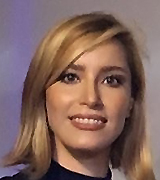
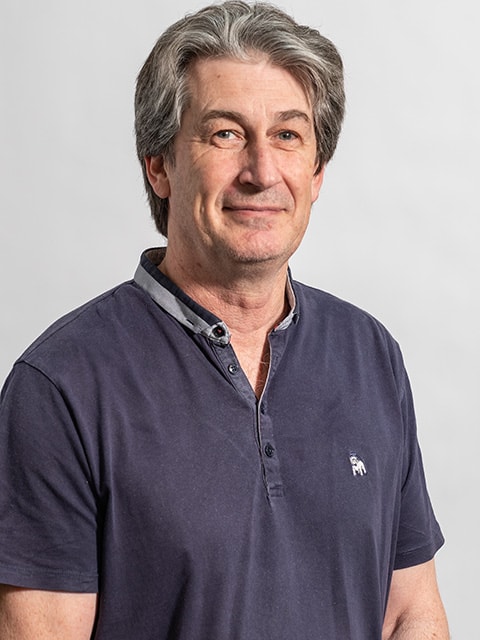
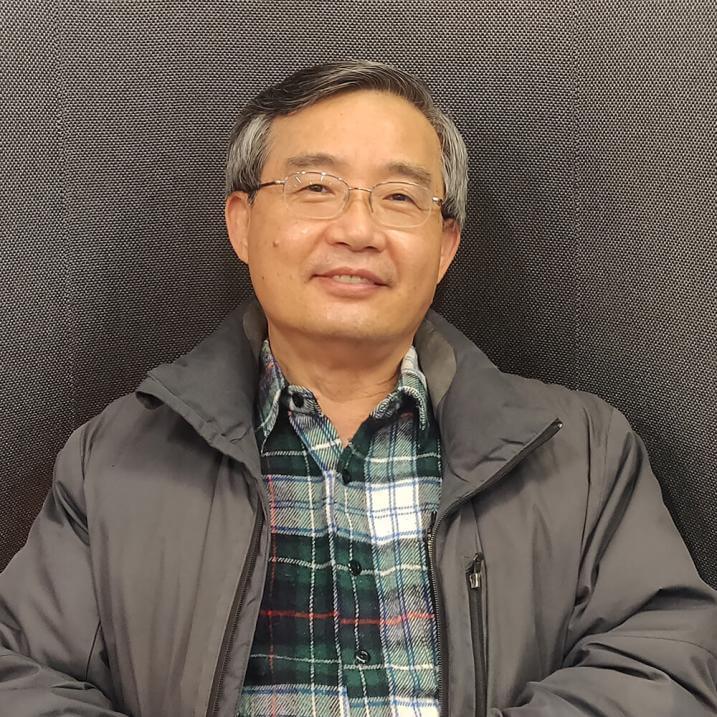
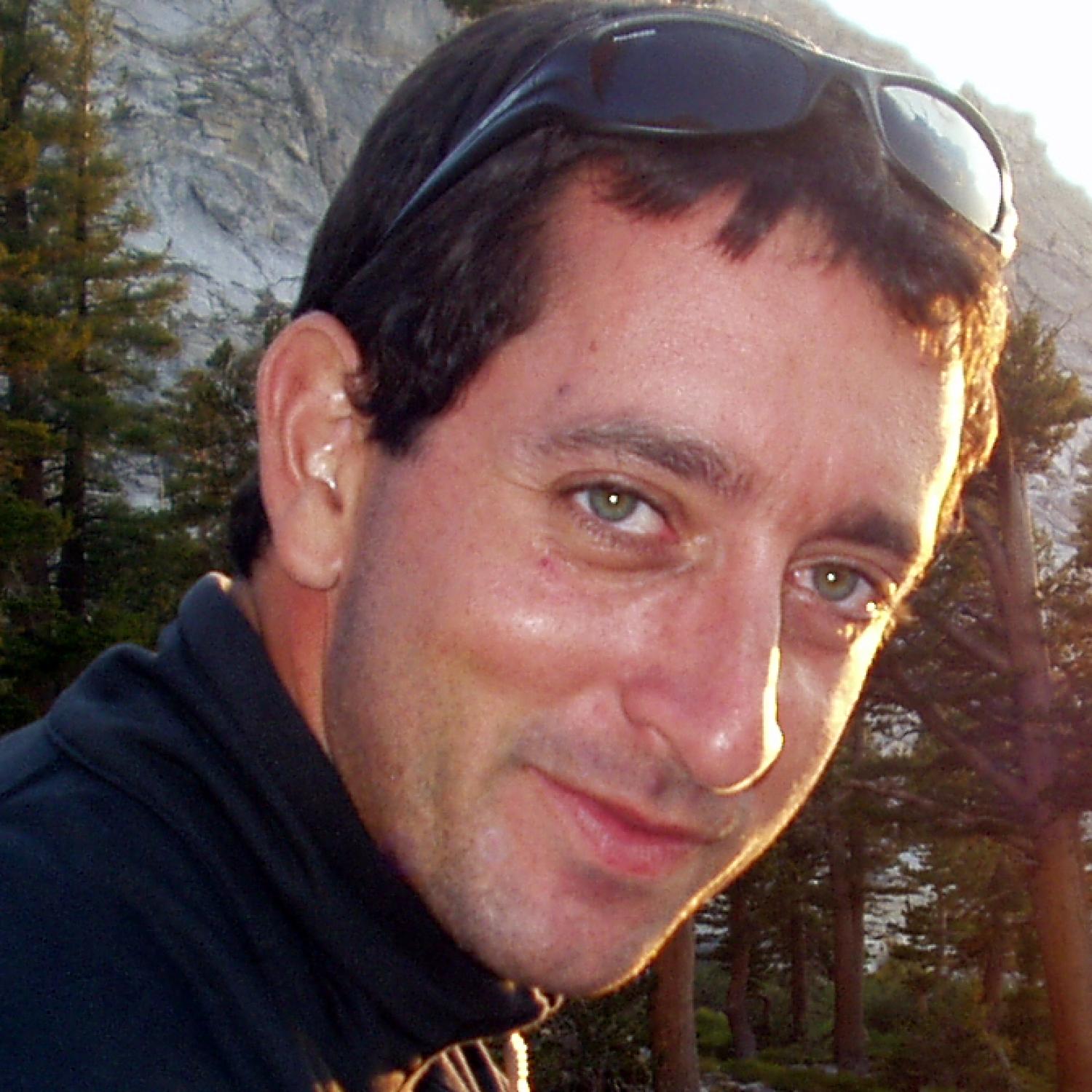
Elmira Hassanzadeh is an Associate Professor at the Department of Civil, Geological and Mining Engineering , Polytechnique Montréal, with a focus on integrated water resource modeling and management under climate and anthropogenic changes. She is affiliated with the Global Institute for Water Security (University of Saskatchewan) and the Experimental and Digital Water Flow Engineering Group (GENIE EAU) . Education: PhD in Civil Engineering, University of Saskatchewan Postdoctoral Fellow, McGill University Research interests include climate change impact assessment, socio-hydrological modeling, stakeholder engagement in water management, and sustainable development of water systems in cold regions. Her work emphasizes decision-making under uncertainty and adaptive strategies for ungauged basins. Recent publications (2024–2020) span coastal flood hazard modeling, climate-driven hydrological changes in tropical and Canadian watersheds, evaluation of agricultural practices under warming climates, and integrated approaches to water quality and system dynamics. Keywords include Hydrology , Climate Change , Water Security , and Socio-Hydrology . Supervision: She has mentored 15+ graduate students in projects related to Lake Urmia, Saskatchewan River Basin, and climate adaptation in Africa and the Pacific.
Hugo de Boer is a Professor at the Copernicus Institute of Sustainable Development , Faculty of Geosciences, Utrecht University. He serves as scientific lead for the Delta Climate Center in Vlissingen and coordinates MSc programs in Water Science and Management and Water Management for Climate Adaptation . His research explores climate-ecosystem interactions, focusing on plant ecophysiology, ecosystem dynamics, and nature-inclusive climate adaptation in deltas. Research Themes: Future Deltas, Pathways to Sustainability, Integrative Bioinformatics Projects: LEMONTREE, CloudRoots, 'From losers to winners' (ancient plant lineages under elevated CO2) Teaching Expertise: System thinking for sustainability, quantitative statistics, plant ecophysiology Research Trends emphasize interdisciplinary approaches to climate change impacts on ecosystems, with publications spanning plant-cloud processes, CO2 acclimation, and eco-evolutionary optimality models. His work bridges biogeochemistry, land-atmosphere interactions, and sustainable development frameworks. Projects & Collaborations include experimental studies on ancient plant lineages (Equisetum) and integrative field campaigns in Amazon and temperate forests. He contributes to modeling climate-vegetation feedbacks, pesticide emission scenarios, and social-ecological system transitions.
Professor Cedo Maksimovic is a leading academic in the Department of Civil and Environmental Engineering at Imperial College London, Faculty of Engineering. He is a Principal Research Fellow and heads the Urban Water Research Group (UWRG), with affiliations to the Environmental and Water Resource Engineering group, Grantham Institute, Space Lab, and Urban Systems Lab. His research focuses on urban water systems , including storm drainage, urban flooding, water supply, and the interaction between urban infrastructure and the environment. He has pioneered work in applied fluid mechanics , smart water infrastructure , and flood risk management , with innovations such as the AOFD method for urban surface flood modelling and intelligent sensor networks recognized by the ICE Telford Gold Medal. His recent research, as reflected in publications, spans urban pluvial flooding , leakage detection , integrated urban water management , and blue-green infrastructure . These works emphasize computational modelling, real-time monitoring, and climate resilience in urban environments. UNESCO/IAHR Lecturer of the Year 2001 ICE Telford Gold Medal (WINES project team) Prof. Maksimovic has led major projects funded by EPSRC, EU (Climate-KIC, Interreg), UNESCO, and ERANET_CRUE. He advises postgraduate students and has created international educational initiatives like the EDUCATE programme. He also serves as Editor-in-Chief of the Urban Water Book Series and co-founded the Urban Water journal. He leads the UNESCO-endorsed IRTCUD/CUW network with centres in Banjaluka, Belgrade, Cairo, Kuala Lumpur, London, Porto Alegre, Tehran, and Trondheim, promoting global collaboration in urban water research and education.
Diana Allen is a Professor in the Department of Earth Sciences at Simon Fraser University, where she leads the Groundwater Resources Research Group (GRRG). Her research focuses on hydrogeology with particular emphasis on groundwater resource evaluation and hydrogeological modeling, with current research on climate change impacts on groundwater systems, groundwater resources in mountainous and coastal regions, and low temperature geothermal systems. Education: B.Sc. Honours, Carleton University, 1986 M.Sc., Carleton University, 1988 Ph.D., Carleton University, 1996 Dr. Allen's research spans several key areas of hydrogeology and water resources. Her work on climate change impacts examines how extreme climate events affect groundwater systems, particularly in mountainous regions. She has developed methodologies for reconstructing historical groundwater levels using tree ring widths to understand long-term drought patterns. Her research on coastal aquifers assesses vulnerability to salinization, while her work in Northeast British Columbia evaluates water security risks associated with shale gas development. She also investigates aquifer-stream connectivity and the impacts of pumping on streamflow. Dr. Allen's publication record shows a strong focus on applied hydrogeology with significant contributions to understanding groundwater responses to climate extremes, drought assessment methodologies, and coastal aquifer vulnerability. Her research combines field studies with numerical modeling across diverse environments from mountainous regions to coastal deltas. Dr. Allen has successfully secured funding from major agencies including NSERC, the Canadian Mountain Network, the Pacific Institute for Climate Solutions, and various BC government ministries. Her research has practical applications for water resource management under climate change. As a dedicated educator and mentor, Dr. Allen supervises numerous graduate students working on cutting-edge hydrogeological research projects across British Columbia and beyond. Her students pursue careers in hydrogeology and environmental geoscience, applying GIS methods and computational hydrogeology to analyze field data.
Nick Abel is an Honorary Associate Professor at the Fenner School of Environment & Society, Australian National University. With a distinguished international career spanning Africa and Australia, he has worked in Zimbabwe, Kenya, Ethiopia, Botswana, Somalia, Swaziland, Zambia, and Australia. His academic credentials include a Ph.D., M.Sc., and B.Sc.(Hons.), reflecting a strong foundation in environmental sciences and complex systems thinking. Abel's research program centers on the critical challenge of human adaptation to climate change, with particular focus on why adaptation efforts are insufficient to prevent environmental and social tipping points. He critically examines Australia's role as the world's third largest exporter of fossil fuels while facing escalating climate impacts, investigating how fossil fuel companies have maintained influence over public policy. His work integrates social-ecological systems theory, resilience thinking, and practical governance frameworks to address climate adaptation challenges. His publication record demonstrates a clear evolution from foundational work in rangeland management and complex adaptive systems toward urgent climate policy interventions. Early research established theoretical frameworks for understanding resilience in dryland ecosystems, while recent work focuses on transformation pathways, Indigenous engagement, and community-based adaptation strategies. A consistent thread throughout his career is the integration of diverse knowledge systems and the development of practical approaches for environmental governance in rapidly changing conditions. Abel has registered to supervise research students at ANU and participates in significant collaborative projects, including the current 'Partnering with local communities in regional Australia to increase resilience to flood events' (2022-2025). His high-impact publications, including the highly cited 'Resilience management in social-ecological systems' (1,120 Scopus citations) and 'From Metaphor to Measurement: Resilience of What to What?' (2,596 Scopus citations), demonstrate his foundational contributions to the field. Through his work with various research groups and projects, Abel has helped establish frameworks for understanding social-ecological systems and climate adaptation. His contributions to the Fenner School include advancing methodologies for integrating scientific and Indigenous knowledge systems, developing practical approaches to environmental governance, and critically examining the political economy of climate policy in Australia.
Tom Ian Battin is a Full Professor at the École Polytechnique Fédérale de Lausanne (EPFL), affiliated with the School of Architecture, Civil and Environmental Engineering (ENAC). He holds roles in three departments: the River Ecosystems Research Laboratory (RIVER), the Laboratory of Management of Infrastructures, Networks and Construction (LIMNC-GE), and the SSIE Teaching Unit (ENS). His research focuses on aquatic ecosystems, microbial communities in glacier-fed streams, climate change impacts, and biogeochemical processes in alpine environments. He advises numerous doctoral students and has supervised over ten theses at EPFL. Battin teaches courses such as 'Fundamentals in Ecology,' 'Aquatic Ecosystems,' and 'Global Change Ecology and Fluvial Ecosystems.' He is actively involved in academic governance, serving on the EPFL Academic Strategic Committee (ASC) and the ENAC Academic Evaluation Committee (CEA). His work investigates how glacier retreat affects stream microbiomes, dissolved organic carbon dynamics, and ecosystem resilience. Key themes include microbial metabolism, biofilm functionality, and the interplay between hydrology and biogeochemistry. Battin leads research projects on global glacier-fed stream biogeography and the resistome of stream biofilms. His interdisciplinary approach bridges ecology, microbiology, and environmental engineering, addressing critical questions about mountain ecosystems under climate change.
Thomas Rüde is Universitätsprofessor for Hydrogeology at RWTH Aachen University , Germany, where he leads the Hydrogeology group within the Faculty of Georesources and Materials Engineering. Holding the chair since 2005, he also serves as Managing Director of the Vereinigung Aachener Geowissenschaftler e.V. and has previously been Vice-President (2008-2014) and Executive Council member (2000-2008) of the International Mine Water Association (IMWA). Education 2004 – Privatdozent (Dr. rer. nat. habil.), University of Munich 1995 – Dr. rer. nat., University of Karlsruhe 1991 – Diplom-Geologe, University of Karlsruhe Research focus Professor Rüde’s work centres on understanding and modelling flow and reactive transport in complex aquifer systems . Key themes include: Contaminant hydrogeology – behaviour of geogenic arsenic and uranium in groundwater Groundwater protection and remediation – risk assessment and mitigation strategies Mine-water management – acid mine drainage, dewatering-well clogging, post-mining landscapes Tracer and hydraulic testing – field experiments to quantify subsurface heterogeneity Numerical modelling – high-performance simulation of multi-aquifer systems and karst His research spans Europe (Germany, Austria, Netherlands), Latin America (Mexico, Indonesia) and South-East Asia, frequently in close collaboration with local universities and industry partners. Publication trends Since 2010, Rüde has published extensively on geogenic contamination (As, U, F) in sedimentary and volcanic aquifers, mine-water impacts , and karst hydraulics . Recent work (2022-24) highlights advanced environmental tracers (gadolinium), transboundary groundwater issues, and the sustainable management of post-mining landscapes under climate change. Numerical models range from site-scale dewatering optimisation to catchment-scale coupled flow-transport simulations. Scientific awards & recognition Best Teaching Award 2010 – RWTH Aachen University Best Teaching Award 2012 – RWTH Aachen University Best Teaching Award 2014 – RWTH Aachen University Supervision & academic service Since 1998 he has taught hydrogeology through lectures, seminars, laboratory and field courses, and computer-based modelling labs. To date he has supervised: 13 PhD candidates 34 Diploma students 57 MSc students 63 BSc students He is Chairman of the Study Commission for the BSc programme in Georesources Management at RWTH Aachen, ensuring curriculum development and quality assurance. Laboratory & field infrastructure His group operates modern hydrochemical laboratories for trace-element analyses and maintains field stations for tracer experiments in Germany, Mexico and Indonesia. High-performance computing resources (in collaboration with the Jülich Supercomputing Centre) enable large-scale groundwater modelling and Monte-Carlo uncertainty assessments.
Dr. HAJNAL Géza is an Associate Professor at the Budapest University of Technology and Economics (BME), Faculty of Civil Engineering, where he serves in the Department of Hydraulic and Water Resources Engineering. His office is located in Room K. ép / mf. 12/7, and he can be contacted via email at hajnal.geza@emk.bme.hu or phone at +36 1 463 2362. His teaching portfolio includes active courses such as Hydraulic Engineering, Water Management (BMEEOVVAT43) and Hydrometric Field Course (BMEEOVVAI44). Previously, he taught Hidrogeology (BMEEOGMMET3) and Hydrogeology of Subsurface Water (BMEEOGMDT81). HAJNAL's research specializes in hydrogeology , with emphases on karst aquifer dynamics, groundwater flow modeling, climate impacts on hydrology, and hydraulic engineering. His work integrates field measurements (e.g., drip-water monitoring in Buda Castle Cave) with advanced numerical modeling to address complex hydrological challenges in Hungarian watersheds. Analysis of his 15 most recent publications (2013–2025) reveals dominant themes: 73% focus on karst/fractured aquifers , 20% on hydrological modeling techniques , and 7% on socio-environmental conflicts. Recurrent technical subfields include seepage flow validation, transmissivity determination, and rainfall-runoff sensitivity. No scientific awards, grants, student advisees, or lab affiliations are documented in the provided materials.
Professor Graham Sander is a Professor of Hydrology at Loughborough University, affiliated with the School of Civil and Building Engineering. His research focuses on mathematical modeling of soil erosion, unsaturated soil flow, contaminant transport dynamics, and nonlinear diffusion-convection equations. He leads the NERC-funded project on multi-dimensional soil erosion and chemical transport, collaborating with Lancaster University’s Department of Environmental Science. His academic qualifications include a BSc (Hons) and PhD. Recent research emphasizes integrating particle size-selective models to predict sediment and contaminant delivery to water bodies, supported by lab and field experiments. He has also pioneered pseudospectral methods for infiltration modeling and explored flood risk management through nature-based solutions like leaky barriers. Key contributions include advancing understanding of rainfall-driven erosion dynamics, including splash effects and rock fragment coverage impacts. His work spans experimental hydrology, numerical simulation, and interdisciplinary approaches to environmental challenges. He co-edits hydrology journals and advocates for rigorous scientific communication in the field. Grants: NERC-funded soil erosion project, Australian Research Council project on unsaturated soil flow. Labs/Teams: Collaborator with Lancaster University’s Environmental Science Department.
Professor Byung S. Lee is a distinguished faculty member in the Department of Computer Science at the University of Vermont's College of Engineering and Mathematical Sciences. He joined UVM in 1999 and continues to be actively engaged in teaching, research, and service. His office is located in Innovation Hall at the Burlington campus, where he maintains regular office hours and oversees his research lab. Professor Lee holds a Ph.D. from Stanford University, an MS from Korea Advanced Institute of Science and Technology, and a BS from Seoul National University. His educational background provided the foundation for his extensive career in computer science research and education. Professor Lee's research spans multiple domains within computer science, with a particular focus on database systems, data mining, and data science. His work increasingly integrates machine learning techniques with traditional database approaches, especially in the analysis of time series data. He has made significant contributions to graph theory applications, anomaly detection methods, and environmental data analysis. His research often bridges computer science with practical applications in healthcare, environmental science, transportation, and astrophysics through interdisciplinary collaborations. An analysis of his recent publications reveals a strong trend toward time series analysis and anomaly detection, particularly applied to environmental monitoring and healthcare data. His work demonstrates a consistent evolution from foundational database research to more applied machine learning approaches, with increasing emphasis on real-world problem solving across multiple scientific domains. Professor Lee has served as primary advisor for numerous graduate students across multiple cohorts, including PhD candidates, Master's students, and postdoctoral researchers. His advising portfolio reflects the breadth of his research interests, with students working on topics ranging from graph neural networks to medical informatics applications. He has also been actively involved in professional service, serving on program committees for major conferences including SAC, PAKDD, DASFAA, and CIKM. Professor Lee leads a vibrant research laboratory that focuses on cutting-edge data science methodologies and their applications. His team collaborates extensively with researchers in environmental science, hydrology, and healthcare, demonstrating the interdisciplinary nature of modern data science research. The lab maintains active projects in time series analysis, graph analytics, and environmental monitoring systems, often working with large-scale datasets from real-world applications.
Dr. Prabhasri Herath is a Postdoctoral Research Fellow at the Australian National University (ANU) and the Commonwealth Scientific and Industrial Research Organisation (CSIRO), affiliated with the Institute for Climate, Energy, and Disaster Solutions (ICEDS). Her research focuses on Nature-based Solutions (NbS), urban heat mitigation, and flood resilience, with expertise in green infrastructure and sustainable city planning. She holds a PhD from the Fenner School of Environment and Society (ANU) and a B.Sc. (Hons) in Green Technology. Her work bridges climate adaptation, urban ecology, and disaster resilience, contributing to global projects on NbS for flood mitigation in large Australian catchments. Education: PhD in Interdisciplinary Environmental Sciences, Fenner School of Environment and Society, ANU B.Sc. (Hons) in Green Technology Research Interests: Climate change adaptation and mitigation strategies Urban heat islands and extreme heatwave mitigation Nature-based flood mitigation in catchments Green infrastructure design for sustainable cities Her recent publications emphasize the role of urban green spaces in mitigating extreme heat and the feasibility of NbS for flood management. She collaborates with experts like Associate Professor Roslyn Prinsley and Dr. Jai Vaze on ANU-CSIRO projects. While no formal awards are listed, her work has been widely cited in environmental science and urban planning domains. Collaborations: Visiting Scientist at CSIRO since July 2023 Partnerships with ANU’s Fenner School and ICEDS Her research lab is embedded within ICEDS, focusing on interdisciplinary climate solutions.
Knut Tore Alfredsen is a Professor in the Department of Civil and Environmental Engineering at NTNU. His research focuses on cold climate hydrology, environmental impacts of hydropower, river ice dynamics, and water resource management. He leads projects like Trygg Elv (flood detection tools) and Hydro Connect (climate change mitigation in hydropower). He supervises numerous PhD and master’s students and teaches courses in hydrology, hydropower engineering, and environmental design. His work combines field measurements, data analysis, and advanced modelling, often using LiDAR and remote sensing technologies. Key projects include Sagelva research catchment studies and evaluations of environmental impacts from hydropeaking and reservoir operations. He is an active contributor to international conferences and collaborates with organizations like NVE and the IAHR. Education: Not explicitly stated in the provided text. Affiliations: HydroCen, Center for Renewable Energy (FME), NTNU’s Civil and Environmental Engineering Department. Grants: Involved in projects like HydroFlex (turbine development) and Klima 2050 (runoff estimation). Awards: None explicitly mentioned. Labs/Teams: Leads research groups in ecohydraulics, river modelling, and cold climate hydrology. Research Highlights: Focuses on ice-jam flood hazards, hydropeaking effects on fish, and sustainable hydropower practices. Recent work includes LiDAR-based river bathymetry and historical river development analysis using AI.
Noah Molotch is a Professor of Geography at the University of Colorado Boulder, where he serves as Director of the Mountain Hydrology Group and is a Fellow of INSTAAR (Institute of Arctic and Alpine Research). His research and teaching focus on hydrologic processes in mountainous regions with expertise in snow hydrology, remote sensing, and ecohydrology. Molotch earned his Ph.D. from The University of Arizona in 2004. His research utilizes ground-based observations, remote sensing, and computational modeling to understand hydrological processes, particularly snow distribution and water-carbon-nitrogen fluxes in mountain ecosystems. His work has significant implications for sustainable resource management and environmental policy. His recent publications show a strong focus on snow water equivalent estimation, snowmelt timing impacts on forest productivity, and the development of advanced remote sensing techniques for monitoring mountain hydrology. His research increasingly addresses climate change impacts on water resources, with particular attention to the Western United States. Fellow of INSTAAR Art+Science fellowship in partnership with artist Hannah Taylor Molotch advises numerous graduate students and leads significant research projects including those funded by NASA and NSF. His Mountain Hydrology Group operates field sites across the Western U.S., including Storm Peak Laboratory and Niwot Ridge Long Term Ecological Research Program. The group produces near-real-time snow water equivalent estimates and contributes to the Snow Today website at the National Snow and Ice Data Center.
Scott L. Stephens is a Professor in the Department of Environmental Science, Policy, and Management (ESPM) at the University of California, Berkeley. He holds a Ph.D. in Wildland Resource Science from UC Berkeley (1995) and a B.S. in Electrical Engineering from Sacramento State University (1985). His research focuses on wildland fire science, fire ecology, and forest management, with an emphasis on how climate change and policy influence fire regimes. He leads the Stephens Lab, which conducts interdisciplinary studies on fire behavior, ecosystem resilience, and policy reform. Key contributions include advocating for prescribed burning and Indigenous stewardship practices to mitigate wildfire risks. Stephens has testified before congressional committees on forest health and has been recognized as a Clarivate Highly Cited Researcher (2024). His work integrates ecological, policy, and management perspectives to address contemporary fire challenges. Education: Ph.D., Wildland Resource Science, UC Berkeley, 1995 B.S., Electrical Engineering, Sacramento State University, 1985 Research Interests: Wildland fire behavior and effects Fire ecology and ecosystem interactions Climate change impacts on fire regimes Policy and management of fire-adapted landscapes Scientific Contributions: Stephens has authored or co-authored over 150 peer-reviewed articles, including seminal works on prescribed fire efficacy, forest restoration, and policy reform. His lab’s research has been featured in BioScience , Ecological Applications , and policy briefs for federal agencies. Lab and Collaborations: The Stephens Lab collaborates with Indigenous communities, federal agencies, and international researchers to advance fire science. Notable projects include the Fire and Fire Surrogate Study (FFS) and the Stewardship Project, which advocate for integrating Indigenous burning practices into federal policies.
Dr. Saman Razavi is an Associate Professor at the University of Saskatchewan, holding dual appointments in the School of Environment and Sustainability (SENS) and the Department of Civil, Geological and Environmental Engineering in the College of Engineering. He is a member of the Global Institute for Water Security and leads the Razavi EnviroFutures Lab. His research focuses on hydrological modeling, water resources management, climate change impacts, and the integration of machine learning with environmental science. Dr. Razavi has earned a PhD in Civil and Environmental Engineering from the University of Waterloo. Education: PhD in Civil and Environmental Engineering, University of Waterloo MS in Civil and Environmental Engineering, Amirkabir University, Iran BS in Civil Engineering, Iran University of Science and Technology Research interests include hydrologic model development, optimization, uncertainty quantification, climate change analysis, and socio-hydrological modeling. He emphasizes interdisciplinary approaches to address water challenges through integrated frameworks that bridge natural science, engineering, and socio-economic factors. Award: Walter L. Huber Civil Engineering Research Prize from ASCE (2024) Advising & Grants: Dr. Razavi leads the Integrated Modelling Program for Canada under Global Water Futures, focusing on transboundary water systems. His work involves developing decision-support tools for flood/drought management and climate adaptation. Labs/Teams: The Razavi EnviroFutures Lab advances research on water-human systems, leveraging AI and big data to enhance resilience against water-related hazards. Current projects include flood-prone area mapping, drought prediction, and socio-hydrological modeling in transboundary basins.