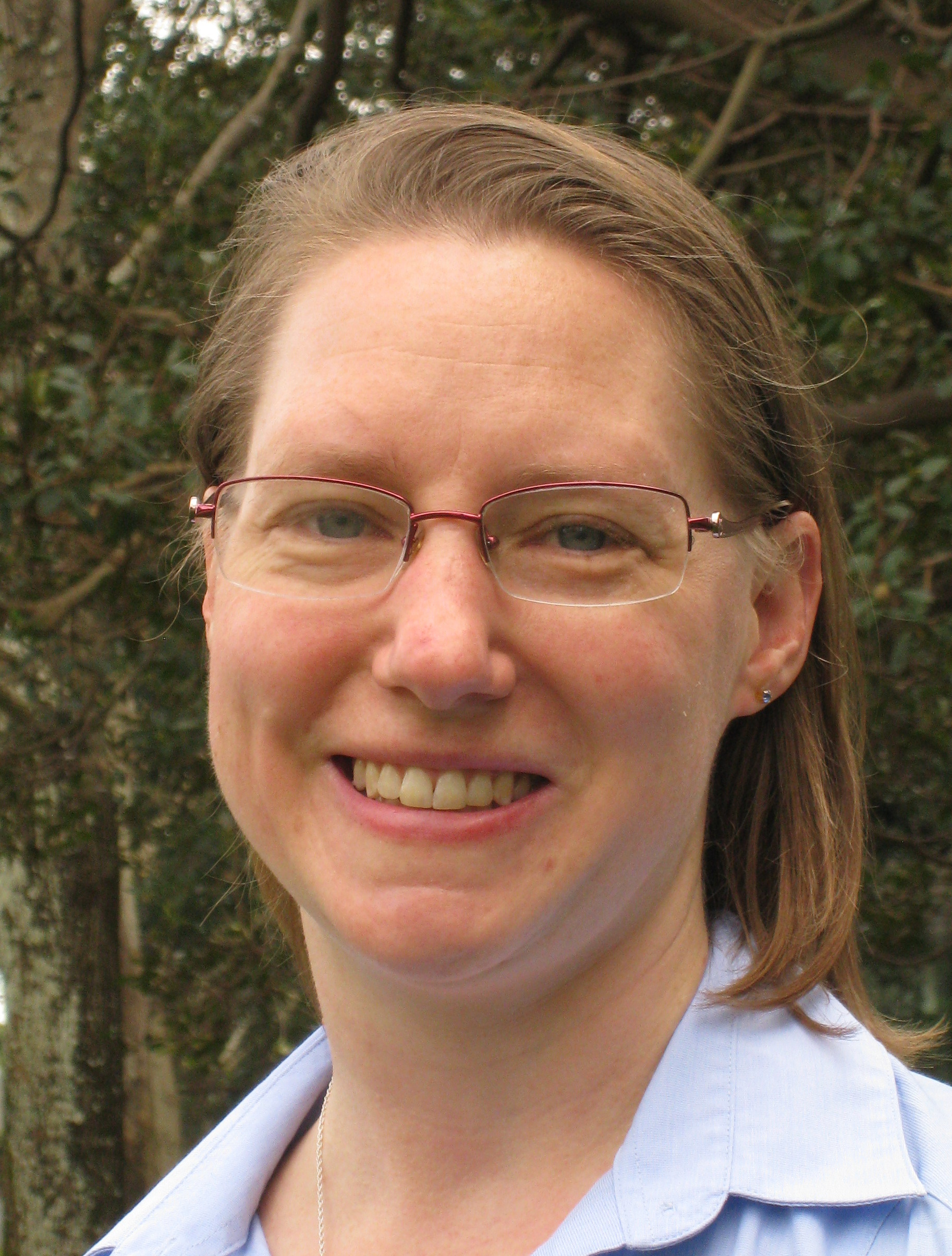
WooChul Jung is an Associate Professor at the Department of Materials Science and Engineering, Seoul National University (SNU), previously holding the same role at the Korea Advanced Institute of Science and Technology (KAIST) from 2018 to 2024. His research focuses on energy conversion and storage materials, particularly solid oxide fuel cells, electrolyzers, and catalytic systems involving ionic solids and gas interfaces. Ph.D. in Materials Science & Engineering from MIT (2010) B.S. in Materials Science & Engineering from SNU (2004) Research Interests: Investigating reactions at ionic solid-gas interfaces to enhance catalytic kinetics for fuel cells, electrolyzers, and sensors. Key areas include surface science, electrochemistry, and nano-fabrication. Scientific Contributions: His recent work emphasizes fluorine doping for stable bismuth oxide electrolytes, Ca substitution in LaCoO3 for oxygen evolution, and exsolution strategies for durable nanocatalysts. Publications highlight multidisciplinary approaches combining experimental and computational methods.
Shanshan Xu is a Dame Kathleen Ollerenshaw Fellow and Academic Lecturer in Catalysis at the Department of Materials, University of Manchester, since January 2025. She specializes in heterogeneous catalytic systems for sustainable chemical reactions, including hydrogen production, nitrogen fixation, and CO2 conversion, employing operando X-ray spectroscopy and DRIFTS techniques to study catalytic mechanisms. Previously, she worked on the EU-funded Laurelin project, focusing on CO2 conversion to renewable methanol using nonthermal plasma catalysis. She earned her PhD in Chemical Engineering (2021) and MSc in Materials Science and Engineering from the University of Manchester. Her research interests span catalyst design (metal oxides, porous materials like zeolites and MOFs), operando spectroscopy (XAS, XPDF, IR), and sustainable chemistry. She leads the UoMaH research group at the University of Manchester-Harwell, collaborating internationally. Xu is actively mentoring PhD students and supervising projects in catalysis, with funding opportunities through scholarships like the President’s Doctoral Scholarship and the University of Manchester-CSC joint program. Notable awards include the Dame Kathleen Ollerenshaw Fellowship (2024), Dean’s Doctoral Scholarship (2017), and First Prize in the China ShaoXing Innovation Competition (2023). Her work aligns with UN Sustainable Development Goals, contributing to clean energy and sustainable industrial processes. Xu’s lab focuses on advancing catalyst design through operando studies, with emphasis on nonthermal plasma systems. She collaborates on projects like the UoMaH initiative, exploring nanoparticle behavior and catalytic materials for industrial applications.
Mark Martinez-Klimov is a researcher in the Department of Chemical Engineering at Åbo Akademi University, Faculty of Science and Engineering. His work focuses on catalysis for sustainable energy and renewable fuel production, with an emphasis on heterogeneous catalysis, biomass conversion, and CO2 utilization. He is actively involved in experimental and kinetic studies of catalytic processes. Research Interests: His primary research areas include hydrodeoxygenation, dry methane reforming, combustion synthesis, and catalytic upgrading of bio-oil and biomass derivatives. He investigates catalyst design, deactivation mechanisms, and process optimization using advanced characterization techniques such as X-ray diffraction, scanning electron microscopy, and thermogravimetric analysis. His work supports the development of cleaner energy technologies and circular chemical processes. The analysis of his recent publications (2021–2025) reveals a consistent focus on sustainable catalytic processes, particularly in renewable jet fuel production, hydrogenation of sugars, and CO2 valorization. His research spans both fundamental catalyst development and applied reaction engineering, often in continuous flow systems such as trickle bed reactors. The work integrates material science with chemical engineering principles to address challenges in energy transition. Scientific Awards: No awards explicitly mentioned in the provided text. Advising and Grants: While specific students or grants are not listed, his collaborative publication pattern with senior researchers like Dmitry Murzin and Pavel Mäki-Arvela suggests involvement in major research projects, likely funded by national or EU-level grants. He appears to contribute to team-based research in catalysis and sustainable technologies, potentially mentoring junior researchers and PhD students within the group. Labs and Teams: Mark is part of a prominent catalysis research group at Åbo Akademi University, specializing in sustainable chemical processes. The team leverages advanced synthesis methods (e.g., solution combustion, impregnation) and characterization tools to develop novel catalysts for energy and environmental applications. Their work is highly collaborative, involving both national and international partners in the field of green chemistry and renewable fuels.
David Chester Upham is an Assistant Professor in the Department of Chemical & Biological Engineering within the Faculty of Applied Science at the University of British Columbia (UBC). He leads the Upham Lab, which focuses on developing catalysts and processes for sustainable energy production, greenhouse gas mitigation, and CO 2 -free chemical conversion. Dr. Upham received his education from prestigious institutions: Postdoctoral Scholar, Stanford University (2019) Ph.D., University of California Santa Barbara (2017) B.Eng., McGill University (2010) Dr. Upham's research focuses on heterogeneous catalysis for sustainable energy applications. His work centers on developing catalysts and processes that enable CO 2 -free production of chemicals, power, and materials. He specializes in liquid heterogeneous catalysts , particularly molten metal alloys, for methane conversion, CO 2 utilization, and hydrogen production. His lab employs advanced techniques including operando IR spectroscopy, pulsed and transient analysis of reaction mechanisms, isotopic labeling studies, and in-situ X-ray absorption spectroscopy. A key aspect of his research is understanding how liquid heterogeneous catalysts behave under reaction conditions, with applications in methane pyrolysis, dry reforming, and carbon fiber synthesis. Analysis of Dr. Upham's recent publications reveals a strong focus on CO 2 mitigation and clean energy production . His work spans multiple domains including methane conversion technologies, CO 2 -to-fuels processes, and carbon-negative fuel production. A significant portion of his research investigates molten metal catalysts for methane pyrolysis and dry reforming, with applications in hydrogen production and carbon capture. His publications demonstrate an interdisciplinary approach combining chemical engineering, materials science, and environmental engineering to address climate change challenges through innovative catalytic processes. Dr. Upham actively mentors a diverse group of graduate students and researchers. His lab currently includes multiple PhD and MASc students working on various aspects of catalysis and clean energy: PhD Students: Mark Tabbara, Genpei Cai, Natascha Miederhoff MASc Students: Michael Byun, Sawyer d'Entremont, Rami Jubeili, Wyatt Schnare Postdoctoral researcher: Sonit Balyan Multiple undergraduate and visiting students from institutions worldwide The Upham Lab operates within UBC's Catalysis Labs, utilizing advanced experimental techniques to study reaction mechanisms and develop new catalysts. The lab's research has significant implications for decarbonizing the energy and chemical sectors, with potential applications in hydrogen production, carbon fiber manufacturing, and CO 2 -to-fuels technologies.
Dmitry Murzin is a Professor at the Faculty of Science and Engineering, Åbo Akademi University, leading the Laboratory of Industrial Chemistry and Reaction Engineering Technologies for a Sustainable Future. His expertise focuses on catalysis, reaction engineering, and sustainable chemical processes. Key projects include the Flexible Clean Propulsion Technologies (Business Finland, 2024–2027) and Rebuilding Education and Research in Chemistry and Chemical Technology in Ukraine (Ministry/Government Agency, 2023–2025). Research interests span catalyst development for methane reforming, biomass valorization, and sustainable fuel production. Notable contributions include studies on heterogeneous catalysis, zeolite-based composites, and reactor technology optimization. Recent work emphasizes eco-friendly processes for converting biomass into high-value chemicals. Over 698 publications and 2 active projects highlight his prolific output in catalytic reaction engineering. Collaborations span global institutions, addressing challenges in energy, environment, and materials science. Advising 2 students, he also hosts academic visitors to advance collaborative research. Labs/Teams: Directly leads the Laboratory of Industrial Chemistry and Reaction Engineering Technologies for a Sustainable Future , fostering innovation in sustainable chemical processes.
Associate Professor Judy Hart is a materials scientist at the School of Materials Science & Engineering, UNSW Sydney , specializing in the development of semiconducting materials for renewable energy applications. Her work integrates computational (DFT) and experimental approaches to understand composition-property relationships in systems like solid solutions , heterostructures , and doped materials for photocatalysis and solar cells . She leads projects funded by ARC Discovery and Linkage grants , including work on photo-electro-catalysis systems and stabilizing ceramic materials . Education: PhD in Materials Engineering (Monash University, 2007), BEng (Materials) (Monash, 2002) Professional Experience: Senior Lecturer (UNSW, 2017–), Lecturer (UNSW, 2013–2017), University of Bristol (2007–2012) Research Interests Her research focuses on designing materials for renewable energy , particularly photoelectrochemical water splitting and organic oxidation reactions . Key areas include Density Functional Theory (DFT) , defect engineering , band gap tuning , and nanostructured materials . She investigates ferroelectric polarization effects , metal oxide heterostructures , and stability of battery components , with applications in hydrogen production , CO2 conversion , and advanced battery materials . Scientific Awards Ramsay Memorial Fellowship (University of Bristol, 2007–2009) Teaching Contributions She is co-author of the 1st Australian & New Zealand edition of "Materials Science and Engineering: An Introduction" , and teaches courses on computational materials science , corrosion-resistant surfaces , mechanical behavior of metals , and materials design .
Andrea Lanzini is a Full Professor in the Department of Energy (DENERG) at the Polytechnic University of Turin, where he is also a member of the Interdepartmental Center Ec-L - Energy Center Lab. He serves as Scientific Advisor for the Partnership Agreement with Edison and Electricité de France (EDF). His academic and research leadership spans energy system integration, hydrogen technologies, fuel cells, renewable energy communities, and industrial decarbonization. His research interests focus on fuel cell and hydrogen technology , energy system integration and modeling , industrial decarbonization , and renewable energy communities . He leads the M3ES research group and is deeply involved in both fundamental and applied research, with a strong emphasis on sustainable urban energy systems and clean energy transitions. The analysis of his recent publications reveals a consistent focus on hydrogen production and storage, fuel cell durability and performance, biogas and biomethane technologies, and the optimization of hybrid renewable energy systems. His work often combines experimental investigation with techno-economic and environmental assessment, particularly in off-grid and community-scale energy applications. Scientific Awards: Fulbright Grant awarded by United States Department of State - Bureau of Educational and Cultural Affairs/The US-Italy Fulbright Commission, United States (2010) Prof. Lanzini actively supervises numerous PhD students and leads a wide array of research projects, including major EU-funded initiatives such as HYWAY, NoMaH, TIPS4PED, and EDUPED, as well as numerous commercial research contracts with industry and municipalities. He is a key contributor to national and international efforts in energy transition, particularly through his work on Positive Energy Districts and renewable energy communities. His research has significant implications for energy policy, urban planning, and industrial sustainability. He is involved in several research groups and collaborative agreements, including the M3ES Research Group (DENERG) and partnerships with RSE SpA, Edison, EDF, and various public administrations. His work is central to the activities of the Energy Center Lab at Politecnico di Torino.
Christoph Müller is a Full Professor of Energy Science and Engineering at ETH Zürich's Department of Mechanical and Process Engineering. He leads the Laboratory of Energy Science and Engineering, focusing on sustainable energy generation, heterogeneous catalysis, and granular systems. His research integrates experimental methods like Magnetic Resonance Imaging (MRI) and Discrete Element Modelling (DEM) with mathematical modeling to address industrial energy challenges. Education: Dipl.-Ing. from Technical University of Munich (2004), PhD in Chemical Engineering from the University of Cambridge (2008). Notable awards include the Danckwerts-Pergamon Prize (2009) and DAAD Scholarship (2005). He teaches courses such as Thermodynamics I and Thermo- and Fluid Dynamics. Research interests span CO₂ capture via chemical looping, catalytic hydrogenation, and granular flow dynamics. Recent work explores catalyst design for propane dehydrogenation, MXene-based ammonia synthesis, and MgO-based CO₂ sorbents. His lab employs advanced techniques like operando X-ray absorption spectroscopy to study catalyst behavior under reaction conditions. Key achievements include developing stable PtGa propane dehydrogenation catalysts and advancing understanding of Na₂CO₃-promoted CO₂ sorbents. His work on fluidized bed hydrodynamics via MRI contributes to reactor design optimization. Müller's interdisciplinary approach bridges fundamental science and industrial application, addressing global energy sustainability challenges.
Paul Mativenga is a Professor of Mechanical and Aerospace Engineering at The University of Manchester, leading research in sustainable and advanced manufacturing. His roles include strategic leadership of Social Responsibility and Equality, Diversity, and Inclusion within the Faculty of Science and Engineering. He holds a PhD from the University of Liverpool and is a Member of the CIRP Academy for Production Engineering. Research focuses on resource-efficient manufacturing, laser processing, and circular economy strategies. Key interests include sustainable manufacturing technologies, energy reduction in machining, and recycling systems. He leads the Laser Processing Research Centre (LPRC) and collaborates on projects like the RE3 initiative for plastic recycling optimization. Recent work emphasizes carbon emission modeling in manufacturing, additive manufacturing optimization, and policy frameworks for industrial sustainability. He has supervised multiple PhD students and received the 2014 A M Strickland Prize for contributions to mechanical engineering. Active editorial roles include associate editorships at Elsevier and Sage Publications. His laboratory, the Laser Processing Research Laboratory, supports cutting-edge research in laser-material interactions and sustainable processes.
Professor Ian Metcalfe is a distinguished academic at Newcastle University, specializing in advanced materials for energy applications, particularly in the areas of membrane technology, chemical looping processes, and catalysis. His research spans multiple interdisciplinary fields with significant implications for carbon capture, hydrogen production, and sustainable energy systems. Professor Metcalfe's research primarily focuses on membrane technology for gas separation, particularly CO 2 capture and hydrogen production . His work extensively investigates chemical looping processes using various oxygen carrier materials, particularly perovskite-based materials . A significant portion of his recent research explores nanoparticle exsolution for creating highly stable and active catalysts. His research group has made notable contributions to understanding the thermodynamics of non-stoichiometric materials and developing novel membrane configurations for enhanced gas separation. Analysis of Professor Metcalfe's recent publications (2023-2025) reveals a strong focus on CO 2 separation technologies , particularly using molten-carbonate membranes with innovative support structures. His work on exsolution has expanded to include room-temperature processes using plasma techniques and applications in methane reforming. The research shows increasing emphasis on direct air capture technologies and ammonia synthesis via chemical looping, indicating strategic expansion into emerging energy storage and carbon utilization areas. Professor Metcalfe maintains extensive collaborations with researchers including Dr. Wenting Hu, Dr. Evangelos Papaioannou, Dr. Dragos Neagu, and Dr. Greg Mutch. His research has significant implications for decarbonization technologies and sustainable energy systems, particularly in hard-to-abate sectors where efficient CO 2 separation and clean hydrogen production are critical.
Professor Søren Kegnæs is a faculty member in the Department of Chemistry at the Technical University of Denmark. He holds the rank of Professor and leads a research group focused on functional nanomaterials and heterogeneous catalysis. His work addresses industrial chemical production, including the synthesis of nanoparticles, zeolites, and high-surface-area materials with controlled porosity. Key research areas include CO₂ utilization, sustainable chemical processes, and catalytic conversion of bio-based feedstocks. Education: Ph.D. in Chemistry (Technical University of Denmark, 2009), M.Sc. in Chemistry (University of Copenhagen, 2005), and a Graduate Certificate in Business Administration (Copenhagen Business School, 2012). Research Interests: The Kegnæs Group explores the design and application of nanomaterials in catalytic systems. Current projects focus on CO₂ hydrogenation, methanation, and the development of zeolite-based catalysts for renewable energy applications. Their work emphasizes industrial relevance, particularly in reducing carbon footprints through sustainable chemical processes. Advising & Grants: Supervises multiple PhD students (e.g., Spyros C., Zhuo G.J.S., Iltsiou D.) and leads projects funded by grants such as the Design of Novel Heterogeneous Catalyst for Dry Reforming (2025–2028) and CO₂ Utilization Catalyst Development (2024–2027). Collaborates widely on topics like bio-based chemical valorization and catalytic oxidation. Labs/Teams: The Kegnæs Group operates within the Department of Chemistry, utilizing advanced facilities for materials synthesis and characterization. Their work is showcased on csc.kemi.dtu.dk and kegnaesgroup.dk .
Dr. Yeshui Zhang is a Lecturer at the School of Engineering, University of Aberdeen, UK, since December 2021. Previously, she held a Faraday Institution Research Fellowship at University College London (2018–2021). University of Birmingham (BSc Environmental Management, 2012) University of Sheffield (MSc Energy and Environmental Engineering, 2013) University of Leeds (PhD Chemical and Process Engineering, 2017) Her research spans chemical and environmental engineering, focusing on: Energy storage materials (e.g., lithium-ion batteries) Pyrolysis-catalysis of waste materials High-temperature quartz crystal microbalance applications Carbon nanotubes synthesis Circular economy strategies for plastics Recent publications emphasize catalytic waste valorization for hydrogen-rich syngas, biomass pyrolysis mechanisms, and hybrid-functional catalyst design. She serves as Associate Editor for Carbon Capture Science & Technology and contributes to standards in battery manufacturing. Emerging Investigator Award, IChemE 2022 IAAM Young Scientist Medal 2022 Best Paper Award, 21st CCSSTA 2020 Dr. Zhang supervises PhD students in chemical engineering and leads the Meston Lab 155 at Aberdeen. Her work bridges academic research with industrial applications through memberships in the Royal Society of Chemistry and IChemE.
Chiharu Tokoro is a Professor and currently serves as the Dean of the School of Creative Science and Engineering at Waseda University. She also holds positions as an External Director at Toppan Photomasks Inc. and JX Metals Corporation, and is a Specially Appointed Professor at The University of Tokyo's Graduate School of Engineering. With a Dr. Engineering degree from The University of Tokyo (2003), she has established herself as a leading researcher in resource recycling and environmental engineering, with over 184 papers and an h-index of 27 (Scopus) or 30 (Google Scholar). Dean of School of Creative Science and Engineering, Waseda University (2024.09-present) External Director, Toppan Photomasks Inc. (2023.11-present) External Director, JX Metals Corporation (2021.04-present) Specially Appointed Professor, The University of Tokyo, Institute of Industrial Science (2016.11-present) She received her Dr. Engineering degree from The University of Tokyo in March 2003 after completing her undergraduate studies at Waseda University's School of Science and Engineering (1994-1998). Professor Tokoro's research spans transport phenomena, metals production, earth resource engineering, energy sciences, and environmental materials recycling. She specializes in solid-liquid and solid-solid separation processes, powder simulation and processing, and environmental treatment technologies. Her work focuses on innovative recycling methods for lithium-ion batteries, photovoltaic panels, and other electronic waste, with particular emphasis on pulsed discharge techniques for material separation. She has pioneered novel electrical pulse methods that enable high-precision separation of battery components while minimizing environmental impact. Her recent publications demonstrate a strong focus on advanced recycling technologies, particularly for lithium-ion batteries and electronic waste. She has developed groundbreaking pulsed discharge methods for separating battery components with high precision, achieving over 95% material recovery rates. Her research also extends to water treatment technologies, heavy metal removal, and sustainable materials development. The interdisciplinary nature of her work bridges chemical engineering, materials science, and environmental engineering to address critical resource circulation challenges in the context of circular economy principles. Jubilee Global Diversity Award from The American Ceramic Society (2024) 令和4年度リサイクル技術開発本多賞 (2022) 5th APT Outstanding International Contribution Award (2022) Falling Walls Science Breakthroughs of the Year 2021 finalist in Engineering and Technology 平成31年度文部科学大臣表彰 科学技術賞 (2019) Professor Tokoro serves on numerous national and international committees related to resource recycling, environmental policy, and scientific research evaluation. She is an active editorial board member for several prestigious journals including Scientific Reports and Minerals. Her research is supported by various grants from government agencies and industry partnerships focused on sustainable resource management and circular economy development. She has been instrumental in developing policy recommendations for electronic waste recycling and resource conservation in Japan. As Dean of the School of Creative Science and Engineering at Waseda University, she leads one of Japan's premier institutions for engineering education and research. Her laboratory focuses on developing innovative recycling technologies, particularly for lithium-ion batteries and photovoltaic panels. She collaborates extensively with industry partners and government agencies to translate research findings into practical applications that address real-world resource circulation challenges.
Dr. Mark D. Soucek is a Professor and Interim Director at the University of Akron 's School of Polymer Science and Polymer Engineering . With over 140 publications, his work focuses on developing environmentally benign coatings, including UV-curable systems, nanotechnology-enabled smart coatings, and inorganic/organic hybrid materials. He previously served as President of the Cleveland Coating Society (2009) and has held academic positions at NASA-Langley (1990-1993), North Dakota State University (1993-2001), and currently at the University of Akron since 2001. Education : Ph.D. in Inorganic Chemistry (University of Texas, Austin, 1990) M.S. in Organic Chemistry (Illinois State University, 1986) B.S. in Chemistry (Eastern Illinois University, 1983) His research emphasizes crosslinked coating systems such as autoxidatively crosslinked , high solids , crosslinkable latexes , and UV-curable thermosets . Using Photo-DSC , Real-time IR , and DMTA , his group analyzes in situ crosslinking reactions to correlate molecular structure with coating properties like fracture toughness , abrasion resistance , and corrosion protection . Recent projects include creating a UV-Curable Powder Coatings Research Center to bridge industrial and academic collaborations. Dr. Soucek's publications span topics like smart ceramer coatings , seed oil-based reactive diluents , and hydrolytic stability of polyesters . His work has received multiple citations in areas such as environmental degradation and tire wear particle analysis . He has secured grants from the National Institute of Food and Agriculture and the Industry/University Cooperative Research Center in Coatings .
Sirui Li is a Postdoctoral Researcher in the Department of Chemical Engineering and Chemistry at Eindhoven University of Technology, specializing in plasma-based technologies for sustainable chemical processes. Their research focuses on carbon capture and utilization, plasma catalysis, and reactor design for CO 2 conversion and nitrogen fixation. Research interests center on plasma-assisted CO 2 conversion , with key areas including: Plasma-sorbent systems for simultaneous CO 2 capture and conversion Gliding arc and DBD reactor design for NO x synthesis and methane conversion Techno-economic analysis of plasma-based sustainable processes Dielectric materials and nanoparticle synthesis for catalytic applications Recent publications demonstrate a clear trend toward integrated plasma-reactor systems for carbon management, with emphasis on process intensification, thermal effects analysis, and scalability. The work bridges fundamental plasma chemistry with industrial application feasibility, particularly in renewable energy integration and fertilizer production. Award highlights include: Baldur Eliasson Award (2022) Best oral presentation award for 'Plasma-sorbent system for CO 2 capture and conversion' (2022) IEEE NPSS Young Professional Travel Grant (2024) Li actively contributes to major research projects including PLACHEM (plasma-assisted CO 2 conversion), GICO (gasification with CO 2 capture), and LEAP-Agri (on-site fertilizer production), while serving as guest editor for Frontiers of Chemical Science and Engineering and participating in international symposia on plasma technology.