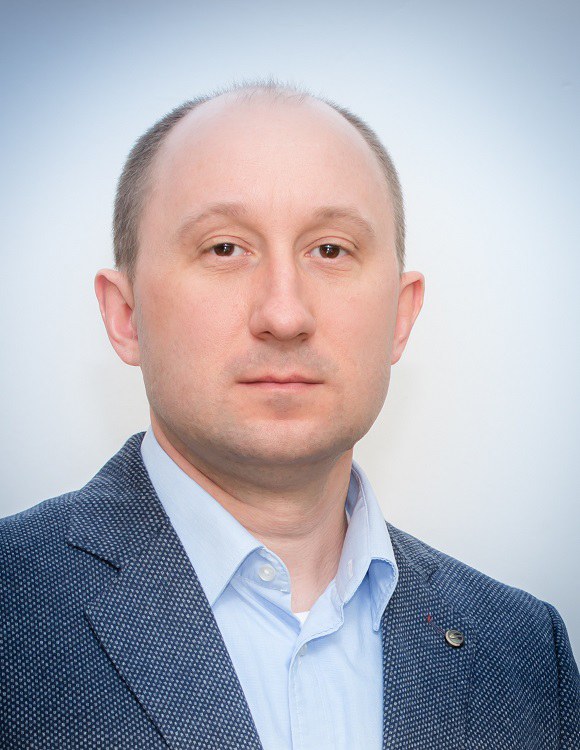
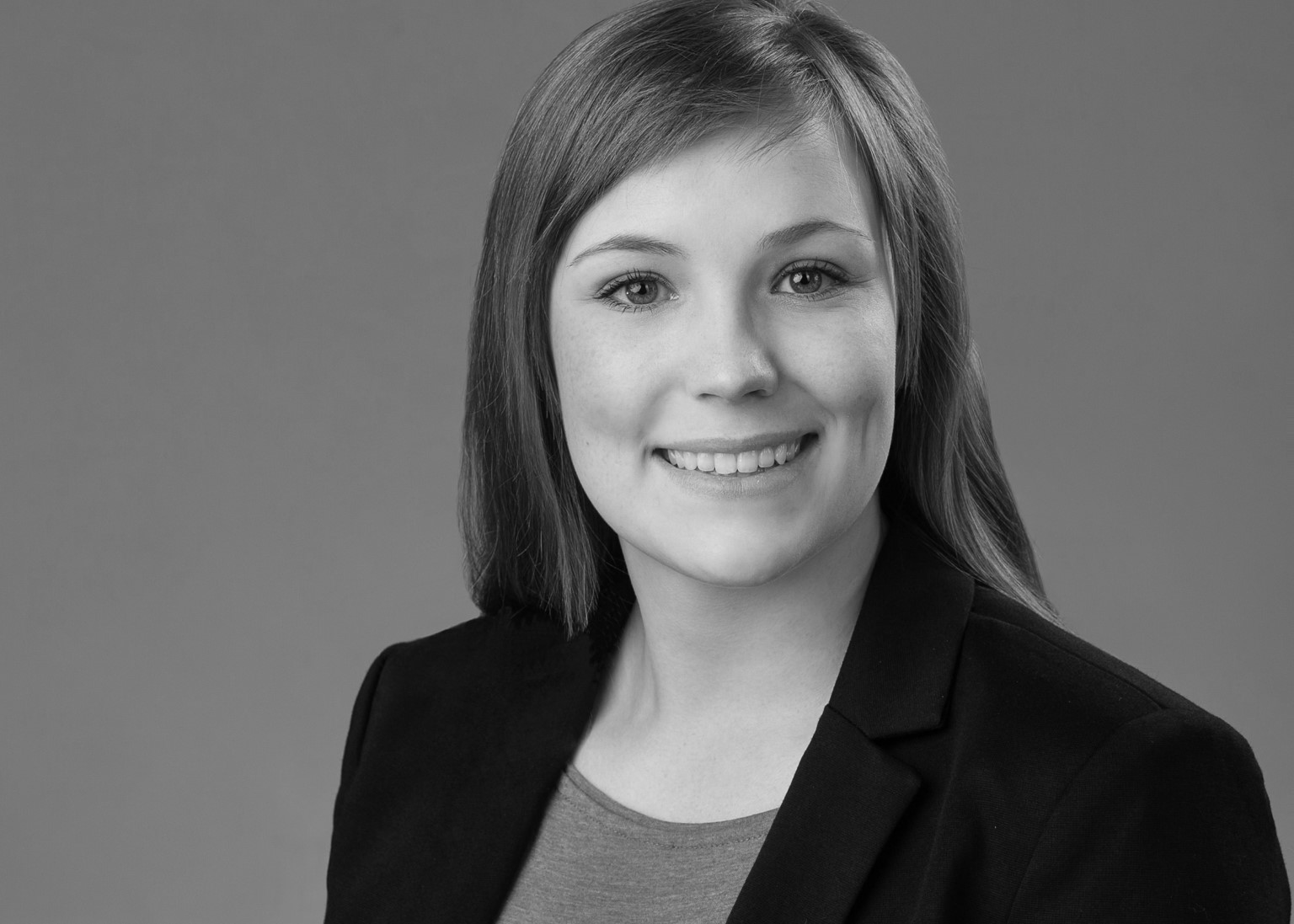
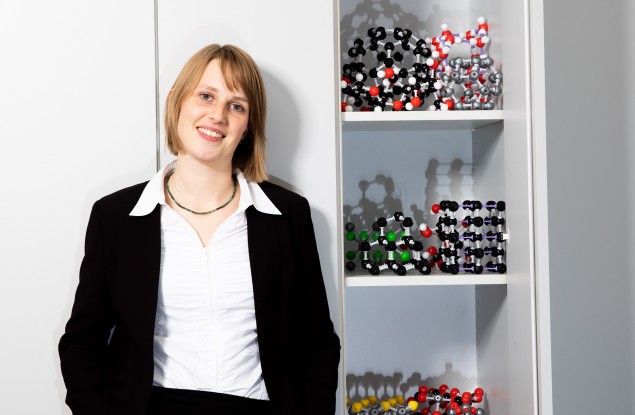
Prof. Dr. rer. nat. Fritz E. Kühn is a Professor of Molecular Catalysis at the Department of Chemistry within the TUM School of Natural Sciences at Technische Universität München (TUM). His research spans organometallic chemistry, medicinal chemistry, and molecular catalysis, focusing on carbene ligated metal precursors for task-specific applications in catalysis and biomedical fields. Current research emphasizes oxidation/hydrogenation catalysis with transition metals Active collaborations with industrial partners for small molecule activation Dean of Studies at TUM School of Chemistry since 2016 Spokesperson for TUM Graduate School (Chemistry department) Recent publications highlight advancements in gold(I) NHC complexes for cancer therapy , single-atom rhenium catalysts , and asymmetric epoxidation systems . His work aligns with UN SDGs through sustainable catalytic processes. Scientific recognition includes the Otto Roelen Medal and Hans Fischer Prize . Key research tools include N-heterocyclic carbenes, computational modeling, and industrial process optimization.
Prof. Dr. Simone Birkel is a Professor of Religious Education at the Catholic University of Eichstätt-Ingolstadt, currently affiliated with the School of Transformation and Sustainability. Previously, she was part of the Faculty of Religious Education/Church Educational Work until October 2023. Her work spans religious education, sustainable development, and media studies, with a focus on innovative teaching methods and practical applications in youth ministry. Her research interests include transformative learning, religious education for sustainable development (rESD), digital media in religious contexts, and youth and school pastoral care. Her work bridges theological reflection with practical educational applications, particularly in the context of ecological and social transformation. Prof. Birkel's recent publications reveal a strong focus on the intersection of digital culture and religious identity, particularly through her research on selfies and digital self-presentation among youth. Her work also demonstrates significant engagement with sustainable development education, festival pastoral care, and innovative teaching formats that connect theological reflection with practical social engagement. Her notable awards include the 2024 Uniservitate Service Learning Award for her work on festival pastoral care, the 2019 Creation Prize from the Diocese of Eichstätt, and the 2017 Teaching Innovation Award from the Catholic University of Eichstätt-Ingolstadt. 2024 Uniservitate Service Learning Award: Special Mention for Awareness: Pastoral Care in Festival Contexts 2019 Creation Prize of the Diocese of Eichstätt for student film project 2017 Teaching Innovation Award from KU Eichstätt-Ingolstadt 2000 Recognition in scientific early career competition Prof. Birkel has supervised numerous student projects, including innovative youth ministry initiatives like the Spirit Poetry Slam, festival pastoral care programs, and research on digital identity formation. Her teaching includes courses on transformative religious education, theological-ethical aspects of sustainable development, and media education in religious contexts. She has also led significant research projects on church youth education transformation and religious education for sustainable development.
Claudia Weidenthaler , now an Associate Professor at the University of Duisburg-Essen and group leader at the Max Planck Institut für Kohlenforschung , is renowned for her work in heterogeneous catalysis and materials science . Her research focuses on structure-property relationships of functional materials using in situ diffraction and X-ray spectroscopy . Studied geology, mineralogy, and crystallography at the University of Würzburg Completed her doctorate under Reinhard X. Fischer at the University of Mainz Postdoctoral work at the Universities of Bremen and Frankfurt Moved to Max Planck Institute in 1999, establishing solid-state analytics Her research spans mechanochemical synthesis , energy storage materials (e.g., aluminum hydrides), and solid-state transformations . Recent work includes CO2 hydrogenation , nanoparticle characterization , and metal phosphide synthesis . In 2023, she was honored with the Agricola Medal for her contributions to applied mineralogy. She actively promotes equal opportunities and science outreach as an Equal Opportunities Officer and coordinator of the institute's "Girls' Day" initiative. Advisees include PhD candidates Christos Sidiropoulos and Teja Yanamandram Recipient of the Agricola Medal (2023) Developed unconventional methods combining mechanosynthesis with synchrotron X-ray diffraction Her publications highlight in situ/operando methods for studying catalysts under real conditions, with applications in hydrogen storage , electrocatalysis , and nanomaterials .
Prof. Ferdi Schüth is a renowned chemist and director at the Max Planck Institute for Coal Research since 1998. He serves as Second Vice President of the Society of German Natural Scientists and Physicians (GDNÄ), set to become its president in 2027. His research focuses on catalysis, mechanochemistry, and sustainable energy solutions. He pioneered high-throughput experimentation (HTE) and founded hte GmbH in 1999. Schüth has received prestigious awards including the Alwin Mittasch Prize (2025) and Wilhelm Exner Medal (2024), recognizing his contributions to catalysis and industrial applications. His work spans nanostructured catalysts, mechanochemical ammonia synthesis, and recycling innovations. Research interests include heterogeneous catalysis, mechanochemical processes, and energy transition technologies. Key areas involve catalyst design for fuel cells, hydrogen storage, and polymer recycling. His interdisciplinary approach bridges fundamental science and industrial applications, emphasizing cross-disciplinary collaboration. Recent studies explore catalyst stability, electrochemical nitrogen synthesis, and scalable catalytic materials. Schüth’s labs develop novel catalysts using mechanochemical methods and advanced characterization techniques. Scientific awards highlight his impactful contributions: the Alwin Mittasch Prize for catalysis fundamentals, the Wilhelm Exner Medal for industrial applicability, and an honorary fellowship from the Chinese Chemical Society. His leadership roles in scientific societies underscore his commitment to fostering interdisciplinary science and public engagement. Ongoing projects focus on sustainable chemical processes, including mechanochemical recycling of plastics and optimizing catalysts for renewable energy systems.
Kun-Han Lin is an Associate Professor at National Tsing Hua University since June 2022. Previously, he served as a Postdoctoral Fellow in the theory group at the Max Planck Institute for Polymer Research (MPI-P) from October 2020 to 2022. His research focuses on computational design of organic semiconductors for applications in organic light-emitting diodes (OLEDs), perovskite solar cells, and photovoltaic materials. Lin holds a Ph.D. in Chemistry from École Polytechnique Fédérale de Lausanne (EPFL) and a Master’s in Materials Science from National Taiwan University. His research interests emphasize structure-property relationships in organic materials, virtual screening for optimal molecular candidates, and understanding charge transport mechanisms. Key projects include predicting molecular ordering in thin films and developing non-fullerene acceptors for balanced charge transport. In 2023, he was awarded a prestigious Max Planck Partner Group to advance collaborative research. Publications highlight innovations in high-entropy alloy catalysts for hydrogen production, molecular design for charge-carrier trapping elimination, and computational approaches to predict glass transition temperatures. His work bridges theoretical simulations with experimental validation, targeting sustainable energy technologies.
Prof. Regina Palkovits is a Full Professor of Heterogeneous Catalysis & Chemical Technology at RWTH Aachen University's Institute of Chemical Technology & Macromolecular Chemistry (ITMC). She serves as Acting Director of ITMC since 2015 and holds a Max Planck Fellowship at the MPI for Chemical Energy Conversion (since 2019). Her research focuses on sustainable catalytic processes for renewable energy and biomass conversion, including photocatalytic CO2 reduction, electrochemical water splitting, and biorefinery pathways. Key projects involve developing solid molecular catalysts, immobilized heteropolyacids, and single-atom catalysts on covalent triazine frameworks. Palkovits leads a research group with ongoing projects in catalytic hydrogenation, bio-based tandem reactions, and hydrogen production technologies. Education: Diploma in Chemical Engineering, Technical University Dortmund (1998–2003) PhD, Max Planck Institute for Coal Research (2003–2006) Postdoc, Utrecht University (2007) Group Leader, Max Planck Institute for Coal Research (2008–2010) Research Interests: Palkovits’ work bridges heterogeneous catalysis and materials innovation to address global challenges. Key areas include: Electrochemical hydrogen production and water splitting Biomass conversion to platform chemicals (e.g., xylitol) CO2-to-fuel processes using photocatalytic systems Immobilized catalyst design for recyclability and stability Awards: Max Planck Fellow (2019) EFCATS Young Researcher Award (2019) DECHEMA Award (2017) Robert Bosch Junior Professorship (2010) Hendrik Casimir–Karl Ziegler Award (2006) Grants & Collaborations: Active in interdisciplinary projects with MPI-CEC and Hamburg University. Her group seeks students for research in catalytic hydrogenolysis, electrochemical conversions, and biorefinery pathways. Labs/Teams: Leads the “Solid Molecular Catalysts” group, focusing on sustainable chemical processes and material synthesis for green energy applications.
Prof. Dr. rer. nat. Anna Mechler is a faculty member at RWTH Aachen University , specifically affiliated with the Aachen Process Engineering school under the Teaching and Research Area Electrochemical Reaction Engineering . Her research focuses on electrochemical reaction engineering, particularly in the development of advanced catalysts for energy conversion systems. Research Interests: Oxygen evolution reaction (OER) optimization, electrochemical catalyst synthesis, plasma-assisted electrode fabrication, and sustainable energy technologies like fuel cells and water electrolysis. Publications: Recent work highlights the development of Ni-Co-O anodes, mechanochemical activation of catalysts, and innovative methods for improving electrolyzer efficiency and reproducibility. Labs/Teams: Active in the NGP² group at Aachen Process Engineering, contributing to industrial-scale electrochemical process development.
Dr. Martina Preiner serves as a Max Planck Research Group Leader at the Microcosm Earth Center (MEC) within the Max Planck Institute for Terrestrial Microbiology in Marburg, Germany. She leads an interdisciplinary research team investigating the chemical origins of life, focusing on the critical interface between geochemistry and biochemistry. Her laboratory employs various imaging techniques alongside chemical, biochemical, and geochemical methods to examine how life might have emerged from non-living matter. Dr. Preiner's research centers on fundamental questions about life's emergence: How did life originate from non-life? How did cellular structures develop from geochemical environments? Her primary interests include Origin of Life studies , Prebiotic Chemistry , Geochemical-Biochemical Transitions , and Mineral Catalysis . A significant focus examines how mineral surfaces function as protoenzymes ('geozymes') in primordial metabolism, particularly investigating specific abiotic hydride transfer to biological redox cofactors like NAD+. Analysis of her recent publications reveals a strong emphasis on hydrothermal vent systems, mineral-catalyzed reactions, and the chemical properties of biological cofactors in prebiotic contexts. Her work consistently explores how mineral surfaces facilitate specific biochemical reactions essential to life, with particular attention to energy transfer mechanisms and carbon fixation pathways. This research bridges geochemistry, biochemistry, and systems chemistry to develop testable models for life's emergence. Major Research Themes: Geochemical protoenzymes (geozymes) in primordial metabolism NAD+ reduction on mineral surfaces Hydrothermal vent chemistry and life's origins Serpentinization processes and early metabolism Autotrophic core metabolic networks Dr. Preiner leads a dynamic research group comprising postdoctoral researcher Delfina Patricia Henriques Pereira, doctoral researchers Manavika Khanna, Oskari Lehtinen, and Giuseppe Peyroche, along with master's students Rafael Pollinger and Zinab Yadallah. Her laboratory at the Microcosm Earth Center features specialized equipment for creating experimental setups that simulate early Earth conditions, enabling direct testing of hypotheses about life's chemical origins.
Dr. Serhiy Cherevko is a Group Leader in the field of Electrochemical Energy Conversion at the Helmholtz Institute Erlangen-Nürnberg (HIERN) , affiliated with Forschungszentrum Jülich GmbH. His research focuses on advancing electrocatalytic processes for sustainable energy technologies, including hydrogen storage, fuel cells, and photovoltaics. Research Center Jülich GmbH, Wilhelm-Johnen-Straße, 52428 Jülich Building HIERN-Cauerstraße / Room 4010 Contact: +49 9131-12538169 His work spans multiple subfields, including: Electrocatalysis for renewable energy systems High-throughput screening of electrochemical materials Nanoanalysis of interfacial processes in energy devices Process design and intensification for hydrogen storage Development of advanced catalysts and membrane polymers Simulation of fluid dynamics in reactive environments Dr. Cherevko contributes to sustainable energy solutions through cutting-edge research on surface engineering, composite membrane design, and electrochemical reaction cycles. His projects emphasize scalable and efficient technologies for future energy systems.
Julia Heideklang is a Scientific Researcher at the Philologisches Seminar of Eberhard-Karls-Universität Tübingen since 2022, specializing in early modern translation cultures and paratextual strategies in scientific literature. Her work bridges Neo-Latin studies with the history of botany, examining how marginal textual elements shaped scientific knowledge formation. PhD in Classics at Humboldt-Universität zu Berlin (2017-2024) Doctoral candidate at DFG Graduate School 2190 (2017-2021) LBI Fellow at Ludwig Boltzmann Institute for Neo-Latin Studies (2022) Her research focuses on paratexts in early modern prints and their role in constructing botanical knowledge. She investigates how title pages, dedicatory letters, and marginal annotations in works like the Herbarius Latinus (1484) functioned as epistemic catalysts during science's institutionalization. Current publications analyze translation functions in Machiavelli's Il Principe adaptations, Campanella's spatial concepts in Latin translations, and database methodologies for tracking early modern translation processes. Her work reveals critical insights into knowledge transmission through textual framing devices. 2025: Paul-Oskar-Kristeller Fellowship, Renaissance Society of America 2022: LBI Fellow, Ludwig Boltzmann Institute for Neo-Latin Studies Active in academic events, she presented on topics ranging from gender diversity in translation cultures to Machiavellian thought recreation in Latin. As blog contributor to Übersetzungsgeschichte(n) , she promotes public engagement with translation research.
Prof. Dr. Vera Krewald is a Professor for Quantum Chemistry at Technische Universität Darmstadt, Department of Chemistry. She leads a research group focused on theoretical and quantum chemistry approaches to understand electronic structures and properties of inorganic and transition metal complexes. Her work bridges computational methods with experimental spectroscopy to explore magnetic interactions, electron transfer processes, and catalytic mechanisms. Professor for Quantum Chemistry (W3) at TU Darmstadt (since 11/2023) Professor for Theoretical Chemistry (W2, tenure track) at TU Darmstadt (12/2018-10/2023) Research Group Leader at University of Bath (01/2017-11/2018) Prof. Krewald's research focuses on applying quantum chemistry methods to understand the electronic structure and functioning of inorganic complexes. Her group makes predictions about spectroscopic, magnetic, and other measurable properties of transition metal complexes, with particular interest in systems that exhibit unexpected properties, magnetic coupling, challenging molecular transformations, or promising catalytic activity. Key research areas include electron transfer processes, photophysics and photochemistry of transition metal complexes, nitrogen activation and splitting, oxygen reduction catalysis, and the development of theoretical methods like the Angular Overlap Model. Analysis of Prof. Krewald's recent publications reveals a strong focus on iron-based catalysis, particularly for energy-related applications like the oxygen reduction reaction in fuel cells. Her work frequently combines computational quantum chemistry with experimental spectroscopy, especially Mössbauer spectroscopy, to characterize active sites in catalysts. There's also significant emphasis on electron transfer processes, photochemical activation of small molecules like dinitrogen, and the development of computational tools for analyzing magnetic properties and metal-ligand bonding. 2022: Dozentenpreis from the chemical industry fund (Fonds der Chemischen Industrie) 2021: Award from the Dr. Hans Messer Stiftung for early career researchers 2021: ADUC Award from the German association of university professors in chemistry 2014: Otto Hahn Medal of the Max-Planck-Society 2013: Participant at 63rd Lindau Nobel Laureate Meeting 2008-2013: German National Academic Foundation fellowship Prof. Krewald leads a research group with 2 postdocs, 6 PhD candidates, and several B.Sc./M.Sc. students. Her group has secured funding from multiple sources including the DFG, Leverhulme Trust, Merck'sche Gesellschaft für Kunst und Wissenschaft e.V., NHR Verein e.V., and Deutsche Bundesstiftung Umwelt. She serves as vice-speaker of SFB 1487 "Iron, upgraded!" (2022-2025), demonstrating her leadership in coordinated research efforts. Her group actively collaborates with experimental researchers to elucidate reaction mechanisms and identify catalytically active species. The Krewald Research Group operates within the Department of Chemistry at TU Darmstadt, with strong connections to collaborative research centers including SFB 1487 "Iron, reimagined!", SFB 1633 "Pushing Electrons with Protons", and SPP 2491 "Interactive Switching of Spin States". The group is also involved in the Quantum Bio-Inorganic Chemistry Society, which Prof. Krewald co-founded and serves as Secretary General. Their work combines high-level quantum chemical calculations with experimental validation to address fundamental questions in inorganic chemistry and catalysis.
Dr. Philipp Nikolaus Pleßow serves as a group leader at the Institute of Catalysis Research and Technology (IKFT) within the Karlsruhe Institute of Technology (KIT), where he has led research on theoretical catalysis since 2016. His work bridges computational chemistry and industrial catalyst development, focusing on fundamental reaction mechanisms and stability challenges. His academic journey includes: Diploma in Chemistry from KIT (2010) PhD from Heidelberg University (2014) under Prof. Dr. Hofmann, researching homogeneously catalyzed reactions with BASF and CaRLa Postdoctoral training at SUNCAT, Stanford University, with Dr. Abild-Pedersen and Prof. Dr. Nørskov Pleßow's research centers on computational modeling of zeolite-catalyzed reactions and catalyst deactivation through sintering. His group "Reaction mechanisms and catalyst design" develops molecular-level insights to engineer more efficient and durable catalysts, with direct implications for sustainable chemical processes. This interdisciplinary work combines quantum chemistry, surface science, and materials engineering to address industrial catalysis challenges. He contributes significantly to KIT's academic mission through: Co-teaching "Quantum Chemistry of Solids and Surfaces" (since 2019) with apl. Prof. Dr. Fink Co-leading "Theorie und molekulare Simulation in der Katalyse" (Theory and Molecular Simulation in Catalysis) since 2017 with Prof. Dr. Studt Delivering exercises in physical chemistry mathematics (2020-2021) As head of his research group at IKFT, Pleßow directs computational investigations into catalyst behavior under operational conditions, emphasizing predictive models for real-world catalytic systems.
Prof. Connie Lu is a Professor at the Institute of Inorganic Chemistry within the Faculty of Mathematics and Natural Sciences at the University of Bonn. She leads the Lu Lab, which focuses on developing homogeneous catalysts for converting abundant small molecules like N₂ and CO₂ into useful chemical feedstocks such as ammonia and methanol. Her research interests encompass metal-metal bonding, innovative ligand design, sustainable catalysis, and energy conversion technologies. The lab specializes in creating ligand frameworks that enable transition metals to facilitate multi-electron and proton-coupled reactions essential for small-molecule reduction. This approach allows rapid screening of catalyst families for efficient small-molecule activation. Prof. Lu's work bridges fundamental inorganic chemistry and applied catalysis, with particular emphasis on reaction mechanisms in bimetallic systems and sustainable chemical synthesis. Her research contributes to renewable energy solutions and environmentally friendly chemical processes.
Dr. Christopher Kley is a Group Leader at the Fritz Haber Institute of the Max Planck Society, leading the Kley Group within the ISC Department's Interface Science research area. His work focuses on material synthesis and nanoscale understanding of solid-liquid interfaces for catalysis and energy conversion applications. Key research interests include developing advanced catalytic materials and elucidating structure-property relationships using in situ scanning probe microscopy (SPM), particularly atomic force microscopy (AFM) under liquid phase conditions. The group also employs advanced spectroscopic tools to study charge transport phenomena and catalyst degradation mechanisms under reaction conditions. Recent research highlights include investigations into CO2 electroreduction catalyst stability, nanoscale electron transfer at electrochemical interfaces, and operando characterization of catalyst morphology changes. Dr. Kley has published extensively in journals like National Science Review , ACS Applied Materials & Interfaces , and Journal of the American Chemical Society . He actively participates in international conferences, presenting innovations in electrochemical microscopy and catalytic materials design. His team comprises researchers such as Dr. Mael Brule, Dr. Neha Jha, and Dr. Martin Munz, collaborating on projects funded by the Helmholtz Association and Max Planck Society grants. The Kley Group's lab specializes in integrating advanced microscopy with material synthesis to address challenges in renewable energy conversion and sustainable catalysis.
Dr. Melanie Bühler is the Head of Electrochemical Energy Systems - Applications at the Department of Microsystems Engineering (IMTEK) at the University of Freiburg. She holds a PhD from the University of Freiburg (2020), focusing on 'Development of novel electrodes for PEM water electrolysis.' Her academic journey includes a Master's in Microsystems Engineering (2016) with work on bio fuel cells and a Bachelor's (2012) in the same field. She is currently the contact person for PEM water electrolysis projects. Her research interests revolve around electrochemical systems, specifically proton exchange membrane (PEM) electrolyzers, catalyst development, material science, and renewable energy systems. Key areas include optimizing electrode configurations, catalyst activity, and membrane assembly technologies. She has contributed to advancements in non-noble metal catalysts and core-shell microparticle designs for improved electrolyzer performance. Dr. Bühler's lab, the Laboratory for MEMS Applications, focuses on applied electrochemical engineering. Her publications highlight innovations in PEM electrolyzer design, electrode fabrication techniques, and material characterization. Her work bridges fundamental electrochemistry with practical applications in sustainable energy systems.