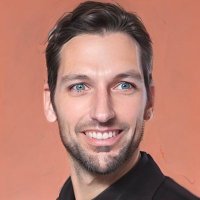
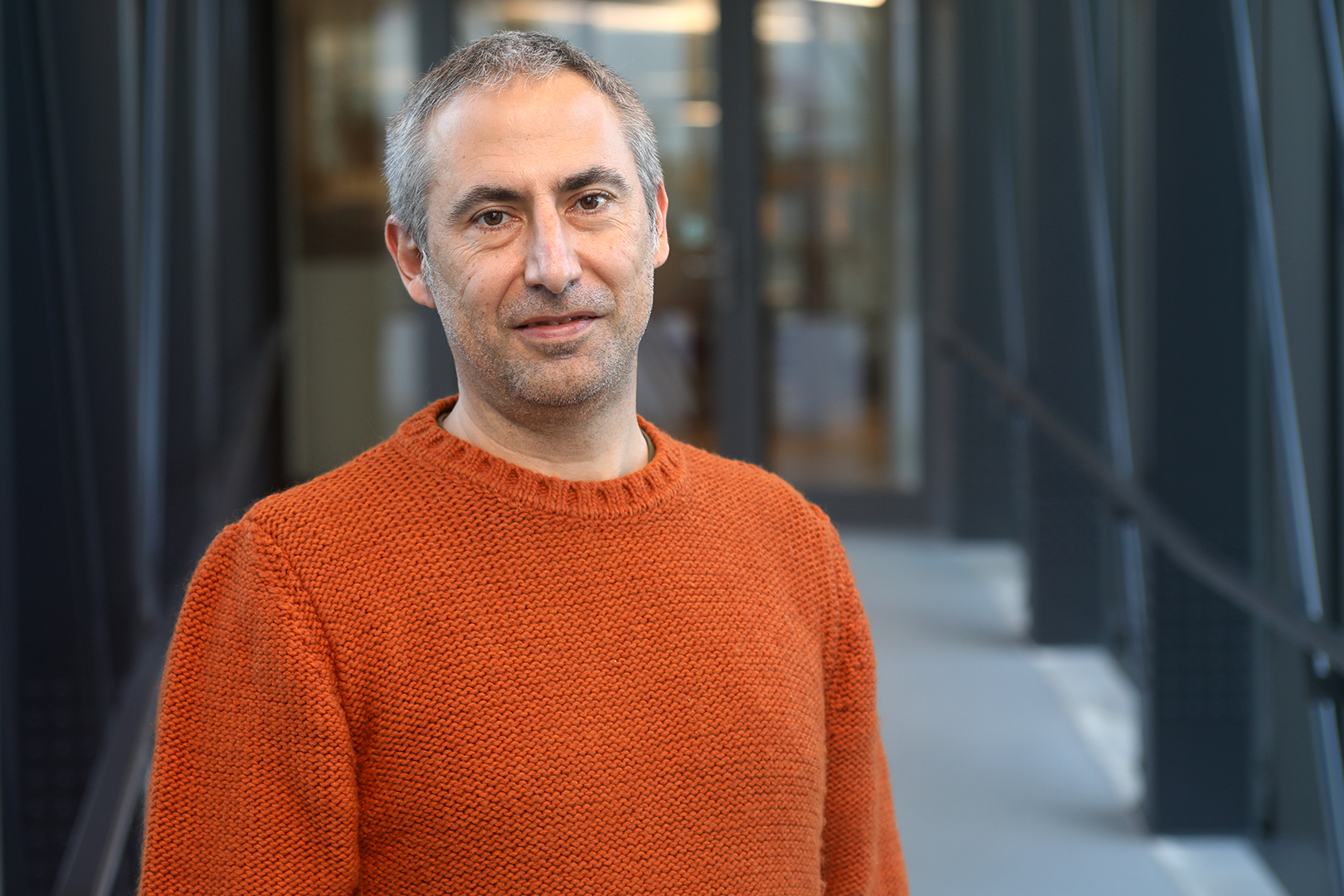
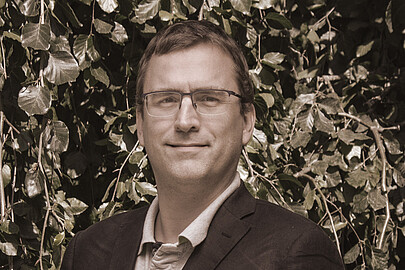
Dr. Lars Lauterbach is a University Professor at RWTH Aachen University , leading the Department of Synthetic Microbiology . His research focuses on molecular genetics, biochemistry, and gas-converting biocatalysts, particularly hydrogen-dependent enzymatic processes. Institution: RWTH Aachen University Role: Institute Head Contact: lars.lauterbach@rwth-aachen.de His work spans hydrogen metabolism , metalloenzymes , and electrobiochemistry , with recent publications emphasizing CO2 conversion, hydrogenase engineering, and enzymatic cofactor regeneration. Key research areas include: Hydrogen-driven biocatalytic cascades Oxygen-tolerant hydrogenases Carbon dioxide valorization Multi-step enzymatic synthesis Hydrogen storage and utilization Redox chemistry in metalloproteins The 2023-2025 article list reflects trends in CO2-based biotechnology , biocatalytic hydrogenation , and synthetic microbial systems , with applications in pharmaceuticals, fine chemicals, and sustainable energy.
Dr. Olaf Rüdiger is a Group Leader at the Max Planck Institute for Chemical Energy Conversion (MPI CEC), leading the Spectroelectrochemistry group within the Department of Inorganic Spectroscopy. His research focuses on understanding and designing bio-inspired catalysts for hydrogen production/oxidation and energy conversion systems, particularly using hydrogenases and earth-abundant metal complexes. He earned his B.Sc. from the University of Valencia (2003), M.Sc. from Universidad Autónoma de Madrid (2006), and Ph.D. from Universidad Autónoma de Madrid and CSIC (2009). His work combines electrochemistry with advanced spectroscopic techniques to study catalyst dynamics under operational conditions. Key research areas include: Development of redox hydrogels to protect oxygen-sensitive hydrogenases Electrochemical and spectroscopic analysis of OER catalysts (e.g., cobalt oxides) Immobilization strategies for bio-inspired and enzymatic catalysts on electrodes His group has pioneered methods to stabilize hydrogenases in harsh environments using redox polymers, enabling their application in fuel cells. Recent studies emphasize operando characterization of catalysts during turnover, revealing insights into active site structures and reaction mechanisms. Laboratory collaborations include partnerships with Ruhr University Bochum (W. Schuhmann, N. Plumeré) and the Savitsky/Cox groups for in situ EPR/XAS studies. Current projects explore single-atom catalysts for water oxidation and light-responsive spin-state switches in iron complexes.
Emiliano Cortés is an affiliated researcher at the Catalysis Research Center (CRC) of the Technical University of Munich (TUM). He leads the Nanocatalysis group, focusing on the interdisciplinary exploration of nanomaterials and their applications in energy conversion, storage, and catalysis. His work integrates physics, chemistry, and materials science to develop novel optical, electrical, and thermal materials, including metals, semiconductors, 2D materials, and carbon-based systems. Research interests emphasize plasmonic and photonic solutions for catalysis and energy management, with a focus on optimizing material properties for sustainable energy technologies. Recent contributions include studies on bimetallic plasmonic nanostructures for hydrogen generation and CO₂ conversion, as well as advancements in single-particle thermometry and light-activated catalysts. No scientific awards or grants are explicitly listed, though his work has been featured in high-impact journals like Nature Catalysis and Nature Communications . He collaborates with institutions globally and maintains an active research group at the CRC.
Dr. Dirk Dorfs is an Associate Professor at Leibniz University Hannover, working within the Faculty of Natural Sciences at the Institute of Physical Chemistry and Electrochemistry. He serves as Group Leader of the Section Colloid Chemistry of Metals and Semiconductors, Spectroscopic Effects, and is part of the lecturing staff. His research spans multiple areas of nanoscience and physical chemistry with a particular focus on colloidal nanoparticle synthesis and characterization. Dr. Dorfs' primary research interests include shape and composition control in colloidal nanoparticle synthesis, alternative plasmonic materials, and temperature gradients on the nanometer scale. His work bridges fundamental nanomaterial science with practical applications in electrocatalysis, energy conversion, and optoelectronics. He has developed expertise in creating complex nanostructures including cryogels, semiconductor-metal hybrid systems, and plasmonic nanomaterials. His publication record demonstrates consistent research output over two decades, with recent work focusing on cryogel-based electrocatalysts, plasmonic nanocrystals, and semiconductor-metal hybrid systems. The research trends show a progression from fundamental nanocrystal synthesis to more applied materials for energy conversion and catalysis. Dr. Dorfs has contributed significantly to advances in colloidal chemistry, particularly in the areas of nanoparticle-based cryogels, plasmonic nanomaterials, and semiconductor heterostructures. His work has been published in high-impact journals including ACS Nano, Small, Journal of Physical Chemistry, and Advanced Materials. He leads research activities focused on developing novel nanomaterials with controlled properties for applications in energy conversion, catalysis, and optoelectronics. His group investigates the fundamental physical and chemical processes that govern nanomaterial behavior while developing practical applications for these advanced materials.
Corina Andronescu is an Assistant Professor at the University of Duisburg-Essen, leading the Technical Chemistry III department. Her research focuses on electrocatalysis, advanced materials synthesis, and sustainable energy conversion. She has held positions at the Ruhr-University Bochum and the University Politehnica of Bucharest. Education: PhD in Chemical Engineering (2014), University Politehnica of Bucharest Master’s in Chemical Engineering (2011), University Politehnica of Bucharest Bachelor’s in Chemical Engineering (2009), University Politehnica of Bucharest Research interests: Development of novel electrocatalysts for oxygen evolution reaction (OER), CO₂ electroreduction, and alcohol oxidation High-throughput discovery of energy-related materials using combinatorial methods Investigation of nanostructured materials (e.g., perovskites, high-entropy alloys) for industrial applications Integration of plasma and laser-based technologies in catalyst fabrication Operando electrochemical microscopy to analyze catalyst heterogeneity Design of gas diffusion electrodes for scalable chemical production Awards: 2023: Jochem Block Preis (DECHEMA), Junge Kolleg Membership (NRW Academy) 2022: Joachim Walter Schultze Preis, Gottschalk-Diederich-Baedeker-Preis 2018: Ad Astra Research Excellence Award (Romania), Electrochimica Acta Travel Award 2017: RUB Inventor Award for self-healing catalyst films Advising & Grants: While no advisees are listed, her work involves collaborations on high-throughput material discovery and industrial electrolyzer optimization projects. She has secured grants for aerosol-based catalyst synthesis and nanocomposite development. Labs/Teams: Head of the Technical Chemistry III lab at UDE, focusing on electrocatalytic processes and advanced materials characterization using techniques like liquid-cell TEM and SECCM.
Dr. Thomas Weyhermüller is a Group Leader at the Max Planck Institute for Chemical Energy Conversion (MPI CEC) in the Department of Inorganic Spectroscopy. He obtained his PhD from Ruhr-Universität Bochum in 1994 and has led his research group at MPI CEC since 1995. His work focuses on synthesizing model compounds for spectroscopic studies and understanding catalytic mechanisms, particularly related to nitrogenase and transition metal systems. Research Interests: Dr. Weyhermüller’s group develops molecular model systems to study catalytic processes, including the nitrogenase enzyme’s active site. They employ techniques like X-ray crystallography and NMR spectroscopy to analyze transition metal complexes and their reactivity. Key areas include inorganic chemistry, catalysis, and bioinorganic systems. Publications: Recent studies highlight work on nickel-based hydrogenation catalysts, rhodium-driven hydrodefluorination, and sulfur-ligated iron-carbon clusters mimicking nitrogenase. His articles explore ligand design, electron spin states in diiron complexes, and CO₂ activation mechanisms. Lab Facilities: His lab uses state-of-the-art equipment including a Bruker D8 Venture X-ray diffractometer and a 500 MHz NMR spectrometer. These tools support structural characterization of catalytically active compounds.
Konstantinos Markantonakis is a Professor of Information Security in the Department of Information Security at Royal Holloway, University of London, where he also serves as Director of the Smart Card and IoT Security Centre and the Transformative Digital Technologies, Security and Society Catalyst. He is a leading figure in embedded systems and IoT security, with extensive research and consultancy experience. BSc (Hons) in Computer Science, Lancaster University, 1995 MSc in Information Security, Royal Holloway, 1996 PhD in Smart Card Security, Royal Holloway, 2000 MBA in International Management, Royal Holloway, 2005 His research focuses on securing embedded and cyber-physical systems, including smart cards, mobile devices, drones, automotive systems, and IoT. He investigates trusted execution environments, side-channel analysis, secure protocols, and hardware-software binding. His work bridges theoretical security and practical implementation, often uncovering zero-day vulnerabilities in consumer devices. The recent publications highlight a strong trend in trusted computing, remote attestation, secure embedded systems, and privacy-preserving technologies. His research integrates blockchain for secure energy trading, develops frameworks for edge machine learning, and advances forensic techniques for damaged storage media. He also explores covert channels in mobile and cloud environments, demonstrating a deep understanding of both offensive and defensive security. Best Paper Award Markantonakis has led major research projects such as EXFILES (forensic extraction from encrypted smartphones), Future TPM (quantum-resistant trusted modules), and the Academic Centre of Excellence in Cyber Security Research. He has supervised numerous PhD students and delivered keynotes at international conferences. His consultancy work has impacted financial institutions, transport operators, and mobile platform security. He leads the Smart Card and IoT Security Centre, a research hub focusing on practical security for connected devices. The centre conducts cutting-edge research in side-channel attacks, secure application execution, and forensic analysis, contributing significantly to both academic and industrial advancements in cybersecurity.
Carolin Müller is a Juniorprofessor for the Theory of Electronically Excited States at the Friedrich-Alexander University Erlangen-Nuremberg since November 2023. Previously, she was a Feodor Lynen Postdoctoral Researcher at the University of Luxembourg (June 2022-October 2023) and a Postdoctoral Researcher at Friedrich Schiller University Jena (March 2021-May 2022). Dr. Müller received her B.Sc. (2016) and M.Sc. (2018) in Chemistry from Friedrich Schiller University Jena, followed by her Ph.D. (Dr. rer. nat) in 2021 from the same institution. Her doctoral research focused on "Towards Operando Spectroscopy of Supramolecular Photocatalysts – A Case Study on Ru-dppz-derived Systems" under the supervision of Prof. B. Dietzek-Ivanšić. Dr. Müller's research focuses on the theoretical understanding of photoinduced processes in molecules and materials. Her group (CPC Group) investigates electron transfer processes, isomerization reactions, and excited-state dynamics with the goal of controlling and optimizing light-driven processes for increased reactivity and efficiency. Her work combines computational chemistry, spectroscopy, and machine learning approaches, specifically utilizing methods like TD-DFT, CASSCF, molecular/quantum dynamics, and cheminformatics techniques including SVD, MCR, and global/target lifetime analysis. Her recent publications demonstrate a strong interdisciplinary approach spanning computational chemistry, spectroscopy, and machine learning. Key themes include nonadiabatic molecular dynamics, excited-state simulations, photoswitch design, photocatalysis, and the development of computational tools like KiMoPack for kinetic modeling. Her work often bridges theoretical predictions with experimental validation through close collaboration with spectroscopy research groups. Feodor Lynen Research Fellowship (Alexander von Humboldt Foundation) Thuringian Research Award 2023 for Applied Research Albert-Weller Award (German Chemical Society) Dissertation Award (Faculty of Chemistry and Earth Sciences) FCI Kekulé PhD fellowship As a Juniorprofessor, Dr. Müller leads the CPC Group at FAU, where she mentors students in computational chemistry research. She has developed expertise in combining spectroscopic techniques (resonance Raman, transient absorption, and time-resolved emission spectroscopy) with computational methods and cheminformatics approaches. She also actively contributes to the scientific community through service roles including co-organizing the ESTML 2023 Workshop and serving as an active member in the yPC organization of the German Bunsen Society. Dr. Müller is actively developing the CPC Group research program at the Computer Chemistry Center, focusing on light-induced physical processes and chemical reactions. Her group combines quantum chemistry, chemoinformatics, and experimental spectroscopy to reveal mechanisms behind photoinduced phenomena and optimize light-driven processes.
Dr. Kristin Knipfer is a Senior Research Fellow at the TUM School of Management and Executive Director of the TUM Institute for LifeLong Learning . Her research focuses on leadership as a catalyst for organizational learning and innovation, examining how leaders influence team dynamics in academic, entrepreneurial, and corporate settings. Leadership development in academia and business Organizational learning mechanisms Knowledge management systems Digital transformation in leadership education Her recent publications explore leader identity construal, narcissistic leadership impacts, and team reflection processes. She has received multiple awards including the TUM Digital Innovations in Management Education Award and the Richard A. Swanson Research Excellence Award nomination. She leads evidence-based leadership programs for academic leaders and has co-developed digital tools like the TUM Leadership Toolbox and EMMA digital leadership coach. Her work bridges theory and practice through collaborations with institutions like the Vienna University of Economics and Business.
Dr. Joshua Barham is a Sofja Kovalevskaja Group Leader at the University of Regensburg, Faculty of Chemistry and Pharmacy, Institute of Organic Chemistry. He leads an active research group known as 'The Bear Clan' focusing on cutting-edge synthetic methodologies that bridge photochemistry and electrochemistry. His research program has established him as a leading figure in the emerging field of synthetic photoelectrochemistry. Barham's research interests center on developing innovative synthetic methodologies at the intersection of photochemistry and electrochemistry. His lab explores how light energy and electrical energy can be synergistically combined to overcome fundamental limitations of traditional photoredox catalysis and synthetic organic electrochemistry. His team has pioneered concepts like electrochemically-mediated PhotoRedox Catalysis (e-PRC) and interfacial PhotoElectroChemistry (dPEC), which enable the activation of strong chemical bonds under mild conditions while improving atom economy. His publication record demonstrates a clear trend toward increasingly sophisticated integration of photochemical and electrochemical techniques in organic synthesis. The research spans from fundamental mechanistic studies to practical applications in sustainable chemistry, with particular emphasis on C-H functionalization, bond activation, and the development of novel reaction platforms. His work frequently appears in high-impact journals with numerous cover features and highly cited papers. Sofja Kovalevskaja Award Reaxys Ph.D. Prize Barham actively mentors a diverse team of researchers including multiple PhD students, postdoctoral fellows, and visiting scholars. His group has secured funding through prestigious programs including the Sofja Kovalevskaja Award, Elitenetzwerk Bayern, and DFG SPP2370 grants. The research has resulted in numerous high-impact publications, patents, and press coverage highlighting the innovative nature of the work. The Barham Lab operates state-of-the-art facilities for photoelectrochemical research, flow chemistry, and microwave synthesis. The group has developed specialized equipment including continuous flow photoreactors and microwave flow systems that enable safer, more efficient chemical transformations. Their 'Electrifying Photochemistry' research program continues to push boundaries in sustainable synthetic methodology development.
Naoki Shida is an Associate Professor in the Department of Functional Creation at the Graduate School of Engineering, Yokohama National University. He also holds a concurrent position as a JST PRESTO Researcher. His academic journey began with a BS from Yokohama National University, followed by MS and PhD degrees from Tokyo Institute of Technology, where he specialized in bipolar electrochemistry. He has held postdoctoral positions at Tokyo University of Agriculture and Technology, California Institute of Technology, and worked as a specially appointed assistant professor before joining Yokohama National University. Dr. Shida's educational background includes: BS, Yokohama National University, School of Engineering (2011) MS, Tokyo Institute of Technology, Graduate School of Science and Engineering (2013) PhD, Tokyo Institute of Technology, Graduate School of Science and Engineering (2016) Dr. Shida's research focuses on organic electrosynthesis and electrocatalysis, with particular expertise in flow electrochemistry, bipolar electrochemistry, and polymer electrochemistry. His work bridges fundamental electrochemical principles with practical applications in sustainable chemistry. His research group develops innovative electrochemical methodologies for organic synthesis, with emphasis on green and sustainable approaches that minimize waste and energy consumption. The team specializes in designing novel electrochemical reactors, particularly flow microreactors and membrane-based systems, to enable efficient and selective transformations. Analysis of Dr. Shida's recent publications reveals a strong focus on electrocatalytic hydrogenation processes, particularly for nitrogen-containing heterocycles like pyridines and quinolines. His work also explores the development of novel electrochemical methodologies for C-C and C-N bond formation, as well as the creation of advanced electrochemical reactors using solid polymer electrolytes. A significant portion of his research addresses the fundamental understanding of electrolyte effects on electrochemical reactions, aiming to develop rational design principles for electrolyte systems. Dr. Shida has received numerous prestigious awards recognizing his contributions to electrochemistry, including: Young Scientists Award from the Minister of Education, Culture, Sports, Science and Technology Electrochemical Society Business Creation Pitch Contest Grand Prize Progress Award from the Chemical Society of Japan Electrochemical Society Progress Award Sano Prize Electrochemical Society Best Paper Award As a mentor and researcher, Dr. Shida leads multiple significant research projects funded by the Japan Society for the Promotion of Science, including grants for developing innovative molecular transformation processes based on solid polymer electrolyte electrolysis technology and green catalytic reactions using electrochemically generated main group element radical cations. His collaborative work spans multiple institutions and disciplines, reflecting the interdisciplinary nature of modern electrochemistry research. Dr. Shida's laboratory at Yokohama National University focuses on developing next-generation electrified organic synthesis methods, with particular attention to reactor design, catalyst development, and fundamental mechanistic understanding of electrochemical transformations. The group actively collaborates with researchers across Japan and internationally to advance the field of electrochemical synthesis.
Christina Roth is a Professor and Chair of Materials Process Engineering at the University of Bayreuth's Faculty of Engineering. Her research focuses on materials science and electrochemical energy systems, including fuel cells, redox flow batteries, CO₂ electro-reduction, and advanced materials synthesis via templating and electrospinning. She leads projects on operando methods to study catalytic processes and material degradation mechanisms. Her work bridges fundamental electrochemistry with applied energy technologies. Key research areas include developing high-performance electrocatalysts, optimizing electrode structures, and understanding reaction mechanisms under industrial conditions. Recent studies emphasize operando techniques to monitor catalyst behavior during operation, enhancing reliability in high-current-density electrolysis systems. Collaborations span academia and industry, addressing challenges in sustainable energy storage and conversion. Dr. Roth's expertise is reflected in over 150 publications across top journals like Nature Materials , ACS Catalysis , and Journal of the Electrochemical Society . She actively contributes to conferences such as the livMatS Colloquium series and serves on the Scientific Advisory Board. Her lab focuses on innovative materials for next-generation energy systems, emphasizing scalability and environmental impact.
Dr. Yves Kayser is a Researcher and Project Leader at the Max Planck Institute for Chemical Energy Conversion (MPI CEC), leading the In-house X-ray Spectroscopy group since 2022. His work focuses on developing advanced X-ray spectroscopic techniques for studying catalytic materials and energy storage systems. He holds a B.Sc., M.Sc., and Ph.D. in Physics from the University of Fribourg, Switzerland, followed by postdoctoral research at the University of Fribourg, Paul Scherrer Institut (Switzerland), and the Physikalisch-Technische Bundesanstalt (Germany). Affiliations: Max Planck Institute for Chemical Energy Conversion (MPI CEC) Research Interests: X-ray absorption spectroscopy (XAS), X-ray emission spectroscopy (XES), high-energy-resolution spectroscopy for catalytic materials, in situ/operando analysis, and instrumentation development. Dr. Kayser’s research emphasizes leveraging X-ray techniques to probe electronic and geometric structures of catalytic materials. His group develops stand-alone laboratory instruments for high-energy-resolution studies, including laser plasma sources and von Hamos spectrometers. Key contributions include advancing grazing incidence X-ray fluorescence (GIXRF) for nanostructure analysis and integrating time-resolved experiments for catalytic reaction monitoring. His recent publications explore topics such as differential scattering coefficients for metals, semiconductor nanostructure metrology, and TiO₂ doping effects. He received the 2018 Young Scientist Award from the European X-ray Spectrometry Association for his contributions to instrumentation and methodology. Awards: Young Scientist Award (2018) Students: Advising John Carl Camayang (PhD). Lab Infrastructure: In-house X-ray spectrometers for transmission XAS, EXAFS, and XES, including laser plasma and von Hamos setups.
Prof. Dr. rer. nat. Fritz E. Kühn is a Professor of Molecular Catalysis at the Department of Chemistry within the TUM School of Natural Sciences at Technische Universität München (TUM). His research spans organometallic chemistry, medicinal chemistry, and molecular catalysis, focusing on carbene ligated metal precursors for task-specific applications in catalysis and biomedical fields. Current research emphasizes oxidation/hydrogenation catalysis with transition metals Active collaborations with industrial partners for small molecule activation Dean of Studies at TUM School of Chemistry since 2016 Spokesperson for TUM Graduate School (Chemistry department) Recent publications highlight advancements in gold(I) NHC complexes for cancer therapy , single-atom rhenium catalysts , and asymmetric epoxidation systems . His work aligns with UN SDGs through sustainable catalytic processes. Scientific recognition includes the Otto Roelen Medal and Hans Fischer Prize . Key research tools include N-heterocyclic carbenes, computational modeling, and industrial process optimization.
Prof. Dr. Simone Birkel is a Professor of Religious Education at the Catholic University of Eichstätt-Ingolstadt, currently affiliated with the School of Transformation and Sustainability. Previously, she was part of the Faculty of Religious Education/Church Educational Work until October 2023. Her work spans religious education, sustainable development, and media studies, with a focus on innovative teaching methods and practical applications in youth ministry. Her research interests include transformative learning, religious education for sustainable development (rESD), digital media in religious contexts, and youth and school pastoral care. Her work bridges theological reflection with practical educational applications, particularly in the context of ecological and social transformation. Prof. Birkel's recent publications reveal a strong focus on the intersection of digital culture and religious identity, particularly through her research on selfies and digital self-presentation among youth. Her work also demonstrates significant engagement with sustainable development education, festival pastoral care, and innovative teaching formats that connect theological reflection with practical social engagement. Her notable awards include the 2024 Uniservitate Service Learning Award for her work on festival pastoral care, the 2019 Creation Prize from the Diocese of Eichstätt, and the 2017 Teaching Innovation Award from the Catholic University of Eichstätt-Ingolstadt. 2024 Uniservitate Service Learning Award: Special Mention for Awareness: Pastoral Care in Festival Contexts 2019 Creation Prize of the Diocese of Eichstätt for student film project 2017 Teaching Innovation Award from KU Eichstätt-Ingolstadt 2000 Recognition in scientific early career competition Prof. Birkel has supervised numerous student projects, including innovative youth ministry initiatives like the Spirit Poetry Slam, festival pastoral care programs, and research on digital identity formation. Her teaching includes courses on transformative religious education, theological-ethical aspects of sustainable development, and media education in religious contexts. She has also led significant research projects on church youth education transformation and religious education for sustainable development.