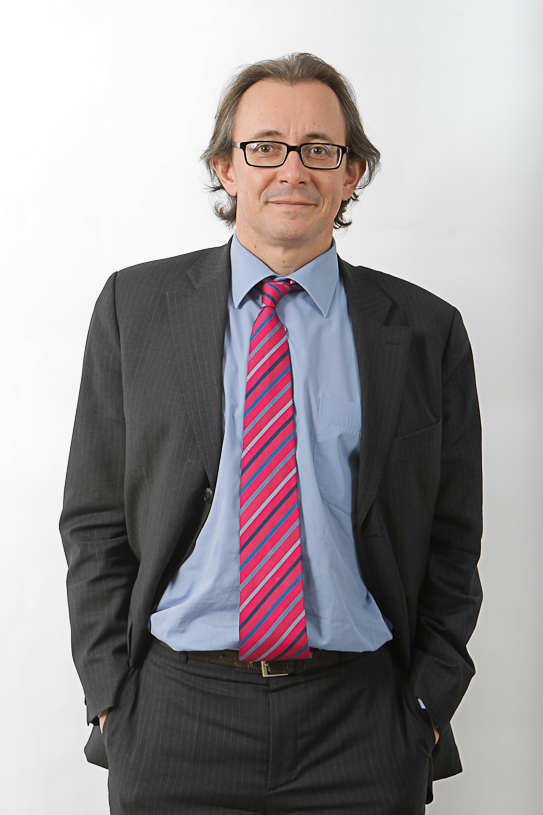
Grégoire Allaire is a Professor of Applied Mathematics at École Polytechnique, where he leads research in shape optimization , homogenization , and multi-scale modeling . His work bridges theoretical and applied domains, focusing on partial differential equations (PDEs), composite materials, and computational methods.
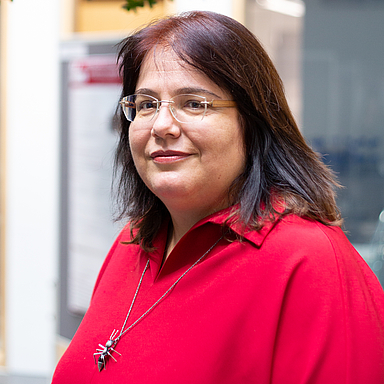
Prof. Dr. Susanne Foitzik is a Professor of Evolutionary Biology at Johannes Gutenberg University Mainz since 2010, where she leads the Evolution & Behavioral Ecology of Ants research group at the Institute of Organismic and Molecular Evolution (IOME). Previously, she was Professor in Behavioral Ecology at LMU Munich (2004-2010) and Assistant Professor in Zoology at the University of Regensburg (2000-2004). She earned her PhD in Biology from Julius Maximilian University, Würzburg in 1998. Her research integrates approaches from behavioral ecology through genomics to epigenetics, focusing on ants as model organisms to study complex social behaviors. Host-parasite coevolution and social parasitism in ants Molecular mechanisms underlying division of labor Reversal of the fecundity-longevity trade-off in social insects Gene regulation in phenotypic plasticity Evolution of chemical communication systems Analysis of her recent publications (2022-2025) reveals a strong focus on molecular mechanisms of social behavior, with particular emphasis on host-parasite interactions, epigenetic regulation of behavior, and genomic adaptations in social insects. Her work increasingly combines transcriptomic, proteomic, and functional genomic approaches to understand the molecular basis of social evolution. Among her notable scientific achievements: Speaker of Research Training Group 2626 GenEvo: Gene Regulation in Evolution (2019-present) Speaker of EES Master Program funded by VW foundation (2007-2010) DAAD Fellow at State University of New York (1992-93) Prof. Foitzik has supervised numerous PhD students and postdocs, including Maide Macit, Tom Sistermans, and Marcel Caminer. Her research is supported by multiple DFG-funded projects investigating host-parasite coevolution, the role of gene regulation in division of labor, and parasite interference in host gene expression. She serves as Handling Editor for Biology Letters and previously served on the editorial board of Insectes Sociaux. Her research group operates within the Institute of Organismic and Molecular Evolution (IOME) at Mainz, with laboratory facilities at the Biozentrum I. The group collaborates extensively with researchers across Germany and internationally, including partnerships with institutions in Frankfurt, Freiburg, Bristol, and Tel Aviv.
Jason Ostanek is an Assistant Professor at Purdue University's School of Engineering Technology and Environmental and Ecological Engineering. He directs the Applied Thermofluids Laboratory and Powertrain Technology Laboratory, focusing on battery safety and thermal management systems. Ph.D. in Mechanical Engineering from Penn State M.S. in Mechanical Engineering from Penn State B.S. in Mechanical Engineering from Virginia Tech His research explores energy storage systems, thermal runaway phenomena, heat transfer mechanisms in Li-ion batteries, fluid dynamics, and internal combustion engine thermal management. He has developed analytical models for battery degradation, thermal abuse simulations, and innovative cooling strategies for large-scale energy systems. Key publication trends show expertise in: Li-ion battery thermal runaway modeling Heat transfer in confined geometries Thermal management for energy storage systems Renewable energy forecasting Computational fluid dynamics applications Scientific awards include: 2020 Purdue Teaching Academy's Award for Exceptional Teaching and Instructional Support during the COVID-19 Pandemic 2020 SOET Outstanding Faculty in Engagement 2019 SOET Outstanding Faculty in Discovery 2015 NAVSEA Commander’s Award for Innovation 2013 ASME IGTI Young Engineer Travel Award 2007 DOD SMART Fellowship Recipient As director of Purdue's Applied Thermofluids Laboratory, he leads research on battery safety mechanisms, combustion dynamics, and thermal systems optimization. His work spans fundamental and applied research with industrial collaborators.
Guillermo A. Ameer serves as the Daniel Hale Williams Professor of Biomedical Engineering at Northwestern University's McCormick School of Engineering and Professor of Surgery in the Feinberg School of Medicine. He directs the Center for Advanced Regenerative Engineering (CARE) and maintains affiliations with the Simpson-Querrey Institute, Chemistry of Life Processes Institute, and the IBiS Graduate Program. His leadership extends to founding the Regenerative Engineering Laboratory, which pioneered citrate-based antioxidant biomaterials known as polydiolcitrates. Americas' leading innovator in regenerative engineering, Ameer's research spans vascular, orthopaedic, and bladder tissue engineering. His lab developed Nanonets™ thermoresponsive oligomers and photoresponsive liquid polymers for applications including wound healing, islet transplantation, and 3D-printed vascular scaffolds. Notable breakthroughs include bioresorbable stents, bladder regeneration scaffolds, and diabetic wound healing technologies that have received FDA clearance and commercial implementation through companies like Acuitive Technologies and VesselTek BioMedical. His publication record demonstrates consistent innovation in biomaterials science, with research trends showing progression from fundamental polymer chemistry to sophisticated clinical applications. Recent work focuses on electroactive bladder scaffolds, 3D-printed vascular devices, and wearable health monitoring systems, reflecting his commitment to translating laboratory discoveries into tangible medical solutions. The 2025 launch of the Regenerative Engineering Institute underscores his growing institutional impact. Percy L. Julian Award (2024) BMES Athanasiou Medal of Excellence in Translational Bioengineering (2023) Election to National Academy of Medicine (2021) National Academy of Inventors Fellow (2019) AAAS Fellow (2018) AIChE Fellow (2017) Ameer has mentored over 30 PhD and Master's students who now lead research at institutions including Penn State, USC, and the FDA. His lab secures substantial NIH funding, including an American Recovery and Reinvestment Act Challenge Grant for liquid cast arterial stents. Current projects include the development of citrate-based biomaterials for bladder regeneration, diabetic wound healing, and bioresorbable vascular scaffolds, with multiple technologies transitioning to clinical applications through partnerships with medical device companies. The Regenerative Engineering Laboratory maintains a collaborative interdisciplinary environment with approximately 20 researchers spanning engineering and natural sciences disciplines. Recent initiatives include the development of wearable skin gas sensors (2025) and CITREPORE™ bone void filler (2024), demonstrating the lab's capacity to address diverse clinical challenges through biomaterials innovation.
Floria Mora-Kepfer Uy is an Assistant Professor in the Department of Biology at the University of Rochester, within the School of Arts & Sciences. Her research focuses on the evolution of social behavior, particularly in insects, using integrative approaches that combine field and lab experiments with molecular and neural techniques. She investigates how relatedness, social interactions, environmental factors, and parasitic relationships influence cooperation, group formation, and neurobiological adaptations. Key research interests include the evolution of sociality, neuroethology, host-parasite interactions, behavioral ecology, and conservation. Her work employs model systems such as wasps (e.g., Mischocyttarus mexicanus, Polistes spp.) and explores topics like brain plasticity, sensory system adaptation, and genomic responses to environmental pressures. Dr. Uy’s research group actively accepts PhD students and utilizes a variety of methodologies, including neurogenomic analyses and behavioral experiments. While no specific grants or awards are listed, her publications highlight contributions to understanding social behavior mechanisms in insects.
Filippo Ubertini is Professor of Civil and Environmental Engineering at the University of Perugia, Italy, where he coordinates the International Doctoral Programme in Civil & Environmental Engineering and represents the University inside the FABRE national bridge-research consortium. He leads the Structural Health Monitoring Laboratory ( SHM-Lab ) and is the primary contact for assignments linked to smart-infrastructure research. Education: While explicit degrees are not listed in the supplied text, his role as programme coordinator and full professor implies completion of a PhD and habilitation in Civil Engineering. Research focus: Ubertini’s work sits at the intersection of smart materials and data-driven infrastructure management . He develops self-sensing cementitious composites doped with carbon micro-fibers or graphene nano-platelets that can measure strain, cracking and moisture in real time, turning whole bridges and buildings into distributed sensors. Complementary research threads include low-cost acquisition electronics, UAV & InSAR remote sensing, Bayesian & adversarial machine-learning algorithms for damage detection, digital twins and life-cycle cost analysis of bridge networks. Publication trends (2024-2025): Roughly 30 peer-reviewed items per year concentrate on (i) AI-enhanced operational modal analysis and transfer-learning damage classification across bridge populations, (ii) experimental characterisation of 3D-printed and cast self-sensing concrete, (iii) full-scale validation on curved box-girder, masonry and railway bridges, and (iv) integration of satellite radar data with numerical collapse simulations to predict residual service life of landslide-affected viaducts. Scientific awards & recognition: No specific prizes or fellowships are mentioned in the provided text. Doctoral supervision & grants: The text does not enumerate individual students or funded projects; however, his coordination of an international PhD programme and numerous experimental campaigns imply sizeable supervisory and funding responsibilities. Laboratory & team: Ubertini heads the SHM-Lab at UniPg, maintaining facilities for material mixing, 3D concrete printing, electrical impedance tomography, UAV photogrammetry, and large-scale structural testing, while collaborating with the European FABRE consortium and multiple EU projects.
David M. Labyak is an Assistant Professor at Michigan Technological University's College of Engineering, affiliated with both the Manufacturing and Mechanical Engineering Technology and Mechanical and Aerospace Engineering departments. He teaches courses in computer-aided engineering, finite element methods, dynamic systems control, machine design, robotics dynamics, and Industry 4.0 concepts. PhD in Mechanical Engineering-Engineering Mechanics (2003) and MS in Mechanical Engineering (2000) from Michigan Tech Over 24 years of industrial experience in automotive, aerospace, mining, and consulting sectors His research interests span solid mechanics, finite element analysis, vibration analysis, machinability of metals, biomechanics, and helmet design optimization. Collaborative work includes dynamic testing, acoustic modeling, and workforce development initiatives. Recent publications highlight interdisciplinary work in vibration testing, metalcasting, and educational frameworks. Key areas include defect detection in additive manufacturing, dynamic fixture design, and experiential learning for mechatronics.
Shelley L. Berger is the Daniel S. Och University Professor at the University of Pennsylvania, holding a "Penn Integrates Knowledge" Presidential Appointment. She serves as Director of the Epigenetics Institute at the Perelman School of Medicine and is Co-Director of the Tumor Biology Program at the Abramson Cancer Center. Her academic appointments span multiple departments including Cell and Developmental Biology, Biology, and Genetics. Dr. Berger earned her B.S. in Biology from the University of Michigan, Ann Arbor in 1982, followed by a Ph.D. in Cell & Molecular Biology from the same institution in 1987. Her distinguished career has led to her current position as a University Professor, one of the highest academic honors at the University of Pennsylvania. Dr. Berger's research focuses on epigenetics and chromatin structure/function in genomic regulation, with particular interest in post-translational modifications of histones and transcription factors. Her laboratory investigates how DNA-packaging structures are manipulated during genomic processes, with applications to understanding cancer, neurodegeneration, and other diseases. Her work spans multiple biological contexts including: Chromatin regulation of transcription Neuroepigenetics and memory formation Behavioral epigenetics in social insects Chromatin regulation in aging and senescence Cancer epigenetics and tumor suppressor mechanisms Analysis of Dr. Berger's recent publications reveals a strong focus on the intersection of epigenetics with aging, cancer, and neurobiology. Her work demonstrates how histone modifications and chromatin remodeling influence cellular senescence, with implications for age-related diseases including Alzheimer's. She has also pioneered research on epigenetic mechanisms in social behavior using ant models, and in T cell exhaustion relevant to cancer immunotherapy. A unifying theme across her publications is the role of specific histone modifications and chromatin regulators in controlling gene expression programs in diverse biological contexts. Dr. Berger has received numerous honors including her appointment as a Daniel S. Och University Professor and a "Penn Integrates Knowledge" Presidential Appointment, recognizing her exceptional interdisciplinary contributions to science. These prestigious appointments reflect her significant impact on the fields of epigenetics and chromatin biology. Dr. Berger mentors a vibrant research team consisting of multiple postdoctoral researchers, graduate students, and research specialists. Her laboratory, part of the Epigenetics Institute at Penn, investigates fundamental mechanisms of chromatin regulation with implications for human health and disease. Current research directions include exploring how epigenetic mechanisms control aging processes, cancer development, and social behavior in model organisms. Dr. Berger collaborates extensively with other leading researchers, including Carl June (pioneer of CAR T cell therapy) and John Wherry (expert in T cell exhaustion), to translate basic epigenetic discoveries into potential therapeutic applications. The Berger Lab operates within the Smilow Center for Translational Research at the University of Pennsylvania. The lab employs a multidisciplinary approach combining molecular biology, genomics, bioinformatics, and model organism studies to investigate chromatin regulation. Current research foci include epigenetic mechanisms in aging and senescence, cancer epigenetics, neuroepigenetics, and behavioral epigenetics in social insects.
Professor Stuart West is a Professor of Evolutionary Biology at the University of Oxford's Department of Biology. His research focuses on the evolution of social behaviors, including cooperation, altruism, and spite, with a particular emphasis on how these phenomena drive major evolutionary transitions. He employs a multidisciplinary approach combining theoretical models, experimental studies, and comparative analyses across species, particularly in bacteria and insects. Key research areas include the evolution of cooperation and division of labor, genomic analyses of social behaviors, and the role of ecological factors in shaping social strategies. His work addresses questions such as how cooperation evolves despite potential cheating, and how symbiotic relationships influence diversification. Professor West is affiliated with two Oxford addresses: the Department of Biology on Mansfield Road (OX1 3SZ) and the South Parks Road campus (OX1 3RB). His research has explored topics ranging from microbial cooperation to the evolutionary dynamics of eusociality in ants. He is actively engaged in advancing methods like SOCfinder, a genomic tool for identifying cooperative genes in bacteria.
Prof. Dr. Huber Lukas Alfons is a Full Professor and Director of the Institute of Cell Biology at the Medical University of Innsbruck since 2002. He holds leadership roles including President of the Austrian Platform for Personalized Medicine (ÖPPM) since 2022 and President of the Austrian Association of Molecular Life Sciences and Biotechnology (ÖGMBT) since 2017. He co-founded the Austrian Drug Screening Institute under the Austrian Academy of Sciences and led the Center for Personalized Medicine at ONCOTYROL from 2009–2020 as its Chief Scientific Officer. Education & Early Career: 1990–1993: Postdoc, European Molecular Biology Laboratory (EMBL), Heidelberg 1993–1995: Maître Assistant, Université de Genève, Switzerland 1996–2002: Group Leader, Institute of Molecular Pathology (IMP), Vienna Research Interests: Focuses on cancer biology, lysosomal function, cellular metabolism, rare diseases, stem cell differentiation, and vesicular transport mechanisms. His work bridges basic cell biology with translational medicine, particularly in personalized oncology and drug screening. Awards & Recognition: 2020 Silver Lion Award for Rare Disease Research 2007 CAST Technology Award Repeated Teacher of the Year accolades at Innsbruck Leadership & Advocacy: Serves on international councils such as the WHO’s IARC Scientific Council (2013–2015) and the ESF Research Networking Program steering committee. Advocates for personalized medicine and molecular diagnostics through ÖPPM and ÖGMBT.
Judith Korb is a Professor at the University of Freiburg, working within the Institute of Biology I in the department of Evolutionary Biology and Animal Ecology. She leads the Korb Lab, which focuses on social insects, particularly termites, examining their evolution, ecology, and sociobiology. Her research spans multiple areas of evolutionary biology and social insect behavior, with a particular emphasis on termite societies. Dr. Korb has made significant contributions to understanding social evolution, caste differentiation, reproductive division of labor, and the molecular mechanisms underlying social behavior in termites. Her work explores the exceptional longevity of social insect queens, termite mound architecture, chemical communication in social insects, and the genomic basis of eusociality. Dr. Korb's research combines field studies in Africa with molecular and genomic approaches to unravel the complexities of social insect biology. Dr. Korb's publication record demonstrates consistent scientific productivity, with numerous high-impact papers in leading journals across evolutionary biology, ecology, and genomics. Recent work has focused on the genomic basis of social evolution, aging in social insects, and termite ecology, revealing important insights into how sociality reshapes fundamental biological processes like aging and development. Over 200 publications including high-impact papers in Nature Ecology and Evolution, PNAS, and Philosophical Transactions of the Royal Society B Contributor to authoritative references including the Encyclopedia of Social Insects Extensive international collaborations across Europe, Africa, and North America Dr. Korb has supervised numerous students and collaborated extensively with researchers worldwide, contributing significantly to our understanding of social evolution in termites and other insects. Her laboratory employs a range of methodological approaches, including behavioral observations, molecular techniques, genomic analyses, and field ecology to investigate the evolution and maintenance of sociality in insects.
Yehuda Ben-Shahar is a Professor of Biology at Washington University in St. Louis, where he has served since 2008. His research integrates behavioral, genetic, genomic, and molecular approaches to investigate the genetic architectures underlying animal behavior, primarily using Drosophila melanogaster and honey bees as model systems. He maintains laboratory facilities at the Bayer Laboratory (Room 406) and conducts field research at the Tyson Research Center. Ben-Shahar earned his PhD from the University of Illinois at Urbana-Champaign. His research focuses on how specific genes in neuronal circuits govern behaviors like feeding and mating decisions, with significant contributions to understanding honey bee social behavior evolution. Recent work centers on the gut microbiome's role in nestmate recognition and developing genetic tools for non-model insects. His publication record reveals consistent innovation in behavioral genetics, with recent emphasis shifting toward microbial influences on social behavior and neural circuit analysis. Early work established foundational insights into gene-behavior relationships, while current research explores chemosensory mechanisms across insect and mammalian systems. Scientific recognition includes: Multiple Faculty of 1000 'Must read' designations (2002, 2007, 2009) Cover features in Science (2009) and Journal of Experimental Biology (2002) 'Mutant of the Month' in Nature Genetics (2006) Extensive media coverage including NPR, CBC Radio, and major newspapers Ben-Shahar mentors graduate students including Cassie Vernier (whose 2020 Science Advances paper defined gut microbiome roles in hive membership) and has supervised numerous undergraduates. His lab operates through collaborative grants supporting research at the intersection of genetics, neuroscience, and social behavior. The Ben-Shahar Lab maintains active research teams at the Bayer Laboratory for molecular work and the Tyson Research Center for honey bee studies, with recent projects involving cyborg locust development and odor-guided navigation research.
Chris Wendl is a Professor of Differential Geometry and Global Analysis at the Humboldt University of Berlin's Institute of Mathematics, part of the Faculty of Mathematics and Natural Sciences. He specializes in symplectic and contact topology, with a focus on pseudoholomorphic curves, contact manifolds, and applications in symplectic field theory. Education & Academic History: PhD in Mathematics from New York University (2005), advised by Helmut Hofer. Postdocs at MIT, ETH Zürich, LMU Munich, and Humboldt University. Reader at University College London (2014–2016), then returned to Humboldt as Professor (2016–present). Research Interests: Wendl's work revolves around the analytical theory of pseudoholomorphic curves, transversality, and their applications in classifying symplectic fillings, studying contact structures, and exploring symplectic dynamics. His contributions include foundational results on super-rigidity, spine removal surgery, and algebraic torsion in contact manifolds. Awards & Grants: ERC Consolidator Grant (€1.6M, 2018–2023). Royal Society University Research Fellowship (2011–2016). Leverhulme Trust Grant (2013–2016) and EPSRC Grant (2013–2016). Advising & Service: Supervised over 20 PhD, Master's, and Bachelor's students. Organized major conferences like SFT10 Berlin (2023) and CAST 2019. Editorial roles for Journal of Symplectic Geometry and Geometry & Topology . Research Group: Current members include PhD students Gerard Bargalló and Naageswaran Manikandan, and postdocs Marc Kegel and Felix Schmäschke.
Eric Darrouzet is a Lecturer-researcher at the University of Tours, affiliated with the Insect Biology Research Institute (IRBI, UMR CNRS 7261) and the Professional Agrosciences Department. He specializes in chemical ecology, particularly focusing on social insects like the Asian hornet ( Vespa velutina nigrithorax ), invasive species dynamics, and the development of selective control tools. His administrative roles include director of the Professional Agrosciences Department and responsibility for the Master 1 Agrosciences program. Research Themes: Chemical communication in social insects, multi-trophic relationships, invasive species impact, and ecological control methods. Teaching: Physiology, microbiology, animal production, and communication techniques in professional licenses and masters. Public Engagement: Maintains websites ( frelonasiatique.univ-tours.fr ) and a YouTube channel ( YouTube ) to disseminate research on hornets and insect constructions. His work on the Asian hornet includes studies on its biology, thermal tolerance, venom composition, and control strategies. Collaborations include roles in the ADAPIC steering committee and CS3D scientific board. Research outputs span over 50 peer-reviewed articles, focusing on chemical ecology, invasive species management, and insect behavior.
Romain Libbrecht is a CNRS Research Fellow at the University of Tours, France, affiliated with the Research Institute on Insect Biology (IRBI) under the UFR of Sciences and Techniques. Previously, he held positions as an Assistant Professor at the University of Mainz and conducted postdoctoral research internationally. His research focuses on understanding phenotypic plasticity and division of labor in social insects, particularly ants, integrating evolutionary biology, behavioral ecology, molecular biology, and epigenetics. Education highlights include a PhD from the University of Lausanne (2012), a Master’s from the University of Rennes (2007), and research internships at the University of Reading (2005-2006). His work explores how environmental and social factors influence ant behavior, physiology, and gene expression through multi-disciplinary approaches. Research interests emphasize the molecular mechanisms underlying caste differentiation, task specialization, and social organization. Key findings include the role of transcriptional activity in response to queen loss, the impact of worker diversity on colony productivity, and sensory-driven division of labor via odorant receptors. His articles consistently investigate insect social systems, with recent work focusing on invasive ant species and the interplay between parasite load and host physiology. No notable awards are listed, but his contributions to ant genomics and epigenetics have advanced understanding of social evolution. Lab affiliations include the IRBI, where he collaborates on projects bridging ecology and molecular biology. No specific grants or advising roles are detailed, but his transcontinental academic journey reflects a commitment to global scientific collaboration.