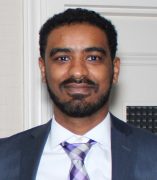
Professor Heiko Spallek is Head of School and Dean at the University of Sydney’s Sydney Dental School, leading the school’s integration with the Faculty of Medicine and Health. He also serves as Academic Lead for Digital Health and Health Service Informatics at the faculty level. His research focuses on advancing dental informatics, teledentistry, and evidence-based practice, while advocating for improved oral health policy and public health initiatives. He holds roles including director at Community Connections Australia and membership in the Charles Perkins Centre. Education: DMD, Dr. med. dent., MSBA(CIS), FACD, FAIDH Leadership: Oversees Sydney Dental School’s academic and clinical programs, emphasizing interprofessional education and digital health innovation. Research interests include leveraging big data and machine learning in dentistry, improving access to oral healthcare through teledentistry, and addressing systemic issues in dental education and policy. He has led projects on laser dentistry applications, dental caries prevention, and healthcare workforce regulation. Notable contributions include the OpenWide conference series, the BigMouth dental data repository, and advocacy for equitable dental funding in Australia. Grants include initiatives on oral hygiene in aged care and analysis of healthcare advertising perceptions. Media engagements highlight his role in public discourse on dental access and policy, including commentary on Australia’s dental crisis and aged care reforms. He actively promotes interdisciplinary collaboration through platforms like the Dental Informatics Online Community. Labs/Teams: Directs the Sydney Dental School’s research programs in informatics and public health, collaborating with national and international networks such as the National Dental PBRN.
Dr. Ronald P. Strauss serves as the Adams Distinguished Professor at the University of North Carolina at Chapel Hill in the Adams School of Dentistry, with additional appointments as Professor of Social Medicine in the School of Medicine and Clinical Professor of Epidemiology in the Gillings School of Global Public Health. He concurrently holds the position of Chief Global Officer for the Adams School of Dentistry and is an active member of the UNC Craniofacial Center Team. His academic credentials include: BA in Biology from Queens College New York DMD from the University of Pennsylvania PhD in Sociology from the University of Pennsylvania Dr. Strauss's research examines the social dimensions of chronic health conditions, with specialized focus on craniofacial differences and HIV/AIDS. His interdisciplinary approach integrates clinical practice, sociological theory, ethical frameworks, and health policy analysis to address stigma, healthcare access barriers, prenatal diagnosis implications, and community engagement strategies. Methodologically, he employs qualitative ethnography and survey research to investigate psychosocial impacts. His scholarly output demonstrates consistent thematic focus across decades, with recent publications revealing intensified examination of structural determinants of health, intersectional disparities in craniofacial care, and innovative community-based HIV/AIDS interventions. Key patterns include transdisciplinary collaboration, emphasis on patient-centered outcomes, and critical analysis of systemic inequities in healthcare delivery. Dr. Strauss directs the campus-wide HIV/AIDS Course annually since 1987 and teaches Social and Health Systems to medical students. As Faculty Director of the CFAR Office of Community Engagement and lead of the Thorp Faculty Engaged Scholars Program, he mentors faculty in community-engaged scholarship while maintaining active clinical and research supervision. He maintains leadership within the UNC Craniofacial Center Team and has conducted international fieldwork across five countries, reflecting his commitment to global health equity through partnerships in Brazil, Israel, Thailand, Moldova, and China.
Ana Cristina Manso serves as Associate Professor, Vice-Rector, and Member of the Scientific Council at Egas Moniz University Institute. She directs multiple Preventive and Community Dentistry courses within the Integrated Master's Degree in Dentistry program and serves as a researcher at the Egas Moniz Interdisciplinary Research Center. Her clinical practice includes work at the Oral Health Unit - Clinical Center at the Bankers' Union of the South and Islands. Her educational background includes a PhD in Research in Stomatology (2008) from the University of Granada and a Dentistry Degree (1993) from the Higher Institute of Health Sciences South. She has completed numerous specialized trainings including Pedagogical Training, Quality Assurance Systems, and Social Responsibility seminars at Egas Moniz. Manso's research focuses on geriatric oral health, preventive dentistry, and community-based dental care. Her work examines self-perception of oral health among elderly populations using tools like GOHAI, investigates halitosis treatments including cinnamon-based solutions, and studies caries prevention through remineralization techniques. She has published extensively on dental erosion, temporomandibular disorders, and socioeconomic factors affecting oral health outcomes in Portuguese populations. Her recent publications reveal strong trends in geriatric dentistry and health disparities research, with significant focus on oral health literacy, socioeconomic determinants of oral health, and interdisciplinary approaches to managing conditions like xerostomia and temporomandibular disorders. Methodologically, her work combines clinical trials, cross-sectional analyses, and systematic reviews. Manso has supervised 57 master's dissertations (co-supervising 20), 1 doctoral thesis (co-supervised), and 2 undergraduate theses. Her research projects include ADAPTAR - Projeto EduCom and the Egas Moniz Interdisciplinary Research Center (UID/BIM/04585/2019). She actively participates in quality assurance initiatives as a Member of the Quality Assurance Commission for Egas Moniz Teaching. As Director of the Egas Moniz Interdisciplinary Research Center, she leads research on community dentistry and oral health promotion. Her work extends to social responsibility initiatives including oral health programs for prison populations and elderly community outreach through the 'Primeiro Dente, Primeira escovagem' program.
Betsy Foxman serves as the Hunein F. and Hilda Maassab Professor of Epidemiology at the University of Michigan School of Public Health. She directs three major initiatives: the Center for Molecular and Clinical Epidemiology of Infectious Diseases, the Integrated Training in Microbial Systems program, and the Certificate in Healthcare Infection Prevention & Control. Her academic leadership spans decades with continuous research contributions. Dr. Foxman earned her PhD and MSPH from UCLA (1983, 1980) and BS from UC Berkeley (1977). Her research centers on infectious disease transmission, microbiome ecology, antibiotic resistance, and wastewater surveillance . Key projects include analyzing the oral microbiome in dental caries using genomic methods, studying nose/throat microbiome associations with respiratory infections in nursing facilities, and developing wastewater monitoring for antibiotic-resistant pathogens. Her work integrates next-generation sequencing with epidemiological analysis to identify novel interventions. Publication trends reveal consistent focus on microbiome-pathogen interactions across multiple body sites (oral, vaginal, gut, respiratory). Recent articles demonstrate methodological innovation in wastewater epidemiology (2024 Norovirus GII monitoring) and clinical applications like predicting vancomycin-resistant enterococci contamination (2023 Lancet study). Her research bridges molecular microbiology with population health, emphasizing translational potential for diagnostics and public health interventions. Fellow of the Infectious Disease Society of America Fellow of the American College of Epidemiology Fellow of the American Academy of Microbiology Dr. Foxman's advising portfolio includes numerous NIH-funded projects on microbiome dynamics and infection control. Her leadership in the Center for Molecular and Clinical Epidemiology drives collaborative research across departments. Current initiatives focus on wastewater surveillance standardization and microbiome-based diagnostics for infection prevention. She maintains active laboratories for genomic analysis of microbial communities and clinical sample processing.
Abbas Jessani, DDS, MSc, PhD, is an Assistant Professor at the Department of Restorative Dentistry within Schulich School of Medicine and Dentistry at the University of Western Ontario. He also holds cross-appointments in the Department of Epidemiology and Biostatistics and is affiliated with research clusters focused on Behavioral and Environmental Risk Factors, Global Health, and Mental Health and Addiction. Dr. Jessani serves as the coordinator for community dental outreach and course director for preclinical operative dentistry. Education: DDS (Doctor of Dental Surgery) MSc in Public Health Dentistry, University of British Columbia PhD in Public Health Dentistry, University of British Columbia Dr. Jessani’s research focuses on barriers to healthcare access and oral health disparities in marginalized communities, including people living with HIV/HCV, LGBTQ2S+, Indigenous populations, refugees, and pregnant women. His work examines the stigma and discrimination faced by these groups and integrates community-based participatory research methods to address systemic inequities. Globally, he investigates oral health access in low-income African countries like Uganda and Southern Africa. His recent publications highlight trends in LGBTQ+ oral health , pregnancy-related dental care , and barriers in underserved populations . He advocates for service-learning programs to train socially-conscious dentists and has contributed to Canada’s first national oral health research strategy.
Elizabeth "Beth" Mayer-Davis is the Dean of The Graduate School and the Cary C. Boshamer Distinguished Professor of Nutrition and Medicine at the University of North Carolina at Chapel Hill. She holds joint appointments in the Gillings School of Global Public Health and the School of Medicine, where she previously served as Chair of the Department of Nutrition for eight years. As Dean of The Graduate School, she oversees more than 160 degree-offering programs and over 10,000 graduate students at UNC Chapel Hill. Dr. Mayer-Davis earned her educational credentials from prestigious institutions: Ph.D. in Epidemiology from the University of California, Berkeley (1992) Master of Public Health with honors from the University of Colorado School of Medicine (1986) B.S. in Dietetics from the University of Tennessee (1980) Dr. Mayer-Davis is an internationally recognized expert in diabetes research with a career focused on the epidemiology and natural history of type 1 and type 2 diabetes in children and adults. Her research addresses how nutrition impacts diabetes risk and complications, with particular emphasis on culturally and regionally diverse populations. Her primary current focus is on type 1 diabetes in youth and young adults, examining diabetes self-management and energy balance/weight management for individuals with type 1 diabetes. She employs innovative methodologies including large epidemiological studies, clinical trials, and adaptive intervention designs, often incorporating communication technologies to enhance patient-centered care. Analysis of Dr. Mayer-Davis's recent publications reveals consistent focus on diabetes epidemiology across diverse populations, with particular attention to youth-onset diabetes, health disparities by race and ethnicity, and innovative interventions for diabetes management. Her work frequently addresses the intersection of obesity and diabetes, particularly in type 1 diabetes where this comorbidity has been historically understudied. The research demonstrates methodological sophistication through the use of advanced statistical techniques, continuous glucose monitoring data, and adaptive trial designs to address complex questions in diabetes care. Dr. Mayer-Davis has received numerous professional honors and appointments: Cary C. Boshamer Distinguished Professorship at UNC President for Health Care and Education for the American Diabetes Association (2011) Member of the 2020 Dietary Guidelines Advisory Committee Appointee to President Obama's Advisory Group on Prevention, Health Promotion and Integrative and Public Health Co-director of the Nutrition Obesity Research Center funded by NIH Throughout her career, Dr. Mayer-Davis has been deeply committed to mentoring the next generation of researchers, having supervised dozens of graduate students. She has secured over $45 million in research funding, including as Principal Investigator for the Carolina site of the landmark SEARCH for Diabetes in Youth study and the Nutrition for Precision Health Consortium initiative. Her leadership extends to national scientific committees and professional organizations, where she has shaped diabetes research and care standards. She is particularly dedicated to promoting diversity, equity, and inclusion in graduate education and research. Dr. Mayer-Davis co-directs the UNC Nutrition Obesity Research Center, a NIH-funded center that has received continued support through multiple funding cycles. She also leads the Carolina site of the SEARCH for Diabetes in Youth study, a large multi-center national study that has been tracking diabetes incidence and trends in youth for over two decades. Her research team includes epidemiologists, nutritionists, statisticians, and clinicians working collaboratively to address critical questions in diabetes prevention and management.
Professor Loc Do is a dentist and oral epidemiologist specializing in social and clinical oral epidemiology. He holds a PhD from the University of Adelaide and currently serves as Director of Research at the School of Dentistry, University of Queensland. His research focuses on child and adult oral health disparities, fluoride efficacy, and water fluoridation policies. He has led major studies like the National Child Oral Health Study (2012–14) and the National Study of Adult Oral Health (2017–19). Education: BDS (Dentistry), MScDent, PhD (Oral Epidemiology). Research Interests: Oral epidemiology, dental fluorosis, socioeconomic inequalities in oral health, fluoride risk-benefit analysis, and complex systems science in dental research. His work frequently addresses public health interventions and policy implications. Awards: 2022 IADR Distinguished Scientist H Trendley Dean Award, 2023 IADR Abrey Sheiham Award for Distinguished Research in Dental Public Health. Grants and Projects: Principal Investigator for NHMRC/MRFF-funded studies on water fluoridation, child oral health inequities, and aged care oral health. Current projects include the Queensland Child Oral Health Study (2020–2024) and the SMILE Birth Cohort Study (2013–22). Advisement: Supervises PhD and Master’s students in areas like oral health policy, fluoride safety, and aged care interventions. Notable supervision includes studies on water fluoridation’s social impact and oral health in residential care facilities. Labs/Teams: Leads research teams in the School of Dentistry and collaborates with the Centre of Research Excellence on Achieving the Tobacco Endgame. Active in multidisciplinary projects addressing global oral health challenges.
Jonathan Y. Huang, PhD, serves as an Assistant Professor in the Department of Epidemiology at the University of Hawaiʻi at Mānoa, focusing on translating epidemiological research into actionable public health interventions through rigorous quantitative methods. His academic credentials include: PhD in Epidemiology with Certificate in Public Health Genetics from the University of Washington, Seattle MPH in Community-Oriented Public Health Practice from the University of Washington, Seattle BSc in Biochemistry and English Literature from the University of Virginia Dr. Huang’s research examines social and biological determinants of early child health and development, with specific emphasis on environmental contaminant effects, exposome social determinants, placental multi-omic pathways, paternal health influences, and mHealth interventions for expectant couples. His methodological expertise strengthens causal inference in life-course epidemiology. Publication trends reveal consistent contributions to environmental-child health interfaces, with recent work addressing pandemic impacts on children, socioeconomic exposome mapping, and multi-omic mediation analysis across international birth cohorts. He directs competitively funded birth cohort studies across four continents and holds editorial positions at the International Journal of Epidemiology (Associate Editor) and Fertility & Sterility (Methodological Editor), reflecting his methodological leadership.
Michael Johnson is an Adjunct Assistant Professor in the Department of Otolaryngology Surgery at Yale School of Medicine. He serves as Program Director for the Oral and Maxillofacial Surgery Residency Training Program and Associate Chief of Dental Services at Yale-New Haven Hospital. His clinical expertise spans the full scope of oral and maxillofacial surgery, including reconstructive jaw surgery, dental implants, and trauma management. Dr. Johnson holds a DMD from the University of Pittsburgh School of Dental Medicine and a BS in Biology from Eastern Connecticut State University. He is a Diplomate of the American Board of Oral and Maxillofacial Surgery and holds multiple certifications in advanced life support. His research focuses on surgical patient safety, sleep apnea in anesthesia patients, and drug interactions with dental treatments. He has mentored residents in research leading to peer-reviewed publications. Dr. Johnson is a Fellow of the American Association of Oral and Maxillofacial Surgeons and the American College of Surgeons. He has received the Bernard Levine Teacher of the Year Award for his contributions to education, including teaching surgical anatomy and emergency management courses. Professional affiliations include the Connecticut Society of Oral and Maxillofacial Surgeons, American Dental Association, and Shoreline Dental Association. He actively contributes to national lectures on topics such as surgical anatomy, anesthesia safety, and office-based emergency preparedness.
Elena Riza is a Professor and Public Health Specialist at the Department of Hygiene, Epidemiology, and Medical Statistics, School of Medicine, National and Kapodistrian University of Athens. She holds advanced degrees including a PhD in Epidemiology from the London School of Hygiene and Tropical Medicine. Her roles include coordinating and teaching in undergraduate and postgraduate programs such as 'Occupational, Environmental and Pharmaceutical Risk Assessment and Management.' She focuses on epidemiology, public health policy, and global health crises, particularly addressing vulnerable populations like refugees and migrants. Educational background: Master’s in Public Health (University of Dundee), PhD in Epidemiology (LSHTM), and additional certificates in Forced Migration (University of Oxford), Health in Humanitarian Crises (LSHTM), and Bioethics (Johns Hopkins University). She teaches epidemiology, global health, and research methodology across multiple programs. Research interests center on migrant/refugee healthcare access, health equity, disaster medicine, and occupational/environmental risk assessment. She leads projects such as the Mig-HealthCare initiative to reduce health disparities among migrants in Europe. Her work spans telemedicine sustainability, pandemic response strategies, and environmental health interventions. Publications emphasize refugee healthcare utilization, pandemic policy, and health equity. She actively contributes to humanitarian actions, serves on Médecins Sans Frontières, and reviews for scientific journals. Her work bridges academic research with real-world applications to improve population health outcomes globally.
Dr. Suzanne Bartington is a Clinical Associate Professor in Environmental Health at the University of Birmingham's Department of Applied Health Sciences, where she leads interdisciplinary research at the intersection of air quality, climate change, and public health. As the UKRI Clean Air Champion for the Midlands to North of England, she translates £42.5 million UKRI Clean Air Programme research into actionable policy tools. Her educational background includes an MBBS from UCL (2012), PhD in Infectious Disease Epidemiology from UCL Institute of Child Health (2009), MSc in Modern Epidemiology from Imperial College London (2003), and BA in Medical and Veterinary Sciences from Cambridge (2002). She is also an Honorary Consultant in Public Health. Bartington's research focuses on developing clean air solutions with public health co-benefits, specializing in environmental epidemiology, transport studies, and policy evaluation. Her current portfolio includes NERC, NIHR, and EPSRC-funded projects examining air pollution exposure, sustainable transport, and climate-health linkages across global contexts including East Africa and Mongolia. Recent publications reveal strong trends in applying low-cost sensor networks for real-time air quality monitoring, evaluating policy interventions like Low Traffic Neighborhoods and Clean Air Zones, and analyzing health impacts of biomass fuels in low-income settings. Her work increasingly integrates machine learning techniques and whole-systems approaches to address complex environmental health challenges. As a doctoral supervisor, she mentors students in air pollution exposure assessment, transport intervention evaluation, and health equity impacts. Her leadership extends to major initiatives including the West Midlands Air Quality Improvement Programme (£5M NERC grant), OxAria Study, and TRANSITION Clean Air Network. Bartington directs the University of Birmingham Institute for Global Innovation Clean Air theme, supporting cross-disciplinary collaboration on global environmental challenges. Her team includes collaborators from nine UK universities and over 20 public and commercial sector partners, focusing on translating research into tangible health and policy outcomes.
Deborah Greenspan is a Professor at the University of California San Francisco, with a focus on oral pathology, virology, and HIV/AIDS research. Her work bridges dentistry and infectious diseases, emphasizing the intersection of oral health with systemic conditions like HIV and viral infections. Education includes a BSc in Anatomy (1959), BDS in Dentistry (1963), PhD in Experimental Pathology (1967), and fellowships in Oral Pathology (MRCPath, 1971; FRCPath, 1983). She has received numerous honors, including Fellow of the American Association for the Advancement of Science (1993), Norton Ross Award (2007), and Member of the Institute of Medicine of the National Academy of Sciences (2000). Her research explores the impact of HIV on oral mucosa, Epstein-Barr virus, human papillomavirus, and the role of mucosal immunity in disease progression. She has investigated HAART's effects on oral health, periodontal disease in HIV patients, and oral cancer risks in immunocompromised populations. Key publications include studies on viral infection mechanisms in epithelial cells, oral disease endpoints in HIV, and the interplay between HIV and HPV. Her grants from the NIH (e.g., U01AI034989, P01DE016839) reflect a decades-long commitment to understanding oral manifestations of AIDS. Notable scientific awards and roles include the Samuel Charles Miller Award (1989), ScD(hc) from Georgetown University (1990), and the Silver Medal from Ville de Paris (2000). She has served as President of Omicron Kappa Upsilon Dental Honor Society (1996-7) and contributed to global health initiatives.
Saria Awadalla is an Assistant Professor in the Department of Epidemiology and Biostatistics at the School of Public Health, University of Illinois Chicago. Her academic work bridges advanced biostatistical methodology with critical public health applications, focusing on health disparities and evidence-based interventions across diverse populations. Her research spans pharmacoepidemiology, women's health, and social determinants of health, with particular expertise in case-crossover study designs, medication adherence analysis, and health services research. She investigates bias in observational studies, cervical cancer screening disparities across sexual orientation and racial groups, and the impact of food insecurity on oral health outcomes. Her methodological rigor extends to developing predictive tools for emergency department triage and analyzing longitudinal pain trajectories. Analysis of her recent publications reveals a consistent emphasis on real-world evidence generation using national datasets, with strong attention to vulnerable populations including older adults, cisgender women, and urban underserved communities. Her work demonstrates sophisticated integration of epidemiological methods with clinical questions, particularly in chronic disease management and preventive health services. Key thematic areas include LGBTQ+ health equity, environmental exposures, and the intersection of social factors with biological outcomes.
Professor Woosung Sohn is Chair of Population Oral Health at the University of Sydney School of Dentistry, where he leads research and teaching in population oral health and collaborates with NSW Health and local health districts. He previously served as Director of the Advanced Specialty Education Program in Dental Public Health and Associate Professor at Boston University Goldman School of Dental Medicine, where he maintains an adjunct appointment. His education includes DDS, MS, and PhD in Preventive Dentistry from Yonsei University, Seoul, Korea, and Doctor of Public Health (DrPH) in Epidemiology from the University of Michigan School of Public Health. He is a Diplomat of the American Board of Dental Public Health. Sohn's research primarily focuses on reducing oral health disparities through understanding factors related to oral disease and improving access to dental care, particularly for underserved populations. His work involves analysis of large datasets including dental claims databases and national surveys, evaluation of state-level oral health policy, and research on children's water consumption patterns related to water fluoridation. His early publications provided key evidence for the 2015 adjustment of USPHS recommendation of optimum fluoride concentration in drinking water to 0.7 ppmF. His recent publications (2023-2025) demonstrate continued focus on health disparities, with particular attention to Indigenous populations in Australia, culturally and linguistically diverse communities, rural health access issues, obesity-related dental care challenges, and antibiotic prescribing patterns in dentistry. His work spans epidemiological studies, policy evaluations, and intervention development. Fellow, ADEA Leadership Institution, American Dental Education Association (2009) IADR Aubrey Sheiham Award for Distinguished Research in Dental Public Health Sciences (2009) Research Fellowship, Oak Ridge Institute for Science and Education (ORISE), CDC (2008) Sohn has directed Advanced Education Programs in Dental Public Health including Residency programs, Masters' in Science (MS), and Doctor of Science in Dentistry (DScD). In 2015, he received a $2.8 million HRSA grant for a combined DPH-Pediatric Dentistry residency training program. He serves as Editor of the Journal of Evidence-Based Dental Practice and on the editorial board of the Journal of Public Health Dentistry. His teaching includes Oral Epidemiology, Dental Public Health, and Evidence-based Dentistry, with a focus on critical thinking and evidence-based practice.
Dr. Lea Kragt is a researcher in the Department of Oral and Maxillofacial Surgery at Erasmus MC. Her work focuses on oral health disparities, particularly in pediatric populations with craniofacial conditions. Research interests include: Dental caries epidemiology Cleft lip/palate pathologies Molar-Incisor Hypomineralisation (MIH) Socioeconomic determinants of oral health Longitudinal cohort studies Recent research analyzes global oral health trends, poverty-caries dynamics, and enamel defects in cleft patients. Her publications emphasize interdisciplinary collaboration and public health implications. Key affiliations: Erasmus MC, Oral and Maxillofacial Surgery Global Consortium of Oral Health Birth Cohort Studies (GLOBICS)