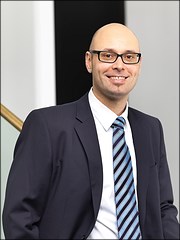
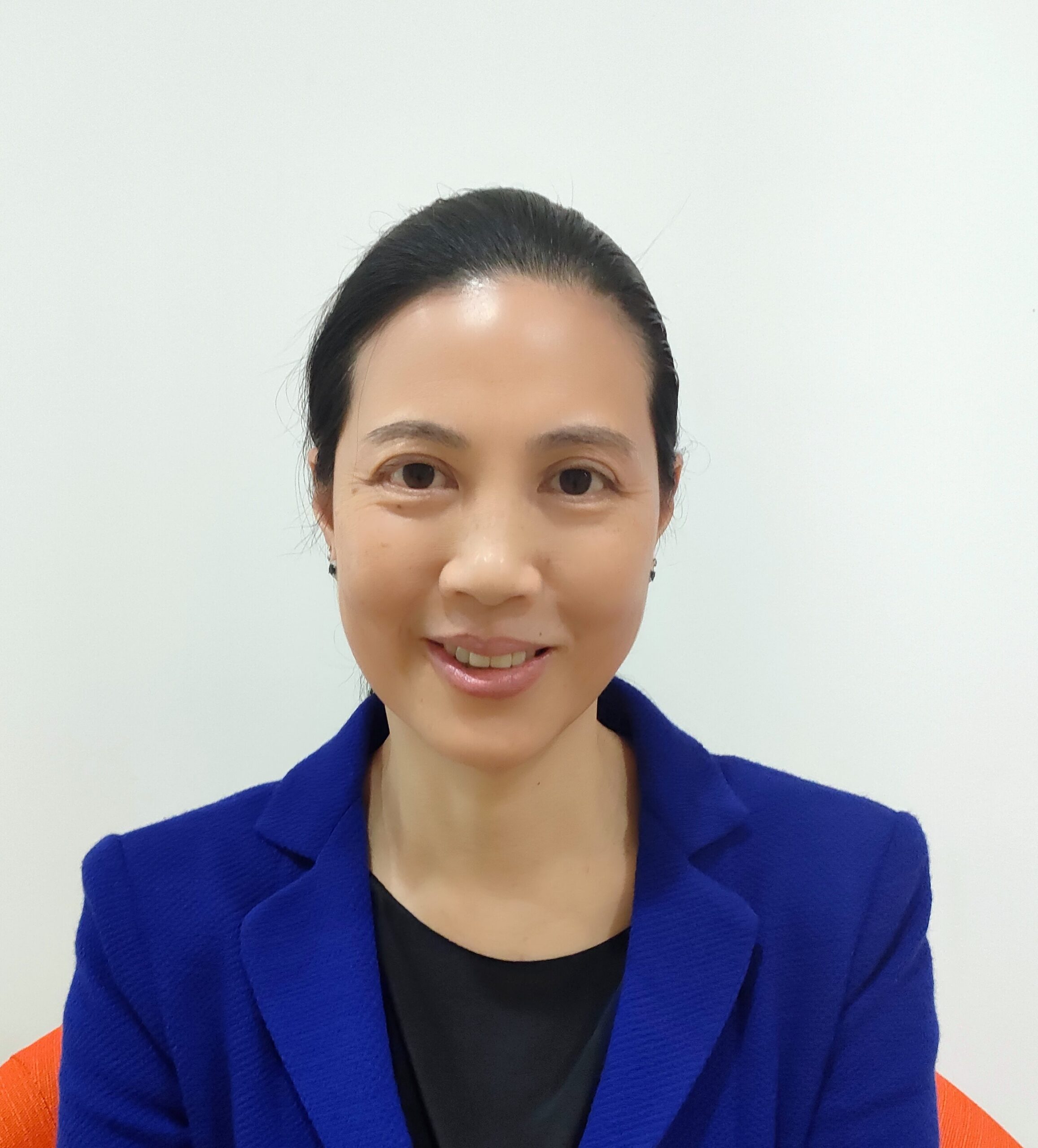
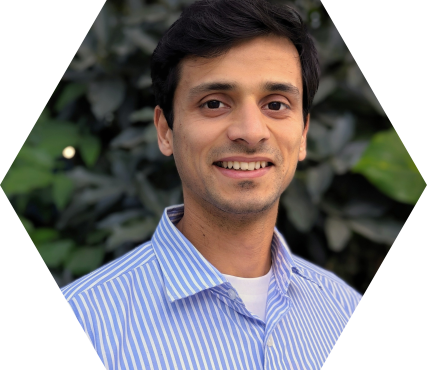
Giuseppe Rizzo is a Full Professor at the Department of Maternal and Child Health and Urological Sciences, Sapienza University of Rome. His academic career focuses on Maternal Fetal Medicine, with expertise in ultrasound applications, fetal growth restriction, preeclampsia, and congenital anomalies. Research Interests : Delivery optimization, prematurity prediction, ultrasound diagnostics, and placental anomalies. Recent Publications : Over 15 high-impact studies in 2024-2025 on topics like umbilical cord abnormalities, cerebroplacental ratios, and gestational diabetes complications. Clinical Expertise : Prenatal counseling, Doppler ultrasound, and labor management protocols. Collaborations : Active in multicenter trials across Italy and Europe, with a focus on fetal neurosonology and high-fidelity obstetric simulation.
Steven Siciliano is a Professor and NSERC/FCL Industrial Research Chair in In Situ Remediation and Risk Assessment at the University of Saskatchewan's College of Agriculture and Bioresources. He leads the CREATE Human and Ecological Risk Assessment Program. His expertise spans soil toxicology, greenhouse gas dynamics in polar ecosystems, and nitrogen cycle interactions in contaminated environments. Education: Ph.D. in Toxicology, University of Saskatchewan B.Sc. in Biochemistry, Concordia University Research Interests: His work focuses on human-soil interaction dynamics, including soil pollution impacts on human health (e.g., PAH toxicity via soil ingestion) and ecosystem resilience (e.g., nitrogen cycle disruptions). He investigates Arctic/Antarctic soil microbiology, greenhouse gas production in polar deserts, and the ecological effects of pollutants like mercury and petroleum hydrocarbons. His lab is divided into toxicology (e.g., metal cardiovascular effects, soil ingestion models) and ecology (e.g., sub-zero water effects on gene expression, Arctic nitrogen cycles). Teaching: Teaches courses on environmental fate analysis, contaminated site management, and advanced risk assessment methodologies at both undergraduate and graduate levels. Courses include EVSC 420, TOX 820, and EVSC 821. Grants & Labs: Directs the CREATE Program and leads projects funded by NSERC and industry partnerships. His lab integrates fieldwork, molecular techniques, and modeling to address environmental remediation challenges. Collaborates on projects like cryoturbation-driven carbon dynamics and microbial community analysis in agricultural systems. Labs/Teams: Active in soil science research teams, including Arctic soil microbiology and bioremediation innovation groups. Engages in interdisciplinary collaborations with environmental engineers and ecologists to advance in situ remediation technologies.
Emmanuel Stamatakis is a Professor of Physical Activity, Lifestyle, and Population Health at the University of Sydney's School of Health Sciences (Faculty of Medicine and Health). He holds NHMRC Leadership Fellowships (2021-2025 and 2026-2030) and leads the Charles Perkins Centre's Physical Activity & Exercise Theme. His research focuses on lifestyle behaviors' impacts on cardiometabolic conditions, cancer, and cardiovascular health, using large-scale cohort studies and wearable device data. Key roles include directing the Mackenzie Wearables Research Hub and co-chairing WHO's Physical Activity Guidelines Development Group. Education: PhD from University of Bristol (2003), post-doctoral training at University College London. He leads the ProPASS consortium, involving 45 cohorts with wearable data. Over 460 peer-reviewed publications, including Clarivate's Highly Cited list since 2019. Research interests integrate physical activity, sedentary behavior, and sleep analytics with clinical outcomes. Current projects explore wearables-based measurement innovations, SPAN (sleep-physical activity-nutrition) synergies, and intervention designs for GLP-1 receptor agonist users. Recent articles emphasize VILPA (vigorous intermittent lifestyle physical activity) benefits, sleep-cardiovascular links, and multimodal lifestyle optimization. Awards include Australia's Top Researcher in Sports Medicine and multiple NHMRC grants. Supervises PhD projects on physical activity measurement and intervention design. Active in 50+ peer-reviewed journals and national/international funding bodies.
Ali Abbas is a Senior Researcher and Methods Fellow at the MRC Epidemiology Unit within the University of Cambridge's School of Clinical Medicine. His academic background includes a PhD in Computer Science from Manchester Metropolitan University, an MSc in Media Informatics from RWTH Aachen University, and a BS in Computer Science from Mohammad Ali Jinnah University. With over two decades of research experience, he specializes in data-driven approaches including exploratory analysis, statistical modelling, and interactive visualization. His core research focuses on developing environmentally sustainable transport systems with positive public health outcomes, particularly through: Agent-based modeling of transport behaviors Cycling infrastructure and active travel interventions Health impact assessment of urban mobility policies Spatial analysis using GIS technologies Complex systems approaches to public health He leads several major research initiatives including the JIBE project (integrating transport and built environment models), GLASST (global health impact assessment), TIGTHAT (integrated global transport-health tool), National Propensity to Cycle Tool, and Impacts of Cycling Tool. His publication portfolio demonstrates consistent focus on transport-health interactions, physical activity epidemiology, and urban health modelling, with recent work emphasizing policy applications and global scalability. As an advocate for open science, he maintains active GitHub repositories of his computational models. He additionally manages junior researchers and contributes to training initiatives within his unit.
Hsei Di Law is a Research Fellow at the National Centre for Epidemiology and Population Health (NCEPH), part of the Australian National University (ANU). She is concurrently pursuing an MSc in Computational Data Analytics at the Georgia Institute of Technology . Her work focuses on data linkage, machine learning, and epidemiological study design using whole-of-population linked datasets. Research Affiliations National Centre for Epidemiology and Population Health (ANU) Centre of Epidemiology for Policy and Practice Linked Data for Better Health group Health Experience and Health Services Research collaborator Research Interests : Hsei Di Law's work centers on large-scale linked administrative datasets and longitudinal data analysis , with applications in environmental contamination (PFAS, asbestos), healthcare economics (out-of-pocket costs), and epidemiology of diseases. She specializes in integrating machine learning techniques with epidemiological study design to address policy-relevant questions. Publication Trends : Her recent publications (2025–2023) analyze healthcare affordability in Australia, PFAS environmental health impacts , and data linkage methodologies . Over 2022–2015, she studied cardiovascular risk under-treatment , COVID-19 healthcare outcomes , and immune system disorders using mouse models. Projects Led : She is involved in multiple projects, including the ACT Asbestos Health Study II , PFAS Health Study , and Whole-of-population linked data project . These projects examine the health effects of asbestos and PFAS contamination , healthcare utilization, and epidemiological modeling . Contact : Email: hsei-di.law@anu.edu.au Phone: +61 2 6125 0547 Location: Building 62A, Room 2.56, ANU
Tom Stargardt is a Professor of Health Care Management at the Hamburg Center for Health Economics, University of Hamburg. His research focuses on health economics, pharmaceutical policy, and healthcare system efficiency. He holds a Dr. rer. oec. from TU Berlin (2008) and has held academic positions including Junior Professor for Pharmacoepidemiology at the University of Hamburg and a postdoctoral fellowship at LMU Munich and Helmholtz Zentrum München. His work spans cost-effectiveness analyses of treatments, health technology assessment, and pandemic-related behavioral economics. He has been recognized with the 2009 Nachwuchspreis for health economics/politics and a 2007 Merck-funded stipend. Research interests include pharmaceutical market dynamics, telemedicine cost-benefit analyses, and socioeconomic disparities in healthcare access. He has authored over 100 publications on topics like drug pricing regulations, vaccine hesitancy, and pandemic policy responses. His current projects analyze healthcare system efficiency during crises and the impact of digital health interventions. He is affiliated with the Hamburg Center for Health Economics and serves on editorial boards for journals like Pharmacoeconomics and Health Economics. Educations: TU Berlin (PhD 2008, Diplom 2005) Key Awards: Progenerika Early Career Prize (2009), Merck Stipend (2007) Professional Memberships: Verein für Socialpolitik, International Health Economics Association His advisory work includes evaluations of disease management programs and health policy reforms. Recent grants focus on pandemic healthcare economics and biosimilar market dynamics. He leads research teams investigating cost-utility of innovative cancer therapies and digital health solutions for chronic disease management.
Dr. Markus Brinkmann is an Associate Professor in the School of Environment and Sustainability at the University of Saskatchewan, Canada, and Director of the Toxicology Centre. He holds the Centennial Enhancement Chair in Mechanistic Environmental Toxicology. His research focuses on exposure and risk assessment modeling, toxicokinetic modeling, and aquatic ecotoxicology, with an emphasis on understanding contaminant effects under realistic environmental conditions. Affiliations: Associate Professor, University of Saskatchewan Director, Toxicology Centre Member, Global Water Futures Program Member, Global Institute for Water Security Education: Ph.D. (Biology) - RWTH Aachen University, Germany (2015) M.Sc. (Ecotoxicology) - RWTH Aachen University, Germany (2011) B.Sc. (Biology) - RWTH Aachen University, Germany (2009) Research Interests: Dr. Brinkmann develops computational models to predict contaminant uptake, effects, and cross-species extrapolation. His work integrates toxicology, environmental chemistry, and hydrology to address challenges like flood-related contaminant remobilization and dioxin-like compound toxicity. Key areas include: Mechanistic toxicology of emerging contaminants (e.g., 6PPD-quinone, PFAS alternatives) Sediment toxicity and bioavailability Wastewater surveillance for public health monitoring Grant Highlights: Global Water Futures Program (2018-2023): Hydrological-exposure models for environmental risk assessment Genome Canada (2016-2020): EcoToxChip for chemical prioritization Banting Postdoctoral Fellowship (2016-2018) Awards: Friedrich-Wilhelm-Award (2016) SETAC GLB Young Scientists Award (2016 PhD, 2012 MSc) Borchers medal (2016) Leadership: He advises on strategic research partnerships between Canada and Germany and collaborates globally on projects like the EcoToxChip and Project House Water . His work bridges academic research with practical environmental management solutions.
Elvin Kedhi, MD, PhD is an Investigator at the Research Institute of the McGill University Health Centre (RI-MUHC) at the Glen site, where he is affiliated with the Cardiovascular Health Across the Lifespan Program. As a faculty member at McGill University's Faculty of Medicine, he contributes to both clinical practice and academic research in cardiology. Dr. Kedhi's research focuses on interventional cardiology, particularly coronary artery disease management, fractional flow reserve techniques, and clinical trials comparing different treatment approaches for cardiovascular conditions. His work often involves complex clinical scenarios including patients with diabetes, high bleeding risk, and multivessel coronary disease. He has pioneered research on thin-cap fibroatheroma identification and its clinical implications, as well as optimal dual antiplatelet therapy durations following stent implantation. His recent publications demonstrate a strong emphasis on comparing transcatheter and surgical approaches for treating patients with combined aortic valve stenosis and coronary artery disease. Dr. Kedhi frequently collaborates with international research teams across Europe and North America, contributing to large-scale multicenter clinical trials that shape current cardiovascular treatment guidelines. Active researcher in interventional cardiology clinical trials Focus on optimizing treatment strategies for complex coronary artery disease Expertise in fractional flow reserve and intravascular imaging techniques International collaborations across multiple continents Dr. Kedhi maintains an active clinical research program with numerous ongoing studies examining innovative approaches to cardiovascular disease management. His work bridges the gap between technological advances in cardiac interventions and practical clinical applications that improve patient outcomes.
LEE Jen-Mai Jeannette is an Associate Professor and Vice Dean (Academic Affairs) at the National University of Singapore (NUS), primarily affiliated with the Saw Swee Hock School of Public Health and jointly with the Yong Loo Lin School of Medicine. She holds dual expertise in academic leadership and cardiovascular epidemiology research. Roles: Vice Dean (Academic Affairs), Associate Professor Universities: NUS Schools: Saw Swee Hock School of Public Health (Primary), Yong Loo Lin School of Medicine (Joint) Education includes MBBS (Hons) and B Med Sci from University of New South Wales, followed by a MD in Epidemiology from NUS. She completed a Family Medicine Program in Australia. Her research focuses on cardiovascular epidemiology, preventive medicine, and public health policy. Major publications address diabetes care, cardiovascular risk factors, and hypertension management. She has contributed to epidemiological studies in chronic disease surveillance and population health. Administrative roles include leadership in academic affairs and education at NUS.
Lee H. Schwamm, MD is Associate Dean for Digital Strategy and Transformation at Yale School of Medicine and Senior Vice President & Chief Digital Health Officer for Yale New Haven Health System. He holds professorships in both Biomedical Informatics & Data Sciences and Neurology at Yale School of Medicine. Previously, he spent three decades at Mass General Brigham Health System where he served as Executive Vice Chair of Neurology, Director of the Center for TeleHealth at Massachusetts General Hospital, and Vice President for Digital Patient Experience and Virtual Care. Dr. Schwamm is an internationally recognized expert in stroke diagnosis, treatment and prevention, with particular expertise in telestroke and digital health applications in neurology. His research focuses on stroke in young patients, cryptogenic strokes, patterns of stroke care delivery, and addressing health inequities in stroke outcomes. He has been a pioneer in telehealth, especially in telestroke services, and has served as a policy advisor for the American Heart Association. His work has resulted in over 500 peer-reviewed publications with recent research emphasizing digital health solutions, AI applications in stroke care, social determinants of health impacts on stroke outcomes, and quality improvement in stroke care delivery. Under his leadership, the AHA Get with the Guidelines–Stroke Registry has grown into the world's largest stroke registry with over 8 million patient encounters. Fellow of the American Heart Association Fellow of the American Academy of Neurology Fellow of the American Neurological Association Digital health section editor for Stroke journal Member of Lancet Digital Health international advisory board Dr. Schwamm led the adoption of virtual care for 10,000 clinicians during the first six months of the COVID-19 pandemic, facilitating over 1.7 million virtual visits. He champions redesigning care delivery through a human-centered lens, leveraging technology to improve patient outcomes while reducing healthcare disparities. His educational background includes an AB in Philosophy from Harvard University (1985) and an MD from Harvard Medical School (1991), followed by neurology residency and stroke fellowship at Massachusetts General Hospital.
Dr. Joshua Brinkerhoff is an Associate Professor in Mechanical Engineering at the University of British Columbia Okanagan Campus. He serves as the Associate Director for Research & Industrial Partnerships in the School of Engineering and leads the UBC-Okanagan Computational Fluid Dynamics Laboratory. His research spans computational fluid dynamics, turbomachinery, multiphase flows, hydrogen safety, wind energy, and biofluid mechanics. He teaches courses in mechanics of materials, alternative energy systems, turbulence, computational fluid dynamics, and aircraft design. PhD, Aerospace Engineering (Carleton University, Ottawa, ON) BEng, Aerospace Engineering (Carleton University) Dr. Brinkerhoff’s research interests include: Computational Fluid Dynamics (CFD) for laminar-to-turbulent transition and instability analysis Wind energy systems and turbine aerodynamics Hydrogen storage and safety protocols for transportation Biofluid mechanics for respiratory diseases and aneurysm modeling Multiphase flows in industrial and environmental contexts His publications focus on CFD simulations for: Aerosol dispersion and mitigation in indoor environments Wind farm interactions and atmospheric gravity waves Cavitation and phase transitions in cryogenic and LNG systems Heat transfer optimization in industrial and thermal systems Instability dynamics in buoyancy-driven and swept flows Turbulent structures in fluidized beds and reactors Dr. Brinkerhoff has no listed scientific awards in the provided data but has extensive contributions to renewable energy, hydrogen safety, and medical fluid dynamics. His laboratory develops open-source tools like TOSCA for large-eddy simulations and investigates practical applications in urban air quality, dental aerosol control, and turbine wake modeling.
Dr. Guangyao Li is a Research Fellow in the Department of Applied Mathematics and Theoretical Physics (DAMTP) at the University of Cambridge, affiliated with the Quantum Fluids research group. His work focuses on theoretical and computational studies of quantum fluids, particularly exciton-polaritons in semiconductor microcavities and their interactions with electrons and photons. His research bridges condensed matter physics, quantum optics, and nanotechnology. Dr. Li's interdisciplinary interests also extend to pharmacology and clinical medicine, evidenced by collaborative studies on drug efficacy, drug-related problems in hospital settings, and guidelines for off-label drug use in ophthalmology. These studies address topics such as glucocorticoid therapy complications, proton pump inhibitor utilization, and anti-vascular endothelial growth factor treatments for ocular diseases. His quantum physics publications explore polariton scattering, Bose-Einstein condensates, and chiral edge states in quantum fluids. Recent medical studies analyze drug safety, self-monitoring in diabetes, and inappropriate medication use in elderly cardiac patients. These works highlight his dual contribution to fundamental physics research and applied clinical pharmacology. No academic awards or grants are explicitly stated in available records. He advises no known students but collaborates across disciplines in Cambridge and Chinese medical institutions. His research is conducted within the Quantum Fluids group at DAMTP, leveraging advanced theoretical models and computational simulations.
Dr. Robert French is a Senior Research Fellow at Cardiff University's School of Social Sciences. His work focuses on the intersection of health, education, and social policy, with a particular emphasis on data linkage methodologies to address disparities in healthcare and educational outcomes. He leads projects such as the ADR UK-funded initiative to establish frameworks for linking child health and education datasets in England and Wales. Key research interests include educational attainment dynamics, health inequalities among LGBTQ+ populations, and the impact of chronic conditions like diabetes on academic performance. His recent work explores factors influencing Special Educational Needs identification in Wales and the long-term outcomes of Graves' disease therapies. French's publications span epidemiology, public health, and social sciences, with methodological expertise in multilevel modeling and data integration. He collaborates with institutions like NHS Digital, the Royal College of Paediatrics and Child Health, and universities across Europe to advance evidence-based policymaking. His current projects include analyzing prescribing costs for diabetes treatments in Wales and examining cardiovascular risks linked to Graves' disease. French is also involved in public engagement, including workshops with Diabetes UK to inform ethical data usage frameworks. He holds leadership roles in multidisciplinary research teams and has secured grants from ADR UK and Wellcome Trust. His office is located at the University Hospital of Wales, Cardiff, reflecting his clinical and academic collaborations.
Nancy Kass is a Professor in the Department of Health Policy and Management at the Johns Hopkins Bloomberg School of Public Health, where she also holds the Phoebe R. Berman Professorship in Bioethics and Public Health. She serves as Vice Provost for Graduate and Professional Education at Johns Hopkins University and is the Interim Chair of the Department of Health Policy and Management. Additionally, she is Deputy Director for Public Health at the Johns Hopkins Berman Institute of Bioethics and co-directs the Johns Hopkins Fogarty African Bioethics Training Program. ScD, Johns Hopkins University, 1989 BA, Stanford University Postdoctoral Fellowship, Kennedy Institute of Ethics, Georgetown University Dr. Kass’s research focuses on the ethical dimensions of public health policy and research, with particular expertise in bioethics, research ethics, public health ethics, informed consent, learning health systems, and global health ethics . Her work addresses ethical challenges in HIV/AIDS, obesity prevention, genetics, and international research. She has developed influential frameworks for ethical oversight in public health and clinical research. Her recent publications (2024–2025) reflect a strong focus on modernizing clinical research ethics, including optimizing informed consent, integrating clinical trials with medical practice, and enhancing data infrastructure. These works emphasize ethical governance, patient-centered decision-making, and the alignment of research with real-world healthcare delivery. Her scholarship spans high-impact journals such as JAMA and Implementation Science , demonstrating sustained scholarly leadership. GBFFR Annual Award, Global Forum on Bioethics in Research, 2016 Member, National Academy of Medicine (formerly Institute of Medicine), 2008 Fellow, Hastings Center, 2007 Delta Omega Honorary Society in Public Health, 1996 AMTRA (Advising, Mentoring, and Teaching Award), Johns Hopkins, 1996 Dr. Kass has played a pivotal role in education and mentorship, having directed the PhD program in Bioethics and Health Policy for 15 years. She currently leads the Fogarty-funded African Bioethics Training Program, advancing global bioethics capacity. She has served on numerous national and international advisory bodies, including the National Cancer Institute’s central IRB, the National Academy of Medicine, and the WHO Ethics Review Committee. Her leadership extends to chairing the national Precision Medicine Initiative central IRB. She is actively involved in research projects such as the CDC Informed Consent Project, Bioethics of Quality Improvement, and Demonstrating Respect and Acceptable Consent Strategies in patient-centered outcomes research. These initiatives underscore her commitment to ethical innovation in public health and clinical practice.
Karthik Menon serves as an Assistant Professor with a joint appointment in the Woodruff School at Georgia Institute of Technology and the Coulter Department of Biomedical Engineering. His research integrates fluid mechanics, computational modeling, and data-driven methodologies to address critical challenges in healthcare, renewable energy, and bio-inspired engineering systems. His academic credentials include: Ph.D. in Mechanical Engineering, Johns Hopkins University (2021) M.S. in Mechanical Engineering, Johns Hopkins University (2019) B.E. in Mechanical Engineering, Birla Institute of Technology and Science, Pilani, India (2015) Menon's research program centers on three interconnected domains: cardiovascular flows for personalized treatment of heart disease, fluid-structure interactions in biological systems like heart valves and bio-mimetic robots, and vortex-dominated flows for renewable energy applications. His approach combines high-fidelity computational modeling with machine learning to uncover fundamental physics and develop clinical solutions, such as cardiovascular digital twins for non-invasive risk assessment. Current projects focus on patient-specific hemodynamics using CT imaging and uncertainty quantification to improve surgical planning. Analysis of his 15 most recent publications (2023-2025) reveals a dominant focus on advancing multi-fidelity computational frameworks for cardiovascular applications. Key trends include Bayesian uncertainty quantification, zero-dimensional solver development, and integration of clinical imaging data to create predictive digital twins. His work bridges fluid dynamics with clinical cardiology, targeting improved outcomes in coronary artery disease and Kawasaki-related complications through physics-informed machine learning. Menon's scholarly contributions have been recognized through competitive awards: WCCM-PANACM 2024 Travel Award, U.S. Association for Computational Mechanics (2024) Future Faculty Symposium Travel Award, Society of Engineering Science Conference (2023) Mark O. Robbins Prize in High-performance Computing, Johns Hopkins University (2021) Corrsin-Kovasznay Outstanding Paper Award, Johns Hopkins University (2020) Prosperetti Travel Award, Johns Hopkins University (2017) Mechanical Engineering Departmental Fellowship, Johns Hopkins University (2016) As principal investigator of the ComBiNE Fluid Dynamics Lab, Menon mentors graduate students in developing computational tools for fluid-structure interaction problems. His collaborative projects with cardiologists at Stanford and Emory hospitals translate engineering principles into clinical applications for cardiovascular disease management. Current grant activities focus on NSF and NIH-funded initiatives for uncertainty-aware cardiovascular modeling and bio-inspired flow energy harvesting. The ComBiNE Fluid Dynamics Lab operates as an interdisciplinary hub where engineers, clinicians, and data scientists collaborate on fluid mechanics challenges. Current lab initiatives include developing real-time hemodynamic simulators for surgical planning, creating reduced-order models for cardiac device optimization, and investigating vortex dynamics in fish schooling for underwater vehicle design. The lab maintains strong partnerships with Children's Healthcare of Atlanta and the Parker H. Petit Institute for Bioengineering and Bioscience.