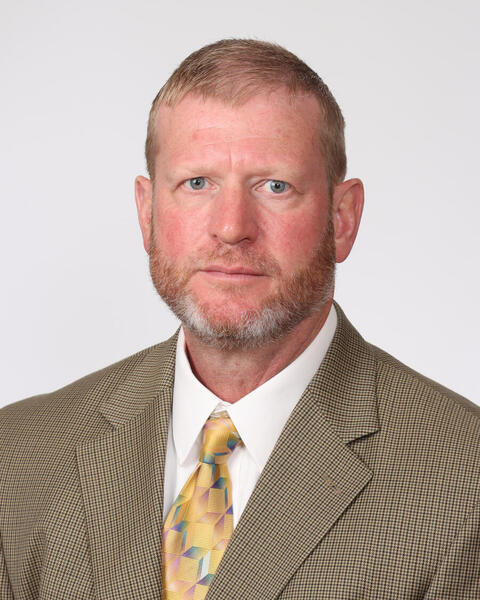
Samuli Ripatti is a Professor of Biometry at the Faculty of Medicine, University of Helsinki, and Director of the Institute for Molecular Medicine Finland (FIMM). He chairs the Research Council Finland’s Centre of Excellence in Complex Disease Genetics and the EU H2020-funded Intervene Consortium. His research focuses on genetic variation in the Finnish population, particularly its effects on cardiometabolic diseases and cancers, with a strong emphasis on polygenic risk scores for disease prevention and early detection. His work spans Genetic risk prediction models Lipidomic and metabolomic profiling Gene-environment interactions Translational genomics Recent research highlights include 1099 plasma metabolite-disease causal analysis Genetic determinants of weight loss interventions Cardiovascular risk stratification tools Leukocyte lipid metabolism pathways He actively supervises doctoral programs in Integrative Life Science, Social Sciences, Clinical Research, and Population Health, and collaborates with the Broad Institute of MIT and Harvard.
Maarten van den Berg is a Professor at the University of Groningen's Faculty of Medical Sciences, affiliated with the Cardiovascular Centre (CVC). His research focuses on cardiovascular genetics, inherited cardiomyopathies, and arrhythmia mechanisms. He has contributed to over 360 publications and actively participates in clinical and translational research. Expertise includes atrial fibrillation, heart failure, genetic cardiomyopathies, and amyloidosis. Organized symposiums on systemic amyloidosis and serves in professional organizations like the Working Group Cardiogenetics. Recent work emphasizes genetic penetrance studies, novel diagnostic markers using nuclear medicine, and AI-driven risk prediction for arrhythmias. He collaborates internationally on cardiac genetics and clinical management of inherited cardiac conditions.
Sneha D. Goenka is an Assistant Professor at Princeton University in the Department of Electrical and Computer Engineering, with associated faculty status in the Computer Science department. She earned her Ph.D. from Stanford University (2024) and dual B.Tech./M.Tech. degrees from IIT Bombay (2017). Her research bridges computer systems architecture and computational genomics to develop accelerated genomic pipelines. Education : Ph.D. (Electrical Engineering, Stanford 2024), Dual Degree (IIT Bombay 2017) Her work focuses on optimizing genomic data processing through hardware-software co-design, achieving speedups in clinical and evolutionary genomics. She led the development of the world's fastest genome diagnosis technique using nanopore sequencing and cloud computing. Recent publications highlight her expertise in GPU/FPGA acceleration (SegAlign, Darwin-WGA) and ultra-rapid variant detection pipelines. Her research has been published in top venues like Nature Biotechnology , New England Journal of Medicine , and SC/HPCA conferences . Scientific Awards : Stanford Centennial TA Award (2024) ACM Heidelberg Laureate Forum Young Researcher (2024) Forbes 30 Under 30 (Science) (2023) NVIDIA Graduate Fellow (2022) Cadence Women in Technology Scholar (2021) She advises students in her lab and has collaborated with institutions like Stanford Medicine, NVIDIA Research, and D.E. Shaw Research. She also contributed to the Pratham satellite project at IIT Bombay.
Rudolf de Boer (born 1972 in Gouda, Netherlands) is a Clinical Cardiologist and Full Professor of Translational Cardiology at the University of Groningen. He serves as the Director of Experimental Cardiology at the University Medical Center Groningen (UMCG) and holds leadership positions including President-elect of the Dutch Society of Cardiology (NVVC) and Liaison Officer of the ESC council on Cardio-oncology. Professor de Boer completed his medical studies at the University of Groningen and pursued research fellowships at the University of Utah, University of Groningen, and Harvard Medical School. His educational background has positioned him at the forefront of translational cardiology research. His research program focuses on cardiac remodeling and heart failure, fibrosis, diabetes, and cardio-oncology, with particular emphasis on connecting clinical observations to preclinical and mechanistic studies. Over recent years, his work has evolved to study biomarkers in clinical heart failure and the general population, examining their role in pathophysiology. His current research priorities center on the interaction between heart failure and comorbidities, especially cancer. His clinical interests include cardiogenetics, echocardiography, and end-stage heart failure management including VAD therapy and transplant. The analysis of Professor de Boer's recent publications reveals a strong focus on clinical guidelines development, particularly through the European Society of Cardiology. His work spans heart failure therapeutics (especially SGLT2 inhibitors), cardio-oncology, telemonitoring applications, and biomarker research. There is a clear progression toward integrating metabolic perspectives in cardiovascular disease and developing multidisciplinary approaches to complex patient care. Fellow of the European Society of Cardiology (2010) VENI grant from Netherlands Heart Foundation (2009) VIDI grant from Dutch Organization for Scientific Research (2013) ERC consolidator grant (2019) Member of scientific committee of LifeLines population study President of Heart Failure Working Group of Dutch Society of Cardiology (2013-2019) Board member of Heart Failure Association of ESC (2014) Professor de Boer has supervised 17 PhD students as first or second supervisor, with 7 currently working toward graduation. He has authored over 400 peer-reviewed articles and received numerous grants including from the Netherlands Heart Foundation, Dutch Organization for Scientific Research, and European Research Council. His editorial leadership includes serving as Associate Editor of the European Journal of Heart Failure (2009-2019) and current Associate Editor of the European Heart Journal (Heart Failure section). He leads the Experimental Cardiology department at UMCG, which is closely integrated with the LifeLines population study involving 165,000 subjects. His research group maintains strong collaborations with international institutions and participates in major clinical trials and guideline development efforts through the European Society of Cardiology.
Professor Ahmet Okay Çağlayan at Dokuz Eylül University's School of Medicine specializes in Medical Genetics with a focus on neurodevelopmental disorders. His work integrates next-generation sequencing and genomic approaches to unravel rare genetic variants in structural brain abnormalities. Established Medical Genetics Department Teaching at undergraduate, graduate, and medical school levels Active in editorial and peer-review roles for top-tier journals Research spans neurogenetics, molecular diagnostics, and genomic medicine with emphasis on: Whole-exome sequencing applications Homozygosity mapping Linkage analysis Neurodevelopmental disease mechanisms Cortical malformations Genotype-phenotype correlations Recent publications highlight advancements in: Identifying novel pathogenic variants (NAGLU, KLHL40, PIBF1) Elucidating mTOR pathway dysregulation in lissencephaly Characterizing rare metabolic and neurodegenerative syndromes Developing genomic diagnostic frameworks for Turkish populations Metrics indicate: 197 WoS publications H-index: 4250 (Scopus) 24 research projects
Allison Cirino, MS, CGC, is an Associate Professor in the School of Health and Rehabilitation Sciences at MGH Institute of Health Professions , and Director of Student Research in the Genetic Counseling program. She also serves as a genetic counselor at the Brigham and Women’s Hospital Cardiovascular Genetics Center , focusing on inherited heart disease. Her roles include clinical practice, research, and leadership in professional organizations such as the National Society of Genetic Counselors (NSGC) and the American Heart Association (AHA). Education: BS in Biology, James Madison University MS in Genetic Counseling, Northwestern University Research interests emphasize quality of life in inherited heart disease patients , management of incidental genetic findings , and service delivery models in cardiogenetics . Her work also explores family communication dynamics in genetic counseling contexts. Professional contributions include leadership roles in NSGC committees (e.g., Cardiovascular SIG Education Committee) and AHA’s Genomics and Precision Medicine Council. She chairs the Massachusetts Board of Registration of Genetic Counselors. Her publications span clinical research on hypertrophic cardiomyopathy, pharmacogenomics, and ethical considerations in genetic testing. Notable 2025 work includes studies on oncology provider education in resource-limited settings and patient perspectives in multidisciplinary clinics. Lab/Affiliations : Active in the Cardiovascular Genetics Center and collaborates with the ClinGen Cardiomyopathy Variant Curation Expert Panel.
Dr. Hoang Phan is a medical epidemiologist and Senior Research Officer at the Menzies School for Health Research , where she commenced in early 2022. She holds an adjunct researcher position at the University of Tasmania . Her work spans chronic disease epidemiology, women’s health, and data linkage methodologies with applications to stroke, cardiovascular disease, and dementia research. Future Leader Fellow Specializes in statistical analysis of longitudinal studies and disease registries Current focus on population health in Northern Territory and domestic violence prevention pathways Her research intersects with UN Sustainable Development Goals (SDGs) for health equity and wellbeing. Recent projects include managing linked datasets for the Banned Drinkers Register Reintroduction and analyzing socio-economic drivers of post-stroke quality of life. Key collaborations appear in Stroke , Journal of the American Heart Association , and global stroke registries. She has contributed to understanding pandemic impacts on cerebrovascular care and gender disparities in medication adherence. Scientific awards include the Future Leader Fellowship. Her work has been cited 1825 times with an h-index of 21, producing 51 research outputs between 2017–2025. Dr. Phan supervises postgraduate research and works with interdisciplinary teams on linked data repositories. Her methodological expertise includes large-scale statistical modeling and cross-sectoral health system evaluations.
University Medical Center Hamburg-EppendorfGermany
Niels Pietsch is a researcher at the Institute of Experimental Pharmacology and Toxicology within the Medical Faculty of University Medical Center Hamburg-Eppendorf (UKE). His work focuses on molecular mechanisms in cardiovascular and neurological contexts. Research Interests: Investigating tubulin post-translational modifications in cardiac and neuronal function Modeling genetic cardiomyopathies using human iPSC-derived cardiomyocytes Studying proteopathy mechanisms in cardiac diseases Translational pharmacology of inotropic compounds Publication Trends: His recent work emphasizes cytoskeletal dynamics, protein aggregation diseases, and drug development for heart conditions, with methodologies spanning stem cell research and molecular pathology. Laboratory Affiliation: Works in the Experimental Pharmacology and Toxicology division at UKE, a hub for interdisciplinary biomedical research.
Mayo Clinic College of Medicine and ScienceUnited States
Erik C. Thorland, PhD, is a prominent Medical Geneticist at the Mayo Clinic College of Medicine within the Laboratory Medicine and Pathology department in Rochester, Minnesota. With a career spanning over two decades, Dr. Thorland has established himself as a leading expert in clinical cytogenetics, genomic disorders, and copy number variant analysis. His work bridges molecular genetics with clinical applications, focusing on diagnostic innovation and guideline development. PhD in Molecular Biology (2001), Mayo Graduate School Clinical Molecular Genetics & Cytogenetics Fellowships (2003-2005) Dr. Thorland's research centers on genomic instability, chromosomal microarray analysis, and variant classification in developmental disorders. His publications frequently address copy number variations, structural genomic variants, and their clinical implications. He has contributed to international standards for genomic variant interpretation through organizations like ACMG and ClinGen. Recent publications highlight his work in prenatal diagnostics, neurocognitive disorders, and cancer genomics. Dr. Thorland has been instrumental in developing consensus guidelines for genomic variant reporting and has published extensively in journals like Genet Med , Am J Hum Genet , and Clin Chem . His 2022 Mayo Clinic Excellence Through Teamwork Award recognizes his collaborative impact. Key professional roles include Co-Chair of ACMG/AMP/ClinGen standards group Active member of American College of Medical Genetics, American Society of Human Genetics, and College of American Pathologists
Paolo Versacci is a dedicated researcher and pediatric cardiologist currently serving as Ricercatore a Tempo Determinato Tipologia B at the Dipartimento Materno Infantile e Scienze Urologiche, Facoltà di Medicina e Odontoiatria of Sapienza Università di Roma. He also holds the position of Dirigente Medico di I Livello at the Policlinico Umberto I di Roma, where he serves as a pediatric cardiologist in the U.O.C. di Cardiologia Pediatrica. Since 2016, he has been responsible for the "Centro Malattie Rare – Sindromi Genetiche e Malformative Complesse – Cardiologia" at Policlinico Umberto I, focusing on Marfan syndrome, Noonan syndrome, LEOPARD syndrome, and DiGeorge syndrome. Dr. Versacci's educational background includes a Laurea in Medicina e Chirurgia (1993, 110/110 con lode), Specializzazione in Pediatria Generale (1999, 70/70 con lode), Dottorato di ricerca in Tecnologie Biomediche in Medicina Clinica (2015), and Abilitazione Scientifica Nazionale a Professore di II Fascia (2021-2030). His extensive training includes fellowships at Bambino Gesù Pediatric Hospital and numerous specialized courses in pediatric cardiology and emergency medicine. His research focuses on the etiology, epidemiology, and genetics of congenital heart diseases, particularly those associated with genetic syndromes. He has made significant contributions to understanding the cardiac manifestations of RASopathies, 22q11.2 deletion syndrome, and other genetic conditions. His work spans diagnostic techniques for congenital heart diseases and acquired heart conditions in pediatric patients. Dr. Versacci has been instrumental in establishing genotype-phenotype correlations for various cardiac malformations. Analysis of his recent publications reveals a strong emphasis on the intersection of cardiology and genetics, particularly in RASopathies and chromosomal deletion syndromes. His research increasingly focuses on molecular mechanisms underlying cardiac malformations and the clinical implications of specific genetic variants. The trend shows a progression from descriptive clinical studies toward more sophisticated molecular and mechanistic investigations, reflecting the evolving field of cardiogenetics. Travel Grant of $500 from International Pediatric Transplant Association (IPTA) for oral presentation Dr. Versacci actively participates in academic mentoring as a thesis advisor and co-advisor for medical and specialized degree programs at Sapienza University. He serves as Principal Investigator for the "DI-SOUND study" (starting November 2024), a multicenter project funded by PNRR for €1,000,000 focused on digital diagnosis of cardiac sounds in pediatric patients. His research has been supported by numerous institutional grants from Sapienza University, examining cardiac function in various genetic syndromes including Turner syndrome, Williams syndrome, DiGeorge syndrome, and osteogenesis imperfecta. As Chairman of the "Area Cardiogenetica e Malattie Rare" within the Società Italiana di Cardiologia Pediatrica (SICP), Dr. Versacci leads a multidisciplinary team focused on rare genetic cardiac conditions. His work involves close collaboration with the Children's Hospital of Philadelphia for managing patients with DiGeorge syndrome. The research group he participates in, led by Professor Bruno Marino, has established one of Italy's most comprehensive registries for genetic syndromes with cardiac manifestations, facilitating both clinical care and research initiatives.
Jenny Taylor is a Professor at the University of Oxford , serving as Programme Director for the Genomic Medicine Theme within the Nuffield Department of Medicine and affiliated with the Wellcome Trust Centre for Human Genetics . Her work bridges genetics research with clinical applications through the Oxford Biomedical Research Centre , focusing on translational medicine and NHS integration. Focuses on genomics and personalized medicine Develops genomic technologies for clinical diagnostics Collaborates with Oxford University Hospitals Trust Integrates research into bedside clinical practice Her research emphasizes whole-genome sequencing , gene panels for cancer diagnostics, and non-coding variant interpretation . Projects span heart disease , leukaemia , cancer , and neurodegenerative conditions , with recent publications analyzing circulating tumor DNA, structural variants in developmental disorders, and computational drug design. Recent 15 articles (2022-2025) demonstrate expertise in genomic diagnostics for rare diseases, splice variant analysis , and non-coding mutation interpretation . Collaborative work in cancer genomics , neurodevelopmental disorders , and structural variation detection highlights translational impact.
Professor Meena Balasubramanian (University of Sheffield School of Medicine and Population Health) is a leading clinician-scientist and Academic Clinical Geneticist with dual roles at Sheffield Children's Hospital NHS Foundation Trust (Clinical Director for Research, NIHR RDN Children's Speciality Lead). Her work bridges genomic medicine , translational research , and clinical care for rare diseases, particularly osteogenesis imperfecta (OI) and neurodevelopmental disorders (HNRNPU, ASXL3). She leads the nationally commissioned OI gene therapy program and the FAME study on hypophosphatasia. Education: MD (Sheffield, 2012) on OI; FRCPCH (2016); FHEA (2023) Key Roles: Executive Director of SCYPHeR Initiative; Honorary Consultant Clinical Geneticist Her research program focuses on gene discovery (NBAS, SPARC, SETD5) through 100,000 Genomes Project collaborations, iPSC modeling for therapeutic discovery, and zebrafish studies of bone mechanics. She has published extensively on collagenopathies , genomic data mining , and clinical-genetic correlations in rare diseases. Recent articles highlight her work on natural history studies of ASXL3/HNRNPU disorders, secondary genomic findings communication, and multisystem genetic conditions . Awards include FRCPCH and FHEA . She advises international patient groups like 'Unique' and leads pharmacogenomic strategies for HNRNPU-related disorders.
Randy Klaassen is an Assistant Professor affiliated with the Digital Society Institute and Human Media Interaction research groups. His work focuses on human-computer interaction , digital health , and conversational agents , particularly in healthcare contexts such as genetic counseling and mental health. Research Interests: Developing digital platforms for family communication in genetic counseling Designing compassionate technology for e-mental health applications Integrating sensor technology for health monitoring systems Advancing conversational agents in clinical decision-making Scientific Contributions: His research spans genetic counseling , mental health technology , and sensor-driven health analytics , with a focus on user-centered design and predictive modeling. Recent publications highlight digital platforms for inherited disease management and eating event recognition using multi-sensor fusion. Scientific Awards: Best poster award at CVOI 2022 Activities: Randy has presented on conversational agents in healthcare (2022), VR therapy (2019), and mental health technology (2019), demonstrating his expertise in human-centered design for health applications.
Prof. Douwe Atsma is a faculty member at Leiden University Medical Center (LUMC), holding the academic rank of Professor in the field of Cardiology , with a focus on innovative cardiovascular concepts of care. His research spans regenerative medicine, cell therapy, and cardiogenetics. Fields of Interest: Cardiology, Cardial Cell Therapy, Cardiogenetics, Regenerative Medicine, Vascular Remodeling, Atherosclerosis Contact: Email: d.e.atsma@lumc.nl His 2014 research explored image-guided intramyocardial cell injection to improve post-interventional vascular remodeling in atherosclerosis models. Additional research involves phosphorylcholine antibodies and left ventricular function in hypercholesterolemic mice.
Glen F. Tibbits is a Distinguished Professor and Chair in Biomedical Physiology & Kinesiology at Simon Fraser University (SFU), with an adjunct appointment in the Department of Molecular Biology and Biochemistry. He holds a Tier I Canada Research Chair in Molecular Cardiac Physiology and is a Principal Scientist at the Child and Family Research Institute (CFRI). His research focuses on understanding mechanisms of inherited cardiomyopathies and arrhythmias, leveraging zebrafish models and human induced pluripotent stem cell (hiPSC)-derived cardiomyocytes. Key areas include calcium handling, ion channel physiology, and genetic variants linked to cardiac dysfunction. Tibbits' lab integrates proteomics, transcriptomics, and advanced imaging techniques to model disease processes and identify therapeutic targets. Education: B.Ed. (McGill University), M.Sc. (UCLA), Ph.D. (Niigata University). Positions include leadership roles at SFU and CFRI, with affiliations in Biological Sciences and multiple clinical departments at the University of British Columbia. His work bridges basic science and translational medicine, emphasizing cardiac physiology and pediatric cardiology. Research interests span molecular mechanisms of cardiac adaptation, arrhythmogenesis, and disease modeling using iPSCs. Notable achievements include developing hiPSC pipelines for studying atrial fibrillation and hypertrophic cardiomyopathy, and investigating zebrafish as a model for temperature-dependent cardiac function. Tibbits' lab also explores drug screening platforms and biomaterials to enhance cardiomyocyte maturation. Scientific Awards: Tier I Canada Research Chair (2023–present). Grants and collaborations focus on cardiac genetics, arrhythmia mechanisms, and translational therapies. The lab hosts graduate students and postdocs in physiology, biochemistry, and biomedical engineering, fostering interdisciplinary research. Labs and Teams: The Tibbits Lab operates dual sites at SFU (TASC II) and CFRI, employing advanced microscopy, electrophysiology, and bioengineering tools. Current projects include decoding noncoding genetic variants in cardiovascular disease and leveraging proteogenomics for arrhythmia prediction.