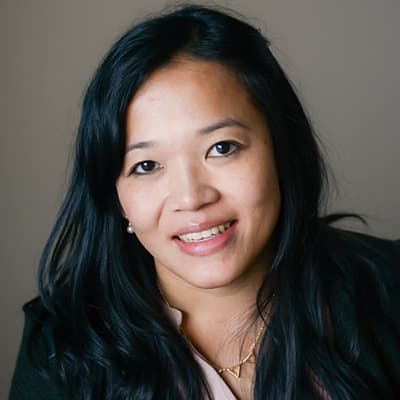
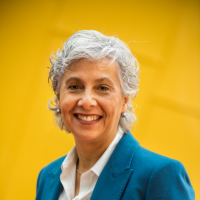
Alexis Battle is an Associate Professor at Johns Hopkins University with appointments in Biomedical Engineering , Computer Science , and Genetic Medicine (secondary). She directs the Malone Center for Engineering in Healthcare and serves as Deputy Director of the Data Science and AI Institute . Educated at Stanford University (PhD in Computer Science, 2013), Battle transitioned to academia after leadership roles at Google. Research Focus: Battle’s work bridges genomics and machine learning , emphasizing the impact of genetic variation on human health. Her lab develops tools like Watershed to predict functional effects of rare variants, aiming to enhance rare disease diagnosis. Key themes include non-coding DNA analysis , personalized genomics , and systems biology , with applications in cardiovascular disease and neurodegenerative disorders . Publications & Awards: Over 60 peer-reviewed articles in journals like Nature , Science , and Genome Biology , with recent emphasis on single-cell transcriptomics , multiomics integration , and telomere biology . Recipient of the President’s Frontier Award (2022), Microsoft Investigator Fellowship (2019), and Searle Scholar (2016). Scientific Awards: 2022 President’s Frontier Award 2019 Microsoft Investigator Fellowship 2019 Johns Hopkins Discovery Award 2017 Johns Hopkins Catalyst Award 2016 Searle Scholar Advising & Funding: Mentors 11 PhD students, 3 undergraduates, and postdoctoral fellows. Her research is funded by NIH, Searle Scholars, and institutional grants. The Battle Lab collaborates on projects like the GTEx Consortium , focusing on gene regulation and clinical genomics .
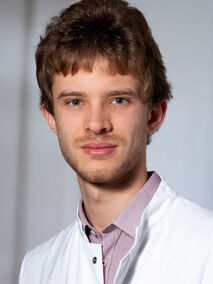
Dr. Pascal Syren is a **Researcher** and **Resident** at Heidelberg University Hospital (UKHD), affiliated with the **Department of Cardiology, Angiology, and Pulmonology** and the **Heidelberg Center for Cardiac Arrhythmias**. His academic role includes contributing to the **Group of Molecular and Translational Cardiac Electrophysiology**, focusing on epigenetic and molecular mechanisms underlying cardiac arrhythmias and heart failure. He holds a PhD from Heidelberg University (2021) on histone deacetylases' influence in cardiac electrophysiology. **Research Interests**: Cardiac electrophysiology, epigenetic regulation (HDACs), ventricular and atrial arrhythmias, echocardiography, and translational cardiology. His work spans basic science to clinical applications, emphasizing ion channel remodeling and therapeutic targets for heart rhythm disorders. **Awards**: Recipient of the **Ernst & Berta Grimmke Foundation Research Grant (2023–2024)** and **Otto-Hess Scholarship (2017–2018)** from the German Cardiac Society. His research bridges molecular mechanisms with clinical cardiology, with contributions to understanding HDAC2's role in action potential dynamics. **Publications**: Over 8 peer-reviewed articles (2016–2025) in journals like *Basic Research in Cardiology* and *Cells*, focusing on histone deacetylase pathways, atrial fibrillation, and ventricular arrhythmia models. Recent work explores neonatal cardiomyocyte electrophysiology and TREK-1 potassium channels in heart failure. **Affiliations**: Active member of the **German Cardiac Society (DGK)** and **European Society of Cardiology (ESC)**, contributing to interdisciplinary cardiac arrhythmia research at Heidelberg's medical faculty.
Dr. Samira Lakhal-Littleton is an Associate Professor of Cell Physiology and MRC Senior Non-Clinical Research Fellow at the University of Oxford, affiliated with the Department of Physiology, Anatomy and Genetics and Brasenose College. Her research focuses on iron homeostasis, systems biology, and oxygen sensing mechanisms in cardiovascular and systemic physiology. Education: BSc in Human Genetics (University College London), DPhil in Molecular Medicine (University of Oxford) Her work bridges cell physiology and translational medicine, with key discoveries on hypoxia-inducible factors (HIFs), iron regulatory genes TMPRSS6 and GDF15 , and the role of hepcidin in altitude adaptation and chronic diseases. She utilizes tissue-specific animal models to study iron regulation in heart, kidney, placenta, and vasculature. Recent publications highlight her contributions to understanding: FLASH radiotherapy effects linked to iron-dependent lipid peroxidation Clinical implications of myocardial iron dynamics in heart failure Hepcidin's role in vascular protection and placental iron transfer Biomarker development for predictive iron deficiency diagnostics Scientific Leadership: British Heart Foundation Intermediate Fellowship (2012) MRC Senior Fellowship (2020) BioIron Society Board Member (2019) She collaborates with clinical teams on translational projects and serves as a Tutorial Fellow in Medicine at Brasenose College, mentoring students in physiological sciences.
Dr. Giulia Biancon is an Assistant Professor Adjunct in the Department of Medical Oncology and Hematology at Yale School of Medicine. She holds a PhD from the University of Milan (2019) and is a member of the Halene Lab, focusing on RNA biology and hematologic malignancies. Her research combines high-throughput methodologies to study RNA mechanisms in diseases like myeloid leukemias and splicing factor mutations. Education: PhD in Molecular Biology from the University of Milan (2019). Research Interests: RNA splicing, stress granules in cancer, epitranscriptomics, clonal hematopoiesis, and the interplay between genetic mutations and cellular pathways in blood cancers. Awards: 2024 Eclipse Award, 2022 ASH Abstract Achievement Award, and 2022 RNA Society Best Poster Award. Her work has been published in journals like Cell Reports , Blood , and Molecular Cell . Labs/Teams: Principal member of the Halene Lab and coordinator at the Yale Center for RNA Science and Medicine. Collaborates with institutions like the SeroNet network for immunology studies.
James Briscoe is a Senior Group Leader at The Francis Crick Institute in London, where he leads a research group focused on developmental biology and morphogen signaling. He previously held positions at the Medical Research Council's National Institute for Medical Research, which later became part of the Francis Crick Institute. Education: BSc in Microbiology and Virology from the University of Warwick, UK PhD from Imperial Cancer Research Fund/King's College London Postdoctoral training at Columbia University with Thomas Jessell Dr. Briscoe's research focuses on the molecular and cellular mechanisms of graded signaling by morphogens and the role of transcriptional networks in cell fate specification. His laboratory employs a range of experimental and computational techniques using model systems including mouse and chick embryos and embryonic stem cells. His work has significant implications for understanding developmental processes and their relationship to disease. His recent publications demonstrate a continued focus on morphogen gradients, neural tube development, and computational approaches to understanding cell fate decisions. His research increasingly integrates single-cell technologies and computational modeling to unravel the complexities of developmental patterning. Scientific Awards and Honors: EMBO Young Investigator (2001) EMBO Gold Medal (2008) Elected to EMBO (2009) Fellow of the Academy of Medical Sciences (2019) Fellow of the Royal Society (2019) As Editor-in-Chief of the journal Development since 2018, Dr. Briscoe plays a significant role in shaping the field of developmental biology. His leadership extends to mentoring researchers and contributing to scientific policy discussions, as evidenced by his recent publication 'Science under siege: protecting scientific progress in turbulent times.' Dr. Briscoe's laboratory at the Crick Institute is well-equipped with access to advanced facilities including light microscopy, flow cytometry, genomics, and computational resources, enabling a multidisciplinary approach to developmental biology questions.
Professor Carlo Pappone is a Full Professor of Cardiology at Vita-Salute San Raffaele University (since 2019) and Director of the Arrhythmology Department at IRCCS Policlinico San Donato Hospital (since 2015). He has held previous academic/clinical leadership roles at IRCCS San Raffaele Hospital (2000-2010), Villa Maria Cecilia Hospital (2010-2015), and University of Naples Federico II (1990-2000). With 212 publications in top journals like NEJM, JAMA, and Circulation, he has made significant contributions to cardiac arrhythmia research. Current Positions Vita-Salute San Raffaele University (2019-present): Full Professor of Cardiology IRCCS Policlinico San Donato Hospital (2015-present): Director of Arrhythmology Department Previous Roles University of Naples Federico II (1990-2000) University of Michigan Ann Harbor (1990-2000) IRCCS San Raffaele Hospital (2000-2010) Villa Maria Cecilia Hospital (2010-2015) Research Focus: Specializing in cardiovascular diseases, his work spans atrial fibrillation ablation techniques, Brugada syndrome pathogenesis, heart failure device therapy, and ion channel disorders. His H-index of 53 and 18,407 citations reflect his substantial academic impact. Notable Scientific Contributions Author of 44 patents Principal Investigator in 14 clinical trials (clinicaltrials.gov) Developed circumferential pulmonary vein ablation technique Innovator in biventricular pacing systems for heart failure Pioneered research on non-excitatory current for cardiac contractility Scientific Recognition Awarded as Elite Reviewer of JACC (2005) Editorial Board Member of 6 leading journals Reviewer for NEJM, JAMA, Lancet, and Nature Medicine Education Medical Doctorate: University of Naples Federico II
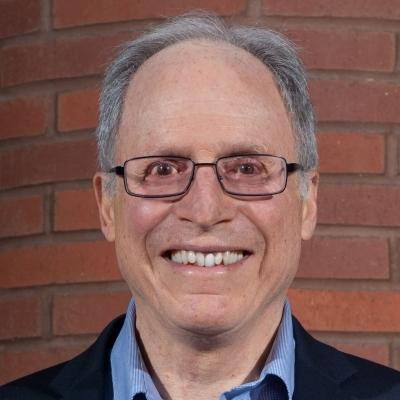
David S. Eisenberg is a Professor of Chemistry and Biochemistry and Biological Chemistry at the University of California, Los Angeles, where he also serves as Director of the UCLA-DOE Institute for Genomics and Proteomics and as an HHMI Investigator. His research focuses on protein interactions, particularly the structural basis for conversion of normal proteins to the amyloid state and conversion of prions to the infectious state. Dr. Eisenberg earned his undergraduate degree in biochemical sciences from Harvard College and his D.Phil. degree in theoretical chemistry from Oxford University on a Rhodes Scholarship. His postdoctoral research was on ice and water with Walter Kauzmann at Princeton and in protein crystallography with Richard Dickerson. He joined the UCLA faculty after his postdoctoral studies. Dr. Eisenberg and his research group focus on protein interactions in amyloid and prion diseases. These diseases involve protein aggregation where normal functional proteins convert to abnormal aggregated forms. Systemic amyloid diseases like dialysis-related amyloidosis result from fiber accumulation until organ failure, while neurodegenerative diseases like Alzheimer's, Parkinson's, ALS, and prion conditions appear to be caused by smaller oligomers. In 2005, his team determined the atomic-level structure for the amyloid fiber spine, revealing a 'steric zipper' of two parallel beta sheets packed across a dry interface. Since then, they've determined approximately 90 amyloid spines from 15 disease-related proteins. In 2010, they identified the structure of a toxic amyloid-related oligomer consisting of six anti-parallel beta strands forming a cylindrical barrel. His recent publications demonstrate continued innovation in amyloid research, with focus areas including structural prediction of amyloid formation, mechanisms of tau fibril disassembly in Alzheimer's disease, cryo-EM analysis of amyloid polymorphism, and structure-based design of inhibitors for amyloid toxicity. His work integrates computational, structural, and biochemical approaches to understand protein aggregation across multiple disease contexts. Dr. Eisenberg has received numerous prestigious awards and honors: National Academy of Sciences Member American Philosophical Society Member Institute of Medicine Member Howard Hughes Medical Institute Investigator Biophysical Society Emily M. Gray Award Harvard Westheimer Medal UCLA Seaborg Medal Technion - Israel Institute of Technology Harvey Prize in Human Health As Director of the UCLA-DOE Institute for Genomics and Proteomics and an HHMI Investigator, Dr. Eisenberg leads significant research initiatives in protein structure and aggregation. His laboratory combines X-ray crystallography, bioinformatics, and biochemical techniques to investigate protein interactions, with particular emphasis on amyloid-forming proteins and their role in disease. The Eisenberg Lab, located in Boyer Hall at UCLA, maintains an active research program investigating the structural basis of protein aggregation. The lab continues to build on its landmark discoveries of amyloid structures while exploring new frontiers in understanding protein misfolding diseases and developing potential therapeutic interventions.
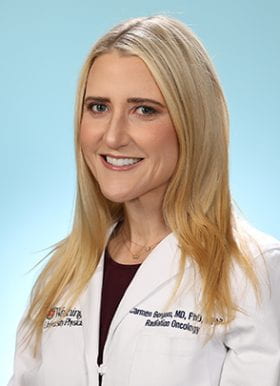
Carmen Bergom, MD, PhD, is an Associate Professor of Radiation Oncology at Washington University School of Medicine (WashU Medicine), where she joined the faculty in 2020. She holds secondary appointments in the Division of Cancer Biology and the Siteman Cancer Center. Her research focuses on leveraging genetic models to improve radiation therapy efficacy while mitigating radiation-induced cardiotoxicity , particularly in breast cancer patients. Key areas include radiation biology , tumor microenvironment , and cardio-oncology . Recent publications highlight her work in genetic mapping of radiation sensitivity (e.g., rat chromosome 3 variants), innovative imaging techniques (e.g., integrin-targeted PET), and clinical trial design for cardiovascular risk stratification. Her laboratory has pioneered the first genetic studies of radiation-induced cardiac dysfunction. Scientific awards include the Michael Fry Research Award (2021) and recognition as a Top Doctor in America (2018, 2019). She serves as Chair of the ASTRO Science Council Scientific Review Panel and co-chair of the Clinical and Experimental Research in Radiation Oncology meeting at ESTRO. Dr. Bergom treats breast cancer patients clinically and mentors students across all levels (undergraduate to postdoctoral). Her work bridges basic research with clinical applications , aiming to develop biomarkers and therapeutic targets for radiation oncology.
Professor Guy Williams is a leading academic at the University of Cambridge with a focus on imaging science and clinical neurosciences, affiliated with Downing College and the Wolfson Brain Imaging Centre . Holding a PhD in Physics from his initial Natural Sciences degree, he specializes in nuclear magnetic resonance (NMR) and MRI techniques for brain imaging. Education: BA, PhD in Physics His research centers on non-invasive imaging of brain structure and function, particularly in traumatic brain injury (TBI) and dementia. His work involves developing novel MRI pulse sequences and advanced data analysis algorithms, including AI-based diagnostic tools. He leads studies on white matter integrity post-trauma, longitudinal dementia assessment, and applications of MRI in disorders of consciousness and addiction. Recent publications highlight collaborations in traumatic brain injury outcomes, AI-guided dementia prediction, and neuroimaging of post-COVID cognitive deficits. His team's work on ultra-high field laminar fMRI and distortion correction methods has advanced clinical neuroscience applications. Key techniques include diffusion tensor imaging (DTI), 7 Tesla MRI, and positron emission tomography (PET/MR). His research spans from basic NMR physics to clinical translation, with a strong emphasis on multi-site studies and real-world diagnostic implementation.
Dr. Ting-Feng Lin is an Assistant Professor at the Cell Biology, Neurobiology and Biophysics department within the Faculty of Science at Utrecht University, Netherlands. His research focuses on understanding the mechanisms of learning and memory formation in the cerebellum, particularly how synaptic and intrinsic plasticity mechanisms coordinate to regulate neuronal signaling and behavior. He employs advanced microscopy, optogenetic, and chemogenetic techniques in transparent zebrafish models to study these processes in vivo, with implications for neurodevelopmental disorders like autism spectrum disorder (ASD) and schizophrenia. 2025: Assistant Professor, Utrecht University 2019-2025: Postdoctoral Researcher, University of Chicago 2015-2019: PhD in Neuroscience, Neuroscience Center Zurich (ZNZ) 2010-2014: MS in Physiology, National Taiwan University 2006-2010: BS in Sports Medicine, China Medical University His work investigates how sensory experiences shape cerebellar processing during development, focusing on climbing fiber pathways and their role in sensory prediction errors. His group also studies the interaction between synaptic, intrinsic, and structural plasticity mechanisms in neural circuits, using zebrafish models with genetic modifications (e.g., Grid2 knockout) to model human neurological conditions. Dr. Lin has received scientific recognition including the SfN Trainee Professional Development Award for his work on Purkinje cell plasticity and the JNS Meeting Award for research on parallel fiber ramping activity and LTD. His publications span topics from cerebellar plasticity to voltage-gated K+ channel dynamics, reflecting his interdisciplinary approach to neurobiology.
Nancy J. Brown, M.D., is the Jean and David W. Wallace Dean of the Yale School of Medicine and holds the C.N.H. Long Professorship in Internal Medicine. Previously, she served as Chair of Vanderbilt Department of Medicine and Physician-in-Chief of Vanderbilt University Medical Center (2010–2020). Her academic career spans over three decades, with leadership roles in clinical care, research, and medical education. Education: MD, Harvard University (1986) AB in Molecular Biophysics and Biochemistry, Yale College (1981) Internship and Residency in Medicine, Vanderbilt University (1989) Fellowship in Clinical Pharmacology, Vanderbilt University (1991) Chief Resident, Vanderbilt University (1992) Research Interests: Dr. Brown’s work focuses on the renin-angiotensin-aldosterone system’s role in cardiovascular disease, hypertension, and thrombosis. Her lab has elucidated mechanisms linking aldosterone, bradykinin, and ACE inhibitors to inflammation, fibrosis, and cardiovascular risk. Current studies explore neprilysin inhibitors in heart failure and incretin-based therapies’ cardiovascular effects. Key Contributions: Identified genetic variants and African ancestry as risk factors for ACE inhibitor-associated angioedema Developed Vanderbilt’s Master of Science in Clinical Investigation program (2000) Advocated for physician-scientist development through leadership roles in NIH councils and professional organizations Recognition: Recipient of the Harriet Dustan Award, August M. Watanabe Prize, and Robert H. Williams Distinguished Chair of Medicine. Elected to the National Academy of Medicine and American Academy of Arts & Sciences. Labs/Teams: Leads the Yale School of Medicine’s cardiovascular research initiatives, focusing on translational studies of RAAS pathways and drug mechanisms.
Sarah Woolf-King is an Assistant Adjunct Professor in the Department of Medicine at the University of California, San Francisco (UCSF), School of Medicine. She is a licensed clinical psychologist (CA PSY28178) whose research bridges psychology and health, with a strong focus on substance use, HIV, and mental health in families affected by congenital heart defects. Her educational background includes a B.S. in Psychology from Arizona State University (2002), an M.S./Ph.D. in Clinical Psychology from Syracuse University (2010), an M.P.H. in Epidemiology from UC Berkeley (2011), a clinical internship in Behavioral Medicine at VA Palo Alto (2010), and a T32 Postdoctoral Fellowship at UCSF’s Center for AIDS Prevention Studies (2013). Dr. Woolf-King’s research centers on two primary areas: (1) the impact of alcohol use on HIV treatment and prevention, particularly among HIV-positive men who have sex with men (MSM) and in East African populations, and (2) the mental health needs of parents of children with critical congenital heart defects (CHD). Her work employs diverse methodologies, including daily data collection, qualitative interviews, randomized trials, and biomarker validation (e.g., PEth). She aims to develop integrated behavioral interventions to improve health outcomes for individuals and families coping with chronic illness. Her recent publications (2023–2025) reflect a consistent focus on alcohol use in the context of HIV, with studies on counseling interventions, digital screening, remote biomarker collection, and behavioral mechanisms. There is also growing attention to mental health in vulnerable populations, including college students and parents of children with genetic or cardiac conditions. Her work is increasingly interdisciplinary, combining psychology, epidemiology, public health, and global health. Scientific Awards: Hellman Fellow, Hellman Fellows Fund (2015–2017) Mentored Research Scientist Development Award (K01), NIH/NIAAA (2013–2018) Loan Repayment Program in Clinical Research, NIH/NIAAA (2011–2016) Ruth L. Kirschstein National Research Service Award (F31), NIH/NIAAA (2008–2010) Mentored Scientist Award in HIV/AIDS, UCSF CFAR (2012–2014) Dr. Woolf-King has served as Principal Investigator on NIH-funded projects, including an R34 grant for a brief ACT intervention for HIV-positive hazardous drinkers and a K01 grant on alcohol and sexual risk behavior. She collaborates extensively with researchers at UCSF and in East Africa, particularly Uganda. While her adjunct title suggests a part-time or non-tenure-track role, she maintains an active research program with significant grant support and a robust publication record. There is no indication of retirement or former staff status.
Todd A. Alonzo is a Professor of Research in the Department of Preventive Medicine at the University of Southern California . As Group Statistician for the Children's Oncology Group , he focuses on statistical methods for biomarker analysis, medical diagnostic testing, and clinical trial design in pediatric acute myeloid leukemia (AML). Education: B.S. in Statistics, California State Polytechnic University (1994) MS and PhD in Biostatistics, University of Washington (1997, 2000) Research Interests include: Development of statistical frameworks for diagnostic accuracy Genomic and proteomic profiling in AML Pharmacogenomic score systems for chemotherapy response Non-inferiority trial design in low-event-rate settings Health disparities in pediatric oncology Scientific Awards : Fellow, American Statistical Association (2018) Outstanding Teacher Award, International Society for Magnetic Resonance in Medicine (2017) NIH Predoctoral Cardiovascular Biostatistics Training Grant (1995) ENAR Biometrics Society Distinguished Student Paper Award (1999) WNAR Biometrics Society Best Student Oral Presentation (1999) Leadership & Service includes editorial board memberships (Biometrics, Pediatric Blood & Cancer, Biometrical Journal), reviewer for 30+ scientific journals, and roles on multiple Data Safety and Monitoring Boards. He served as President of the International Biometric Society Western Northern America Region (WNAR) in 2009.
Juliane Nguyen, PhD, is a Professor in the Department of Pharmacoengineering and Molecular Pharmaceutics at the UNC Eshelman School of Pharmacy, University of North Carolina at Chapel Hill. She serves as Vice Chair and Director of Graduate Admissions in her department and holds an adjunct appointment as Professor of Biomedical Engineering. Dr. Nguyen is also a member of the UNC Lineberger Comprehensive Cancer Center, where she applies molecular engineering approaches to develop innovative therapeutic solutions. Dr. Nguyen's research focuses on molecular engineering to advance protein-based therapeutics, live biotherapeutics (including engineered probiotic yeast), and extracellular vesicles. Her lab develops cutting-edge technologies to treat diverse conditions including cancer, myocardial infarction, chemotherapy-induced cardiotoxicity, and inflammatory bowel diseases. Her interdisciplinary approach integrates molecular engineering, pharmaceutical sciences, and bioinformatics to create complex biologics with exceptional safety and efficacy profiles. Key research areas include developing therapeutics for cardiac repair, genetically encoded materials targeting tumor-associated macrophages, live biotherapeutics for inflammatory bowel diseases using engineered probiotic yeast, and auxetic patches for dynamic organ repair. Analysis of Dr. Nguyen's recent publications reveals a strong focus on translational research with significant contributions to cardiac repair technologies, cancer immunotherapy, inflammatory bowel disease treatments, and advanced biomaterials. Her work consistently bridges fundamental molecular engineering with clinical applications, particularly in the areas of targeted drug delivery, extracellular vesicle therapeutics, and engineered live biotherapeutics. The research demonstrates a clear trajectory toward developing clinically viable solutions for previously challenging medical conditions. Dr. Nguyen has received numerous prestigious awards and honors including the NSF CAREER Award (2018), Eshelman Innovation Award (2020), and recognition as a Fellow of the Controlled Release Society (2023). She was appointed as a Standing Member of the NIH Drug and Biologic Therapeutic Delivery Study Section (2023-2025) and serves as Executive Editor of Advanced Drug Delivery Reviews since 2021. Her Galenus Guest Professorship at ETH Zuerich (2024) and keynotes at major conferences highlight her international recognition in the field. As Director of Graduate Admissions and an active mentor, Dr. Nguyen has advised numerous PhD and Master's students who have co-authored significant publications with her. Her research is supported by competitive grants including the NSF CAREER Award and other NIH-funded projects. The Nguyen Lab maintains strong collaborations across disciplines, particularly with cardiology, oncology, and biomedical engineering researchers. She leads an interdisciplinary team focused on translating molecular engineering breakthroughs into clinically impactful therapies. The Nguyen Lab operates as a dynamic, interdisciplinary research environment combining expertise in molecular engineering, pharmaceutical sciences, and bioinformatics. The lab's mission is to revolutionize medicine by developing next-generation therapeutics that target diseases at the molecular level. Current projects focus on translating cutting-edge research into life-changing therapies for patients suffering from cancer, myocardial infarction, colitis, and other challenging conditions. The lab's innovative approach to biomolecular engineering positions it at the forefront of developing safe, effective, and personalized therapeutic solutions.
Una-May O'Reilly is a Principal Research Scientist at MIT's Computer Science and Artificial Intelligence Laboratory (CSAIL), leading the ALFA group. She holds a PhD in Computer Science from Carleton University (1995), with prior roles including a postdoctoral appointment at MIT's Artificial Intelligence Laboratory. Her research focuses on cybersecurity, adversarial AI, software security, and disinformation dynamics, applying evolutionary algorithms and machine learning to address arms races in cyber defense and societal challenges like climate change communication. Education: B.Sc., University of Calgary M.C.S., Carleton University Ph.D., Carleton University (1995) Research Interests: Adversarial machine learning for secure systems Coevolutionary algorithms in cybersecurity and healthcare Program comprehension via neuroscience and AI Climate disinformation mitigation on social media Large language model applications in code synthesis and threat hunting Key Projects: Adversarial Cyber Security : Modeling cyber attack-defense arms races GIGABEATS : AI-driven medical sensor data analysis for critical care MOOC Learner Project : Data science for online education insights Awards: EvoStar Award (2013) for contributions to evolutionary computation Fellow of ACM Sig-EVO Leadership & Service: Co-founder and Vice-Chair of ACM Sig-EVO Former Chair of GECCO (2005), major evolutionary computation conference Editorial roles in Evolutionary Computation and Genetic Programming and Evolvable Machines Labs & Groups: Leads the AnyScale Learning for All (ALFA) group at CSAIL, focusing on scalable AI for cybersecurity, healthcare, and education.