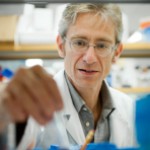
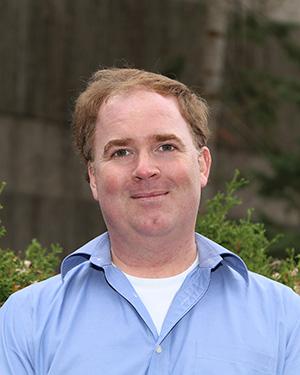
Fabio Rossi is a Professor in the Department of Medical Genetics at the University of British Columbia , holding dual appointments as a Canada Research Chair in Regenerative Medicine and a Michael Smith Foundation for Health Research Fellow . His laboratory is located at the Biomedical Research Centre (BRC) on the UBC Campus in Vancouver, BC. Research Interests: Stem cell biology Regenerative medicine Gene therapy Cell fate control Muscle degeneration and repair Neuroimmunology Scientific Awards: Canada Research Chair in Regenerative Medicine Michael Smith Foundation for Health Research Fellow Contact: Email: fabio@brc.ubc.ca Phone: 604–822–7138
Michael S. Kiernan, MD, is an Adjunct Assistant Professor at the T.H. Chan School of Medicine , affiliated with UMass Chan Medical School. His clinical and research focus spans Cardiology , Vascular Diseases , and Transplantation , with a specialization in Heart Failure and Left Ventricular Assist Devices (LVAD) . Education: BS in Biology, University of Notre Dame MD, University of Connecticut School of Medicine Dr. Kiernan's research explores mechanisms of right heart failure post-LVAD implantation, hemodynamic optimization in advanced heart failure, and post-transplant outcomes . His work integrates clinical trials (e.g., SPAN-CHF III, PROMIS) and biomedical engineering to address LVAD complications. Recent publications highlight trends in LVAD thrombosis , cardiac cachexia recovery, and electrocardiogram utility in donor heart evaluation. His collaborations span institutions like Tufts Medical Center and inter-registries such as INTERMACS. Dr. Kiernan contributes to guideline development via the American Heart Association, focusing on mechanical circulatory support and heart failure management. His work bridges translational research and clinical practice in cardiovascular medicine.
Jan Porthun is an Assistant Professor at the Department of Health Sciences , Norwegian University of Science and Technology (NTNU), Gjøvik Faculty of Medicine and Health Sciences. His work spans Biostatistics, Medical Statistics, Epidemiology, and Osteopathy , with a focus on clinical trial methodology, cardiovascular research, and anatomical/physiological studies. Educational Background : MSc in Medical Biostatistics (Heidelberg), Diploma in Clinical Trials (Graz), MSc in Osteopathy (Danube University Krems), MSc in Paediatric Osteopathy (University of Wales). His research explores threshold estimation in survival data (via the cutpoint R-package ), cardiac wasting in cancer patients , and osteopathic interventions . Collaborations include institutions in Norway, Germany, Austria, and Switzerland. Recent publications highlight geospatial variations in healthcare (neuroimaging, referrals), cardiovascular biomarkers , and clinical endpoints in oncology . He contributes to methodological advancements in biostatistics and osteopathy. Scientific Affiliations : Member of the International Society for Clinical Biostatistics (ISCB), International Biometric Society (IBS), Society for Clinical Trials (SCT), German Society for Medical Computer Science, Biostatistics and Epidemiology (GMDS) e.V.
Dr. Elizabeth A Hibler is an Assistant Professor in the Department of Preventive Medicine at Northwestern University Feinberg School of Medicine. Her research bridges cancer epidemiology and cardiovascular disease prevention, focusing on genetic variation, biomarkers, and modifiable risk factors in high-risk cancer populations. MPH from University of Michigan (2003) PhD from University of Arizona (2011) Postdoctoral training at University of Arizona Cancer Center (2014) and Vanderbilt University (2016) Current research employs informatics approaches to: Analyze molecular risk factors, physical activity, and breast density Study cardiotoxicity risks in young breast cancer survivors 2023-2024 publications highlight her work on: Colorectal cancer genetics and diabetes comorbidities Cardio-oncology outcomes and GLP-1 agonist effects Epigenetic mechanisms in cancer prevention Scientific Contributions : Recipient of Cancer and Aging Translational Bridge Award Developed Bright Pink risk assessment tools Published 37+ studies on cancer-cardiovascular intersections Clinical Trials she leads explore DNA methylation patterns in high breast density women and cardiotoxicity prevention. Affiliated with: Institute for Public Health and Medicine (IPHAM) Simpson Querrey Institute for Epigenetics
Krzysztof Irlik is a researcher at the Doctoral School of the Medical University of Silesia, focusing on cardiovascular diseases, diabetes mellitus, and metabolic dysfunctions. His work bridges clinical cardiology with machine learning applications for risk prediction in multimorbid patients. Affiliation: Medical University of Silesia Key Research Areas: Cardiovascular risk assessment, diabetic complications, machine learning in medicine His research explores: Cardiovascular outcomes in diabetic and chronically ill patients Machine learning applications for risk stratification Metabolic phenotypes and their implications Systematic reviews of heart failure biomarkers Recent trends in his 15 most recent publications (2021-2025) include: Machine learning models for predicting cardiovascular events Comparative analyses of heart failure subtypes Epidemiological studies on diabetes-related complications AI-enhanced diagnostic tools for diabetic neuropathy With 40 total publications, an h-index of 6 (Scopus) and 5 (WoS), and a MEiN score of 2,250, Irlik contributes to clinical and computational medicine.
Abdel Karim Sabri, PhD, is a Professor at the Lewis Katz School of Medicine at Temple University, with primary appointments in the Department of Cardiovascular Sciences. He also holds professorial positions at the Alzheimer's Center at Temple, the Center for Metabolic Disease Research, the Sol Sherry Thrombosis Research Center, and the Biomedical Education and Data Science department. His research program focuses on the molecular and cellular mechanisms underlying heart failure. PhD in Cell Biology from Rene Descartes University, Paris, France BS in Cell Biology from Rennes I University, Rennes, France Dr. Sabri's research primarily investigates the role of inflammatory mediators and innate immunity in the progression of heart failure, with particular emphasis on inflammatory serine proteases (ISPs) and protease-activated receptors (PARs). His laboratory examines how these molecular pathways regulate pathological cardiomyocyte growth, programmed cell death, and contribute to cardiac hypertrophy, cardiomyopathy, and heart failure. Using both in vitro cell culture systems and in vivo transgenic mouse models, his team explores potential therapeutic targets for heart disease. An analysis of Dr. Sabri's recent publications reveals a consistent focus on inflammatory pathways in cardiac disease, particularly the role of serine proteases, PARs, and G protein-coupled receptors in cardiac remodeling after injury. His work spans basic molecular mechanisms to translational applications, including the development of nanocarrier systems to target therapies to injured myocardium. While specific grant funding details aren't provided in the available information, Dr. Sabri's extensive publication record spanning multiple decades demonstrates sustained research activity and significant contributions to the field of cardiovascular biology. His work often involves collaborations with researchers across multiple institutions and disciplines. Dr. Sabri's laboratory appears to focus on the molecular mechanisms of cardiac remodeling, with particular attention to inflammatory pathways following myocardial injury. His research bridges basic science and potential clinical applications, seeking to develop novel therapies for heart failure based on understanding fundamental molecular pathways.
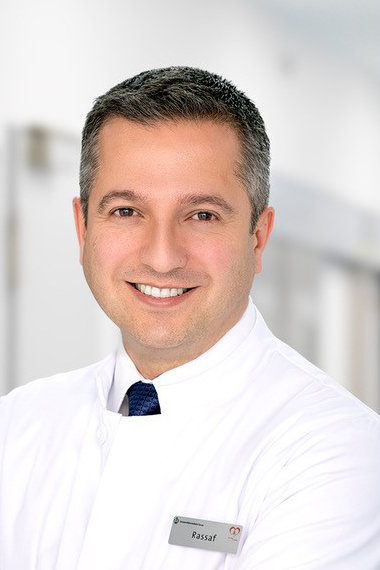
Prof. Dr. Tienush Rassaf is the Director of the Clinic for Cardiology and Vascular Medicine at the University Hospital Essen, affiliated with the University of Duisburg-Essen's Medical Faculty. His research focuses on cardio-oncology, myocardial ischemia-reperfusion injury, and cardiac toxicity from cancer therapies. He leads studies on heart failure management, mechanical circulatory support, and hypoxic vasodilation mechanisms. Recent work includes clinical trials on iron deficiency treatment in heart failure (FAIR-HF2) and immune therapy-induced cardiotoxicity. He contributes to ESC guidelines and collaborates internationally in cardio-oncology and critical care. Key publications (2023–2025) address cardiogenic shock outcomes, transcatheter valve interventions, and biomarker-driven risk stratification in cancer patients. His work is funded by DFG, EFRE, and industry grants, advancing translational research at the West German Heart and Vascular Center.
Sandhya Sara Thomas, M.D., is an Associate Professor in the Department of Medicine-Nephrology at Baylor College of Medicine, Houston, TX. Her clinical expertise spans acute and chronic kidney disease (CKD), glomerular diseases, and dialysis. She holds a BA from Johns Hopkins University, an MD from the University of Texas Medical School at Houston, and completed postgraduate training including residencies and fellowships at UT Houston, Columbia University, and Baylor College of Medicine. Her research focuses on insulin signaling impairments in CKD, particularly their metabolic consequences in skeletal and cardiac muscle. She investigates therapeutic targets to mitigate CKD-induced metabolic changes. Her work has been published in high-impact journals like Kidney International and Circulation Research . Professional activities include roles at the Nephrology Care Center. Though no awards are listed here, her extensive publications reflect significant contributions to nephrology and metabolic research.
Ingvar Rydén is an Associate Professor at Linköping University, affiliated with the Department of Biomedical and Clinical Sciences (BKV) and the Division of Clinical Chemistry and Pharmacology (KKF). He holds the email address ingvar.ryden@liu.se and focuses on research in clinical chemistry, liver disease biomarkers, and infectious disease diagnostics. His work spans protein glycosylation analysis, hepatocellular carcinoma detection, and SARS-CoV-2 immunoassay development. Key contributions include the ACCESS-ESLD study protocol for end-stage liver disease surveillance and studies on healthcare worker SARS-CoV-2 exposure risks. Research interests include biomarker discovery for hepatic disorders, immunology of acute phase proteins, and diagnostic platform innovations. Notable articles address α1-acid glycoprotein fucosylation in liver disease progression and the development of rapid non-invasive surveillance tools. Rydén’s articles reflect a focus on translational research, bridging glycobiology with clinical applications in oncology and infectious diseases. His division’s collaborative projects include work on lung inflammation models and anti-inflammatory therapies, showcasing interdisciplinary expertise in clinical and basic science.
J. Matthias Walz serves as Chair and Professor holding the UMass Memorial Kaur Chair in Anesthesiology and Perioperative Medicine at UMass Chan Medical School's School of Medicine. His primary appointment resides in the Department of Anesthesiology and Perioperative Medicine with additional affiliations in the NeuroNexus Institute, Department of Surgery, and MD/PhD Program through the Morningside Graduate School of Biomedical Sciences. Dr. Walz received his MD from the University of Tubingen in Germany. His research spans critical care medicine, anesthesiology, and urologic oncology with particular focus on airway management in critical illness, perioperative outcomes, and prostate/urologic cancer interventions. His work frequently addresses patient safety protocols including central line infection prevention and surgical complication reduction. Analysis of his 15 most recent publications reveals a strong trajectory toward perioperative outcomes research with dual emphasis on critical care applications (38% of recent work) and urologic oncology (42%). Key trends include development of ICU communication systems, optimization of prostate cancer screening protocols, and implementation of enhanced recovery pathways for major surgeries. His methodology frequently employs large-scale clinical data analysis and consensus guideline development. Dr. Walz maintains active collaborations with critical care specialists including Stephen Heard and J. Scott, with 67% of his recent publications involving multi-institutional teams. His NeuroNexus Institute affiliation suggests involvement in neural engineering applications for perioperative monitoring.
David Wang, PhD, is an Assistant Professor in the Department of Pediatrics at the College of Medicine, Medical University of South Carolina (MUSC). He holds affiliations with the Darby Children’s Research Institute. His research focuses on NF-kB signaling in cancer development, immune evasion mechanisms, and pediatric cancers like rhabdomyosarcoma. He completed his MD at First Military Medical University, China (1985), PhD in Medical Science at Hokkaido University (1999), and a postdoctoral fellowship in Cancer Biology at The Ohio State University (2009). Research Interests: NF-kB’s dual roles in tumor suppression and immune evasion, pancreatic cancer biology, cancer cachexia, and stem cell therapies for diabetes and chronic pain. Key Publications: Over 20 peer-reviewed articles, including studies on NF-kB’s role in tumor immunity, GDF-15 regulation, and NF-κB inhibition in Duchenne muscular dystrophy. His work spans cancer biology, immunology, and translational therapies. Clinical Trials: Leads studies on mesenchymal stem cell therapies for type 1 diabetes, chronic pain management, and pancreatic cancer treatment strategies. Collaborates on projects addressing stem cell storage and co-transplantation in islet therapy.
Eric N. Olson is the founding Chair of the Department of Molecular Biology at the University of Texas Southwestern Medical Center and holds distinguished chairs in Stem Cell Research and Cardiac Birth Defects. His research focuses on muscle development, gene editing, and translational therapies for cardiovascular and muscular diseases. He pioneered CRISPR-based approaches to correct Duchenne Muscular Dystrophy (DMD) mutations and founded biotech companies to advance clinical applications. Olson is a member of the U.S. National Academy of Sciences, National Academy of Medicine, and American Academy of Arts and Sciences. He received the Eugene Braunwald Mentorship Award and has trained numerous students/postdocs who now lead cardiovascular research globally. His lab explores mechanisms of muscle regeneration, transcriptional regulation, and CRISPR-based therapies, with a focus on translating discoveries to clinical settings. Key projects include gene editing therapies for DMD, myocardial regeneration via reprogramming, and understanding the PD-1/PD-L1 pathway’s role in neonatal heart repair. His work bridges basic science and medicine, with contributions to understanding mitochondrial dysfunction, micropeptide biology, and cardiomyocyte metabolism. Olson serves on advisory boards for the Howard Hughes Medical Institute and leads the Hamon Center for Regenerative Science and Medicine. His lab’s future directions include optimizing CRISPR delivery systems, studying nuclear envelope proteins in muscle integrity, and exploring metabolic pathways in cardiac development.
Arie Nakhmani Dr. Arie Nakhmani is an Associate Professor in the Department of Electrical and Computer Engineering at the University of Alabama at Birmingham (UAB), part of the College of Engineering. He also serves as Co-Director of the Center for Integrated Systems, ECE Graduate Program Director, and Director of the ANRY research lab. His expertise spans signals and systems, computer vision, biomedical signal analysis, mathematical modeling, and machine learning. Education B.S., Technion – Israel Institute of Technology, Electrical Engineering (Signal Processing) M.S., Technion – Israel Institute of Technology, Electrical Engineering (Robust Control) Ph.D., Technion – Israel Institute of Technology, Electrical Engineering (Computer Vision) Research Interests Dr. Nakhmani’s research focuses on biomedical signal analysis , machine learning applications , and image processing . His lab develops computational tools for COPD diagnostics, drone navigation, and medical imaging. Key projects include: Deep learning for COPD mortality prediction Visual tracking of nanoplatforms under magnetic fields CT radiomics for lung disease phenotyping Publications & Awards With over 150 peer-reviewed publications and a textbook on modern control systems, Dr. Nakhmani’s work bridges engineering and medicine. Notable achievements include the 2023 Most Prolific Inventor Award from UAB’s Harbert Institute. His lab’s drone navigation research and COPD staging methodologies have earned international recognition. Professional Roles Associate Scientist, UAB Comprehensive Cancer Center Lead of the ANRY Lab (focusing on signal/image analysis and robotics) Graduate Program Director, ECE Department Labs & Teams The ANRY Lab collaborates across disciplines to solve real-world challenges in healthcare and engineering. Current projects involve: Long-range solar UAVs for humanitarian aid AI-driven COPD staging (STAR system) Data augmentation techniques for limited datasets
Dr. Jeremy Simpson is an Associate Professor at the University of Guelph, where he leads the Simpson Lab. His research focuses on cardiorespiratory physiology and pathophysiology, integrating classical physiological techniques with proteomic analyses to investigate heart failure, cardiac hypertrophy, and skeletal muscle fatigue mechanisms. Hon BSc - University of Guelph PhD - Queen's University His work spans multiple areas, including: Proteomic alterations in heart failure and cancer-induced cardiomyopathy Mitochondrial bioenergetics in diabetes and muscular dystrophy Hypoxia-induced cell signaling and cross-tissue communication Development of open-source tools for physiological monitoring (e.g., SqueakSpeed, ROSLT) Role of erythropoietin in cardiac development and function Recent publications highlight his exploration of mitochondrial therapies in ovarian cancer cachexia, Duchenne muscular dystrophy, and pancreatic cancer models, alongside methodological advancements in ventricular pressure-volume analysis and exercise physiology. Current students in his lab include MSc candidates Malicki A., Michaud J., and Sanosa P., who collaborate on projects examining muscle-cardiac interactions and disease-specific metabolic impairments.
Marta Batus is a Professor of Oncology at Rush University's Rush Medical College in Chicago, IL. Her research focuses on lung cancer and sarcoma treatment strategies, with an emphasis on biomarker development, chemoradiation protocols, and clinical outcomes analysis. She collaborates closely with co-authors like Mary Fidler and Jeffrey Borgia on studies involving treatment efficacy and patient prognostics. Her work spans 20+ years, with over 50 publications in journals such as J Cachexia Sarcopenia Muscle and Acta Oncol . Key areas include neutrophil-lymphocyte ratio analysis, next-generation sequencing for sarcoma, and managing thoracic irradiation side effects. She is also affiliated with the Rush Cancer Center, contributing to multidisciplinary cancer care initiatives. Recent research highlights include: Evaluating weight changes in advanced NSCLC patients Assessing PET-CT staging impact on sarcoma treatment timing Developing predictive biomarkers for EGFR-mutated lung cancers Though no specific awards are listed, her extensive co-author network reflects significant collaborative contributions to oncology research.