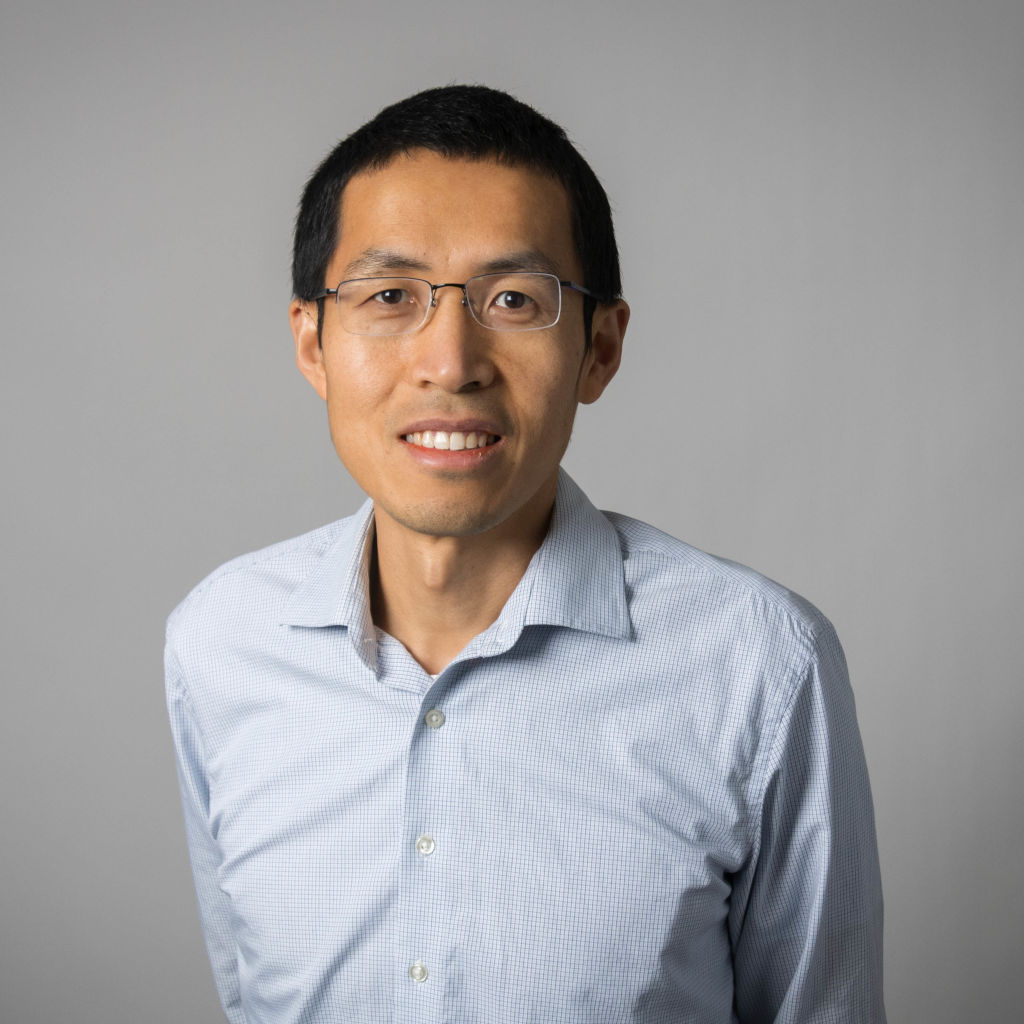
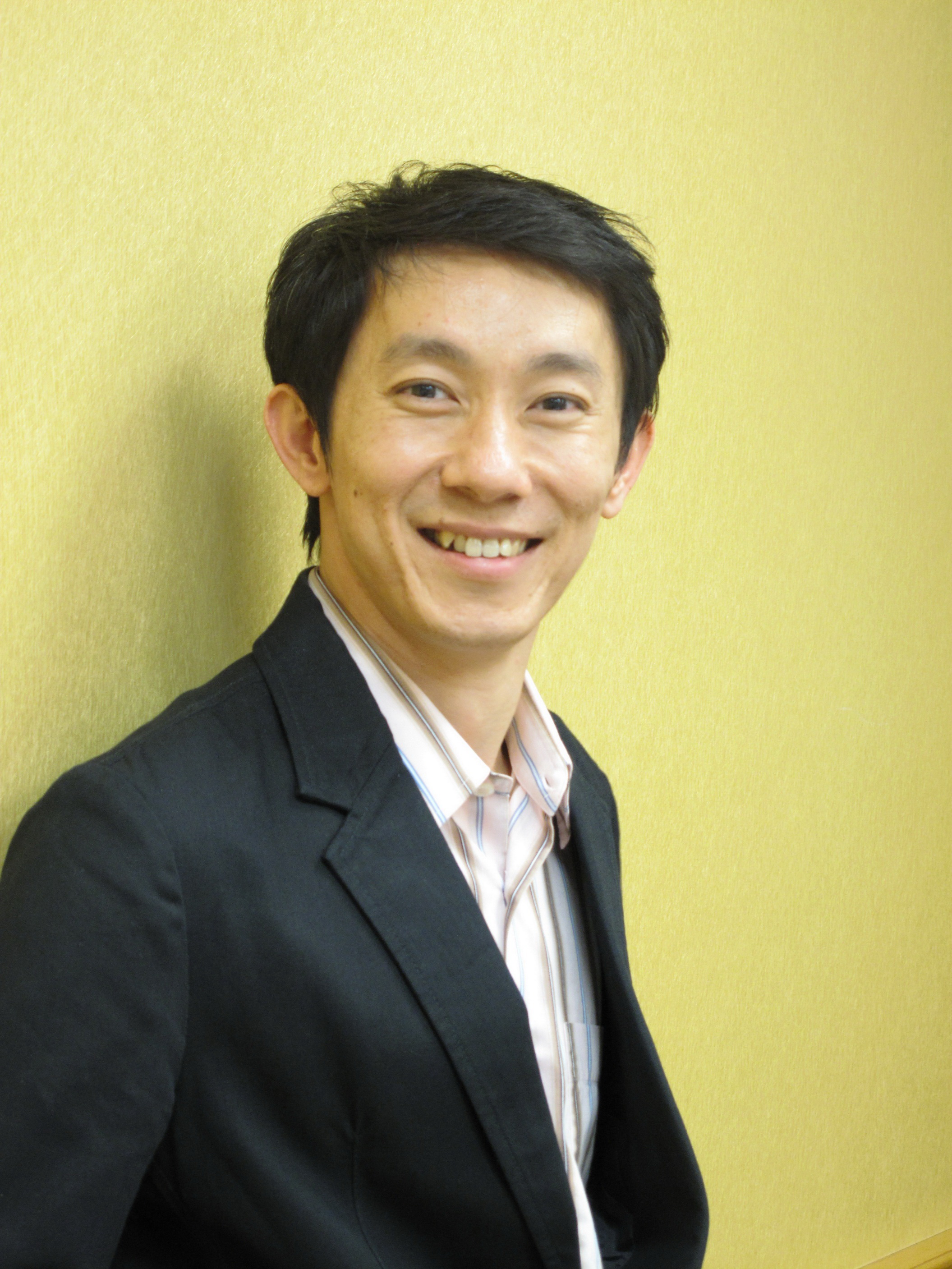
Dr. Kanika Goel is a Lecturer in the School of Information Systems at Queensland University of Technology (QUT), specializing in Business Process Management (BPM), Data Governance, and Process Analytics. She holds a PhD from QUT and has over 9 years of teaching experience, coordinating programs such as BIT Honours (IN10) and Masters of Philosophy (IN80). Her research focuses on process-oriented data analytics, data quality, and process mining, with industry collaborations spanning health, retail, and asset management sectors. She is a Lean Six Sigma Green Belt certified trainer and a Fellow of the Higher Education Academy (FHEA). Dr. Goel has led several industry-funded projects, emphasizing applied research in data governance, process mining, and process improvement. Notably, she received the Vice-Chancellor's Award for Excellence (2019) for innovative BPM integration in research management systems. Her work bridges academic research and real-world applications, contributing to journals like Business and Information Systems Engineering and IEEE Access . She teaches courses on Business Process Technologies, Modern Data Management, and BPM units in QUT's continuing professional education programs. Her articles explore topics like data imperfections in healthcare systems, process standardization strategies, and privacy risks in NoSQL databases. She advocates for digital literacy and has published on initiatives to build tech-savvy communities. Dr. Goel is also involved in supervising research topics such as prescriptive process analytics and process-data governance patterns.
Dr. David Connell is an Associate Professor in the Ecosystem Science and Management program within the Faculty of Environment at the University of Northern British Columbia (UNBC). He is affiliated with the Natural Resources and Environmental Studies (NRES) Graduate Program and is actively involved in research, teaching, and graduate supervision. His office is located in the Teaching and Learning Building on the Prince George campus, and he is available for collaboration and media inquiries. His educational background, while not explicitly detailed in the text, is inferred to include advanced degrees in environmental planning or a related field, given his academic position and research output. His research expertise centers on agricultural land use planning and farmland protection, with additional interests in local food systems, community development, Luhmann social theory, and the conservation of British Columbia’s inland temperate rainforest, particularly the Ancient Cedars of the Fraser River Valley. Dr. Connell’s research program is highly applied and policy-relevant, focusing on evaluating legislative frameworks for farmland protection across Canadian jurisdictions, assessing the socio-economic benefits of farmers markets, and exploring non-timber uses of forest ecosystems. His work integrates social science perspectives with environmental planning to address complex sustainability challenges. His recent publications reveal a consistent trend toward policy analysis, interdisciplinary research, and community-based solutions in environmental management. UNBC Award of Excellence in Research (2017) UNBC Award of Excellence in Teaching (2014) Dr. Connell is a dedicated mentor, supervising numerous MA and PhD students in the NRES program on topics ranging from farmland protection to food sovereignty and ecotourism. His research is supported by competitive grants from SSHRC, Agriculture and Agri-Food Canada, and other funding agencies. He leads a research program on agricultural land use planning and has developed practical resources such as strategic planning guides for farmers markets and assessment toolkits for farmland protection. His work contributes significantly to both academic discourse and practical policy development in sustainable land use and community resilience.
David J. Connell is a Professor at the University of Northern British Columbia (UNBC), affiliated with the School of Environmental Planning. His work bridges environmental planning, agricultural policy, and community sustainability, with a strong emphasis on farmland protection, local food systems, and the conservation of British Columbia’s inland rainforest ecosystems. He has led national and provincial research initiatives and is recognized for excellence in both research and teaching. University: University of Northern British Columbia School: School of Environmental Planning Academic Rank: Professor Email: david.connell@unbc.ca Education and Professional Background: While specific educational credentials are not detailed in the provided texts, Dr. Connell’s extensive research, publications, and leadership in policy-oriented projects indicate a strong academic foundation in environmental planning, community development, and policy analysis. His professional experience includes work in business development, economic development, and nonprofit management, which he integrates into his teaching and research. Research Interests: Dr. Connell’s research centers on agricultural land use planning, farmland protection, and the socio-economic dynamics of local food systems. He investigates how legislative frameworks at local, regional, provincial, and federal levels influence farmland conservation. He also explores the role of farmers markets in community economic development and the non-timber values of ancient cedar ecosystems in BC’s inland rainforest. His interdisciplinary approach combines social science, policy analysis, and environmental studies to promote sustainable community development. Publication Trends: His recent publications focus on evaluating the strength of legislative frameworks for farmland protection across Canadian jurisdictions, analyzing federal policy roles, and assessing the quality of agricultural planning. He also contributes to understanding ecotourism, forest values, and the business models of farmers markets. His work is published in high-impact journals such as the Journal of Planning Education and Research , Canadian Planning and Policy , and Society and Natural Resources , reflecting a consistent scholarly trajectory in environmental and planning policy. Scientific Awards: UNBC Award of Excellence in Research (2017) UNBC Award of Excellence in Teaching (2014) Advising and Grants: Dr. Connell has supervised numerous graduate students in the Natural Resources and Environmental Studies program, focusing on topics such as farmland protection, food sovereignty, ecotourism, and beginner farming. His research has been supported by major funding bodies including SSHRC (Insight Grant), Agriculture and Agri-Food Canada, and the Investment Agriculture Foundation of British Columbia. He has led projects on farmland policy integration, farmers market impacts, and the conservation of ancient forests, demonstrating strong grant acquisition and project management capabilities. Labs and Research Teams: While no formal lab is mentioned, Dr. Connell leads a research program on Agricultural Land Use Planning and Farmland Protection, including collaborative work with the BC Association of Farmers Markets and government agencies. His work involves interdisciplinary teams and knowledge mobilization through workshops and policy briefs, contributing to practical outcomes in community planning and sustainability.
Anders Kalsgaard Møller is an Associate Professor in the Department of Culture and Learning at Aalborg University's Faculty of Humanities and Social Sciences. He is actively engaged in research and innovation in learning design, digital technologies, and artificial intelligence in education. His work is centered around the L-ILD (IT and Learning Design), Green Society, and MASSHINE Xlab – Design, Learning and Innovation research environments. His research interests span Learning Design , Computational Thinking , Artificial Intelligence in Education , Human-Robot Interaction , and Environmental Literacy . He investigates how emerging technologies can be integrated into educational practices to enhance collaborative learning, literacy development, and sustainable thinking. His work often involves participatory and co-design methods with educators and children. The recent publications of Anders Kalsgaard Møller reflect a strong trend toward the application of generative AI, robotics, and digital tools in language and primary education. His scholarly output emphasizes interdisciplinary collaboration, technological innovation, and real-world educational impact, particularly in K-12 and higher education contexts. Principal Investigator, 'Using artificial intelligence in English teaching at upper secondary schools' (2023–2026) Co-PI, 'Co-Designing Robot-Assisted Learning for Children' (ongoing) Co-PI, 'Labor market-oriented AI skills at cand.it.' (2024–2026) Co-PI, 'Understanding and fostering future consumers' environmental literacy' (2024–2025) Anders Kalsgaard Møller has been involved in media outreach, including coverage on children's interactions with social robots and discussions on AI in education. He has also contributed to academic leadership through conference organization and editorial roles, such as in the DLI conference series. He is affiliated with key research labs including: L-ILD – IT and Learning Design Green Society MASSHINE Xlab – Design, Learning and Innovation These labs focus on digital innovation, sustainability, and human-centered design in educational contexts.
Lee S Friedman, PhD , is a Research Professor in the Department of Environmental and Occupational Health Sciences at the School of Public Health, University of Illinois at Chicago (UIC). His research is centered on three principal areas: injury prevention in the workplace, violence across the lifespan, and the role of conflicts of interest in public health research. He employs advanced methodologies, specializing in the analysis of large population-based datasets, longitudinal cohorts, and data linkage from multi-center projects. His work on injury prevention uniquely integrates risk factors from the environment, home/community, and workplace, recognizing their interconnected impact. His current research projects, funded by NIOSH-CDC, focus on improving workplace hazard reporting for precarious workers, identifying risk factors for civilian injuries during law enforcement contact, understanding the health needs of people experiencing homelessness, and examining the opioid epidemic's impact on high-risk groups. His recent publications (2023-2025) reveal a strong trend in applying epidemiological methods to pressing public health crises. Key themes include the opioid epidemic's disparities and trends, the health and safety of vulnerable workers (e.g., coal miners, farmworkers, rideshare drivers), the intersection of community violence and public health, and the refinement of surveillance systems for occupational and environmental diseases. Dr. Friedman is the Principal Investigator of the Illinois Occupational Surveillance Program, a significant NIOSH-CDC grant, highlighting his leadership in federally funded research. His research team actively investigates a broad range of issues, including occupational injury prevention and surveillance, the long-term impact of injuries on both documented and undocumented workers, the role of social support in preventing elder neglect, and the influence of financial conflicts of interest on research in environmental and occupational health.
Audrye Wong is an Assistant Professor of Political Science and International Relations at the University of Southern California (USC) Dornsife College of Letters, Arts and Sciences. Her research focuses on Chinese foreign policy, economic statecraft, and authoritarian governance, with a particular emphasis on how domestic politics influence international strategies. She explores themes such as Sino-US relations, coercive economic diplomacy, environmental governance in authoritarian systems, and the role of subnational actors in shaping foreign policy. Her work bridges comparative politics and international relations, analyzing case studies ranging from China’s engagement with Australia and Ukraine to the geopolitical dynamics between Japan, South Korea, and China. Wong’s studies often highlight the interplay between economic tools, public accountability, and strategic narratives in advancing national interests. Wong’s publications demonstrate a consistent focus on understanding how states leverage economic instruments for geopolitical influence, with a critical eye toward the effectiveness of such strategies in authoritarian contexts. Her research contributes to broader debates on global power transitions, regional stability, and the evolving norms of international economic diplomacy.
Prof. Rob Goverde is a Professor of Railway Traffic Management & Operations at the Department of Transport & Planning, TU Delft, and Director of the Digital Rail Traffic Lab. He holds a PhD in Railway Operations (2005) from TU Delft and an MSc in Mathematics from Utrecht University (1993). His research focuses on resilient railway timetabling, disruption management, energy-efficient train control, and railway safety. He teaches MSc courses like 'Railway Operations and Control' and coordinates the MSc Annotation Railway Systems and a collaborative BSc program with Beijing Jiaotong University. Research interests include railway operations optimization using operations research, max-plus algebra, and data analytics. Projects funded by Shift2Rail, NSFC, and NWO address topics like high-speed rail network capacity and resilient railway systems. He leads the Railway Systems theme at TU Delft Transport Institute and serves as Editor-in-Chief of the Journal of Rail Transport Planning & Management. His work bridges mathematical methodologies with railway domain knowledge to enhance system performance and sustainability.
Robert F. Savinell is a Distinguished University Professor and George S. Dively Professor of Engineering at Case Western Reserve University's Department of Chemical and Biomolecular Engineering. He has held leadership roles including Director of the Ernest B. Yeager Center for Electrochemical Sciences (10 years) and Dean of Engineering (7 years). His research focuses on electrochemical solutions for energy conversion/storage, with emphases on flow batteries, electrochemical capacitors, and advanced materials. He serves as Editor-in-Chief of the Journal of the Electrochemical Society and holds fellowships from the Electrochemical Society, American Institute of Chemical Engineers, and International Society of Electrochemistry. Education: BS in Chemical Engineering (Cleveland State University, 1974), MS (University of Pittsburgh, 1974), PhD (University of Pittsburgh, 1977). Research Highlights: Current projects include novel electrode structures for hybrid flow batteries, slurry electrode conductivity, and high-temperature polymer electrolytes. Over 40 years of R&D in electrochemical engineering have produced breakthroughs in energy storage systems. Awards: 2022 Vittorio De Nora Award (Electrochemical Society), 2020 Frank and Dorothy Humel Prize (CWRU), 2018 DOE EFRC grant (BEES program). Grants/Advising: Directs the Breakthrough Electrolytes for Energy Storage (BEES) EFRC. Advises on projects spanning fundamental electrochemistry to commercial applications. Active in cross-institutional collaborations. Labs/Teams: Leads the Yeager Center for Electrochemical Sciences and collaborates with MIT, Denmark Technical University, and Yamanashi University through visiting professorships.
Dr. Hossein Zolfagharinia is an Associate Professor in the Department of Global Management Studies at the Ted Rogers School of Management, Toronto Metropolitan University. He holds a PhD in Operations and Supply Chain Management from Wilfrid Laurier University and has a strong academic and professional background in Industrial Engineering and logistics. BSc in Industrial Engineering MSc in Industrial Engineering PhD in Operations and Supply Chain Management, Wilfrid Laurier University His research focuses on Supply Chain Management, Sustainable Operations, Collaborative Transportation, and Green Product Development . He applies advanced operations research and optimization techniques to real-world logistics and sustainability challenges across industries such as trucking, maritime, healthcare, and reverse logistics. His work emphasizes environmental performance, regulatory impacts, and operational resilience. The recent publications reveal a strong trend in integrating sustainability into transportation and supply chain systems, with a focus on green trucking, carbon reduction, healthcare logistics, and reverse supply chains. His methodological expertise lies in robust optimization, scenario-based modeling, and handling uncertainty in dynamic environments. Dean's Scholarly, Research, and Creative Activity Award (2017) TRSM Research Recognition Awards (2018, 2020) Best Paper Award at ASAC (2019) Best Paper Award at RAMS Conference (2020) TRSM Outstanding Research Recognition Funding Awards (seven times) Nominated for CAGS/ProQuest-UMI Distinguished Dissertation (2016) OCE Research Award (2015) Dr. Zolfagharinia has successfully secured over $500,000 in research funding from major agencies including NSERC, SSHRC, FedDev Ontario, and Ontario Centres of Excellence . His grants support innovative work in sustainable logistics, healthcare operations, and supply chain resilience. He has supervised research projects involving PhD students and postdoctoral researchers and has collaborated extensively with industry partners in trucking, logistics, and maritime sectors. He is actively involved in academic and professional communities, presenting at conferences such as INFORMS, DSI, CORS, and ASAC. He also contributes to scholarly discourse through editorial roles, including co-editing a book and authoring a book chapter on facilities location.
Dr. Elisa Palazzo is a Senior Lecturer at the University of New South Wales (UNSW) within the Faculty of Arts, Design & Architecture. With a PhD in urban design, regional and environmental planning, she has extensive international teaching experience at universities in Italy, China, and Australia. Her professional background includes over 20 years as a registered landscape architect, architect, and urbanist, with significant project experience across Europe, the Middle East, China, and Australia. Her research focuses on adaptive and regenerative urban design, particularly water-sensitive cities and flood adaptation strategies in urban and rural systems. She explores biocultural diversity, landscape ecology, and transdisciplinary approaches to address environmental change. Her work bridges landscape architecture with urban design to create more resilient and environmentally sound cities. Analysis of her recent publications reveals a strong emphasis on practical applications of urban resilience, with particular attention to flood adaptation strategies, biocultural landscape assessment, and the implementation of water-sensitive urban design principles globally. Her research shows an increasing focus on transdisciplinary approaches that integrate community engagement with technical solutions. Banksia Sustainability Award 2020 (Academia and Research category) Place Leadership Award 2019 Learning & Teaching Award 2020 Executive Dean's award for excellence in teaching 2017 Peter Joseph Lenné Preis (1999) Multiple EUROPAN first prizes (1996, 1999) Dr. Palazzo has successfully supervised three PhD students and one Post-Doc to completion since 2015/2016 and currently supervises research in adaptive urban design, water resilience, and post-mining site regeneration. She has secured significant research funding including a $0.94 million MYER Foundation grant (2018-2020) and multiple Category 2 and 3 grants totaling $196,000 (2015-2024). She actively contributes to cultural landscape heritage work, serving as co-convenor of the Australia ICOMOS National Scientific Committee on Cultural Landscapes and Cultural Routes, and as co-author of the Burra Charter Practice Note on Cultural Landscapes. Her professional practice includes 38 built projects that have received 29 awards, including 11 first prizes.
Dr. Chao Hu is the Collins Aerospace Professor in Engineering Innovation and Associate Professor at the University of Connecticut's Department of Mechanical Engineering within the College of Engineering. His research focuses on engineering design under uncertainty, battery health diagnostics, and structural health monitoring. He holds a B.E. from Tsinghua University (2007) and a Ph.D. from the University of Maryland (2011), with prior roles at Medtronic and Iowa State University. Research interests emphasize physics-informed machine learning for prognostics, battery degradation modeling, and reliability-based design optimization. Key publications include work on digital twin models for lithium-ion batteries, federated learning for fleet-wide fault diagnosis, and probabilistic machine learning pipelines for real-time state estimation. He has received awards like the ASME Design Automation Young Investigator Award and highly cited paper recognitions. Dr. Hu serves as Senior Editor for Engineering Optimization and Review Editor for Structural and Multidisciplinary Optimization . His work spans academic leadership in journals and industrial collaborations. Current projects include battery aging datasets (UConn-ILCC and UConn-ISU-ILCC), design for remanufacturing frameworks, and high-rate structural health monitoring techniques.
Vicki L. Plano Clark, PhD, is an Associate Professor of Research Methods at the School of Education, University of Cincinnati. She is a leading methodologist specializing in mixed methods research, with a national reputation for advancing methodological rigor in the integration of quantitative and qualitative approaches. Her research focuses on developing practical mixed methods designs, addressing procedural challenges in implementation, and exploring the broader contexts for adopting mixed methods in research. As a founding Managing Editor of the Journal of Mixed Methods Research and current Associate Editor, she has played a pivotal role in shaping the field. In 2011, she co-led the development of Best Practices for Mixed Methods in the Health Sciences for the NIH's Office of Behavioral and Social Sciences Research, and in 2012, she became a founding co-editor of the Mixed Methods Research Series published by Sage. She currently chairs the Mixed Methods Research Special Interest Group of the American Educational Research Association (AERA). Her applied work spans diverse areas including cancer pain management, public defender-client communication, and educational initiative implementation. These projects reflect her commitment to using robust mixed methods to address complex real-world problems in health and education. Founding Managing Editor, Journal of Mixed Methods Research Co-Editor, Mixed Methods Research Series , Sage Publications Chair, Mixed Methods Research SIG, AERA Lead Developer, NIH Best Practices for Mixed Methods in the Health Sciences (2011) Dr. Plano Clark has led and contributed to numerous research and evaluation grants, particularly those requiring sophisticated methodological design. Her advisory roles are implicit in her leadership of training programs and editorial boards, though specific advisees are not listed. She is actively involved in professional development and capacity building in mixed methods through workshops, retreats, and training grants such as the Mixed Methods Research Training Program for the Health Sciences. She contributes to academic and research communities through her leadership in professional organizations and editorial work, fostering collaboration across disciplines to strengthen research methodology in both education and health sciences.
Prof. Dr. Pamela Wicker is a Full Professor of Sport Management and Sport Sociology at the Faculty of Psychology and Sports Science, University of Bielefeld . Her research spans sport economics, nonprofit organizational capacity, gender dynamics, environmental sustainability, and health outcomes in sport. She has authored over 200 peer-reviewed publications and held editorial roles at journals like European Sport Management Quarterly and Journal of Sports Economics . Education: Dr. phil. (PhD) and Privatdozentin (Habilitation) in Sport Science, German Sport University Cologne. Key Research Areas: Sport governance, gender equity, climate impact of sport, volunteerism, organizational resilience, and health economics. Scientific Recognition: 2024 NASSM Distinguished Research Award 2024 Outstanding Reviewer Award, Sport, Business and Management 2018 NASSM Research Fellow 2017 SMAANZ Best Paper Award Her recent work analyzes environmental behavior in sport clubs, gender diversity in governance, and the socioeconomic impacts of sport participation. She leads empirical studies on volunteer dynamics and sustainability practices, with methodological expertise in multi-level modeling and contingent valuation approaches.
Professor Timothy Walsh serves as Chair of Critical Care at the University of Edinburgh's Usher Institute within the College of Medicine and Veterinary Medicine. He concurrently holds the position of Director of Innovation for NHS Lothian and Health Innovation South East Scotland, bridging academic research with clinical implementation. His dual roles position him at the forefront of critical care research and healthcare innovation in the UK. Walsh's research spans critical and perioperative care, with a programmatic approach building complex multi-center trials. His work integrates epidemiology, systematic reviews, cohort studies, and stakeholder engagement to develop pragmatic trials. Recent focus includes AI algorithm validation, sedation protocols, transfusion medicine, and sepsis management. His fingerprint reveals deep expertise in Intensive Care Medicine (100%), Intensive Care Unit operations (74%), and Critical Illness (70%), with notable contributions to sedation research (35%) and sepsis (26%). His 221 research outputs include high-impact publications in NEJM, JAMA, and The Lancet. Current projects like the SHORTER antibiotic trial and aerosolized virus quantification study demonstrate ongoing leadership in trial methodology. As Director of Innovation for NHS Lothian (2018-2024), he established data-driven innovation frameworks connecting academic and industry partners to address NHS challenges. Walsh has secured £9 million as Chief Investigator and £34 million as co-applicant from NIHR, MRC, Wellcome, and industry sources. His leadership extends to founding the NIHR critical care specialty group (2007-15) and UK critical care research group (2007-16), which remain foundational to UK critical care research infrastructure. Trustee at Chest Heart & Stroke Scotland (2021-present) Director of Research & Development for NHS Lothian (2017-2021) Chair of 19 trial steering/data safety monitoring committees Leadership in 13 ECTU trials, 9 UK trials, and multiple international studies
TEERAWATTANANON Yot is a medical doctor and health economist with significant contributions to global health policy. He currently serves as a Visiting Professor at the Saw Swee Hock School of Public Health , National University of Singapore, while maintaining primary affiliation with Thailand's Health Intervention and Technology Assessment Program (HITAP) . He is also a Non-resident Fellow at the Center for Global Development (2020-present) and co-founder of both HTAsiaLink and the international Decision Support Initiative (iDSI) . Research Focus: His work centers on health economic evaluation , health technology assessment (HTA) , and health systems research , with particular emphasis on equitable resource allocation, universal health coverage, and vaccine policy optimization. He has led capacity-building initiatives in HTA across Bhutan, China, Ethiopia, Ghana, India, Indonesia, Japan, Kenya, Korea, Laos, Myanmar, Nepal, the Philippines, South Africa, Sri Lanka, Tanzania, Timor-Leste, and Vietnam. Scientific Awards The Thailand Research Fund’s Outstanding Researcher of the Year (2015) Thailand Ministry of Public Health’s Best Research Award (2008) Best Podium Presentation, Asia-Pacific ISPOR Conference (2006)