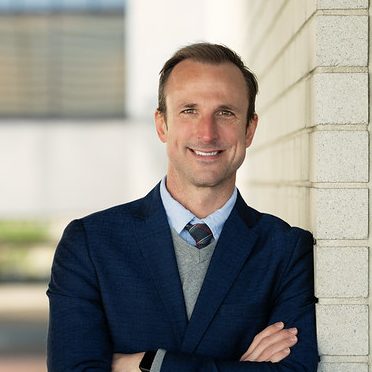
Callista Mason serves as a Lecturer and Program Coordinator for the Addictions Counselling Program at the University of Lethbridge, operating within the Health Sciences division. She oversees curriculum development, faculty coordination, and student support services while delivering specialized instruction in addiction treatment methodologies. Her professional focus centers on evidence-based addictions counselling, with expertise spanning substance abuse treatment protocols, trauma-informed mental health interventions, and behavioral rehabilitation strategies. Mason actively shapes pedagogical approaches for training future counsellors in clinical assessment and therapeutic engagement techniques specific to addiction recovery. In her administrative capacity, she directs program accreditation standards, community partnership development, and practicum coordination for students seeking certification in addiction counselling. Her leadership ensures alignment with evolving healthcare regulations and industry best practices in mental health service delivery.
Rishma Chooniedass is an Associate Professor at the School of Nursing , Faculty of Health and Social Development, University of British Columbia Okanagan. With a career spanning over a decade, she has coordinated national epidemiological studies in maternal and child health before transitioning to her current role as an educator and researcher. Her work focuses on food allergy/anaphylaxis management, equity and social justice in healthcare education, and global health capacity building. Bachelor of Science in Nursing (2000) Master of Nursing (2017) Research interests include food allergy in children , cultural safety integration in nursing programs , and postpartum health challenges . Her recent publications analyze breastfeeding outcomes, vaccine hesitancy, and pediatric allergy interventions. She has received multiple teaching awards including the UBC Golden Apple Teaching Award and Excellence in Nursing Education Award . As advisor to the Dean on Equity, Diversity, and Inclusion, she contributes to initiatives across nursing, social work, and broader academic communities. Her media appearances include podcast discussions on food allergy parenting and blog contributions about relationship-building in healthcare.
Stoo Sepp is a Lecturer in Educational Technology and Learning Design at the University of British Columbia's Master of Educational Technology (MET) program. With experience since 2018, he specializes in integrating cognitive science principles into digital education frameworks. University of British Columbia Master of Educational Technology His research bridges cognitive science and educational technology , focusing on: working memory optimization , self-regulated learning , and gesture-based interaction in digital environments. Recent work explores educational data privacy and decentralized learning platforms . Key article trends span: 2019-2020: Cognitive load and movement integration 2022: Open educational resources evolution 2023-2025: Gesture analytics and translingual assessment tools Professional Networks : Active in #EdTech communities Contributor to #OpenEd movements Collaborator in cognitive load research
Michelle Stack, PhD is an Associate Professor in the Department of Educational Studies at the University of British Columbia's Faculty of Education. She is a prominent scholar specializing in the intersection of media, education policy, and university rankings. Her work critically examines how media representations shape educational discourse and policy decisions, with particular attention to issues of equity and social justice. Dr. Stack's research focuses on several key areas including: Equity and education Media education Representations of mental health and illness The role of media in the policymaking process Community and youth engagement University rankings and their impact on higher education She is the author of "Global University Ranking and the Mediatization of Higher Education" and is currently editing a second book on rankings, journal impact factors, and inequity in higher education. Dr. Stack has led numerous courses and workshops focused on building the capacity of scholars and scholar-practitioners to engage media to expand research-informed public conversations and policy debates. Prior to becoming an academic, she worked as a communications director and policy consultant, bringing practical experience to her scholarly work. Dr. Stack's scholarly contributions demonstrate a consistent focus on the mediatization of higher education, with particular attention to how university rankings influence educational policy and practice globally. Her work examines how media representations shape public understanding of education issues and influence policy decisions, often highlighting the equity implications of these processes. She has made significant contributions to understanding how top-ranked universities respond to social justice issues through media statements and public relations strategies. Among her notable achievements is her work on university rankings, where she critically examines the global ranking industry and its impact on educational priorities and resource allocation. Her research reveals how rankings create particular conceptions of "excellence" that often prioritize market values over educational values. Dr. Stack actively engages with the public through media channels, Twitter (@MichelleLStack), and Social Science Space, where she regularly publishes commentary on education policy issues. Her work bridges academic research and public discourse, making complex educational issues accessible to broader audiences while maintaining scholarly rigor.
Vass Bednar serves as an Adjunct Lecturer in the Department of Political Science, Faculty of Social Sciences, at McMaster University. Their teaching portfolio includes core courses for the Master of Public Policy in Digital Society program such as Capstone (PUBPOL 705), Data Analysis I and II, Leadership series, and Digital Society and Public Policy (ARTSSCI 4DS3), with continuous instructional engagement since 2021 across foundational policy curriculum. Research interests center on public policy intersections with digital transformation, emphasizing competition regulation in data-driven markets, gig economy labor dynamics, and societal impacts of platform capitalism. Key investigations address digital resiliency (evident in CrowdStrike outage analysis), children's vulnerability to manipulative app design, and equitable economic restructuring, bridging political science, economics, and technology governance through policy-relevant scholarship. Recent publications (2022-2023) demonstrate consistent focus on translating academic insights into actionable policy frameworks, covering competition law in Canadian digital markets, child protection mechanisms, economic inequality diagnostics, urban planning critiques, and work culture evolution. This output predominantly appears in public-facing media and policy commentary formats, reflecting direct engagement with contemporary governance challenges. No scientific awards are documented in available institutional records, though scholarly contributions are featured in McMaster University news analyses regarding tech outage implications and gig platform regulation gaps requiring provincial competition law intervention. Teaching responsibilities constitute a significant professional commitment, encompassing technical skill development (data analysis, coding) and policy application across multiple program cohorts. Bednar's educational role supports capacity-building for future policy professionals navigating digital society complexities, particularly within the Master of Public Policy in Digital Society cooperative program structure.
David Andrew Young serves as an Assistant Professor in the Department of Sociology at McMaster University, Hamilton, Ontario, with teaching responsibilities extending through 2025 across core sociology curricula including Media and Power (SOCIOL 2WW3) and Classical/Contemporary Theory courses. His academic credentials include: Bachelor of Arts (Honours) in Sociology from Queen's University, Kingston Master of Arts in Sociology from Queen's University, Kingston PhD in Sociology from McMaster University Young's research program critically examines communications and media policy with emphasis on Canadian cultural sovereignty, notably through analyses of Juno Awards dynamics, Canadian content regulations, and state-media interactions. His parallel work in curriculum development addresses pedagogical challenges in large undergraduate classrooms, reflecting his dual commitment to media sociology and educational innovation. Publications consistently explore intersections between cultural policy, national identity, and media institutions within Canadian contexts. His 15 publications (1999-2018) demonstrate evolving focus from historical analyses of Canadian publishing to contemporary studies of music industry regulation and media representations of national unity, with recent work increasingly addressing pedagogical applications in sociology education. Key thematic threads include institutional power in cultural production and comparative policy frameworks. No scientific awards are documented in the available institutional records. Student advising details remain unspecified in public profiles, though his extensive teaching record across 15+ course iterations since 2017 indicates significant mentorship capacity. Research grant activity appears unrecorded in McMaster's VIVO database per current system data. No dedicated laboratories or research collectives are associated with Dr. Young's profile, though his work engages interdisciplinary collaborations visible through co-author networks in media policy scholarship.
Jian Liu is an Associate Professor (Tenure) in Mechanical Engineering at the University of British Columbia's School of Engineering. He holds the prestigious position of Principal's Research Chair in Energy Storage Technologies and serves as a graduate student supervisor. His research focuses on advanced energy storage technologies with particular emphasis on next-generation battery systems. Dr. Liu earned his academic credentials through an international journey: completing a B.Eng. in Metallic Materials Engineering at Sichuan University (2006), an M.Eng. in Materials Science and Engineering at University of Science and Technology Beijing (2009), and a Ph.D. in Materials Science at the University of Western Ontario (2013). His research program spans several critical areas in energy storage, including Atomic/Molecular Layer Deposition (ALD/MLD) for creating precise nanomaterial coatings, surface/interface engineering in energy systems to prevent unwanted side reactions in batteries, development of electrode and electrolyte materials for beyond Li-ion batteries (particularly Na-ion systems), and fabrication of 3D microbatteries using advanced deposition techniques. His work addresses fundamental challenges in battery technology, such as dendrite formation, electrode degradation, and energy density limitations. Analysis of his recent publications reveals a strong trend toward addressing practical challenges in battery technology, with increasing focus on zinc-based systems, solid-state electrolytes, and sustainable materials. His research has evolved from fundamental nanofabrication techniques toward practical battery applications with emphasis on durability, safety, and manufacturing feasibility. The publications show a progression from lithium-ion systems toward next-generation chemistries including zinc-ion, sodium-ion, and tellurium-based batteries. Dr. Liu has received significant recognition for his research contributions: NSERC Postdoctoral Fellowship Award (2014-2016) PNNL Alternated-Sponsored Fellowship (2015-2016) Mitacs Elevate Postdoctoral Fellowship Award (2013-2014) Chinese Government Award for Outstanding Self-Financed Students Abroad (2013) As an educator, Dr. Liu teaches Material Science for Engineers (APSC 259) and Mechanics of Materials I (APSC 260). His research is supported through competitive funding mechanisms that have enabled his laboratory to pursue cutting-edge research in energy storage. He maintains an active collaboration network with national laboratories including Pacific Northwest National Laboratory and Lawrence Berkeley National Laboratory, where he conducted postdoctoral research prior to joining UBC in January 2017. Dr. Liu leads the Advanced Materials for Energy Storage Lab at UBC, which focuses on developing novel materials and fabrication techniques for next-generation energy storage systems. The lab combines advanced nanofabrication capabilities with comprehensive electrochemical characterization to bridge fundamental materials science with practical battery applications.
Pierre Baptiste is a Full Professor in the Department of Mathematics and Industrial Engineering at Polytechnique Montréal's Faculty of Engineering. He holds a Diplôme d'Ingénieur from INSA Lyon, a Doctorate from University of Lyon 1, and a Habilitation à Diriger des Recherches (HdR) from INSA Lyon. His research spans logistics, optimization, scheduling, and production management with applications across multiple industries. He is affiliated with the Institute for Data Valorization (IVADO) and the Decision Analysis Study and Research Group (GERAD). His research interests focus on Logistics , Optimization and Optimal Control Theories , Scheduling , Production Management , and Supply Chain Management . A significant portion of his recent work centers on Demand-Driven Material Requirements Planning (DDMRP), flow shop scheduling, aircraft end-of-life management, and sustainability assessment of solar energy systems. His interdisciplinary approach combines operations research with practical industrial applications. Professor Baptiste has supervised 11 doctoral students and 25 master's students, with thesis topics ranging from DDMRP implementation to aircraft disassembly optimization and solar energy sustainability. His most recent publications (2022-2025) show a strong focus on DDMRP buffer management, flow shop scheduling with missing operations, and sustainability assessment of renewable energy systems. His research demonstrates a consistent evolution from theoretical scheduling problems toward practical supply chain applications and sustainability considerations. As a member of IVADO and GERAD, Professor Baptiste contributes to collaborative research initiatives that bridge academic theory with industrial practice. His work has significant implications for manufacturing efficiency, supply chain resilience, and sustainable resource management in both traditional industries and renewable energy sectors.
Tamara Cohen is an Associate Professor in the Food, Nutrition and Health department within the Faculty of Land and Food Systems at the University of British Columbia. She serves as Director of Dietetics Programs and Associate Dean for Students and Equity, Diversity, and Inclusion. Dr. Cohen joined UBC in January 2020 after previously working at McGill University, where she was a faculty member and clinical dietetics coordinator. She is also an investigator at the Healthy Starts research institute at BC Children's Hospital, a Non-Indigenous Cultural Safety Facilitator for UBC, and maintains external affiliations with Concordia University's PERFORM Centre and Montreal Children's Hospital Pediatric Department. Her research program focuses on understanding eating behaviors in relation to weight management across the lifespan. She leads the Nutrition and Eating Behaviour Lab (NEBLab), which conducts qualitative studies that inform larger randomized clinical trials. The main research themes include creating new tools for dietary adherence, studying health behaviors related to pregnancy and gestational weight gain, childhood and adolescent obesity, and intuitive eating. Her research is patient-oriented and always involves dietitians in the forefront of lifestyle interventions. Dr. Cohen's research output demonstrates a strong focus on developing practical dietary assessment tools that align with Canada's Food Guide, examining family mealtime dynamics, and creating gender-sensitive interventions for adolescent athletes. Her work spans multiple populations including adults with obesity, adolescents with severe obesity, pregnant individuals, and older adults. She frequently employs mixed-methods approaches combining qualitative exploration with quantitative validation. 2021 CIHR Early Career Research Award in Maternal and Child Health 2021 UBC Research Excellence Cluster Award 2020 SSHRC Insight Development Grant 2020 UBC SPARC Hampton Award 2019 PERFORM Centre Multidisciplinary Research Award Dr. Cohen actively supervises multiple graduate students across various research projects, including PhD candidates studying gender influences on teen athletes' food habits and Master's students developing dietary self-monitoring apps. She has secured funding from multiple sources including CIHR, SSHRC, R. Howard Webster Foundation, and Health Canada. Her research team includes PhD students, Master's students, research staff, and undergraduate volunteers working collaboratively on multiple projects related to eating behaviors and weight management. The NEBLab maintains active research partnerships with BC Children's Hospital, Concordia University's PERFORM Centre, and Montreal Children's Hospital. Current projects include the EatGen Study examining gender influences on teen athletes' food habits, the iCANPlate Study developing a dietary self-monitoring app, and multiple studies examining family mealtime dynamics and dietary concordance between parents and children.
Dr. Seonaid Nolan serves as an Associate Professor in the Division of Social Medicine within the Faculty of Medicine at the University of British Columbia. She is a core researcher affiliated with the British Columbia Centre on Substance Use (BCCSU) and the Transformative Health and Justice initiative, focusing on evidence-based interventions for substance use disorders in high-risk populations including incarcerated individuals and hospital settings. Her research program addresses critical gaps in addiction medicine through multiple interconnected domains: Implementation of opioid agonist therapy and safer supply programs Harm reduction strategies in healthcare and community settings Overdose prevention among vulnerable populations Health service utilization patterns for substance use disorders Integration of addiction treatment within hospital systems Addressing structural barriers for marginalized groups Analysis of Dr. Nolan's 2024-2025 publications reveals a concentrated effort to combat Canada's overdose crisis through rigorous evaluation of innovative treatment models. Her work demonstrates particular expertise in extended-release injectable medications, hospital-based interventions, and community-engaged research methodologies. Geographically anchored in British Columbia, her studies frequently employ longitudinal cohort designs and qualitative approaches to examine real-world implementation challenges and patient outcomes during the toxic drug emergency. Dr. Nolan actively mentors graduate students across UBC's Experimental Medicine program and interdisciplinary fields, supervising research on hospital-based opioid treatment initiation, safer supply dispensing models, and health disparities among sexual minorities with substance use disorders. Her academic leadership extends to developing evidence-based clinical guidelines through the BCCSU and advocating for systemic changes in addiction care delivery. Through her affiliations with the British Columbia Centre on Substance Use and Transformative Health and Justice initiative, Dr. Nolan contributes to policy-relevant research that bridges clinical practice, community needs, and social justice considerations. Her current work emphasizes creating accessible care pathways from hospital settings to community-based services while addressing the unique challenges faced by incarcerated populations and other structurally vulnerable groups.
Rebecca Todd is an Associate Professor in UBC's Department of Psychology within the Faculty of Arts, and a member of the Centre for Brain Health. She specializes in cognitive neuroscience with a focus on the interaction between emotion and cognition in health and psychopathology. Her research employs brain imaging methods and laboratory experiments to investigate how we process affective salience and how this influences perception, learning, and memory. Dr. Todd earned her PhD in Developmental Science and Neuroscience from the University of Toronto in 2008. Prior to her academic career in neuroscience, she was a contemporary dance choreographer and journalist, which has informed her unique interdisciplinary approach to studying cognition through movement and interaction. Her research program focuses on neurocognitive processes underlying the interaction between human emotion and cognition. She investigates how we process affective salience (emotional/motivational importance) of objects and events, and how this influences perception, learning, and memory. Her work examines individual differences in how we filter the world to perceive specific categories of salient events (threatening vs. rewarding), how such filters develop over time, and their consequences for emotional health. Specific programs include investigation of neurocognitive processes underlying effects of acute stress on attention, learning, and memory, and attentional biases predicting treatment outcomes in depression. Dr. Todd's recent publications show an evolving research trajectory that increasingly integrates participatory sensemaking, ecological approaches to cognition, and multidisciplinary perspectives. Her work spans cognitive neuroscience, clinical applications, dance cognition, and embodied approaches to understanding how we interact with our environment. The breadth of her research demonstrates a commitment to understanding cognition as embedded in real-world contexts rather than isolated laboratory settings. Michael Smith Foundation for Health Research Scholar Award (2017) CIHR New Investigator Award (2016) Dr. Todd leads the Motivated Cognition Lab at UBC, where she employs a multi-method approach including EEG, fMRI, psychophysiology, eye tracking, and genotyping to assess how common genetic variations interact with life experience to shape brain activity. Her lab investigates how these interactions influence emotional filters for perceiving and remembering. She is affiliated with MATRIX-N: Multidisciplinary Alliance for Translational Research and Innovation in Neuropsychiatry, reflecting her commitment to interdisciplinary collaboration. While she is not currently accepting graduate students, her research continues to advance understanding of the neurocognitive basis of emotional experience and its impact on cognition.
Erica Frank, MD, MPH, FACPM is a Professor in the Faculty of Medicine at the University of British Columbia, with primary appointments in the School of Population and Public Health and the Department of Family Medicine. She also serves as Affiliate Faculty in Central, Eastern and Northern European Studies. Dr. Frank was previously the Tier I Canada Research Chair in Preventive Medicine and Population Health and a UBC University Sustainability Initiative Fellow. Her work spans public health research, medical education innovation, and sustainable design. Dr. Frank's educational background includes: B.A. in Honors and Independent Studies from Smith College (1982) M.P.H. from Emory University with emphasis on Health Education and Epidemiology (1984) M.D. from Mercer University (1988) Preventive Medicine Residency at Yale University (1990) NIH Prevention Research Fellowship at Stanford University (1990-1993) Dr. Frank's research focuses on the intersection of physician health practices and patient outcomes, medical education innovation, and public health interventions. She is internationally recognized for her "Healthy Doc = Healthy Patient" initiative, which demonstrates the strong relationship between physicians' personal health habits and their clinical prevention practices. Her work has established that physicians with healthier personal habits provide more effective preventive care to their patients. She has conducted national studies in Canada, Colombia, Israel, and the U.S. to validate this relationship across diverse healthcare systems. Dr. Frank is the Founder and Inventor of NextGenU.org (2001), a groundbreaking platform providing free, accredited health sciences education globally. NextGenU.org now serves learners in every country worldwide and offers the world's first opportunities for certified courses and degrees for free through partner universities. Her work in this area represents a major contribution to democratizing health education and addressing global health workforce shortages. Her recent scholarly work demonstrates a clear trajectory toward leveraging technology for global health education and addressing substance use disorders through innovative educational approaches. The publications reveal a consistent focus on open-access pandemic education, digital health interventions, and strategies to improve healthcare worker training worldwide. Her research spans from foundational work on physician health practices to cutting-edge applications of artificial intelligence in health professional education, with a strong emphasis on equity and accessibility. Dr. Frank's notable awards and recognitions include: American Medical Association Pettis Award (1987) American College of Preventive Medicine Rising Star Award (1996) Rollins School of Public Health Outstanding Alumnus Award (1998) National Cancer Institute Director's Group Award (2012) American College of Preventive Medicine Distinguished Service Award (2012) American College of Preventive Medicine Gold Humanism in Medicine Award (2015) Faculty Emerging Leader in Global Health Innovation (2015) Nomination for WHO Director-General by the Canadian Medical Association and ACPM (2016) Dr. Frank has been instrumental in securing numerous grants to support her research on physician health practices and medical education innovations. She has served as Principal Investigator for multiple national studies across different countries, examining the relationship between physicians' personal health habits and their clinical practices. Her work with NextGenU.org has attracted significant funding to scale free, accredited health education globally. She has also led major projects on substance use disorder training for healthcare workers in Kenya and other resource-limited settings. Dr. Frank is available to co-supervise graduate students and has mentored numerous researchers in public health and medical education. Dr. Frank founded and directed the Museum of Population and Public Health at UBC, creating a unique space for public engagement with population health concepts. She has also been involved in sustainable design initiatives at UBC, helping develop three of the campus's "Top 10 Campus Gems" including a skatepark, an outdoor classroom, and the Bioenergy Research & Demonstration Facility display. Her interdisciplinary approach bridges public health, education, architecture, and sustainability.
Jan Marshall Friedman is a Professor in the Department of Medical Genetics at the University of British Columbia's Faculty of Medicine, with research affiliations at BC Children's Hospital Research Institute. His work bridges clinical genetics and basic science, focusing on genomic technologies to diagnose neurodevelopmental disorders and genetic diseases. Dr. Friedman's research spans clinical genomics, neurodevelopmental disorders, and genetic epidemiology. His laboratory (Friedman Lab) applies whole genome sequencing and bioinformatics to identify genetic causes of intellectual disability and birth defects. Current projects include the CAUSES Study investigating diagnostic pathways for genetic disorders, and international consortia developing diagnostic criteria for neurofibromatosis syndromes. His publication record shows consistent contributions to neurofibromatosis research, genomic medicine implementation, and ethical considerations in pediatric genomics. Recent work emphasizes cost-effectiveness of genomic testing, digital decision support tools, and international standardization of diagnostic criteria for genetic conditions. Dr. Friedman actively supervises graduate students in UBC's Medical Genetics, Bioinformatics, and Genome Science and Technology programs, with research collaborations spanning multiple institutions through consortia like Care4Rare Canada and the Global Alliance for Genomics and Health. His work occurs within the Medical Genetics Research Unit at Children's & Women's Hospital, contributing to BC Children's Hospital Research Institute's mission of translating genomic discoveries into improved clinical care for children with genetic conditions.
Michael Zulyniak serves as Associate Professor in Food, Nutrition and Health at UBC's Faculty of Land and Food Systems and as Affiliated Investigator with Healthy Starts at BC Children's Hospital Research Institute & Women's Health Research Institute. His research program addresses health disparities through nutritional epidemiology, with emphasis on metabolic diseases in diverse populations. Education PhD in Human Health and Nutritional Sciences, University of Guelph (2010-2014) MSc in Molecular Exercise Physiology (with Distinction), University of Aberdeen (2008-2009) BSc in Kinesiology, University of Saskatchewan (2003-2005) Research Focus Dr. Zulyniak's work centers on untangling biological and environmental contributors to health disparities , primarily investigating metabolic diseases in pregnancy (gestational diabetes, type-2 diabetes, obesity) while extending to non-alcoholic fatty liver disease and cancers. Using large cohort studies with integrated genomic, metabolomic, and clinical data, he applies advanced epidemiological methods including Mendelian randomization to identify causal drivers. His cross-disciplinary approach develops precision nutrition strategies providing equitable health benefits across populations, resulting in WHO guideline contributions and formative publications. Publication Analysis Analysis of Dr. Zulyniak's 15 most recent publications (2023-2025) reveals consistent focus on metabolic health disparities in pregnancy and West African populations. Core methodologies include metabolomic profiling and Mendelian randomization to investigate diet-disease causality. A dominant theme involves culturally adapted dietary tools for hypertension risk assessment in Nigeria, demonstrating commitment to health equity. Additional research explores n-3 fatty acids in colorectal cancer (with sex-specific effects) and protein hydrolysates for blood glucose control, showcasing integration of nutritional biochemistry with implementation science. Grants and Training Supported by major grants from CIHR , BBSRC , Wellcome UK , Hamilton Health Sciences , N8 Research Partnership , and UK Nutrition Society , Dr. Zulyniak leads the Precision Nutrition Lab while collaborating with hospital research institutes. He actively recruits graduate students skilled in molecular biology , epidemiology , and statistical analysis (particularly R for omics data), emphasizing translation of complex findings to fundamental principles. His lab provides dual training in computational analytics and wet lab techniques for blood sample analysis.
Dr. Stephanie Glegg is an Assistant Professor in the Department of Occupational Science and Occupational Therapy at the University of British Columbia (UBC) Faculty of Medicine since 2022. She also serves as an Investigator at BC Children’s Hospital Research Institute and previously worked as an Occupational Therapist II and Knowledge Broker at Sunny Hill Health Centre for 18 years. Her research focuses on knowledge translation strategies to improve child health services, particularly in neurodevelopmental disabilities and virtual rehabilitation technologies . PhD in Rehabilitation Sciences (UBC) MSc in Rehabilitation Sciences (UBC) BScKin in Kinesiology (UBC) Dr. Glegg’s research examines implementation science in child health through three major programs: (1) Kids Action Coaching for inclusive physical activity programs, (2) Child-Sized KT family engagement platform in research, and (3) Safer Supply Policy Analysis during the opioid crisis. Her work employs social network analysis to map knowledge mobilization pathways. Key publication trends include: Virtual reality adoption in rehabilitation Knowledge translation frameworks Equity-focused implementation strategies Opioid harm reduction policy analysis Community-based participatory research ethics Development of KT tools for health professionals Scientific awards include CIHR Fellowship , Vanier Scholarship , and multiple Best Paper Awards for VR implementation research. She has secured over $2 million in grants from CIHR , Michael Smith Foundation , and Kids Brain Health Network . Dr. Glegg leads the Knowledge Mobilization Program for the CHILD-BRIGHT SPOR Network and collaborates with teams in BC Children’s Hospital , Sunny Hill Health Centre , and international institutions. Her work integrates mixed methods including surveys, social network analysis, and participatory action research.