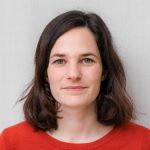
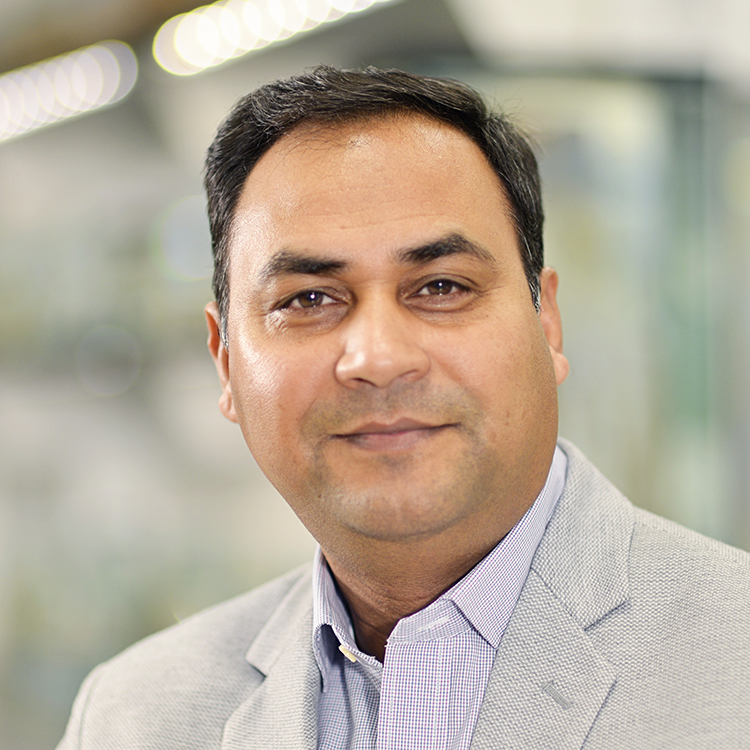
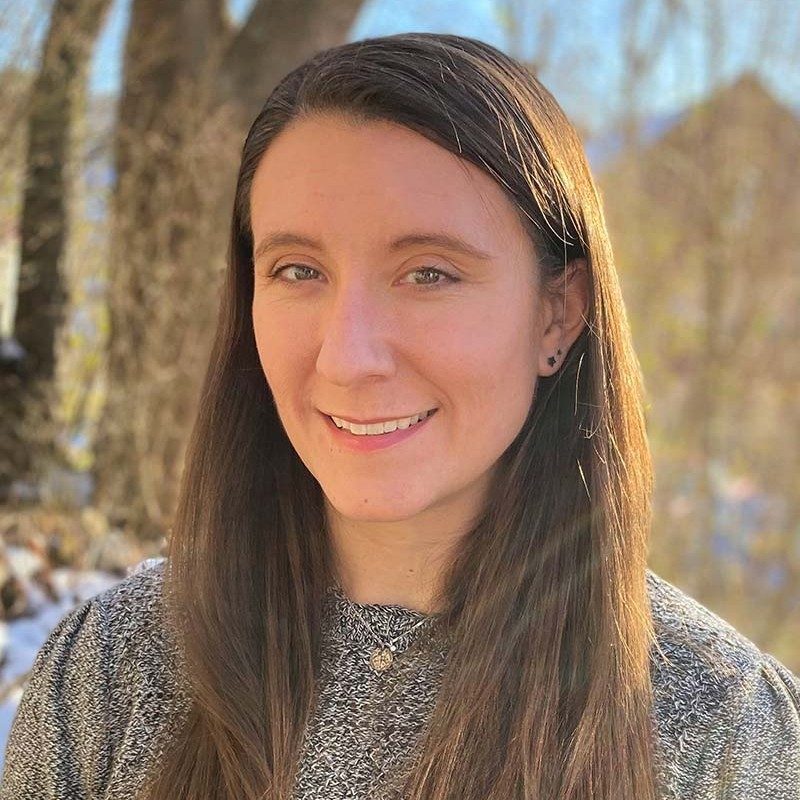
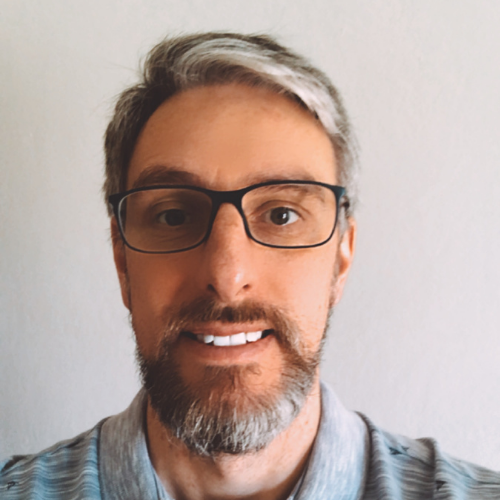
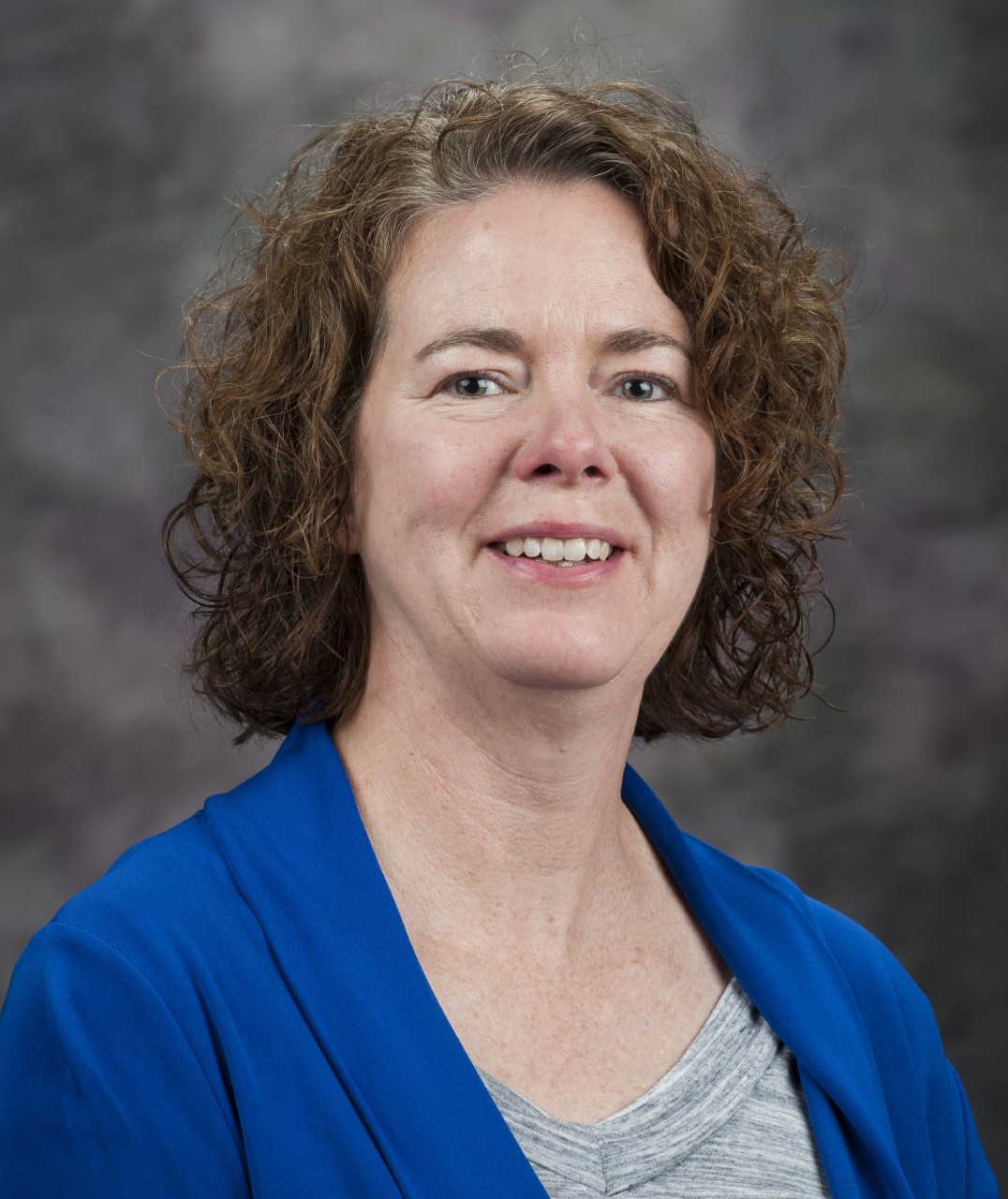
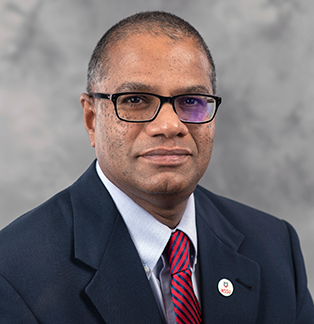
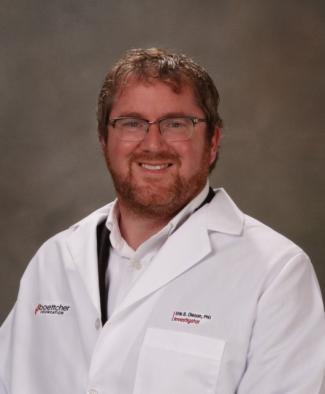
Claudia Mugnaini is an Associate Professor in the Department of Biotechnology, Chemistry and Pharmacy at the University of Siena. Her research focuses on the design and synthesis of small heterocyclic molecules for pharmacological applications, with key areas including selective CB2 receptor ligands, GABA B receptor modulators, antibiotic adjuvants for EXCAPE pathogens, and multi-target-directed ligands for neurodegenerative disorders. Recent research trends highlight her work in: Photoresponsive dual-action compounds for Alzheimer's therapy TRPV1 agonists for neurological targets CB2 receptor/cholinesterase hybrid molecules Structure-activity relationship optimization In vitro and in vivo neuroprotective models Allosteric modulation of GABA B receptors Current teaching activities include Medicinal and Toxicological Chemistry modules in the 5-year Pharmaceutical Chemistry program. She maintains active laboratory research in Lab 10128, with recent publications in Molecules and European Journal of Pharmaceutical Sciences .
Vanessa Stempel is a researcher at the Max Planck Institute for Brain Research , focusing on the neural mechanisms underlying instinctive behaviors and their behavioral flexibility. Her work investigates evolutionarily conserved brain circuits in rodents, particularly how synaptic and cellular processes enable adaptive responses to internal states and environmental changes. Research Interests : Instinctive behaviors, synaptic plasticity, neuronal computation, and behavioral modulation by stress/hunger. Methods : Combines in vivo neural activity recordings, optogenetics, molecular analyses, and transcriptomics in mice models. Her publications highlight studies on escape behavior circuits, including GABAergic neuron dynamics (2023), inhibitory control in defensive behaviors (2021), and synaptic threshold mechanisms (2018). Earlier work explored cannabinoid receptor-mediated plasticity in the hippocampus (2016).
Cesare D'Amico is a Part-Time Lecturer at the University of Palermo within the School of Medicine and Surgery , specifically affiliated with the Department of Biomedicine, Neuroscience and Advanced Diagnostics . His research spans pharmacological and neurobiological domains, focusing on neuroplasticity and its modulation by cannabinoids and alcohol exposure. Email: cesare.damico@unipa.it Research Focus His work examines the impact of prenatal Δ9-tetrahydrocannabinol (THC) and cannabidiol (CBD) on hippocampal neuroplasticity, spatial memory, and mitochondrial function in adolescent rat models. Additional studies explore proteomic insights into multiple sclerosis, synthetic pyrrolomycins for cancer treatment, and neuroendocrine consequences of alcohol abuse. Publication Trends Recent publications highlight his expertise in neuropharmacology , developmental neuroscience , and molecular oncology , with a strong emphasis on Cannabinoid receptor signaling , proteomic profiling , and microwave-assisted drug synthesis .
Dr. Keun Hang Yang is a Professor in the Department of Biological Sciences at Schmid College of Science and Technology, Chapman University. Her research focuses on electrophysiology, neuroscience, and pharmacology, with particular expertise in ion channel function and cannabinoid pharmacology. She maintains an active research program investigating the interactions between natural compounds, pharmaceuticals, and neuronal signaling pathways. Dr. Yang received her Bachelor of Science from Ewha Womans University, followed by a Master of Science and Ph.D. from George Mason University. Her educational background in biological sciences has provided the foundation for her interdisciplinary research approach that bridges molecular pharmacology, neuroscience, and computational biology. Dr. Yang's research interests span multiple domains of neuroscience and pharmacology. She specializes in electrophysiology techniques to study ion channel function, particularly focusing on ligand-gated and voltage-gated channels. Her work in cannabinoid pharmacology investigates how phytocannabinoids and endocannabinoids interact with neuronal receptors. She also applies computational approaches to model complex biological systems and has expertise in bioinformatics for analyzing large biological datasets. Additional research areas include the study of flavonoids and other natural compounds on neuronal function, neuropharmacology of pain and psychiatric disorders, and the relationship between environmental factors and health . Analysis of Dr. Yang's recent publications reveals a strong focus on ion channel pharmacology, particularly examining how cannabinoids, flavonoids, and other compounds modulate the function of ligand-gated ion channels such as nicotinic acetylcholine receptors and 5-HT3 receptors. Her work often employs Xenopus oocyte expression systems and mammalian cell models to investigate molecular mechanisms. A significant portion of her research examines drug interactions, particularly how natural compounds might influence the effects of pharmaceuticals. Her publication record demonstrates a consistent trajectory of high-impact research in neuropharmacology with increasing focus on translational applications. Dr. Yang actively collaborates with numerous researchers both within Chapman University and internationally. Her work often involves interdisciplinary teams combining expertise in molecular biology, electrophysiology, and computational modeling. While specific grant information isn't detailed in the available materials, her extensive publication record suggests successful funding from various research sources. She has likely mentored numerous graduate and undergraduate students through Chapman University's research programs, contributing to the development of the next generation of scientists in neuroscience and pharmacology.
Ram Kandasamy, PhD, is an Associate Professor in the Department of Psychology at California State University, East Bay (CSUEB), where he has served since 2019 and earned early tenure in 2024. He teaches courses in Physiological Psychology, Experimental Psychology, and Drugs and Behavior, while mentoring undergraduate research trainees. His NIH-funded research focuses on developing non-opioid pain treatments, particularly through multitarget enzyme inhibitors for orofacial and inflammatory pain. He actively involves undergraduates in all research stages, many of whom have published and presented at national conferences. Dr. Kandasamy holds a B.S. in Neuroscience and Psychology (magna cum laude, Washington State University) and a Ph.D. in Neuroscience (Washington State University, Vancouver). His postdoctoral training at the University of Michigan Medical School explored opioid analgesics and their abuse potential. He serves as Principal Investigator for the Beckman Scholars Program and previously led the Center for Student Research as Interim Director. His research integrates behavioral neuroscience, pharmacology, and translational models, with a focus on cannabinoid analgesia, opioid receptor modulation, and enzyme inhibitor development. Key contributions include pioneering wheel-running assays for pain assessment and advancing understanding of pain mechanisms in chronic conditions. Grants/Leadership: NIH-funded projects, Beckman Scholars Program PI, ASPET executive roles, CSUBIOTECH Faculty Consensus Group Labs/Teams: Active lab developing pain therapies, undergraduate research mentorship focus Current research emphasizes dual inhibitors targeting FAAH and sEH enzymes, as well as cannabinoid-based pain therapies. His work bridges basic science and clinical applications, fostering student development through hands-on research opportunities.
Professor Chandrakant Tayade leads research at Queen's University's Department of Biomedical and Molecular Sciences (School of Medicine, Faculty of Health Sciences), focusing on immunological mechanisms in endometriosis. His work explores the interplay between immune responses and angiogenesis in reproductive disorders, with an emphasis on developing anti-angiogenic therapies. He holds a cross-appointment at Queen's Translational Institute of Medicine (TIME) and teaches undergraduate and graduate courses in reproductive biology. Research highlights include establishing a mouse xenograft model for endometriosis and investigating cannabinoid-based treatments. Dr. Tayade has trained 169 international placenta workshop participants and received the J. Christian Herr Award for his contributions to reproductive immunology. His lab combines molecular biology, patient studies, and mouse models to study immune cell interactions in disease pathogenesis. Teaching: BMED 373 - Reproduction and Development Grants: Canadian Institutes of Health Research, NSERC, CFI, and industry awards from Bayer/Primus Current trainees include PhD candidates working on immune signaling pathways, cannabinoid therapies, and extracellular vesicle biology. His work bridges basic immunology with clinical applications in reproductive health.
Dr. Naomi Driesen is a Research Scientist in Psychiatry at Yale School of Medicine, specializing in neuroimaging and the prefrontal cortex’s role in schizophrenia. She holds a PhD from the University of Memphis (1997), MA from the University of Virginia (1989), and BA from Yale University (1984). Her research focuses on schizophrenia, cognitive neuroscience, and the effects of ketamine on brain function, with over 20 years of publications in peer-reviewed journals. Notable studies include investigating ketamine’s impact on psychopathology and functional connectivity differences between schizophrenia and bipolar disorder. She collaborates on clinical trials involving AMPA receptor modulation and cannabinoid receptor imaging. Dr. Driesen’s work bridges neuroimaging, pharmacology, and psychiatric disorders, contributing to understanding cognitive deficits and therapeutic interventions.
Jennifer Rainville is a Collegiate Assistant Professor at the School of Neuroscience , Virginia Tech. Her work bridges neuroimmunology and cell biology, focusing on sex differences in immune responses to stress and their implications for mood disorders. She teaches courses in cellular neuroscience, research design, evolutionary neuroscience, and nervous system diseases, with a commitment to student skill development. Education: PhD in Cell and Molecular Biology (Tulane University), BA in Biology (St. Olaf College) Her research explores how stress impacts neuroimmune mechanisms differently in males and females, aiming to identify sex-specific immune targets for depression treatment. Recent publications highlight gut-brain axis interactions , transcriptomic stress responses , and microglial morphology under variable stress conditions. Key collaborations include work with the Hodes Lab and contributions to understanding opioid withdrawal neuroimmunity and steroid receptor dynamics . Teaching spans courses like NEUR 3044 and NEUR 4034 , emphasizing practical neuroscience applications.
Joseph F. Cheer, PhD, is a Professor in the Department of Anatomy and Neurobiology at the University of Maryland School of Medicine with a secondary appointment in Psychiatry. He serves as the CARTI Basic Science Research Training Track Leader and directs multiple NIH and private foundation-funded projects focused on neurophysiological and neurochemical aspects of endogenous cannabinoid signaling in intact systems. His educational background includes: B.S. in Biology from Universidad de los Andes, Bogotá, Colombia (1996) Ph.D. in Neuroscience from University of Nottingham, Nottingham, UK (2000) Postdoctoral training at Wake Forest University (2000-2002) Postdoctoral training at University of North Carolina, Chapel Hill (2002-2006) Cheer's research primarily investigates the physiological function of the endogenous cannabinoid system, particularly its role in motivated behaviors and potential therapeutic applications in pathological states like addiction. His work employs state-of-the-art electrophysiological (ensemble recordings) and electrochemical (fast-scan cyclic voltammetry) techniques to extract neurobiological correlates of behavior in real-time. His laboratory examines how endogenous cannabinoids modulate the encoding of motivated behavior, with specific interest in the dopaminergic projection from the ventral tegmental area to the nucleus accumbens. Analysis of his 15 most recent publications reveals consistent focus on endocannabinoid-dopamine interactions in reward processing, addiction mechanisms, and neurodevelopmental effects of cannabinoid exposure. His work spans from basic mechanisms of neurotransmitter release to translational studies in animal models of psychiatric and neurodegenerative disorders including Huntington's disease, depression, and schizophrenia. His significant scientific achievements include: Acceptance into the American College of Neuropsychopharmacology (2014) Multiple featured articles in high-impact journals including Nature Neuroscience (2019) Faculty of 1000 recognition for several publications Multiple plenary and keynote speaking engagements at major conferences Several prestigious mentoring awards including GPILS/OPS Postdoctoral Mentor Award (2017) and STAR-PREP Excellence in Mentoring Award (2018) Cheer has successfully secured multiple NIH grants as Principal Investigator, including five major R01 awards totaling over a decade of continuous funding. His research program has successfully recruited and mentored numerous tenure-track faculty members and has established collaborations across multiple institutions. His laboratory serves as a training ground for postdoctoral fellows, graduate students, and undergraduates interested in neuroscience research. His research group, the Cheer Lab, employs a comprehensive suite of neuroscience techniques including fast-scan cyclic voltammetry, ensemble single-unit recordings, optogenetics, chemogenetics, and calcium imaging to investigate endocannabinoid-dopamine interactions in real-time during behavior.
Assoc. Prof. Dr. Fatih Kocabaş is a leading academic in the Department of Genetics and Bioengineering at Yeditepe University's Faculty of Engineering . With a PhD in Medical Biology from the University of Texas Southwestern Medical Center (2012), he specializes in hematopoietic stem cell metabolism, cardiac regeneration, and MEIS1 protein functions. Education: PhD (2007-2012), University of Texas Southwestern Medical Center; BSc (2001-2006), Middle East Technical University; MSc (2017), Anadolu University His research bridges Medical Genetics , Regenerative Medicine , and Molecular Biology , with a focus on small molecule-induced stem cell expansion, CRISPR/Cas9 applications, and metabolic regulation in stem/progenitor cells. Google Scholar articles (2010-2025) highlight his work on MEIS1 inhibition , FOXO3-mTOR interactions , and CAS9 modulators . Key awards include the Marie Curie Eşik Üstü Ödülü , TÜBİTAK grants , and Gilead Sciences International Hematology Award . He has supervised 10+ theses on topics like fibroblast expansion technologies , hematopoietic stem cell gene editing , and MEIS1 inhibitors .
Luiz Roesch is an Associate Professor in the Department of Microbiology and Cell Science at the University of Florida. His research focuses on microbial diversity, metagenomics, and the interplay between microbiomes and human/animal health. He has contributed to understanding microbial communities in environments ranging from soil and gut ecosystems to space missions. His work bridges microbiology with clinical, environmental, and agricultural applications. Education details are not explicitly provided in the text, but his research spans over 20 years with publications since 2014. His studies include genomic characterization of bacteria, microbial responses to environmental changes, and associations between microbiota and diseases like osteoporosis, glycogen storage disorders, and sepsis. Key research interests include bacterial species diversity, antibiotic resistance in neonates, microbiome-genotype interactions, and microbial contributions to human pathologies. Recent articles highlight innovations in sequencing pipelines (e.g., RESCUE) and applications of microbiome data to clinical and agricultural contexts. His articles collectively address themes like microbial resilience under environmental stress, human microbiome-disease links, and agricultural sustainability. No awards are mentioned, but his work reflects significant contributions to microbial research methodologies and interdisciplinary applications. Lab affiliations or grant details are not specified, though his position suggests involvement in university research infrastructure. His office is located in Room 1247 of the Microbiology Building (#981) on the UF campus.
Mary Cain is a Professor in the Department of Psychological Sciences at Kansas State University, leading the Center for Cognitive and Neurobiological Approaches to Plasticity (CNAP). Her research investigates the neural mechanisms of reward processing and addiction, focusing on how early environmental conditions influence drug-taking behavior and relapse in adulthood. Current affiliations: Kansas State University, Department of Psychological Sciences Laboratory focus: Environmental, behavioral, and neurobiological factors in drug use Research interests span neurobiology of reward , addiction mechanisms , and behavioral pharmacology . Her work employs differential rearing paradigms (isolation vs. enrichment) in rodent models to study changes in glutamate transmission and hedonic processing. Recent projects examine cue-induced relapse to amphetamine and cannabinoid effects on reward valuation. Recent publications show thematic focus on substance abuse neurobiology , with keywords including addiction neuroscience, behavioral pharmacology, and neuroimaging. Sub-fields span psychostimulant relapse, glutamate homeostasis, taste reactivity, and environmental modulation of reward circuits. Students in her lab gain hands-on experience with Stereotaxic surgery Self-administration protocols Western blot analysis Taste reactivity assays Grant writing Data publication Graduate students are funded through federal grants or teaching assistantships.
Manju Bhat is the Dean of the College of Arts, Sciences, Business and Education (CASBE) at Winston-Salem State University (WSSU). He holds the titles of Hanes Distinguished Professor of the Humanities and Associate Professor of Physiology in the Department of Biological Sciences. Previously, he served as Chair and Co-Chair of the Department of Biological Sciences. Bhat earned his Ph.D. in Physiology and Biophysics from Case Western Reserve University (1997), with prior degrees including a BVSc (Veterinary Medicine) from the University of Agricultural Sciences, Bangalore (1986), and an MSc in Pharmacology from the University of Alberta (1993). His research focuses on calcium signaling mechanisms in sensory neurons, anesthetic-mediated regulation of pain pathways, and the application of data analytics to improve student retention. He teaches undergraduate courses in Anatomy & Physiology and has led initiatives in STEM education and student success, including roles in grant-writing workshops and curriculum development. Bhat has received teaching awards from WSSU (2010-2011) and the UNC Board of Governors (2015-2016). Key research contributions include studies on ryanodine receptors, TRPV1 channels, and propofol-induced pain mechanisms. His work has been supported by grants from the Department of Defense, American Heart Association, and NIH. Bhat has mentored numerous undergraduate and graduate students, with over 30 co-authored publications in journals like the Journal of Biological Chemistry and American Journal of Physiology. His lab is affiliated with the Piedmont Triad Community Research Center. Professional service includes roles on IACUC, faculty search committees, and advisory boards for programs like Occupational Therapy and the Center for Innovative and Transformative Instruction (CITI). He has presented at national and international conferences, including the Gordon Research Conference on Excitation-Contraction Coupling and the Annual Meeting of the Biophysical Society.
Erik B. Oleson is an Associate Professor in the Department of Psychology at the University of Colorado Denver, College of Liberal Arts and Sciences. His research focuses on neurochemical mechanisms underlying motivation and addiction, with emphasis on dopamine systems and endocannabinoid modulation. Research interests span behavioral neuroscience, neuropharmacology, and the neurobiology of reward processing. Key areas include dopaminergic regulation of motivated behavior, cannabinoid interactions with neural circuits, and neuroadaptations in substance use disorders. Publication analysis reveals consistent focus on dopamine dynamics, with recent studies examining cannabinoid-opioid interactions, fear extinction mechanisms, and behavioral economics of addiction. Methodological approaches include neurochemical measurements in animal models and translational clinical frameworks. Awards: No significant awards documented Advising/Grants: Active research lab investigating neural basis of addiction; no specific grants or students listed Labs/Teams: Leads research on dopamine signaling and addiction neurobiology at University of Colorado Denver
Jillian Nissen is an Associate Professor and Department Chair in Biological Sciences at the State University of New York at Old Westbury. Her research focuses on neuroscience, immunology, and medical research, particularly exploring microglial function in neurological disorders and the effects of pharmacological agents like cannabidiol (CBD). She has contributed to interdisciplinary education initiatives through micro-credentialing programs in STEM labs and developed inclusive models for undergraduate science education. Her work bridges basic science with translational research, addressing topics such as multiple sclerosis, epilepsy, and autoimmune encephalomyelitis. Her recent publications (2018–2024) highlight advancements in preclinical disease models, microglia modulation, and cannabinoid-based therapies. Nissen maintains an active laboratory focused on neuroimmunology and has pioneered experimental approaches to demyelination and remyelination processes.