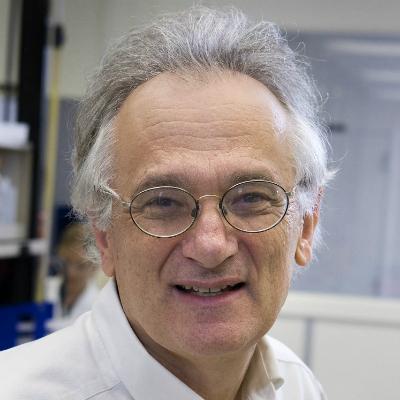
Syed Hani Hassan Abidi is an Associate Professor at the Department of Biomedical Sciences , School of Medicine , Nazarbayev University , Kazakhstan. His research integrates virology , immunology , viral oncology , and bioinformatics , with a focus on HIV molecular epidemiology , viral evolution , and drug resistance . He has led international projects across Pakistan, Kenya, Afghanistan, and Kazakhstan, and is recognized for innovative teaching and MOOC development. Education: PhD in Virology and Immunology Research Interests: His laboratory employs bioinformatics (machine learning, AI), genomics , and proteomics to study HIV phylodynamics , viral co-infections , and oncogenic viruses like EBV in prostate cancer. He also explores microbiome-immunity interactions and designs antiviral drugs/vaccines . Recent Research Trends: His 2025 publications emphasize COVID-19 immunopathology , HIV/syphilis epidemiology in Pakistan , and particle physics contributions via ATLAS , showcasing interdisciplinary impact. Awards & Recognition: Outstanding Teachers Award (2019, Aga Khan University) Fellowship of Higher Education (UK, 2022) Teaching & Grants: He pioneered Pakistan’s first MOOC on Computer-Based Drug Discovery (2014) and received a 2022 SoTL grant for MOOC-based molecular biology education. His teaching integrates animations , films , and flipped classrooms . Collaborations & Labs: Leads projects on HIV drug resistance , HCV genomics in Kazakhstan , and AI-driven dementia diagnostics (Kazakh Brain Atlas). His lab collaborates with global institutions to advance viral disease surveillance and therapeutic innovation .
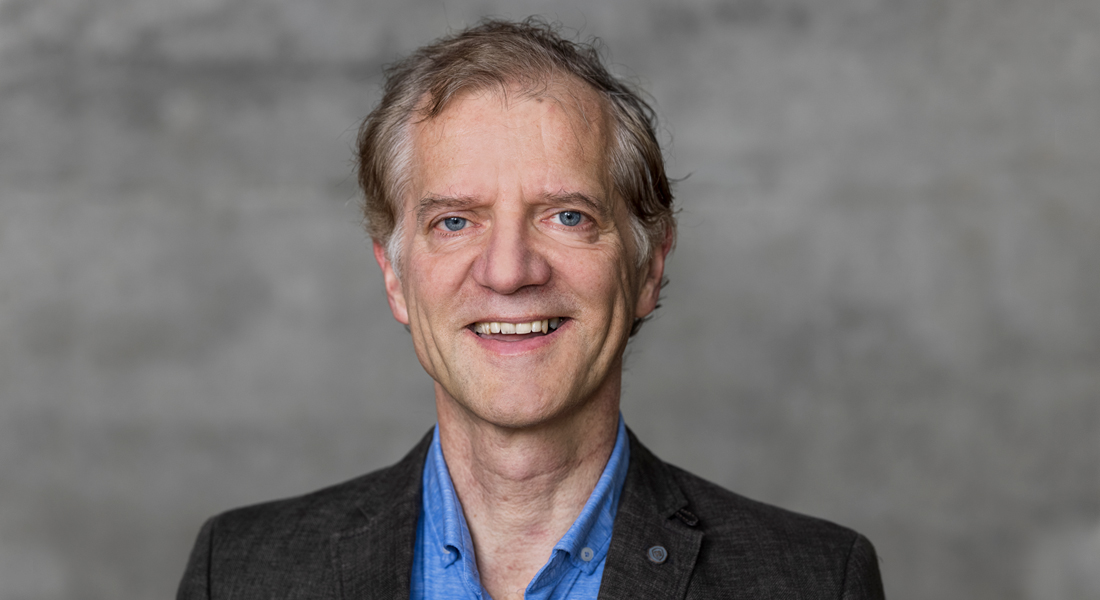
Professor Chris Holmes is a Professor of Biostatistics at the University of Oxford, where he moved from Imperial College London in February 2004. He is a Fellow at St Anne's College and works in the Department of Statistics. His research focuses on applications and statistical methods development in genomic sciences and genetic epidemiology, holding a prestigious Programme Leaders Grant in Statistical Genomics from the Medical Research Council. Prior to his position at Oxford, Professor Holmes completed his doctorate in Bayesian statistics at Imperial College London, investigating novel nonlinear pattern recognition methods. This was followed by a post-doctoral position and then a lectureship at Imperial. Before his academic career, he worked in industry for several years in scientific computing, developing techniques for real-time pattern recognition models in defense and SCADA systems. Professor Holmes has a broad interest in the theory, methods and applications of statistics and statistical modeling, with a particular foundation in Bayesian statistics which he views as providing a unified framework for stochastic modeling and information processing. His specific research interests include: Bayesian statistics and stochastic simulation Markov chain Monte Carlo methods Pattern recognition and nonlinear, nonparametric methods Spatial statistics Statistical genetics and genomics Genetic epidemiology His recent publications (2023-2025) demonstrate a strong focus on the intersection of biostatistics, artificial intelligence, and healthcare applications. His work spans multiple domains including AI-driven disease classification in neurology, genomic data analysis for health equity, machine learning tools for healthcare prediction, and addressing bias in medical AI systems. A notable trend across his research is the application of advanced statistical methods to solve pressing problems in genomics, epidemiology, and medical diagnostics, with an increasing emphasis on health equity and the ethical implications of AI in healthcare. Professor Holmes currently supervises PhD students Oscar Clivio, Sahra Ghalebikesabi, and Natalia Garcia Martin. His research is supported by multiple grants, including the MRC Programme Leaders Grant in Statistical Genomics which funds his work in statistical genomics. He is actively involved in three research groups at Oxford that reflect the breadth of his scholarly interests: Computational Statistics and Machine Learning Statistical Genetics and Epidemiology Statistical Theory and Methodology
Andrew Holle is an Assistant Professor at the Mechanobiology Institute , National University of Singapore , where he leads the Confinement Mechanobiology Lab within the Department of Biomedical Engineering . His work spans mechanobiology, stem cell differentiation, cancer mechanobiology, and microfluidics, with a focus on understanding how physical confinement influences cellular behavior. Education: B.S.E. in Bioengineering (Minor in Statistics), Arizona State University (2008) Ph.D. in Bioengineering, University of California San Diego (2013) Research in the Confinement Mechanobiology Lab centers on the hypothesis that stem cell differentiation is driven by mechanical cues during migration through confined extracellular matrix (ECM) environments. The lab develops microfluidic systems to mimic ECM confinement and studies its impact on osteogenic differentiation , cancer cell migration , and cellular condensates . Recent publications highlight interdisciplinary approaches combining mechanobiology , nanotechnology , and microfluidics to explore nuclear morphological changes, volume regulation, and ligand signaling in confined cellular environments. Laboratory Members: Privita Edwina (Research Fellow) Vaishnavi Rangaraj (Research Assistant) Sriram Muthukumar (Research Fellow) Chang Ye Ji (PhD Student) Gao Xu (PhD Student) Lim Yuan Bin (PhD Student) Shinny Sunny (PhD Student) Lee Jia Wen Nicole (PhD Student) Li Yixuan (PhD Student)
Martin T. Wells is the Charles A. Alexander Professor of Statistical Sciences at Cornell University, with joint appointments in the Department of Statistical Science, Department of Biological Statistics and Computational Biology, Department of Social Statistics, and as Professor of Clinical Epidemiology and Health Services Research at Weill Medical School. He serves as Editor-in-Chief of the ASA-SIAM Book Series and Co-Editor of the Journal of Empirical Legal Studies. Cornell University, Ithaca, NY Weill Cornell Medical College Research Interests span applied and theoretical statistics, Bayesian methods, biostatistics, clinical epidemiology, and computational biology. His work bridges disciplines like finance, legal studies, and health services research. Article Trends highlight advancements in Bayesian modeling, quantum cognition machine learning, tensor analysis, and misclassification correction, with applications in genomics, finance, and public health. Fellow of the American Statistical Association Fellow of the Royal Statistical Society Contributions include developing statistical software (e.g., rTensor), methodological innovations in clinical trials, and empirical legal studies on civil rights and the death penalty.
Jonathan W. Friedberg, M.D., M.M.Sc. is the Director of the Wilmot Cancer Institute and Professor in the Department of Medicine, Hematology/Oncology at the University of Rochester School of Medicine and Dentistry. He holds the Samuel E. Durand Chair in Medicine and leads one of the nation's premier lymphoma programs. Dr. Friedberg is internationally recognized for his expertise in lymphoma treatment, particularly in developing novel therapies and clinical trial approaches. Dr. Friedberg's research focuses on lymphoma, with particular expertise in Hodgkin lymphoma, non-Hodgkin lymphoma, Waldenstrom macroglobulinemia, and chronic lymphocytic leukemia. His work spans the entire treatment continuum from diagnosis through novel therapies including autologous stem cell transplantation and CAR-T cell interventions. He has built a comprehensive lymphoma program with expertise spanning hematopathology, radiation oncology, dermatology, and neurology, in addition to hematology and medical oncology. His research interests include developing risk-adapted treatment strategies, investigating novel therapeutic agents, and improving outcomes for patients with various lymphoma subtypes. Dr. Friedberg's extensive publication record demonstrates his leadership in lymphoma research, with recent work focusing on immunotherapy combinations, predictive modeling, risk stratification, and novel treatment approaches for various lymphoma subtypes. His research has significantly contributed to the understanding and treatment of lymphomas, particularly in developing more personalized and effective treatment strategies. Scientific Awards: Faculty Academic Mentoring Award (2012) Scholar in Clinical Research (2008) America's Top Doctors Selection (2008) Jacob Gitelman Award (2007) Lawrence A. Kohn Senior Teaching Fellow (2004-2006) Clinical Investigator Career Development Award (2003) Clinical Oncology Research Fellowship "Immunotherapy of Hodgkin's Disease" (2001-2003) Rising stars program for innovative research (2001-2003) As Director of the Wilmot Cancer Institute, Dr. Friedberg leads numerous clinical trials and research initiatives focused on advancing lymphoma treatment. He is actively involved in SWOG and has served in leadership roles for multiple clinical trials investigating novel therapies for lymphoma patients. His practice team includes Anna Morrison, R.N., and Kerri Hugelmaier, N.P., providing comprehensive care for lymphoma patients. Dr. Friedberg has established the Lymphoma Epidemiology of Outcomes (LEO) Consortium, a large observational cohort study supporting broad research on NHL prognosis and survivorship. His leadership extends to national organizations where he contributes to developing clinical practice guidelines and consensus recommendations for lymphoma treatment.
Andre Levchenko is the John C. Malone Professor of Biomedical Engineering at Yale University, with secondary appointments in the Department of Neurosurgery and affiliations with the Cancer Signaling Networks, Immunology, and the Yale Program in Neurodevelopment and Regeneration. His research focuses on systems biology, signal transduction, and cell-cell communication, utilizing microfluidics and computational modeling to study cancer progression, stem cell behavior, and neurological disorders. PhD, Columbia University MEng, Moscow Institute of Physics and Technology Levchenko's work explores how cells process dynamic signals to make critical decisions, particularly in glioblastoma migration, organoid development, and cardiovascular tissue engineering. His lab develops innovative microfluidic platforms and mathematical models to dissect multicellular communication and signaling networks. Recent publications highlight his contributions to understanding YAP-driven cancer invasion , NOTCH signaling in angiogenesis , and metabolic regulation of hypoxia responses . He has pioneered methods for organoid modeling and single-cell analysis , advancing precision in biological signaling studies. Scientific Awards : Computational Molecular Biology Post-Doctoral Fellowship (Burroughs Wellcome Fund) National Academies Keck Futures Conference Invitee Distinguished Guest Lecturer, University of Virginia American Asthma Foundation Early Excellence Award Fellow, American Institute for Medical and Biological Engineering Levchenko leads the Levchenko Lab at the Yale Systems Biology Institute, collaborating with institutions like Mayo Clinic and Yale Cancer Center. His research has received recognition in Faculty of 1000 and multiple journal highlights.
Karen Piper Hanley is Professor of Molecular Medicine and Head of Division in the Division of Diabetes, Endocrinology & Gastroenterology at the University of Manchester. She serves as the fibrosis lead in the Wellcome Trust Centre for Cell-Matrix Research and previously served as Director of Core Research Technologies (2019-2022). She is also an editorial board member for Scientific Reports. Her research focuses on fibrosis (scarring) mechanisms across multiple organs, particularly liver, kidney, and lung fibrosis. Her lab investigates the cellular and molecular basis of fibrotic disease, with emphasis on how pathological scar components are produced and how they signal to surrounding cells. Key areas include the role of SOX9 transcription factor, integrin beta-1 signaling, Group 1 PAKs, and YAP1 in fibrosis progression. Her recent publications reveal trends toward increased clinical translation of fibrosis research, with studies on health inequalities in liver cancer care, post-COVID diabetes incidence, and innovative approaches to liver disease detection. Her work increasingly integrates spatial transcriptomics and advanced omics technologies to understand cellular transitions in liver disease. Career-track postdoctoral fellowship from the University of Southampton (2006) As senior postgraduate tutor, she has mentored numerous PhD students who have presented at key conferences and authored high-quality manuscripts. All her PhD students have submitted and been awarded their degrees within 4 years. She has successfully guided previous Academic Clinical Fellows to win MRC clinical training fellowships. Her teaching extends to undergraduate Personal & Professional Development and supervision of MRes and BSc students, many of whom have achieved first-class degrees and prestigious awards. Her lab maintains active collaborations with Professor Neil Hanley's group on human development, stem cells, and regenerative medicine, bridging developmental biology with fibrosis research to understand why regeneration is impaired in chronic diseases.
Kristian Helin is Chief Executive and President of The Institute of Cancer Research (ICR), London, and a Professor with affiliations at the University of Copenhagen and Memorial Sloan Kettering Cancer Center. He founded/directed the Biotech Research & Innovation Centre (BRIC), Centre for Epigenetics, and Danish Stem Cell Center. His research focuses on epigenetic regulation, cancer biology, and stem cell differentiation. Education: Ph.D. Molecular Biology, University of Copenhagen (1991) M.Sc. Chemical Engineering, Technical University of Denmark (1988) Research Interests: Helin's work deciphers molecular mechanisms in cancer, emphasizing epigenetic drivers (e.g., H3K4/H3K36 methylation), transcriptional control, and therapeutic targeting. His lab identified E2F transcription factors, linked epigenetic dysregulation to leukemia/lymphoma, and develops drugs targeting kinases/epigenetic enzymes. Research spans acute myeloid leukemia, B-cell lymphoma, and solid tumors using CRISPR screens and preclinical models. Publication Trends: Recent articles (2023-2025) focus on epigenetic therapy, chromatin remodeling, and kinase signaling in cancer. Key themes include targeting NSD1/KDM5C/RIOK2 enzymes, combination therapies (EZH2/DOT1L inhibitors), and metabolic regulation in leukemia. Studies bridge basic mechanisms (enhancer regulation, insulator accessibility) with translational applications. Awards: Anders Jahre Prize (2014), ERC Advanced Grant (2011), Novo Nordisk Prize (2008) Memberships: Academia Europaea, Royal Danish Academy, EMBO Leadership: Helin co-founded EpiTherapeutics (acquired by Gilead) and leads the Epigenetics and Cancer lab at ICR. His team investigates AML pathogenesis and chromatin complexes like HUSH/NURF. Grants include ERC funding and innovation prizes.
James Briscoe is a Senior Group Leader at The Francis Crick Institute in London, where he leads a research group focused on developmental biology and morphogen signaling. He previously held positions at the Medical Research Council's National Institute for Medical Research, which later became part of the Francis Crick Institute. Education: BSc in Microbiology and Virology from the University of Warwick, UK PhD from Imperial Cancer Research Fund/King's College London Postdoctoral training at Columbia University with Thomas Jessell Dr. Briscoe's research focuses on the molecular and cellular mechanisms of graded signaling by morphogens and the role of transcriptional networks in cell fate specification. His laboratory employs a range of experimental and computational techniques using model systems including mouse and chick embryos and embryonic stem cells. His work has significant implications for understanding developmental processes and their relationship to disease. His recent publications demonstrate a continued focus on morphogen gradients, neural tube development, and computational approaches to understanding cell fate decisions. His research increasingly integrates single-cell technologies and computational modeling to unravel the complexities of developmental patterning. Scientific Awards and Honors: EMBO Young Investigator (2001) EMBO Gold Medal (2008) Elected to EMBO (2009) Fellow of the Academy of Medical Sciences (2019) Fellow of the Royal Society (2019) As Editor-in-Chief of the journal Development since 2018, Dr. Briscoe plays a significant role in shaping the field of developmental biology. His leadership extends to mentoring researchers and contributing to scientific policy discussions, as evidenced by his recent publication 'Science under siege: protecting scientific progress in turbulent times.' Dr. Briscoe's laboratory at the Crick Institute is well-equipped with access to advanced facilities including light microscopy, flow cytometry, genomics, and computational resources, enabling a multidisciplinary approach to developmental biology questions.
Emma Pierson is an Assistant Professor of Computer Science at the University of California, Berkeley, affiliated with the Berkeley Artificial Intelligence Research Lab (BAIR) , Computational Precision Health , and the Center for Human-Compatible AI . She focuses on developing data science and machine learning methods to address issues in healthcare equity and social inequality . Her work includes studies on race adjustments in clinical algorithms, migration patterns, and leveraging LLMs for health equity. Education: Ph.D. in Computer Science from Stanford University (2020), Master’s in Statistics from the University of Oxford. Prior roles include Assistant Professor at Cornell Tech, Senior Researcher at Microsoft Research, and data scientist at 23andMe and Coursera. Research Interests: Her research spans fair clinical prediction , sparse autoencoders , health disparities , and algorithmic fairness . Notable projects include the MIGRATE dataset for granular migration analysis and studies on policing disparities. Awards: NSF CAREER Award, Rhodes Scholarship, Hertz Fellowship, MIT Technology Review 35 Innovators Under 35, and Samsung AI Researcher of the Year. She writes a statistics blog ( Obsession with Regression ) and contributes to media outlets like The New York Times and FiveThirtyEight . Labs/Teams: Leads the MIGRATE project, a collaboration to analyze fine-grained migration data. Engages in interdisciplinary work across AI, healthcare, and social science.
Dr. Steven G. Clarke is a Distinguished Professor at UCLA Department of Chemistry & Biochemistry and director of research at the Molecular Biology Institute . His work bridges protein chemistry , methylation biology , and aging research through studies of spontaneous protein damage and its repair mechanisms. Education: BA in Chemistry and Zoology, Pomona College (magna cum laude, Phi Beta Kappa) PhD in Biochemistry and Molecular Biology, Harvard University (NSF Fellow) Postdoctoral Fellowship at UC Berkeley (Miller Fellow) Dr. Clarke's research focuses on protein isoaspartyl repair via PCMT1/PIMT enzymes , ribosomal protein methylation in Saccharomyces cerevisiae , and PRMT family characterization including PRMT7 and PRMT9. His lab combines biochemical assays , genetic models , and structural analysis to investigate aging mechanisms and disease implications. Recent publications highlight: COQ5 structure-function analysis in coenzyme Q biosynthesis PCMTD1 ubiquitin ligase interactions PRMT7 substrate specificity in histone H2B Protein isoaspartyl impacts on T cell function in lupus Novel PRMT inhibitors for cancer therapy Methionine addiction in osteosarcoma malignancy Major scientific awards: American Chemical Society Ralph F. Hirschmann Award in Peptide Chemistry NIH MERIT Award Ellison Medical Foundation Senior Scholar Award William C. Rose Award, ASBMB UCLA Distinguished Teaching Award (Eby Award winner) Current lab members include PhD candidates Eric Pang (UCSB) and Sining "Cindy" Wang (UCLA), while undergraduates Celeste Medina-Seymoure , Elizabeth Oroudjeva , Olivia Pacheco , and Jasmine Winter contribute to ongoing proteostasis studies. Collaborations with Profs. Jose Rodriguez and Catherine Clarke demonstrate interdisciplinary research approaches.
Dr. Yogambha Ramaswamy is a Senior Lecturer in the School of Biomedical Engineering at The University of Sydney and a member of the Sydney Nano Institute. She holds a Master’s in Biotechnology from the University of Queensland and a PhD in Biomedical Engineering from the University of Sydney (2009). Her postdoctoral career began as a Vice-Chancellor’s Postdoctoral Research Fellow at the University of New South Wales, followed by a Peter Doherty Early Career Fellowship in 2013 before joining the University of Sydney in 2015. Dr. Ramaswamy’s research focuses on biomaterials, tissue engineering, and mechanobiology, with a particular emphasis on developing calcium silicate-based ceramics and biopolymers for orthopedic and regenerative applications. Her recent work explores the role of physical cues in modulating stem and cancer cell behavior. She teaches courses such as AMME1961 (Introduction to Biomedical Engineering B) and AMME5962 (Introduction to Mechanobiology). Her research has been supported by grants including the NHMRC Early Career Fellowship and collaborations with institutions like the CSIR-Indian Institute of Chemical Technology and the University of Otago. Her publications span biomaterials, nanotechnology, and mechanobiology, with recent work addressing atherosclerosis, hydrogel design, and nanomedicine. She currently supervises PhD students Frank (biomaterials) and Alexander (atherosclerosis research).
Professor Matthias Mann is a world-leading scientist serving as Director of the Proteomics and Signal Transduction department at the Max Planck Institute of Biochemistry in Martinsried, Germany, and Director of the Proteomics department at the Novo Nordisk Foundation Center for Protein Research, Faculty of Health Sciences, University of Copenhagen, Denmark. With an h-index exceeding 277 and over 350,000 citations, he is recognized as the highest cited German researcher and one of the most influential scientists globally in proteomics. His educational background includes: Ph.D. in Chemical Engineering from Yale University (1988) Master's Degree in Physics from Georg August University Göttingen (1984) Bachelor's of Arts in Mathematics from Georg August University Göttingen (1982) Professor Mann's research focuses on advancing mass spectrometry-based proteomics to understand biological systems at the protein level. His work spans technological developments in mass spectrometry, bioinformatics and computational analysis, signal transduction and posttranslational modifications, and clinical proteomics applications for disease diagnosis and treatment. The Mann lab has pioneered groundbreaking methods like SILAC for quantitative proteomics and MaxQuant for proteome data analysis. Their vision is to translate proteomics knowledge into clinical practice for predictive, diagnostic, and preventive medicine, with recent work focusing on AI-guided platforms for analyzing proteomes from minimal tissue samples. Analysis of Professor Mann's recent publications reveals a strong trend toward clinical applications of proteomics, particularly in cancer research, metabolic diseases, and neurodegenerative disorders. His work increasingly integrates spatial proteomics, single-cell resolution techniques, and artificial intelligence approaches to uncover disease mechanisms and identify potential biomarkers, with a clear shift from basic technology development toward direct clinical applications and personalized medicine. Professor Mann has received numerous prestigious awards throughout his career: 2025: Elected member of the American National Academy of Sciences 2024: Dr. H.P. Heineken Award for Biochemistry and Biophysics 2023: Otto Warburg Medal 2019: Nominated member of the Bavarian Academy of Sciences 2013: Elected member of Leopoldina German National Academy of Sciences 2012: Körber European Science Award, Louis-Jeantet Foundation Prize for Medicine, Ernst Schering Prize, and Leibniz Prize Professor Mann leads a highly collaborative research team involved in multiple international networks including the Bill & Melinda Gates Foundation, Michael J. Fox Foundation for Parkinson's Research, CLINSPECT-M, and Munich Heart Alliance. His lab has mentored numerous successful researchers, with several former postdocs receiving prestigious ERC Starting Grants. The Mann group has developed innovative clinical proteomics pipelines for analyzing archived tissue specimens and body fluids, aiming to identify protein markers for early detection of diseases such as diabetes and cancer. The Mann lab operates across two major research centers with state-of-the-art mass spectrometry facilities. Their Clinical Knowledge Graph platform integrates multi-omics data with extensive metadata, creating an ecosystem for machine learning applications in proteomics. Current research focuses on developing highly sensitive methods that can profile thousands of proteins from minimal cell samples, enabling the identification of critical disease-related proteins and supporting the development of individualized therapies.
Kelly Arnold is an Associate Professor in the Department of Biomedical Engineering at the University of Michigan. Her research integrates systems engineering principles with immunology to investigate variability in immune responses across infection, vaccination, and injury, with a focus on computational modeling and clinical translation. Research Focus Systems-level immune response modeling Vaccination and antibody functionality Vaginal microbiome-host interactions Chronic lung disease progression Computational serology and proteomics Recent Work Her 2025 studies examine SARS-CoV-2 vaccination responses in cancer patients and computational frameworks for vaginal probiotics. Earlier works (2024-2007) span COPD progression, lupus fibrosis, HIV susceptibility, and tissue engineering for fertility preservation. Methodologies include proteomic profiling, network modeling, and microfluidic systems.
Prof. Dr. Helmuth Gehart is a faculty member at the Institute of Molecular Health Sciences , ETH Zurich . He leads the Tumor and Stem Cell Dynamics research group, focusing on dynamic cell identity in regeneration and cancer. Research Interests : Stem cell-environment interactions, organoid technology, single-cell sequencing, and mechanisms of tissue repair/tumorigenesis. Publications : 10+ articles (2015-2024) on organoid models, stem cell dynamics, and cancer biology.