Dr. Kathleen Young is a Professor at California State University, Northridge (CSUN) in the Department of Health Sciences with over 35 years of academic experience, including 21 years at CSUN. Her research focuses on women's health, primary prevention strategies, cultural competence in healthcare, and health policy assessment. Education: MPH (Health Policy/Management, Distinction), California State University, Fullerton (2010) PhD, University of New Mexico (2002) MS, San Francisco State University (1995) BS, Central Michigan University (1986) Dr. Young's work emphasizes healthcare services and policy assessment, with a particular interest in international public health. She has conducted research and taught at Zhejiang University's School of Medicine (2015) and actively promotes cultural competence in healthcare practices. Scientific Awards CSUN Research Infrastructure Minority Institute Tiered Mentor Scholar Program (2012) Fulbright Scholar's Program, Council for International Exchange of Scholars (2015) Dr. Young serves as an elected Board member of the Fulbright Chapter Los Angeles and multiple breast cancer screening organizations. She has held leadership roles in CSUN's Faculty Senate (2012–2022) and participates in ACT Now, a university community engagement initiative.
Kingshuk Roy Choudhury is an Adjunct Associate Professor at Duke University's Department of Biostatistics & Bioinformatics, specializing in statistical modeling and medical imaging analysis. His work spans tumor growth dynamics, neurodegenerative disease modeling, and computational imaging biomarker development. Education: Ph.D. in Biostatistics from the University of Washington (1998). Research Interests focus on advanced statistical methodologies for medical imaging data, including multi-observer studies, tumor microcirculation analysis, and spatial atrophy quantification in Alzheimer's disease. He has pioneered techniques for virtual nodule insertion and adaptive CT dose estimation, addressing critical challenges in radiology and clinical trial design. Publications highlight his expertise in liver cancer diagnostics (LI-RADS, MRI follow-up), radiation therapy outcomes (erectile dysfunction, tumor response prediction), and high-dimensional Bayesian modeling of brain connectomes. Key projects include NIH-funded studies on pulmonary ventilation MRI and radiation-induced tissue injury mitigation. Grants from the National Institutes of Health (2012–2019) support his work in healthcare systems research, tumor microcirculation, and lung imaging biomarkers. His collaborations span radiology, oncology, and neuroscience, integrating imaging with computational statistics to improve diagnostic accuracy and therapeutic monitoring.
Cynthia Goodyer, PhD, is an Associate Professor in the Department of Pediatrics, Faculty of Medicine and Health Sciences, McGill University, and a Scientist in the Child Health and Human Development Program at the Research Institute of the McGill University Health Centre (RI-MUHC). Her research integrates pediatric endocrinology with environmental toxicology to understand how growth hormone signaling and environmental endocrine disruptors influence childhood development and reproductive health. Research Focus Dr. Goodyer’s program is built around two central questions: Molecular regulation of the human growth hormone receptor (GHR) during normal childhood growth, obesity, and cancer. Endocrine-disrupting effects of environmental contaminants—particularly brominated flame retardants and bisphenol analogues—on human reproductive development across the lifespan. Her laboratory uses a multidisciplinary approach combining molecular biology, gene regulation studies, biomonitoring in human tissues, and translational models to elucidate pathways by which nutrients, hormones, and xenobiotics control growth and fertility. Publication Trends An examination of her recent work reveals a steady flow of high-impact studies from 2001 to 2023 that span mechanistic molecular studies (microRNA-mediated GHR regulation), large-scale biomonitoring surveys of Canadian mothers and infants, and novel analytical methods using hair and placental tissues to assess exposure to persistent organic pollutants. Collectively, these articles bridge fundamental science with public-health applications. Scientific Awards & Recognition While no specific awards are listed in the supplied text, Dr. Goodyer’s sustained funding record and extensive publication portfolio (>130 papers) underscore international recognition in pediatric endocrinology and environmental health sciences. Advising & Collaborations As a faculty member at McGill University, she supervises graduate students and post-doctoral fellows within the RI-MUHC’s vibrant training environment that hosts over 450 researchers and 1,200 trainees. Collaborative networks include toxicologists, epidemiologists, analytical chemists, and clinician-scientists across the McGill University Health Centre and beyond.
Kala Visvanathan, MD, MHS, FRACP is a Professor at Johns Hopkins University with dual appointments in the Bloomberg School of Public Health and the School of Medicine. She serves as Director of the Cancer Epidemiology Track in the Department of Epidemiology and Director of the Clinical Cancer Genetics and Prevention Service at the Johns Hopkins Sidney Kimmel Cancer Center. Dr. Visvanathan is also a senior member of the Women's Malignancy Program and Cancer Prevention and Control Program at the Sidney Kimmel Cancer Center. MHS, Johns Hopkins Bloomberg School of Public Health (1998) FRACP, Royal Australasian College of Physicians (1996) MD, University of Sydney (1989) Dr. Visvanathan is a physician-scientist conducting translational research focused on breast and gynecologic cancer risk and prevention to improve health outcomes and address disparities. Her research interests include improving risk stratification through novel biomarkers, evaluating inflammatory markers and genetic alterations, identifying early biological changes associated with disease progression, and evaluating prevention strategies in both general and at-risk populations. She has recently focused on developing strategies to reduce disparities in breast and ovarian cancer prevention and treatment. Analysis of Dr. Visvanathan's recent publications reveals a strong focus on cancer epidemiology across multiple organ sites, with particular emphasis on breast cancer. Her research integrates population-based studies, clinical trials, and molecular approaches to address critical questions in cancer prevention and risk assessment. A notable trend is her increasing emphasis on health disparities, with numerous studies examining social determinants of health and outcomes in minority populations. AACR-Glaxo Welcome Oncology Scholar Award for Clinical/Translational Research (1999) First Prize in Clinical section Johns Hopkins Fellow Research Day (2001) ASCO Career Development Award (2005) JHSPH Teaching Excellence Award (2012, 2014, 2018, 2019) Inducted into Delta Omega Honorary Society for Public Health (2017) Baltimore Orioles Birdland Community Hero Award (2017) AACR Journal Award (2019) Dr. Visvanathan is an active member of multiple national research groups including the NCI Cohort Consortium, ECOG Breast Committee, and NRG co-operative trials Prev/Epi/Beh Committee. She has thrice co-chaired national guidelines on breast cancer prevention and currently serves on the NCCN Genetic/Familial guideline committee. Her grant portfolio includes major projects such as the Finnish Database study on breast and ovarian cancer outcomes, the CLUE 1&II Population Based Cohort, and research assessing economic burden among specific populations. Dr. Visvanathan leads multiple research initiatives including the BOSS HIGH RISK FAMILIAL COHORT and projects assessing breast and ovarian cancer outcomes using large administrative databases. Her work integrates epidemiological approaches with clinical applications through the Clinical Cancer Genetics and Prevention Service at the Sidney Kimmel Cancer Center, where she develops and implements prevention strategies for high-risk individuals.
Josef Järhult is a Professor at Uppsala University's Faculty of Medicine, holding dual appointments in the Department of Medical Sciences (Infectious Diseases) and as a Guest Researcher in the Department of Medical Biochemistry and Microbiology. His work spans multiple disciplines with a focus on the intersection of human, animal, and environmental health. At the Academic Hospital, he works in the Infection department (entrance 34, 1st floor), and at the university, he is based at BMC Husargatan 3 in Uppsala. Dr. Järhult's research program centers on antibiotic resistance mechanisms and transmission, particularly examining the environmental dimension of antimicrobial resistance. His work frequently employs the One Health framework, investigating connections between human medicine, veterinary science, and environmental factors. Key areas include the study of ESBL-producing bacteria in water systems, influenza virus transmission between species, and antimicrobial resistance patterns across different settings including hospitals, farms, and wildlife. His laboratory work often involves genomic analysis of resistant pathogens and examination of resistance gene transmission across human-animal-environment interfaces. Analysis of his recent publications reveals a strong emphasis on spatial and temporal patterns of antimicrobial resistance, with significant work conducted in Sweden and Southeast Asia. His research program demonstrates consistent productivity with publications spanning clinical infectious diseases, environmental microbiology, and translational research connecting laboratory findings to public health implications. The work often involves international collaborations across Europe, Southeast Asia, and North America. Dr. Järhult has contributed significantly to understanding how antimicrobial resistance develops and spreads in natural environments, particularly examining the role of water systems and wildlife as reservoirs and vectors for resistant bacteria. His work on influenza viruses in waterfowl has provided important insights into viral evolution and transmission dynamics between wild birds and domestic animals.
Sue E. Morris, PsyD, is the Director of Bereavement Services at the Department of Psychosocial Oncology and Palliative Care, Dana-Farber/Brigham and Women's Cancer Center, Boston. She previously held faculty roles as a Lecturer at two institutions: City Polytechnic, Department of Humanities (1992), and The Jansen Newman Institute, Sydney (2009). Educated at the University of New South Wales, Sydney (B.Sc. 1985; M. Psychology 1990), and William James College, Newton, MA (PsyD 2015) Dr. Morris has focused on grief and loss since her early career. Her work combines bereavement counseling, risk screening, program development, and clinician self-care education. She has contributed to self-help literature, authoring six books on dealing with grief, four co-authored and two independently written. Her current role at Dana-Farber integrates her expertise in grief counseling, medical education, and bereavement service leadership. She is Co-Director of the Robert's Program for Sudden Unexpected Death in Pediatrics at Boston Children's Hospital since 2016, which reflects her sustained engagement in clinical and educational initiatives related to pediatric bereavement.
William J. Chain is an Associate Professor in the Department of Chemistry & Biochemistry at the University of Delaware within the College of Arts & Sciences. He joined the University of Delaware in 2015 after serving as an Assistant Professor at the University of Hawaii at Manoa from 2009-2015. His research group maintains active collaborations with cancer biologists to develop novel synthetic approaches for complex natural products with therapeutic potential, particularly anti-cancer compounds. The laboratory operates from rooms 022/024 in the Lammot du Pont Laboratory and maintains strong connections with industry partners. B.S., Pennsylvania State University, 2001 A.M., Harvard University, 2003 Ph.D., Harvard University (Advisor: A. G. Myers), 2006 Postdoctoral Fellow, Princeton University (Advisor: E. J. Sorensen), 2006-2009 Dr. Chain's research spans two primary interconnected areas: the total synthesis of complex natural products with anti-cancer activity and the development of novel synthetic methodologies focusing on aromatic systems. His group achieved significant recognition for their eight-step synthesis of englerin A, a guaiane sesquiterpene with potent renal cancer inhibitory properties. Current targets include psiguadial A (with a novel 7-5-7 oxatricyclic ring system), premnalatifolin A (a dimeric icetexane terpenoid), and various grandilodine alkaloids. Methodologically, his lab pioneered reactions involving ortho-quinone methides and developed innovative metal-free functionalization techniques for anilines through temporary oxidation strategies that invert normal reactivity patterns. Dr. Chain's recent publications (2021-2025) demonstrate an evolution from fundamental methodology development toward biological application, with increasing emphasis on electrochemical techniques for sustainable synthesis. His work on psiguadial A represents cutting-edge asymmetric synthesis of complex meroterpenoids, while his englerin derivative research explores structure-activity relationships to optimize anti-cancer properties and reduce toxicity. The research trajectory clearly moves from novel bond-forming processes to therapeutic applications, particularly in renal and other cancer types. Dr. Chain's research impact is evident through publications in high-impact journals including Journal of the American Chemical Society, Organic Letters, and PLoS ONE. His work on englerin A synthesis and mechanism has been particularly influential in both synthetic and cancer biology communities. Dr. Chain currently mentors five graduate students (Liam O'Grady, Leah White, Nicole Kretekos, Kyle Hess, and Shelby Cooper) and has successfully guided numerous Ph.D. candidates to completion, many of whom secured prestigious postdoctoral positions at MIT, Princeton, and Memorial Sloan Kettering. His research program is supported by grants focused on natural product synthesis and methodology development with therapeutic applications, including collaborations with cancer biologists for structure-function and target identification studies. The Chain Research Group operates as a dynamic team of graduate students, undergraduate researchers, and occasional postdoctoral fellows, maintaining strong collaborative relationships with cancer biology laboratories. The group's work bridges synthetic organic chemistry with therapeutic development, particularly in the area of cancer treatment, with ongoing projects exploring new synthetic methods and their application to biologically active natural products.
Dr. Stacy Stanifer is an Assistant Professor at the University of Kentucky College of Nursing , with affiliations to the Markey Cancer Center and Center for Appalachian Research in Environmental Sciences (UK-CARES) . Her work bridges clinical nursing expertise with population health, focusing on cancer prevention through environmental risk reduction. Doctor of Philosophy in Nursing (University of Kentucky, 2020) Master of Science in Nursing (University of Louisville, 2009) Bachelor of Science in Nursing (University of Kentucky, 2001) Director At Large, Bluegrass Oncology Nursing Society Dr. Stanifer's research addresses synergies between radon exposure and tobacco smoke in lung cancer prevention, with emphasis on shared decision-making in clinical settings and community-based radon testing interventions . She employs citizen science approaches and geospatial analysis to improve environmental health literacy. Her recent publications highlight innovative radon testing programs involving public libraries, climate change impacts on cancer care , and policy analysis of radon disclosure laws . Current projects include developing SDM decision aids for lung cancer screening that integrate radon mitigation messaging. Scientific awards include: 2024 Scholar, Environmental Health Research Institute for Nurse and Clinician Scientist Dr. Stanifer has secured significant NIH/NIEHS funding through grants like the UK-CARES Career Development Award and leads radon reduction initiatives through multi-institutional collaborations. Her work aligns with UN Sustainable Development Goal 3 (Good Health and Well-being) .
Paul Watkins serves as the Howard Q. Ferguson Distinguished Professor in the Eshelman School of Pharmacy at the University of North Carolina at Chapel Hill, where he leads research in the Molecular Therapeutics program. His work focuses on molecular mechanisms of drug disposition with critical applications in oncology pharmacology and drug safety assessment. His research expertise spans: Drug metabolism and pharmacokinetics Drug transporter biology (particularly P-glycoprotein) Mechanisms of drug-induced liver injury (DILI) Quantitative systems toxicology modeling Clinical translation of pharmacological principles Genetic determinants of drug response variability Analysis of his recent publications (2023-2025) reveals a sustained focus on DILI mechanisms through quantitative systems toxicology approaches. His team develops and applies computational models like DILIsym to predict hepatotoxicity, assess genetic risk factors, and evaluate safety of novel therapeutics including gene therapies and targeted cancer agents. Key trends include biomarker discovery, species-specific toxicity modeling, and risk mitigation strategies for drugs with narrow therapeutic windows. Professional recognition includes: Howard Q. Ferguson Distinguished Professorship Dr. Watkins directs a highly collaborative research program funded by NIH and industry partners, focusing on drug safety science. His mentorship has trained numerous graduate students and postdoctoral fellows who now contribute to pharmaceutical development and regulatory science. Current projects integrate genomic data with mechanistic modeling to predict individual susceptibility to adverse drug reactions. His laboratory at 311 Pharmacy Lane employs multidisciplinary approaches spanning molecular pharmacology, clinical data analysis, and computational modeling to address critical challenges in drug development and patient safety.
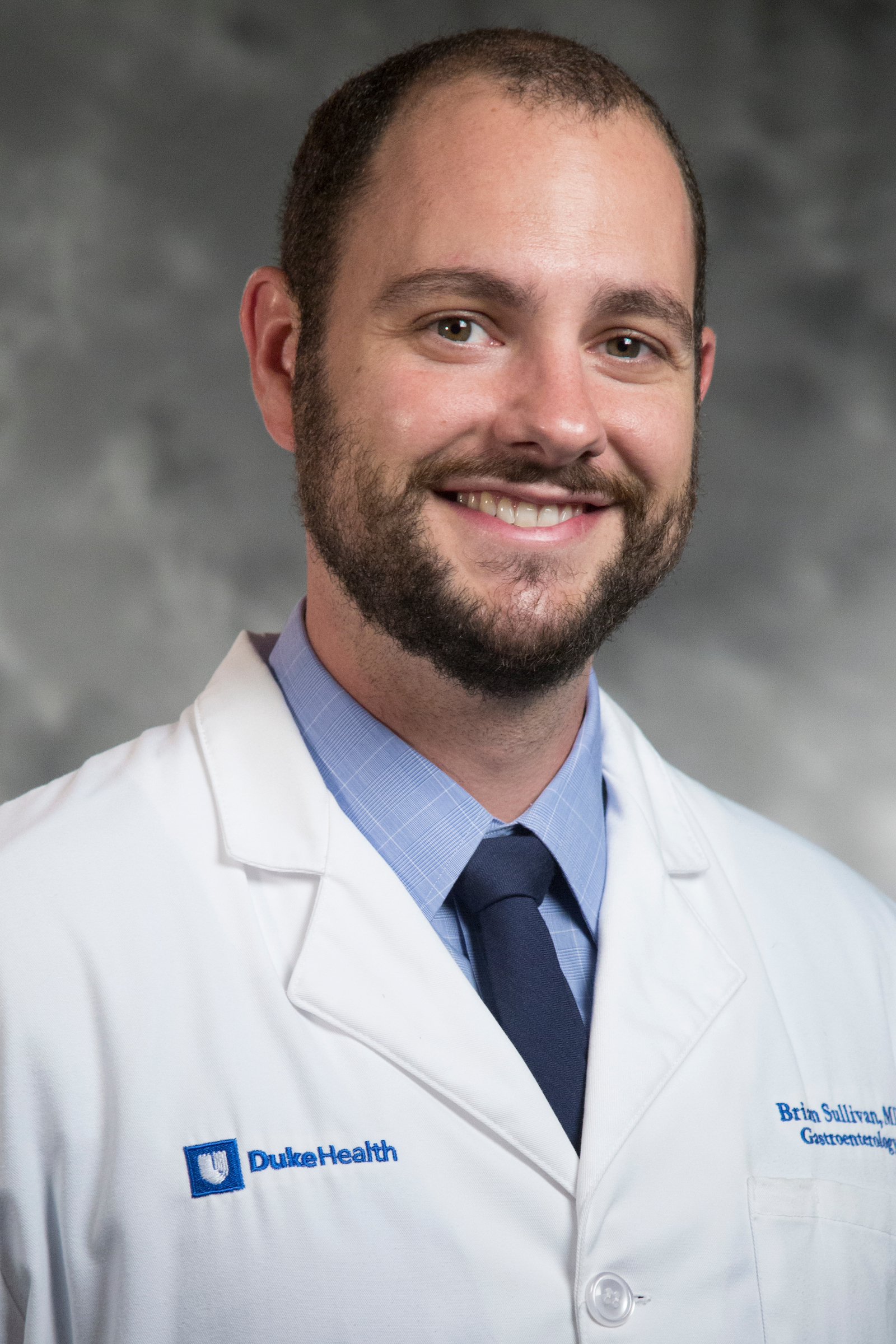
Brian Sullivan, MD, MHS is an Assistant Professor in the Department of Medicine, Division of Gastroenterology and Hepatology at Duke University School of Medicine and a Physician Scientist at the Durham Veterans Affairs Medical Center. His research focuses on optimizing colorectal cancer prevention through genomic risk stratification and clinical decision support systems for personalized screening strategies. Dr. Sullivan's primary research interest is developing novel approaches for colorectal cancer risk assessment during screening and surveillance. His work investigates how genomic data and clinical factors can improve risk stratification to target intensive interventions to high-risk individuals while reducing unnecessary procedures for lower-risk populations. Current projects include clinical decision support tool implementation, stool-based test validation, and polygenic risk score development within Veterans Health Administration cohorts. Analysis of his 34 publications (2015-2025) reveals consistent focus on colorectal cancer screening optimization, with recent work emphasizing real-world evidence generation, patient safety in endoscopy, and genomic risk prediction. Over 70% of his publications involve Veterans Affairs collaborations, highlighting the VA's central role in his research program. Dr. Sullivan actively collaborates with multidisciplinary teams across Duke University Medical Center and the Durham VA, including gastroenterologists, geneticists, epidemiologists, and health services researchers. His work contributes to national guidelines for colorectal cancer surveillance through participation in large cooperative studies like the CONFIRM trial.
Krishni Wijesooriya is a Professor of Radiological Physics at the University of Virginia , holding a Ph.D. from the College of William and Mary (1999). Her research focuses on Medical Physics and Radiation Oncology , particularly on techniques for tumor localization, motion correction, and patient safety improvements in radiation therapy. Ph.D., 1999, College of William and Mary Professor of Radiological Physics, University of Virginia Her work spans Radiation Therapy innovation, including Monte Carlo algorithms for lymphocyte dose prediction, real-time MLC monitoring software for Varian Linacs, and novel diagnostic imaging tools complementary to CT/MRI/PET. She also contributes to global oncology projects in SAARC countries and Africa. Recent publications include developments in Immune Cell Sparing (2025) and Phylogenetic Studies of Sri Lankan fish species (2021–2024). Key collaborations appear in Lancet Oncology , Advances in Radiation Oncology , and PLoS Computational Biology . Her email is kw5wx@virginia.edu .
Lei Xu is an Associate Professor in the Department of Health Education and Promotion within the College of Health and Human Performance at East Carolina University. He serves as Director of the Public Health Genomics Lab located in the Carol Belk Building, focusing on translational genomic applications for public health practice across diverse populations including parents of children with autism spectrum disorders, diabetes patients, ethnic minorities, and adolescents. Dr. Xu's research centers on public health genomics with emphases on genetic testing for autism, cancer prevention, family health promotion, and mental health/substance use interventions. His work addresses health disparities through community-based studies in rural Eastern North Carolina and statewide collaborations with local health departments, employing mixed-methods approaches to investigate barriers in healthcare access and intervention effectiveness among vulnerable populations. Analysis of his 2020-2024 publications reveals three dominant research trajectories: pandemic impacts on diabetes self-management education and mental healthcare access, HPV vaccination disparities among immigrant communities, and cancer risk behavior interventions using parent-adolescent dyadic frameworks. His autism genomics work consistently examines parental decision-making around genetic testing in underserved populations. Scientific recognition includes: Most Valuable Professor (MVP) by Women's Volleyball Athletes, East Carolina University (2019) Dr. Xu secured Simons Foundation grants as Principal Investigator for autism genetic testing projects (2015-2017) and served as Co-PI on environmental triggers of autism research. His service includes editorial work for Frontiers in Public Health (2023-2024) and conference abstract reviewing for the American Public Health Association (2021-2022). The Public Health Genomics Lab conducts community-engaged research on autism spectrum disorders and cancer prevention, with recent projects examining rural-urban disparities in diabetes education, HPV vaccination uptake among immigrant populations, and mental health service barriers during the pandemic. The lab maintains active partnerships with North Carolina local health departments and national organizations including the American Public Health Association.
Dr. Yongchao C Ma is a Professor of Pediatrics at Northwestern University's Feinberg School of Medicine, holding the Children's Research Fund Endowed Professorship in Neurobiology. His research spans multiple neuroscience disciplines with a focus on RNA methylation and neurodegenerative diseases. Dr. Ma's educational background includes: PhD from Weill Medical College of Cornell University (2002) Postdoctoral Fellowship in Neurobiology at Harvard Medical School/Children's Hospital Boston (2008) Dr. Ma's research focuses on the regulation of neural development and neurodegeneration through RNA methylation mechanisms, particularly m6A RNA methylation. His laboratory investigates how RNA methylation controls fundamental processes in neural development and degeneration, including neurogenesis, neural stem cell differentiation, and neuroinflammation. A significant portion of his work explores the role of RNA methylation in neurological disorders such as autism, ALS, spinal muscular atrophy, and Parkinson's disease. His lab employs a multidisciplinary approach combining genetic, biochemical, and cell biological techniques, utilizing genetically modified mice, human induced pluripotent stem cells, and next-generation sequencing technologies. His research on mitochondrial function in motor neuron degeneration has revealed novel pathways contributing to diseases like spinal muscular atrophy and ALS. His work has identified non-canonical roles of mitochondria as signaling hubs that regulate epigenetic and metabolic changes in neurodegeneration. Recent publications demonstrate how m6A RNA methylation regulates mitochondrial function and how mitigating aberrant Cdk5 activation can alleviate symptoms in spinal muscular atrophy. His laboratory has received numerous prestigious awards including: Career Development Award & Writing Grant, Northwestern University Office of the Provost (2024) Children's Research Fund Endowed Professorship in Neurobiology (2021) Hartwell Individual Biomedical Research Award, The Hartwell Foundation (2015) Ann Marie and Francis Klocke MD Research Scholar, Joseph and Bessie Feinberg Foundation (2013) Whitehall Scholar Award, Whitehall Foundation (2011) Searle Fellow, Northwestern University (2009) Dr. Ma leads an active research program with multiple ongoing projects and funding sources. His laboratory is affiliated with several research centers at Northwestern including the Center for Autism and Neurodevelopment, Center for Genetic Medicine, Denning Ataxia Center, Northwestern University Institute of Neuroscience, Robert H. Lurie Comprehensive Cancer Center, Simpson Querrey Institute for Epigenetics, and Stanley Manne Children's Research Institute. His work has led to novel biological mechanisms that could inform new treatments for neurological disorders and cancers. The Ma Lab, located in the Simpson Querrey Biomedical Research Center, is designed for collaborative, multi-disciplinary research. The lab employs various cutting-edge techniques including single-cell RNA sequencing, signaling pathway analysis, and high-throughput drug screening to develop RNA methylation-based therapeutics.
Dr. Shilajit D Kundu serves as Professor of Urology and Chief of Urologic Oncology at Northwestern University Feinberg School of Medicine, holding the Samar Kumar Kundu Professorship. His clinical expertise spans bladder cancer, prostate cancer, kidney cancer, and testicular cancer with specialization in robotic surgery and multimodal therapeutic approaches. Education: MD, University of Illinois, Chicago (2001) Residency, Northwestern University, McGaw Medical Center (2007) Fellowship, Memorial Sloan Kettering Cancer Center (2009) Society of Urologic Oncology Fellowship, Memorial Sloan Kettering Cancer Center (2010) Dr. Kundu's research integrates clinical urologic oncology with psychosocial and genetic investigations. He examines how patient personality, physician-patient relationships, and healthcare environments influence treatment satisfaction, while leading genetic studies to uncover prostate cancer mechanisms in inflammatory bowel disease (IBD) patients. His work bridges molecular analysis with patient-centered outcomes to optimize cancer care pathways. Recent publications reveal evolving trends toward health disparity research (particularly in Black men's prostate cancer screening), immunosuppression-related malignancy risks, and precision surgical outcomes for renal cancers. His scholarly output demonstrates increasing focus on interdisciplinary collaboration between urology, immunology, and behavioral sciences. Scientific Awards: Vincent O' Connor Teaching Award (2023) Chicago Magazine Top Doctors designation (2021-2022) Three-time Outstanding Teacher Award recipient (2018-2021) Chicago Urologic Society Huggins Essay Contest 1st place (2018-2019) Early-career research awards from India Medical Association (1997) Thomas O. Sidebottom Award for senior thesis (1996) Dr. Kundu mentors medical students and residents through Northwestern's urology program, evidenced by multiple teaching accolades. He leads active clinical trials including NCT03558048 investigating IBD flares' impact on prostate-specific antigen levels, with goals to refine prostate cancer screening protocols for IBD patients and reduce unnecessary healthcare utilization. As Chief of Urologic Oncology, he directs a multidisciplinary team within the Department of Urology while maintaining affiliations with the Robert H. Lurie Comprehensive Cancer Center, Institute for Augmented Intelligence in Medicine, and Center for Reproductive Science. His leadership extends to national committees including the American College of Surgeons Operative Standards for Cancer Surgery and North Central Section of the American Urological Association Board of Directors.
Georg Winter, PhD, is an Adjunct Principal Investigator at CeMM (Research Center for Molecular Medicine of the Austrian Academy of Sciences) since 2016 and Life Science Director of AITHYRA, a new Research Institute for Biomedical AI (2025). His research bridges chemical biology with oncogenic gene regulation, focusing on targeted protein degradation (TPD) and proximity-inducing pharmacology. Affiliation: CeMM (2016–present), AITHYRA (2025–present) Academic Rank: Researcher (Principal Investigator) Winter's work challenges the paradigm that 80% of human proteins are 'undruggable' by reimagining small-molecule design. His group pioneered molecular glue degraders (MGDs) and heterobifunctional degraders (PROTACs), aiming to program biology beyond evolutionary constraints. Key areas include: Targeted Protein Degradation (TPD) Ubiquitin-Proteasome System Reprogramming Chemoproteomics and Artificial Intelligence Cancer Transcription Regulation DNA Damage Response His recent publications highlight advancements in dual-ligase recruitment, degrader prediction via AI, and Golgi-targeting strategies. Winter has received the Tetrahedron Young Investigator Award , Wilson S. Stone Memorial Award , and Elisabeth Lutz Award , among others. His group is supported by ERC Starting/Consolidator Grants, Cancer Grand Challenge, and the Mark Foundation Aspire Award. Students in his lab include predoctoral researchers exploring transcription rewiring, epigenetic modulation, and proteolytic logic. The lab collaborates with institutions like Dana-Farber Cancer Institute, Harvard Medical School, and the University of Vienna, leveraging CRISPR/Cas9 screens and deep mutational scanning to map proteome interactions at single-amino-acid resolution.