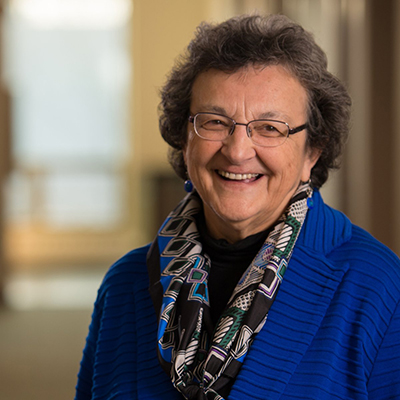
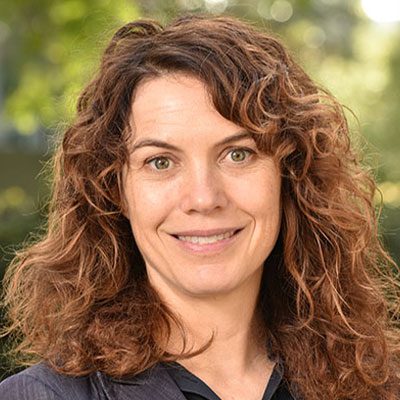
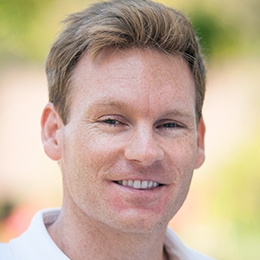
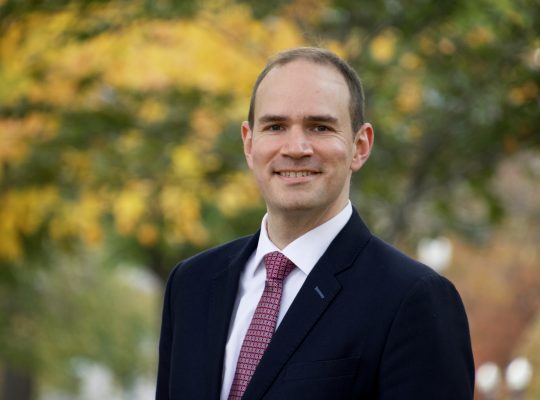
Barbara Given is a University Distinguished Professor in the College of Nursing at Michigan State University. Her research focuses on the interplay between formal healthcare systems and informal caregiver networks, particularly in oncology and geriatric populations. She has secured over 34 years of NIH funding, including grants from the National Cancer Institute, NIMH, and others. Dr. Given earned her Ph.D. at MSU, following a BSN and MSN from Ohio State University. Her work centers on caregiver burden, symptom management in chronic disease, and caregiver-patient communication. She developed the Caregiver Burden Instrument, widely used in research and clinical settings across multiple languages. Key research interests include: 1) caregiver stress and support systems, 2) symptom management in cancer patients, and 3) healthcare coordination challenges in aging populations. Her NIH-funded projects address adherence to oral chemotherapy, fall prevention in cancer survivors, and psychosocial outcomes post-treatment. Recent articles emphasize innovation in symptom tracking (e.g., text messaging for adherence), caregiver mental health barriers, and longitudinal symptom analysis. Awards/fellowships are not explicitly stated, though her sustained NIH support reflects significant recognition. Dr. Given advises on grants and mentors nurse researchers. She collaborates on interdisciplinary teams focused on palliative care, gerontology, and technology-based interventions. Her work bridges clinical practice and policy, advocating for integrated care models to reduce caregiver burden.
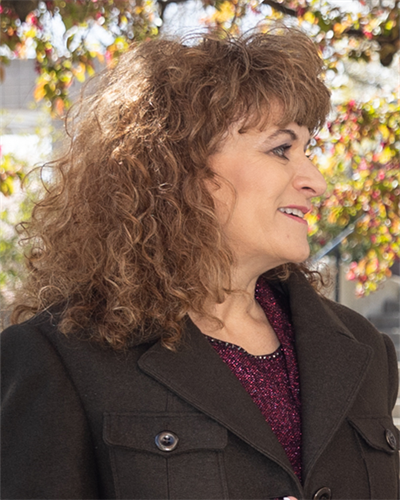
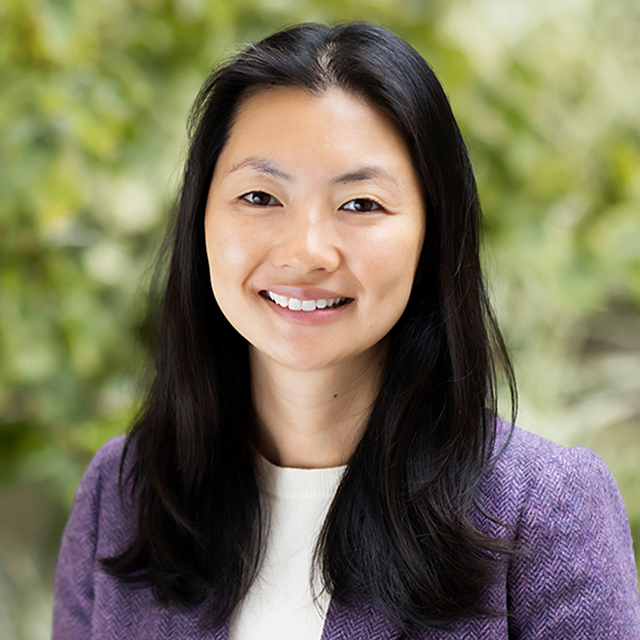
Karen Panetta is a Professor at Tufts University School of Engineering with appointments in Electrical and Computer Engineering, Computer Science, Mechanical Engineering, and Academic Services. She currently serves as Dean of Graduate Education for the School of Engineering and holds the title of Distinguished Professor. Ph.D. in Electrical Engineering, Northeastern University M.S. in Electrical Engineering, Northeastern University B.S. in Computer Engineering, Boston University Dr. Panetta's research focuses on developing efficient algorithms for simulation, modeling, and signal and image processing for security and biomedical applications. Her work brings together artificial intelligence, machine learning, and visual sensing systems to create solutions for robot vision and biomedical imaging. She develops algorithms inspired by the human visual system to enable machines to 'see' like humans, with applications in homeland security, biomedicine, facial recognition, and search and rescue operations. Her research has significant humanitarian applications, addressing global challenges facing women and children. Dr. Panetta has received numerous prestigious awards including induction into the National Academy of Engineering (2023), the Presidential Award for Science and Engineering Education and Mentoring (2011), and the IEEE Award for Distinguished Ethical Practices (2013). She is a fellow of multiple prestigious academies including the National Academy of Inventors, European Academy of Sciences and the Arts, and IEEE. Member, National Academy of Engineering (2023) Presidential Award for Science and Engineering Education and Mentoring (2011) IEEE Award for Distinguished Ethical Practices (2013) Fellow, National Academy of Inventors Fellow, European Academy of Sciences and the Arts Fellow, Asia-Pacific Artificial Intelligence Association As an educator and mentor, Dr. Panetta founded the nationally acclaimed Nerd Girls program to promote engineering to young students, particularly women. She previously served as worldwide director for IEEE Women in Engineering and editor-in-chief of the IEEE Women in Engineering magazine. Her approach to graduate education emphasizes the importance of building strong collaborative relationships between faculty and students, with a focus on proactive communication and documentation of research progress. Dr. Panetta's humanitarian research applies engineering solutions to global challenges, including developing technology to help doctors find cancerous tumors, security screeners find concealed weapons, and law enforcement agencies find criminals and missing children. Her work demonstrates a commitment to 'Doing The Right Thing' by addressing issues affecting populations with limited resources or 'voice' in society.
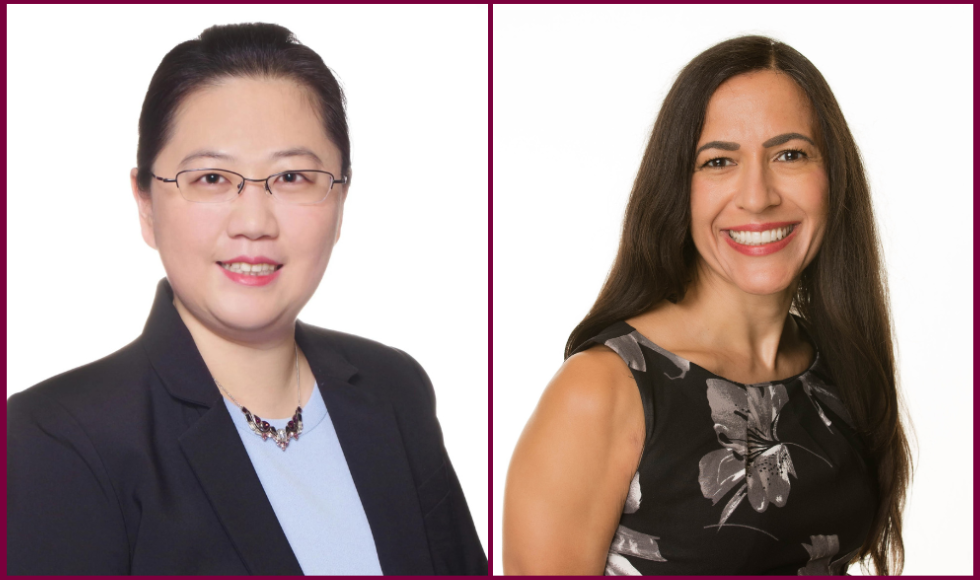
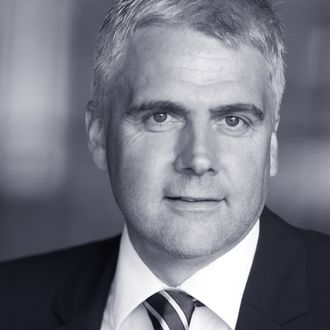
Hong Han is an Assistant Professor in the Department of Biochemistry & Biomedical Sciences within McMaster University's Faculty of Health Sciences and a member of the Centre for Discovery in Cancer Research (CDCR). She holds a Canada Research Chair and leads the Han Lab, which focuses on cancer biology, RNA regulation, and innovative high-throughput technologies for therapeutic discovery. Dr. Han earned her Ph.D. from the University of Toronto (2010-2016) and has established herself as a leading researcher in glioblastoma and alternative splicing regulation. Her interdisciplinary research integrates cancer biology, RNA science, and multilayer gene regulation to uncover mechanisms underlying cancer progression and treatment resistance. Her laboratory pioneers integrated technological platforms for large-scale genetic/drug screening and ultra-high-throughput single-cell profiling. The research focuses on three main areas: alternative splicing regulation in cancer (particularly glioblastoma and prostate cancer), multilayer mechanisms of glioblastoma heterogeneity and microenvironment evolution, and multiplexed screening approaches for therapeutic discovery in treatment-resistant cancers. Analysis of Dr. Han's recent publications reveals a strong emphasis on single-cell technologies to characterize glioblastoma heterogeneity, minimal residual disease states, and tumor-immune interactions. Her work increasingly bridges basic RNA biology with translational applications, particularly in developing novel therapeutic strategies targeting splicing networks and immune evasion mechanisms. Canada Research Chair Dr. Han teaches Advanced Techniques in the Biomedical Sciences (BIOCHEM 734). Her research program is supported by multiple funding sources, as evidenced by her extensive publication record in high-impact journals including Nature, Cell, Molecular Cell, and Nature Communications. She employs a comprehensive approach combining in vitro, in vivo, and patient cohort studies with cutting-edge genomic technologies. The Han Lab has developed innovative multiplexed screening platforms that enable simultaneous interrogation of thousands of conditions, ranging from CAR-T cells to small molecule therapeutics. This approach accelerates the discovery of novel cancer targets and therapeutic strategies for treatment-resistant cancers.
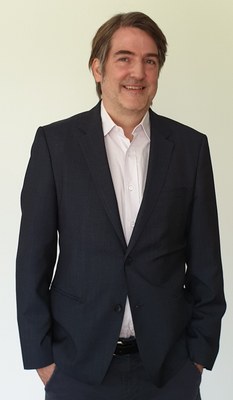
Joé T. Martineau is an Associate Professor in the Department of Management at HEC Montréal, holding the Chair in Organizational Ethics and AI Governance. He also co-leads IVADO's R3 AI research program and is a regular member of OBVIA. His expertise spans organizational ethics, neuroethics, healthcare administration, and AI governance. He earned a joint PhD and M.Sc. in Management from HEC Montréal. His research focuses on the ethics and governance of AI, outcomes of ethics programs, and developing ethical competence in organizations. Recent work includes studies on AI in healthcare, crisis management in sports, and patient engagement in cancer care. Dr. Martineau has been recognized with the 2024 Best Practical Solutions Award (with Audrey-Anne Cyr), the 2022 HEC Montréal Pedagogical Innovation Award, and the 2020 Excellence in Teaching Award. He teaches courses on organizational ethics and responsible research conduct. He has supervised 13 graduate students and contributed to over 30 peer-reviewed articles, books, and case studies. His work bridges ethical theory with practical applications in management and AI development.
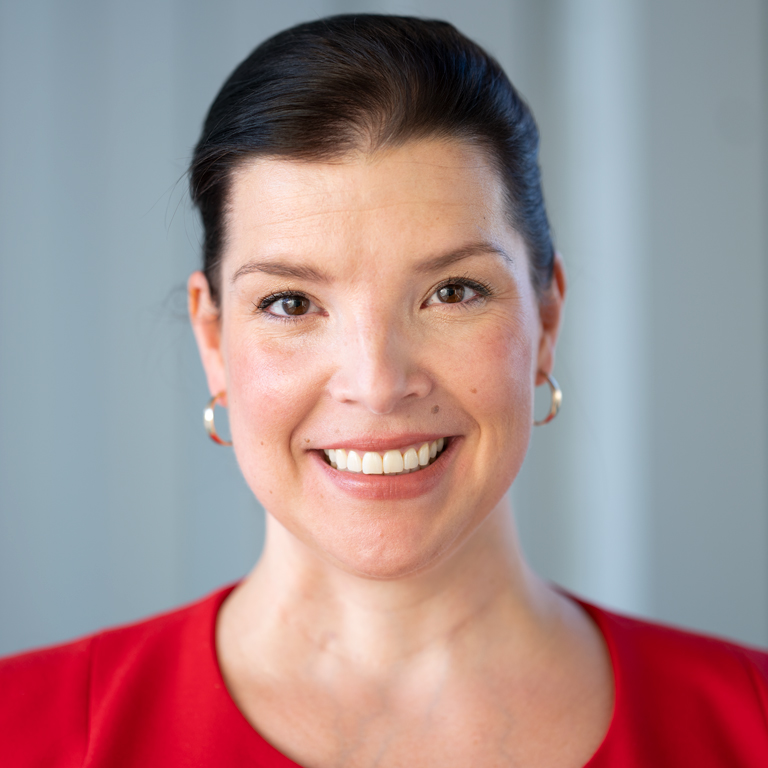
Dr. Christina Leslie is a Research Professor and Member of the Computational & Systems Biology Program at Memorial Sloan Kettering Cancer Center (MSK). She leads an active research laboratory focused on developing computational approaches to understand complex biological systems. Dr. Leslie earned her PhD from the University of California, Berkeley and has established herself as a leading computational biologist in cancer research and immunology. Computational & Systems Biology Program, Memorial Sloan Kettering Cancer Center Gerstner Sloan Kettering Graduate School of Biomedical Sciences Dr. Leslie's research focuses on developing novel computational methods to study cellular biological systems from a global and data-driven perspective. Her lab exploits diverse high-throughput functional and genomic data to understand molecular networks underlying fundamental cellular processes, including transcription regulation, pre-mRNA processing, signaling, and post-transcriptional gene silencing. Her algorithmic methods draw heavily on machine learning to build accurate predictive models from noisy and high-dimensional biological data. Key areas of interest include modeling cell-type specific transcriptional programs and dissecting co- and post-transcriptional regulation, particularly microRNA-mediated gene regulation. Analysis of Dr. Leslie's publication record over the last five years reveals a strong focus on computational approaches to cancer genomics, immunology, and epigenetics. Her work bridges multiple disciplines, with a particular emphasis on developing machine learning methods to interpret complex biological data. The publications demonstrate increasing sophistication in integrating multiple data types (genomic, transcriptomic, epigenomic) to understand cancer biology and immune responses. Recent work shows a growing emphasis on single-cell technologies and spatial analysis of tumor microenvironments. Introduction of string kernel methodology for SVM classification of biological sequences Development of algorithms for predictive modeling of gene regulation First systems-level analyses of competition between microRNAs and between target transcripts Dr. Leslie actively mentors numerous graduate students and research associates, with current lab members including Vianne Gao, Alireza Karbalaghareh, Erik Ladewig, and several others. Her lab has received significant research funding to support their work on computational approaches to cancer biology and immunology. The Leslie Lab maintains close collaborations with multiple experimental groups at MSK, facilitating the translation of computational insights into biological understanding. The Leslie Lab operates within the Computational & Systems Biology Program at MSK, with strong ties to both the research and clinical missions of the institution. The lab maintains state-of-the-art computational infrastructure for analyzing large-scale genomic and proteomic datasets and collaborates extensively with wet-lab researchers to validate computational predictions experimentally.
Andrew L. Feldman, MD , is a Professor of Laboratory Medicine and Pathology at Mayo Clinic, Rochester, Minnesota. He specializes in the molecular pathogenesis of T-cell lymphomas, focusing on genetic abnormalities, biomarkers, and individualized therapies. His work bridges next-generation sequencing (NGS) infrastructure and translational research to improve lymphoma diagnosis and subclassification. Primary Appointment: Consultant, Division of Hematopathology Joint Appointment: Consultant, Division of Experimental Pathology and Laboratory Medicine Education: MD, Brown University (1991) BA, Brown University (1986) Clinical Fellowship, Hematopathology, National Cancer Institute (2006) Research Interests: Dr. Feldman's research explores the genetic basis of T-cell lymphomas, which are often fatal. By characterizing mutations (e.g., DUSP22 , TP63 , STAT3 ) and applying bioinformatics, his team develops diagnostic tests to predict therapeutic responses. He also investigates how genetic heterogeneity impacts lymphoma classification and treatment strategies. Scientific Awards: Berard-Dorfman Founders Award, Society for Hematopathology (2015) Recipient Medal, Pedro Ruiz Gallo National University, Peru (2007) Artemis Fellowship, Nikolas Symposium XV, Athens (2005) NIH Fellows Award for Research Excellence (2003, 2000) First Prize, Resident Paper Competition (1999) Daland Award, New England Cancer Society (1999) Outstanding Junior Resident Teaching Award (1996) Joseph Collins Foundation Scholarship (1988) Advising and Grants: Dr. Feldman has directed the Mayo Clinic Biospecimens Core and led NCI-funded projects like the Lymphoma Specialized Program of Research Excellence (SPORE) and Molecular Classification of Anaplastic Large Cell Lymphoma . He has served on NCI Lymphoma Steering Committee and Mayo Clinic's NGS Infrastructure Subcommittee. Laboratory and Collaborations: His lab collaborates with the International Lymphoma Study Group , Mayo Clinic Comprehensive Cancer Center , and Association for Molecular Pathology . He co-developed clinical trials linking molecular profiling to therapeutic targets and contributed to the Lymphoma/Leukemia Molecular Profiling Project (LLMPP) Research Consortium.
Iona Cheng is a Professor in the Department of Epidemiology and Biostatistics at the University of California, San Francisco (UCSF), where she conducts groundbreaking research in cancer epidemiology. She serves as co-Investigator of the SEER Greater Bay Area Cancer Registry and is Principal Investigator of multiple NIH- and foundation-funded projects examining genetics, lifestyle factors, and neighborhood characteristics in relation to cancer risk. Dr. Cheng has developed an extensive research program focused on racial/ethnic differences in cancer risk and leads population-based cancer surveillance studies that document variations in cancer incidence and mortality patterns across diverse racial and ethnic groups. University of California, Davis, BS, 1990–1994, Physiology Yale University, MPH, 1999–2001, Chronic Disease Epidemiology University of Southern California, PhD, 2001–2005, Epidemiology University of California, San Francisco, Postdoc, 2006–2008, Genetic and Molecular Epidemiology Dr. Cheng's research spans multiple disciplines within cancer epidemiology, with particular emphasis on understanding how environmental exposures, genetic factors, and social determinants interact to influence cancer risk and outcomes across different racial and ethnic populations. Her work frequently examines the impact of air pollution, endocrine-disrupting chemicals, and neighborhood characteristics on cancer development and survival. She has made significant contributions to understanding cancer disparities among Asian American, Native Hawaiian, and Pacific Islander populations, bringing attention to the unique cancer risks and outcomes within these understudied groups. Her research often leverages the Multiethnic Cohort Study, one of the largest prospective studies of cancer incidence and mortality across diverse racial/ethnic populations. Analysis of Dr. Cheng's recent publications reveals a consistent focus on environmental and social determinants of cancer risk across multiple organ sites. Her work demonstrates a sophisticated integration of epidemiological methods with environmental exposure assessment, genetic analysis, and health disparities research. Many of her studies examine the intersection of environmental exposures and racial/ethnic disparities in cancer outcomes, particularly regarding breast cancer, lung cancer, and other malignancies. She has published extensively on the impact of air pollution on cancer risk and survival, as well as the effects of endocrine-disrupting chemicals like bisphenol A, parabens, and phthalates. American Association for Cancer Research Scholar-in-Training Award (2007) National Institutes of Health Loan Repayment Award (2007) National Institutes of Health Loan Repayment Renewal Award (2009) American Association for Cancer Research Faculty Scholar Award (2011) National Institutes of Health Loan Repayment Renewal Award (2011) National Institutes of Health Loan Repayment Renewal Award (2013) American Journal of Epidemiology/Society of Epidemiology Research Top 10 manuscripts (2014) Cancer Prevention Institute of California Mentoring Award (2015) American Society of Human Genetics Top poster As Principal Investigator of multiple NIH-funded projects, Dr. Cheng oversees substantial research grants focused on cancer epidemiology and health disparities. Her work often involves large interdisciplinary collaborations with researchers across multiple institutions, including the Multiethnic Cohort Study which follows over 200,000 participants from diverse racial/ethnic backgrounds. She has demonstrated leadership in mentoring junior researchers, particularly those from underrepresented backgrounds in science, as evidenced by her Cancer Prevention Institute of California Mentoring Award. Her research program integrates data from cancer registries, electronic health records, and geospatial information to provide comprehensive insights into cancer patterns and risk factors. Dr. Cheng's research is closely connected to the UCSF Helen Diller Family Comprehensive Cancer Center and leverages collaborations with Lawrence Berkeley National Laboratory, which provides advanced technological resources for cancer research. Her work benefits from access to extensive cohort data, sophisticated exposure assessment methods, and interdisciplinary expertise in genetics, environmental science, and computational biology available through these institutional partnerships. She frequently collaborates with researchers studying the genetic and environmental determinants of cancer across multiple organ systems, contributing to a more comprehensive understanding of cancer etiology and prevention strategies.
Wendy Balliet is an Assistant Professor at the Medical University of South Carolina (MUSC), affiliated with the College of Medicine and the Department of Psychiatry and Behavioral Sciences. She earned her PhD in counseling psychology with a health psychology concentration from Virginia Commonwealth University, completed a pre-doctoral internship at the University of Florida Health Science Center (Medical Psychology rotation), and a postdoctoral fellowship in behavioral medicine at MUSC. Key Roles: Associate Co-Director of Clinical Operations for the Division of Bio-behavioral Medicine Supervisor for interns in the Behavioral Medicine Clinic (Charleston Consortium Psychology Internship Program) Researcher and clinical provider in psycho-oncology and transplant behavioral health Her research focuses on behavioral medicine , psycho-oncology , and transplant/living donation psychology. She investigates body image distress in cancer survivors , mental health in transplant populations , and telemedicine-based cognitive behavioral therapy (CBT) . Her work includes the BRIGHT trial for tele-CBT in head and neck cancer survivors and studies on caregiver burden, peer mentoring programs (TRIO), and psychosocial factors in organ transplantation. Her clinical efforts span patient care, committee service (Grand Rounds, hospital-wide initiatives), and training for postdoctoral fellows and medical students. She emphasizes integrating psychosocial interventions with medical outcomes , particularly in cancer and transplant settings, and has developed educational resources like the Organ Transplant Caregiver Toolkit.
Dr. Tim Halim is a Sir Henry Dale Fellow and Junior Group Leader at the Cancer Research UK Cambridge Institute (CRUK Cambridge Institute), University of Cambridge. His primary research program focuses on pancreatic cancer, with thoracic cancer as a secondary research focus within the CRUK Cambridge Centre's structured research programs. Dr. Halim's research expertise lies at the intersection of cancer biology and immunology, with particular emphasis on innate lymphoid cells (especially ILC2) and regulatory T cells within the tumor microenvironment. His work investigates how these immune cell populations interact with cancer cells and influence tumor progression, metastasis, and response to therapy. His research has significant implications for developing novel immunotherapeutic approaches for pancreatic and thoracic cancers. His publication record demonstrates a consistent focus on the role of innate lymphoid cells in cancer, with recent work examining IL-33 and ILC2 in pancreatic cancer, cross-talk between ILC2 and regulatory T cells, and the influence of innate lymphoid cells on pancreatic stromal composition. His research employs advanced techniques including in vivo labeling, single-cell analysis, and fate-mapping approaches to understand immune cell behavior in cancer contexts. Dr. Halim has been awarded the prestigious Sir Henry Dale Fellowship, a joint fellowship from the Royal Society and Wellcome Trust that supports early-career researchers of outstanding promise working at the interface of basic and clinical science.
Amy Catherine Rowat is a full Professor in the Department of Integrative Biology and Physiology at UCLA's College of Letters and Science. She directs an interdisciplinary research program that integrates mechanobiology, microfluidics, cancer biophysics and food engineering to understand how physical forces shape cell behavior and to develop sustainable biotechnologies. Education & Affiliations: Professor, Department of Integrative Biology and Physiology, UCLA Member, UCLA College of Letters and Science Research Interests: Rowat's group deciphers how mechanical properties of cells and their nuclei influence disease progression and therapeutic response. Using high-throughput microfluidic deformability cytometry, her team discovered that cancer cells become stiffer and more invasive upon β-adrenergic signaling, linking stress hormones to metastatic potential. Parallel efforts focus on nuclear envelope mechanics, showing that histone H1.0 and transient nuclear deformation modulate chromatin structure and cell reprogramming. Beyond biomedicine, Rowat pioneers biophysical approaches for sustainable food production. She engineers edible scaffolds and emulsion-templated microcarriers to culture meat at scale, demonstrating spontaneous fusion of adipogenic and myogenic microtissues into marbled steak-like constructs. Recent Article Trends (2020-2025): Her latest publications reveal a cohesive trajectory: coupling mechanobiology to epigenetic regulation (viscoelastic matrix enhances chromatin remodeling), advancing single-cell mechanical phenotyping (optomagnetic arrays, high-throughput screens), translating findings to cancer therapy (β-blockers to sensitize chemotherapy) and expanding engineered foods (scalable cultured-meat bioprocessing). Funding & Awards: NIH R21 CA245667 (PI) – Repurposing beta-blockers to improve chemotherapy response (2021-2023) Laboratory & Teams: Rowat leads an active research laboratory at UCLA that trains graduate students and postdocs at the intersection of physics, engineering and biology. The lab maintains collaborations across UCLA Engineering, Jonsson Comprehensive Cancer Center, and external partners in food science and biotechnology companies.
Elizabeth Zheng, MD, is an Associate Professor of Medicine at the University of California, San Francisco (UCSF) School of Medicine, where she specializes in transplant hepatology. She provides clinical care through the UCSF Liver Transplant Program and conducts research focused on improving access to liver care and liver-cancer screening for underserved populations. She co-founded the Asian Liver Health Center and is board-certified in transplant hepatology, gastroenterology, and internal medicine. Education & Training MD – New York Medical College, 2011 Internal Medicine Residency – Montefiore Medical Center (Albert Einstein College of Medicine affiliate), 2014 Gastroenterology Fellowship – Einstein Medical Center, Philadelphia, 2017 Transplant Hepatology Fellowship – UCSF, 2018 Research Interests Dr. Zheng’s scholarly work centers on two major themes: Expanding access to high-quality liver care among underserved and minority populations, particularly Asian Americans. Developing and validating practical strategies for liver-cancer surveillance, including ultrasound-based recall algorithms and real-world management of hepatocellular carcinoma. She has additional expertise in drug-induced liver injury related to herbal and dietary supplements, having authored multiple reviews and prospective analyses on this topic. Publication Trends Across more than a dozen peer-reviewed articles since 2010, Dr. Zheng has advanced knowledge in hepatocellular carcinoma surveillance, COVID-19-associated liver injury, and supplement-related hepatotoxicity. Her collaborative multicenter studies have informed evidence-based guidelines and public-health recommendations. Clinical & Outreach Roles Co-founder, Asian Liver Health Center Attending Transplant Hepatologist, UCSF Liver Transplant Program Multisite clinical practice locations in San Francisco (400 Parnassus Ave and satellite clinics)
Gerald Pruckner is a Professor at the Department of Economics, Johannes Kepler University Linz (JKU), where he serves as Head of the Institute of Health Economics and Dean of the Kurt Rothschild School of Economics and Statistics (RoSES). His academic career spans over three decades with significant leadership roles including heading the Christian Doppler Laboratory for Aging, Health, and the Labor Market (2014-2021), and serving on the board of the Austrian Health Economics Association (ATHEA). He teaches multiple courses including Introductory Microeconomics, Empirical Economics, and Health Economics for the 2025W semester. Pruckner earned his PhD in Economics from the University of Linz in 1993. His academic journey began as an Assistant Professor at JKU (1989-2002), followed by a Professorship at the University of Innsbruck (2002-2006), then returning to JKU as Associate Professor (2006-2010) before his current Professorship (since 2011). He has held visiting positions at the University of Adelaide and UC Berkeley. His research focuses at the intersection of health economics, behavioral economics, and aging, examining healthcare systems, physician behavior, and the relationship between labor markets and health outcomes. Recent work investigates hospital crowding effects, gender differences in medical practice, chronic disease screening effectiveness, and child health services. His research consistently applies economic principles to understand healthcare delivery with emphasis on the Austrian context, often utilizing register data for evidence-based policy insights. Analysis of Pruckner's publication trends shows a sustained focus on practical healthcare issues with policy relevance. His work spans hospital management challenges, gender differences in medical practice, chronic disease screening effectiveness, and child health services. The research consistently bridges academic inquiry with practical health policy applications, with increasing attention to pandemic impacts and digital transformation in healthcare. Board member of Austrian Health Economics Association (ATHEA) since 2015 Member of Health Economics Committee (Verein für Socialpolitik) since 2013 Deputy head of national research network 'The Austrian Center for Labor Economics and the Analysis of the Welfare State' (2008-2013) Head of Christian Doppler Laboratory for Aging, Health, and the Labor Market (2014-2021) Pruckner actively mentors graduate students through dissertation colloquia and master's thesis supervision. His research portfolio includes 23 projects with significant funding, including current work on health services research in Upper Austria and empirical analysis of Linz healthcare provision. As Dean of RoSES and Head of the Health Economics Institute, he provides institutional leadership while maintaining an active research agenda with over 100 publications. He leads multiple research teams focused on health services research, with current projects examining healthcare provision in Linz, health indicators for the region, and broader health system analysis. His work bridges academic research and practical health policy applications through collaborations with regional health authorities and participation in professional associations.
Prof. Oliver Seitz leads the Bioorganic Synthesis research group at the Department of Chemistry, Faculty of Mathematics and Natural Sciences, Humboldt University of Berlin. His lab focuses on cutting-edge chemical biology approaches for protein/nucleic acid interrogation, with recent work advancing DNA/RNA-programmed assemblies for cellular imaging and therapeutic applications. Research spans chemical protein synthesis, glycoprotein/phosphoprotein engineering, and nucleic acid-templated reactions. Key innovations include Forced Intercalation (FIT) probes for wash-free RNA imaging, loss-of-affinity principles for catalytic efficiency, and peptide-PNA conjugates for targeted cellular delivery. The group actively develops tools for live-cell protein labeling and biomolecular spatial screening. Recent publications (2021-2024) emphasize fluorescence-based detection systems, catalytic templated reactions, and therapeutic peptide synthesis. Trends show increasing sophistication in multi-dye probes, glycan engineering, and RNA-triggered pro-drug activation. Scientific awards include: Max Bergmann Award (2019) Prof. Seitz actively advises doctoral students, with recent graduates Marvin Björn Stutz (2023, magna cum laude ), Dino Gluhacevic von Krüchten (2023, summa cum laude ), and Sophie Schöllkopf (2023, magna cum laude ). Current PhD candidates include Ekaterina Kazakova (glycoprotein synthesis), Alina Herfort (phosphoproteins), and Lina-Marie Beck (peptide-nucleic acid conjugates), with postdocs like Dr. Mandana Oloub (viscosity sensors). The Bioorganic Synthesis lab operates within Berlin's vibrant chemical research ecosystem, utilizing specialized techniques for chemical protein synthesis and nucleic acid detection. Recent team growth reflects ongoing projects in RNA imaging, catalytic templated reactions, and therapeutic conjugate development, supported by open positions for new researchers.
Tyler Johnson, PhD, is an Associate Professor in the Department of Natural Sciences and Mathematics at Dominican University of California's School of Health and Natural Sciences. His expertise lies in Natural Products Chemistry , Bioorganic Chemistry , and Medicinal Chemistry , with a focus on biomedical applications. Johnson's research emphasizes discovering therapeutic lead compounds and molecular probes from marine and terrestrial natural products. His research team investigates chemotypes like mycothiazole , zampanolide , fijianolide , and latrunculin from Indo-Pacific marine sponges. These compounds exhibit potent cytotoxicity (IC50 1~5 nM) against cancer cell lines through mechanisms including microfilament disruption , mitochondrial complex I inhibition , and microtubule stabilization . Current work explores mycothiazole as a molecular probe for mitochondrial aging. Key publications span 2024-2002, covering topics from sponge-derived anticancer agents to inflammation modulation and environmental toxicology. Johnson's laboratory engages in large-scale natural product isolation, spectroscopic validation, and semi-synthetic medicinal chemistry to optimize therapeutic leads. His work integrates undergraduate and graduate students into interdisciplinary biomedical research.
Dr Jonathan Cook is a Research Fellow at Jesus College, University of Oxford, affiliated with the Medical Sciences division. He holds a primary medical qualification from Queen’s University (Canada, 2021) and a PhD investigating viral immune evasion mechanisms under Prof Jeffrey Lee. His work was supported by the Vanier Canada Graduate Scholarship and recognized with the Stuart Alan Hoffman Memorial Prize. As an incoming Banting Fellow at the Jenner Institute, he focuses on vaccine design for infectious diseases. His research interests include malaria eradication, emerging pathogens, and structure-based vaccine strategies. **Education**: - PhD (Investigation of viral entry glycoproteins), University of Toronto, supervised by Prof Jeffrey Lee - Primary Medical Qualification, Queen’s University, Canada **Research Interests**: - Malaria Eradication : Developing vaccines targeting Plasmodium species. - Emerging Infectious Diseases : Designing rapid-response strategies for pathogens like SARS-CoV-2. - Structure-Based Vaccine Design : Leveraging protein structural data to enhance immunogenicity. **Awards**: - Vanier Canada Graduate Scholarships Programme (2017–2020) - Stuart Alan Hoffman Memorial Prize (2021) - Banting Fellowship (incoming) **Grants/Advising**: Works on Jenner Institute-funded projects. No listed advisees yet. **Labs/Teams**: Collaborates with Prof Lee's lab at the Jenner Institute and the University of Toronto's Medical Microbiology program.