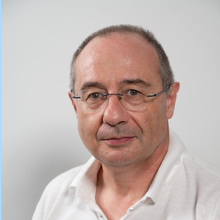
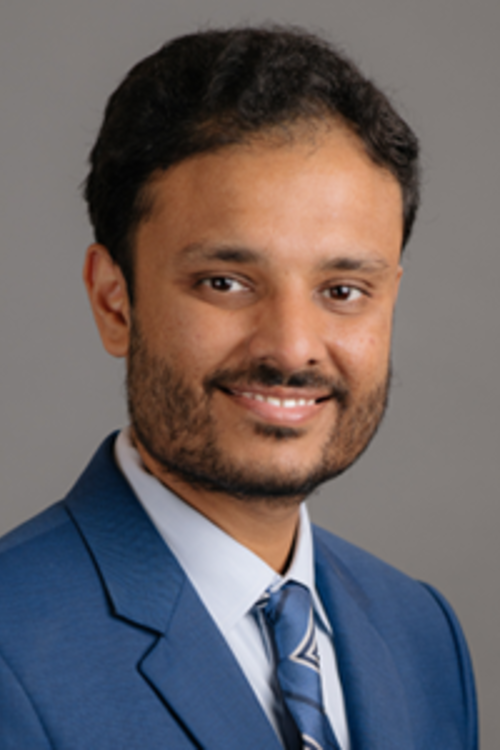
Carlo Gaetan is a Full Professor at the Department of Environmental Sciences, Informatics and Statistics at Ca' Foscari University of Venice. His research focuses on statistical modeling for environmental applications, including extremes in climate data, spatial-temporal analysis, and environmental risk assessment. He contributes to editorial roles, such as Associate Editor of the Journal of the Royal Statistical Society, Series C. His work spans environmental statistics, spatial modeling, and applications in climate change and health. Gaetan is actively involved in projects like the Venice 2021 climate scenario initiative and collaborates on studies assessing air pollution impacts and disease modeling. His teaching includes office hours for students, emphasizing accessibility and academic guidance.
Prof. Zeyuan Qiu is a Professor of Environmental Science and Policy at the New Jersey Institute of Technology (NJIT), affiliated with the College of Science and Liberal Arts. He holds a Ph.D. in Agricultural Economics from the University of Missouri-Columbia (1996), an M.S. in Land Management from Renmin University of China (1989), and a B.S. in Land Use Planning from Central China Agricultural University (1986). His research focuses on environmental policy, water quality management, GIS applications, and agricultural sustainability, with a particular emphasis on nonpoint source pollution control, hydrologically sensitive areas, and climate change adaptation strategies. Prof. Qiu has received notable awards including the 2020 Associate Editor Excellence Award from the Soil and Water Conservation Society and the 2016 Distinguished Research Award from NJIT's College of Science and Liberal Arts. His work integrates interdisciplinary approaches, combining hydrological modeling, machine learning, and socio-economic analysis to address complex environmental challenges. Key areas of expertise include precision agriculture, urban-suburban watershed management, and policy evaluation for sustainable resource use. His research also explores the intersection of technology adoption in rural economies (e.g., smartphone impacts on pesticide use in China) and health-related environmental issues (e.g., lymphedema detection using machine learning). Prof. Qiu collaborates actively with governmental agencies like the New Jersey Department of Environmental Protection and leverages tools such as SWAT modeling, fuzzy Borda count, and Bayesian inference for decision-making in environmental management.
Professor Catherine Bennett is a Deakin Distinguished Professor and Chair in Epidemiology at Deakin University, affiliated with the Faculty of Health, School of Health and Social Development, and the Institute for Health Transformation. She is a leading expert in quantitative infectious diseases epidemiology, public health, and pandemic response, with a strong focus on research, teaching, and leadership. Doctor of Philosophy, La Trobe University Master of Applied Epidemiology, Australian National University Bachelor of Science, La Trobe University Her research spans infectious disease transmission, public health policy, digital health, and risk communication. She leads major international collaborations such as the C-MOR Research Consortium on excess mortality and works with Denmark’s Staten Serum Institute on Staphylococcus genomics. She also investigates mis/disinformation using AI and leads studies on pelvic pain in youth and pandemic quarantine systems. Her recent publications highlight trends in excess mortality, pandemic communication, digital health tools, and health equity, reflecting a multidisciplinary and globally relevant research agenda. Her work combines epidemiological rigor with policy impact and innovative methodologies. Journal of Public Health Research and Practice Excellence Awards - Highly Commended in Best Paper Category (2022) Conferred Alfred Deakin Professor (2019) Vice-Chancellor's Award for Outstanding Contribution to Student Wellbeing and Safety, Deakin University (2019) Australian Community Leadership Award, Unisport Australia (2018) Strategic Achievement Award, CAPHIA (2017) Vice Chancellor’s Award for Student and Staff Wellbeing, Deakin (2015) David White Award for Excellence in Teaching, University of Melbourne (2008) Australian Award for University Teaching (2008) Professor Bennett actively supervises PhD and Masters students across diverse topics including pandemic quarantine, oral cancer in India, and bravery award impacts. She has secured significant grant funding from NHMRC, DFAT, and industry partners. Her leadership includes founding CAPHIA and driving Deakin’s smoke-free and alcohol culture change initiatives. She is involved in multiple research teams, including the C-MOR Research Consortium and collaborations with Deakin’s AI specialists and the Murdoch Children’s Research Institute, advancing interdisciplinary public health innovation.
Benjamin Ee is an Adjunct Lecturer at the Lee Kong Chian School of Business , Singapore Management University. His teaching includes courses like Quantitative Finance , and he actively contributes to research in digital transformation, AI integration in accounting, and machine learning applications across industries. His work spans optimizing public transport systems, enhancing SME digital capabilities, and improving healthcare symptom management through real-time analytics. Research interests include leveraging AI and data analytics to transform traditional sectors, addressing challenges in microfinance, and fostering future-ready talent through experiential digital projects. His publications highlight innovative university-industry partnerships and case studies on business digitization in diverse sectors like insurance, publishing, and seafood industries. Recent work involves predictive symptom trajectory modeling for cancer patients and pharmacist-driven symptom monitoring systems. He also explores ethical AI frameworks and forensic analytics to detect data anomalies. No awards or grants are explicitly mentioned in the provided texts.
Heather C Beckwith is an Associate Professor in the Department of Medicine - Hematology, Oncology, Transplant at the University of Minnesota, School of Medicine. She is actively involved in clinical and translational research focused on breast cancer, particularly in neoadjuvant therapy, targeted treatments, and cardio-oncology. Her work is supported by multiple grants from major pharmaceutical sponsors, and she serves as Principal Investigator on several national clinical trials. Her research interests include: Breast cancer therapeutics and biomarkers Neoadjuvant and endocrine therapy HER2-positive and HR+ advanced breast cancer Cardiovascular effects of cancer treatments Patient outcomes and risk stratification Recent publications highlight her role in the I-SPY2 and I-SPY SURMOUNT trials, evaluating novel agents such as datopotamab-deruxtecan and ARX788. The research trends show a strong emphasis on adaptive trial design, combination therapies, and personalized treatment approaches in early and advanced breast cancer. Scientific contributions include: Phase II and III clinical trials in breast cancer Studies on biomarkers and treatment response Investigations into cardiovascular toxicity in survivors Dr. Beckwith leads multiple externally funded research projects and collaborates with national consortia. She has contributed to datasets such as the 'COVID-19 Concerns among Physicians who treat cancer' survey, reflecting broader engagement in oncology policy and practice. She is also affiliated with multi-center teams focused on improving outcomes in high-risk and metastatic disease settings.
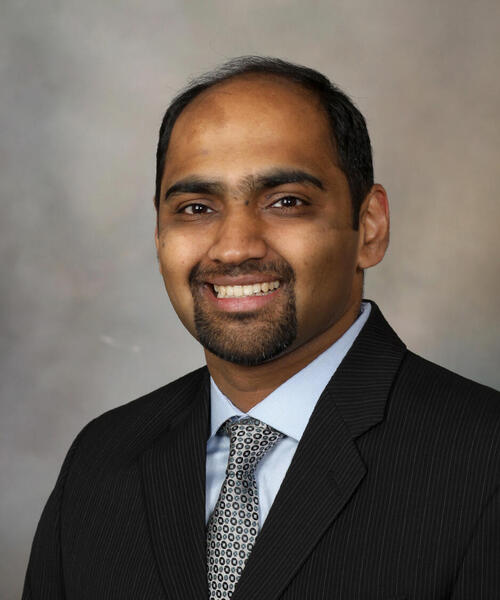
Arjun P. Athreya, Ph.D., M.S., is an Associate Professor at Mayo Clinic's Department of Molecular Pharmacology and Experimental Therapeutics , specializing in Artificial Intelligence and Digital Health for precision medicine. With a background in Electrical and Computer Engineering, he bridges engineering ecosystems with clinical practice to optimize treatment selection and management through data integration from genomics , wearables , and electronic health records . Ph.D., University of Illinois Urbana-Champaign (Electrical and Computer Engineering) M.S., Carnegie Mellon University (Computer Software Engineering and Electrical and Computer Engineering) B.E., RV College of Engineering, VTU (Electrical and Telecommunication Engineering) His research spans precision care for chronic conditions like major depressive disorder and bipolar depression , digital health technologies for pediatric mental health , and provider well-being solutions. He leads projects on multi-omic biomarker discovery for diseases such as primary sclerosing cholangitis and pancreatic ductal adenocarcinoma , integrating AI with clinical workflows. Dr. Athreya’s work emphasizes participatory design in decentralized digital health studies and ethical AI applications. Current projects include National Institute of Nursing Research -funded studies on smartwatch adherence for burnout prediction and National Science Foundation initiatives to implement patient-specific therapy profiles in EHRs for genomic medicine. His research team collaborates with psychiatrists, gastroenterologists, and bioethicists across Mayo Clinic. Scientific Awards: American Society for Clinical Pharmacology and Therapeutics Presidential Trainee Award (2017-2019) Jason Morrow Memorial Award (2017) IEEE Best Paper Awards (2016, 2017) Rambus Computer Engineering Fellowship (2017) Carnegie Mellon Dean’s Fellowship (2011-2013)
Mary Beth Spitznagel is a Professor in the Department of Psychological Sciences at Kent State University. Her research focuses on veterinary psychology, human-animal interaction, caregiver burden, burden transfer, occupational distress, stress, and burnout. She maintains the Pet Caregiver Burden Science Blog and conducts research on burden transfer in veterinary medicine. Ph.D. in Clinical Psychology from Ohio University (2003) Her research explores how emotional and psychological stress manifests in veterinary healthcare teams and pet owners, particularly through concepts like burden transfer and burnout. She has developed and validated assessment tools such as the Burden Transfer Inventory–Abbreviated to measure these phenomena across veterinary settings. Recent publications (2023–2017) demonstrate her expertise in veterinary psychology, stress management, and human-animal interaction, with applications in dermatology, oncology, and general caregiving. These works often examine interventions like acceptance and commitment training to mitigate burnout in veterinary teams.
Tolga Tasdizen is a Professor in the Department of Electrical & Computer Engineering and an Adjunct Professor at the School of Computing, University of Utah. His research bridges computer vision, machine learning, and interdisciplinary applications in medical imaging, nuclear forensics, and urban health. Primary affiliation: Department of Electrical & Computer Engineering, University of Utah Secondary affiliation: School of Computing, University of Utah Research Interests Developing novel deep learning frameworks for histopathological image analysis and medical signal processing Applying computer vision to characterize built environments and examine public health outcomes Advancing nuclear forensic techniques through material morphology and machine learning Exploring biases in AI models for clinical and epidemiological applications Creating explainable AI workflows for medical diagnostics Analyzing urban infrastructure impacts on traffic safety and chronic disease prevalence Article Trends demonstrate expertise in: Medical imaging (histopathology, ECG analysis, chest X-rays) with applications in Alzheimer's disease and cancer diagnostics Urban health studies using Google Street View data to assess built environments' impacts on obesity, diabetes, and traffic injuries Nuclear forensics through SEM image analysis of uranium oxides and actinide materials Robust AI training techniques (contrastive learning, domain adaptation) for clinical and environmental datasets Collaborative Networks span radiology, cardiology, epidemiology, and nuclear engineering disciplines. His work often involves multi-institutional teams and emphasizes scalable data collection methods like eye-tracking and computer vision.
Carlos J. Rodriguez, M.D., M.P.H. is a distinguished cardiovascular researcher and Professor of Medicine at Albert Einstein College of Medicine. With an h-index of 48 and over 208 publications, he serves as Principal Investigator on multiple NIH-funded research projects examining cardiac structure, function, and vascular determinants of heart failure in diverse ethnic groups, particularly focusing on Hispanic populations. His work bridges clinical medicine and population health, with emphasis on health disparities and cardiovascular epidemiology. Dr. Rodriguez's primary research interests center on cardiovascular disease epidemiology, with special expertise in atherosclerosis, heart failure mechanisms, stroke risk factors, and ethnic disparities in cardiovascular health. He has pioneered studies within the Multi-Ethnic Study of Atherosclerosis (MESA) framework, with particular focus on Hispanic communities. His work examines how social determinants of health impact cardiovascular outcomes, investigating the interplay between traditional risk factors, novel biomarkers, and socioeconomic factors in shaping cardiovascular health across diverse ethnic groups. Analysis of his recent publications reveals a strong focus on cardiovascular health disparities in Hispanic populations, utilizing advanced imaging techniques and large cohort studies. His research program demonstrates consistent examination of the Hispanic Community Health Study/Study of Latinos (HCHS/SOL), with increasing emphasis on social determinants of health, cardiovascular imaging, and precision medicine approaches to understanding ethnic differences in cardiovascular disease presentation and progression. Dr. Rodriguez has secured significant NIH funding throughout his career, including the current Mechanisms of Cardiovascular Disease grant (2019-2026) as Co-PI, Vascular Determinants of Stage B HF among Hispanics (2022-2023) as PI, and multiple projects examining cardiac structure and function in Hispanic populations. His grant portfolio demonstrates sustained research productivity and NIH recognition of his expertise in cardiovascular epidemiology among diverse populations. Dr. Rodriguez leads a research team focused on cardiovascular epidemiology, particularly the Hispanic Community Health Study/Study of Latinos (HCHS/SOL), collaborating with investigators across multiple institutions to advance understanding of ethnic disparities in cardiovascular health. His work has established critical normative data for cardiac structure and function in Hispanic populations, contributing significantly to the field's understanding of ethnic-specific cardiovascular risk and disease presentation.
Arnulf Langhammer is a Professor at the Norwegian University of Science and Technology (NTNU), affiliated with the HUNT Research Center within the Department of Community Medicine and Nursing under the Faculty of Medicine and Health Sciences. He has been active at the HUNT Research Center since 1994 and concurrently practices as a general practitioner in Steinkjer. His research focuses on epidemiology of pulmonary diseases, osteoporosis, lung cancer, and primary healthcare quality assurance. Key roles include leading projects in the HUNT Study series (HUNT2-4), such as the Osteoporosis and Lung Projects. He co-led the Osteoporosis Project in HUNT2 and managed the HUNT data bank until 2023. His work integrates population health studies with clinical practice. Research interests span obstructive lung disease epidemiology, drug effects on bone health, and respiratory outcomes. He has contributed to over 150 publications, emphasizing longitudinal cohort analyses in Norway and Europe. Notable collaborations include the Nordic EpiLung Study and international consortia on lung cancer and osteoporosis. His articles address topics such as fracture risk prediction, occupational lung function decline, and socioeconomic disparities in lung cancer. While no explicit awards are listed, his extensive contributions to public health research and clinical practice underscore his impact in epidemiology and respiratory medicine.
Aiguo Han serves as an Adjunct Assistant Professor in the Department of Electrical and Computer Engineering within the College of Engineering at the University of Illinois Urbana-Champaign. His research program specializes in advancing quantitative ultrasound methodologies for clinical diagnostics across multiple medical domains. Dr. Han's work centers on Quantitative Ultrasound with primary applications in obstetrics (preterm birth risk assessment through cervical tissue analysis), hepatology (non-alcoholic fatty liver disease characterization), musculoskeletal imaging (rotator cuff assessment), and oncology (tumor microstructure modeling). His research emphasizes measurement reproducibility, clinical translation of real-time tools, and addressing health disparities in maternal care. Key technical contributions include backscattering coefficient analysis, attenuation modeling, and novel ultrasound scattering frameworks. Publication trends reveal strong momentum in clinical implementation, particularly for maternal health applications. Recent work demonstrates automated field-of-interest determination in cervical ultrasound, remote monitoring systems for postpartum cardiovascular complications, and high-frequency techniques for musculoskeletal imaging. His tumor microstructure modeling represents innovative cross-disciplinary work bridging ultrasound physics and cancer diagnostics. Collaborations span obstetrics, gynecology, and biomedical engineering departments with significant industry and clinical partnerships.
Charlotte Thålin, MD PhD, is Adjunct Professor and Associate Professor at Karolinska Institutet and heads the Mucosal Immunology research group within the Department of Clinical Sciences, Danderyd Hospital . She leads two large longitudinal clinical cohorts— COMMUNITY (n>2 000 healthcare workers) and MEDECA (n=1 500 patients with non-specific cancer symptoms)—and the newly launched D/T-MAP project (2024) funded by an ERC Starting Grant. Her work bridges bedside-to-bench research in mucosal immunology and early cancer detection, supported by a unique biobank of >60 000 paired serum–mucosal samples and advanced organoid and glycoproteomic platforms. Education & Training: Although formal degree details are not provided, Dr Thålin is a clinically active physician-scientist, implying full medical and research training. Research Interests: Molecular IgA glycobiology: dissecting how glycosylation modulates secretory IgA function against respiratory pathogens. Translational mucosal immunity: using human adult stem-cell-derived airway organoids to model protection and develop recombinant IgA therapeutics. Cancer early detection: discovery and validation of blood-based multi-analyte biomarker panels to identify occult malignancy before imaging. COVID-19 immunity: defining correlates of protection, durability of mucosal vs systemic responses, and risk of breakthrough infection. Neutrophil extracellular traps (NETs): exploring NET formation as a link between inflammation, thrombosis and occult cancer. Scientific Awards & Funding: ERC Starting Grant (2024) Knut and Alice Wallenberg Project Grant (2024) SSMF Consolidator Grant (2024) NIH, Heart-Lung Foundation, Region Stockholm, ALF Medicine and additional foundations Research Group & Mentorship: Dr Thålin mentors a multidisciplinary team including 5 doctoral students (Aguilera, Almeida, Bladh, Stäheli, Wannberg), 1 postdoc (Pongracz) and several affiliated researchers and research nurses. The group collaborates with leading scientists at KTH, Uppsala University, Leiden UMC, Utrecht University, UNC Chapel Hill, Mount Sinai, NUS, Oxford and others. Labs & Infrastructure: The group operates within the Clinical Research Center North (KFC) integrated into Danderyd Hospital, housing flow cytometry, ELISA, qPCR, extracellular vesicle isolation and a dedicated human airway organoid platform.
Professor David Cairns is a leading academic in clinical trials research at the University of Leeds, Faculty of Medicine and Health, School of Medicine. He serves as Professor of Clinical Trials Research, Deputy Director of the Leeds Cancer Research UK Clinical Trials Unit (CTRU), and Director of Late Phase Trials in the Cancer Division. His work bridges biostatistics and oncology, with a focus on designing and analyzing large-scale confirmatory trials. His educational background includes a PhD and MSc in Statistics from the University of Sheffield and a BSc in Mathematics from the University of Leeds. David Cairns specializes in the design and analysis of cancer clinical trials, particularly in haematological malignancies such as multiple myeloma and chronic lymphocytic leukaemia, as well as solid tumours including colon, gastro-oesophageal, and urological cancers. He is passionate about developing efficient trial designs that incorporate biomarkers to define treatment pathways and enhance personalization. He actively promotes the integration of translational research within clinical trials to improve scientific value and inform future study designs. The 15 most recent articles reflect a strong focus on methodological innovation in clinical trials, including platform trials, non-concurrent controls, biomarker-driven designs, and the integration of real-world data. His work combines statistical rigor with clinical relevance, particularly in oncology settings. His scientific recognition includes the MRC Career Development Award in Biostatistics. He is also actively involved in national research governance through membership in key panels: Fellow of the Royal Statistical Society NCRI Multiple Myeloma Subgroup (Member) NIHR Clinical Trial Fellowship Panel (Member) NIHR Development and Skills Enhancement Fellowship Panel (Member) NIHR Doctoral Research Fellowship Panel (Deputy Chair) Cancer Research UK Expert Review Panel (Member) David Cairns is deeply committed to student education and the training of future clinical researchers. He welcomes PhD applicants interested in clinical trials, biostatistics, and cancer research. He supervises postgraduate research and contributes to the academic development of junior researchers through mentorship and collaborative projects. His leadership roles indicate substantial grant oversight and management of large-scale research initiatives. He is embedded in the Leeds Institute of Clinical Trials Research, a multidisciplinary team dedicated to improving patient outcomes through high-quality trial design and execution. He is affiliated with several research groups and institutes, primarily the Leeds Institute of Clinical Trials Research (Populations) and contributes to national and international efforts in advancing cancer clinical research methodology.
Dr. Jennifer Lim is a Senior Lecturer in Health Inequalities and Behavioural Science at the University of Wolverhampton's School of Health and Society. With over 20 years of research experience, she focuses on addressing health disparities among culturally diverse populations through implementation science and co-produced interventions. PhD in Geography (1998), University of Manchester MA in Development Administration (1992), University of Manchester Bachelor of Public Administration (1989), Universiti Utara Malaysia Her research spans two interlinked strands: inequitable access to care and attitudinal/behavioral change , with specific projects in dementia prevention, maternal health equity, and cancer screening in diverse communities across the UK, Malaysia, Singapore, UAE, and Bangladesh. Methodologically, she specializes in mixed methods, systematic reviews, realist evaluation, and qualitative analysis. Recent publications highlight her work in culturally adapted dementia interventions , maternal care disparities , and urban ecology-health linkages , with peer-reviewed articles on topics ranging from perinatal health dashboards to ethnic minority experiences with OASI. Her research has influenced policy changes in cataract treatment and glaucoma service delivery. Fellow, Higher Education Academy Fellow, Royal Society of Public Health She has led international projects like the UK Chinese dementia awareness initiative and Malaysian-Swedish care home environment research, while advising on health economics, technology assessments, and capacity-building in qualitative methodologies across Malaysia, Singapore, and the UAE.
Milind Bhagat, MBBS, is an Assistant Professor of Medicine with a focus on Pulmonary, Allergy, Critical Care, and Sleep Medicine. His clinical and research work centers on managing complex pulmonary conditions, including lung cancer, COPD, and infectious diseases. His research spans diverse subfields: predictive modeling for pleurodesis in oncology, bronchodilator efficacy in COPD exacerbations, diagnostic advancements in robotic bronchoscopy, and rare presentations like Ewing's sarcoma of the lung. Articles also highlight critical care challenges in post-COVID-19 complications and hazardous inhalant use. While no specific awards or memberships are detailed in the text, his contributions to clinical case studies and procedural innovations underscore his expertise in pulmonary medicine and critical care. Current affiliations and educational background remain unspecified in the provided data.