Joseph Hayes is a Professor at Acadia University, Department of Psychology, specializing in existential and social-personality psychology. His research focuses on how individuals cope with the awareness of mortality and examines withdrawal responses to threatening circumstances. Education : B.A. (Honours) from Saint Francis Xavier University, M.A. and Ph.D. from the University of Alberta. Dr. Hayes’ work explores themes such as terror management theory, mortality salience, and goal-regulation under existential threat. His recent studies analyze fatalism during crises, cannabis use as existential coping, and dynamics of worldview defense. Key trends in his publications include existential anxiety, death-thought accessibility, and behavioral responses to threats across diverse contexts (e.g., pandemics, religious radicalization). Notable collaborations and supervised students address intersections of existential dread with physical health, political behavior, and self-regulation. Laboratory facilities located in Horton Hall 409/418/420 (Acadia University).
Jonathan Karpelowsky is a Professor of Paediatric Surgery at the University of Sydney and a leading academic surgeon at the Children's Hospital Westmead. He specializes in paediatric surgical oncology, thoracic surgery, and minimally invasive techniques. His research focuses on liquid biopsies, chest wall reconstruction, and clinical trials addressing common surgical conditions like appendicitis and biliary atresia. Education & Training: Completed surgical training in Cape Town, followed by a PhD before joining Sydney in 2010. Research Interests: Liquid biopsies for minimal residual disease detection, paediatric solid tumours, surgical reconstruction, and long-term outcomes of congenital anomalies such as oesophageal atresia and diaphragmatic hernias. He leads multiple clinical trials in paediatric surgery. Teaching & Leadership: Involved in undergraduate and postgraduate education, supervising Masters/Doctoral students. Former Chair of the Board of Paediatric Surgery (RACS), current paediatric surgery examiner, and deputy chair of the Academic Surgery Committee. Co-founded the Australasian Paediatric Solid Tumour Oncology Course. Publications & Grants: Over 100 peer-reviewed articles on paediatric surgery, oncology, and surgical techniques. Active in grants like the E2CAR Trial (CAR T-cell therapy for sarcoma). Labs & Teams: Part of the Division of Child and Adolescent Health, collaborating on multidisciplinary teams for paediatric cancer and surgical innovation.
Martin Deschner is an Associate Professor in the Department of Psychiatry at UT Southwestern Medical Center. He holds a PhD in Clinical Psychology and has a career spanning academic and clinical roles. Previously, he served as Director of Psychological Services at The McDermott Center for Pain Management (1997–2006). His current work focuses on psychological services for cancer patients at Parkland Outpatient Clinic and Moncrief Cancer Institute in Fort Worth. Education: BS in Psychology, Southern Methodist University (1974) MA in Counseling Psychology, Southern Methodist University (1979) PhD in Clinical Psychology, UT Southwestern Medical Center (1989) Research Interests: Dr. Deschner specializes in clinical psychology with a focus on chronic pain management, neuropsychological disorders, and psychiatric care. His work integrates behavioral medicine, interdisciplinary pain management, and the psychosocial aspects of chronic conditions. He has contributed to protocols for opioid misuse screening and pre-surgical evaluations for implantable therapies. Publications Trends: His articles emphasize chronic pain treatment outcomes, neuropsychological assessment tools (e.g., CERAD battery), and the impact of healthcare policies on pain management. Recent work explores telomere length in depression and cognitive reversion in mild cognitive impairment. Awards & Grants: No specific awards or grants mentioned in the text. Advising & Clinical Work: He advises on pain management policies and collaborates with multidisciplinary teams. His clinical practice includes psychological support for cancer patients and caregivers. Labs/Teams: Active at Parkland Outpatient Clinic and Moncrief Cancer Institute, focusing on integrative care for chronic pain and oncology patients.
María Jesús Martínez Beltrán is an Adjunct Professor at the School of Nursing and Physiotherapy San Juan de Dios, Pontifical University of Comillas. She holds a Doctorate in Biomedicine and Health Sciences from Universidad Europea de Madrid and has been teaching since 2012, specializing in Physiotherapy, Biomechanics, and Palliative Care. Her research focuses on neuromuscular taping, manual lymphatic drainage, and biomechanical applications in physiotherapy. She has coordinated clinical practices and maintains a Level 2 research classification. Notable contributions include studies on whiplash rehabilitation using AI, aquatic therapy for intellectual disability patients, and biomechanical injury prevention in athletes. Education: Doctor in Biomedicine and Health Sciences, Universidad Europea de Madrid MSc in Applied Biomechanics, Pontifical University of Comillas Bachelor's and Diploma in Physiotherapy, Pontifical University of Comillas Research Interests: Transdisciplinary therapies, cervical spine biomechanics, sports injury prevention, AI in clinical prediction, and palliative care communication. She has published extensively in journals like PLoS One and presented at international conferences such as ESMAC and ISB. Professional Experience: Former Healthcare Director at Fisioterapia Novofisio S.L. (2004-2019) and currently active in academic roles including Master's coordination. Holds ANECA certifications for university-level teaching roles. Labs/Teams: Involved in interdisciplinary projects like the Sperantia.app mental health initiative and HOOPe oncology study. Collaborates with institutions such as the European Society of Movement Analysis and the International Society of Biomechanics.
John Anthony Kanis is a Researcher (past) affiliated with the Mary MacKillop Institute for Health Research within the Faculty of Health Sciences . His work focuses on osteoporosis, bone health, and fracture risk assessment, particularly through the development and application of the FRAX tool. He has contributed extensively to understanding sarcopenia, geriatric medicine, and the intersection of chronic diseases like dementia and cancer with bone health. His research emphasizes translational studies, including clinical trials evaluating vitamin D, omega-3 supplements, and exercise programs. He collaborates globally to refine intervention thresholds and promote equitable osteoporosis management in diverse populations, including conflict zones. Key contributions include calibrating FRAX models for race-specific populations and assessing cost-effectiveness of therapies like romosozumab. Recent studies highlight the role of sarcopenia in fracture risk, the predictive value of clinical and biochemical markers, and strategies to mitigate falls in aging populations. His work bridges epidemiology, clinical practice, and public health policy to improve bone health outcomes worldwide.
Maria Pisu is a Professor at the University of Alabama at Birmingham with joint appointments in the School of Medicine (General Internal Medicine & Population Science), School of Nursing (Nursing Academic Affairs), and School of Public Health (Health Policy & Organization). She serves as Senior Scientist at multiple UAB centers including the Center for Outcomes and Effectiveness Research and Education (COERE), Center for AIDS Research, Comprehensive Diabetes Center, and O'Neal Comprehensive Cancer Center. PhD in Economics from Pennsylvania State University Bachelor's equivalent in Business/Managerial Economics from University of Cagliari Her research focuses on health economics and outcomes research in cancer survivorship, epilepsy treatment, and geriatric care. Key areas include: Economic burden of cancer treatment Pharmacokinetic drug interactions in elderly Quality of life assessment for cancer survivors Health disparities in minority populations Value-based healthcare models Financial toxicity of clinical trial participation Her recent publications analyze cancer care costs across treatment phases, epilepsy treatment disparities , and financial challenges in gastrointestinal cancer. She has served on graduate committees for multiple PhD candidates and teaches health services administration courses. Current affiliations include leadership roles at UAB's Alzheimer's Disease Center and Arthritis/Musculoskeletal Disease Center. Key collaborations include work with: Dr. Wendy Demark-Wahnefried (RHYTHM dance intervention) Dr. Jerzy (George) Prajsnar (Cancer Survivorship Research) Dr. Russell S. Martin (Epilepsy Treatment Quality)
Stephen Ramsey, an Associate Professor at Oregon State University, holds dual appointments in the School of Electrical Engineering and Computer Science (College of Engineering) and the Department of Biomedical Sciences (Carlson College of Veterinary Medicine). With a PhD in Physics from the University of Maryland, his postdoctoral training in computational genomics at the University of Washington, and professional experience at the Institute for Systems Biology and Center for Infectious Disease Research, Ramsey bridges computational methods with biomedical applications. Education : Ph.D., Physics, University of Maryland; M.S., Physics, University of Maryland; Sc.B., Mathematical Physics, Brown University Ramsey specializes in computational systems biology , focusing on bioinformatics , biomedical knowledge graphs , and precision medicine . His research integrates machine learning , gene regulatory network modeling , and multi-omics data analysis to address challenges in rare disease diagnostics , drug monitoring , and inflammatory disease mechanisms . Current work includes AI-driven biomedical translation and electrochemical biosensor development for non-invasive diagnostics . Recent publications highlight knowledge graph applications in translational biomedicine , causal network inference in clinical-environmental data integration , and cross-species cancer transcriptomics . His team develops tools like RTX-KG2 and PloverDB to standardize biomedical data sharing and semantic reasoning . Scientific Awards : 2019 Zoetis Award (Carlson College of Veterinary Medicine) 2016 NSF CAREER Award 2016 PhRMA New Investigator Award 2010 NIH K25 Mentored Quantitative Research Award Ramsey advises in computational biology courses (CS 446/546) and contributes to biomedical AI through projects like mediKanren for rare disease diagnostics . His NSF-funded research explores gene expression noise and regulatory network dynamics , while NIH and PhRMA grants support his translational medicine initiatives. He leads the Ramsey Laboratory , which develops graph-based reasoning tools for biomedical data translation and multi-omics integration . The lab's work spans comparative oncology models, electrochemical biosensors , and knowledge graph infrastructure for clinical decision support .
Marjorie C. Gondre-Lewis, Ph.D. is a tenured Professor of Neuroscience at the Howard University College of Medicine , where she also serves as Associate Dean for Faculty Development and Chief Justice, Equity, Diversity, and Inclusion (JEDI) Officer . Her research focuses on Precision Brain Health approaches for underserved communities, particularly addressing addiction mechanisms, early life stress, and health disparities. Education: B.A. in French Civilization/Chemistry, New York University (1990) M.S. in Cellular and Molecular Neuroscience, Albert Einstein College of Medicine (1998) Ph.D. in Neuroscience, Albert Einstein College of Medicine (2002) Postdoctoral Fellow, NICHD/NIH (2005) Research Interests: Neuroscience Addiction and Substance Use Disorders Brain Reward Pathways (nicotine, alcohol, opioids) Early Life Stress and Toxic Stress Effects Health Disparities and Social Determinants Precision Medicine for Underserved Populations Grants & Funding: NIH/NICHD (U54 HD090257) NIH/NIMHD (R41 MD012318, G12MD007595) VA/CSRD (I01 CX000479) NIH (R01HD70888) University New York Research Foundation (Q0942016) Leadership: Director of the Developmental NeuroPsychoPharmacology Laboratory Mentor at all career stages
Liam O'Neill is an Associate Professor in the Department of Rehabilitation and Health Services at the University of North Texas. His research focuses on healthcare efficiency measurement, data envelopment analysis, health information systems, and the impact of big data in healthcare, particularly during the pandemic. He holds a Ph.D. in Rehabilitation and Health Services and has conducted extensive studies on healthcare system optimization and infection control. His work spans over two decades with a strong emphasis on improving healthcare outcomes through advanced analytics. Key research areas include evaluating hospital efficiency, infection control strategies in healthcare facilities, and the application of ICD coding systems for better patient care management. Notable contributions include studies on reducing hospital-acquired infections through architectural redesign and analyzing the socioeconomic impacts of healthcare policies. Dr. O'Neill’s publications frequently address pandemic-related challenges, such as risk factors for COVID-19 hospitalizations and mortality patterns among vulnerable populations. His research integrates data-driven methodologies with real-world healthcare challenges to inform policy and practice.
Dr. Aaron Baugh is an Assistant Professor in the Department of Pulmonary & Critical Care Medicine at the University of California, San Francisco (UCSF) School of Medicine. His research focuses on improving care for asthma and COPD patients from low-income and racial/ethnic minority backgrounds, emphasizing how social disparities influence lung disease outcomes. He completed his BS in Brain, Behavior, and Cognitive Science at the University of Michigan, followed by an MD from the University of Toledo College of Medicine, residency in Internal Medicine, and fellowship in Pulmonary & Critical Care Medicine at UCSF. His research spans topics including healthcare disparities in lung cancer screening, race-neutral lung function interpretation, and social determinants of respiratory health. Notable work includes analyzing trends in sarcoidosis mortality among U.S. veterans and evaluating cardiopulmonary exercise testing for lobectomy candidates. He advocates for race-neutral approaches in pulmonary diagnostics to reduce health inequities. Dr. Baugh's publications highlight intersections of race, socioeconomic status, and respiratory disease management. Areas of focus include improving spirometry interpretation practices, addressing COPD-related multimorbidity in impoverished populations, and reforming medical education to prioritize diversity and inclusion.
Vasilios Zerris is a Professor of Neurosurgery at the European University Cyprus, affiliated with the School of Medicine. He concurrently holds leadership roles as Chairman of Neurosurgery at Hygeia Hospital (Athens) and Chairman of Pediatric Neurosurgery at Iaso Children Hospital (Athens). His academic qualifications include Diplomate of the American Board of Neurological Surgery, with advanced fellowship training from Harvard University Medical School and Brown University Medical School. Dr. Zerris specializes in complex neurosurgical procedures including spinal reconstruction, functional neurosurgery, and pain management. His research focuses on spinal biomechanics, dural substitute materials, and oncologic neurosurgery. Notable projects include a $450,000 grant investigating bacterial carriers for targeted cancer therapy and clinical trials on spinal cord stimulation technologies. He has authored over 15 peer-reviewed publications across high-impact journals like New England Journal of Medicine and Journal of Neurosurgery . Awardees include the Oliver Smith Award (2003), Stanley Aronson Prize (2000), and academic distinction at Brown University (M.D. 2000). He serves on SOLAS and holds multiple philanthropic roles. His clinical work emphasizes minimally invasive techniques and translational research, with active participation in medical device trials through collaborations with Medtronic and Advanced Bionics.
Evi Farazi is an Associate Professor and Senior Medical Researcher in Epidemiology at the Department of Medicine, School of Medicine, European University Cyprus. Her work focuses on cancer epidemiology, public health interventions, and health disparities, particularly in liver diseases, oncology, and environmental risk factors. She has contributed extensively to research on hepatocellular carcinoma (HCC), non-alcoholic fatty liver disease (NAFLD), and disparities in cancer diagnosis and treatment across populations. Her research spans both clinical and population-level studies, including the development of screening tools, analysis of genetic and epigenetic markers in HCC, and evaluations of mHealth interventions for cancer prevention. She has also investigated geographic and socioeconomic disparities in access to healthcare, with a focus on rural populations, agricultural workers, and minority groups such as Hispanic/Latinx communities and African American cancer survivors. Dr. Farazi’s publications highlight her expertise in epidemiological methodology, molecular mechanisms of disease, and translational research. She has authored studies on topics ranging from tobacco-related cancers in Cyprus to the impact of body mass index (BMI) on health behaviors among women with young children. Her work frequently addresses the intersection of environmental exposures, lifestyle factors, and cancer outcomes, emphasizing the need for culturally tailored public health strategies.
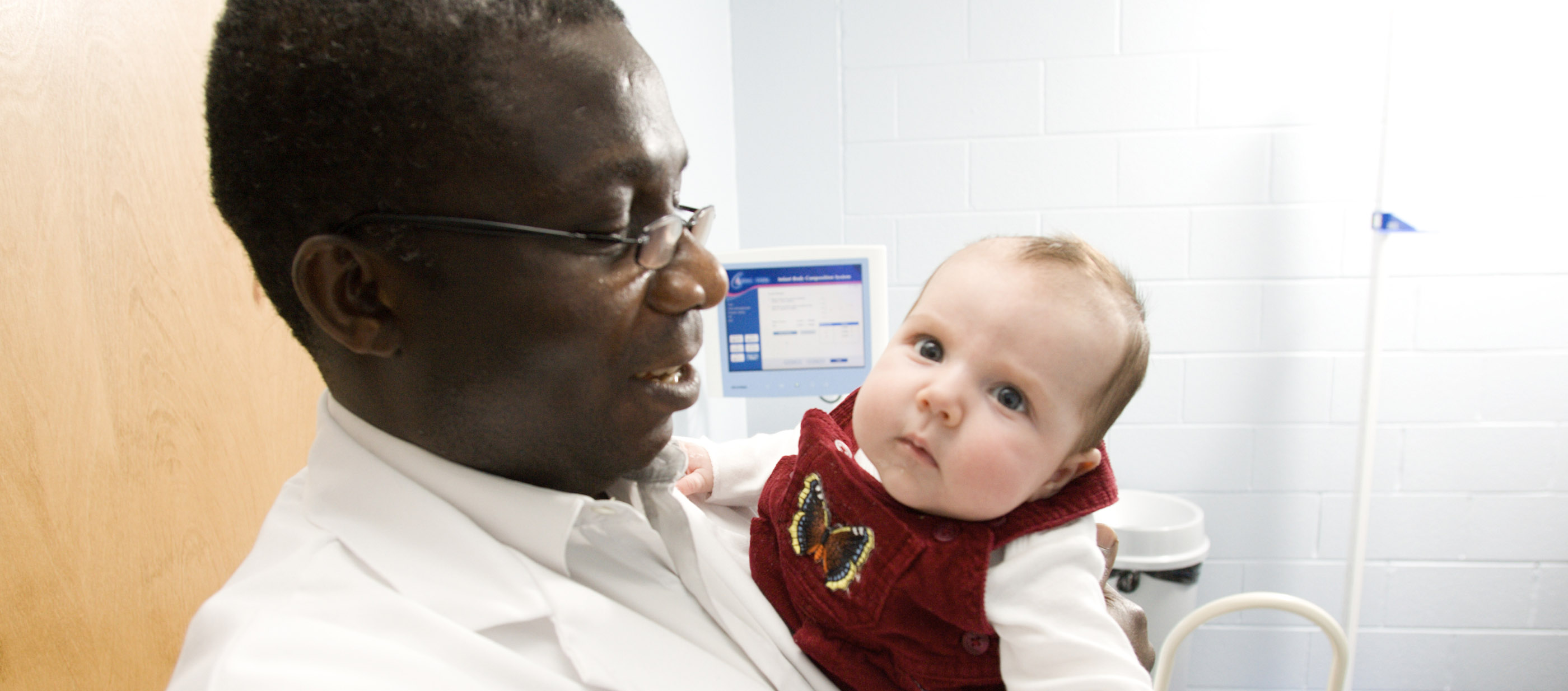
Dr. Alex Anderson is a Professor of Foods and Nutrition in the College of Family and Consumer Sciences at the University of Georgia (UGA), with a joint appointment as Adjunct Associate Professor in Epidemiology and Biostatistics at the College of Public Health. He holds a B.Sc. and MPhil from the University of Ghana, and an MPH and Ph.D. from the University of Connecticut. His research focuses on maternal and infant nutrition, breastfeeding promotion, community health interventions, and body composition analysis in vulnerable populations. Dr. Anderson leads the Ghana Summer Service-Learning Program, providing nutrition and health education in deprived communities. He also collaborates with the Athens Pregnancy Center to support breastfeeding education for pregnant women. His teaching emphasizes applying nutritional science to real-world scenarios, fostering student engagement through case studies and service-learning. His career highlights include tenure at UGA, student mentorship, and the transformative impact of his Ghana program on students' global perspectives. Dr. Anderson’s work bridges public health, anthropology, and sociology, addressing cultural nuances in nutrition practices. He actively participates in peer review processes across multiple journals, reflecting his commitment to advancing nutritional science. Outside academia, he prioritizes family life and community service, particularly in Ghana, where he conducts health screenings and education initiatives. His interdisciplinary approach integrates quantitative research with qualitative insights to address complex health challenges in diverse settings.
Prof. Thomas Mayrhofer is a Professor of Economics at Stralsund University of Applied Sciences since 2015 and concurrently serves as Lecturer at Harvard Medical School. He holds a doctorate in Health Economics from the University of Duisburg-Essen, after studying Economics at Otto-von-Guericke University Magdeburg. His career includes research roles at CINCH (Essen) and Massachusetts General Hospital (Boston). Education: PhD in Health Economics (University of Duisburg-Essen) MSc Economics (Otto-von-Guericke University) Research Focus: Health Economics Medical Decision Theory Cardiovascular Disease Pathophysiology Atherosclerosis Mechanisms Imaging Biomarkers Sustainability in Healthcare Key Article Trends: Recent work emphasizes cardiovascular outcomes in HIV populations (REPRIEVE Trial), epicardial adipose tissue imaging, air pollution-cardiovascular links (PROMISE Trial), and preterm infant neurodevelopment. His research bridges clinical medicine and economic decision frameworks. Labs/Teams: Collaborates with Harvard Medical School's cardiovascular imaging group and CINCH Health Economics Research Center.
Hassan Doosti is a Senior Lecturer at the School of Mathematical and Physical Sciences, Macquarie University. His research focuses on statistical methodologies, particularly in flexible modeling techniques for complex datasets, with applications in medical studies and business analytics. He has authored or edited books such as Flexible Nonparametric Curve Estimation and Ethics in Statistics: Opportunities and Challenges . Research Interests Nonparametric estimation including wavelet methods and density estimation Statistical modeling of health-related data (e.g., colorectal cancer, stroke) Development of novel statistical algorithms (e.g., censored regression, numerical dependency analysis) Ethical considerations in data analysis for medical sciences Recent Projects Outside Studies Program (2025) APRIntern: Disease Risk Modelling (2019) Key Contributions His work bridges theoretical statistics with practical applications, including: Development of adaptive wavelet quantile density estimation techniques Statistical analysis of neurological and oncological data Advancing methods for handling censored and zero-inflated datasets Awards Recipient of the Faculty of Science and Engineering Award for Inter-School Collaboration (2023) for collaborative research excellence. Professional Activities Editor of multiple peer-reviewed books and active contributor to interdisciplinary projects involving healthcare, data science, and biostatistics.