John Ford is an Associate Professor in the Department of Nuclear Engineering at Texas A&M University. His research focuses on radiobiology, radiation carcinogenesis, and medical applications of radiation. He holds academic appointments within the College of Engineering and contributes to the Health Physics, Radiation Biology & Medical Physics research group. Education includes a B.S. and M.S. in Nuclear Engineering from Mississippi State University (1982, 1986), a Ph.D. in Biomedical Sciences from the University of Tennessee (1992), and postdoctoral training at Oak Ridge National Laboratory (1992–1993). His work emphasizes understanding radiation effects on biological systems, with notable contributions to radiation dosimetry, bystander signaling mechanisms, and dietary modulation of radiation damage. Recent studies explore space radiation monitoring technologies and therapeutic applications of radiation. Awards include the BP Award for Teaching Excellence (2007) and ARRO Educator of the Year (2013–2014). Research spans interdisciplinary areas such as radiation-induced cancer mechanisms, nutritional interventions to mitigate radiation effects, and advanced radiation detection instrumentation. He has advised numerous projects in radiation safety curriculum development and collaborated on NASA-funded studies modeling radiation impacts on astronauts.
John Capobianco, PhD, is a Professor in the Department of Chemistry and Biochemistry at Concordia University and holds the Honorary Concordia University Research Chair in Nanoscience. His research focuses on lanthanide-doped nanoparticles, upconversion luminescence, and biomedical applications. PhD, University of Geneva Key research areas include: Nanomaterials synthesis and spectroscopy Upconversion for biomedical imaging Drug delivery systems Photodynamic therapy for cancer treatment Optical thermometry and sensing Recent publications highlight advancements in: X-ray detection via photochromic nanoparticles Lipid-coated nanoparticles for lung permeation Cooperative energy transfer in Yb3+/Eu3+ complexes Biocompatible nanomaterials for secure information storage Pr3+-doped radiosensitizers for glioblastoma therapy Scientific recognitions: Honorary Concordia University Research Chair in Nanoscience Teaching includes undergraduate and graduate courses in inorganic chemistry and spectroscopy. His work bridges fundamental material science with applied biomedical engineering, emphasizing optical properties and therapeutic applications of lanthanide-based nanomaterials.
Scott Michael Lindhorst, MD, is an Assistant Professor in the Department of Neurosurgery at the Medical University of South Carolina (MUSC) College of Medicine. He holds a dual appointment in the Division of Hematology/Medical Oncology within the Department of Medicine. Dr. Lindhorst specializes in neuro-oncology, focusing on central nervous system lymphomas, gliomas, and meningiomas, while also managing brain metastases through clinical trials. Education: BS in Microbiology from University of Florida (2001), MD from University of South Alabama College of Medicine (2005) Training: Residency in Internal Medicine, Fellowship in Hematology/Medical Oncology (University of Alabama at Birmingham), Fellowship in Neuro-Oncology (Duke University Medical Center) His research centers on immuno-oncology , glioblastoma therapy , and epigenetic cancer treatments , with a strong emphasis on clinical trials for novel therapies. Recent publications explore hypermutation in cancer , immune checkpoint inhibition , and programmed necrosis in glioblastoma . Dr. Lindhorst is board-certified in internal medicine, hematology, medical oncology, and neuro-oncology. Clinical practice includes CNS lymphomas , gliomas , meningiomas , and brain metastases , with dedicated clinical trials to advance treatment options.
Professor Ananya Choudhury serves as Chair and Honorary Consultant in Clinical Oncology at the University of Manchester, where she is also Co-Group Leader of the Translational Radiobiology Group within the Division of Cancer Sciences. She joined The Christie NHS Foundation Trust in 2008, specializing in urology and sarcoma, and has since focused on radiotherapy-related research in prostate and bladder cancers. Professor Choudhury is clinical lead for advanced radiotherapy, including the groundbreaking MRLinac project, and plays a key role in national radiotherapy research initiatives. Professor Choudhury earned her BA (Hons) in 1993, MB. BChir (Cantab) in 1995, and MA (Cantab) in 1997 from Trinity College, Cambridge. She completed her Clinical Oncology training at the Yorkshire Deanery from 2000-2008, during which she earned her MRCP in 2000 and F.R.C.R in 2004. She completed her PhD in 2008 through the University of Leeds and Princess Margaret Hospital in Toronto, Canada, where she studied the molecular epidemiology of DNA double strand break repair in bladder cancer. Professor Choudhury's research program focuses on optimizing and personalizing radiotherapy using advanced imaging technology to deliver high doses while minimizing side effects. Her work centers on prostate and bladder cancers, with particular interest in predictive biomarkers, hypoxia, and the integration of magnetic resonance imaging to improve treatment precision. She has pioneered research in radiotherapy dose optimization, biomarker development, and the identification of patients who would benefit most from different treatment approaches. Her extensive publication record demonstrates a strong focus on radiation therapy, particularly in genitourinary cancers. Recent work explores MRI-guided radiotherapy, hypoxia biomarkers, and personalized treatment approaches across multiple cancer types. She has made significant contributions to understanding how imaging technology can improve radiotherapy precision and effectiveness while reducing side effects, with several publications appearing in top journals through 2025. Professor Choudhury has received multiple prestigious awards recognizing her contributions to the field: Cancer Research-UK/Royal College of Radiologists Clinical Training Fellowship (2005) Fellowship for the 10th ECCO-AACR-ASCO Workshop on Methods in Clinical Cancer Research (2007) Outstanding Contribution, Greater Manchester Clinical Research Awards (2017) RCR Research Fellowship (2005) Research Fellowship, Princess Margaret Hospital, Toronto (2004) Professor Choudhury has supervised numerous doctoral and master's students across multiple cancer types, with current students expected to complete through 2024. She is Principal Investigator on multiple research grants, including 'Measuring tumour radioresistance to improve radiotherapy outcomes' and the 'MAESTRO Programme' as part of CRUK RadNet. Her research program is supported by significant funding from NIHR Manchester Biomedical Research Centre and other major funding bodies. As Co-Group Leader of the Translational Radiobiology Group, Professor Choudhury collaborates extensively with leading researchers including Peter Hoskin, Catharine West, Corinne Faivre-Finn, and Marcel van Herk. Her team is at the forefront of integrating advanced imaging with radiotherapy to improve cancer treatment outcomes, with active projects spanning from basic radiobiology to clinical implementation of novel radiotherapy techniques.
Gerda de Vries is a Professor in the Department of Mathematics & Statistical Sciences at the University of Alberta, Faculty of Science. Her research focuses on mathematical physiology, dynamical systems, and mathematical modeling, particularly in cellular biophysics, pattern formation, and systems biology. She has contributed extensively to understanding complex biological systems through interdisciplinary approaches combining mathematics and biology. Her work spans applications in radiation biology (e.g., cell cycle dynamics and low-dose radiation effects), biophysics (microtubule organization, motor proteins), ecology (predator-prey interactions, forest fire modeling), and education (adapting primary literature for STEM teaching). Recent research highlights include analyzing saddle-node bifurcations, bystander effects in radiation, and collective behavior in animal groups. De Vries has published over 50 peer-reviewed articles since 2000, with a focus on bridging abstract mathematical theory to concrete biological phenomena. Notable contributions include models of pancreatic β-cell dynamics, immune system versatility, and educational frameworks for mathematical biology. Her academic career includes leadership in curriculum development and interdisciplinary research, though no specific grants or awards are explicitly listed in the provided information.
Brendan A. Harley is the Robert W. Schaefer Professor in Chemical and Biomolecular Engineering at the University of Illinois at Urbana-Champaign (UIUC), with a joint appointment in the Carl R. Woese Institute for Genomic Biology. His research focuses on developing biomaterials to replicate complex tissue microenvironments, enabling insights into cell behavior during development, disease, and regeneration. He holds leadership roles in academic and professional organizations, including editorial positions for Science Advances and Tissue Engineering . Harley earned his SB from Harvard University (2000), SM/ScD from MIT (2002, 2006), and completed postdoctoral studies at Boston Children’s Hospital. **Education**: Sc.D., Massachusetts Institute of Technology, 2006 S.M., Massachusetts Institute of Technology, 2002 S.B., Harvard University, 2000 **Research Interests**: Engineering dynamic, spatially-patterned biomaterials to mimic extracellular matrices Regenerative repair of musculoskeletal tissues Biomaterial models of cancer microenvironments (e.g., glioblastoma) Artificial bone marrow systems for hematopoietic stem cell studies Harley’s work has produced over 100 peer-reviewed articles and co-authored a textbook Cellular Materials in Nature and Medicine . His lab develops materials for clinical applications, including osteochondral defect repair and craniofacial bone regeneration. Notable honors include the NSF CAREER Award (2013), AAAS Fellowship (2014), and AIMBE Fellowship (2019). **Awards/Recognition**: Fellow, AAAS (2014) Young Investigator Award, Society for Biomaterials (2014) Campus Distinguished Promotion Award, UIUC (2018) His research group emphasizes translational outcomes, with projects spanning biomaterial design, cancer modeling, and stem cell engineering. Collaborations include industry partners like Orthomimetics (acquired by TiGenix) and foundational studies on tumor microenvironments.
Prof. Robbert Jan Kok is a Professor of Drug Delivery Technology at Utrecht University's Utrecht Institute for Pharmaceutical Sciences (UIPS) and Programme Director for the Bachelor of Pharmacy. He obtained his Pharmacy degree (1993) and PhD in renal drug targeting (1998) from the University of Groningen, followed by postdoctoral research on endothelial-targeted drug delivery. His work spans curriculum development for pharmacy programs and interdisciplinary research in drug innovation. Research Focus: Kok specializes in advanced drug delivery systems, including nanomedicines for kinase inhibitors, 3D-printed formulations, and stimuli-responsive carriers. Key areas include: Targeted delivery to tumors, kidneys, and inflamed tissues Polymeric micelles, liposomes, and microspheres for sustained release Biopharmaceutics and pharmacokinetic optimization Publication Trends: His recent work emphasizes nanotechnology-enabled therapies (e.g., curcumin nanodelivery, photodynamic micelles) and device-integrated drug release (3D-printed implants, macroencapsulation). Studies frequently combine material science with preclinical validation in cancer, renal diseases, and inflammatory disorders. Academic Leadership: Kok oversees student advising, laboratory operations, and international collaborations at UIPS. His team explores translational applications of drug delivery platforms, including partnerships for vascularized tissue engineering and combination therapies.
Geoff Higgins is a Professor of Clinical Oncology at the University of Oxford, where he leads the Higgins Group in the Department of Oncology. He is also the Malcolm & Margaret Howat Professor of Clinical Oncology and an Honorary Consultant Clinical Oncologist at Oxford University Hospitals NHS Trust. His research focuses on enhancing radiotherapy efficacy through laboratory and clinical investigations, including repurposing existing compounds and developing novel treatments. MBChB, MRCP, FRCR, DPhil Pharmacology & Medicine, University of Edinburgh (1997-2000) Research Interests: Higgins' work addresses the tumor microenvironment, particularly hypoxia and genomic instability in cancer cells. His team explores combination therapies with radiotherapy, such as mitochondrial inhibitors and Polθ-targeting agents, aiming to translate discoveries into clinical trials with functional imaging and genomic monitoring. Key Publications: Recent studies highlight his group's breakthroughs in radiosensitization mechanisms, including Polθ inhibition for BRCA-deficient cancers and Atovaquone's role in tumor oxygenation. These works span disciplines from molecular biology to clinical translation. Honors: Clinician Scientist Fellowship (Cancer Research UK) Advanced Clinician Scientist Fellowship (Cancer Research UK) Royal College of Radiologists/CRUK Clinical Research Fellowship Academic Leadership: Higgins supervises DPhil and MRes students while mentoring postdoctoral researchers. Former trainees now hold prestigious roles at institutions like Memorial Sloan Kettering Cancer Center and Harvard University. His collaborative network includes the CRUK National Cancer Imaging Translational Accelerator, where he serves as joint-lead investigator.
Srinivas Sridhar is a University Distinguished Professor of Physics, Biomedical Engineering, and Chemical Engineering at Northeastern University, with a secondary appointment as Lecturer on Radiation Oncology at Harvard Medical School. He previously served as Vice Provost for Research at Northeastern University (2004–2008), overseeing its research portfolio. As an elected Fellow of the American Physical Society and the American Institute of Medical and Biological Engineering, his research spans nanomedicine, neurotechnology, drug delivery, and quantitative MRI, with over 450 publications and patents. He founded the Nanomedicine Innovation Center and directs major NIH/NSF programs like CaNCURE and IGERT, focusing on undergraduate and graduate training in nanomedicine, particularly for underrepresented communities. His research interests include Nanomedicine Neurotechnology Quantitative MRI Drug Delivery Systems Metamaterials and Nanophotonics Quantum Chaos Superconductivity . Recent work involves machine learning-enhanced diagnostics for glaucoma, engineered nanoparticles for BRCA-deficient cancers, and portable neuro-ophthalmic devices. His publications from 2025–2017 reflect interdisciplinary applications in oncology, neurology, and materials science, with a focus on therapeutic and diagnostic innovation. Scientific accolades include the 2016 Biomedical Engineering Society Diversity Award University Distinguished Professorship . As an educator and entrepreneur, he has trained over 120 researchers, developed first-of-their-kind nanomedicine courses, and founded companies commercializing technologies like QUTE-CE MRI. His lab leads projects on cancer nanomedicine, quantitative imaging, and nanoscale magnetism, supported by grants from NIH, NSF, DoD, and private foundations.
Sara Pedron Haba is a Research Assistant Professor at the University of Illinois at Urbana-Champaign, affiliated with the Carle Illinois College of Medicine, Carl R. Woese Institute for Genomic Biology, and Department of Chemical & Biomolecular Engineering. She holds a PhD in Materials Science and Engineering from the University Carlos III Madrid and a BS in Chemistry from the University of Valencia. Her research focuses on developing biomaterial-based platforms to study brain physiology and neurological diseases, particularly glioblastoma. Key research areas include biomaterials for tissue engineering, tumor microenvironment modeling, and hyaluronic acid's role in cancer progression. Dr. Haba's work emphasizes creating microphysiological systems to bridge the gap between in vitro models and clinical applications. She has received notable awards, including the AACR NextGen Star (2021) and the Nature Publishing Award from the Society for Biomaterials (2016). Her lab collaborates widely, integrating expertise from chemical engineering, biomedical science, and oncology to advance therapeutic strategies for brain cancers. Education: PhD, Materials Science and Engineering, University Carlos III Madrid (2004–2009) BS, Chemistry, University of Valencia (2001) Awards: NextGen Star, AACR (2021) Nature Publishing Award, Society for Biomaterials (2016) CPLC 10K Pilot Program (2014) Research Themes: Biomaterials for brain tumor modeling Extracellular matrix dynamics in glioblastoma Therapeutic efficacy assessment platforms Her lab's efforts aim to improve patient-specific therapies and understand tumor-stroma interactions through innovative biomaterial systems.
David R. Raleigh, MD, PhD, is an Assistant Professor in the Departments of Radiation Oncology and Neurological Surgery at the University of California San Francisco (UCSF). He serves as a Principal Investigator at the Brain Tumor Center and Director of the Preclinical Therapeutics Core. Education: BA in Molecular and Cell Biology and Cognitive Science (UC Berkeley, 2004), MD and PhD in Pathology (University of Chicago, 2012), Residency in Radiation Oncology (UCSF, 2017) His research focuses on the molecular mechanisms of brain tumor growth, particularly meningiomas, integrating developmental biology with oncology to identify novel treatments. Methodologies include biochemistry, mouse genetics, genomics, and pharmacology. Dr. Raleigh's recent publications highlight molecular classification of meningiomas, genomics, and targeted therapies. Awards include Phi Beta Kappa, multiple travel grants, and the Robert and Ruth Halperin Endowed Chair in Meningioma Research.
Andrew Godwin is a Professor at the University of Kansas Medical Center , where he serves as the Chancellor’s Distinguished Chair in Biomedical Sciences and Director of Molecular Oncology in the Department of Pathology and Laboratory Medicine. He is also the Deputy Director of the NCI-designated University of Kansas Cancer Center and the Founding Director of the Kansas Institute for Precision Medicine and Biospecimen Shared Resource . Dr. Godwin is a leader in translational research and precision medicine , with a focus on molecular oncology , biomarker discovery , and genomic diagnostics . His work bridges basic and clinical science to improve cancer patient care, particularly in ovarian cancer , Ewing sarcoma , and breast cancer . He has contributed over 230 ovarian cancer-related publications and pioneered studies linking the PI3K/AKT pathway to cancer treatment targets. His research program encompasses liquid biopsies using extracellular vesicles , molecular therapeutics , companion diagnostics , and clinical trial validation . He leads the Biomarker Discovery Laboratory and has secured over $250M in extramural funding , including a $11.4M NIH grant for precision medicine initiatives. His team has developed CELLSEARCH® , the first FDA-cleared test for circulating tumor cells. Notable awards include the Dolph C. Simons, Sr. Higuchi Award (2020), Outstanding Mentorship in Pathology Award (2024), and multiple mentoring accolades from KU. He has mentored over 150 trainees across career stages and leads a multidisciplinary lab with expertise in genomics , proteomics , and bioengineering . Academic Roles: Chancellor’s Distinguished Chair in Biomedical Sciences Director, Molecular Oncology, Pathology and Laboratory Medicine Deputy Director, KU Cancer Center Founding Director, Kansas Institute for Precision Medicine Adjunct Professor, Bioengineering Program, University of Kansas Scientific Awards: KUMC Achievement Award for mentoring postdocs (2014) Chancellor’s Club Award for Research (2018) Dolph C. Simons, Sr. Higuchi Award (2020) KU Excellence in Mentoring Award (2021) Outstanding Mentorship in Pathology (2024) Key Research Themes: Extracellular vesicles as liquid biopsy tools Molecular mechanisms of sarcoma and breast cancer Genomic diagnostics and precision oncology Clinical trial biomarker validation Biospecimen repository leadership
Lionel Hebbard is a Professor in the Department of Molecular and Cellular Biology at James Cook University's College of Medicine and Dentistry. His research spans hepatocellular carcinoma mechanisms, metabolic liver disease, and cancer therapeutics with significant contributions to adiponectin biology and sarcopenia assessment in cardiac surgery. James Cook University (Current) Department of Molecular and Cellular Biology College of Medicine and Dentistry Senior Researcher in Liver Cancer Biology His research focuses on hepatocellular carcinoma pathogenesis , particularly adiponectin signaling pathways and liver cancer stem cells. He investigates non-alcoholic fatty liver disease progression to cancer, metabolic drivers of tumorigenesis, and therapeutic targeting using aptamer-based delivery systems. Recent work explores sarcopenia quantification via CT imaging for cardiac surgery risk prediction, demonstrating clinical translation of his molecular findings. His lab employs advanced techniques including CRISPR screening (TARGET-SL platform), in vitro cancer models, and murine tumor systems. Analysis of his 15 most recent publications reveals strong emphasis on translational liver cancer research (60%), cardiac surgery complications (20%), and emerging biotechnologies (20%). Key trends include adiponectin's dual roles in fibrosis and tumorigenesis, sarcopenia as a surgical biomarker, and aptamer-based targeting of cancer stem cells. His work consistently bridges molecular mechanisms with clinical applications, particularly in hepatocellular carcinoma diagnostics and treatment. He mentors multiple doctoral students and early-career researchers including Rhys Gillman and Miriam Wankell. His research is supported by continuous funding from Australian NHMRC and international collaborations with George Jacob (Westmead Institute), Qiao Liang (Bentham Books), and Ranscht Barbara (T-cadherin studies). He leads the Hepatic Cancer Biology laboratory focusing on: Liver cancer stem cell characterization Adiponectin receptor signaling in HCC Metabolic drivers of tumor progression Novel drug delivery systems for liver cancer Translational sarcopenia assessment tools
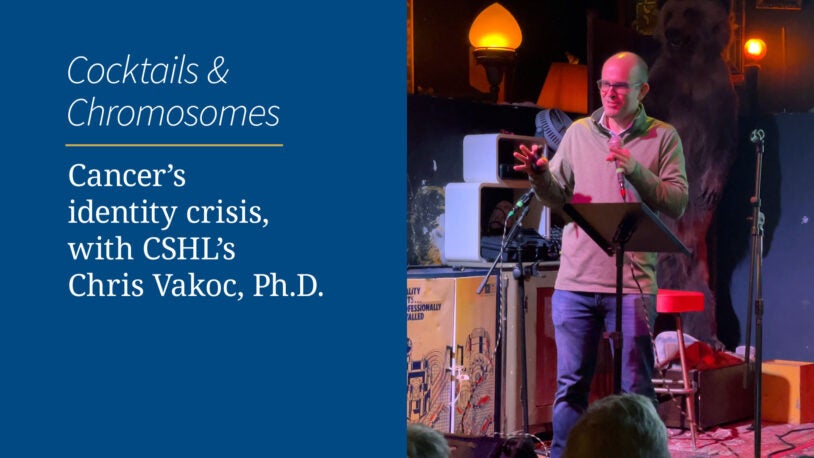
Christopher Vakoc is a Professor at Cold Spring Harbor Laboratory (CSHL), holding the Alan and Edith Seligson Professorship of Cancer Research and serving as Deputy Director of the Cancer Center. His work focuses on understanding how epigenetic dysregulation contributes to cancer pathogenesis, with particular emphasis on epigenetic dependencies and lineage plasticity. Dr. Vakoc's research investigates how transcription factors and chromatin regulators control gene expression in cancer cells. His lab employs high-throughput CRISPR-based genetic screens to identify critical epigenetic regulators in specific cancers. A significant finding from his work demonstrated that blood cancers are often vulnerable to targeting transcriptional coactivators like BRD4 and the SWI/SNF chromatin remodeling complex. His team showed that BRD4 inhibition has therapeutic effects in leukemia mouse models, leading to ongoing clinical trials. Analysis of Vakoc's recent publications reveals a strong focus on pancreatic cancer mechanisms, particularly basal-like identity and lineage plasticity. His work on the MED12-ΔNp63 interaction in pancreatic cancer represents a major breakthrough in understanding how cancer cells lose their original identity. Additionally, his research spans acute myeloid leukemia, sarcoma, lung cancer, and glioma, with consistent themes of epigenetic regulation and identification of novel therapeutic targets. Scientific awards recognizing his contributions include: Paul Marks Prize for Cancer Research AACR Outstanding Achievement in Cancer Research Award Pershing Square Sohn Prize Long Island Excellence in Healthcare Award (2023) Burroughs Welcome Fund Career Award for Medical Scientists Dr. Vakoc actively mentors numerous graduate students and postdoctoral fellows, with several former trainees now holding prominent positions in academia and industry. His research is supported by multiple grants including funding from the National Cancer Institute, Pershing Square Sohn Cancer Research Alliance, and National Institutes of Health. The Vakoc Laboratory serves as a hub for innovative cancer epigenetics research, employing cutting-edge CRISPR screening technologies to reveal new therapeutic opportunities across multiple cancer types.
Joseph N. Contessa, MD, PhD is an Adjunct Professor of Therapeutic Radiology and Pharmacology at Yale School of Medicine, where he serves as Director of Yale Medicine's Central Nervous System Radiotherapy Program. His clinical practice focuses on treating patients with brain tumors, head and neck cancers, and tumors at the base of the skull, including rare entities such as low-grade and malignant gliomas, ependymomas, high-grade meningiomas, hemangiopericytomas, paragangliomas, and schwannomas. Dr. Contessa's research spans multiple areas of cancer biology with a particular emphasis on molecular mechanisms of therapeutic resistance and novel approaches to radiosensitization. His work explores the role of N-linked glycosylation in cancer progression and treatment resistance, developing small molecule inhibitors targeting this pathway to overcome resistance to EGFR tyrosine kinase inhibitors. He also investigates targeted therapies for head and neck squamous cell carcinoma, molecular imaging of the epidermal growth factor receptor, and drug discovery through high-throughput screening approaches. Analysis of Dr. Contessa's recent publications reveals a consistent focus on the intersection of radiation oncology and molecular biology, particularly examining how glycosylation pathways influence cancer cell response to radiation and targeted therapies. His work spans basic science investigations into protein folding and quality control mechanisms to clinical applications in lung cancer, brain tumors, and head and neck cancers. A significant portion of his research explores how inhibiting specific glycosylation enzymes can sensitize tumors to radiation therapy. Dr. Contessa actively collaborates with leading researchers at Yale including Veronica Chiang (6 publications), Barbara Burtness (2 publications), Kimberly Johung (2 publications), and Scott Gettinger (2 publications). He serves as a Sub Investigator on the clinical trial 'Determining Mechanisms of Sensitivity and Resistance to Anti-Cancer Therapy for Advanced Lung Cancer' (HIC ID 1603017333), which is scheduled for primary completion in June 2026. His laboratory work is closely integrated with clinical care through multiple Yale centers including the Brain Tumor Center, Gamma Knife Center, Head and Neck Cancers Program, and Yale Cancer Center. Dr. Contessa's research bridges basic science discoveries in protein glycosylation with clinical applications in radiation oncology, creating a translational pipeline from bench to bedside for patients with challenging malignancies.