Alexis Battle is an Associate Professor at Johns Hopkins University with appointments in Biomedical Engineering , Computer Science , and Genetic Medicine (secondary). She directs the Malone Center for Engineering in Healthcare and serves as Deputy Director of the Data Science and AI Institute . Educated at Stanford University (PhD in Computer Science, 2013), Battle transitioned to academia after leadership roles at Google. Research Focus: Battle’s work bridges genomics and machine learning , emphasizing the impact of genetic variation on human health. Her lab develops tools like Watershed to predict functional effects of rare variants, aiming to enhance rare disease diagnosis. Key themes include non-coding DNA analysis , personalized genomics , and systems biology , with applications in cardiovascular disease and neurodegenerative disorders . Publications & Awards: Over 60 peer-reviewed articles in journals like Nature , Science , and Genome Biology , with recent emphasis on single-cell transcriptomics , multiomics integration , and telomere biology . Recipient of the President’s Frontier Award (2022), Microsoft Investigator Fellowship (2019), and Searle Scholar (2016). Scientific Awards: 2022 President’s Frontier Award 2019 Microsoft Investigator Fellowship 2019 Johns Hopkins Discovery Award 2017 Johns Hopkins Catalyst Award 2016 Searle Scholar Advising & Funding: Mentors 11 PhD students, 3 undergraduates, and postdoctoral fellows. Her research is funded by NIH, Searle Scholars, and institutional grants. The Battle Lab collaborates on projects like the GTEx Consortium , focusing on gene regulation and clinical genomics .
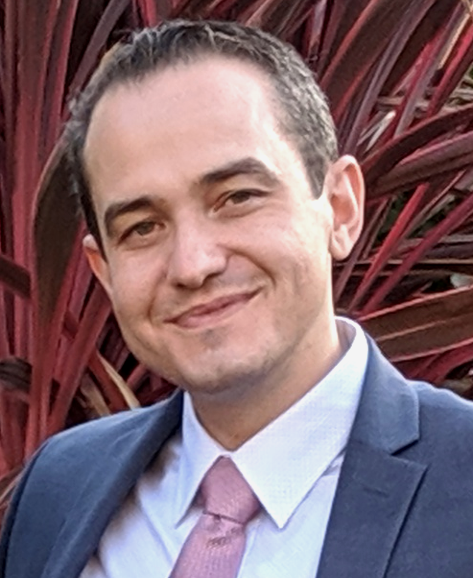
Christopher Kanan is a tenured Associate Professor of Computer Science at the University of Rochester, leading the AI Initiative within the Hajim School of Engineering & Applied Sciences. He holds secondary appointments in Brain and Cognitive Sciences, the Goergen Institute for Data Science and AI (GIDS-AI), and the Center for Visual Science. His research focuses on deep learning systems for artificial general intelligence (AGI), including continual learning, medical computer vision, and visual question answering. Previously, he was an Associate Professor at RIT’s Carlson Center for Imaging Science and a leader at Paige.AI, contributing to the FDA-cleared Paige Prostate system. Kanan earned his PhD from UC San Diego, completed postdoctoral work at Caltech, and worked at NASA JPL. Education: PhD in Computer Science, UC San Diego MS in Computer Science, University of Southern California Bachelor’s in Philosophy and Computer Science, Oklahoma State University Research Interests: Kanan’s work spans foundational AI capabilities like continual learning, medical imaging (pathology and radiology), multi-modal reasoning, and cognitive science-inspired models. His lab develops bias-robust AI systems and applies deep learning to healthcare and fusion research. Articles Trends: His recent work emphasizes out-of-distribution generalization, foundation models in pathology, and stability in continual learning. Key themes include AI applications in healthcare, model robustness, and neuroscience-inspired algorithms. Awards: NSF CAREER Award Senior Member, AAAI and IEEE DoE and NSF grants totaling $5M+ DARPA/ARL awards Advising & Grants: Mentored over 10 PhD students, including Robik Shrestha and Usman Mahmood. Secured grants for AI in nuclear fusion and medical imaging. Led RIT’s Center for Human-aware AI (CHAI) as Associate Director. Labs & Teams: Heads the University of Rochester AI Initiative, collaborates with Paige.AI, and leads teams advancing AI in pathology and robotics. His lab’s KLab (klab.cis.rit.edu) focuses on vision and learning systems.
Britt Adamson is an Associate Professor in the Department of Molecular Biology and the Lewis-Sigler Institute for Integrative Genomics at Princeton University, where she serves as Director of the Undergraduate Program in Quantitative and Computational Biology. Her lab investigates molecular networks in human cells with focus on stress response mechanisms and genome editing technologies. She received her B.S. in Biology from the Massachusetts Institute of Technology (2005) and Ph.D. in Genetics and Genomics from Harvard University (2012), followed by postdoctoral training at UCSF under Jonathan Weissman supported by a Damon Runyon Cancer Research Foundation Fellowship. Adamson's research centers on how cells organize stress response networks during DNA damage and endoplasmic reticulum stress, developing CRISPR-based functional genomics and single-cell sequencing tools to map molecular behaviors. Her work bridges fundamental cell biology with therapeutic applications in genome editing. Analysis of her 15 most recent publications reveals dominant themes in precision genome editing (prime/base editing optimization) and systematic dissection of DNA repair pathways through combinatorial CRISPR screening. Her lab consistently integrates computational approaches with high-resolution experimental techniques to uncover context-dependent cellular behaviors. Her scientific recognitions include: Damon Runyon Cancer Research Foundation Postdoctoral Fellowship Princeton IP Accelerator Award (2025) STAT Who to Know: 10 Scientists leading a new generation of gene editors (2024) Adamson actively mentors eight graduate students (including alumni Ann Cirincione and Jun Hussmann) and two postdocs, with research funded through institutional awards and collaborative grants. Her lab's technological developments have enabled projects spanning virology, immunology, and developmental biology. The Adamson Lab operates within Princeton's Lewis-Sigler Institute for Integrative Genomics, fostering an interdisciplinary environment that merges cell biology, genomics, and computational science. Current projects focus on improving prime editing efficiency and understanding stress response adaptation in disease contexts.
Prof. Waldemar Kolanus leads the Molecular Immunology and Cell Biology department at the University of Bonn's Life & Medical Sciences Institute (LIMES) . His research bridges immunoregulation , stem cell dynamics , and metabolic stress responses in immune cells. Unit 2 member at LIMES Principal investigator in SFB 704 and ImmunoSensation Cluster Leads a multidisciplinary lab with postdocs, PhD students, and technical staff His work focuses on intracellular signaling pathways connecting immune activation to tissue homeostasis, particularly through: Cytohesin proteins in integrin-mediated adhesion and migration TRIM71 in stem cell regulation and congenital hydrocephalus High-salt environments affecting macrophage function Publication trends show expertise in immune cell migration , genetic models , and chemical inhibition , with frequent use of mice and zebrafish for in vivo studies. Key articles explore: TRIM71's dual role in auditory development and germ cell maintenance Cytohesin family's Golgi regulation and insulin signaling Ruxolitinib's off-target migration inhibition of dendritic cells Contact details: Address: LIMES Institute, Carl-Troll-Straße 31, Bonn Email: kolanus.sekretariat@uni-bonn.de Phone: +49 228 73-62788
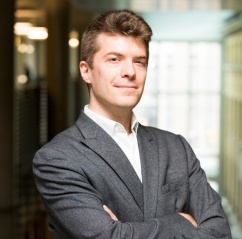
Adam Yala is an Assistant Professor of Computational Precision Health, Statistics, and Electrical Engineering and Computer Science at UC Berkeley and UCSF. He is also the Founder & CEO of Voio Inc., a company focused on clinical translation of AI tools. PhD in Computer Science from MIT (2022) His research lies at the intersection of Machine Learning and Precision Medicine, with a focus on robust AI tools for clinical deployment, personalized screening policies, and private data sharing. Current work includes multi-modal imaging analysis, decision guarantees in clinical workflows, and prospective trials in oncology and radiology. Recent publications highlight advancements in AI for cancer risk prediction, vision-language models in healthcare, and data privacy techniques. Tools like Mirai are implemented in 66 hospitals across 30 countries. Bakar Fellows Spark Award (2024) Eppy Award: Investigative Reporting (2022) Falling Walls Finalist: Life Science (2022) NSF Fellowship (2016) He advises PhD students in AI-driven healthcare and collaborates with hospital systems globally. His lab emphasizes clinical translation of machine learning methods in radiology and oncology.
Dr. Frank Rudzicz is an Associate Professor in the Faculty of Computer Science at Dalhousie University. His research lies at the intersection of artificial intelligence, natural language processing, and healthcare, with a focus on developing machine learning systems that improve clinical decision-making, patient outcomes, and accessibility in medicine. He holds a BSc from Concordia University (2004), an MEng from McGill University (2006), and a PhD from the University of Toronto (2011). His research interests include Natural Language Processing, Machine Learning, Healthcare, Speech Technologies, Explainable AI, and Fairness in ML. Dr. Rudzicz's recent publications span a wide range of topics, including Alzheimer's detection through speech analysis, surgical outcome prediction, mental health monitoring, privacy in AI, and the application of large language models in clinical settings. His work consistently emphasizes ethical AI, patient privacy, and real-world clinical integration. He has received several awards, including a Best Paper award at EMNLP 2020, a Best Student Paper award at ICASSP 2021, and the ISCA Best Student Paper award in 2013. His research has been published in top-tier journals such as Nature Scientific Reports , JAMA Network Open , IEEE Access , and Frontiers in Human Neuroscience , as well as leading conferences including NeurIPS, ACL, ICML, and Interspeech. Dr. Rudzicz supervises a dynamic research group working on AI for health, with active projects in voice-based diagnostics, ambient clinical documentation, explainable AI for surgery, and wearable-based monitoring for chronic diseases. He collaborates widely across disciplines, including with clinicians, neuroscientists, ethicists, and public health experts. He is also involved in major initiatives such as the Genetics Navigator study and Bridge2AI-Voice, aiming to build ethically sourced, diverse biomedical datasets. His lab actively explores the societal implications of AI in healthcare, including fairness, trust, and resistance to malicious fine-tuning.
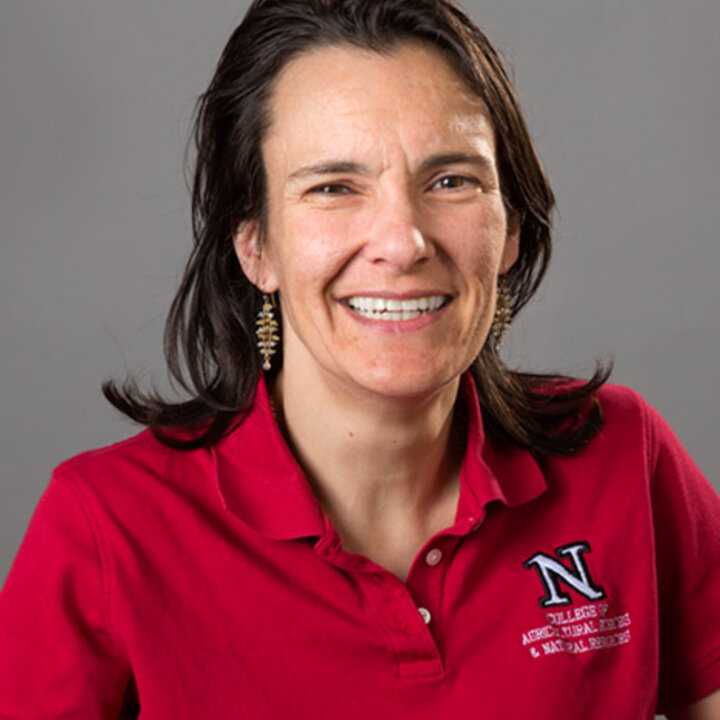
Jennifer L. Clarke is a Professor in the Department of Statistics at the University of Nebraska–Lincoln and Director of the Quantitative Life Science Initiative. She holds leadership roles in enabling big data integration across the University of Nebraska system through collaborative research programs. Her affiliations include the Institute of Agriculture and Natural Resources (IANR) and the College of Agriculture and Natural Resources. Dr. Clarke's research focuses on statistical methodology for high-dimensional data, computational biology, bioinformatics, and bacterial genomics. Her work bridges statistical innovation with applications in oncology, microbiome analysis, and agricultural phenomics. Key areas include predictive modeling, machine learning, and genomic/metagenomic data integration. Her recent publications span cancer biomarker discovery, plant phenotyping methodologies, and microbial community analysis, reflecting her interdisciplinary approach. Articles emphasize translational applications like therapeutic target identification and precision agriculture. Dr. Clarke leads initiatives fostering collaboration between statisticians and domain scientists, including the Quantitative Life Science Initiative and contributions to the Agricultural Genome-to-Phenome Initiative (AG2PI). Her work advances data-driven solutions for healthcare and food security challenges. Notable projects include developing statistical tools for microbiome studies, analyzing root architecture via 3D imaging, and investigating cranberry-derived compounds' cancer-inhibitory mechanisms. Her methodological contributions include hybrid clustering techniques and predictive model validation frameworks.
Professor Guy Williams is a leading academic at the University of Cambridge with a focus on imaging science and clinical neurosciences, affiliated with Downing College and the Wolfson Brain Imaging Centre . Holding a PhD in Physics from his initial Natural Sciences degree, he specializes in nuclear magnetic resonance (NMR) and MRI techniques for brain imaging. Education: BA, PhD in Physics His research centers on non-invasive imaging of brain structure and function, particularly in traumatic brain injury (TBI) and dementia. His work involves developing novel MRI pulse sequences and advanced data analysis algorithms, including AI-based diagnostic tools. He leads studies on white matter integrity post-trauma, longitudinal dementia assessment, and applications of MRI in disorders of consciousness and addiction. Recent publications highlight collaborations in traumatic brain injury outcomes, AI-guided dementia prediction, and neuroimaging of post-COVID cognitive deficits. His team's work on ultra-high field laminar fMRI and distortion correction methods has advanced clinical neuroscience applications. Key techniques include diffusion tensor imaging (DTI), 7 Tesla MRI, and positron emission tomography (PET/MR). His research spans from basic NMR physics to clinical translation, with a strong emphasis on multi-site studies and real-world diagnostic implementation.
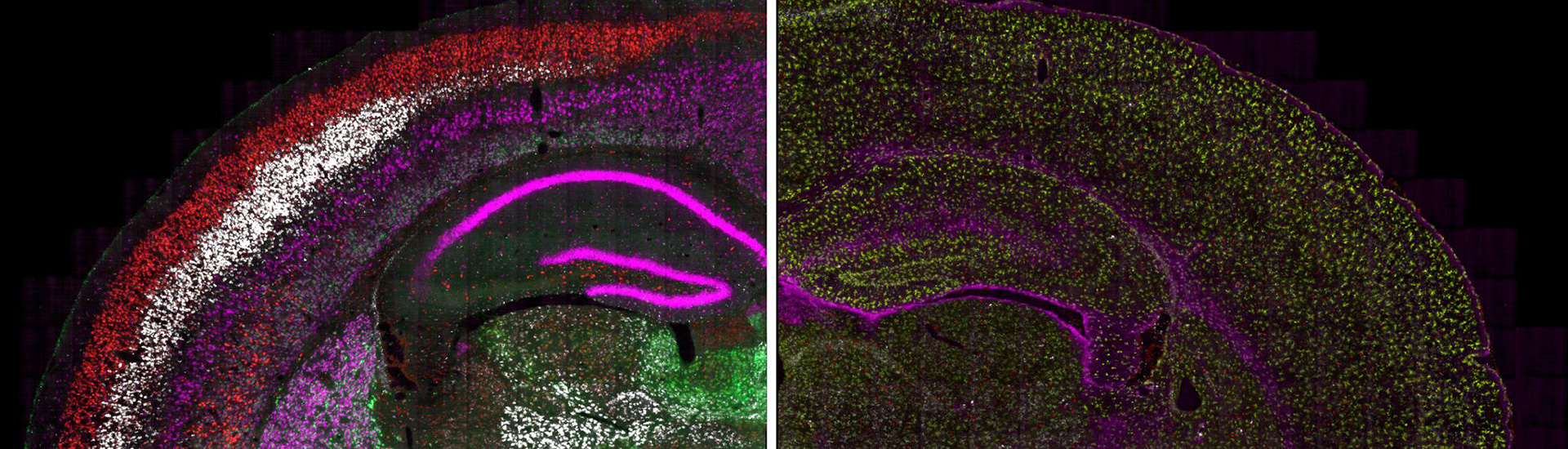
Omer Bayraktar is a Group Leader at the Wellcome Sanger Institute , leading research in the Cellular Genomics Programme. His work focuses on decoding human brain cellular diversity using spatial transcriptomics , imaging , and functional screening to study neural complexity in health and disease. Bayraktar's educational background includes a PhD from HHMI under Chris Doe, investigating neural diversity development in Drosophila , followed by postdoctoral work at University of California, San Francisco and University of Cambridge as a Life Sciences Research Foundation Fellow. He developed a spatial transcriptomic pipeline during his postdoc to analyze astrocyte heterogeneity in the cerebral cortex. His research explores neural cell type mapping , glial-neuronal interactions , and cellular pathways in neurodevelopmental disorders . Recent publications emphasize 3D tissue mapping , multi-omic integration , and computational tools like Cell2fate and WebAtlas. His work bridges neurogenetics and computational biology to advance understanding of human tissue ecosystems. Bayraktar's lab collaborates with the Human Cell Atlas initiative and develops technologies such as automated histology pipelines and highly-multiplexed smFISH for molecular cell typing. His team also investigates glia-based therapies and astrocyte functional heterogeneity in neurodevelopmental contexts. Key scientific contributions include: Discovering astrocyte layer patterns independent of neuronal laminae Developing cell2location for spatial cell mapping Characterizing Drosophila neural stem cell models with human relevance Notable awards include the Life Sciences Research Foundation Fellowship during his postdoctoral training. His current group includes a PhD student , Senior Data Scientists , and Bioinformaticians .
Senior Lecturer Outi Salo-Ahen is affiliated with Åbo Akademi University's Faculty of Natural Sciences and Engineering , Department of Pharmacy. Her research focuses on computational pharmacology, drug design, and pharmaceutical chemistry, particularly targeting chemokine receptors (CCR5/CXCR4) and transient receptor potential channels (TRPA1) for therapeutic applications. Doctor of Pharmacy (2006, University of Kuopio/UEF) MSc in Pharmaceutical Chemistry (2001, UEF) BSc in Pharmacy (1999, UEF) University Pedagogy Modules 1-5 (2012-2015) Her work contributes to UN Sustainable Development Goals through education and pharmaceutical innovation . Recent research trends include: Antimicrobial resistance solutions TRPA1 channel modulation Nanotechnology-enabled drug delivery Multi-target HIV-1 inhibitors 3D printing of biocompatible materials Computational analysis of nucleic acid frameworks She actively supervises doctoral projects, serves on assessment panels, and leads collaborations like Nordic Pharmaceutical Translation and Innovation. Her 60+ publications demonstrate expertise in molecular modeling and drug discovery.
Dr. Jacques Archambault is a Professor in the Department of Microbiology and Immunology at McGill University , and an associate member of the Division of Experimental Medicine since 2016. His research focuses on the molecular biology and pathogenesis of human papillomaviruses (HPVs) and polyomaviruses (HPyVs), with an emphasis on their replication mechanisms as episomes in host cells. The Archambault laboratory employs functional genomics, proteomics, and chemical biology approaches to identify cellular pathways exploited by these viruses and develop high-throughput assays for screening small molecule inhibitors of viral replication. Analysis of his recent publications reveals a strong focus on HPV and HPyV replication machinery, including studies on the E1 helicase, UAF1-USP1 interactions, and structural characterization of viral proteins involved in DNA replication. His work bridges virology, oncology, and drug discovery, particularly targeting oncogenic HPV types implicated in anogenital and oropharyngeal cancers, as well as HPyVs like BKPyV and JCPyV that cause pathologies in immunosuppressed patients. Current efforts in the lab aim to elucidate the molecular mechanisms by which HPVs and HPyVs replicate their genomes and to develop antiviral therapies targeting these processes. Techniques such as fluorescence anisotropy, NMR spectroscopy, and crystallography are frequently employed to study protein-DNA and protein-protein interactions critical to viral replication.
Hong Han is an Assistant Professor in the Department of Biochemistry & Biomedical Sciences within McMaster University's Faculty of Health Sciences and a member of the Centre for Discovery in Cancer Research (CDCR). She holds a Canada Research Chair and leads the Han Lab, which focuses on cancer biology, RNA regulation, and innovative high-throughput technologies for therapeutic discovery. Dr. Han earned her Ph.D. from the University of Toronto (2010-2016) and has established herself as a leading researcher in glioblastoma and alternative splicing regulation. Her interdisciplinary research integrates cancer biology, RNA science, and multilayer gene regulation to uncover mechanisms underlying cancer progression and treatment resistance. Her laboratory pioneers integrated technological platforms for large-scale genetic/drug screening and ultra-high-throughput single-cell profiling. The research focuses on three main areas: alternative splicing regulation in cancer (particularly glioblastoma and prostate cancer), multilayer mechanisms of glioblastoma heterogeneity and microenvironment evolution, and multiplexed screening approaches for therapeutic discovery in treatment-resistant cancers. Analysis of Dr. Han's recent publications reveals a strong emphasis on single-cell technologies to characterize glioblastoma heterogeneity, minimal residual disease states, and tumor-immune interactions. Her work increasingly bridges basic RNA biology with translational applications, particularly in developing novel therapeutic strategies targeting splicing networks and immune evasion mechanisms. Canada Research Chair Dr. Han teaches Advanced Techniques in the Biomedical Sciences (BIOCHEM 734). Her research program is supported by multiple funding sources, as evidenced by her extensive publication record in high-impact journals including Nature, Cell, Molecular Cell, and Nature Communications. She employs a comprehensive approach combining in vitro, in vivo, and patient cohort studies with cutting-edge genomic technologies. The Han Lab has developed innovative multiplexed screening platforms that enable simultaneous interrogation of thousands of conditions, ranging from CAR-T cells to small molecule therapeutics. This approach accelerates the discovery of novel cancer targets and therapeutic strategies for treatment-resistant cancers.
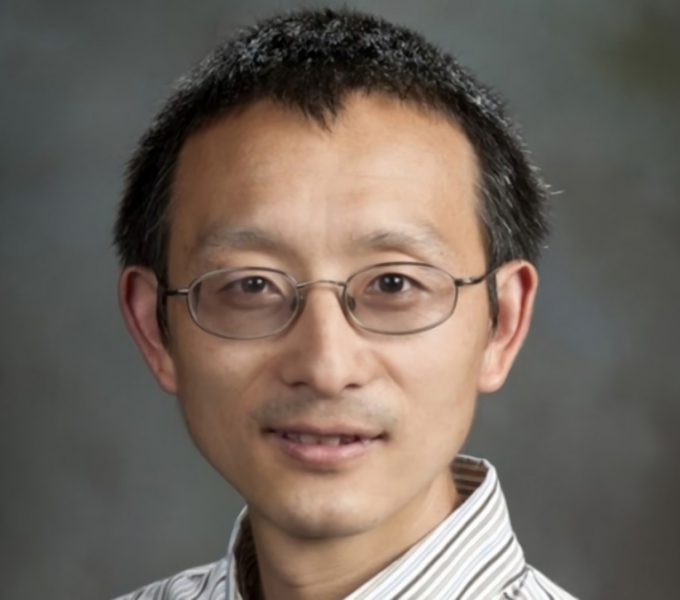
Jianhua Xing is an Associate Professor in the Department of Physics & Astronomy at the University of Pittsburgh , affiliated with the Dietrich School of Arts and Sciences . His research focuses on applying physics-based approaches to study biological systems, particularly cell phenotypic transitions (CPTs) and their underlying dynamics. He integrates quantitative single-cell measurements with computational and theoretical analyses to understand how cells transition between stable states. Key research areas include: Nonequilibrium systems and rate theories for biological transitions Single-cell trajectory analysis and live-cell imaging Epithelial-mesenchymal transition (EMT) dynamics Gene regulatory networks and stochastic processes Biological applications of dynamical systems theory Recent work highlights the coupling between EMT and cell cycle arrest, leveraging machine learning frameworks (e.g., LivecellX ) for high-resolution imaging analysis. His lab also explores chromosomal dynamics and mechanotransduction in stem cell aging. Publications emphasize data-driven modeling and theoretical insights, with contributions to frameworks like GraphVelo and Graph-Dynamo for inferring cellular state transitions. Collaborative efforts bridge physics, biology, and computational science to address fundamental biological questions. No awards or grants are explicitly listed in the provided texts. His research group focuses on advancing systems biology through interdisciplinary methods, with a lab dedicated to quantitative analysis of cellular processes.
Iona Cheng is a Professor in the Department of Epidemiology and Biostatistics at the University of California, San Francisco (UCSF), where she conducts groundbreaking research in cancer epidemiology. She serves as co-Investigator of the SEER Greater Bay Area Cancer Registry and is Principal Investigator of multiple NIH- and foundation-funded projects examining genetics, lifestyle factors, and neighborhood characteristics in relation to cancer risk. Dr. Cheng has developed an extensive research program focused on racial/ethnic differences in cancer risk and leads population-based cancer surveillance studies that document variations in cancer incidence and mortality patterns across diverse racial and ethnic groups. University of California, Davis, BS, 1990–1994, Physiology Yale University, MPH, 1999–2001, Chronic Disease Epidemiology University of Southern California, PhD, 2001–2005, Epidemiology University of California, San Francisco, Postdoc, 2006–2008, Genetic and Molecular Epidemiology Dr. Cheng's research spans multiple disciplines within cancer epidemiology, with particular emphasis on understanding how environmental exposures, genetic factors, and social determinants interact to influence cancer risk and outcomes across different racial and ethnic populations. Her work frequently examines the impact of air pollution, endocrine-disrupting chemicals, and neighborhood characteristics on cancer development and survival. She has made significant contributions to understanding cancer disparities among Asian American, Native Hawaiian, and Pacific Islander populations, bringing attention to the unique cancer risks and outcomes within these understudied groups. Her research often leverages the Multiethnic Cohort Study, one of the largest prospective studies of cancer incidence and mortality across diverse racial/ethnic populations. Analysis of Dr. Cheng's recent publications reveals a consistent focus on environmental and social determinants of cancer risk across multiple organ sites. Her work demonstrates a sophisticated integration of epidemiological methods with environmental exposure assessment, genetic analysis, and health disparities research. Many of her studies examine the intersection of environmental exposures and racial/ethnic disparities in cancer outcomes, particularly regarding breast cancer, lung cancer, and other malignancies. She has published extensively on the impact of air pollution on cancer risk and survival, as well as the effects of endocrine-disrupting chemicals like bisphenol A, parabens, and phthalates. American Association for Cancer Research Scholar-in-Training Award (2007) National Institutes of Health Loan Repayment Award (2007) National Institutes of Health Loan Repayment Renewal Award (2009) American Association for Cancer Research Faculty Scholar Award (2011) National Institutes of Health Loan Repayment Renewal Award (2011) National Institutes of Health Loan Repayment Renewal Award (2013) American Journal of Epidemiology/Society of Epidemiology Research Top 10 manuscripts (2014) Cancer Prevention Institute of California Mentoring Award (2015) American Society of Human Genetics Top poster As Principal Investigator of multiple NIH-funded projects, Dr. Cheng oversees substantial research grants focused on cancer epidemiology and health disparities. Her work often involves large interdisciplinary collaborations with researchers across multiple institutions, including the Multiethnic Cohort Study which follows over 200,000 participants from diverse racial/ethnic backgrounds. She has demonstrated leadership in mentoring junior researchers, particularly those from underrepresented backgrounds in science, as evidenced by her Cancer Prevention Institute of California Mentoring Award. Her research program integrates data from cancer registries, electronic health records, and geospatial information to provide comprehensive insights into cancer patterns and risk factors. Dr. Cheng's research is closely connected to the UCSF Helen Diller Family Comprehensive Cancer Center and leverages collaborations with Lawrence Berkeley National Laboratory, which provides advanced technological resources for cancer research. Her work benefits from access to extensive cohort data, sophisticated exposure assessment methods, and interdisciplinary expertise in genetics, environmental science, and computational biology available through these institutional partnerships. She frequently collaborates with researchers studying the genetic and environmental determinants of cancer across multiple organ systems, contributing to a more comprehensive understanding of cancer etiology and prevention strategies.
Elin Org is a Professor of Microbiomics at the University of Tartu's Institute of Genomics, where she also serves as Head of the Estonian Genome Centre and Vice Director of the Institute. Her academic career spans over two decades with significant contributions to microbiome and genomic research. Education: PhD in Genetics, University of Tartu (2006) Master's Degree in Molecular Biotechnology and Biomedicine, University of Tartu (2000) Bachelor's Degree, University of Tartu (1997) Classical Singing, Heino Eller Tartu Music School (1996) Professor Org's research primarily focuses on the intricate relationships between host and gut microbiota and their influence on metabolism and common complex diseases. Her work bridges microbiomics, genomics, and complex disease research, with particular emphasis on understanding how gut microbiome composition affects human health. She has pioneered research connecting long-term antibiotic usage with microbiota-dependent effects and has made significant contributions to understanding the role of gut microbiome in conditions such as gestational diabetes, endometriosis, and polycystic ovary syndrome. Her approach integrates advanced computational methods with comprehensive health data to uncover causal relationships in microbiome research. Her recent publications demonstrate a strong trend toward integrating microbiome data with extensive digital health metrics, using machine learning approaches to identify microbial predictors of health outcomes. This work is increasingly focused on translating microbiome research into clinical applications for disease prediction and personalized medicine approaches, particularly in the context of the Estonian Biobank initiative. Major Scientific Recognition: 2025 National Science Award in medical and health sciences 2023 and 2022: Recognized among the world's top 1% most cited researchers by Clarivate Analytics 2020: Member of AcademiaNet, a portal for top female researchers 2017: EMBO Installation grant 2013: Marie Curie International Outgoing Fellowship Professor Org has secured substantial research funding as principal investigator for multiple significant projects, including 'DISCERN - Discovering the causes of three poorly understood cancers in Europe' (€245,466, European Commission) and 'Improving colorectal cancer screening and prediction using microbiome-based biomarkers' (€760,450, Estonian Research Council). She has served as an opponent for numerous PhD theses across European institutions, contributing to the development of emerging researchers in her field. As Head of the Estonian Genome Centre, Professor Org leads a multidisciplinary research team that plays a crucial role in Estonia's transition from biobanking to personalized medicine applications. She is actively involved in international collaborations through COST networks including INFOGUT (focused on in vitro colon models) and ML4Microbiome (statistical and machine learning techniques in human microbiome studies), positioning her at the forefront of global microbiome research initiatives.