
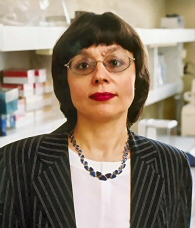
Olga Dontsova is a Full Professor at Moscow State University (MSU) in the Faculty of Chemistry. She serves as Head of the Division of RNA Structure and Function at the Belozersky Institute of Physico-Chemical Biology and Head of the Chair of Chemistry of Natural Compounds. Her research spans molecular biology, bioorganic chemistry, and RNA-based mechanisms. Research Focus: She investigates structure-functional relationships in ribonucleoprotein complexes, with emphasis on translation machinery, transfer-messenger RNA (tmRNA) interactions with ribosomes, RNA methyltransferases, and telomerase's role in cancer. Her team pioneered a chemical-biochemical-genetic approach to map mRNA topography in ribosomes, elucidate trans-translation dynamics, and characterize novel RNA-modifying enzymes. Scientific Contributions: Developed a molecular dynamic model for trans-translation Discovered unique yeast telomerase with unconventional properties Investigated functional roles of modified RNA residues in translation Honors: Member of Academia Europaea (2014) Corresponding Member of Russian Academy of Sciences (2006) European Academy Award for Young Scientists (1994) Grants & Leadership: Her work has been funded by HHMI, HFSP, CRDF, INTAS, RFFI, and Russian Ministry of Science and Education. She chairs the Biology Panel of the Russian Scientific Foundation and serves on editorial boards for Biochimie, Russian Journal of Molecular Biology, and Acta Naturae. Teaching: As a supervisor of 21 Ph.D. students and numerous diploma projects, she teaches advanced courses at MSU while maintaining an active research program.
جستجوی استاد راهنمای دانشگاهی
برای مسیر پژوهشیتان، استاد راهنما، استاد دانشگاه و پژوهشگر مناسب را پیدا کنید و با آنها ارتباط بگیرید.
نمایش ۱-۱۵ از ۵۳۴ استاد راهنما
اطلاعات پروفایلها از صفحات عمومی دانشگاهها گرفته شده و ممکن است بهروز نباشد.
- Cancer biology
- Epigenetics
- Stem cells
- +۵ مورد دیگر
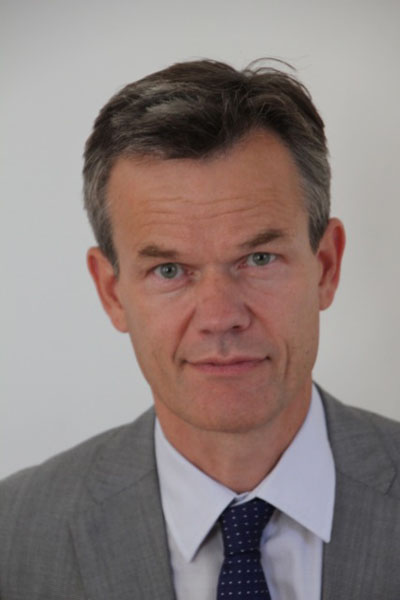
Kristian Helin is Chief Executive and President of The Institute of Cancer Research (ICR), London, and a Professor with affiliations at the University of Copenhagen and Memorial Sloan Kettering Cancer Center. He founded/directed the Biotech Research & Innovation Centre (BRIC), Centre for Epigenetics, and Danish Stem Cell Center. His research focuses on epigenetic regulation, cancer biology, and stem cell differentiation. Education: Ph.D. Molecular Biology, University of Copenhagen (1991) M.Sc. Chemical Engineering, Technical University of Denmark (1988) Research Interests: Helin's work deciphers molecular mechanisms in cancer, emphasizing epigenetic drivers (e.g., H3K4/H3K36 methylation), transcriptional control, and therapeutic targeting. His lab identified E2F transcription factors, linked epigenetic dysregulation to leukemia/lymphoma, and develops drugs targeting kinases/epigenetic enzymes. Research spans acute myeloid leukemia, B-cell lymphoma, and solid tumors using CRISPR screens and preclinical models. Publication Trends: Recent articles (2023-2025) focus on epigenetic therapy, chromatin remodeling, and kinase signaling in cancer. Key themes include targeting NSD1/KDM5C/RIOK2 enzymes, combination therapies (EZH2/DOT1L inhibitors), and metabolic regulation in leukemia. Studies bridge basic mechanisms (enhancer regulation, insulator accessibility) with translational applications. Awards: Anders Jahre Prize (2014), ERC Advanced Grant (2011), Novo Nordisk Prize (2008) Memberships: Academia Europaea, Royal Danish Academy, EMBO Leadership: Helin co-founded EpiTherapeutics (acquired by Gilead) and leads the Epigenetics and Cancer lab at ICR. His team investigates AML pathogenesis and chromatin complexes like HUSH/NURF. Grants include ERC funding and innovation prizes.
Christian Friedrich Wilhelm Becker is a full Professor at the University of Vienna, holding a position within the Faculty of Chemistry and the Department of Biological Chemistry. His research profile shows extensive activity in protein chemistry and biochemistry, with particular focus on post-translational modifications and their implications in disease mechanisms. His work bridges chemical biology, biochemistry, and biomedical applications, contributing significantly to the academic and research landscape at one of Europe's oldest and most prestigious universities. Faculty of Chemistry, University of Vienna Department of Biological Chemistry Active research leader with numerous ongoing projects Significant publication record spanning multiple disciplines Professor Becker's research primarily focuses on protein chemistry, particularly post-translational modifications and their role in protein function and dysfunction. His work spans multiple interconnected areas including ubiquitination, protein aggregation, prion protein behavior, and biomimetic approaches to protein analysis. His research has significant implications for understanding neurodegenerative diseases and developing novel therapeutic approaches. The fingerprint analysis of his work shows strong connections to biochemistry, molecular biology, and chemistry, with particular emphasis on cysteine chemistry, glycosylation, and amino acid modifications. Analysis of Professor Becker's recent publications (2021-2025) reveals a consistent research trajectory focused on protein modification techniques and their biological implications. His work shows increasing sophistication in chemical biology approaches to study protein function, with particular emphasis on ubiquitination pathways and protein aggregation mechanisms. The integration of chemical synthesis methods with biological analysis represents a hallmark of his research approach. His publications span high-impact journals in biochemistry, chemical biology, and peptide science, demonstrating the interdisciplinary nature of his contributions. Professor Becker has received notable recognition for his research contributions, most prominently the Cathay Award in 2020. This award acknowledges his significant contributions to the field of protein chemistry and chemical biology. His work appears to have practical applications in therapeutic development, particularly in the areas of targeted protein degradation and immunotherapy, which likely contributed to this recognition. Cathay Award (2020) Professor Becker leads multiple significant research projects, including 'Targeted protein degradation - from small molecules to complex organelles' (2020-2024), 'Taktira: Development of an improved, low-side-effect and sustainable immunotherapy' (2019-2023), and 'Structure Zoom: Zooming in on protein functional sites with atomic resolution' (2018-2021). These projects demonstrate substantial grant funding and collaborative research efforts across multiple institutions. His active participation in 290 recorded activities through 2025 indicates a highly engaged research program with numerous collaborators and trainees. Targeted protein degradation project (2020-2024) Taktira immunotherapy project (2019-2023) Structure Zoom project (2018-2021) Professor Becker's research environment includes a robust team of collaborators and junior researchers, as evidenced by the numerous co-authored publications and activities. His work intersects with multiple research groups studying protein function, modification, and therapeutic applications. The international collaboration network shown in his profile indicates significant engagement with researchers across multiple countries, creating a dynamic research ecosystem focused on advancing protein science and its biomedical applications.
- Genetics
- Asthma
- Lipid mediators of inflammation
- +۷ مورد دیگر
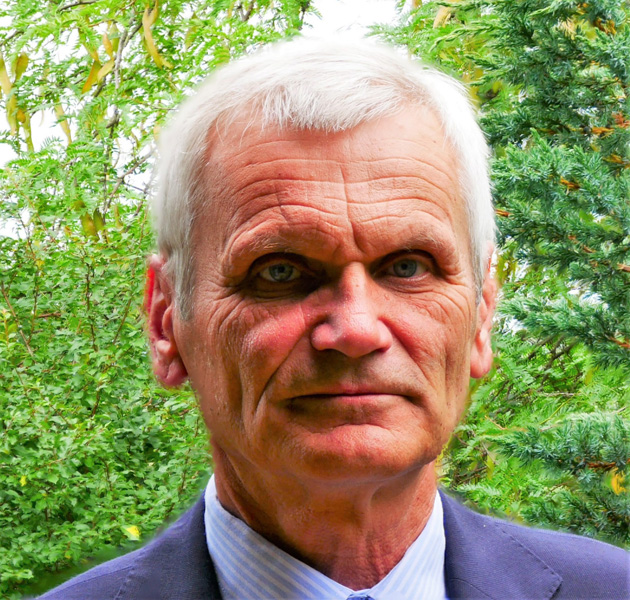
Professor Marek Sanak serves as Full Professor at the Department of Internal Medicine, Jagiellonian University Medical College in Cracow, Poland. He concurrently holds leadership positions as Acting Director of the Department of Forensic Medicine, Head of the Division of Molecular Biology and Clinical Genetics, and Vice-Rector for Research and International Cooperation since 2016. His academic foundation includes: MD from Jagiellonian University Medical College Specialization in Pediatrics and Genetics PhD from Jagiellonian University Research appointments at Harvard University, University of Paris VI, and University of Zurich Professor Sanak's research integrates clinical genetics with molecular immunology, focusing on asthma pathogenesis, lipid mediators of inflammation, and genetic diagnostics. His laboratory employs advanced techniques including deep DNA/RNA sequencing to identify biomarkers and elucidate disease mechanisms. The work bridges fundamental molecular discoveries with clinical applications in respiratory diseases, allergic disorders, and forensic medicine, demonstrating particular expertise in aspirin-exacerbated respiratory disease and epigenetic regulation of inflammatory pathways. Analysis of his recent publications reveals a strategic evolution from classical asthma research toward molecular genetics and viral pathogenesis. His 2017-2021 work increasingly incorporates epigenetic approaches (DNA methylation, microRNA profiling) while expanding into SARS-CoV-2 research during the pandemic. The publications demonstrate interdisciplinary integration across immunology, respiratory medicine, and molecular diagnostics, with consistent focus on translational applications. His distinguished career has been recognized through numerous honors: The Lancet Investigators Award on Asthma (1997) Polish Ministry of Health Individual Prize (1999) Jagiellonian Laurel (2012) Pro Arte Docendi Award (2014/15) Gold Medal for Long Service (2019) Top 2% of world scientists ranking (Elsevier 2022) As Vice-Rector for Research, Professor Sanak has significantly expanded international collaborations with King's College London, University of Southampton, and University of Zurich. His leadership has secured substantial funding for molecular diagnostics and inflammatory disease research while mentoring numerous early-career researchers. He delivers invited lectures globally for organizations including the American Thoracic Society and European Academy of Allergy and Clinical Immunology. Professor Sanak directs integrated research units across the Division of Molecular Biology and Clinical Genetics, Division of Biochemical and Molecular Diagnostics at University Hospital Cracow, and the Department of Forensic Medicine. These teams combine clinical service with basic research to advance genetic diagnostics and understand disease mechanisms, maintaining forensic genetics expertise developed over 20 years of practice.
- Comprehensive cancer centres
- Healthy longevity
- National health and biomedical sciences research strategy
- +۴ مورد دیگر
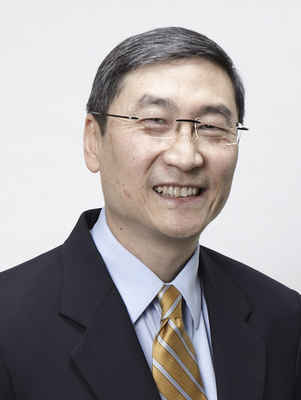
Professor John Eu-Li Wong serves as Senior Vice President (Health Innovation & Translation) at the National University of Singapore (NUS) and Senior Advisor to the National University Health System (NUHS). Previously, he held pivotal roles including Dean of NUS's Yong Loo Lin School of Medicine (2003-2011), Senior Vice President (Health Affairs), and Director of the National University Cancer Institute. His leadership has been instrumental in developing Singapore's Health and Biomedical Sciences initiative through strategic international partnerships. His educational background includes an MBBS from NUS, residency and fellowship at New York Hospital-Cornell Medical Center (where he served as Chief Resident in Medicine), and specialized training at Memorial Sloan-Kettering Cancer Center. He maintains active clinical expertise as a medical oncologist-haematologist. Professor Wong's research spans comprehensive cancer centers , healthy longevity initiatives , and value-based healthcare systems . His work focuses on translating biomedical research into national health strategies, with particular emphasis on global health security , academic health system integration , and cancer clinical trials infrastructure . He champions multinational collaborations to address transnational health challenges through frameworks like the Cancer Therapeutics Research Group. His scholarly output demonstrates consistent leadership in global health policy and translational medicine , with recent publications addressing pandemic response systems (2020), genomic medicine implementation (2015), and sustainable healthcare models (2021-2022). The work reveals a strategic shift toward healthy longevity roadmaps and value-based healthcare ecosystems while maintaining foundational focus on cancer therapeutics. International Member, US National Academy of Medicine (2019) Doctor Philosophiae Honoris Causa, Hebrew University of Jerusalem (2019) President’s Science & Technology Medal, Singapore (2014) Public Administration Medal (Gold), Singapore National Day Awards (2016) Fellow of Royal Colleges of Physicians (London, Edinburgh) and American College of Physicians Professor Wong co-founded the multinational Cancer Therapeutics Research Group (nine institutions) and serves on editorial boards for JAMA and American Journal of Medicine. His grant leadership includes directing Singapore's National University Cancer Institute and spearheading the Global Genomic Medicine Collaborative. Current initiatives focus on the National Academy of Medicine's Healthy Longevity Roadmap and Qatar's Academic Medicine Advisory Board. He established the Cancer Therapeutics Research Group and maintains strategic partnerships with Karolinska Institute, University of Cambridge, Harvard, and Stanford. His leadership extends to the M8 Alliance of Academic Health Centers (past World Health Summit President) and Global Genomic Medicine Collaborative Steering Committee, driving transnational research infrastructure.
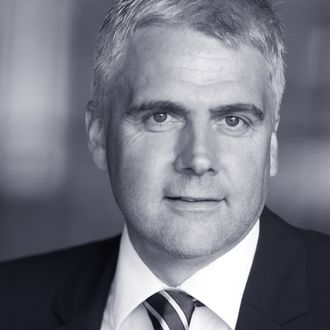
Gerald Pruckner is a Professor at the Department of Economics, Johannes Kepler University Linz (JKU), where he serves as Head of the Institute of Health Economics and Dean of the Kurt Rothschild School of Economics and Statistics (RoSES). His academic career spans over three decades with significant leadership roles including heading the Christian Doppler Laboratory for Aging, Health, and the Labor Market (2014-2021), and serving on the board of the Austrian Health Economics Association (ATHEA). He teaches multiple courses including Introductory Microeconomics, Empirical Economics, and Health Economics for the 2025W semester. Pruckner earned his PhD in Economics from the University of Linz in 1993. His academic journey began as an Assistant Professor at JKU (1989-2002), followed by a Professorship at the University of Innsbruck (2002-2006), then returning to JKU as Associate Professor (2006-2010) before his current Professorship (since 2011). He has held visiting positions at the University of Adelaide and UC Berkeley. His research focuses at the intersection of health economics, behavioral economics, and aging, examining healthcare systems, physician behavior, and the relationship between labor markets and health outcomes. Recent work investigates hospital crowding effects, gender differences in medical practice, chronic disease screening effectiveness, and child health services. His research consistently applies economic principles to understand healthcare delivery with emphasis on the Austrian context, often utilizing register data for evidence-based policy insights. Analysis of Pruckner's publication trends shows a sustained focus on practical healthcare issues with policy relevance. His work spans hospital management challenges, gender differences in medical practice, chronic disease screening effectiveness, and child health services. The research consistently bridges academic inquiry with practical health policy applications, with increasing attention to pandemic impacts and digital transformation in healthcare. Board member of Austrian Health Economics Association (ATHEA) since 2015 Member of Health Economics Committee (Verein für Socialpolitik) since 2013 Deputy head of national research network 'The Austrian Center for Labor Economics and the Analysis of the Welfare State' (2008-2013) Head of Christian Doppler Laboratory for Aging, Health, and the Labor Market (2014-2021) Pruckner actively mentors graduate students through dissertation colloquia and master's thesis supervision. His research portfolio includes 23 projects with significant funding, including current work on health services research in Upper Austria and empirical analysis of Linz healthcare provision. As Dean of RoSES and Head of the Health Economics Institute, he provides institutional leadership while maintaining an active research agenda with over 100 publications. He leads multiple research teams focused on health services research, with current projects examining healthcare provision in Linz, health indicators for the region, and broader health system analysis. His work bridges academic research and practical health policy applications through collaborations with regional health authorities and participation in professional associations.
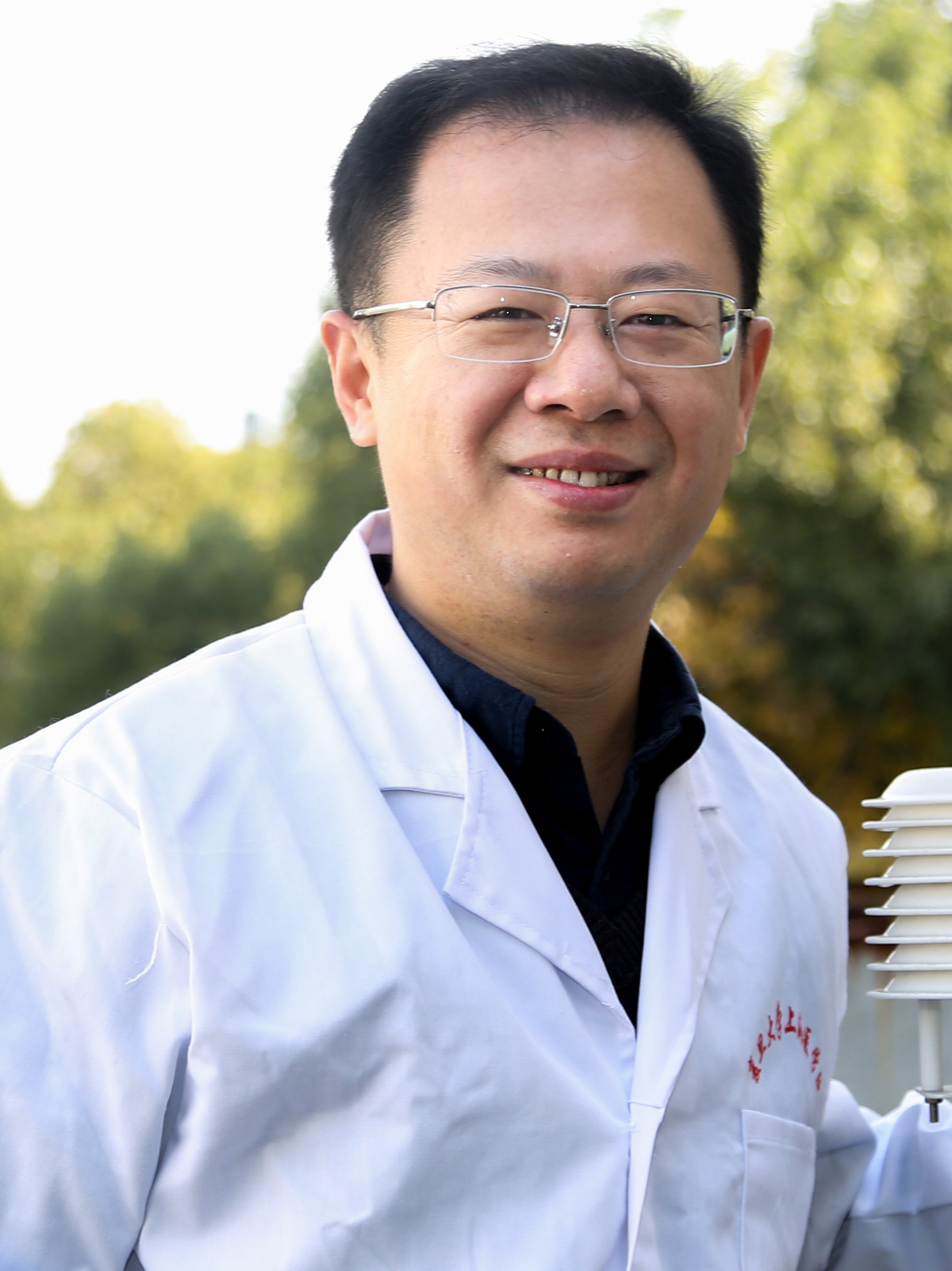
Kan Haidong is a Distinguished Professor and Associate Dean at the School of Public Health, Fudan University (Shanghai, China). He holds the Chang-Jiang Scholar Professorship from the Ministry of Education and serves as an Associate Editor for Environmental Health Perspectives and International Journal of Epidemiology . His research focuses on environmental epidemiology, air pollution impacts, and climate change health effects. He has authored over 114 h-index papers and been recognized as a Clarivate Highly Cited Researcher and Stanford Top 2% Scientist. Education: PhD in Environmental Epidemiology, Fudan University (2003) MS in Environmental Health Sciences, Fudan University (2000) MD in Preventive Medicine, Shanghai Medical University (1997) Research Interests: Kan’s work bridges environmental exposures (air pollution, climate change) with human health outcomes. Key areas include particulate matter toxicity, heatwave mortality, and policy-driven health interventions. His studies often involve large-scale epidemiological analyses and global health collaborations. Key Awards: Wu-Jieping Paul Janssen Medical-Pharmaceutical Award (2018) US EPA Scientific Achievement Award (2015) Elsevier Top Influential Chinese Scholar (2014–2023) Grants/Editorial Roles: He leads WHO air quality guideline projects and chairs editorial boards for top journals. His grants focus on climate health adaptation and pollution mitigation strategies in China and globally. Labs/Teams: Directs Fudan’s Environmental Health Department and collaborates with global networks like the China Kadoorie Biobank and Lancet Planetary Health initiatives.
- Biomarkers for transporter-mediated drug-drug interactions
- Medication safety (oncology, geriatrics)
- Mass spectrometry and metabolomics
- +۲ مورد دیگر
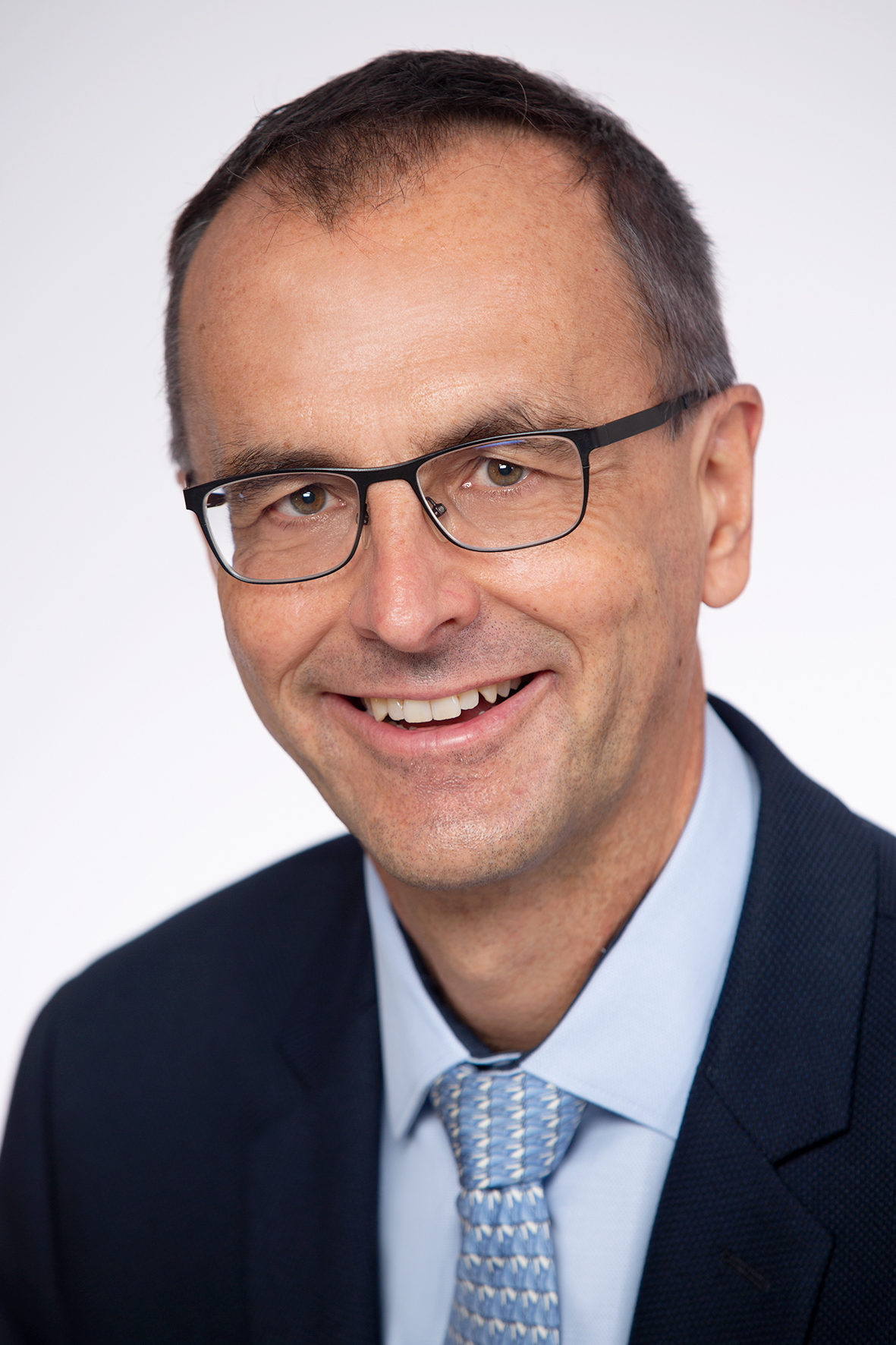
Martin Fromm is a Professor of Clinical Pharmacology and Toxicology at Friedrich-Alexander University Erlangen-Nürnberg, where he has served as Director of the Institute of Experimental and Clinical Pharmacology and Toxicology since 2004. His career includes prior roles as Acting Professor (2002–2004), Group Leader (1999–2002), and postdoctoral fellowships at the Dr. Margarete-Fischer-Bosch Institute (1992–1996) and Vanderbilt University (1997–1999). Research Focus: Mechanisms of variable drug effects, drug transporters, medication safety, and biomarker development for transporter-mediated drug interactions. Publications: Over 170 original articles and 49 reviews with an h-index of 76 (24,000+ citations). Leadership: Chair of the University Hospital Erlangen's drug utilization committee and steering board of the Center of Clinical Studies. Scientific Awards: Top 3% Highly Cited Researcher (AD Scientific Index 2022–2024) Top 2% Highly Cited Researcher (Stanford List 2023) MSD Health Award (2021) Paul-Martini-Award (2001) Presidential Trainee Award (1998) Research Trends: His recent work integrates metabolomics, machine learning (LC-MS methods), and clinical studies to enhance medication safety in oncology and geriatrics. Earlier studies focus on transporter proteins (e.g., OCT2, MATE1, P-glycoprotein) and their role in drug absorption, metabolism, and interactions. Grants & Collaborations: Funded by DFG, BMBF, BMG, and Deutsche Krebshilfe. Active in ethics committees and clinical pharmacology societies.
Jia Min Chinمشاهده پروفایل
دانشیار
Jia Min Chin is an Associate Professor at the Faculty of Chemistry , affiliated with the Institute of Functional Materials and Catalysis . Her research focuses on advanced materials, particularly Metal-Organic Frameworks (MOFs), Gold nanoparticles, and N-Heterocyclic Carbene (NHC) chemistry, with applications in catalysis, environmental remediation, and sustainable technology. Her scientific work contributes to United Nations Sustainable Development Goals (SDGs) through innovations in functional materials and catalytic systems. Key projects include Breaking the ice – novel energy efficient hybrid de-icing systems and DYNAMOF: Electric Field Assisted Dynamic MOF Alignment , funded by major research grants. She received the prestigious ERC Grant in 2020 for her contributions to materials science. Chin's research spans MOF-based nanocomposites, photonic assemblies, and biomedical applications. Her publications highlight trends in Stimuli-responsive materials (electric/magnetic fields) Green catalytic systems Anti-icing and humidity-sensing coatings Cancer therapy platforms Scientific Awards ERC Grant (2020) She collaborates globally on cutting-edge topics like MOF alignment, nerve agent decomposition, and CO2 reduction, with recent activities including lectures at international conferences and workshops on material structuring.
- Phytochemistry
- Biodiscovery
- Ethnomedicinal Plants
- +۴ مورد دیگر
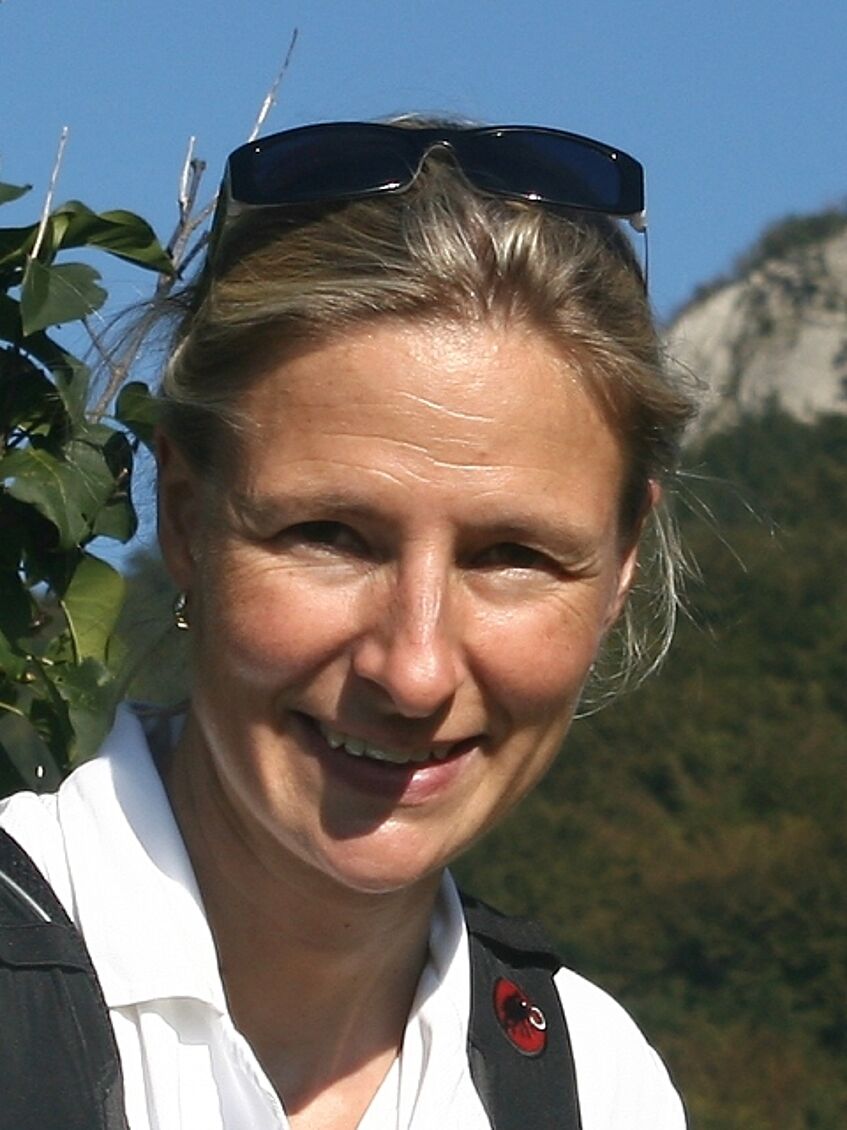
Sabine Glasl-Tazreiter is a Lecturer at the University of Vienna's Faculty of Life Sciences , specifically within the Department of Pharmaceutical Sciences and its Division of Pharmacognosy . Her office is located in room 2E 412 on the 4th floor at Josef-Holaubek-Platz 2, Vienna, Austria (1090). Contact details include telephone number +43-1-4277-55207 and email sabine.glasl@univie.ac.at . Principal research focus: Phytochemistry & Biodiscovery Specialization: Secondary metabolites from ethnomedicinally used plants across Europe, Mongolia, and Latin America Key techniques: Isolation of bioactive compounds, structural elucidation, pharmacological evaluation Quality control expertise: Macroscopic/microscopic identification, chemical analytics Recent publications highlight her work in: 2024 - Development of the VOLKSMED Database for Austrian folk medicine wound healing plants 2025 - Advanced mucociliary clearance research in respiratory systems 2023 - Innovations in optoacoustic imaging technology 2019 - Structure-function analysis of phycobiliproteins for medical imaging 2017 - Phytochemical characterization of Latin American antidiabetic plants

Ulrich Lächeltمشاهده پروفایل
استادیار
Ulrich Lächelt is an Assistant Professor in the Department of Pharmaceutical Sciences at the Faculty of Life Sciences. His research focuses on nanoparticle technology, drug delivery systems, and gene therapy, with a particular emphasis on CRISPR/Cas9 genome editing and RNA-based therapeutics. He leads a project on nanoformulations of prime editing ribonucleoproteins (2025–2029), aiming to advance precision medicine. His work contributes to UN Sustainable Development Goals, particularly in health and innovation. Research Interests: Nanoparticle design and material science CRISPR/Cas9 delivery systems siRNA and mRNA therapeutic formulations Cancer-targeted drug delivery Biomedical engineering applications Publications (2025–2023): Highlighted studies include dual pH-responsive CRISPR delivery systems and accelerated endosomal escape mechanisms. His work spans 40+ peer-reviewed articles, with recent trends focusing on xenopeptide carriers and tumor-targeted therapies. Grants & Projects: Current research funding includes a nanoformulations project (2025–2029). He actively collaborates on international initiatives, with recent presentations at global conferences on CRISPR delivery and gene editing strategies. Labs/Teams: Involved in interdisciplinary teams developing novel drug delivery platforms and screening tools for prime editor RNPs.
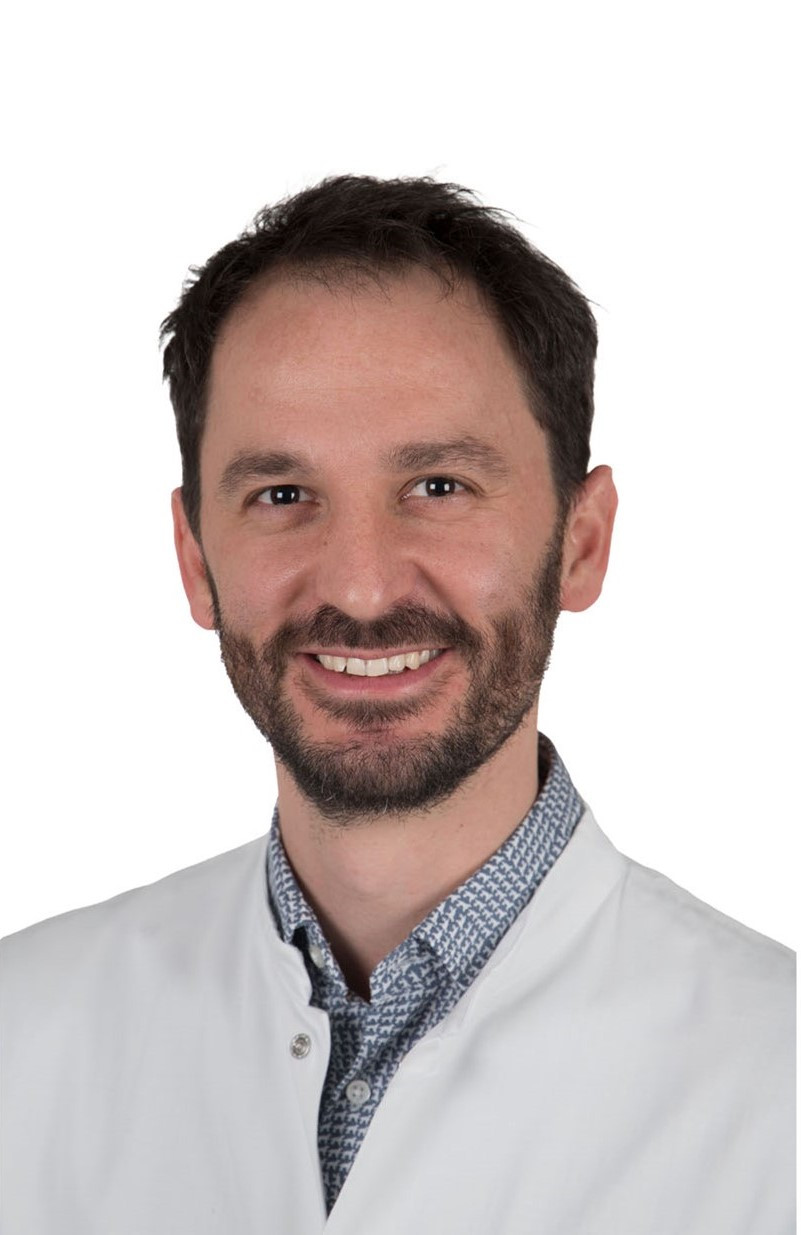
Dietmar Dammererمشاهده پروفایل
دانشیار بالینی
- Orthopedic Surgery
- Traumatology
- Endoprosthetics
- +۷ مورد دیگر
Prim. Clin. Assoc. Prof. PD Dr. Dietmar Dammerer, MSc PhD is the head of the Clinical Department of Orthopaedics and Traumatology at Krems University Hospital, affiliated with Karl Landsteiner Private University of Health Sciences. He has been in this role since February 2022, leading the merger of orthopedics and traumatology into a unified clinical department. A dual-trained specialist, he is recognized for his expertise in endoprosthetics and tumor orthopedics, and actively promotes interdisciplinary collaboration and team-based medicine. His educational background includes a PhD in Musculoskeletal Sciences (2015), an MSc in Advanced Orthopaedics and Traumatology (2017), and board certification in both orthopedics and traumatology (2017, 2018), culminating in habilitation in 2019. He has received prestigious Traveling Fellowships from the European Hip Society and European Musculo-Skeletal Oncology Society. Dietmar Dammerer’s research focuses on orthopedic oncology, joint reconstruction, biomechanics, and minimally invasive surgery. His work emphasizes the integration of clinical inquiry with research to improve patient outcomes. Recent publications analyze pelvic sarcoma reconstruction, spinal metastases, cartilage repair techniques, and health disparities in sarcoma care. His 15 most recent articles reflect a strong trend in musculoskeletal oncology, surgical biomechanics, and evidence-based orthopedic practice, with frequent use of systematic reviews, retrospective studies, and multicenter collaborations. Topics include implant performance, surgical safety, and global access to specialized care. Scientific awards include: Traveling Fellow Stipendium from the European Hip Society (2018) Traveling Fellow Stipendium from the European Musculo-Skeletal Oncology Society (2020) He is deeply committed to mentoring and team development, emphasizing that medical success is measured by the success of one’s colleagues. He leads a research-active department that hosts international observers, conducts training courses for physicians across Europe, the Middle East, and Africa, and maintains a high rate of peer-reviewed publication. The department collaborates closely with the Departments of Biomechanics and Anatomy and Developmental Biology, reflecting a multidisciplinary research approach.
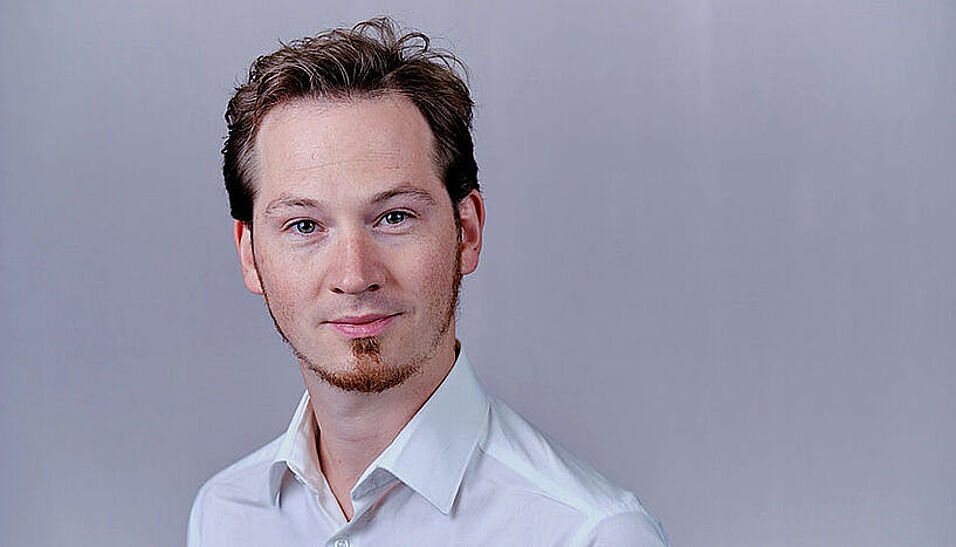
- Exposomics
- Metabolomics
- Analytical Chemistry
- +۴ مورد دیگر
Benedikt Warth is a Full Professor for Food Chemistry and Exposome Research at the Department of Food Chemistry and Toxicology, Faculty of Chemistry, University of Vienna (since 2022). He coordinates the Austrian node of the ESFRI research infrastructure EIRENE and leads the 'Global Exposomics and Biomonitoring Laboratory' since 2017. His work bridges chemistry and toxicology, focusing on exposomics and metabolomics to assess chemical exposure and its health impacts. Education: PhD in Analytical Chemistry (2012), Master’s in Biotechnology (2009), Bachelor’s in Food Science and Biotechnology (2007) Research interests center on exposomics , metabolomics , and analytical chemistry , particularly for environmental and food-related toxicants. Recent articles highlight advancements in mass spectrometry for exposome-scale analysis, combining targeted and non-targeted approaches, and exploring chemical interactions (e.g., xenoestrogens, mycotoxins, flame retardants) in biological systems. Key trends in his publications include: Development of hybrid LC-MS methods (targeted/untargeted) for sensitive exposomics Integration of AI and cognitive computing for pathway analysis Global biomonitoring of mycotoxins and xenobiotics in vulnerable populations Standardization frameworks for non-targeted analysis (SRT) Notable awards include the 2025 Chemical Research in Toxicology Young Investigator Award , Brigitte Gedek-Science Award , and multiple grants (ERC Consolidator, Erwin-Schrödinger Fellowship). He has delivered over 20 invited talks on exposomics, including sessions at ACS Fall Meetings and international conferences. His laboratory's projects span: Breast cancer exposomics (linking environmental exposures to disease onset) High-throughput sample preparation for exposome-wide studies Systems toxicology of chemical mixtures (e.g., flame retardants, mycotoxins) Development of global metabolomic assays for toxicity prediction
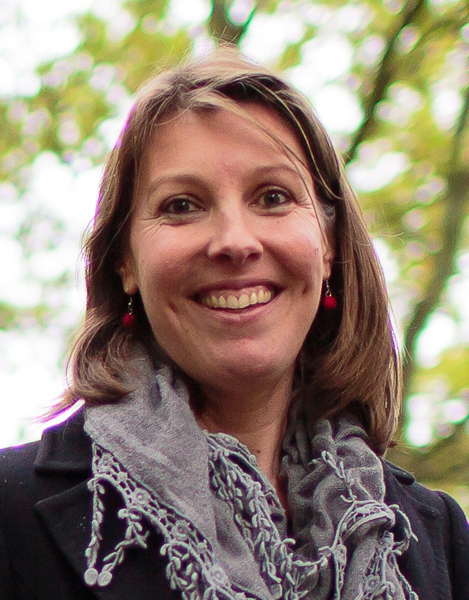
Annemie Bogaerts is a Full Professor at the University of Antwerp since 2014 and head of the PLASMANT research group , which she established independently after her supervisor's retirement. The group now has 37 members including 2 professors, 15 postdocs, 18 PhD students, and 2 technical coworkers. Academic Career: Lecturer (2004-2007), Senior Lecturer (2008-2011), Francqui Distinguished Research Professor (2013-2016), Full Professor (2012-now) Current Leadership Roles: Chair of Department of Chemistry, Head of PLASMANT group Research Focus : Computer modeling of plasmas, plasma-surface interactions, plasma catalysis for CO 2 conversion into value-added chemicals. Her work combines experimental and computational approaches to develop sustainable plasma-based chemical processes. Scientific Achievements : Over 400 peer-reviewed publications (H-index 52 in Web of Science, 64 in Google Scholar) 11,000+ citations (16,000+ in Google Scholar) 20+ major scientific awards including: Winter Plasma Award 2009 for laser ablation modeling Lester W. Strock Award 2008 for plasma/surface modeling Academia Europaea member since 2011 Koninklijke Vlaamse Academie member since 2012 Academic Service : Editor of Spectrochimica Acta Part B , guest editor for 10 special issues including 'Plasma & Cancer', Chair of International Symposium on Plasma Chemistry (2015), and active in university governance through multiple commissions.

Stephen Bustin is a Professor of Molecular Medicine at Anglia Ruskin University , UK. He has held multiple academic positions, including Professor of Molecular Science at Queen Mary University of London (2004-2012) and Senior Lecturer/Reader at Barts and The London School of Medicine & Dentistry. Academic Ranks: Professor (Molecular Medicine, Anglia Ruskin University, 2014-present) Education: PhD in Molecular Genetics, Trinity College Dublin Research Interests: Bustin's work focuses on improving molecular diagnostic techniques, particularly PCR, with applications in infectious disease testing (e.g., SARS-CoV-2) and cancer biomarkers (e.g., colorectal cancer). He pioneered the MIQE guidelines for standardized qPCR reporting and developed rapid diagnostic assays like CoV2-ID for point-of-care testing. Publication Trends: Recent articles emphasize PCR standardization, reproducibility challenges, and rapid diagnostic solutions for SARS-CoV-2. His work spans molecular diagnostics, assay design, and scientific integrity, with a strong focus on clinical applications. Awards: 2010 : Fellow of the Society of Biology (FSB) 2006-2013 : Visiting Professor of Molecular Biology, University of Middlesex Expert Testimony: Bustin served as an expert witness in high-profile trials, including the MMR vaccine-autism class action (2003-2007) and the Lundy murders (2015), where he critiqued flawed molecular evidence. Grants & Collaborations: While no specific grants are listed, he led international consortia for MIQE guidelines and collaborated with institutions like TATAA Biocenter and Kim-Il-Sung University. His work includes developing rapid PCR assays and debunking misinformation about diagnostic techniques. Labs & Teams: Bustin's research has been conducted at Anglia Ruskin University, with collaborations in the UK, Switzerland, and New Zealand. He actively promotes transparency in molecular research through his publications and advocacy.