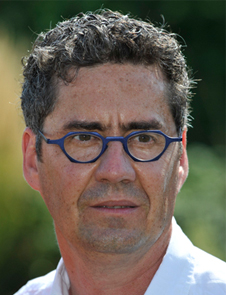
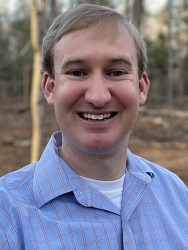
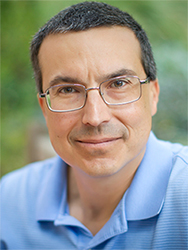
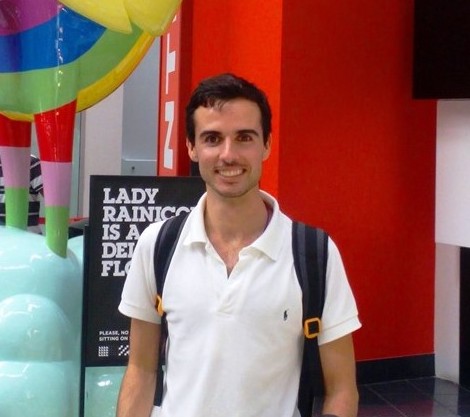
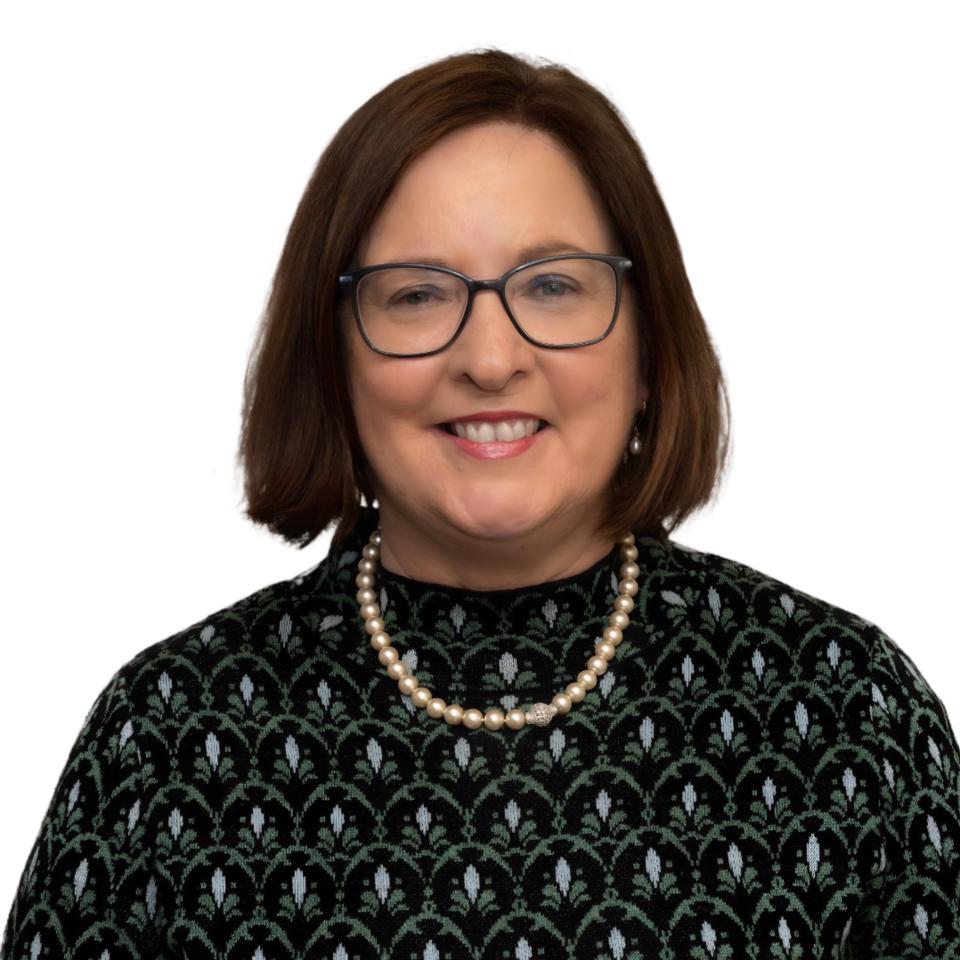
K. Ann Horsburgh is an Associate Professor and Graduate Program Director in the Department of Anthropology at Florida State University (FSU). She leads the FSU Molecular Anthropology Research Group, which integrates modern laboratory techniques with classic anthropological questions to explore biocultural models of health and disease, particularly focusing on stress biomarkers. Her research employs interdisciplinary approaches from social and life sciences. She holds a Ph.D. in Anthropology from Stanford University (2008), alongside earlier degrees from the University of Auckland, New Zealand, including a B.A. in Anthropology, B.Sc. in Biological Sciences, and an M.A. (Hons) in Anthropology. Her research emphasizes the intersection of lived experiences and health, using endocrinological assays and epigenetic analyses to interrogate stress’s role in well-being. Current projects include genetic studies of Polynesian populations, ancient DNA analysis of domesticated species, and critical re-evaluations of archaeological faunal classifications. She actively recruits graduate students with interests in biocultural health dynamics. Publications highlight innovations in ancient DNA methodologies, challenges in interpreting genetic evidence, and cross-disciplinary approaches to human migration and domestication histories. The Molecular Anthropology Research Group’s work bridges anthropology, genetics, and environmental science, reflecting Dr. Horsburgh’s commitment to advancing biocultural perspectives in understanding human diversity.
Prof. Ibrahim Akduman is a Full Professor at Istanbul Technical University's Faculty of Electrical and Electronics Engineering, leading the Medical Devices Research, Development - Applications Group and Laboratory. His expertise spans microwave tomography, medical imaging, and electromagnetic applications in healthcare. He has held administrative roles including Dean of the Faculty and Vice-Rector, and has been a visiting professor at institutions like Polytechnic University (NY, USA) and University of Goettingen (Germany). Education: PhD (1990), MSc (1987), BSc (1984) in Electronics and Communication Engineering from ITU. Professional milestones include over 30 years of academic leadership, 20+ patents, and international awards including the Alexander von Humboldt Fellowship. Research focuses on microwave breast cancer imaging, brain stroke detection, and antenna design for medical applications. Advised 40+ students and authored 150+ publications. Key contributions include the SAFE microwave imaging system for breast cancer screening and the development of realistic breast models using MRI data. Labs: Medical Devices Research, Development & Applications Lab (www.erg.itu.edu.tr). Collaborations include EU-funded projects like EMERALD (2018-2021) and MiMed (2013-2017). Awards highlight contributions to medical electromagnetic technologies and innovation in Turkey.
Georgios D. Kyriakopoulos is an Associate Professor of International Law at the School of Law, National and Kapodistrian University of Athens (NKUA), serving as Vice-Dean since 2009. He holds a BA from NKUA, DEA degrees in International Law and Political Science from Paris 2 University, and a PhD in International Law focusing on aviation security. His roles include Legal Adviser to the Greek Ministry of Defense, Visiting Professorships at McGill University and University of Nice, and membership in prestigious organizations like the European Society of International Law and International Law Association. He represents Greece at ICAO and UNCOPUOS and serves as Rapporteur for the Greek Ministry of Foreign Affairs' Scientific Council. Education: BA (Law, NKUA), DEA (International Law, Paris 2), DEA (Political Science, Paris 2), PhD (International Law, Paris 2). Research focuses on Public International Law, Air Law, Space Law, Telecommunications Law, and Maritime Law. Key interests include international organizations, aviation security, and space governance. He authored 3 monographs, 2 manuals, and numerous articles, including works on airspace regulation, space treaties, and unilateral state acts. Awards: Prix de thèse from French Society of Air and Space Law (1999). Advising and Grants: Supervises students in international law and contributes to policy-making via international bodies. His grants and projects include contributions to ICAO environmental policies and space law frameworks. Labs/Teams: Active in interdisciplinary research on international legal frameworks for emerging technologies, collaborating with institutions like McGill’s Air and Space Law Institute.
Professor Valerie O'Donnell is a distinguished academic at Cardiff University's School of Medicine, where she serves as Professor of Biochemistry and Co-Director of the Systems Immunity Research Institute (SIURI), established in 2016 with £4.5M funding. She leads the internationally recognized LIPID MAPS project (www.lipidmaps.org) and Cardiff Lipidomic Facility, positioning her at the forefront of lipidomics research. With over two decades of academic leadership, she previously served as Director of the Division of Infection and Immunity (2017-2020) and Dean of Research for the School of Medicine (2012-2014). Professor O'Donnell earned her Ph.D. in Biochemistry from the University of Bristol (1990-1993) working with Prof. OTG Jones and Dr. PJ England of SmithKline Beecham Pharmaceuticals, following her B.Sc. in Human Nutrition & Dietetics (Hons. 2.1) from University of Dublin, Trinity College, Ireland (1985-1989). Her academic journey includes prestigious fellowships at the University of Alabama at Birmingham and University of Bern, Switzerland, before establishing her career at Cardiff University. Her research focuses on using mass spectrometry to discover and characterize bioactive lipids made by circulating vascular cells that regulate immune defense and blood clotting. Over the past 20 years, her lab discovered large families of enzymatically-oxidized phospholipids (eoxPL) and has worked extensively on their structures, signaling actions in thrombosis and innate immunity. Current research examines the role of bioactive lipids in vascular inflammation including abdominal aortic aneurysm, cardiovascular disease, dementia and wound healing. Analysis of her recent publications reveals a strong emphasis on lipidomics methodology development, clinical applications of lipid research, and the role of specific lipids in disease mechanisms. Her work spans analytical chemistry, cardiovascular biology, immunology, and clinical translation, with particular focus on procoagulant lipids, oxylipins, and specialized pro-resolving mediators. The research demonstrates increasing interdisciplinary collaboration and methodological standardization efforts in the lipidomics field. Professor O'Donnell's scientific achievements have been recognized with numerous prestigious awards: 2023: Honorary Officer of the Order of the British Empire (OBE) for services to biochemical research 2020: Fellow of the Academy of Medical Sciences 2019: Journal of Lipid Research Lectureship Award 2016: Wolfson Research Merit Award, Royal Society 2015: Fellow of the Learned Society of Wales 2013: Fellow of the Royal Society of Biology She currently serves as Principal Investigator for British Heart Foundation and Wellcome Trust funding, while also participating as co-Investigator for Medical Research Council (MRC), EU (Marie Curie ITN), and Welsh Government projects. Her panel memberships include Population Systems Medicine Board (MRC) and Biomedical Resources Committee (Wellcome Trust). With a Google Scholar H-index of 52, she has been included in UK national research assessments RAE2002, RAE2008, and REF2014. Professor O'Donnell leads the Systems Immunity Research Institute, a strategic research institute at Cardiff University, and directs the Cardiff Lipidomic Facility as part of the LIPID MAPS consortium. Her laboratory continues to make significant contributions to understanding how bioactive lipids regulate vascular inflammation and coagulation, with recent work focusing on the role of specific phospholipids in conditions ranging from cardiovascular disease to SARS-CoV-2 infection. In 2024, LIPID MAPS became an ELIXIR Core Data Resource and a member of the Global Biodata Coalition, with an MRC Partnership Grant commencing funding.
Jeffrey Smith, MD is an Assistant Professor in the Department of Surgery at the University of Texas Medical Branch (UTMB) in Galveston, Texas. He holds an MD from UTMB (completed 2017) and focuses on surgical oncology and reconstructive surgery. His research emphasizes outcomes analysis in soft tissue sarcoma treatment, breast reconstruction techniques, and postoperative care optimization. Key areas of interest include community-level factors influencing cancer recurrence, reconstructive outcomes after sarcoma resection, and innovative imaging approaches for lymph node transplantation. Recent work highlights collaborations on social vulnerability's impact on soft tissue sarcoma prognosis, risk factor analysis in extremity sarcoma patients, and large-scale breast reconstruction studies. He has authored over 14 peer-reviewed publications, including articles in Annals of Surgical Oncology and Plastic and Reconstructive Surgery . His clinical expertise spans hernia repair strategies and vascularized tissue transfer planning using advanced imaging modalities.
Mark D. Anderson, MD is an Associate Professor in the Department of Neurology at the University of Mississippi Medical Center's School of Medicine. Board certified in Neurology by the American Board of Psychiatry and Neurology and in Neuro-Oncology by the United Council of Neurologic Subspecialties, he serves on the Cancer Institute Clinical Leadership Committee and co-chairs the Multidisciplinary Tumor Board for CNS tumors. Education: MD in Medicine, University of Alabama-Birmingham (2007) BS and MS in Biomedical Engineering, University of Miami (2003) Neuro-Oncology Fellowship, The University of Texas M.D. Anderson Cancer Center Neurology Residency, Vanderbilt University Dr. Anderson's research centers on neuro-oncology with emphasis on central nervous system tumors, glioblastoma therapeutics, and cancer-related neurological complications. His clinical work focuses on tumor board leadership and developing targeted therapies for malignant brain tumors, particularly investigating drug delivery systems for glioblastoma treatment. He actively contributes to understanding viral complications in neuro-oncology patients and rare tumor pathologies. His publication record (2013-2018) demonstrates sustained focus on neuro-oncology, with recurring themes in glioma biology, treatment resistance mechanisms (particularly bevacizumab discontinuation), viral interactions with brain tumors, and molecular diagnostics including IDH1 mutation analysis. The research spans clinical case reports, therapeutic studies, and molecular investigations across CNS tumor types. Grants and Advising: Principal Investigator: NCI-funded study Toward Changing Glioblastoma Outcomes (2018-2020) on targeted drug delivery systems Neurology Residency Advisor since 2018 Regular lecturer on CNS tumors for Cancer Registrars and Mississippi Neurosurgical Society Dr. Anderson co-chairs the CNS Multidisciplinary Tumor Board and serves on multiple cancer committee panels, integrating clinical care with research protocols through the UMMC Cancer Institute. His work bridges laboratory findings with clinical applications in neuro-oncology practice.
Yasaman Amannejad is an Associate Professor in the Department of Mathematics and Computing at Mount Royal University (MRU), Faculty of Science. She holds a PhD in Software Engineering from the University of Calgary (2017) and an MSc/BSc in Computer Information Technology from Amirkabir University of Technology (2011/2008). Her research focuses on applying machine learning to healthcare diagnostics, performance analysis of cloud and edge computing systems, and addressing social challenges like domestic violence and homelessness. Her work has been funded by NSERC, Petro-Canada, and the New Frontiers in Research Fund. Education: PhD in Software Engineering, University of Calgary (2017) MSc in Computer Information Technology, Amirkabir University of Technology (2011) BSc in Computer Information Technology, Amirkabir University of Technology (2008) Research Interests: Machine Learning for Healthcare (e.g., tropical disease diagnosis, Multiple Myeloma cancer) Performance Optimization in Cloud/Edge Systems Resource-Constrained Device Learning (wearables, IoT) Social Impact Technologies (domestic violence detection, homelessness solutions) Awards & Grants: NSERC Discovery Grant (2020) New Frontiers in Research Fund-Exploration (2020) Petro-Canada Young Innovator Award (2019) Multiple Teaching Awards (2015-2016) Teaching & Industry: Incorporates industry experience into courses, emphasizing real-world applications Outstanding Teaching Performance Award (2016) Over 5 years of industry experience in software engineering Labs/Teams: Part of interdisciplinary teams at MRU's Faculty of Science Collaborates on NSERC-funded projects
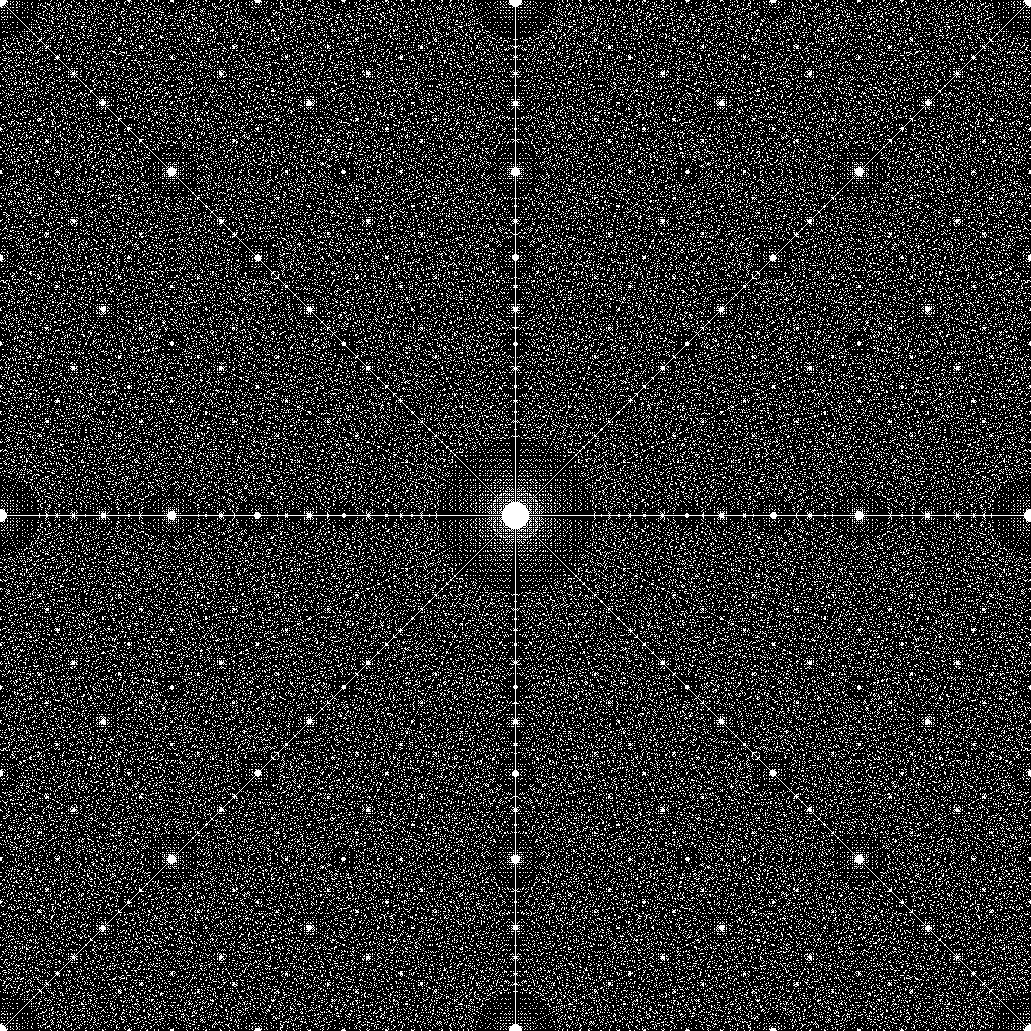
Dr. Shakes Chandra is a Senior Lecturer at the University of Queensland, leading a research team focused on medical image analysis and deep learning. He holds a Ph.D. in Theoretical Physics from Monash University and has over a decade of experience applying machine learning to medical imaging. His work integrates mathematical concepts like fractals and group theory into imaging algorithms, with applications in MRI reconstruction, musculoskeletal analysis, and disease prognosis. Affiliations: School of Electrical Engineering and Computer Science, University of Queensland Co-leads the Chaotic Sensing research initiative Collaborator with Siemens Medical Solutions Research Interests: Medical imaging (MRI/CT segmentation, artifact suppression) Deep learning applications in healthcare Computational imaging and signal processing Mathematical foundations of imaging systems Key Projects: Developed Chaotic Sensing framework for faster MRI using fractal sampling patterns Automated tools for knee/hip joint segmentation deployed in clinical platforms Leader of a 20+ researcher team in AI-driven medical imaging Grants & Collaborations: Principal investigator on multi-center TBI prognosis studies (PREDICT-TBI trial) Industry partnerships with Siemens Healthcare Active in translational research bridging physics/mathematics with clinical applications Teaching: Course leader for Theory of Computation and Pattern Recognition & Analysis Advances rapid application development frameworks for biomedical imaging
Dr. Marcel Turcotte is an Associate Professor at the School of Electrical Engineering and Computer Science (EECS) at the University of Ottawa. He holds a Ph.D. from Université de Montréal and has conducted postdoctoral research at the University of Florida and the Imperial Cancer Research Fund in the UK. His research focuses on bioinformatics, computational biology, algorithm design, and machine learning applications in biological systems. Education: Ph.D., Université de Montréal (advisor: Guy Lapalme and Robert Cedergren) Postdoctoral Work: University of Florida (Steve Benner lab), Imperial Cancer Research Fund (Biomolecular Modelling Laboratory) His research interests include RNA structure prediction, protein secondary structure analysis, evolutionary-based bioinformatics methods, and computational intelligence applied to genomic data. He has developed algorithms like WACS for ChIP-seq analysis and RiboFSM for RNA structural motif discovery. His work bridges computer science and molecular biology, addressing challenges in genomic data interpretation and predictive modeling. Dr. Turcotte’s recent publications emphasize machine learning applications in RNA and protein structure analysis, as well as computational tools for genomic sequence mining. He has contributed to understanding gene fragmentation in Diplonema mitochondria and host susceptibility prediction for RNA viruses. His interdisciplinary approach integrates algorithm design with biological problem-solving. No scientific awards or grants are explicitly mentioned in the provided text. His academic profile includes collaborations in bioinformatics, computational biology, and educational methodologies for engineering students.
Prof Juliana Bowles is a Professor at the School of Computer Science, University of St Andrews. Her research focuses on applying formal methods (model checking, constraint solving) to healthcare challenges such as polypharmacy, cancer treatment optimization, and clinical decision support systems. She collaborates with clinicians and engineers to develop tools for medication safety and efficient healthcare processes. Notable projects include EPSRC-funded work on automated conflict resolution in clinical pathways and RAE-funded collaborations with Brazil on healthcare process analysis. Her expertise spans formal verification, concurrency, and health informatics. She leads projects addressing global health challenges through computational techniques, including work on endometriosis care, cancer treatment in the elderly, and secure healthcare data sharing platforms. Supervising PhD students like Ariane Hine and Qurat Ul Ain Shaheen, she integrates interdisciplinary approaches to enhance healthcare outcomes. Key Collaborations: Royal Academy of Engineering (RAE), UNISC Brazil, EPSRC Grants: EPSRC (EP/M014290/1), RAE Newton Research Collaboration (Project NRCP1617/5/62) Publications: Over 90 peer-reviewed articles, focusing on formal methods in healthcare and computational medicine Her work contributes to UN Sustainable Development Goals by improving healthcare access and decision-making through technology. She develops secure systems for medical data sharing and personalized treatment strategies, balancing usability and privacy concerns in healthcare IT.
Adam D. Pfefferle, PhD, is an Assistant Professor in the Department of Genetics at the University of North Carolina at Chapel Hill and Director of the LCCC Translational Genomics Lab (TGL). He holds a PhD from UNC Chapel Hill and a Master of Engineering in Materials Science from NC State University. His research focuses on translational genomics, assay development, and cancer biology, particularly in triple-negative breast cancer and spatial transcriptomics. Pfefferle’s work bridges laboratory research with clinical applications, leveraging mouse models and genomic technologies to identify drug targets and improve diagnostic tools. Education PhD in Genetics, UNC Chapel Hill Master of Engineering in Materials Science, NC State University Research Interests Pfefferle’s research integrates molecular biology, bioinformatics, and engineering to develop diagnostic assays and understand tumor biology. Key areas include: Assay development for clinical diagnostics (e.g., microfluidic platforms) Genomic profiling of breast cancer subtypes (e.g., claudin-low, basal-like) Mechanisms of therapeutic resistance in metastatic cancers Spatial transcriptomics and single-cell sequencing for tumor heterogeneity analysis Lab & Translational Work As TGL Director, he oversees a facility providing genomic services for academic and clinical research, including NanoString assays, spatial transcriptomics, and NGS. The lab supports projects like UNCseq and The Cancer Genome Atlas (TCGA), having processed over 12,000 assays. Collaborations & Grants Pfefferle collaborates with researchers at UNC Lineberger Comprehensive Cancer Center and has contributed to studies on drug targets and metastasis mechanisms in breast cancer. His work has informed clinical trials and diagnostic technologies (e.g., Codetta Bio’s molecular diagnostics).
Charles M. Perou is the May Goldman Shaw Distinguished Professor of Molecular Oncology and Professor of Genetics and Pathology & Laboratory Medicine at the University of North Carolina at Chapel Hill. He leads the UNC Lineberger Breast Cancer Research Program and co-directs the Computational Medicine Program. His work focuses on breast cancer molecular subtypes, particularly the Basal-like/TNBC subtype, integrating genomics, bioinformatics, and clinical research to improve patient outcomes. He has pioneered the PAM50 assay and contributed to understanding racial disparities in breast cancer outcomes through the Carolina Breast Cancer Study. Roles: Co-Leader, UNC Lineberger Breast Cancer Research Program; Co-Director, Computational Medicine Program; Faculty Director, LCCC Bioinformatics Group. Research Interests: Breast cancer diversity, genomic classification, tumor biology, and therapeutic targeting. His lab employs RNA-sequencing, single-cell approaches, and computational models to study metastasis and immune interactions. He actively mentors students and has secured grants from NIH/NCI, Susan G. Komen, and others. He co-founded genomics-based biotech companies to translate research into clinical care. Key Awards: AACR Academy Fellow (2023), Brinker Award (2016), and multiple recognitions for mentoring and scientific contributions. His work spans lab investigations, clinical trials, and translational research, emphasizing collaboration across disciplines (e.g., bioinformatics, oncology). He leads the UNC Breast Cancer SPORE grant and has published extensively in high-impact journals.
Rui Henriques is an Assistant Professor at the Department of Electrical and Computer Engineering (DEI), Instituto Superior Técnico (IST), University of Lisbon. He is also an Associate Researcher at INESC-ID. His research focuses on data mining, machine learning, bioinformatics, and urban analytics, with applications in healthcare, transportation systems, and pattern recognition. He has advised numerous PhD and MSc students, contributing to impactful projects in areas like healthcare decision support, mobility optimization, and environmental data analysis. Education: PhD in Learning from High-Dimensional Data (2016) from IST, University of Lisbon. Research interests include developing algorithms for high-dimensional data analysis, integrating spatiotemporal data for urban planning, and applying machine learning to biomedical challenges. Notable contributions include tools like BicPAMS for biological data analysis and software frameworks for transportation analytics. His work spans over 100 publications in top journals and conferences, addressing topics from triclustering algorithms to fraud detection in online tests. He leads or contributes to projects such as ILU (city mobility optimization) and Data2Help (emergency medical services optimization). His research emphasizes interdisciplinary approaches, combining data science with real-world applications in health, transport, and sustainability.
Professor Deirdre Murray is the Director of the National Cancer Registry Ireland (NCRI) and Professor of Cancer Epidemiology at University College Cork (UCC). She leads the NCRI's strategic initiatives and oversees cancer data analysis across Ireland. Her expertise spans public health medicine, cancer epidemiology, and neonatal neurology research. She chairs the UK and Ireland Association of Cancer Registries and contributes to international collaborations like the EUROCARE consortium. Professionally, she holds roles on the National Screening Advisory Committee and National Research Ethics Committee, emphasizing her commitment to public health governance. Trained in medicine at UCC and with a Master’s in Public Health from UCD, Dr. Murray’s career bridges clinical practice and population health. Her research focuses on cancer outcomes, neonatal brain injury, and early childhood neurodevelopment. Notable projects include developing machine learning models for neonatal risk assessment and examining long-term outcomes of preterm infants. She advocates for standardized neonatology training through pan-European initiatives and explores digital health tools for monitoring conditions like motor neurone disease. Her work integrates interdisciplinary approaches to address complex health challenges, such as optimizing cancer registries, improving data governance in multi-national studies, and advancing care for at-risk populations. Her contributions span clinical leadership, policy development, and innovative research methodologies.
Sharon Crook is a Professor in the School of Mathematical and Statistical Sciences at Arizona State University, where she serves as Associate Director for Graduate Programs. Her research focuses on computational neuroscience, developing standardized modeling approaches like NeuroML for multi-scale simulations of neural systems. Her work bridges computational neuroscience, cognitive science, and machine learning, creating integrative frameworks for model development. Research interests include neural oscillations, computational neuroanatomy, model interoperability, and data-driven approaches to understanding neural dynamics. Her recent publications demonstrate a strong focus on developing standardized modeling frameworks and computational tools. She explores applications in medical imaging analysis, neural simulation platforms, and collaborative neuroscience resources.