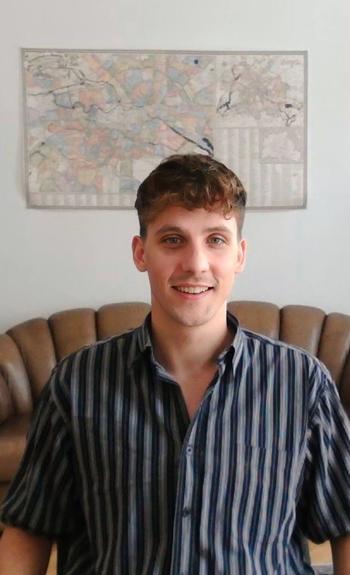
Seba Contreras is a Postdoctoral Researcher in the Physics of Disease Spread at the Max Planck Institute for Dynamics and Self-Organization . His work bridges mathematical modelling , dynamical systems , and infectious disease epidemiology to uncover principles in outbreak controllability and disease dynamics. Dr. rer. nat. (Physics of Biological and Complex Systems, 2023) - Georg-August-Universität Göttingen MSc (Extractive Metallurgy, 2019) - Universidad de Chile BEng & Dipl.-Eng. (Civil Engineering, 2017) - Universidad de Chile His research integrates complex systems and infectious diseases with a focus on: Non-pharmaceutical interventions during pandemics Competition and co-infection dynamics between diseases Information-disease feedback loops Statistical methods for epidemiological data correction Parameter inference from limited medical datasets Machine learning applications in protein engineering Recent publications demonstrate expertise in machine learning for biological datasets, epidemic models with heterogeneous populations, and data-driven public health policy . Collaborations span human genetics , theoretical ecology , protein engineering , and social sciences across institutions in Chile and Germany.
Prof. Dr. Thomas Lengauer is a leading figure in computational biology and applied algorithmics at the Max Planck Institute for Informatics, part of the Max Planck Society in Saarbrücken, Germany. He heads the Department of Computational Biology and Applied Algorithmics, where he drives research at the intersection of computer science, genomics, and medicine. His work integrates algorithm development with biological applications, particularly in viral genomics, epigenetics, and personalized treatment prediction. Research Interests: His research focuses on computational methods for analyzing complex biological data. Key areas include HIV and hepatitis virus evolution, antiretroviral therapy outcome prediction, DNA methylation and epigenomic analysis, machine learning applications in medicine, and the integration of big data in biological research. He has made significant contributions to understanding viral drug resistance and host-pathogen interactions through computational modeling. The recent publications (2019–2025) reflect a strong trend toward integrating temporal genomic data, machine learning, and public health surveillance. His work spans from fundamental algorithm development (e.g., RnBeads, MeDeCom) to applied clinical research (e.g., dolutegravir resistance, SARS-CoV-2 interventions). Key domains include epigenomics , virology , machine learning in healthcare , and biological database systems , increasingly incorporating AI-driven approaches. Scientific Awards: No specific awards are mentioned in the provided text. Advising and Grants: While no formal list of students is provided, Prof. Lengauer leads a large collaborative research group, evidenced by frequent co-authorship with researchers such as Walter, Bock, Müller, Kaiser, and Pirkl. He participates in major consortia (e.g., DEEP Consortium, Respiratory Virus Network), suggesting leadership in funded collaborative projects. His work is likely supported by Max Planck Society core funding and competitive third-party grants, though specific grants are not listed. Labs and Teams: He leads the Computational Biology and Applied Algorithmics group at the Max Planck Institute for Informatics. The team develops computational tools for epigenomic data analysis (e.g., RnBeads, DecompPipeline), viral resistance prediction, and public health modeling. The group collaborates extensively with clinical and biological researchers across Europe, functioning as a hub for interdisciplinary bioinformatics research.
Prof. Dirk Lebiedz is a full professor at the Institute of Numerical Mathematics, University of Ulm, specializing in optimal control, mathematical modeling, and dynamical systems. He holds a PhD in Physical Chemistry and dual Diplom degrees in Chemistry and Mathematics from the University of Münster. His career includes habilitations in Physical Chemistry (Heidelberg), Bioinformatics (Freiburg), and Mathematics (Freiburg). He has led research groups focusing on model reduction in multi-scale systems, with applications in combustion chemistry, biological signaling, and medical treatment optimization. Education: 1998: Diplom in Chemistry (Münster) 2002: Diplom in Mathematics (Münster) 2001: PhD in Physical Chemistry (Münster) 2007: Habilitation in Physical Chemistry (Heidelberg) 2010: Habilitation in Mathematics (Freiburg) Research Interests: Prof. Lebiedz’s work spans optimal control theory, nonlinear dynamics, and computational methods for complex systems. He develops geometric and differential geometric approaches to model reduction, focusing on slow invariant manifolds in chemical and biological systems. His research also explores interdisciplinary applications in medicine, ecology, and music theory, such as mathematically modeling circadian rhythms and linking mathematical principles to philosophical and artistic concepts. Recent Work Trends: His recent publications emphasize holomorphic dynamical systems, invariant manifold analysis, and applications of differential geometry. He investigates complex-time systems and their connections to fundamental mathematical problems like the Riemann Hypothesis. His articles often bridge pure mathematics with applied fields like combustion engineering and biomedical modeling. Awards & Recognition: He has held visiting professorships at Heidelberg University and secured multiple habilitations across disciplines, reflecting his interdisciplinary impact. Labs/Teams: Leads the Institute of Numerical Mathematics at Ulm, focusing on computational methods for multi-scale systems. Collaborates with the Center for Integrative Biological Signaling Studies (Freiburg) and the SFB 1391 (Tübingen).
Katarzyna Bozek is a Professor at the University of Cologne and leads the Bozek Lab at the Center for Molecular Medicine Cologne. Her research focuses on developing deep learning methods for quantitative analysis of biomedical image and time series data, with applications in pathology, nephrology, neurology, and cancer research . Collaborations include institutions like the University Hospital Cologne. Research areas: Computational Biology & Medicine, Machine Learning, Biomedical Image Analysis Key projects: Explainable AI for histopathology data, DISK model for behavioral science The lab applies novel computer vision techniques to C. elegans behavior analysis and super-resolution microscopy in kidney research. Recent work includes transformers pretrained on text for Whole Slide Image classification and federated learning models for precision oncology. Advising : Supervised doctoral candidates including Juan Pisula, Maurice Deserno, and Hussein Naji . The lab actively collaborates on interdisciplinary projects, with funding from multiple partners.
Jaime S. Cardoso is a prominent researcher at the University of Porto and Institute for Systems and Computer Engineering, Technology and Science (INESC TEC) in Portugal. His extensive publication record spanning two decades demonstrates his leadership in computer vision, medical image analysis, and pattern recognition. His research primarily focuses on applying artificial intelligence to healthcare challenges, particularly in medical imaging and diagnostics. Cardoso's research interests center on explainable AI for medical applications, biometrics, and computer vision. His work bridges the gap between theoretical machine learning and practical medical solutions, with significant contributions to breast cancer diagnosis, medical image segmentation, and biometric security systems. He has developed innovative approaches to medical image analysis, including virtual staining techniques and privacy-preserving explanation methods for medical AI systems. His recent publications (2023-2025) reveal a strong emphasis on explainable AI in medical contexts, with multiple papers addressing how to make deep learning models more transparent and trustworthy for healthcare applications. He has also made significant contributions to face recognition technology, video anomaly detection, and specialized medical imaging techniques for breast cancer and neonatal EEG analysis. Among his scientific contributions are numerous collaborations with researchers across Portugal and internationally. His work has appeared in top-tier journals including IEEE Access, Medical Image Analysis, and Neurocomputing, reflecting the high impact of his research. Cardoso has supervised numerous students who have become established researchers in their own right, including Ricardo P. M. Cruz, Kelwin Fernandes, and Ana Filipa Sequeira. His research group appears to focus on the intersection of deep learning, medical imaging, and biometrics, with strong connections to clinical applications.
Prof. Dr. Rüdiger von Eisenhart-Rothe is a full Professor and Chair of Orthopedics at the Technische Universität München (TUM), leading the Department of Orthopedics and Sports Orthopedics at the Klinikum rechts der Isar. His research focuses on regenerative medicine, osteo-oncology, endoprosthetics, and the application of machine learning in surgical planning. He completed his medical studies at LMU Munich and business administration at the University of Hagen, followed by a habilitation in orthopedics at Frankfurt’s Friedrichsheim Hospital. Notably, he received the Perthes Prize twice (2003, 2010) for contributions to shoulder and elbow surgery. His work integrates advanced imaging techniques, virtual planning, and biomaterial research to address challenges in joint replacement, infection control, and sarcoma management. Recent projects emphasize AI-driven diagnostic tools and personalized surgical approaches. Prof. von Eisenhart-Rothe collaborates with interdisciplinary teams to advance clinical outcomes in orthopedic surgery, particularly in knee and hip arthroplasty. Awarded the Perthes Prize twice, his contributions span academic leadership, clinical innovation, and translational research at TUM’s School of Medicine and Health. Current initiatives include optimizing prosthetic alignment via 3D modeling and evaluating synovial biomarkers for infection diagnosis.
Dr. Lisa Adams is a Research Fellow at the Technical University of Munich (TUM) and an Attending Radiologist at TUM University Hospital Rechts der Isar, affiliated with the Diagnostic and Interventional Radiology department. She holds an Albrecht Struppler Clinician Scientist Fellowship (2024) and leads research in the Quantitative Imaging Biomarkers for Predictive Healthcare focus group. Adams earned her MD from Charité - Universitätsmedizin Berlin (2016), completed board certification in radiology (2021), and conducted postdoctoral research at Stanford University (2022-2023). She transferred her Habilitation in Experimental Radiology to TUM in 2024. Her research integrates AI with radiology diagnostics, specializing in: Developing machine learning methods for early disease detection and risk assessment Advancing quantitative imaging biomarkers across organ systems Body composition analysis and biological age estimation Multimodal analysis for personalized healthcare Ethical implementation of AI in clinical practice Adams' recent publications demonstrate strong focus on AI applications in radiology, spanning large language models for clinical reporting, deep learning for medical image interpretation, nanoparticle tracking in regenerative medicine, and radiomics for cancer diagnosis. Her work consistently bridges technical innovation with clinical translation. Awards & Recognition: Walter-Friedrich-Prize, Deutsche Röntgengesellschaft (2023) Alavi Mandell Award (2021) Invest in the Youth Stipend, ECR Vienna (2017) She actively mentors doctoral candidates, having supervised seven PhD students to completion since 2020 with two more nearing submission. Adams secures substantial research funding from DFG, EU, Wilhelm Sander Foundation, Bayern Innovativ, and Berlin Institute of Health. She serves as Scientific Editor for European Radiology and Trainee Editorial Board Member for Radiology: Artificial Intelligence , while also holding leadership positions in the German Radiological Society.
Dr. Slava Ziegler is a Project Group Leader at the Department of Chemical Biology , Max Planck Institute of Molecular Physiology in Dortmund, Germany. His research focuses on identifying bioactive small molecules and elucidating their molecular targets and mechanisms of action through chemical proteomics, biochemical, biophysical and genetic approaches. Academic Appointments : Project Group Leader, Chemical Biology (2016-present) Education : Diploma in Biochemistry (Ruhr University Bochum), PhD in Biochemistry (MPI & Ruhr University), Postdoc at University Hospital Düsseldorf Research Interests center on: Phenotypic screening using Cell Painting assays Target identification for bioactive compounds Proteome and lipidome profiling Developmental signaling pathway inhibition Glucose transporter and glutaminase targeting Chemical genetics in cancer metabolism Notable Contributions include developing high-throughput screening workflows, discovering novel Hedgehog and TRPC inhibitors, and creating chemical probes for: Dihydroorotate Dehydrogenase RHOGDI PI4KIIIß IDO1 TAF1 Bromodomain 5-Lipoxygenase Collaborations with researchers across Europe and Japan have yielded significant insights into: Autophagy regulation Lysosomal membrane repair Microtubule destabilization Proteasome inhibition Neutrophil extracellular traps Embryonic stem cell reprogramming Contact : slava.ziegler@mpi-dortmund.mpg.de | +49 231 133-2424
Professor Jochen Gaedcke is an active surgical oncology specialist at University Medical Center Göttingen's Faculty of Medicine, Department of Surgery. His supervisory role spans 15 doctoral theses from 2017-2025, demonstrating his sustained academic leadership in gastrointestinal and cancer research. Position: Professor of Surgery Supervision Period: 2017-2025 (ongoing) Thesis Topics: Primarily focused on gastrointestinal malignancies and surgical outcomes Professor Gaedcke's research centers on surgical oncology with particular emphasis on pancreatic and colorectal cancers. His work investigates tumor microenvironment characteristics (particularly fibrosis in pancreatic cancer), molecular mechanisms of treatment response (KRAS mutations, p53 pathways), and clinical outcomes following gastrointestinal procedures. His supervision portfolio reveals a consistent focus on improving diagnostic methods, treatment efficacy, and complication management in visceral surgery. Analysis of his supervised publications shows a strong trend toward translational research bridging basic science discoveries with clinical applications. Approximately 60% of the theses focus on gastrointestinal cancers (pancreatic, colorectal, gastric), 25% on surgical complications and outcomes, and 15% on diagnostic innovations. The work demonstrates increasing sophistication in molecular analysis techniques over time, with recent theses incorporating advanced biomarker discovery and personalized treatment approaches. Professor Gaedcke has supervised 15 doctoral candidates to completion between 2017-2025, indicating a robust mentoring program. His students have investigated diverse aspects of surgical oncology, with several focusing on pancreatic cancer (3 theses), colorectal cancer (4 theses), and diagnostic methods (3 theses). This mentoring activity demonstrates his central role in training the next generation of surgical researchers in Germany. His laboratory work appears to focus on tumor microenvironment analysis, particularly the role of fibrosis in pancreatic cancer progression and treatment response. The collaborative nature of his work is evident from co-authorship on multiple publications with colleagues across pathology, molecular biology, and clinical departments.
Iwan Schie serves as Working Group Leader at the Leibniz Institute of Photonic Technology (Leibniz-IPHT) in Jena, Germany, where he leads the Spectroscopy / Imaging Multimodal Instrumentation research group. His work bridges analytical chemistry, biomedical engineering, and clinical applications with a focus on developing Raman spectroscopy-based diagnostic tools. Dr. Schie maintains an active research program with numerous publications in high-impact journals across multiple disciplines. Dr. Schie's research centers on Raman spectroscopy applications in medical diagnostics and environmental monitoring. His work demonstrates particular expertise in developing multimodal imaging systems that combine Raman spectroscopy with complementary techniques like optical coherence tomography and fluorescence imaging. His research spans both fundamental methodological development and clinical translation, with several studies focusing on cancer diagnostics across multiple organ systems including head and neck, bladder, and colon cancers. The environmental applications of his work include microplastic detection and pollen analysis. Analysis of Dr. Schie's publication record reveals a clear trajectory toward clinical implementation of Raman spectroscopy technologies. His recent work increasingly focuses on regulatory-compliant medical device development, with multiple studies conducted in accordance with European Medical Device Regulation standards. The publications demonstrate progression from ex vivo validation studies to in vivo clinical applications, with particular emphasis on workflow integration within surgical settings. His collaborative approach is evident through extensive co-authorship networks spanning physics, engineering, and clinical medicine. Dr. Schie has made significant contributions to advancing Raman spectroscopy methodology, with publications addressing critical challenges in device stability, spectral analysis, and multimodal integration. His work on establishing clinical workflows represents important steps toward routine clinical adoption of these technologies. The practical impact of his research is demonstrated through development of systems like the invaScope Raman endoscopy platform for bladder tumor diagnosis. As Working Group Leader at Leibniz-IPHT, Dr. Schie oversees research activities in spectroscopy and multimodal imaging instrumentation. His team develops advanced optical systems for biomedical applications with particular focus on real-time tissue characterization during surgical procedures. The research environment supports both fundamental methodological development and applied clinical translation, with strong emphasis on regulatory compliance for medical device development.
Prof. Martin Horstmann is a leading academic in pediatric hematology and oncology at the University Medical Center Hamburg-Eppendorf (UKE). He holds a professorship in the Department of Pediatric Hematology and Oncology within the Faculty of Medicine. His roles include Scientific Director of the Childhood Cancer Center Hamburg (Kinderkrebs-Zentrum Hamburg) and Study Director of the COALL clinical trials. He is also a senior physician specializing in pediatric hematology/oncology. His research focuses on molecular mechanisms of pediatric leukemias, including genetic drivers, minimal residual disease (MRD) analysis, and translational applications of AI in diagnostics. Key areas include B-cell precursor ALL, T-cell ALL, and targeted therapies. His work bridges clinical trials (e.g., CoALL studies) with genomic insights, emphasizing risk stratification and precision medicine. Publications from 2024 highlight advancements in AI-driven diagnostic frameworks, IKZF1 deletion prognostics, and signaling pathway modulation (e.g., Ikaros-AKT interactions). Earlier work (2023–2014) explores SHIP1 function in T-ALL, PAX5 mutations, and kinase inhibitor strategies. His team collaborates internationally, contributing to global pediatric leukemia treatment protocols. Horstmann’s lab is part of the UKE’s comprehensive cancer research infrastructure, including the University Cancer Center Hamburg (UCCH) and translational platforms like the European Liquid Biopsy Society (ELBS). He advises on clinical protocols integrating pharmacogenomics and molecular diagnostics to improve outcomes for pediatric cancer patients.
Dr. Cordova R. is a researcher at the German Cancer Research Center (DKFZ) , focusing on nutritional epidemiology and cancer risk factors with a particular interest in the interplay between cardiometabolic diseases , body weight dynamics , and chronic disease outcomes . Their work spans large-scale multinational cohort studies including the European Prospective Investigation into Cancer and Nutrition (EPIC) and UK Biobank . Research interests include: Role of ultra-processed foods in weight gain and obesity Impact of advanced glycation endproducts (AGEs) on cancer risk Genetic and environmental predictors of adiposity gain Association between socioeconomic position and multimorbidity Dietary patterns and CRC molecular pathways Recent publications analyze: Dicarbonyl compounds and weight regulation Stress-induced glucocorticoids and inflammation PLAG1 fusions in CNS tumors Labs/Tasks: EPIC cohort analysis Physical Activity, Nutrition, Alcohol, Cessation of smoking (PANACEA) study International cancer epidemiology collaborations
Dr. Khalique Newaz is a Postdoc researcher at Cosy.Bio and a member of the Computational Systems Biology (CDL3) group at the Center for Data Science and Computing, University of Hamburg. His work focuses on developing data and network science approaches to understand biological systems, particularly the impact of alternative splicing on protein interactions. He holds a Ph.D. in Computer Science from the University of Notre Dame, USA, where he specialized in network-based computational methods for protein 3D structure analysis. Education: Ph.D. in Computer Science , University of Notre Dame, USA (Thesis: Network-based computational methods for comparing protein 3D structures) Research Interests: Dr. Newaz’s research integrates computational biology, network science, and machine learning to address complex biological questions. Key areas include: - Protein structure prediction and classification - Systems biology approaches to aging and cancer - Network analysis of genetic and epigenetic mechanisms - Development of alignment-free computational methods for biological data. Advising & Grants: No formal advisees or grants explicitly mentioned in the provided text. Labs/Teams: He collaborates closely with the Computational Systems Biology group and is affiliated with Cosy.Bio, leveraging interdisciplinary approaches to advance systems biology.
Louis Schiekiera is a PhD candidate at the Division of Clinical Psychological Intervention, Department of Education and Psychology, Freie Universität Berlin. He conducts research in clinical psychology with a strong focus on meta-research, publication practices, and global equity in psychological science. His work is conducted under the supervision of Prof. Dr. Christine Knaevelsrud and in close collaboration with Dr. Helen Niemeyer. His research interests lie at the intersection of clinical psychology and scientific methodology. He investigates publication bias , scientific productivity , and equity in global research collaborations , particularly how research involving the Global South is conducted and represented. He also applies natural language processing to detect positive result bias in literature and explores methodological improvements in psychological science. Louis Schiekiera's recent publications reveal a consistent trend toward improving research transparency and fairness in clinical psychology. His work spans quantitative analysis of publication patterns, ethical considerations in international research, and innovative use of computational methods to assess scientific reporting. These contributions reflect a commitment to robust, inclusive, and methodologically sound psychological research. Scientific Awards: No awards mentioned in the provided text. Louis Schiekiera actively contributes to research projects and publications but there is no indication of formal student advising or grant leadership in the provided information. He is part of a larger research team focused on transcultural clinical psychology, psychotraumatology, and online mental health interventions. The research is conducted within the team led by Prof. Dr. Christine Knaevelsrud, which focuses on evidence-based psychological interventions, particularly for traumatized populations, refugees, and underserved groups. The team also develops digital mental health tools and evaluates their effectiveness across cultures.
Rene Jackstadt is a Junior Research Group Leader at the Heidelberg Institute for Stem Cell Technology and Experimental Medicine (HI-STEM) . His research focuses on cancer progression and metastasis , particularly in colorectal cancer , with a strong emphasis on stem cell biology , Wnt signaling , and epithelial-mesenchymal transition . He leads the Cancer Progression and Metastasis research group within the Normal and Malignant Stem Cells program. Position: HI-STEM Junior Research Group Leader Location: Im Neuenheimer Feld 280, Heidelberg, Germany Contact: r.jackstadt@hi-stem.de His work involves advanced organoid modeling and genetic manipulation to study tumor evolution and therapeutic vulnerabilities. Current projects explore: Stromal interactions in metastasis Immune checkpoint regulation Tumor microenvironment dynamics Signal transduction in oncogenesis Publications highlight his contributions to understanding: Wnt pathway in cancer MicroRNA regulation of MYC Stress-induced stem cell activation Tumor-immune co-evolution His team includes: PhD Students: Luisa Nader, Manuel Mastel, Gabriele Diamante, Nikolaos Georgakopoulos, Aitana Guiseris Martinez Research Assistant: Raja Flüchter