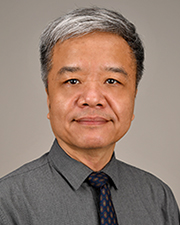
LUNG Hong Lok serves as an Assistant Professor in the Department of Chemistry at Hong Kong Baptist University's Faculty of Science, specializing in oncology-focused medicinal chemistry research targeting nasopharyngeal carcinoma (NPC) and related cancers. His core research domains include: Development of anti-Epstein-Barr virus (EBV) inhibitors and NPC imaging agents Cancer immunology, cachexia, and metabolic pathways in NPC Tumor metastasis mechanisms of NPC Therapeutic target identification using normal/cancer organoid models Drug screening for NPC and esophageal squamous cell carcinoma No scientific awards were documented in the provided source material. Details regarding graduate student supervision, research funding, or laboratory infrastructure were not disclosed in the available text.
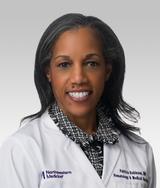
Associate Professor in the Department of Medicine, Division of Hematology and Oncology at Northwestern University Feinberg School of Medicine. Specializes in breast cancer research with focus on metastatic disease, immunotherapy, and nutritional impacts on outcomes. Affiliated with the Robert H. Lurie Comprehensive Cancer Center. Education: Board Certified in Medical Oncology, Northwestern University Research centers on breast cancer subtypes , particularly hormone receptor-positive and triple-negative metastatic disease. Investigates immune biomarkers for immunotherapy response, body composition impacts on survival, and nutritional interventions like vitamin D supplementation. Leads clinical trials exploring novel neoadjuvant combinations including immunotherapy and metabolic agents. Current leadership roles include Co-chair of Big Ten Cancer Research Consortium (breast focus), advisor to SWOG Vice Chair for Diversity, Equity and Inclusion, and President of Equal Hope. Serves on NCCN-Pfizer metastatic breast cancer project and previously chaired Education Committee. Professional Affiliations: American Society of Clinical Oncology (1999-Present) Southwest Oncology Group (SWOG) (2023-Present) Cancer Support Community (2013-Present) Principal Investigator for active clinical trials including SWOG 2206 (durvalumab + chemotherapy for MammaPrint Ultrahigh breast cancer). Industry collaborations include Merck & Co. and Pfizer for educational activities.
Richard L Lieber, PhD, MBA, is a Professor of Physical Medicine and Rehabilitation and Neuroscience at Northwestern University's Feinberg School of Medicine. He serves as Chief Scientific Officer and Senior Vice President of the Shirley Ryan AbilityLab and is a Senior Research Career Scientist at the Edward Hines, Jr., VA Hospital in Hines, Illinois. Dr. Lieber joined the Shirley Ryan AbilityLab (formerly Rehabilitation Institute of Chicago) in 2014 and oversees more than 200 researchers and over 150 research studies and clinical trials. Dr. Lieber earned his PhD in Biophysics from the University of California, Davis in 1983 and his MBA from the University of California, San Diego in 2013. His research focuses on the design and plasticity of skeletal muscle, with particular emphasis on muscle contracture in neurological conditions such as cerebral palsy, stroke, and spinal cord injury. Dr. Lieber has published over 386 scientific articles spanning from fundamental research in journals like The Biophysical Journal and The Journal of Cell Biology to clinical applications in The Journal of Hand Surgery and Clinical Orthopaedics and Related Research. His recent work demonstrates trends in human muscle physiology, rehabilitation assessment tools, and the development of innovative measurement techniques for muscle function across various patient populations including those with spinal cord injury, cerebral palsy, and cancer-related conditions. Paul B. Magnuson Award from the U.S. Department of Veterans Affairs (2023) Elsass Foundation Research Prize in Cerebral Palsy (2023) Kappa Delta Award, American Academy of Orthopedic Surgeons (2013) Giovanni Borelli Award, American Society of Biomechanics (2007) Lifetime Achievement Award from American Academy for Cerebral Palsy and Developmental Medicine (2021) Dr. Lieber manages a grant portfolio exceeding $152 million from major agencies including NIH, VA, DoD, and NIDILRR. He leads the implementation of the "Research Accelerator Program" at Shirley Ryan AbilityLab, enabling translational research with nearly 200 non-research staff. He also designed the Biologics Lab, the only rehabilitation-setting lab of its kind in the world, bringing together biologists, physiologists, and molecular biologists to accelerate discoveries in rehabilitation science. As Chief Scientific Officer, Dr. Lieber oversees all research endeavors throughout the Shirley Ryan AbilityLab system of care and has pioneered studies of human muscle during hand surgery and in conditions of muscle contracture. His laboratory has been continuously supported by the National Institutes of Health for over 40 years.
Professor Andreas Bergthaler leads the Bergthaler Lab at the Medical University of Vienna and serves as an Adjunct Principal Investigator at CeMM (Research Center for Molecular Medicine of the Austrian Academy of Sciences). His research bridges immunology , virology , and metabolism , focusing on systemic immunometabolism, pathogen surveillance, and transmissible cancers. Doctorate in Veterinary Medicine, University of Veterinary Medicine Vienna PhD, ETH Zurich & University of Zurich Postdoc, University of Geneva & Institute for Systems Biology His work explores: Multi-organ crosstalk in cachexia during chronic infections Pathogen surveillance in wastewater and air filters Immune evasion in transmissible cancers Viral persistence and CD8+ T cell dysfunction Recent publications highlight advances in: 2025: Gut - Metabolic targeting of intestinal inflammation 2025: EMBO Mol Med - EGFR signaling in colorectal cancer 2024: Nat Metab - Single-cell immunometabolism tools Recognized with: ERC Starting Grant Loffler-Frosch Prize (Society of Virology) He co-founded Hookipa Pharma, developing immunotherapies for infections and cancers, and collaborates across epidemiology , neurobiology , and public health .
Svanhild Margrethe Arentz Schønberg serves as Department Head at the Department of Health Sciences Ålesund within the Faculty of Medicine and Health Sciences at the Norwegian University of Science and Technology (NTNU). With a distinguished career spanning over 30 years, she leads research at the intersection of nutrition science and cancer biology. Her academic foundation includes a Cand.Scient. in Chemistry (1989) from the University of Trondheim and a Doctor Scientiarum in Biochemistry (1997) from NTNU. Her research program focuses on nutrigenomics and cancer metabolism , particularly investigating how omega-3 polyunsaturated fatty acids influence cancer cell behavior. Key interests include: Molecular mechanisms of DHA/EPA in colon cancer models Cancer cachexia and nutritional interventions ER stress and autophagy pathways in fatty acid-induced cytotoxicity Translational applications for enhancing conventional cancer therapies Analysis of her 15 most recent publications reveals consistent focus on colorectal cancer models with strong emphasis on molecular mechanisms (ER stress, autophagy), translational applications (chemotherapy enhancement), and nutritional interventions (omega-3 fatty acids). Her work bridges basic science and clinical applications, with increasing focus on patient-derived models and palliative care contexts in recent years. As Department Head and active researcher, she maintains robust supervision of doctoral candidates and postdocs. Current projects include: Translational Research in Lung Cancer and Palliative Care (TLCPC) EPCRC consortium on symptom management Salmon oil chemotherapeutic potential studies Her laboratory serves as a hub for nutrigenomics research at NTNU's Ålesund campus, providing state-of-the-art facilities for molecular oncology studies while fostering collaborations across clinical and basic science domains. The research environment emphasizes both technical excellence and translational impact, preparing students for diverse careers in academic medicine and pharmaceutical research.
Vandré Figueiredo serves as an Assistant Professor in the Department of Biological Sciences at Oakland University. His office is located in Dodge Hall room 303, with laboratory facilities in rooms 310 and 312. He teaches advanced courses including BIO 4620/5620 Advanced Human Physiology and maintains an active research program focused on skeletal muscle physiology. Dr. Figueiredo's research centers on skeletal muscle's role in whole-body metabolism, health, and longevity. His primary interest lies in understanding the cellular and molecular mechanisms that determine muscle mass during hypertrophy and atrophy. His work specifically investigates ribosome biogenesis and degradation in myofibers, and how these processes impact ribosome homeostasis, protein synthesis, and ultimately muscle size. His laboratory aims to translate these findings into new therapeutic strategies for muscle atrophy conditions including limb immobilization, bed rest, sarcopenia, and cancer cachexia. Analysis of Dr. Figueiredo's recent publications reveals a consistent focus on ribosome dynamics in skeletal muscle. His work spans molecular mechanisms of ribosome regulation, exercise physiology, aging-related muscle decline, and cancer-associated wasting conditions. The interdisciplinary nature of his research bridges molecular biology, physiology, gerontology, and oncology, with particular emphasis on translational applications for clinical conditions involving muscle loss. Dr. Figueiredo maintains an active research laboratory (Figueiredo Lab) with facilities in Dodge Hall. His research program appears to be well-integrated with collaborative networks, as evidenced by co-authorship with researchers from multiple institutions across his publications. While specific grant information isn't provided in the available materials, his ongoing research output suggests active funding support for his laboratory investigations.
Dr. Michael X. Zhu is a Professor at The University of Texas Health Science Center at Houston with extensive expertise in ion channel research and calcium signaling. His academic background includes a Ph.D. from the University of Houston (1991), an M.S. from the University of Houston (1988), and postdoctoral training at Baylor College of Medicine (1994). Dr. Zhu's research focuses on the molecular mechanisms of ion channels, particularly Transient Receptor Potential (TRP) channels and two-pore channels (TPCs). His work has significantly advanced understanding of calcium signaling pathways in cellular physiology. He has made seminal contributions to the field, including the cloning and characterization of TRPC channels and the identification of TPCs as NAADP receptors in endolysosomal membranes. Analysis of Dr. Zhu's recent publications (2020-2022) reveals a strong focus on calcium signaling mechanisms, with particular emphasis on TRP channels and their roles in neuronal function, pain sensation, and disease processes. His work spans multiple disciplines including neuroscience, molecular pharmacology, and cell biology, demonstrating an integrative approach to understanding complex cellular signaling pathways. Dr. Zhu's research program addresses fundamental questions in cellular physiology with implications for understanding and treating various diseases, including neurological disorders, pain conditions, and metabolic diseases. His laboratory combines molecular, pharmacological, and physiological techniques to elucidate the mechanisms of ion channel function and regulation.
Thomas Bøker Lund serves as an Associate Professor in the Department of Food and Resource Economics at the University of Copenhagen's Faculty of Science, specifically within the Section for Consumption, Bioethics and Governance. His academic journey began with research assistant positions at Copenhagen Business School and the Royal Veterinary and Agricultural University before progressing through a PhD program and ultimately securing his current position in 2017. Lund's research program spans three interconnected domains: 1) Sociology of food examining Nordic eating patterns, meat consumption dynamics, and organic food systems; 2) Human-animal relationships with focus on pet ownership and animal ethics; and 3) Empirical ethics in biotechnology applications including AI in healthcare and genetic technologies in livestock. His methodological approach integrates both qualitative (interviews, focus groups, ethnography) and quantitative (questionnaire) research techniques, allowing for comprehensive exploration of complex socio-ethical issues. His recent publication record demonstrates a clear trajectory toward increasingly interdisciplinary work bridging veterinary science, sociology, and environmental studies. The 2024-2025 publications reveal particular emphasis on human-animal relationships (accounting for approximately 60% of recent work), sustainable food systems (25%), and biotechnology ethics (15%). This pattern reflects growing societal concerns about animal welfare, sustainable food production, and ethical implications of emerging technologies. Lund has supervised 18 graduate students (12 master's thesis and 6 PhD students) and taught multiple courses including Sociology of Food Consumption, Empirical Methods in Social Sciences, and Health, Nutrition and Quality of Life. His teaching portfolio demonstrates commitment to both theoretical foundations and practical research methods in social sciences. His research collaborations span multiple countries with particular strength in UK, Austria, and Denmark partnerships. The visibility of his work is evidenced by media coverage (appearing in 8 news outlets) and significant academic engagement (31 readers on Mendeley for some publications).
Lykke Sylow is an Associate Professor at the Department of Biomedical Sciences, Faculty of Health and Medical Sciences, University of Copenhagen. She leads the research group "Molecular Metabolism in Cancer and Ageing" and has been enrolled in the UCPH professor promotion program since 2022. Her educational background includes: PhD in Molecular Physiology (2014), University of Copenhagen MSc Human Physiology (2010), University of Copenhagen BSc Exercise Biology (2007), University of Copenhagen BSc Psychology (2006), University of Copenhagen and University of Canterbury, NZ Dr. Sylow's primary research focuses on molecular physiology , particularly examining the intersection of metabolism, cancer, and ageing processes. Her work investigates how skeletal muscle metabolism adapts to various stressors including exercise, temperature changes, and disease states. She employs molecular techniques to understand cellular signaling pathways that regulate metabolic homeostasis, with particular emphasis on AMPK signaling, Rac1-mediated adaptations, and mitochondrial function in both healthy and pathological conditions. Her recent publications demonstrate a strong focus on understanding how environmental factors like temperature and diet impact metabolic responses in cancer and obesity models. Her research bridges basic molecular mechanisms with physiological outcomes, often using mouse models to investigate tissue-specific adaptations. The work spans multiple disciplines including endocrinology, exercise physiology, cancer biology, and metabolic disorders. Dr. Sylow has received numerous prestigious awards recognizing her contributions to medical research: Anders Jahre Award for young medical researchers (2022) Erhoff Talent Prize (2021) Bagger-Sørensen Fondens Ung Forskerpris (2021) Danish Diabetes Academy Young Investigator Award (2020) Sapere Aude Research Talent grant (2014) UCPH's Gold medal for Prize essay (2011) She serves on the International Research Group on Biochemistry of Exercise, which organizes the International Biochemistry of Exercise Conference (IBEC), and is a member of the Danish Young Academy under the Royal Academy (2021-2026). Her editorial experience includes a Fellowship on the Journal of Physiology Editorial Board (2020-2022). Dr. Sylow has also been actively involved in promoting gender equality in science through her representation at the UCPH SCIENCE council. As leader of the "Molecular Metabolism in Cancer and Ageing" research group, Dr. Sylow oversees a team investigating the molecular mechanisms connecting metabolism with cancer progression and age-related physiological decline. Her laboratory employs a range of techniques from molecular biology to whole-animal physiology to address fundamental questions about metabolic regulation in health and disease.
Dr. Brooke Bullard is an Assistant Professor in the Department of Science at Mercer University's College of Professional Advancement. She holds a PhD in Biomedical Science from the University of South Carolina (2025) and a BS in Exercise Science from Belmont University (2018). Her research integrates immunology, microbiome science, and metabolic physiology, with emphasis on: Macrophage roles in cancer/colitis Gut-microbe interactions Cancer cachexia mechanisms Non-pharmacological interventions (diet/exercise) Recent publications (2022-2025) in journals like American Journal of Physiology and Journal of Cachexia, Sarcopenia and Muscle reveal a focus on murine models, chemotherapy toxicity, and natural compounds. Awards include the Dean C. Barnhart Award (2025) and Dean's Award for Doctoral Achievement (2025). She teaches undergraduate biology and pathophysiology courses.
Prof. Dr. Gianni Panagiotou heads the Department of Microbiome Dynamics at Leibniz Institute for Natural Product Research and Infection Biology and holds a professorship at Friedrich Schiller University Jena. His research integrates meta-omics and eco-systems biology to investigate host-microbiome interactions in metabolic diseases, infections, and sepsis. Research focuses include: Microbiome dynamics in health/disease states Systems biology of infectious pathogens Personalized nutrition strategies Gut-lung axis dysbiosis mechanisms Machine learning for microbiome diagnostics Recent publications demonstrate strong emphasis on clinical translation, with 2025 studies in Nature Medicine , Cell Reports , and mBio revealing microbiome signatures for NAFLD, fungal-pathogen interactions in lungs, and sepsis bioenergetics. The lab employs germ-free models and multi-omics integration to advance precision medicine. He leads the EU consortium 'MiCCrobioTAckle' exploring gut microbiome roles in cancer cachexia and teaches advanced courses in microbiome systems biology. His group maintains active collaborations across 15+ countries.
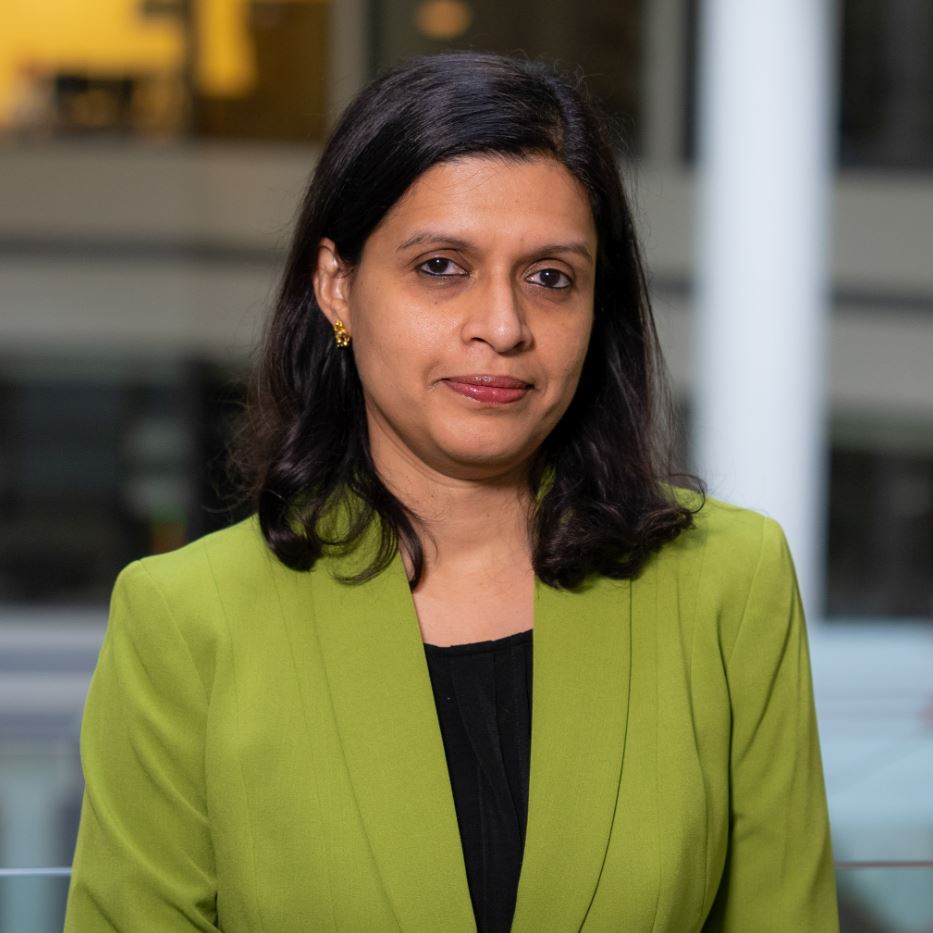
Smitha Menon, M.D., serves as a Clinical Associate Professor in the Division of Hematology and Oncology at the University of Washington and holds a Physician & Research Faculty position at Fred Hutchinson Cancer Center in Seattle, Washington. Her clinical practice is centered at Fred Hutch at UW Medical Center - Montlake, specializing in complex oncology cases. Her academic foundation includes: M.B.B.S. from Stanley Medical College, Chennai, India Residency in Internal Medicine at Mayo Clinic, Rochester, MN Fellowship in Hematology and Oncology at Mayo Clinic, Rochester, MN Dr. Menon maintains board certifications in both Internal Medicine and Oncology through the American Board of Internal Medicine. Her clinical expertise focuses on head and neck cancers and lung cancer, with research centered on thoracic malignancy management using immunotherapy and targeted therapeutic approaches . She actively investigates cancer cachexia and sarcopenia —critical metabolic complications affecting body composition in cancer patients—aiming to develop integrated treatment strategies that address both tumor biology and patient physiology.
Stephan von Haehling is DZHK Professor of Metabolic Cardiology at the University of Göttingen's Faculty of Medicine and Heart Center Göttingen. He serves as spokesperson for the German Society of Cardiology's Heart Failure Working Group and deputy editor of ESC Heart Failure , focusing on clinically relevant heart failure and cardio-oncology research. His primary research examines comorbidities in heart failure, particularly sarcopenia (affecting over 20% of patients) and bone metabolism deterioration. His team demonstrated sarcopenia's role as an independent mortality predictor, leading to its inclusion in European Society of Cardiology guidelines. In cardio-oncology, they investigate cancer-induced cardiovascular changes that impair physical resilience and quality of life, identifying biomarkers like osteoprotegerin and kynurenine for early prediction. Recent publications (2020-2023) emphasize heart failure management during the COVID-19 pandemic, cardio-oncology quality-of-life metrics, bone health in heart failure, and diagnostic biomarkers for acute heart failure. His work combines clinical trials, retrospective analyses, and biomarker validation, significantly influencing European treatment guidelines. Prof. von Haehling leads a research team at Göttingen's Heart Center, conducting translational studies on metabolic cardiology with international collaborations through the German Centre for Cardiovascular Research (DZHK).
Morten Quist serves as an Associate Professor in the Department of Clinical Medicine at the University of Copenhagen's Faculty of Health and Medical Sciences, with a specialized focus in Clinical Oncology. His clinical affiliation appears to be with the Copenhagen University Hospital (Region Hovedstaden), as indicated by his email domain (regionh.dk). Dr. Quist's research interests center on oncology rehabilitation, particularly examining the intersection of exercise science and cancer care. His work focuses on lung cancer rehabilitation, exercise interventions for patients with advanced disease, and management of complications such as sarcopenia and bone metastases. He has developed expertise in understanding barriers to rehabilitation participation and creating supportive care interventions for vulnerable populations including older adults with cancer. Analysis of his recent publications reveals a strong focus on clinical applications of exercise oncology, with particular attention to quality of life outcomes, patient participation barriers, and evidence-based exercise recommendations for specific cancer populations. His work often takes the form of systematic reviews, meta-analyses, and clinical guidelines that bridge research and practice. His collaborative research network spans multiple institutions and countries, as evidenced by the international authorship on many of his publications. He frequently collaborates with researchers in exercise physiology, medical oncology, geriatrics, and supportive cancer care. Dr. Quist contributes significantly to the development of clinical guidelines in cancer rehabilitation, particularly evidenced by his work on exercise recommendations for patients with bone metastases. His research demonstrates a commitment to translating evidence into practical clinical applications that improve patient outcomes across the cancer continuum.
Thomas Moritz is a Professor at the University of Copenhagen, Faculty of Health and Medical Sciences, Department of Biomedical Sciences, where he leads the Moritz Group focused on metabolic research. His work bridges basic science with clinical applications in metabolic disorders. His research interests span metabolomics, lipidomics, skeletal muscle metabolism, adipocyte biology, and circadian regulation of metabolism. Dr. Moritz employs multi-omics approaches to investigate metabolic pathways in obesity, inflammatory bowel disease, and inherited metabolic disorders. His work often focuses on how cellular metabolism responds to environmental factors like exercise timing and nutritional interventions. Dr. Moritz's recent publications demonstrate significant contributions to understanding metabolic regulation across multiple physiological systems. His work shows particular strength in integrating metabolomics with other 'omics' technologies to reveal novel insights into metabolic diseases. His research has been widely disseminated, with 233 research outputs including 229 journal articles, 2 conference abstracts, 1 comment/debate, and 1 review. Metabolomics and diagnostic algorithms for metabolic disorders Adipocyte biology and obesity-related inflammation Skeletal muscle metabolism and exercise physiology Circadian regulation of metabolic processes Lipidomics in inflammatory diseases His research has garnered significant attention across academic and social media platforms, with mentions across X (Twitter), Bluesky, Mendeley, news outlets, and scientific blogs, indicating substantial impact in the metabolic research community.