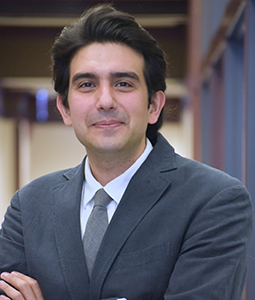
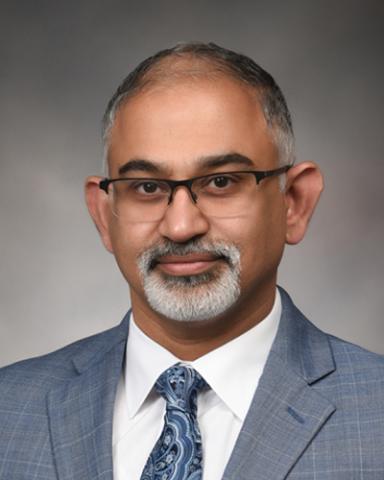
Sina Ansari is an Assistant Professor at DePaul University's Driehaus College of Business , specializing in Management & Entrepreneurship . He co-directs the MS Business Analytics program and has held academic roles at Northwestern University and Tuck School of Business . Northwestern University (PhD, Industrial Engineering & Management Sciences, 2018) Tuck School of Business (Postdoctoral Research Fellow) His research focuses on optimizing service systems through mathematical models, with applications in healthcare operations, opioid crisis mitigation, and logistics. Key areas include: Dynamic resource allocation Patient scheduling optimization Emergency department operations Humanitarian logistics Recent publications highlight his work in humanitarian operations , healthcare scheduling , and medical decision-making . He has received recognition through editorial roles in journals like Naval Research Logistics and Healthcare Management Science . Professional memberships include: INFORMS (Vice President, Chicago Chapter) Production and Operations Management Society Decision Sciences Institute
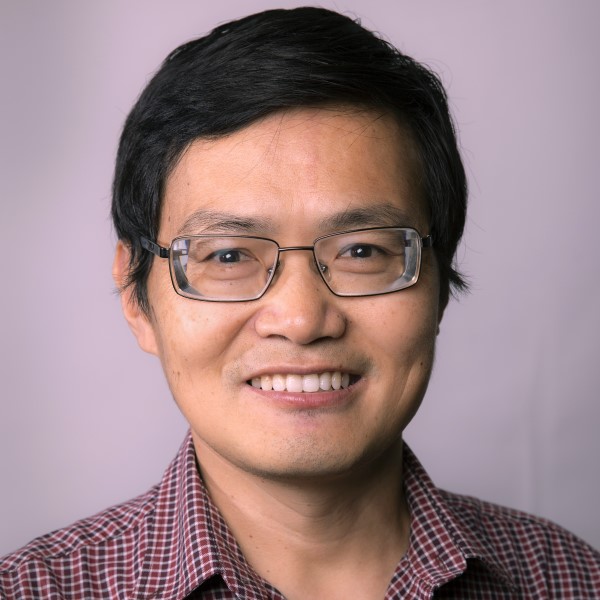
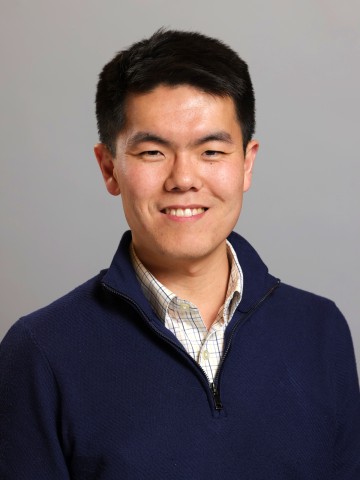
Noah Gans is the Anheuser-Busch Professor of Management Science at the Wharton School of the University of Pennsylvania, where he serves as Professor in the Operations, Information and Decisions department. His research focuses on service operations with particular emphasis on call center management, stochastic processes, and queueing system control. Department Editor, Stochastic Models and Simulation at Management Science President of Manufacturing and Service Operations Management Society (MSOM) PhD Program Coordinator for the OID Department His academic work spans diverse domains including healthcare technology pricing, container inspection security, workforce optimization, and revenue management. He has pioneered adaptive clinical trial designs and developed novel models for customer demand sensitivity in overbooking scenarios. Key research areas include: Bayesian sequential learning for multi-arm clinical trials Value-based pricing under uncertainty Stochastic control in service systems Security policy analysis for global supply chains Risk-sharing mechanisms in healthcare Scientific honors include NSF CAREER Award (1998), INFORMS George E. Nicholson Prize (1995), and multiple teaching awards from the Wharton MBA program (2004, 2010-2011, 1997-2001). His publications bridge theoretical operations research with practical implementation across healthcare, transportation, and service industries.
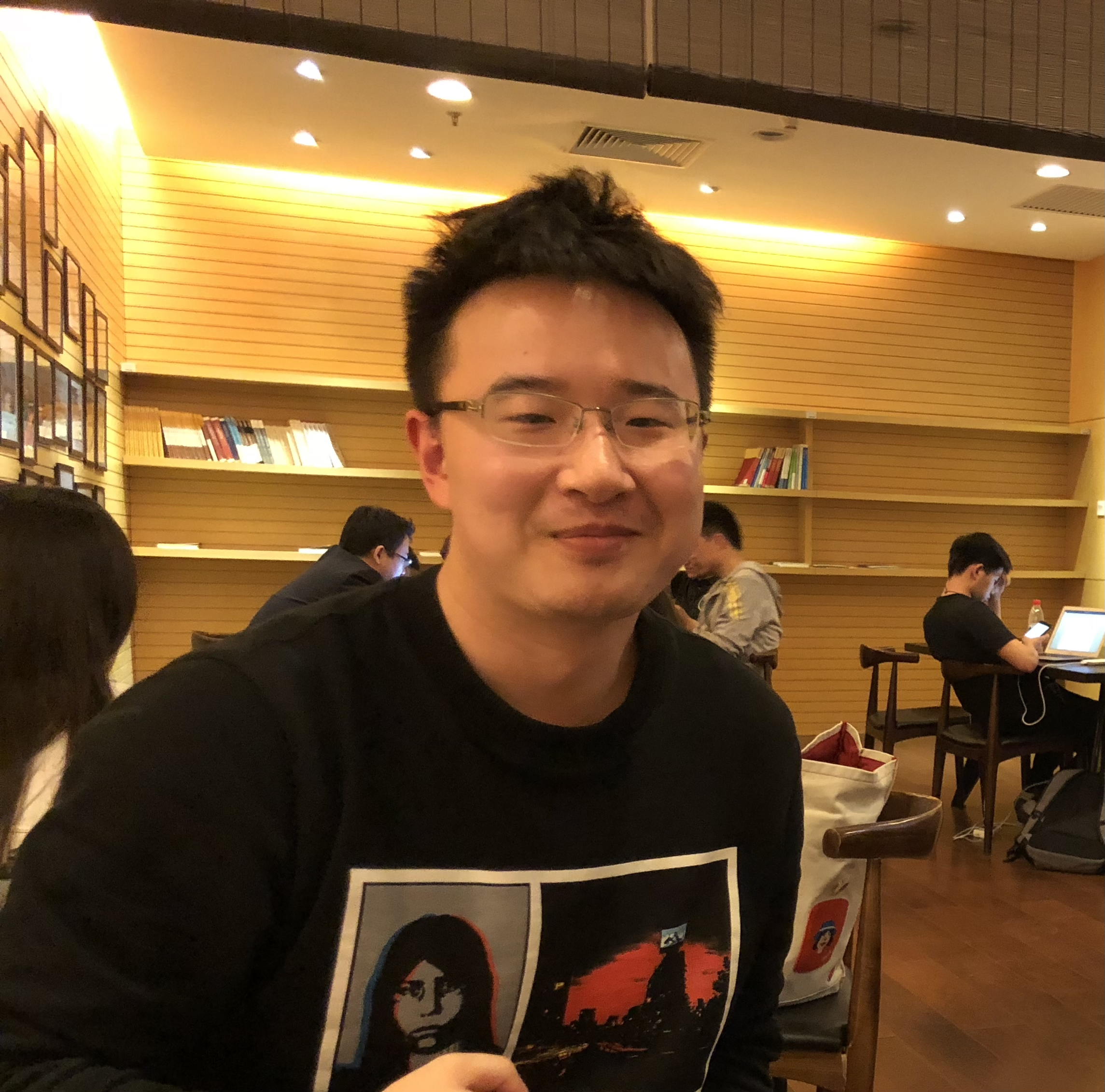
Jiazhen Zhou is an Associate Professor and Chair of the Department of Computer Science at the University of Wisconsin-Whitewater. His research focuses on Internet of Things security and privacy, cryptography, machine learning-based attack and defense mechanisms, and emergency communications. He teaches courses in cybersecurity and computer networking including CYBER 101, COMPSCI 354, and COMPSCI 455. His educational background includes: Ph.D. in Computer Science from the University of Missouri–Kansas City, USA M.S. in Intelligent Control Engineering from Chinese Academy of Sciences–Shenyang Institute of Automation, P. R. China B.S. in Mathematics from Shandong University, P. R. China Dr. Zhou's research centers on IoT security vulnerabilities in medical devices, cryptographic solutions for privacy protection, and machine learning applications for attack detection. His emergency communications work develops caching strategies for stressed networks during disasters, with recent emphasis on protecting older adults using smart medical devices. The Wireless Systems Lab he founded in 2012 serves as the primary research hub for these investigations. His publication record spans 14 years with 11 significant works, showing an evolution from fundamental networking research (2009-2013) toward applied IoT security (2016-2023). Recent publications demonstrate increasing focus on healthcare applications and privacy concerns for vulnerable populations, particularly in his 2023 HIMSS conference paper on medical devices for older adults. Scientific recognition includes: Grant writing fellowship ($5,000) in 2013 Summer research fellowship advisor awards ($2,500 each) in 2016, 2018, and 2019 Dr. Zhou has supervised over 30 undergraduate researchers and three graduate students through the Wireless Systems Lab, producing journal publications, conference posters, and educational demonstrations. His secured funding includes a $105,757 Tommy Thompson Center grant for IoT privacy in older adults (2021-2022), a $50,000 UW System Regent Scholar grant for wireless vehicle communications (2021-2022), and a $2 million U.S. Department of Labor Cybersecurity Apprenticeship grant (2020-2024). The Wireless Systems Lab, established in 2012, conducts hands-on research in medical IoT security, emergency communication protocols, and real-time monitoring systems. Current projects include security attacks on medical IoT devices with Jesse Ostrander and Jackson Richman, while past work has resulted in classroom demonstrations for K-12 students and novel cache deployment solutions for disaster scenarios.
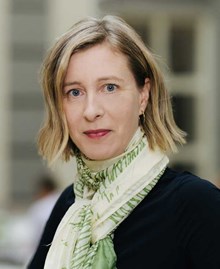
Xiusi Chen is a Postdoctoral Research Fellow in the Blender Lab at the University of Illinois Urbana-Champaign (UIUC), working under Prof. Heng Ji. His research focuses on improving reasoning, alignment, and decision-making capabilities of Large Language Models (LLMs). Previously, he completed his Ph.D. in Computer Science at UCLA under Prof. Wei Wang, and earned M.S. and B.S. degrees in Computer Science from Peking University under Prof. Jun Gao. His educational background includes: Ph.D. in Computer Science, University of California, Los Angeles (UCLA), advised by Prof. Wei Wang M.S. in Computer Science, Peking University, advised by Prof. Jun Gao B.S. in Computer Science, Peking University, advised by Prof. Jun Gao Dr. Chen's research program targets three interconnected areas: advancing Large Language Models (particularly in low-resource reasoning and alignment), developing NLP applications for AI in Science and recommendation systems, and modeling complex decision-making processes in sports domains. His work bridges theoretical foundations with practical implementations, resulting in numerous publications in top-tier conferences including ACL, ICML, ICLR, and KDD. Analysis of his recent publications reveals a strong focus on making LLMs more efficient, reliable, and capable of complex reasoning tasks across diverse domains. His significant academic contributions include: 2023 Best Poster Award (Honorable Mention) at SDM 2023 2023 SIAM Student Travel Award 2021 and 2022 SIGIR Student Travel Grants from ACM SIGIR Multiple academic scholarships from Peking University Co-creation of the widely adopted Amazon Reviews'23 dataset (500k+ HuggingFace downloads) Dr. Chen actively serves the research community as Workshop Organizer for KDD 2025, Program Committee member for major conferences (KDD, WSDM, ICML, NeurIPS, ICLR, AAAI), and journal reviewer. He maintains a strong commitment to mentoring, offering dedicated time for students (especially from underrepresented groups) to discuss research and career development. Starting Fall 2025, he will be seeking academic positions to continue his research on language agents and decision-making systems. Currently based in the Siebel Center for Computer Science, Dr. Chen collaborates with the Blender Lab team on advancing NLP and LLM capabilities. His work has practical impact through widely adopted resources like the Amazon Reviews'23 dataset and theoretical contributions through his publications on reasoning frameworks and alignment techniques.
Teresa Cristina de Freitas Gonçalves is an Associate Professor at the Department of Informatics, School of Sciences and Technology, University of Évora, where she has been employed since 1999. She serves as an integrated researcher at the ALGORITMI research centre and is the Director of the VISTA Lab (Video, Image, Speech and text Analysis Lab), the unit of the ALGORITMI research centre at University of Évora. Her leadership roles include Director of the Master programme in Informatics Engineering and deputy Director of both the Master programme in Artificial Intelligence and Data Science and the Doctoral program in Computer Science. She earned her PhD in Computer Science from University of Évora and a MSc degree in Informatics Engineering from New University of Lisbon. Her academic journey at University of Évora has included significant leadership positions including Head of the Computer Science Department (2011-2015), Director of the Bachelor programme in Informatics Engineering (2016-2021), and Deputy Director roles for various undergraduate and graduate programs. Dr. Gonçalves' research focuses on intelligent systems, particularly Machine Learning approaches, with substantial contributions in evolutionary algorithms, information extraction and retrieval, and supervised learning across multiple data modalities including tabular data, text (in both Portuguese and English), and images (medical and satellite). Her work bridges theoretical advances with practical applications in healthcare, remote sensing, and natural language processing. She has successfully supervised 6 doctoral theses, 19 master theses, and 3 postdocs, and currently mentors 5 doctoral and 6 master students from diverse international backgrounds including Bangladesh, Cabo Verde, Nepal, Philippines, India, Sri Lanka, China, Mongolia, and Portugal. Her publication record includes over 100 scientific articles indexed by Scopus with 640 citations and an h-index of 12, demonstrating significant international impact with 56% of her work involving international collaboration. Her recent research shows a strong trend toward applying advanced machine learning techniques to healthcare applications, information retrieval systems, and remote sensing analysis, with particular emphasis on transformer networks, learning-to-rank methodologies, and multimodal data analysis. Dr. Gonçalves has made substantial contributions to the academic community through her service as a reviewer for over 50 articles in prestigious international journals and conferences, and as chair for major international conferences including IDEAL 2023, PROPOR 2020, SKIMA 2017 and 2018, and CLEF 2016. She serves on the board of APRP (Associação Portuguesa de reconhecimento de Padrões) and as a jury member for APRP prizes for best MSc and PhD theses. Her current research portfolio includes coordination of the Horizon Europe MSCA Staff Exchange HarmonicAI project and local coordination of WP6 in the NewSpace Portugal mobilising agenda. She is also actively involved in numerous other international research initiatives including Interreg VI-B Sudoe SenforFire, PRR CANTE, La Caixa INCOME, Erasmus+ KA220-HED REDINEST, Interreg POCTEP TID4AGRO, and ATTRACT DIH projects. Previously, she led the FCT AI in the Public Administration SNS24.Scout.IA project and coordinated the FEDER R&D NIIAA project. As Director of the VISTA Lab, Dr. Gonçalves leads a dynamic research team focused on video, image, speech, and text analysis. The lab serves as the Évora hub of the ALGORITMI research centre and has established strong international collaborations. Under her leadership, the VISTA Lab has developed innovative approaches in medical image analysis, natural language processing for Portuguese, and satellite image classification, with applications spanning healthcare, environmental monitoring, and public administration.
Prof. Dr. Murat Dener is a full Professor in the Department of Information Security Engineering at the Institute of Science and Technology, Gazi University, where he also serves as the Head of Department since 2020. He has been continuously affiliated with Gazi University since 2005, progressing from Research Assistant to full Professor in 2023. He is also a Member of the Gazi University Rectorate Quality Commission and a Researcher at the High Performance Computational Neuroscience Laboratory at the Neuroscience and Neurotechnology Excellence Joint Application and Research Center. His educational background includes a BSc, MSc, and PhD, all from Gazi University, with his doctoral studies partially conducted at Georgia Tech University, USA. He completed English language training at Georgia State University and has participated in multiple EU-funded international projects across Greece, Portugal, Belgium, Germany, and Kazakhstan. His research focuses on cutting-edge areas such as cyber security, artificial intelligence, internet of things, blockchain, big data analytics, and computational neuroscience. His work bridges theoretical research with practical innovation, exemplified by the development of Turkey’s first domestically produced wireless sensor node, "WiSeN", through a company he founded in 2014. The analysis of his recent publications reveals a strong trend toward integrating AI and deep learning into cyber defense, secure IoT systems, blockchain applications, and computational neuroscience. His work emphasizes real-world applicability, security, scalability, and innovation in smart city and critical infrastructure technologies. Academic Achievement Award, Georgia State University (2011) Second Prize, Gazi University Business Idea Competition (2014) Turkish First Prize, Junior Chamber International 'Ten Successful Young People of Turkey' (2014) World Top 20 Finalist, Junior Chamber International (Japan, 2014) First Prize, Young Entrepreneurship Category, Liyakat Association (2015) First Prize, Smart Buildings and Environment, TET R&D Project Market (2018) Prof. Dener actively advises master’s and doctoral students and has led numerous national and international research projects, including EU-funded collaborations. His leadership extends to editorial and peer-review roles in multiple journals. He is deeply involved in academic quality improvement as a member of the Rectorate Quality Commission and leads advanced research in computational neuroscience using high-performance computing platforms. He founded a technology company in 2014 under the Technopreneurship Capital Support Program, producing the first Turkish-made wireless sensor node (WiSeN), which led to several national innovation awards. His lab work centers on the High Performance Computational Neuroscience Laboratory, where he contributes to neurotechnology research, combining AI and neuroscience for brain-computer interface applications.
Tevfik Aktekin is a Professor in the Department of Decision Sciences at the Paul College of Business and Economics, University of New Hampshire. His research focuses on Bayesian inference and stochastic modeling in service systems and business analytics. Education : Ph.D. in Decision Sciences (George Washington University), M.B.A. in Management Decision Making (George Washington University), B.S. in Mechanical Engineering (Yildiz Technical University). His work applies Bayesian state-space models to multivariate count data, with applications in call center staffing, product modification cycles, and public health analysis. He has published in journals like Annals of Applied Statistics , Bayesian Analysis , and European Journal of Operational Research . The 15 most recent articles highlight trends in sequential Bayesian learning for dynamic systems (e.g., bike-sharing, web traffic), time series of non-Gaussian data, and stochastic optimization under uncertainty. These works bridge statistical theory with practical applications in business and health.
Robert Brunner serves as Professor of Astronomy at the University of Illinois at Urbana-Champaign, where he bridges astrophysical research with computational innovation. His work focuses on extracting knowledge from massive astronomical datasets through advanced statistical and machine learning techniques, while also extending methodologies to finance and agricultural applications. Research interests center on developing machine learning algorithms (random forests, deep neural networks, Bayesian estimation) for astronomical data analysis, cosmological parameter constraints via n-point clustering measurements, and hardware acceleration using GPUs/cloud systems. His interdisciplinary approach spans source classification, transient phenomena detection in surveys like SDSS and DES, and applications in financial time-series analysis and agricultural remote sensing. Recent publications (2019-2025) reveal strong cross-domain expertise: astronomical catalogs for Rubin Observatory and Spitzer surveys coexist with financial market analysis using community detection methods and agricultural computer vision systems. Key methodological threads include spatio-temporal forecasting, multimodal learning for earnings calls, and anomaly detection via extended isolation forests, demonstrating consistent innovation in handling petascale datasets across scientific boundaries.
Dr. Emma Sjöström is a Research Fellow at the Stockholm School of Economics (SSE) in the Department of Marketing and Strategy. She holds a PhD from SSE (2009), where her dissertation focused on shareholder influence on corporate social responsibility. Sjöström has been a visiting fellow at the University of Hong Kong, enhancing her international research perspective. Her research centers on sustainable finance and ESG investment, examining how management practices and organizational structures influence responsible investing. Key areas include shareholder engagement tactics, ESG integration in financial markets, climate-related corporate governance, and the impact of sustainability metrics on investment decisions. Sjöström's recent publications analyze trends in ESG accountability, climate communication in corporate settings, and the financialization of sustainability metrics. Her work frequently employs empirical assessments of market practices, case studies on shareholder activism, and discourse analysis of corporate-environmental interactions. No scientific awards, grants, or supervised students are mentioned in the provided materials. Sjöström contributes to SSE's research community through the Misum (Mistra Center for Sustainable Markets) initiative, focusing on sustainable market transformations.
Philippe Baecke is a Professor of Business Analytics and Artificial Intelligence at Vlerick Business School, where he also serves as Programme Director for the Master in Business Analytics & AI and two executive programmes. He holds adjunct roles as Lecturer at Trinity Business School, Ireland, and Professor at the University of Namur. He earned his Doctorate in Applied Economics from Ghent University, complemented by an Advanced Master and Master in Applied Economics, both from Ghent University. His research focuses on leveraging big data analytics across marketing, operations, and finance, with specialties in digital marketing, customer relationship management, and network analysis. Notable areas include ad targeting, spatial modeling, and the application of AI in call center optimization and emotion recognition. He advises companies like KBC, ING, and Telenet on data strategy, blending strategic and operational insights. His recent work explores digital transformation trends, cost-effective AI adoption for SMEs, and the integration of human judgment in forecasting systems. He has published extensively in peer-reviewed journals, addressing topics like telecom data monetization, churn detection, and consumer privacy in addressable TV advertising. Baecke’s expertise also extends to vehicle telematics in insurance risk selection and spatial econometrics in customer acquisition modeling. He has collaborated on projects involving Bluetooth tracking in retail environments and the analysis of urbanization effects on customer behavior.
Romil Chadha, MD, MBA, MPH, FACP, SFHM, is a Professor of Internal Medicine at the University of Kentucky College of Medicine and serves as the Chief Medical Information Officer (CMIO) at UK HealthCare. He previously served as Division Chief of Hospital Medicine from 2019 to 2023 and is a certified Epic Physician Builder. His work bridges clinical medicine, health informatics, and executive leadership, with a strong focus on improving patient care through technology and data-driven decision-making. His educational background includes: MBBS from University College of Medical Sciences, Delhi, India MPH from the University of Texas, School of Public Health, Houston MBA from the Gatton College of Business and Economics, University of Kentucky Internal Medicine Residency at Westlake Hospital, Chicago, IL Romil Chadha’s research and professional interests lie at the intersection of hospital medicine and health informatics. He is deeply engaged in clinical decision support systems, data analytics, operational efficiency, and the digitization of healthcare workflows. His work emphasizes patient-centered care, evidence-based medicine, and empowering patients through clear communication. He advocates for innovation in health IT and continuous improvement in clinical systems. The recent articles authored or featured by Dr. Chadha highlight a strong trend in healthcare innovation, leadership, and informatics. Topics include clinical decision support, cybersecurity, workforce scheduling, pandemic response, and digital transformation. His publications reflect a consistent focus on leveraging data and technology to improve clinical outcomes, operational efficiency, and provider well-being. His key professional recognitions include: Fellow of the American College of Physicians (FACP) Senior Fellow of the Society of Hospital Medicine (SFHM) Certified Physician Executive (CPE) by the American Association for Physician Leadership Dr. Chadha is actively involved in mentoring and leadership development through the Society of Hospital Medicine (SHM), where he chairs the Academic Leaders SIG and serves on the Performance Measurement & Reporting Committee. He has contributed significantly to SHM conferences, committees, and chapters, particularly in Kentucky. His leadership roles involve strategic planning, recruitment, operations, and coaching for hospital medicine teams, as well as building clinical order sets and advancing data analytics capabilities. He has no known formal grants listed in the provided text but leads institutional initiatives in health IT and quality improvement. He is a core member of the medical informatics group at UK HealthCare and plays a pivotal role in shaping the institution’s clinical information systems strategy. His work involves close collaboration with physicians, IT teams, and administrative leaders to ensure technology supports clinical excellence and safety.
Steven Zhou is an Assistant Professor of Psychological Science at Claremont McKenna College, where he leads the STATS Lab (www.statslabatcmc.com). His academic work bridges quantitative methods with psychological research, focusing on leadership, personality, and vocational psychology. With methodological expertise in psychometrics, machine learning, and data visualization, he actively contributes to both academic and practitioner communities through research, teaching, and consulting. Dr. Zhou's educational background includes: PhD in Organizational Psychology + Certificate in Computational Social Sciences from George Mason University BA in Organizational Psychology + Certificate in Conflict Resolution from Pepperdine University His research program centers on developing and refining psychological assessments while investigating bias in measurement systems. Dr. Zhou specializes in forced-choice personality assessments, leadership evaluation methodologies, and career calling research. His work consistently addresses the gap between academic research and practical application in organizational settings, with recent projects incorporating large language models and agent-based simulations to study complex behavioral phenomena. Dr. Zhou's publication record shows a clear trajectory toward increasingly sophisticated methodological approaches to organizational psychology questions. His recent work demonstrates growing integration of computational techniques (machine learning, NLP) with traditional psychological research, while maintaining strong connections to practical organizational applications. The research consistently addresses measurement challenges in leadership assessment and career development. His notable scientific achievements include: 2025 Jablin Dissertation Award from the International Leadership Association and Jepson School of Leadership Studies 2025 Chapman Dissertation Award from the Network of Leadership Scholars and Academy of Management 2023 Dissertation Research Award from the American Psychological Association 2022 Free Inquiry Grant from the Foundation for Individual Rights and Expression 2022 Graen Grant for Student Research on Leaders and Teams from SIOP 2021 Kenneth E. Clark Student Research Award from ILA and Center for Creative Leadership 2021 Outstanding Graduate Student Instructor from GMU Department of Psychology Dr. Zhou actively mentors both graduate and undergraduate students, with numerous student co-authors across his publication record. He has secured nearly $40,000 in external research funding to support his work on leadership assessment and psychometric methodology. His professional service includes editorial roles for multiple journals and leadership positions within the Society for Industrial and Organizational Psychology. As director of the STATS Lab, Dr. Zhou leads a research team focused on applying quantitative methods to understand leadership, career development, and personality. The lab's five research pillars include Psychometrics & Measurement Science, Bias in Measurement & Analytics, Leadership Assessment & Team Dynamics, Integrating Novel Methods into Research, and Career Development & Vocational Psychology, all emphasizing both methodological rigor and practical application.
Dr. Emily Michelle David is an Associate Professor of Organisational Behaviour at the National University of Singapore (NUS Business School), where she also serves as Academic Director of the MSc in Human Capital Management and Analytics. Previously, she held roles at CEIBS (Shanghai) and Zayed University (Dubai). Her research focuses on workplace inclusivity, employee well-being, and prosocial behaviors, with notable contributions to Journal of Applied Psychology and Journal of Management Studies . She has been recognized with the CEIBS Research Award (2021) and named a 'Best 40 under 40 Business Professor' by Poets & Quants (2019). Dr. David earned her PhD in Industrial-Organisational Psychology from the University of Houston. Her work blends academic rigor with practical experience, including roles at NASA (Wyle Laboratories) and M.D. Anderson Cancer Center, as well as consulting for organizations like Exxon Mobil and Saudi ARAMCO. She teaches courses across leadership, organizational behavior, and innovation, emphasizing real-world applications. Her research interests include: Person-organization fit and diversity in workplaces Employee burnout prevention and resilience Leadership development and authentic self-expression Coworking spaces and collaborative dynamics Unethical pro-organizational behavior and ethical leadership Her recent publications highlight trends in leadership dynamics, CSR impacts on work-life balance, and the interplay between workplace diversity and justice perceptions. She advocates for environments that foster creativity and ethical practices, as exemplified in her book Innovative to the Core (2022). As an educator, Dr. David prioritizes experiential learning and has developed over 20 courses across undergraduate, MBA, and executive education programs. Her advising and grants focus on human capital analytics and management strategies, though specific grant details are not documented here. She leads initiatives to enhance workplace inclusivity through NUS’s Human Capital Management programs, aiming to bridge theoretical insights with practical managerial solutions.
Dr. Steven J. Jones is a Professor in the Department of Medical Genetics at the University of British Columbia (UBC) and Associate Director/Head of Bioinformatics at the Genome Sciences Centre, BC Cancer Research Centre. He serves as Director of the CIHR/MSFHR Bioinformatics Training Program and the UBC Bioinformatics Graduate Program, with associate memberships at the Peter Wall Institute for Advanced Studies and Michael Smith Laboratories. Dr. Jones' research focuses on computational genomics and cancer bioinformatics , analyzing mutational landscapes and epigenetic targets in oncology. His work includes next-generation sequencing , structural variant detection , and long-read sequencing applications for resolving complex genomic architectures. He has extensive experience with transcriptome analysis , gene regulation , and comparative genomics across diverse organisms including C. elegans , conifers, and human pathogens. His 15 most recent publications highlight expertise in long-read sequencing for cancer genomics , imprinting disorders , and structural variation analysis. Key contributions include developing the Circos visualization tool for comparative genomics and pioneering bioinformatics approaches for epigenetic modifier discovery in oncology. Scientific Awards : Spencer Award for IT innovation (2005) 2007 Medical Genetics teaching award (UBC) 2011 Fellow of the Royal Society of Canada 2012 UBC Killam teaching prize 2014 Distinguished Achievement Award (UBC Faculty of Medicine) 2014 Fellow of the Canadian Academy of Health Sciences Clarivate Analytics Highly Cited Researcher (2016, 2018) Dr. Jones actively advises graduate students and serves as a data analysis center for the Canadian Epigenetics, Environment and Health Research Consortium (CEEHRC). He co-founded Ifowonco Bioinformatics Inc. and Alamya Health, PBC, and consults for Apotheca Systems Inc.
Neslihan Serap Şengör is a Professor at the Department of Electronics and Communication Engineering, Istanbul Technical University . Her work bridges Artificial Intelligence , Neuroscience , and Circuits and Systems Theory . Research areas include: Neuromorphic computing with Intel Loihi Basal ganglia and motor control modeling Spiking neural networks for hardware Cognitive process simulation Projects focus on: Hardware implementation of motor learning Computational models for Parkinson's disease Cortex structure simulation on neuromorphic chips Contact: sengorn@itu.edu.tr