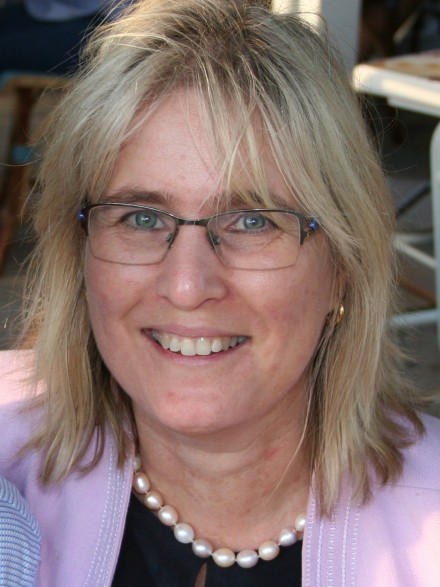
Dawn Y. Sumner is a Professor in the Department of Earth and Planetary Sciences at the University of California, Davis. Her research focuses on geobiology, paleobiology, and planetary science, particularly reconstructing ancient environments on Earth and Mars. She is a key member of NASA’s Mars Science Laboratory team, contributing to the Curiosity rover’s exploration of Gale Crater on Mars. Sumner’s work integrates field studies, lab analyses, and interdisciplinary approaches to understand microbial life’s role in shaping Earth’s history and potential habitability on other planets. Education: Ph.D., Massachusetts Institute of Technology (1995). Research interests include microbialite formation, Antarctic lake ecosystems, and the evolution of oxygenic photosynthesis. She investigates modern microbial communities in ice-covered lakes (e.g., Lake Vanda) to understand ancient environments and their biosignatures. Her scientific awards include the California Academy of Sciences Academy Fellow (2020) and Geological Society of America Fellow (2014). Sumner emphasizes inclusive education and supports student success in STEM through feminist research practices. Labs/Teams: W.M. Keck Center for Active Visualization in the Earth Sciences (KeckCAVES), Antarctic Lake Research Group.
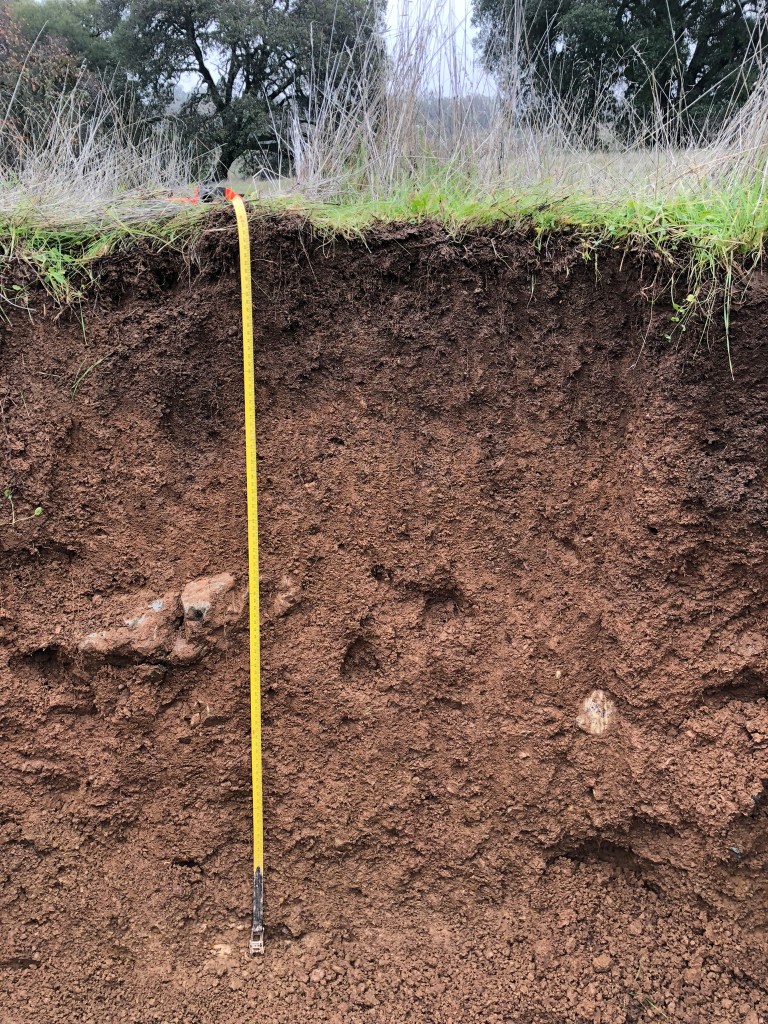
Eric Slessarev is an Assistant Professor at Yale University , affiliated with the Department of Ecology and Evolutionary Biology and the Yale Center for Natural Carbon Capture. His research focuses on soil biogeochemistry, particularly how soil properties influence carbon and nutrient cycling in terrestrial ecosystems, with applications to climate change mitigation strategies like enhanced rock weathering and perennial grass cultivation. Teaches Ecology of Landforms and General Ecology Labs located at KGL 318 (research) and KGL 417 (office) His recent publications highlight interdisciplinary approaches to understanding mineral-organic matter interactions, microbial controls on carbon cycling, and policy implications for soil-based carbon removal strategies. Key methodologies include global data synthesis, isotope tracing, and experimental manipulation of soil-plant systems across depth profiles. Notably, his 2025 work demonstrates drought impacts on carbon persistence, microbial harnessing for CO2 removal, and economic modeling of reversible carbon storage. 2024 studies explore deep-rooted plant effects on carbon fractions, calcium's role in mollisol formation, and policy optimization for carbon sequestration.
Professor John Parnell is the Chair in Geology & Petroleum Geology at the University of Aberdeen , affiliated with the School of Geosciences and Department of Geology and Petroleum Geology . His research focuses on geochemistry, paleoenvironmental reconstruction, trace element cycling, and sedimentary systems , with significant contributions to studies of the Rhynie Chert, Bowland Shale, and Lewisian Complex. Research Interests Professor Parnell's work spans: Geochemical analysis of Paleoproterozoic and Neoproterozoic systems Trace metal mobility in sedimentary and metamorphic environments Organic carbon burial and its tectonic implications Planetary analog studies for Mars exploration Shale resource characterization and environmental impact assessment Recent Publications His recent articles highlight investigations into: Graphitization processes in Scottish Highlands marbles Sulphur isotope records in Precambrian successions Trace element dynamics in the Bowland Shale Biogeochemical cycling at the Precambrian-Cambrian boundary Labs & Collaborations He leads research in the Geofluids Group and collaborates with the Planetary Sciences Department on Mars analog studies.
Dr. Nicola Allison is a Reader at the University of St Andrews, School of Earth & Environmental Sciences, where she leads research on biomineralisation. Her work focuses on how marine organisms form calcium carbonate structures, the impact of environmental changes on these processes, and the role of these biominerals in reconstructing past climates. Her research integrates experimental studies using controlled aquaria systems to culture corals and other organisms, alongside geochemical analyses of fossil carbonates. Key areas include the effects of ocean acidification, rising temperatures, and organic matrices on biomineral formation. She collaborates internationally, including through the International Ocean Discovery Program (IODP). Publications highlight advancements in understanding coral skeletal chemistry, aragonite precipitation mechanisms, and the development of climate proxies. She holds grants from NERC, MASTS, and the Leverhulme Trust, supporting projects on coral calcification, biomolecule influences, and climate change impacts. Dr. Allison actively engages in public outreach through workshops and conferences, contributing to climate science communication and policy-relevant research on marine ecosystems.
Jon Russ is a Professor of Chemistry at Rhodes University , specializing in the chemical analysis of archaeological and environmental materials. His research integrates advanced analytical techniques such as XRF, SEM-EDS, LA-ICP-MS, and GC-MS to investigate rock coatings, ancient rock art, and prehistoric smoking pipes. Education: B.S. in Chemistry (1987), Corpus Christi State University (now TAMU-CC) Ph.D. in Analytical/Physical Chemistry (1991), Texas A&M University Research Interests: His work focuses on understanding the formation of calcium oxalate rock coatings that preserve prehistoric rock art globally, using trace organic compounds to date these coatings. He also explores the chemical residue in archaeological smoking pipes to trace the historical use of tobacco and other plants in North America, employing radiocarbon dating and compound detection methods. Publications: Recent studies include analyses of rock coatings in the Lower Pecos Canyonlands, organic residues in Mississippian-era pipes, and pioneering work identifying nicotine in a 3500-year-old smoking tube from Georgia—the earliest evidence of tobacco in North America. His interdisciplinary approach bridges chemistry, archaeology, and environmental science.
Dr. Fabian Schmid is a Researcher affiliated with the Institute for Quantum Electronics at ETH Zürich, working within the Professorship for Experimental Quantum Information . His research focuses on quantum control, precision spectroscopy, and optical frequency comb technologies. Key applications include molecular ion manipulation, laser cooling techniques, and advanced spectroscopic methods for atomic and molecular systems. His work bridges quantum physics and optics, with contributions to ultra-stable laser systems, low-repetition-rate frequency combs, and high-resolution spectroscopic measurements. Recent efforts target applications in trapped ion systems and new boson constraints via calcium isotope studies. Schmid's experimental setups often involve precision engineering of optical components and cavity-stabilized laser systems. Notable experimental achievements include demonstrating quantum control over single molecular ions (H₂⁺) and developing number-resolved detection methods for Coulomb crystals. His research also explores synergies between dual-species laser cooling and cavity-based technologies. While currently holding no listed academic awards, Schmid's contributions are evident through his prolific publishing record in top-tier physics journals. His lab work integrates cutting-edge quantum optics with atomic physics to advance fundamental understanding and precision measurement capabilities.
Antonio Simonetti is an Associate Professor at the University of Notre Dame in the Civil & Environmental Engineering & Earth Sciences department, affiliated with the College of Engineering. He leads the Isotope Geochemistry Laboratory and MITERAC facility, focusing on nuclear forensics, geochronology, and isotope geochemistry. His research spans high spatial resolution analysis of Earth materials, lunar studies, and bioarchaeological mobility tracing. Ph.D., Carleton University (1994) M.S., McGill University (1989) B.S., McGill University (1986) Research interests include: Nuclear Forensics: Developing microanalytical techniques for post-detonation materials and source attribution. Geochronology: Dating igneous and biogenic materials using U-Pb and other isotopic systems. Isotope Geochemistry: Investigating mantle-derived carbonatites and environmental pollution tracing. Bioarchaeology: Using Sr, Nd, Pb isotopes to study ancient human migration in Nubia and the Nile Valley. Recent trends in his publications highlight interdisciplinary applications of isotopic analysis across nuclear materials, lunar science, and archaeological studies. His group employs LA-MC-ICP-MS for high-resolution chemical and isotopic mapping. Students and collaborators span graduate, undergraduate, and international PhD candidates, with projects on uranium isotope signatures, carbonatite petrogenesis, and isotopic tracing of ancient civilizations. Current students include Julia Rufener (lunar KREEP analysis), Jiahua Wu (nuclear fuel cycle signatures), and Bennett Schmitt (REE mineralization in carbonatites). Labs and teams: Directs the Isotope Geochemistry Laboratory and MITERAC facility, supporting advanced ICP-MS and laser ablation analyses. Collaborates with institutions in Brazil, Turkey, China, and Ireland on geological and archaeological projects.
Sachiko Amari serves as a Research Professor of Physics in the Department of Physics at Washington University in St. Louis, where she conducts pioneering research in cosmochemistry through the McDonnell Center for the Space Sciences. Her work bridges laboratory astrophysics and planetary science, focusing on extraterrestrial materials to unravel solar system formation and stellar processes. Amari's educational foundation includes a PhD from Kobe University and both Master of Engineering and Bachelor of Engineering degrees from Waseda University in Japan. This engineering background informs her precise analytical approach to meteoritic materials. Her research centers on presolar grains—stardust formed in stellar outflows that were incorporated into primitive meteorites. Using secondary ion mass spectrometry, she analyzes isotopic ratios to investigate nucleosynthesis in stars, mixing processes in stellar ejecta, and Galactic chemical evolution. A secondary focus examines noble gas trapping mechanisms in meteorites to understand volatile origins and early solar system processes. Her work reveals how microscopic grains preserve macroscopic cosmic histories. Analysis of her recent publications shows consistent emphasis on silicon carbide and graphite presolar grains, with increasing technical sophistication in NanoSIMS analysis. Research trends include correlating multi-element isotopic systems, identifying rare stellar sources like novae, and resolving phase Q—the elusive noble gas carrier in meteorites. Her work demonstrates how laboratory studies of individual grains constrain astrophysical models. Amari leads an active research group within the McDonnell Center for the Space Sciences and collaborates on major initiatives including the Mars Sample Return Science Definition Team. She mentors graduate students in meteoritics research while developing analytical protocols for extraterrestrial material characterization. Her laboratory serves as a hub for stardust analysis, utilizing advanced mass spectrometry techniques to decode isotopic fingerprints of stellar processes.
Dr. David Evans is a Royal Society University Research Fellow at the University of Southampton with expertise in paleoclimate reconstruction and marine geochemistry. His research focuses on understanding climate-Earth surface interactions through geochemical proxies, experimental culturing of marine organisms, and numerical modeling. He leads several major projects funded by the Royal Society and UKRI aimed at refining paleoclimate reconstructions. Dr. Evans investigates Cenozoic warm periods (particularly the early Eocene) to evaluate climate model performance and understand climate-biosphere interactions. His work centers on: 1) Reconstructing boundary conditions affecting geochemical proxies, especially seawater composition; and 2) Understanding biomineralization processes in key archives like foraminifera to ensure accurate proxy applications through geologic time. His publications (2024-2025) predominantly focus on marine biomineralization, paleoclimate proxies, and carbonate geochemistry, with frequent applications of isotope techniques and experimental approaches. Research consistently emphasizes methodological improvements in geochemical analyses and proxy validation. He currently supervises four PhD students across biological sciences and oceanography. His research group is part of the Geochemistry unit and Southampton Marine and Maritime Institute. Major active projects include Horizon Europe's AMOEBA initiative and a correlative cryo-analytical center development.
Michael W.I. Schmidt is a Full Professor of Physical Geography in the Department of Geography at the University of Zurich (UZH) . He has been a faculty member since 2002, advancing from Assistant to Full Professor in 2014. His research focuses on soil biogeochemistry, particularly soil carbon cycling under climate change, microbial carbon use efficiency, and the stability of pyrogenic organic matter. Research Interests: His work investigates how deep soils respond to warming, the role of microbes in carbon sequestration, and the long-term fate of biochar in soils. He leads the Swiss National Science Foundation project Deep C: Deep soil carbon cycling in a warming world (2017–2023) and collaborates with international institutions including the Max Planck Institute for Biogeochemistry, Lawrence Berkeley Lab, and Cornell University. Publication Trends: His recent articles (2019–2025) reflect a strong focus on climate change impacts on soil carbon, with frequent publications in high-impact journals such as Nature , Nature Geoscience , and Global Change Biology . Key themes include microbial carbon use efficiency, deep soil warming, peatland carbon dynamics, and the stabilization of organic matter. His work increasingly integrates field experiments, molecular analysis, and global synthesis. Scientific Awards and Recognition: Mercator Fellow, German Research Foundation (DFG), 2021 Teacher of the Hour 2020 (student election) Advising and Grants: While specific students are not listed, he leads major funded research projects and has supervised numerous PhD and Master’s theses. He has served as Program Director for five Bachelor and Master programs at UZH (2018–2020), indicating strong academic leadership. His research is supported by the Swiss National Science Foundation and international collaborations. Labs and Teams: He is affiliated with the Department of Geography at UZH and participates in international networks such as the National Hub of the European Joint Program Soil and the Deep Soil Warming Experiment Network. His work involves interdisciplinary teams focusing on soil biogeochemistry, climate change, and sustainable land use.
Dr. Richard W. Gross is Professor of Medicine and Developmental Biology at Washington University School of Medicine and Professor of Chemistry. He holds a PhD from Washington University, MD from New York University Medical School, and BA from Columbia College. His research focuses on the chemical biology of membranes in health and disease, specializing in lipidomics, metabolomics, and membrane signaling. He pioneered shotgun lipidomics technology for direct identification and quantification of lipid molecular species in biological systems. Developed novel shotgun lipidomics technology combining intrasource separation, multidimensional MS, and array analysis Investigates phospholipase regulation and membrane signaling complexes Studies altered lipid metabolism in obesity, diabetes and cardiovascular disease
Witold "Witek" Nazarewicz is a John A. Hannah Distinguished Professor in the Department of Physics & Astronomy at Michigan State University and serves as the Chief Scientist at the Facility for Rare Isotope Beams (FRIB). He is also a Corporate Fellow Emeritus at Oak Ridge National Laboratory (ORNL) and maintains a professorship at Warsaw University, Poland. Nazarewicz previously held positions as James McConnell Distinguished Professor at the University of Tennessee and served as Scientific Director of ORNL's Holifield Radioactive Ion Beam Facility from 1999-2012. His academic career spans multiple international institutions including Lund University, University of Cologne, Kyoto University, University of Liverpool, and Peking University. Nazarewicz's research focuses on theoretical nuclear physics with particular emphasis on exotic nuclei at the limits of nuclear existence. His work spans quantum many-body problems, physics of open quantum systems, superheavy elements, and nuclear fission. He has pioneered approaches to unify structure and reaction aspects of nuclei based on open quantum system many-body formalism, including the Gamow Shell Model. His research connects nuclear physics with high-performance computing, developing comprehensive descriptions of all nuclei through theoretical and experimental investigations of rare atomic nuclei. An analysis of Nazarewicz's recent publications reveals a strong focus on cutting-edge nuclear structure research, particularly concerning exotic nuclei near the driplines, charge radii measurements, superheavy elements, and the development of advanced computational methods. His work increasingly incorporates machine learning and Bayesian analysis techniques to address nuclear physics challenges. The publications demonstrate his leadership in connecting fundamental nuclear physics with applications in nuclear astrophysics, while also addressing foundational questions about the limits of nuclear existence and the nature of nuclear forces. Fellow of the American Physical Society Fellow of the U.K. Institute of Physics Fellow of the American Association for the Advancement of Science 2008 Carnegie Centenary Professor Honorary Doctorates from University of the West of Scotland (2009) and University of York (2019) 2012 Tom W. Bonner Prize in Nuclear Physics 2012 ORNL Distinguished Scientist 2013 UT-Battelle Corporate Fellow 2017 G.N. Flerov Prize 2025 Marian Smoluchowski Medal Nazarewicz has authored approximately 500 peer-reviewed publications with over 37,000 citations and an h-index of 103 (Web of Science). He has delivered over 220 invited talks at major international conferences and organized approximately 70 scientific meetings. His research has been supported by numerous grants from the Department of Energy, National Science Foundation, and international funding agencies. Nazarewicz plays a leadership role in major nuclear physics initiatives including the UNEDF, NUCLEI, and BAND collaborations, and has contributed to several National Academies reports on nuclear physics. As FRIB Chief Scientist, Nazarewicz leads theoretical efforts at one of the world's premier facilities for rare isotope research. His research group at MSU collaborates extensively with experimentalists worldwide, bridging theoretical predictions with cutting-edge measurements. He directs the FRIB Theory Alliance, fostering international collaboration in nuclear theory, and has established strong connections between nuclear physics and other disciplines including quantum information science and machine learning.
Dr. Elizabeth Webb is an Associate Professor in the Department of Earth Sciences at Western University, specializing in stable-isotope biogeochemistry. She holds a Ph.D. from Western University (2000) and leads the Laboratory for Stable Isotope Science (LSIS). Her primary affiliations include the Faculty of Science and involvement with the Richard W. Hutchinson Geoscience Collaborative Suite. She teaches undergraduate courses such as Earth Sciences 1086, 2240, and 3341, and graduate seminars (Geology/Geophysics 9580/9680). Dr. Webb's research focuses on understanding climate-vegetation interactions through isotopic analysis of plant materials, soil systems, and paleoenvironmental reconstruction. Key themes include: soil-plant-atmosphere continuum dynamics, paleoclimate modeling using ancient plant remains, carbon sequestration mechanisms, water resource availability in changing ecosystems, and fire history reconstruction in North American prairies. Her lab (BGS 0159, WSC 54) supports projects like developing multi-proxy paleoclimate models through calcite/calcium oxalate/silica biomineralization studies, Si-isotope indicators of weathering rates, and botanical magnetite-based aridity proxies. Recent work explores thermoregulating plant biomineralization processes and fire frequency-climate links. Dr. Webb collaborates with institutions globally, including fieldwork in Maya archaeological sites (Belize/Guatemala) and Canadian prairie ecosystems. She advises students on topics ranging from phytolith isotope analysis to geochemical cycle modeling. Research facilities include access to the Hutchinson Suite's mineral collections and advanced geochemical labs.
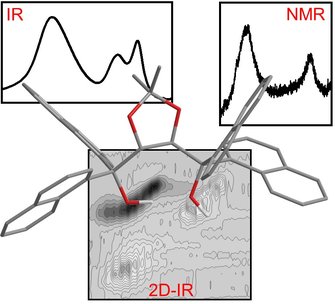
Dr. Johannes Hunger is a Group Leader at the Max Planck Institute for Polymer Research (MPI-P) in Mainz, Germany. He obtained his PhD in Chemistry from the University of Regensburg in 2006 under the supervision of Richard Buchner. Following a postdoctoral fellowship at the FOM Institute AMOLF in Amsterdam (2010-2012) funded by the German Science Foundation (DFG), he joined MPI-P as a group leader in 2012. In 2016, he established his distinguished research group with a starting grant from the European Research Council (ERC). His research focuses on dynamics in the condensed phase with particular emphasis on Coulombic and hydrogen-bonding interactions. His group intensively studies room temperature ionic liquids, electrolyte solutions, and solvation phenomena, elucidating fundamental properties of liquids including molecular-level ion transport and molecular association, as well as the relevance of such interactions in biological contexts (osmolyte action, specific ion effects) and technological applications (solvation dynamics, dissolution phenomena). With ERC funding, his group has intensified research on non-covalent interactions within reactive intermediates in organo-catalysis. The 15 most recent publications (2024-2025) demonstrate continued focus on hydrogen bonding dynamics, ion transport mechanisms, and solvation phenomena across various systems including aqueous interfaces, ionic liquids, and biomolecular environments. His work consistently combines experimental approaches with theoretical insights to unravel fundamental molecular processes. Scientific Awards: Postdoctoral Fellowship from German Science Foundation (DFG) ERC Starting Grant Dr. Hunger leads an active research group currently focused on three main areas: Fundamentals of Asymmetric Organo-Catalysis, Interaction of Osmolytes and Ions with Biopolymers, and Dynamics of Electrolytes. His research program is supported by the ERC grant FASTO-CAT and involves collaborations with numerous international research groups. His group maintains strong connections with the University of Regensburg where he completed his doctoral studies, and with research institutions in the Netherlands where he conducted his postdoctoral work. The research group operates state-of-the-art facilities for studying molecular dynamics, including advanced spectroscopic techniques for probing hydrogen bonding networks and ion transport phenomena at ultrafast timescales.
Dorrit Jacob is a Professor and Director of the Research School of Earth Sciences at the Australian National University (ANU), within the College of Science. She holds a Dr. rer. nat. from Georg-August University in Göttingen, with her master's and PhD research conducted at the Max-Planck Institute for Chemistry in Mainz. Recognized nationally, she was awarded the DFG Heisenberg Chair in Biomineralisation in 2012, becoming the first female recipient of this honor in Rhineland-Palatinate and at Johannes Gutenberg University Mainz. In 2013, she relocated to Australia, taking up an ARC Future Fellowship at Macquarie University before being promoted to full Professor in 2016. Since November 2020, she has served as the first female School Director of the Research School of Earth Sciences. Her research focuses on biomineralization, diamond formation, Earth's mantle geochemistry, and advanced analytical techniques like laser ablation ICP-MS and vibrational spectroscopy. She leads interdisciplinary projects, including collaborations on carbon sequestration, material science, and environmental applications. Notable awards include the DFG Heisenberg Professorship and contributions to understanding mantle dynamics through diamond inclusions and mantle xenolith studies. Dr. Jacob's work spans geology, geochemistry, and biomineralization, with over 150 publications. Her research teams investigate topics like nacre growth mechanisms, sulfide-rich continental roots, and deep carbon cycles. She supervises students in these areas and collaborates on grants related to microanalysis, climate proxies, and mantle processes. Her labs and teams at ANU and international institutions advance understanding of Earth's materials and environmental systems.