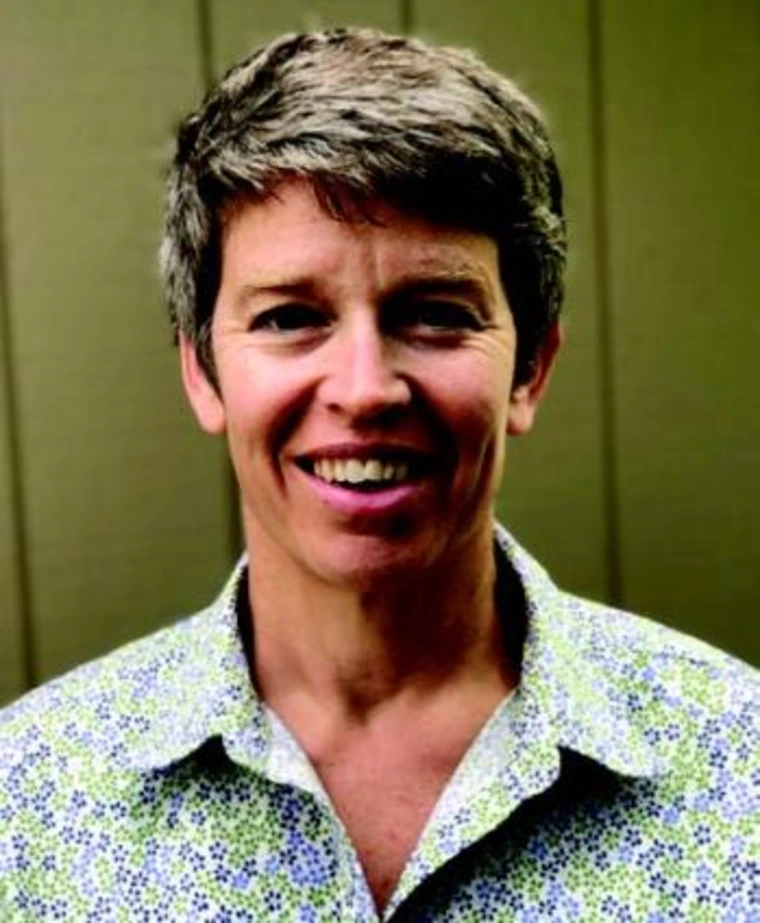
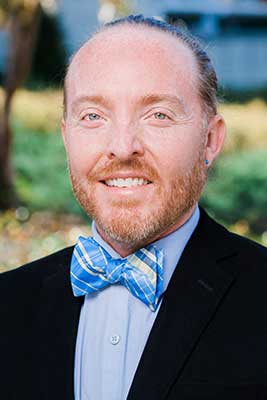
Emma Grigg is an Assistant Professor of Practice at the University of Arizona, specializing in animal behavior and welfare. Her research focuses on companion animals (cats and dogs), marine mammals, and veterinary practices. Notable areas include feline and canine behavioral health, human-animal interactions, and stress management strategies for domestic animals. Her work bridges veterinary science with behavioral studies, addressing topics like repetitive behaviors in cats, noise sensitivity in dogs, and ethical educational methods using cadavers. She also explores professional challenges faced by veterinarians, such as impostor syndrome, and advocates for inclusive veterinary services for clients with disabilities. Grigg’s research on marine mammals includes studies on harbor seals and bottlenose dolphins, focusing on habitat use, population trends, and conservation. Her interdisciplinary approach integrates behavioral analysis, physiology, and environmental science. Her publications emphasize practical applications, such as improving pet-owner relationships, optimizing veterinary care, and advancing animal welfare standards. No awards or grants are explicitly mentioned, but her research demonstrates a commitment to bridging academic inquiry with real-world animal care.
Joy Y. Balta is a Professor of Anatomy and Founding Director of the Anatomy Learning Institute at Point Loma Nazarene University (PLNU). She has held academic positions at Lebanese American University (LAU), University College Cork (UCC), and The Ohio State University, where she served as Associate Professor of Anatomy and Director of Anatomical Services & Body Donation Program. Her career spans anatomy education, research on embalming techniques, and leadership in developing academic programs like Ireland's first taught MSc in Human Anatomy. Education BS in Zoology, Lebanese University MSc in Human Anatomy, University of Dundee PhD in Anatomical Sciences, University College Cork MA in Teaching and Learning in Higher Education, University College Cork Dr. Balta’s research focuses on anatomy education methodologies, embalming fluid efficacy, and the scholarship of teaching and learning. She has pioneered studies comparing Thiel and formalin embalming techniques, explored the antimicrobial properties of preservation solutions, and investigated radiological imaging effects on cadavers. Her work also addresses ethical considerations in body donation and student-centered learning environments. Scientific Awards Faculty Development Grant from Lebanese American University (LAU) Dr. Balta’s publications highlight trends in multimedia integration, UDL frameworks, and informed consent practices for body donors. She established The Balta Lab at Ohio State, mentoring students at all degree levels, and has served on organizations including the American Association for Anatomy and the Anatomical Society of Great Britain and Ireland. Her leadership in program development and commitment to medical education reform underscore her impact across institutions.
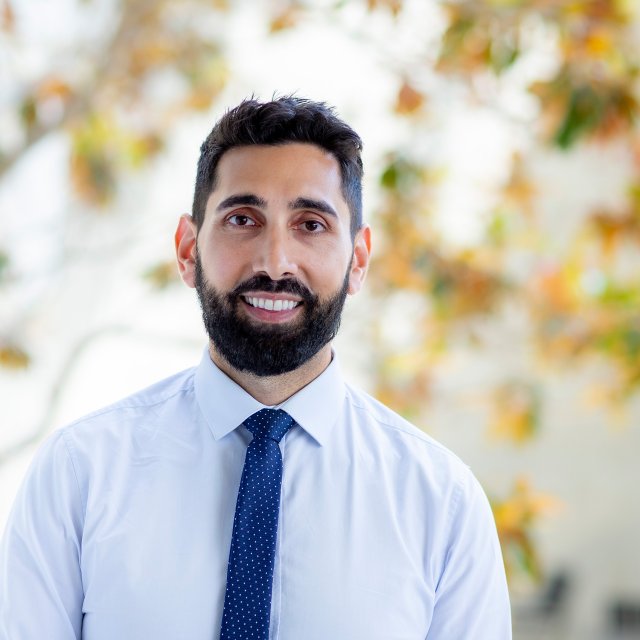
Homaira Azim, MD, PhD is an Associate Professor in the Department of Neurobiology & Anatomy at Drexel University College of Medicine. She holds a medical degree from Kabul University of Medical Sciences (2008) and a PhD in Anatomy and Cell Biology from Indiana University School of Medicine (2020). Her work focuses on innovative medical education strategies, medical humanities, and professional identity formation. She teaches gross anatomy, microanatomy, and neuroanatomy at Drexel's Philadelphia campus. Dr. Azim’s research emphasizes pedagogical innovation in medical education, addressing challenges like ethical conduct in anatomy labs and student empathy development. She has presented widely at conferences including the American Association for Anatomy and American Association of Clinical Anatomists, with notable publications on anatomy educator training and empathy in dissection practices. Her awards include the 2025 Golden Apple Award for teaching excellence and the 2023 Clinical Anatomy Junior Faculty Award. Her contributions span curriculum development, including student-initiated anatomy electives, and interdisciplinary projects exploring medical professionalism. She is actively involved in anatomy education research and has advised on grants related to medical humanities and educational technology. Dr. Azim is affiliated with Drexel's Neurobiology & Anatomy department and contributes to both the Philadelphia and West Reading campuses.
David L. Davies is a Professor at the Department of Neuroscience within the University of Arkansas for Medical Sciences (UAMS) College of Medicine. He holds a Ph.D. from Louisiana State University Medical Center and completed postdoctoral training at the University of Colorado Health Sciences Center. His roles include directing the Human Structure (medical gross anatomy) course, co-chairing the Basic Science Education Subcommittee of the College of Medicine Curriculum Committee, and assisting in teaching the Cellular and Developmental Neuroscience graduate course. Education: Ph.D., Louisiana State University Medical Center, New Orleans Postdoctoral Training: University of Colorado Health Sciences Center, Denver Research Interests focus on two main areas. First, a two-year interdisciplinary education project evaluating the integration of pathology into the Human Structure module curriculum through student-led cadaver biopsies and critical analysis. Second, prior NIH-supported experimental work investigating how alcohol abuse affects cerebral tissue repair mechanisms following traumatic brain injury, using cellular and in vivo models to study glial cell responses to alcohol and cytokines. The educational project involves 35 dissection teams analyzing biopsies processed by the Department of Pathology, emphasizing active learning and self-directed discovery. Preliminary findings have been shared as abstracts in national scientific societies. Dr. Davies’ contributions to curriculum development and interdisciplinary collaboration are central to his academic profile. He works closely with the Department of Pathology’s clinical laboratory to bridge anatomical and pathological training for medical students.
Michael Herr is an Associate Professor at the University of Alabama at Birmingham (UAB) with joint appointments in the Department of Cell, Developmental and Integrative Biology (CDIB), School of Medicine's Department of Medical Education, and School of Nursing's Nursing Academic Support. His work spans medical education, neurosurgery, pediatric otolaryngology, and pain management. Herr holds a Ph.D. in Biomedical Sciences from the University of Tennessee Health Science Center and a Bachelor's in Biology from Christian Brothers University. Education: Doctor of Philosophy (Biomedical Sciences, University of Tennessee-Health Science Center, 2013) Bachelor's Degree (Biology, Christian Brothers University, 2008) Michael Herr's research focuses on academic medical training cultures, vaccine hesitancy dynamics, radiation therapy complications, and anatomical education methods. His publications include cost-benefit analyses of acute pain services, interprofessional simulation training frameworks, and nutritional status impacts on pediatric surgical outcomes. He has contributed to over 17 peer-reviewed works since 2013, emphasizing clinical translation and educational reform. Teaching activities include extensive head and neck anatomy laboratory instruction (2014–2025) and course leadership in BHS555 - Integrated Systs II: Cardiopul (Fall 2024) BHS600 - Integrated Systs IV: Gastroint (Fall 2024) NA702 - Anatomy Physiology Nurs Anesth (Fall 2024) . No scientific awards or student advisement information were explicitly mentioned in available records.
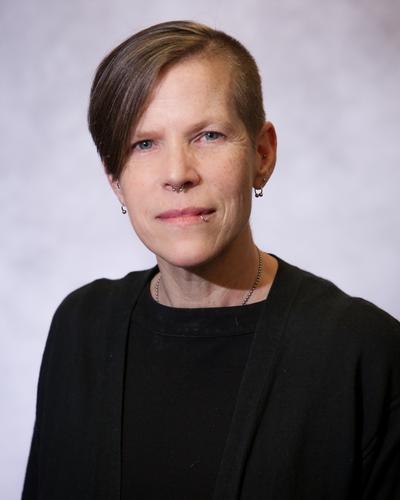
Dr. Jennifer Burr is a Senior Lecturer in Medical Sociology at the School of Medicine and Population Health, University of Sheffield, with over two decades of experience in qualitative research and healthcare ethics. Senior University Teacher in Medical Sociology Chair of the University Research Ethics Committee Research focus on sociological theory, health inequalities, and anatomical education Teaches research ethics and sociology across health faculty programs Education : BA (Hons) MA MSc PhD Her research explores the social construction of the body in medical education, applying Niklas Luhmann's systems theory and qualitative methodologies to diverse health contexts including: Cadaveric dissection pedagogy Homeless women's perinatal care Sex worker health disparities Reproductive ethics Dr. Burr has secured significant research funding including the Enhancing Research Culture grant and serves as Senior Fellow of the Higher Education Academy. She supervises PhD students like Heba Salama and actively contributes to medical ethics frameworks.
Alfonso Amador Valverde Navarro is a Professor at the University of Valencia's Department of Anatomy and Human Embryology. His research focuses on human anatomy, embryology, and neuroendocrinology, with notable contributions to cardiovascular research and sports medicine. He has directed 15 doctoral theses, addressing topics like surgical anatomy, pain modulation, and cadaveric teaching methodologies. His work includes studies on pineal gland physiology, experimental scoliosis, and echographic anatomical techniques. Collaborations span cardiology, traumatology, and medical education, emphasizing interdisciplinary approaches. Education: Ph.D. in Anatomy from University of Valencia (1998). Research Interests: Craniofacial morphometry, vascular anatomy, circadian rhythms in pineal function, and medical education innovation. Key contributions include developing cadaver-based airway management models and integrating ultrasound into anatomy curricula. His recent studies address cardiac rehabilitation post-ACS and novel atherogenic indices. Active in academic governance, he maintains affiliations with the University of Valencia's research portal.
Amy Lovejoy Mork, Ph.D., serves as an Assistant Professor in the Department of Pathology & Anatomy at Morehouse School of Medicine, where she integrates evolutionary morphology with medical education curriculum development. Her academic home within the institution focuses on anatomical sciences instruction for medical students. Education: Doctor of Philosophy in Cellular and Molecular Biology, Kent State University Master of Arts in Biological Anthropology, Kent State University Bachelor of Arts in English and World Literature, Pitzer College Dr. Mork's research demonstrates a significant scholarly evolution from primate evolutionary morphology to medical education innovation. Early work examined craniofacial development and biomechanics in New World monkeys, particularly marmosets, focusing on adaptations for tree gouging and jaw mechanics. Since transitioning to medical education, her research centers on curriculum design, student remediation strategies, and dissection group dynamics in gross anatomy laboratories. Her interdisciplinary approach uniquely bridges biological anthropology with contemporary medical pedagogy, emphasizing evidence-based teaching methods and professional development through cadaver-based learning. Analysis of her publication record reveals a distinct shift from basic science research (2005-2010) to educational scholarship (2012-2015). While her early work appeared in primatology and anatomy journals, recent publications address critical challenges in medical education including academic deceleration, course remediation, and professionalism development. This trajectory reflects her successful adaptation of evolutionary morphology expertise to solve practical problems in medical curriculum design. Scientific Awards: AAA Student/Postdoctoral Travel Award ($350) from American Association of Anatomists for Annual Meeting 2011 Graduate Student Travel Grant ($500) from Kent State University for American Association of Physical Anthropology Annual Meeting 2011 AAA Student/Postdoctoral Travel Award ($350) from American Association of Anatomists for Annual Meeting 2010 Graduate Student Travel Grant ($500) from Kent State University for American Association of Anatomists Annual Meeting 2010 Graduate Student Travel Grant ($500) from Kent State University for American Association of Physical Anthropology Annual Meeting 2009 Graduate Student Travel Grant ($500) from Kent State University for American Association of Physical Anthropology Annual Meeting 2008 Graduate Student Travel Grant ($500) from Kent State University for American Association of Physical Anthropology Annual Meeting 2007 Graduate Student Travel Grant ($500) from Kent State University for American Association of Physical Anthropology Annual Meeting 2005 Dr. Mork actively contributes to medical education innovation through collaborative research with colleagues D.F. Paulsen, B. Klement, and L.E. Wineski. Her work focuses on optimizing first-year medical curricula, particularly in gross anatomy instruction, where she implements strategies like dissection group rotation to enhance professionalism and learning outcomes. While no major external grants are documented, her travel awards supported national conference presentations that disseminated her educational research findings. Her scholarship demonstrates consistent productivity in adapting biological principles to medical education challenges. Her medical education research operates within Morehouse School of Medicine's gross anatomy teaching laboratories, where she applies evolutionary morphology insights to enhance cadaver-based learning. Though no dedicated research laboratory is specified, her work integrates seamlessly with the institution's educational mission through curriculum development initiatives and direct student instruction in anatomical sciences.
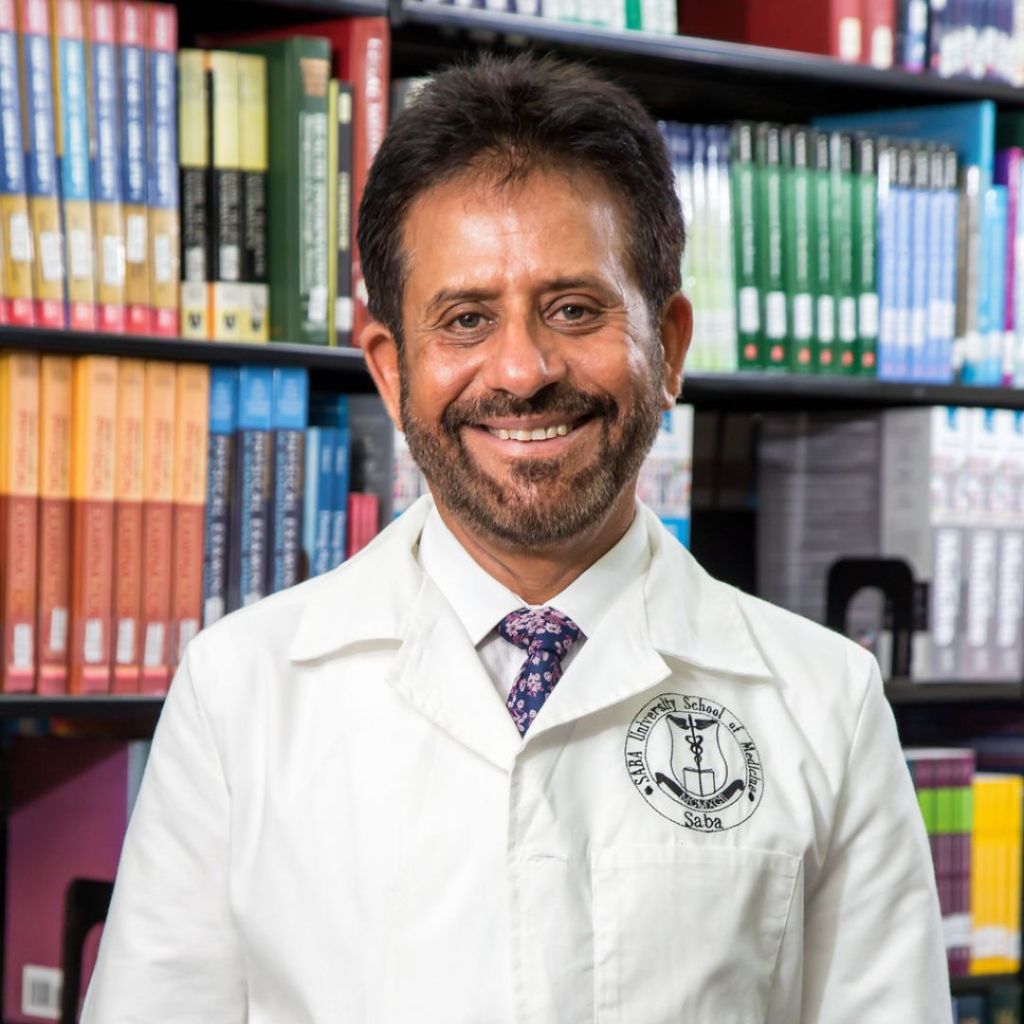
Ismail Memon is an Assistant Professor of Human Body Structure and Function at Saba University School of Medicine. With over 30 years of clinical and teaching experience, he specializes in Clinical Anatomy, Histology, Neuroanatomy, and Medical Terminology. Dr. Memon has held administrative roles such as Director of Teaching, Learning, and Assessment Committee, Exam Coordinator, and Course Coordinator for Anatomy, Physiology, and Histology. He is a recipient of the University Outstanding Teacher Award (2010) and the Ten-Year Dedicated Services Award. Dr. Memon’s expertise spans gross anatomy, embryology, and medical terminology, with a focus on curriculum development and teaching assessment. His research explores pedagogical strategies, pandemic-era education shifts, and Saudi Arabian healthcare trends. He has published 20 peer-reviewed articles and presented at international conferences like the American Association for Anatomists (AAA) annual meeting. Active in professional societies, he contributes to AAA and The Anatomical Society of Great Britain and Ireland. His teaching spans traditional and problem-based learning (PBL) curricula, emphasizing cadaver dissection and student mentorship. He is recognized for fostering collaborative environments and effective teamwork in academic settings.
Sanjoy Sanyal serves as Provost and Academic Dean while holding the position of Professor and Department Chair of Anatomical Sciences at Richmond Gabriel University College of Medicine (previously All Saints University). His academic career spans multiple institutions including Texila American University and Medical University of the Americas where he taught neuroscience, surgical skills, and clinical neurological examination. Dr. Sanyal's research interests bridge anatomical sciences with technology and medical education. His work focuses on cognitive constraints in medical learning, neural pathways in psychiatric disorders, and technological applications in surgical training. He has developed numerous educational presentations on topics ranging from thyroidectomy procedures to virtual reality in surgical training. His publications demonstrate expertise in anatomical structures, with special attention to vascular variants and their clinical implications. The articles show a consistent focus on translating complex anatomical knowledge into practical medical applications, particularly through technological innovations in medical education and surgical training. Provisional Patent Holder from USPTO for Cancer E-Staging Standalone Program (2013-2014) Outstanding Professor Award at Medical University of the Americas (2010-2011) Neuroscience Specialty Editor at WebmedCentral (since 2011) As an educator, Dr. Sanyal has developed innovative approaches to address information overload in medical curricula, creating frameworks to match teaching methods with students' learning styles and cognitive preferences. His work on cognitive constraints in medical education has been presented in multiple venues including staff seminars at medical colleges.
Benjamin Turner is a Lecturer at the University of Alabama at Birmingham (UAB) in the College of Arts and Sciences . He has taught Human Anatomy and related courses since 1996 at institutions including St. George’s University, Medical University of the Americas, Palmer College of Chiropractic, and St. Ambrose University. His email is bpt@uab.edu , and his office is located at 3107 East Science Hall, Science & Engineering Complex, UAB. Education: B.A., Brigham Young University, Japanese M.S., Palmer College of Chiropractic, Human Anatomy His research and teaching interests focus on Human anatomy , Cadaver dissection , and Fungi cultivation . He emphasizes adaptive teaching strategies to engage diverse learners and foster independent thinking.
Dr David Jackson is an Honorary Lecturer at the School of Medicine, University of St Andrews. His research focuses on skin biology, particularly hair growth, alopecia, and factors influencing human growth and development. He holds academic qualifications including a B.Sc. and Ph.D., and is a member of professional societies such as the Anatomical Society of Great Britain and Northern Ireland and the European Society for Dermatological Research. His research interests span both dermatological science and medical education, emphasizing practical applications such as cadaver-based histopathology training and the integration of gross pathology into medical curricula. His recent work includes studies on UV-C radiation effects on skin DNA and the educational utility of cadaver specimens. No scientific awards are explicitly mentioned in the provided texts. His contributions include collaborative research projects and pedagogical innovations in anatomy education.
Stephen Smith is a full-time Lecturer at the University of Central Oklahoma (UCO), holding appointments in the Funeral Services Department, W. Roger Webb Forensic Science Institute, and Biology Department. He teaches Human Anatomy, Human Dissection, Biological and Forensic Anthropology, Pathology for Investigators, Forensic Archaeology, Medical Terminology, and Anatomy and Physiology I. Smith earned a Master's degree in Biology with human anatomy specialization and an undergraduate Electrical Engineering degree. His concept-based teaching methodology employs a "management by walking around" approach, emphasizing hands-on cadaver experience and Greek/Latin medical terminology proficiency to prepare students for medical careers. He rejects rote memorization in favor of structural understanding of the human body. Outside academia, Smith applies his engineering expertise to repair vintage hi-fi equipment (McIntosh, Hafler, Marantz), maintains studio photography skills with a home darkroom, and restores mechanical watches.
Allison H. Tomson is an Associate Professor in the Biology Department at George Mason University, with affiliations in the Biomedical Sciences Program. She specializes in teaching Anatomy and Physiology courses, including BIOL 124/125 lectures, BIOL 430/431 labs, and BMED 605 for the ABS Certificate Program. She coordinates the cadaver lab and conducts dissections for Northern Virginia Community College's Medical Education Campus. M.A., Anatomy and Neurobiology, Boston University (2013) M.S., Physiology and Biophysics, Georgetown University (2010) B.S., Biology, James Madison University (2005) Her research focuses on the effects of aging and circadian rhythms on adult neurogenesis in zebrafish. Teaching interests include Histology (BIOL 465), Anatomy and Physiology labs, and human anatomy instruction for advanced biomedical programs. Current roles involve coordinating cadaver-based instruction and delivering courses across undergraduate and graduate levels. Affiliations include the George Squared Program, where she teaches Anatomy and Physiology lectures/labs.
Patrick W. (Bill) Frank is an Associate Professor in the Department of Neurobiology & Anatomy at Drexel University College of Medicine’s West Reading Campus. He specializes in gross anatomy education and serves as a case-based learning facilitator. His academic background includes a Doctor of Chiropractic from National University of Health Sciences and Diplomate status from the International Academy of Medical Acupuncture. Education Doctor of Chiropractic (DC), National College of Chiropractic (now National University of Health Sciences), Chicago, IL Diplomate – International Academy of Medical Acupuncture (IAMA), New York Chiropractic College (now Northeast College of Health Sciences), Seneca Falls, NY Research Interests Dr. Frank’s research focuses on anatomical variations and their clinical implications, plastination techniques, and medical education innovations. He has pioneered courses fostering anatomy research at the University of Toledo and contributed to the creation of mentorship programs for underrepresented pre-med students. His work includes documenting rare anatomical findings such as bilateral gastrocnemius tertius muscles and investigating preservation methods like silicone plastination and acetone recycling. Key Contributions Member of the International Society for Plastination’s governing council Recipient of the 2025 Golden Apple Award for Excellence in Teaching Authored/co-authored over 20 peer-reviewed articles and multiple textbook chapters on anatomy, plastination, and medical education Professional Activities Dr. Frank has presented at national and international conferences, including the Society for Neuroscience and International Society for Plastination. He actively collaborates on projects such as 3D printing anatomical models and novel dissection techniques. His mentorship initiatives bridge undergraduate and medical communities, emphasizing inclusivity and student support.