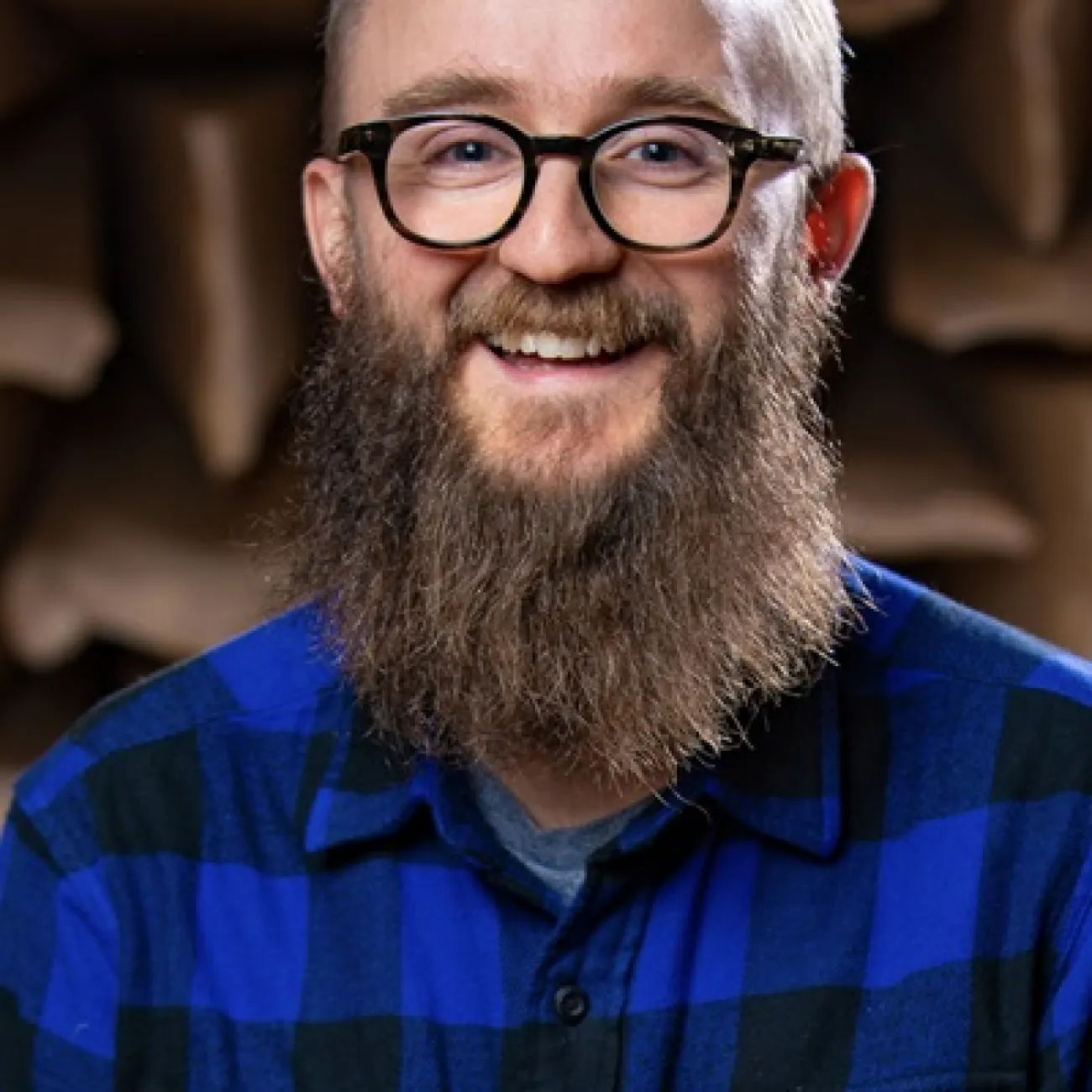
Professor Mohammad FARD is a faculty member at RMIT University's School of Engineering, specializing in Mechanical Engineering and Intelligent Systems. He leads research in autonomous vehicles, crash safety, and driver monitoring using AI. His industry experience includes six years at Nissan Technical Centre, focusing on vehicle body design. He holds a PhD from Tohoku University and has collaborated across Engineering, Health, and Science disciplines, achieving international media coverage for work on driver drowsiness and road safety. Research Interests: Autonomous Vehicles Advanced Crash Safety Driver State Monitoring AI in Noise/Vibration Human Factors/Ergonomics Teaching & Projects: Teaches Advanced CAE, Vehicle NVH, and research supervision in areas like crash simulation and vibration control. Current projects include Formula One safety barriers and driver education for autonomous vehicles. Awards & Labs: No awards listed. Active in cross-disciplinary teams and labs addressing automotive innovation and safety.
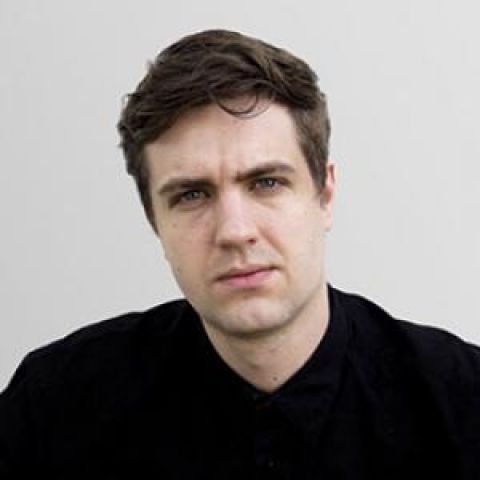
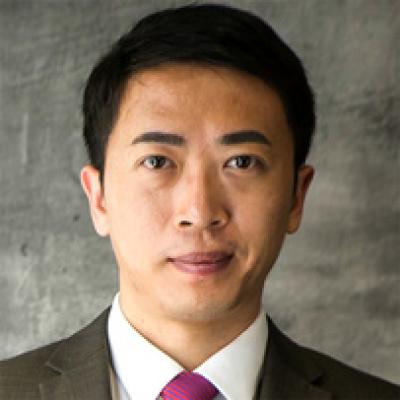
Ziran Wang is an Assistant Professor in the Department of Civil Engineering at Purdue University's College of Engineering, appointed as new faculty in 2022. His research bridges digital twin technologies, autonomous driving systems, and human-machine interaction to advance intelligent transportation solutions. Ph.D. in Mechanical Engineering, University of California, Riverside Prior role: Principal Researcher at Toyota North America His work focuses on creating personalized autonomous driving experiences through machine learning, emphasizing safety and efficiency in real-world applications. Key areas include multimodal large language model integration, federated learning for privacy-preserving data sharing, and cooperative perception frameworks. He develops novel approaches for digital twin-based traffic simulation, medical emergency detection in vehicles, and human behavior modeling in complex urban environments. Analysis of his 2024-2025 publications reveals a dominant trend toward generative AI applications in autonomous driving, particularly for perception-prediction-planning integration and real-world validation. His research increasingly incorporates digital twins for safety-critical testing and explores medical applications through in-vehicle health monitoring systems. Dr. Wang advises graduate students including Wenhui Huang and leads the Purdue Digital Twin Lab, which develops advanced simulation and testing platforms for autonomous systems. His lab maintains strong industry partnerships with Toyota for real-world deployment and validation of research成果.
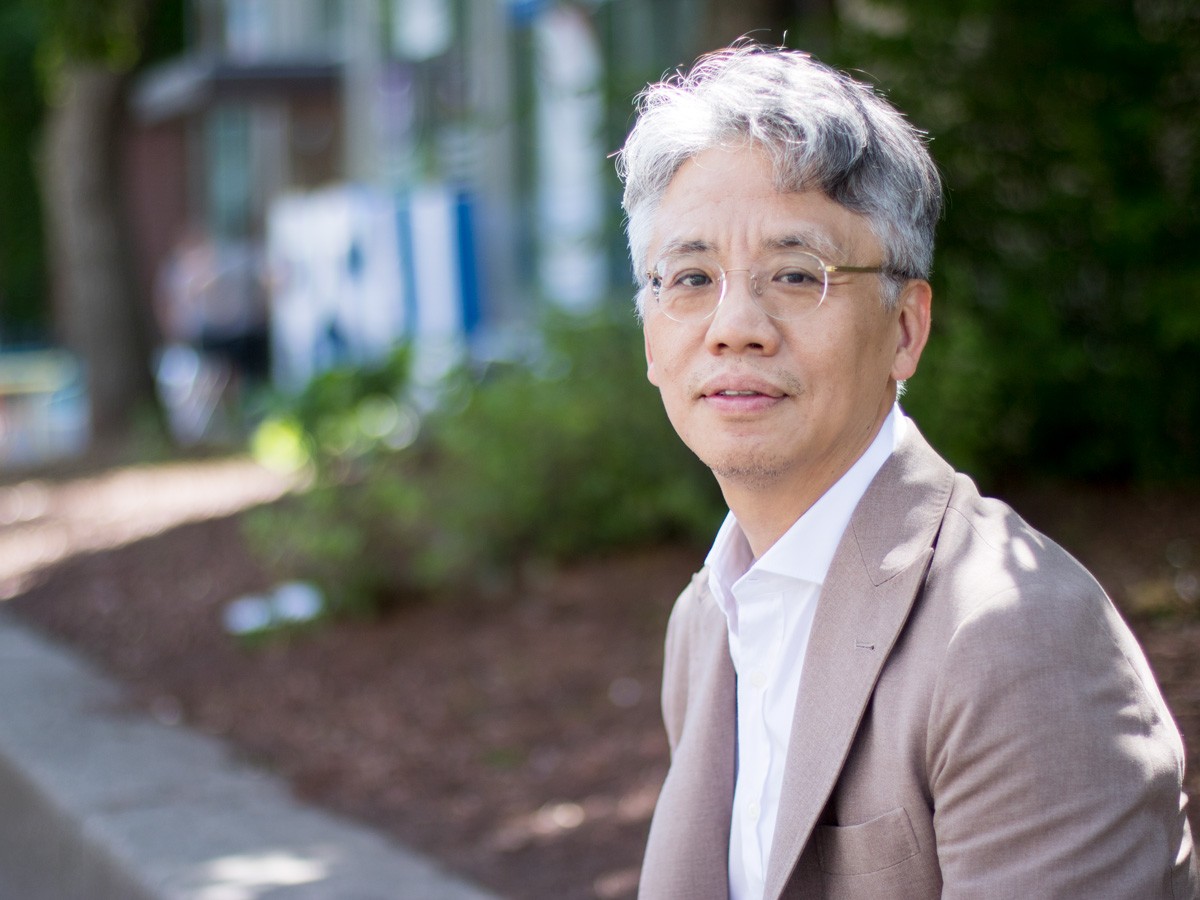
Prof. Dr.-Ing. Eric Sax is a Professor of Electronic Systems Engineering and Management at the Karlsruhe Institute of Technology (KIT), serving as Dean of the Department of Electrical Engineering and Information Technology (ETIT). He leads the Institut für Technik der Informationsverarbeitung (ITIV) and directs the Forschungszentrum Informatik ESS division . As Program Director of the Electronic Systems Engineering & Management (ESEM) master's program at the HECTOR School, he focuses on integrating academic and professional education. His research spans automotive systems engineering , self-learning functions , cybersecurity , and data-driven validation . Key themes include over-the-air updates, scenario-based testing, and the synergy between machine learning and automotive systems. His work addresses challenges in autonomous driving validation, software-defined mobility, and cyber-physical system security. Prof. Sax's contributions include frameworks for automotive software partitioning, cloud-enabled vehicle architectures, and methodologies for quantifying data quality impacts on perception systems. He actively collaborates with industry partners to bridge academic research with industrial application. His recent projects include OptiCAM (cloud/edge function offloading), Drive4C (autonomous driving benchmarking), and UNCOVER (data-driven security monitoring). He holds leadership roles in both KIT and the HECTOR School's technology business programs.
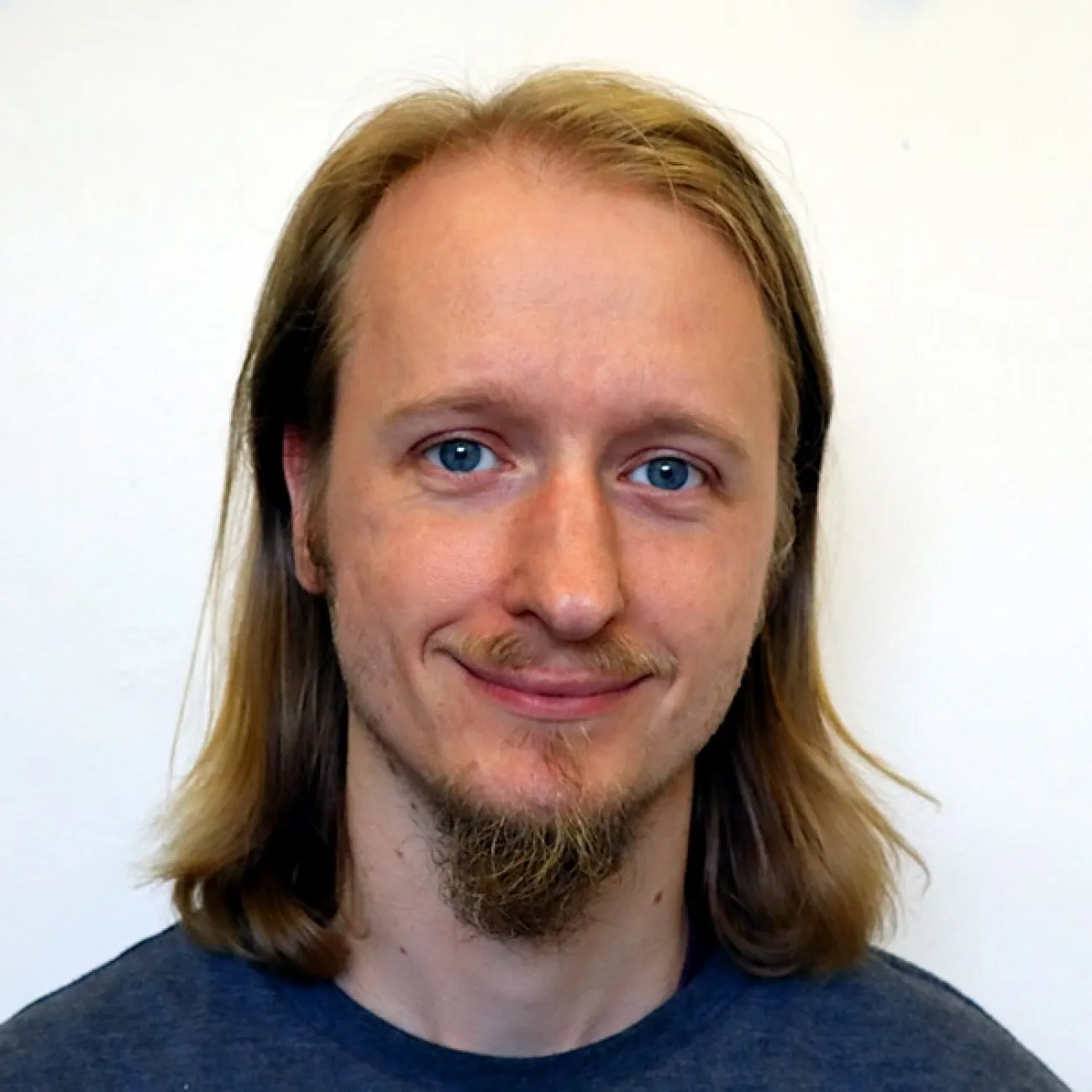
Federico Miretti is an Assistant Professor at the Polytechnic University of Turin, affiliated with the Department of Energy and the interdepartmental center Cars@PoliTo. His research focuses on hybrid and electric vehicles, with emphasis on energy management strategies, battery state estimation, and sustainable transport solutions. PhD in Energetics from Polytechnic University of Turin Research areas include: Optimization-based Energy Management Strategies for hybrid propulsion systems Simulation and digital twinning of hybrid systems Thermal management for electrified vehicles Techno-economic assessment of mobility solutions Recent publications highlight advancements in battery temperature anomaly detection, wireless power transfer feasibility, and control algorithms for energy efficiency. His work aligns with SDGs 7 (Clean Energy) and 9 (Innovation). Teaching roles include: Fluid Machinery (2019-2025) Energy Management in Hybrid/Electric Vehicles (2021-2025) Projects: PRoSIT (2025): Predictive thermal management demonstrator Consulting contract with MIDAC SpA (2025): Battery Digital Twin development EBOAT project (2025-2026): Technical support for Vulkan
Amine MEHEL is a Research Professor at ESTACA's Mechanics and Environment Center (MSCE) since 2010, specializing in air quality and pollution control in transport systems. His work bridges experimental and numerical studies of turbulent flow interactions with pollutants and nanoparticles. Research Axes : CQA (Characterization of Air Quality) and EDP (Spatiotemporal Dynamics of Pollutants) Key Projects : CEPARER (2022-2025), AmCoAir (2020-2023), CAPNAV (2019-2022), CAPTIHV (2015-2018) His expertise includes experimental facilities like wind tunnels, PIV/LDV measurements, and CFD simulations using Eulerian-Lagrangian approaches. He supervises PhD students and coordinates teaching projects like PIRATE and PRI. Recent publications focus on ultrafine particle dispersion in vehicle wakes, brake emissions in underground stations, and cabin air quality characterization.
Riccardo Raheli is a Full Professor at the University of Parma , Department of Engineering and Architecture, with a career spanning over three decades in Information and Communication Technologies (ICT). He has served as Chair of the Councils for Telecommunications and Communication Engineering programs, and as representative of the University of Parma in CNIT and its Members' Assembly. Education: Laurea in Electronic Engineering (University of Pisa, 1983), M.Sc. in Electrical and Computer Engineering (University of Massachusetts, 1986), Postgraduate Diploma (Scuola Superiore Sant'Anna, 1987) Key Roles: President of Degree Councils (2002-2018), CNIT Committee Member (2000-2005), Editorial Board member for IEEE Transactions, Springer and MDPI journals His research bridges telecommunications , digital signal processing , and healthcare applications , producing extensive international publications and industrial patents. He has co-authored monographs including Detection Algorithms for Wireless Communications (Wiley, 2004) and LDPC Coded Modulations (Springer, 2009). Recent article trends show interdisciplinary work in automotive stress monitoring (IoT/Matlab-based systems), video processing for healthcare (neonatal seizures, respiratory monitoring), and acoustic field control (microphone virtualization, personal sound zones). His work spans machine learning applications in automotive systems, stochastic acoustic modeling , and power-line communications . Scientific Leadership : Co-Chair for IEEE conferences (ICC 2010, GLOBECOM 2011, ISPLC 2020) Editorial roles in 7+ international journals Grants & Collaborations : Led industrial patents in communications systems Coordinated CNIT Technical Reports series (2025) He teaches Wireless Communications and Digital Signals Laboratory , emphasizing Matlab/Simulink proficiency. His laboratory sessions focus on practical implementation of signal processing algorithms, requiring full software installation on personal devices.
Dr Xiaolin Wang is an Associate Professor at the Australian National University's School of Engineering. She leads a research group focused on carbon capture, hydrogen storage, thermal energy storage using phase change materials, gas hydrate sciences, and green building technologies. Her work emphasizes sustainable energy solutions and environmental engineering. She has secured over $2M in research funding, including an ARENA-funded hydrogen storage project. Education: PhD from ANU (2013), joined ANU as an education-focused lecturer in 2018. Awards: ANU Vice Chancellor’s Award for Early Career Academics, AIRAH Excellence in HVAC&R Research, and CECC Remote Teaching Award. She serves as Sub-Dean of Student Experience in her college. Research Interests: Innovations in low-capital-cost hydrogen storage via nano-scaffolding, heat/mass transfer enhancement in hydrate-based CCS, novel PCM recipes for thermal management, and strategies for green building design. Her lab explores biomimetic encapsulation for CO₂ capture and eco-friendly hydrogels for methane hydrate formation. Publications focus on hydrate-based carbon capture mechanisms, thermal energy storage systems, and advanced materials. Key projects include mass transfer enhancement for hydrate CCS and a Global Research Partnership on building physics and acoustics. Grants & Funding: ARENA hydrogen storage project, ARC DECRA Fellowship, and ANU Global Research Partnerships Scheme. Supervises research on carbon capture, thermal systems, and sustainable materials.
Marina Freire-Gormaly is an Assistant Professor in the Mechanical Engineering Department at York University's Lassonde School of Engineering. Her research focuses on renewable energy-powered water treatment systems, machine learning for smart design, advanced manufacturing, and sustainable engineering solutions for remote communities. She holds a PhD and M.A.Sc. from the University of Toronto, specializing in carbon capture and storage technologies. She has worked on nuclear energy projects at Ontario Power Generation and contributed to World Bank sustainability assessments. She currently chairs the Canadian Society of Mechanical Engineers' Student and Young Professional Affairs committee. Education: PhD in Mechanical Engineering, University of Toronto M.A.Sc. in Mechanical Engineering, University of Toronto Research Interests: She pioneers solar-powered reverse osmosis systems, energy recovery mechanisms, and IoT-driven smart systems. Her lab explores nanotechnology applications in environmental sustainability, including carbon capture and aquatic remediation. She integrates machine learning for optimizing energy-water nexus challenges in off-grid regions. Key Contributions: Developed models for membrane fouling in desalination systems, advanced pore network characterization for geologic CO2 storage, and designed automated renewable energy systems. Her work bridges engineering innovation with global sustainability goals. Grants & Collaborations: Engages with industries like Honda Canada and Trane Canada on sustainability initiatives. Supervises graduate students in emerging areas like nanobubble technology and direct air capture systems. Lab Activities: The Freire-Gormaly Lab focuses on clean energy-water systems, with current projects involving nano-technology for space applications (Canadian Space Agency collaboration) and life cycle assessments of carbon storage technologies.
Georges FOKOUA is a Lecturer-Researcher at ESTACA (École Supérieure des Techniques Aéronautiques et de Construction Automobile), Paris-Saclay Campus, Saint-Quentin-en-Yvelines, France. He serves as the Training Manager for the 5A Specialty in New Energies and Environment. His academic career spans multiple institutions, including IRSTEA Rennes as a Research Engineer (2014-2016) and the Naval School in Brest as a Teaching and Research Assistant (2009-2014). Dr. FOKOUA's research focuses on experimental and numerical fluid mechanics with particular interest in multiphase flows, turbulence, wake flows, and the characterization of spatio-temporal dynamics of particulate and gaseous pollutants. His work bridges fundamental fluid mechanics with practical applications in transportation systems, naval propulsion, and environmental engineering. He has developed expertise in advanced measurement techniques including PIV, LDV, Ombroscopy, hot wire, optical probes, PTV, and both mono- and biphasic CFD using Ansys-Fluent, Comsol Multiphysics, and Matlab. His publication record demonstrates strong expertise in particle dispersion in transportation systems, with recent work focusing on brake particle dispersion in underground train stations, vehicle wake flows, and ultrafine particle dispersion. His earlier work investigated bubble effects in Taylor-Couette flow for naval propulsion applications. His research consistently combines experimental work with numerical modeling to address complex fluid dynamics problems. Dr. FOKOUA actively supervises doctoral and master's students, with current PhD candidates working on topics related to air quality in vehicle cabins, particulate pollutant dispersion in vehicle wakes, and navigation emissions. He has also contributed significantly to major research projects including CEPARER (2022-2025), AmCoAir (2020-2023), and CAPNAV (2019-2022), all funded by ADEME with various industrial partners. As an educator, he teaches Fluid Mechanics, Thermodynamics, Thermal Engineering, and Energy Conversion and Transfer courses across all undergraduate and graduate levels at ESTACA. He has also led the Euroglider project (2016-2019), developing a two-seat electric propulsion glider for pilot training.
Professor Jordan Cheer holds a Royal Academy of Engineering Research Chair in Smart Acoustic Control Technologies at the University of Southampton's Institute of Sound and Vibration Research (ISVR). His research focuses on active control of noise and vibration, including smart structures and metamaterials. He is an Associate Editor for Journal of the Acoustical Society of America and Subject Editor for Journal of Sound and Vibration . Education: BMus (Tonmeister) in Music and Sound Recording, University of Surrey (2008) MSc in Sound and Vibration, ISVR, University of Southampton (2009) PhD in Active Control of Automobile Cabin Acoustics, ISVR, University of Southampton (2012) Research Interests: Active Noise/Vibration Control, Smart Structures, Acoustic Black Holes, and Metamaterials. Current projects include the BAE Systems-funded Smart Acoustic Control Technologies Chair and the IN-NOVA MSCA Doctoral Network. Recent Work Trends: Publications emphasize neural network controllers, head-tracking systems, and metamaterial applications. Patents focus on vibration damping and acoustic control devices. Awards: Royal Academy of Engineering Research Chair (2024) Grants & Labs: Leads projects funded by EPSRC, MOD, and industry partners. Collaborates with teams like the Southampton Marine and Maritime Institute and the Centre for Defence and Security Research.
Sasa Zivkovic is an Associate Professor at Cornell University's College of Architecture, Art, and Planning, where he directs the Robotic Construction Laboratory (RCL). He co-founded the experimental architecture practice H.A.N.N.A.H in Ithaca, New York, focusing on integrating advanced technologies with traditional building techniques. Research Interests span architectural technology, robotic construction, 3D printing, sustainability, and mass-customized housing. His work explores additive concrete manufacturing, robotic wood construction, and ecological design solutions. Key projects: 3D-printed Guard House (Suzhou, China), Modular Dental Clinic (Ladakh, India), Corbel Cabin (Ithaca, NY) Won 2018 Folly/Function competition Recipient of Atkinson Center funding for sustainable wood construction Scientific Awards 2018 Folly/Function Competition Winner Architect magazine 'Next Progressives' (2018) Atkinson Center Rapid Response Fund Grant (2018) Rob|Arch 2018 Best Workshop Runner-Up Zivkovic teaches courses in architectural design studios and media representation, emphasizing interdisciplinary collaboration with the high-tech building industry through projects like RRRolling Stones and Emergency Wood initiatives.
Dr. Joon Chung is a Professor in the Department of Aerospace Engineering at Toronto Metropolitan University, specializing in aircraft design optimization and immersive simulation technologies. His educational background includes: PhD from the University of Toronto (1997) MASc from the University of Toronto (1993) BSc from Iowa State University (1990) Chung's research integrates Multidisciplinary Design Optimization (MDO) with cutting-edge VR/AR applications to solve holistic aircraft design challenges. His work spans flight simulation, Human Machine Interfaces (HMI), and aircraft interior customization, focusing on how immersive technologies can optimize aerodynamics, control systems, and user experience across pilot training, maintenance, and customer configuration processes. He actively supervises graduate students and leads the MIMS (Mixed-Reality Immersive Motion Simulation) Lab, one of Canada's pioneering research groups developing VR/AR solutions for aerospace engineering applications.
Felix Langfeldt is an Associate Professor and Doctoral Programme Director at the Institute of Sound and Vibration Research (ISVR), part of the Faculty of Engineering and Physical Sciences at the University of Southampton . His work focuses on developing active and passive acoustic metamaterials for low-frequency noise reduction in transport systems and living spaces. Research Interests : Acoustic Metamaterials Low-Frequency Sound Insulation Aircraft Cabin Noise Control Vibro-acoustics of Lightweight Structures Analytical Modeling of Multi-layered Partitions Teaching Roles : Module Lead for Electroacoustics (ISVR6137) since 2022/23 Module Lead for Active Control of Sound and Vibration (ISVR6139) since 2024/25 Lecturer for Theoretical and Computational Acoustics (ISVR3073/6148) since 2023/24 Academic Background : BEng, MSc in Aeronautical Engineering (2012) PhD (2018) on Membrane-type acoustic metamaterials for aircraft noise shields Industry Collaborations : Airbus, 3M. Professional Timeline : 2021: Visiting Academic at ISVR 2022: Lecturer appointment 2023: Doctoral Programme Director 2024: Promoted to Associate Professor
Jie Xiong is an Associate Professor at the University of Massachusetts Amherst, affiliated with the Department of Computer Science within the College of Information and Computer Sciences. He holds a PhD from University College London (2015) and has been a faculty member since 2018. His research focuses on wireless sensing, mobile health, and IoT, with notable contributions to sensor-free systems and long-range sensing. He leads the Center for Smart and Connected Society and has been recognized with awards like the SIGMOBILE Test-of-Time Award (2024) and MobiCom Best Paper Award (2024). Education: PhD in Computer Science, University College London (2015) Research Interests: His work spans wireless sensing (e.g., acoustic, RF, LoRa), mobile health monitoring, and IoT applications. He explores sensor-free techniques, long-range through-wall sensing, and leveraging ambient signals for novel applications. Grants & Awards: NSF CAREER Award NIH R01 Grant (Smart and Connected Health) Google European Doctoral Fellowship BCS Distinguished Dissertation Award (Runner-Up) MobiCom '22 Best Paper Award (Runner-Up) Advising & Students: Supervises PhD students including Minhao Cui, Yuda Feng, Binbin Xie, and Dong Li. His students have received accolades like the Google Ph.D. Fellowship (Binbin Xie, 2022). Labs & Teams: Leads research in the Center for Smart and Connected Society, focusing on wireless systems and health applications. Collaborates with industry and academia on projects like EVLeSen (in-vehicle sensing) and SoilCares (agricultural monitoring).
Nga Lee "Sally" Ng is a Professor at the Georgia Institute of Technology, holding appointments in the School of Chemical & Biomolecular Engineering (primary), School of Earth & Atmospheric Sciences (joint), and School of Civil & Environmental Engineering (courtesy). Her research focuses on aerosol chemistry, with expertise in atmospheric nanoparticle formation, aerosol health effects, and advanced instrumentation development. She leads the Ng Research Group, which uses laboratory chamber experiments and field measurements to study aerosol dynamics. Dr. Ng has pioneered initiatives like the $12M NSF-funded ASCENT network for nationwide atmospheric measurements and served in leadership roles including Chair of AIChE's Environmental Division (2020) and AAAR Conference Chair (2019). She has received prestigious awards such as the AGU Atmospheric Sciences Ascent Award (2023), Love Family Professorship, and EPA STAR Early Career Award. Research interests: Aerosol chemistry, health impacts, instrument development, and climate interactions. Key contributions: Pioneering work on secondary organic aerosol formation, wildfire smoke health risks, and urban air quality monitoring networks. Her work bridges fundamental science and public health, with recent focus on quantifying aerosol toxicity using high-throughput assays and advancing low-cost sensor technologies for real-time air quality assessment.