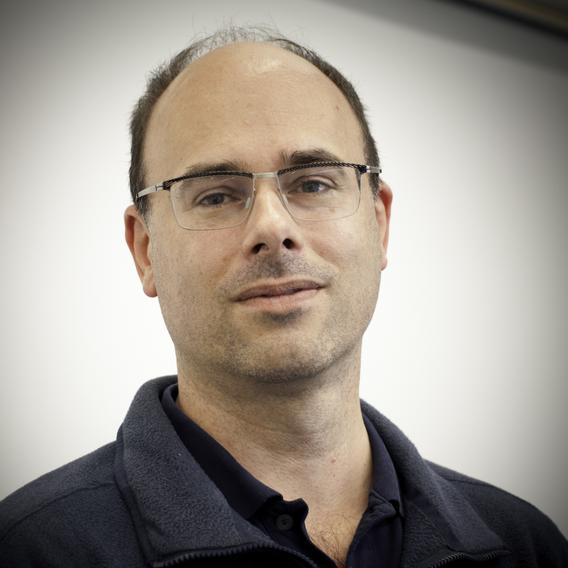
Ivar Sjaastad is a Professor at the Institute for Experimental Medical Research , University of Oslo, and a Senior Consultant in Cardiology. His research focuses on heart failure mechanisms and advanced cardiac imaging , particularly MRI and ultrasound techniques. Director of KG Jebsen Center for Heart Research (2018-2024) Head of Department at Institute for Experimental Medical Research (2017-2021) His work spans preclinical and clinical studies , emphasizing diastolic dysfunction , cardiac hypertrophy , and fibrosis . Recent publications highlight collaborations in cardiac imaging , ECM proteoglycans , and mechanical load effects on myocardial structure. Key article trends include neprilysin inhibitors for post-infarction function, versican dynamics in fibrosis, and CaMKII-ROS interactions in arrhythmogenesis. He employs multimodal imaging and genetic models to explore cardiac compensation/decompensation.
Associate Professor Zhitao Hu is affiliated with the Queensland Brain Institute at The University of Queensland. His research focuses on synaptic transmission mechanisms, particularly in the nematode Caenorhabditis elegans, exploring protein interactions (e.g., UNC-13, Munc13), neurotransmitter release, and synaptic plasticity. He has contributed to understanding roles of CaMKII, GABA signaling, and glial functions in neuronal processes. His work integrates electrophysiology, genetics, and molecular biology to dissect neural circuitry and synaptic physiology. Key research themes include synaptic vesicle priming, calcium regulation of exocytosis, and sexually dimorphic neurotransmission. Collaborations span neuroscience, pharmacology, and agricultural science, reflecting interdisciplinary approaches to biological systems. Recent studies highlight contributions to drug delivery systems and soil nitrogen dynamics, expanding his impact beyond traditional neuroscience.
Hector Martinez-Navarro is a Research Associate at the Department of Computer Science, University of Oxford. His work focuses on computational biology and health informatics, with a strong emphasis on cardiac modeling and arrhythmia research. He contributes to the CompBioMed project, which explores computational methods for biomedical applications. His research integrates multiscale modeling techniques to evaluate therapeutic strategies like stem cell therapy and drug interventions, particularly in ischemic heart disease contexts. Key research interests include: Electrophysiological modeling of cardiac arrhythmias In silico clinical trials for atrial fibrillation and myocardial infarction Sex-specific cardiac modeling Impact of mechanical and electrical heterogeneity on cardiac function Recent work highlights the development of advanced computational models like T-World for ventricular myocyte dynamics and the application of machine learning in ECG analysis. His publications emphasize translational research, aiming to bridge computational simulations with clinical outcomes. Notably, he participated in the 2023 Gordon Research Conference on Cardiac Arrhythmia Mechanisms, contributing insights from early career researchers. His lab’s address is Wolfson Building, Parks Road, Oxford OX1 3QD.
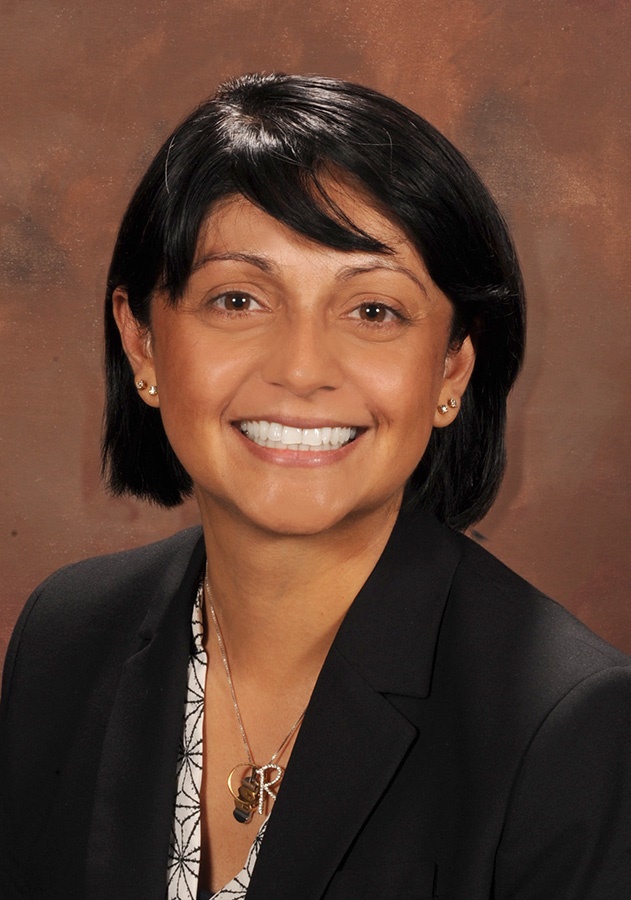
Pearl Jennine Quijada is an Assistant Professor in the Department of Integrative Biology and Physiology at the University of California, Los Angeles , focusing on cardiac regeneration and repair mechanisms. Her research explores the role of epicardial cells, cardiac progenitor biology, and molecular pathways in heart disease. Her research activities include Novel mechanisms of epicardium-dependent cardiac repair (NIH F32HL134206, 2016–2018) and Nuclear CaMKII signaling in cardiac progenitor cells (NIH F31HL117623, 2014–2018). She has published extensively on cardiac stem cell engineering, fibrosis regulation, and metabolic-cardiovascular interactions. Recent publications highlight her work on gut microbiome-cardiovascular axis (2024), epicardial repair mechanisms (2023–2024), and telomere-driven cardiac aging (2021). Her scientific contributions span Cardiology , Molecular Biology , and Regenerative Medicine disciplines. Her work emphasizes cardiac progenitor cell dynamics , mechanosensitive signaling , and anti-fibrotic strategies , with implications for myocardial infarction treatment and heart failure prevention. Collaborations include researchers at UCLA and institutions across the UC system.
Polina Abushik is a Postdoctoral Researcher at the University of Eastern Finland (UEF), affiliated with the Faculty of Health Sciences and the Department of Neurobiology at the A.I. Virtanen Institute for Molecular Sciences. Her research focuses on neuroprotective mechanisms, particularly the dual role of calcitonin gene-related peptide (CGRP) in migraine and stroke pathophysiology. She investigates how CGRP mediates neuroprotection against neurotoxicity and ischemic injury, with a focus on neuronal survival pathways involving kinases like PKA and CaMKII. Her work combines in vitro studies on neuronal cultures and in vivo mouse models to explore CGRP's effects on migraine-associated mediators such as homocysteine. Key findings include CGRP's neuroprotective role in cortical, cerebellar, and sensory neurons, challenging conventional anti-CGRP migraine therapies. Her research also addresses cerebrovascular diseases and the intersection of migraine with neurodegenerative processes. Abushik contributes to the Neuroinflammation research group and has collaborated on projects funded by the Finnish Academy and Russian science foundations. Her studies highlight the importance of CGRP signaling in neuronal survival, with implications for both migraine and stroke treatment strategies.
Kevin Fox is a Professor and Joint Head of Research at the Cardiff School of Biosciences, Cardiff University (since 1995), and Deputy Chair of the Medical Research Council’s (MRC) Neuroscience & Mental Health Board (since 2008). Previously, he held positions as an Assistant Professor at Brown University (1990-1992) and the University of Minnesota (1992-1995), and was a McDonnell Fellow at Washington University School of Medicine (1987-1989). His research focuses on Neuroscience , particularly Experience-dependent plasticity in sensory systems Synaptic and cortical development Role of NMDA receptors and CaMKII in neuronal adaptation Thalamocortical organization and sensory map stability Key publication trends highlight investigations into molecular mechanisms (e.g., GluR1, PKA, CaMKII) underlying cortical plasticity, sensory deprivation effects, and comparative studies across visual and somatosensory systems. His work has been cited extensively, including 134 citations for his 1996 PNAS paper. Scientific Awards: McDonnell Fellow His contributions span synaptic physiology, developmental neurobiology, and translational neuroscience, with a focus on cortical reorganization and neurotransmitter receptor dynamics.
Brigitte Le Boeuf is an Instructional Associate Professor in the Department of Biology at Texas A&M University, where she has been affiliated since 2017. Her academic background includes a B.S. in Biology from the University of Dallas and a Ph.D. in Biology from Texas A&M University. She specializes in teaching courses such as BIOL 402 (Communicating Biological Research to the Public) and BIOL 480 (Department Colloquium), both fulfilling Writing Intensive requirements for biology majors. Her research focuses on the neural and molecular mechanisms underlying male mating behavior in Caenorhabditis elegans , including programmed muscle remodeling, stress response pathways, and the interplay of ion channels and signaling molecules (e.g., Wnt, dopamine). She also explores reproductive physiology in aging worms and contributed to studies on artificial insemination protocols in lactating goats. Her work bridges developmental biology, cell physiology, and neurobiology, emphasizing how cellular processes coordinate complex behaviors. Notable trends in her publications include persistent exploration of how environmental stressors (e.g., starvation) and metabolic pathways influence reproductive behaviors. She frequently collaborates with researchers like Dr. L.R. Garcia, investigating dopaminergic systems and neuronal circuitry in model organisms. No scientific awards were explicitly mentioned in the provided text. In advising and grants, while no specific students or grant details are listed, her teaching and research roles suggest involvement in mentoring through course instruction and collaborative projects. Her research likely spans lab-based genetic, physiological, and behavioral studies, though explicit lab or team affiliations are not detailed in the text.
Moitrayee Bhattacharyya is an Assistant Professor of Pharmacology at Yale University , specifically within the Yale School of Medicine . Her research focuses on molecular mechanisms of kinase signaling, particularly in learning, memory, and neuropathological conditions. She holds a PhD in Computational Biophysics from the Indian Institute of Science (2012), followed by postdoctoral training at UC Berkeley as an HFSP Fellow. Her interdisciplinary approach integrates experimental (structural biology, single-molecule microscopy) and computational methods. Key Affiliations : Primary Faculty, Yale Combined Program in the Biological and Biomedical Sciences (BBS) Member of Interdepartmental Neuroscience Program, Molecular Medicine, and Quantitative Biology groups Research Interests : Her lab investigates kinase signaling pathways, membrane protein organization, and the molecular basis of neurodegenerative diseases. Recent work includes studying Bruton’s tyrosine kinase activation and developing native nanodisc platforms for membrane protein analysis. Awards : NIH Pathway to Independence Award (2017) HFSP Long Term Fellowship (2013) Eli Lilly Outstanding Thesis Award (2013) 2025 Hypothesis Fund Award for membrane contact site research Lab & Future Work : The Bhattacharyya Lab develops novel tools like native mass spectrometry and single-molecule imaging to study membrane-associated proteins. Current projects include understanding CaMKII regulation in Alzheimer’s disease and applying nanoscale techniques to probe disease-linked mutations.
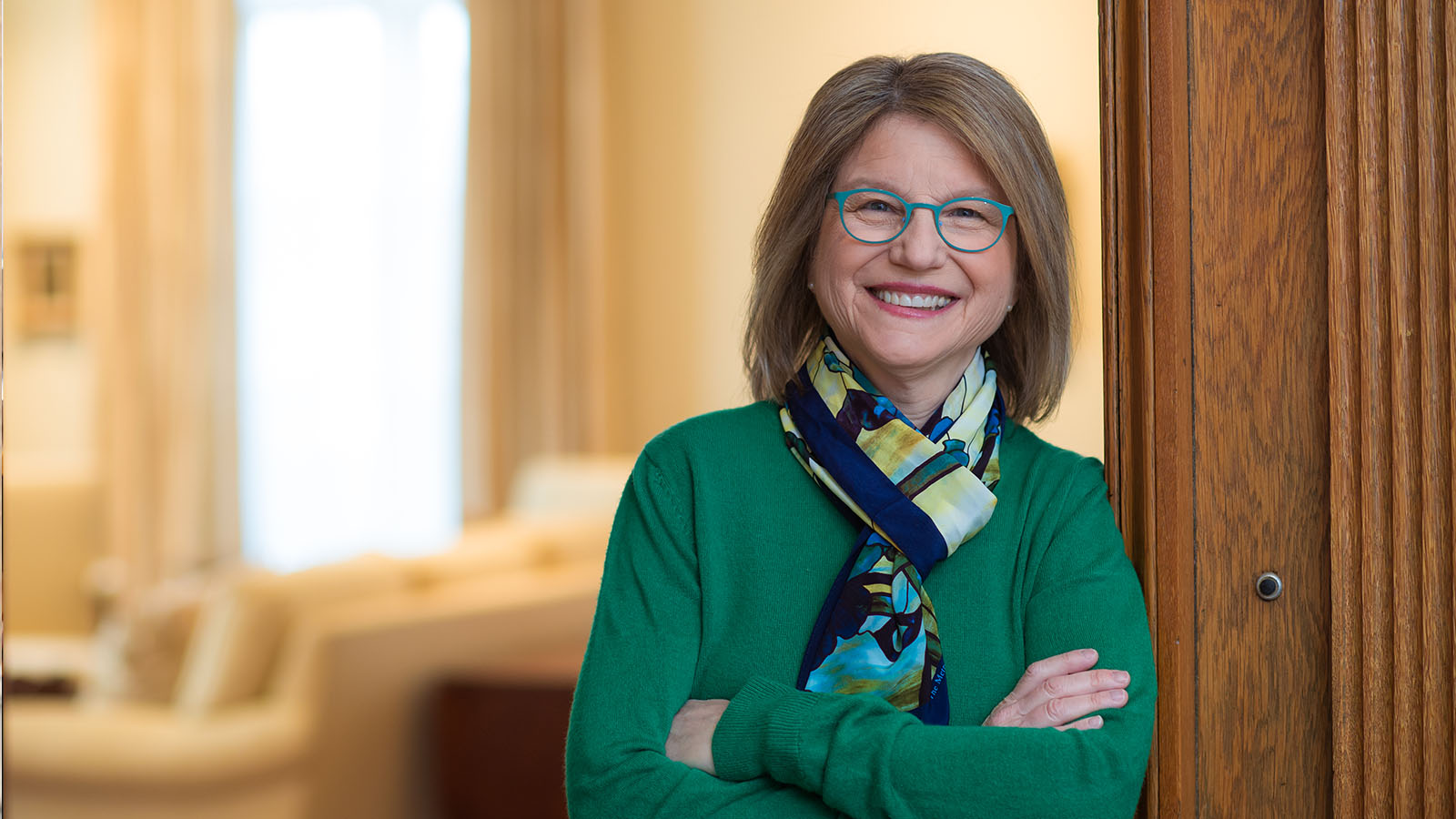
Sally Kornbluth is the President of MIT and a Professor of Biology at the Massachusetts Institute of Technology. She previously served as Provost of Duke University (2014–2022) and Vice Dean for Basic Sciences at Duke University School of Medicine (2006–2014). Her research focuses on cellular mechanisms governing cell division and programmed cell death (apoptosis), with particular emphasis on cancer biology and metabolic regulation of apoptosis. She has made significant contributions to understanding how cancer cells evade apoptosis and how metabolic pathways influence cell death processes. Education: PhD in Biology, Rockefeller University (1989) BA in Political Science, Williams College (1982) BS in Genetics, University of Cambridge (1984) Research Interests: Kornbluth’s work explores the interplay between metabolism and apoptosis, including roles in cancer resistance, female fertility regulation, and degenerative disorders. Her studies on caspase-2 activation and metabolic signaling have revealed critical mechanisms for therapeutic intervention in conditions like non-alcoholic steatohepatitis and ovarian cancer. Awards and Honors: Member, American Academy of Arts and Sciences (2020) Member, National Academy of Inventors (2018) Member, National Academy of Medicine (2013) Distinguished Faculty Award, Duke Medical Alumni Association (2013) Administrative Leadership: As MIT President, she oversees institutional strategy and innovation in education/research. Previously, she led Duke’s basic science initiatives and medical education reforms, emphasizing translational research and faculty development. Labs/Teams: While her current role is administrative, her prior lab at Duke investigated apoptosis regulation in vertebrate systems. Collaborations span cancer biology, reproductive science, and metabolic disorders.
Dr. Nicholas Alonzo Frost is a board-certified neurologist and Assistant Professor in Neurology and Neurobiology with a focus on understanding the mechanisms underlying cognitive and memory disorders. His research explores how complex behaviors, particularly social interactions, are encoded within the prefrontal cortex and how these processes are disrupted in disease. University of Maryland School of Medicine - M.D., Ph.D. University of California, San Francisco - Residency and Fellowship His clinical expertise includes Alzheimer's Disease and Cognitive Disorders, with a patient rating of 4.9/5. Dr. Frost employs advanced imaging and transcriptomic techniques to investigate heterogeneous neuronal populations and their role in behavioral information encoding. 2024: Thalamocortical organoids for modeling neuropsychiatric disorders 2024: Single-nuclei RNA-seq for social interaction analysis 2023: Prefrontal cortex socioemotional encoding
Courtney Aldrich is a Professor in the Department of Medicinal Chemistry at the University of Minnesota College of Pharmacy. She serves as Director of High Throughput Screening at the Institute for Therapeutics Discovery and Development (ITDD). Dr. Aldrich maintains an active research program with over 310 research outputs and 37 funded projects spanning more than 20 years. Dr. Aldrich received her PhD in Chemistry from the University of California Los Angeles in 2001 and her Bachelor's degree in Chemistry from the University of Missouri St. Louis in 1994. Her scholarly journey demonstrates consistent excellence in medicinal chemistry and drug discovery. Her research focuses on medicinal chemistry approaches to drug discovery, with particular emphasis on tuberculosis therapeutics, bacterial metabolism, and enzyme inhibition. Dr. Aldrich's work centers on Mycobacterium tuberculosis, siderophore production, biotin metabolism, and adenylation enzymes. Her fingerprint analysis reveals strong expertise in pharmacology, biochemistry, and molecular biology related to infectious disease targets. Analysis of her recent publications (2021-2025) shows a clear trajectory in antibacterial and antifungal drug discovery, with particular focus on tuberculosis therapeutics, enzyme inhibition strategies, and metabolic pathway targeting. Her work spans structural biology, medicinal chemistry, and microbiology, demonstrating interdisciplinary approaches to drug discovery challenges. Recent publications highlight work on biotin synthases, siderophore production, and rifamycin analogues. Director of High Throughput Screening at ITDD Principal Investigator on multiple NIH-funded projects Active collaboration across multiple institutions and disciplines Dr. Aldrich currently leads multiple active research projects including 'Calmodulin and regulation of Cardiac Ryanodine Receptor and CaMKII' (2025-2028), 'Development of a novel broad spectrum antifungal therapeutic' (2023-2025), and 'Species specific optimization of rifamycins for nontuberculous mycobacterial lung disease' (2023-2025). Her laboratory maintains strong connections with pharmaceutical development and translational research initiatives.
Ruchi Patel is an Associate Professor and Program Coordinator for the Master of Science in Medical Physiology program at the Medical College of Georgia , Augusta University. She has held academic roles spanning research, teaching, and program administration since 2016. Education: PhD in Physiology, Monash University (2002-2008) BSc (Honours) in Biomedical Science, Monash University (2001) BSc in Biomedical Science (Physiology and Pharmacology), Monash University (1998-2000) Postdoctoral Fellowship, University of California Davis (2008-2010) Dr. Patel's research focuses on coronary microvascular disease in patients with diabetes mellitus and diastolic heart failure. Her work explores calcium signaling pathways, cyclic GMP mechanisms, and nitroxyl biology in cardiomyocytes, with applications in cardiovascular therapeutics and diabetic complications. Her publications highlight expertise in cardiac hypertrophy , CaMKII activation , and biomedical sensor development , with notable contributions to understanding Nitric Oxide/Nitroxyl pathways and myocardial ischemia . Scientific Awards: National Heart Foundation Travel Grant (2004) Monash University Postgraduate Travel Award (2004) Australian Postgraduate Award (2002-2004) Augusta University teaching and leadership recognitions (2018-2021) Dr. Patel has contributed to 4 peer-reviewed publications with 186 Scopus citations, including groundbreaking work on FRET-based sensors for cardiac calcium dynamics. She actively mentors students in the Master of Science in Medical Physiology program.
Joseph Watson is a Professor and Associate Dean in the Graduate Division of the College of Letters and Science at the University of California, Los Angeles, with primary academic appointment in the Department of Psychiatry & Biobehavioral Sciences within the David Geffen School of Medicine. He also serves as Outreach Program Director for the Brain Research Institute (BRI). His educational background includes: Ph.D. in Chemistry and Biochemistry, UCLA (1985) Postdoctoral Fellowship in Molecular Biology of the Nervous System, The Scripps Research Institute (1989) Dr. Watson's research centers on neurodegenerative disease mechanisms , with intensive focus on synaptic targets in Parkinson's , Huntington's , and Alzheimer's diseases . His work integrates molecular neuroscience, protein biochemistry, and electrophysiology to investigate protein aggregation (alpha-synuclein, amyloid beta), mitochondrial dysfunction , and synaptic plasticity deficits using transgenic mouse models. He has pioneered methodologies for synaptoneurosome preparation to study subcellular mechanisms. Analysis of his 1997-2013 publications reveals consistent investigation of neurodegenerative pathways across Huntington's and Parkinson's models, with recurring themes of oxidative stress in aging , CaMKII signaling , and adenylyl cyclase modulation . His work bridges basic synaptic physiology with translational applications, including exercise interventions and pharmacological targeting of adenosine receptors. Dr. Watson has held significant academic leadership roles including Vice Chair of UCLA's Neuroscience Undergraduate Interdepartmental Program. His outreach initiatives, particularly Project Brainstorm , demonstrate commitment to neuroscience education through K-12 partnerships. He maintains active laboratory research within the Brain Research Institute while fulfilling administrative duties as Associate Dean.
Dr. Luke H Chao is an Assistant Professor of Genetics at Harvard Medical School, leading the Chao Lab in the Department of Molecular Biology at Massachusetts General Hospital. His research bridges structural biology and biophysics to investigate molecular machines that regulate membrane ultrastructure across systems, including mitochondria and bacterial cell division. Harvard Medical School, Department of Genetics Massachusetts General Hospital, Department of Molecular Biology Research Interests: The Chao Lab focuses on membrane dynamics and ultrastructure, particularly how mitochondrial morphology is governed by protein conformational changes. Key areas include: Mitochondrial Cristae Remodeling via Opa1 and Mic60 Membrane Bending Proteins in Extracellular Vesicle Formation Structural Mechanisms of Bacterial Cell Wall Synthesis Evolutionary Analysis of Ancient Membrane-Shaping Proteins Therapeutic Targeting of Mitochondrial Function In vitro Reconstitution of Membrane Fusion Publication Trends: Dr. Chao's recent work spans cryo-ET of mitochondrial cristae, ancestral sequence reconstruction of respiratory proteins, and CRISPR-based vascular disease therapy. His studies often intersect structural methods (cryo-EM, AlphaFold) with functional assays (BH3 Profiling, Crosslinking MS). Lab & Collaborations: Based at the Simches Research Building, Boston, the lab collaborates with HMS and MGH units. Postdoctoral and graduate opportunities are available through Harvard Integrated Life Sciences programs.
Sara Marie Øie Solbak is a Guest Researcher at the Department of Drug Design and Pharmacology within the Faculty of Health and Medical Sciences at the University of Copenhagen. Her research focuses on promoting drug research targeting CNS proteins, with particular emphasis on developing Calcium/Calmodulin-Dependent Protein Kinase II (CaMKII) modulators as therapeutics for neurological disorders and brain ischemia. Her research approach involves creatively using state-of-the-art biophysical techniques, with Surface Plasmon Resonance (SPR) spectroscopy being a key methodology in her work. This enables precise evaluation of direct interactions and effects of small molecule ligands on drug target proteins. Dr. Solbak's research interests primarily center around: Drug design targeting central nervous system proteins Calcium/Calmodulin-Dependent Protein Kinase II (CaMKII) modulation Development of therapeutics for neurological disorders Treatment approaches for brain ischemia Application of biophysical techniques in drug discovery Surface plasmon resonance spectroscopy for protein-ligand interactions Her publication record demonstrates a strong focus on CaMKII research, with multiple high-impact publications examining the hub domain of this critical kinase. Her work spans from basic biochemical characterization to therapeutic applications, particularly in the neurological domain. Recent publications show increasing sophistication in understanding the molecular mechanisms of CaMKII modulation. Dr. Solbak has established significant collaborations across multiple research groups, as evidenced by her co-authorship on publications with diverse research teams. Her work has been referenced in Wikipedia pages, patents, and various academic platforms, indicating impact across both academic and applied domains. Her research has practical implications for developing treatments for neurological conditions and brain injuries, with potential applications in ischemic stroke and other neurological disorders where CaMKII plays a critical role.