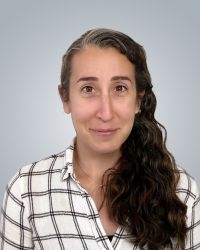
Ashkan Jahanbani Ghahfarokhi is an Associate Professor in Reservoir Engineering at NTNU’s Department of Geosciences since 2019. He leads the CEORS Gemini Centre (CO2 Enhanced Oil Recovery & Storage) and is a core member of the BRU21 Reservoir Management group. His research focuses on data-driven subsurface modeling, CO2 storage, and optimization of oil recovery processes. Education: PhD, NTNU (2015); MEng, University of Calgary (2009); MSc/BSc, Petroleum University of Technology, Iran (2006–2009). Roles: Head of Reservoir Engineering Group (2021–2022), Project Manager for NORHED II (2022), and NTNU’s Outstanding Academic Fellow (2022–2026). Research interests include CO2-EOR/Storage, machine learning applications, proxy modeling, and reservoir simulation. He has supervised 20+ students and published over 40 journal/conference papers. Awards include DNVA postdoc scholarship (2015–2017) and PoreLab postdoc (wettability studies). Teaching: Masters/PhD courses in reservoir fluids, simulation, and geomechanics. Guest editor for Energies (AI in Oil & Gas).
Dominic Pjontek is an Associate Professor in the Department of Chemical and Biochemical Engineering within the Faculty of Engineering at Western University. He is based in Room 377 of the Thompson Engineering Building and serves as an active researcher and educator in multiphase reactor engineering. His work is conducted both on the Western University campus and at the Institute for Chemicals and Fuels from Alternative Resources (ICFAR), a specialized facility for sustainable technology development. Dr. Pjontek received his Ph.D. and B.A.Sc. in Chemical Engineering from the University of Ottawa, where he earned multiple prestigious scholarships including the NSERC Postgraduate Scholarship for Doctoral Studies and the University of Ottawa Excellence Scholarship for Graduate Studies. His research focuses on the development and optimization of multiphase reactors through experimental studies, process modeling, and scale-up considerations. Key research areas include CO 2 conversion/utilization using gas-liquid-solid reactors, fundamental understanding of interfacial area and flow behavior in multiphase reactors, and innovative sustainable technologies for converting waste streams to value-added products. His work addresses critical technological barriers in developing next-generation reactors for sustainable chemical production. Analysis of Dr. Pjontek's recent publications reveals a strong trend toward carbon dioxide conversion technologies, fluid coker optimization, and sustainable process development. His research group has published extensively on gas-liquid-solid fluidized beds, reactor fouling mechanisms, and CO 2 hydrogenation processes, with increasing focus on sustainable chemical production methods that align with global decarbonization efforts. Scientific Awards and Recognitions: R. Mohan Mathur Award for Excellence in Teaching (2018) Maurice Bergougnou Teaching Award for Heat Transfer Operations (2015-2018) NSERC Postgraduate Scholarship for Doctoral Studies Multiple University of Ottawa Excellence Scholarships NSERC Canada Graduate Scholarship for Master's Studies Dr. Pjontek actively supervises numerous graduate students working on cutting-edge projects related to multiphase reactor engineering. His research group includes multiple Ph.D. and M.E.Sc. students working on projects such as CO 2 conversion to commodity chemicals, biosurfactant production, fluid coker heater modifications, and stripper shed fouling monitoring. He has successfully graduated numerous students who have completed theses on topics including fluid coker cyclone fouling, hydrodeoxygenation processes, and particle agglomeration phenomena. His research is supported through collaborations with industry partners like Syncrude Canada Ltd. and Origin Materials, as well as government funding agencies. Dr. Pjontek's laboratory work is conducted within the Chemical and Biochemical Engineering facilities at Western University, with specialized equipment for studying multiphase reactor systems. His research group maintains collaborations with other faculty members including Cedric Briens, Lars Rehmann, and Jose Herrera, forming a strong research cluster focused on sustainable process engineering and reactor technology development.
Seyyed A. Hosseini is a Research Professor at the Bureau of Economic Geology (BEG), Jackson School of Geosciences, University of Texas at Austin . His work focuses on subsurface fluid dynamics with applications to geological carbon storage (CO 2 sequestration) and underground hydrogen storage . Education: Ph.D. in Petroleum Engineering (University of Tulsa, 2008) M.S. in Biotechnology (Sharif University of Technology, 2005) B.S. in Chemical Engineering (University of Isfahan, 2002) Research Interests include: Multiphase fluid flow in porous media Pressure-pulse testing for CO 2 monitoring Reservoir engineering fundamentals Machine learning for subsurface energy projects Geomechanical impacts of fluid injection Environmental risk assessment for CO 2 and hydrogen storage Article Trends reveal his expertise in developing applied methodologies for CO 2 and hydrogen storage, emphasizing machine learning integration , 3D modeling , and fault leakage detection . Recent work explores deep learning workflows and microfluidic experiments for subsurface energy systems. Grants and Funding PI on a $1.5M DOE/NETL grant (2015) to study brine extraction for CO 2 storage pressure management Collaborative Initiatives include the SMART program for machine learning in CCS and partnerships with institutions in Mississippi, Texas, and the Gulf Coast . His research extends to laboratory experimentation following BEG's facility upgrades.
Dr. Mohamed Soliman is the William C. Miller Endowed Professor at the University of Houston’s Cullen College of Engineering, Department of Petroleum Engineering. He holds a Ph.D. in Petroleum Engineering from Stanford University, complemented by an M.S. and B.S. from Stanford and Cairo University respectively. His research focuses on hydraulic fracturing of unconventional reservoirs, waterless fracturing using shock waves, and advanced numerical simulation techniques. He has authored over 250 technical papers and holds 35 patents, with notable works on shale gas transport, dead oil viscosity modeling, and plasma stimulation technologies. Dr. Soliman is a Distinguished Member of the Society of Petroleum Engineers (SPE) and a Fellow of the National Academy of Inventors. He has received the Gulf Coast 2020 Distinguished Achievement Award for Petroleum Engineering Research. His work bridges theoretical models with practical applications, such as the development of machine learning tools for reservoir analysis and innovative methods for fracture closure detection using wavelet transforms. His teaching spans core petroleum engineering courses including PETR 1111 (Introduction to Petroleum Engineering), advanced production operations (PETR 6372), and well completion stimulation (PETR 5397). He actively mentors graduate students, with current advisees Ibrahim Eltaleb, M. Awad, and Fatmir Likframa. His research group collaborates on projects funded by industry and government agencies, focusing on topics like microwave-assisted heavy oil recovery and geothermal reservoir characterization. Dr. Soliman’s lab develops cutting-edge tools for analyzing fracturing pressure data and interwell connectivity through signal processing. Key collaborations involve experimental validation with institutions like the University of Houston’s Advanced Energy Research Laboratory. His recent work emphasizes sustainable energy solutions, including critiques of carbon capture limitations and innovative plasma-based stimulation techniques to enhance reservoir permeability without water use.
Sherilyn Williams-Stroud is the Director of the Berg-Hughes Center and holds the Dan A. Hughes '51 Chair in Geosciences at Texas A&M University. She is a Professor in the Department of Geosciences, with over 30 years of expertise in structural geology, subsurface storage, and induced seismicity. Her research focuses on fracture analysis, geomechanics, and the societal impacts of energy resource utilization, particularly in carbon capture and storage (CCUS) and renewable energy transition. Education: BA in Geology from Oberlin College (198?), MA and PhD in Structural Geology from Johns Hopkins University (199?). Research interests include induced seismicity from fluid injection, subsurface tomographic imaging, and the integration of machine learning for improved subsurface modeling. Her work addresses critical challenges in energy resource management and environmental sustainability, with a focus on CO2 sequestration and geothermal energy. Publications highlight advancements in microseismic monitoring, fracture network modeling, and geomechanical analysis of CO2 injection sites. Her contributions span academic, industrial, and governmental sectors, including roles at the USGS, Chevron, and MicroSeismic Inc. Awards: AAPG Distinguished Lecturer (2023–2024), AAPG Honorary Member (2022), USGS Star Award (1997). Professional Leadership: Member of the National Petroleum Council’s Natural Gas GHG Study Committee, National Academy of Sciences’ Geodynamics Committee, and American Rock Mechanics Association’s Discrete Fracture Network Technical Committee. Her advisory and collaborative work bridges academia and industry, with a focus on mitigating risks in subsurface energy projects while advancing sustainable practices.
Devid Maniglio is an Associate Professor at the Department of Industrial Engineering, University of Trento. His research focuses on bioengineering, biomaterials, and tissue engineering, with a particular emphasis on bioprinting, surface modification, and functional materials. He has contributed to advancements in silk fibroin and hydrogel-based systems for medical applications. Research Interests Bioengineering for personalized medicine Biomaterials and surface engineering 3D bioprinting and tissue regeneration Molecular imprinting and biosensors Drug delivery and cell encapsulation Teaching Diagnostic and therapeutic technologies for personalized medicine Engineered materials for precision medicine Fundamentals of biomedical technologies Functional surfaces laboratory Labs & Collaborations Devid Maniglio is affiliated with the Functional Surfaces Laboratory at the University of Trento, collaborating with researchers such as Stefano Rossi and Flavio Deflorian. His work integrates interdisciplinary approaches in biomedical engineering and sustainable medical technologies.
Seyyed Abolfazl Hosseini is a Research Professor at the Bureau of Economic Geology within the Jackson School of Geosciences at The University of Texas at Austin. His expertise spans fluid flow in porous media, CO2 sequestration, reservoir modeling, and unconventional reservoir engineering. He holds a B.Sc. in Chemical Engineering from the University of Isfahan (2002), an M.Sc. in Chemical Engineering (Biotechnology) from Sharif University of Technology (2005), and a Ph.D. in Petroleum Engineering from the University of Tulsa (2008). Education: B.Sc., Chemical Engineering, University of Isfahan (2002) M.Sc., Chemical Engineering (Biotechnology), Sharif University of Technology (2005) Ph.D., Petroleum Engineering, University of Tulsa (2008) Professional History: Research Professor, Bureau of Economic Geology (2023–Present) Senior Research Scientist, Bureau of Economic Geology (2021–2023) Research Scientist, Bureau of Economic Geology (2016–2021) Research Associate, Bureau of Economic Geology (2010–2016) His research focuses on enhancing oil recovery, CO2 geological storage, upscaling techniques, and multiphase flow dynamics. Key areas include reservoir simulation, CO2 sequestration risk assessment, and machine learning applications in subsurface modeling. He has contributed to over 100 peer-reviewed publications and holds awards for his impactful work in carbon storage and reservoir engineering. Recent work emphasizes leveraging AI/ML for rapid CO2 plume prediction, optimizing site selection workflows for large-scale storage projects, and advancing understanding of hydrogen storage mechanisms in subsurface formations. Awards: 2024 Tinker Family BEG Publication Award Best Paper Award at 2013 COMSOL Conference Career-Development Publications Award (2011) Grants & Funding: Principal Investigator: Science-Informed Machine Learning for Real-time Decisions in Subsurface Applications (DOE) Co-PI: SECARB USA Regional CO2 Storage Project (2019–2024) He leads initiatives such as the SMART Initiative (Machine Learning for CCS) and serves on editorial boards and professional committees in petroleum engineering and geoscience.
Isabelle Lecomte is a Professor in Reservoir and Near-Surface Geophysics at the University of Bergen's Department of Earth Science. Her research focuses on seismic modeling, reservoir characterization, and near-surface geophysics, with applications to paleokarst reservoirs, fault zone analysis, and archaeological geophysics. She has supervised numerous master's theses and contributed to projects funded by the Research Council of Norway. Her work integrates field observations, numerical modeling, and geophysical data interpretation to advance understanding of subsurface structures and processes. Affiliations: Department of Earth Science, University of Bergen Research Groups: Geodynamics and Basin Studies Research Interests: Development of seismic modeling techniques for reservoir characterization and near-surface imaging Application of ground-penetrating radar (GPR) in archaeology and environmental studies Seismic expression of faults, sand injectites, and carbonate systems Paleokarst reservoir dynamics and flow simulation Publications: Over 30 peer-reviewed articles focus on seismic modeling, subsurface imaging, and geohazard assessment. Recent work emphasizes 3D/4D seismic interpretation, fault zone analysis, and outcrop-subsurface analogues. Grants & Awards: Involved in projects funded by the Research Council of Norway, including studies on paleokarst reservoirs and CO2 storage feasibility. Advising: Supervised 14 master's students, with thesis topics ranging from seismic attribute analysis in archaeology to reservoir characterization of paleokarst systems.
John Lee is a Professor and Regents Professor in the Harold Vance Department of Petroleum Engineering at Texas A&M University, holding the Kelly L. '87 and William D. '87 Von Gonten, Jr. Chair. A member of the National Academy of Engineering, his research focuses on reservoir engineering and carbon storage technologies. Dr. Lee's educational background includes a Ph.D. in Chemical Engineering from Georgia Institute of Technology. His current research investigates enhanced oil recovery, carbon sequestration optimization, and geomechanical responses during CO2 injection. Recent publications focus on machine learning applications for reservoir management and experimental studies on caprock integrity. His articles consistently address challenges in carbon storage engineering, with recent work developing co-optimization frameworks and pressure management strategies for CCS projects. Publication trends show increasing focus on geochemical monitoring and machine learning applications in reservoir characterization. Lee has received numerous honors including the DeGolyer Distinguished Service Medal and Anthony F. Lucas Gold Medal. His research team develops novel experimental methods to evaluate reservoir rock behavior under injection conditions.
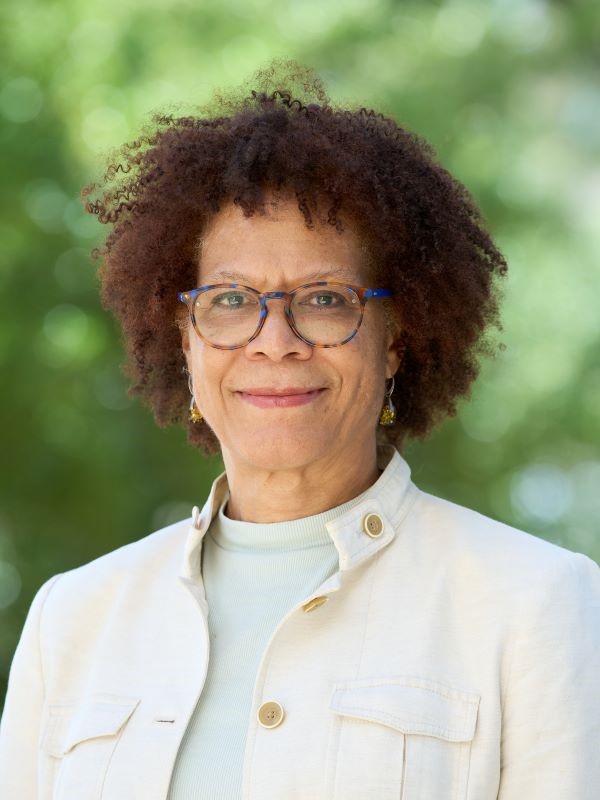
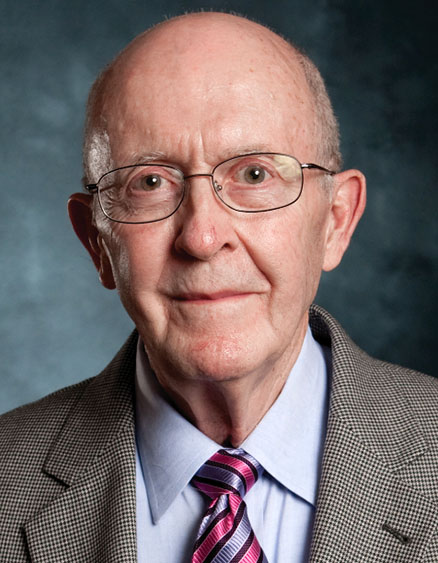
Andrew Luhmann is a faculty member in the Department of Earth and Environmental Science at Wheaton College. Previously, he served as Assistant Professor of Hydrology at New Mexico Institute of Mining and Technology and as a Postdoctoral Researcher at the University of Minnesota. His research spans hydrogeology, geochemistry, and environmental processes. University of Minnesota, Twin Cities – Ph.D., Geology (2011) Wheaton College – B.S., Geology and Biblical & Theological Studies (2006) Research focuses on karst hydrogeology, fluid-rock interactions, and geologic carbon sequestration. Fieldwork includes studies in caves, Yellowstone National Park, and deep-sea environments. Experimental and modeling work examines CO2 injection effects on rock permeability and mechanical properties, as well as seismic monitoring of karst aquifers. Recent publications highlight CO2 sequestration mechanisms, seismic noise tomography for aquifer imaging, and experimental analyses of fluid-rock interactions. Keywords span geochemistry, carbon capture, and subsurface hydrology. NSF and DOE grant support Associate Editor, Hydrogeology Journal Primary Representative, GSA Karst Division JTPC (2018–2020) GSA Karst Division Awards Committee (2022–present) Luhmann teaches courses like Hydrogeology, Environmental Geochemistry, and Senior Capstone Seminar. His lab integrates fieldwork, lab experiments, and numerical modeling to address water resource challenges and carbon sequestration.
Nur Schuba is a Research Assistant Professor at the Bureau of Economic Geology, The University of Texas at Austin, with a focus on seismic interpretation, structural geology, fault characterization, salt tectonics, and science communication . She contributes to energy and environmental research through advanced geophysical analysis and reservoir characterization. Education : M.F.A. in Visual Communication (Savannah College of Art and Design, 2023), Ph.D. in Geoscience (Rice University, 2019), and B.Sc. in Geophysical Engineering (Istanbul Technical University, 2011). Research interests span salt tectonics, subsurface storage, fault mechanics, and the application of machine learning in seismic velocity estimation. Her work addresses geological challenges in energy recovery, carbon sequestration, and hydrogen storage, with a strong emphasis on science communication for public engagement. Selected publications include studies on salt dome morphology for underground storage, serpentinization patterns in the Galicia margin, and innovative carbon storage incentive models. Her recent work explores the intersection of geophysics and energy transition technologies. Professional history includes roles at ExxonMobil, Schlumberger, and Yellowstone National Park, alongside postdoctoral and research assistant positions at Rice University and UT Austin.
Dr. Michael H. Young is a Research Professor and Associate Dean for Research at the Jackson School of Geosciences, University of Texas at Austin. He holds dual roles at the Bureau of Economic Geology and the Jackson School, focusing on ecohydrology, groundwater recharge, and soil-water interactions. His career spans over 35 years in academia, federal agencies, and private industry, with expertise in vadose zone hydrology and environmental geosciences. Education: Ph.D. in Soil and Water Science (1995, University of Arizona), M.S. in Geological Sciences (1986, Ohio University), B.A. in Geology (1983, Hartwick College). Research interests include arid landscape hydrology, water/energy nexus, and soil physics. He has authored/co-authored nearly 100 peer-reviewed articles, served as Editor of Vadose Zone Journal , and chairs committees in professional societies. Awards include Fellowships from the Geological Society of America and Soil Science Society of America (2016), and the Walter Excellence Award (2017). Advising: Supervised over 10 graduate students and postdocs, focusing on interdisciplinary topics like life cycle assessments of energy systems and induced seismicity. Active in teaching, including courses on geological research methods. Labs/Teams: Leads projects in the Texas Soil Observation Network (TxSON) and collaborates with the Center for Injection and Seismicity Research (CISR). Engages in consortia like the Advanced Energy Consortium (AEC) and Mudrock Systems Research Laboratory (MSRL).
Eckhard A. Groll is the William E. and Florence E. Perry Head of Mechanical Engineering and Reilly Distinguished Professor at Purdue University's School of Mechanical Engineering. His leadership spans academic administration and cutting-edge research in thermal sciences, HVAC&R systems, and sustainable energy technologies. Education: Doctor of Engineering (Doktor-Ingenieur), Mechanical Engineering, University of Hannover (1994) Master of Engineering (Diplom-Ingenieur), Ruhr-University Bochum (1989) Pre-Diploma in Mechanical Engineering (Diplom-Vorprüfung), Ruhr-University Bochum (1986) Research focuses on thermal systems optimization , refrigeration technology , and high-performance building solutions . His work integrates experimental analysis, numerical modeling, and system-level optimization to advance energy-efficient technologies. Notable contributions include innovations in chemical looping heat pumps , CO2-based refrigeration cycles , and smart grid integration . Recent publications explore predictive control in HVAC systems, low-GWP refrigerants, and microgravity thermal systems. Awards include the J&E Hall International Gold Medal , Purdue Innovator Hall of Fame , and multiple recognitions for teaching and service. He has advised over 50 graduate students and holds leadership roles in ASHRAE and the International Institute of Refrigeration. Current initiatives include DC nanogrid systems , electrochemical heat pumps , and spacecraft thermal management . Active collaborations span Purdue’s Center for High Performance Buildings and global institutions like Shanghai Jiao Tong University.
Weon Shik Han is an Adjunct Associate Professor in the Department of Geosciences at the University of Wisconsin-Milwaukee (UWM), part of the College of Letters & Science. He holds a PhD from the New Mexico Institute of Mining and Technology, alongside MS and BS degrees from Yonsei University, Seoul, Korea. His research focuses on environmental and energy-related geoscience, emphasizing geologic CO2 sequestration, groundwater hydrology, and geothermal energy development through interdisciplinary approaches integrating hydrogeology, geochemistry, thermodynamics, and petroleum engineering. Key research areas include multi-phase phenomena modeling, reactive transport processes, and heat transport dynamics. He develops both analytical and numerical methods for field applications, with a strong emphasis on computational simulations of groundwater flow systems. Han's work addresses critical challenges in climate change mitigation, energy sustainability, and subsurface fluid dynamics. His recent publications highlight advancements in CO2 sequestration risk assessment, CO2-brine interaction dynamics, and geothermal energy potential. Notable contributions include studies on CO2 migration in stratified systems, geyser eruption mechanisms driven by subsurface CO2, and methodologies for predicting lithology through data assimilation. These studies underscore his expertise in bridging theoretical modeling and practical field applications. Han teaches courses on Hydrogeology and Flow and Transport in Porous Media. He actively mentors graduate students interested in computational simulations of coupled subsurface processes and provides research opportunities for undergraduates. His lab website (http://pantherfile.uwm.edu/hanw/www/public/) offers access to ongoing research projects and datasets.
Professor Ann Muggeridge holds the Proconsul & Chair in Subsurface Physics at Imperial College London's Department of Earth Science & Engineering (Faculty of Engineering). Her research focuses on subsurface fluid flow dynamics, particularly CO2 storage security and reservoir physics. She has held prestigious roles including Chair of the Norwegian IOR Centre's Scientific Advisory Committee (2016-2021) and Technical Committee member for SPE Reservoir Simulation Conferences. Education: D.Phil. in Atmospheric Physics from University of Oxford (1983-1986), B.Sc. (Hons) in Physics from Imperial College London (1980-1983). Professional milestones include BP Technology Fellow (2006-2008) and keynote addresses at major geoscience conferences. Research interests span CO2 geological storage, reservoir heterogeneity effects, and enhanced oil recovery (EOR). Key contributions include dynamic risk mapping for CO2 sites and pore-scale observations of low salinity flooding. Her work integrates computational modeling with field-scale studies to address energy transition challenges. Awards: EAGE IOR Symposium Chair (2013-2019), SPE Technical Committee Member, BP Technology Fellow Labs & Teams: NORMS (Novel Reservoir Modelling & Simulation), Energy Futures Lab Affiliate Grants & Advising: Leads Imperial's Subsurface Physics research group; no listed advisees but mentors through collaborative projects Active in academia as Imperial's Faculty of Engineering Ambassador for Women and Departmental Athena SWAN coordinator, advancing gender equity in STEM.



/prod02/channel_1/media/faculty/Luhmann-photo-800X1200.jpg)