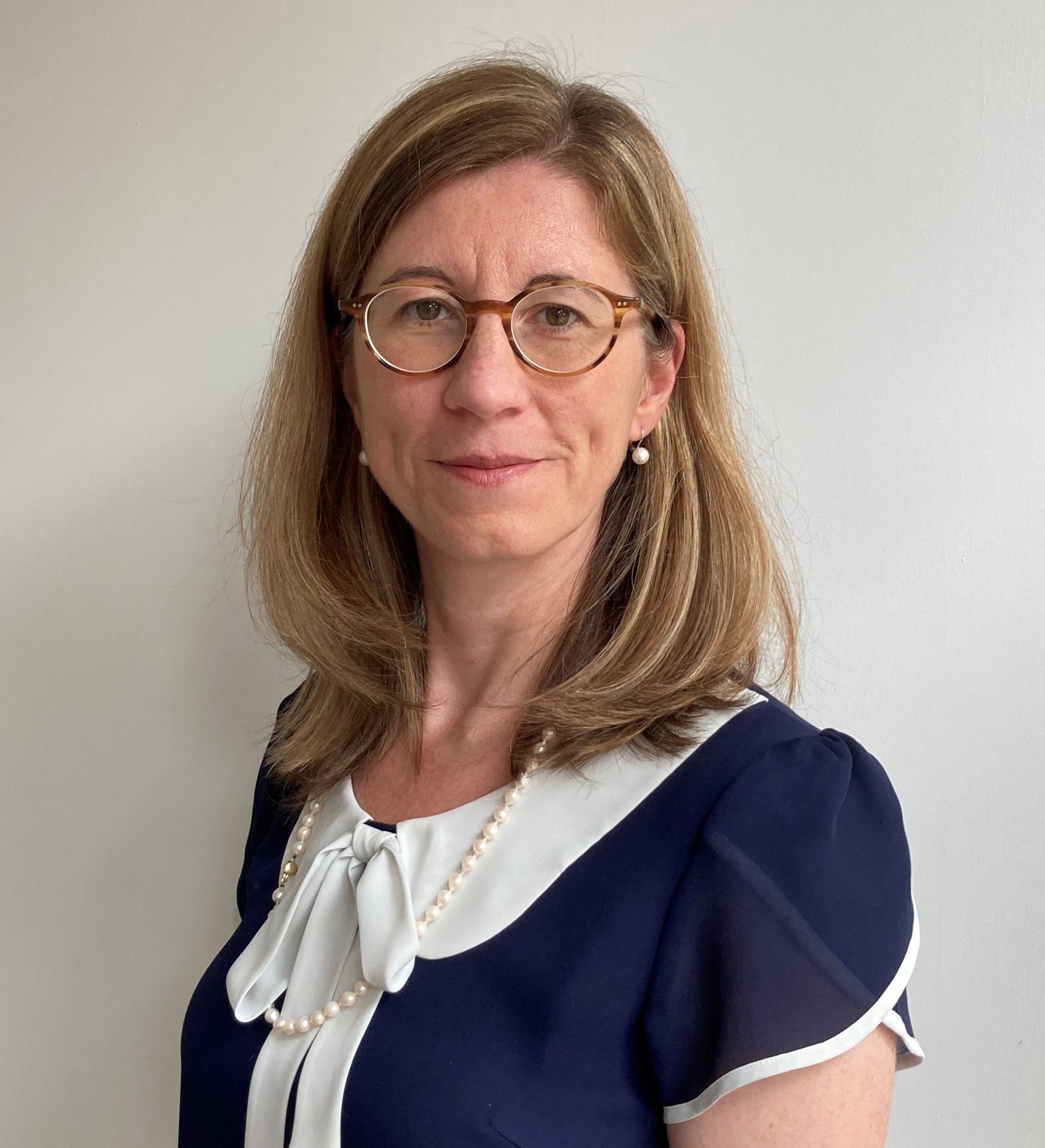
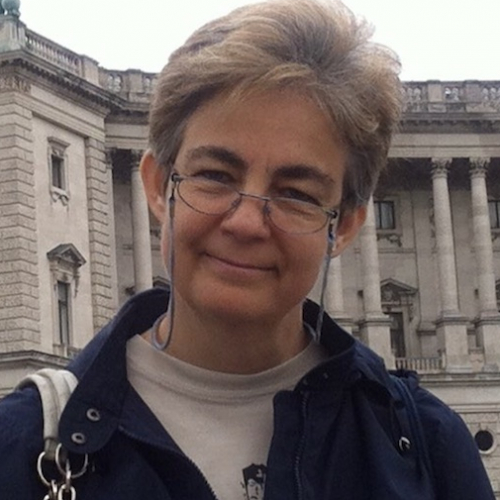
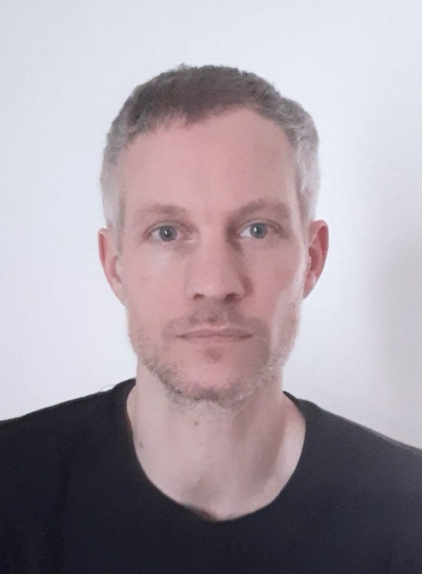
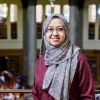
Professor Tineke Brunfaut is a leading academic in Applied Linguistics at Lancaster University 's School of Social Sciences. Her work focuses on language testing , second language reading , listening , and integrated/multimodal skills . She coordinates the Language Testing Research Group and has received prestigious awards including the ILTA Best Article Award , e-Assessment Award , and TOEFL Outstanding Young Scholar Award . Key research areas: Cognitive and affective factors in testing, methodological innovations (eye-tracking, discourse analysis), and language test development. Recipient of multiple grants from the British Council, Trinity College London, and British Academy. PhD supervision interests: Language testing, integrated skills, assessment literacy, and validation. Recent publications explore technology-enhanced assessment , multimodal viewing-to-write tasks , and the impact of delivery modes on test performance . She has consulted for global institutions on test design and evaluation. Scientific Awards : ILTA Best Article Award e-Assessment Award for Best Research TOEFL Outstanding Young Scholar Award Her teaching includes MA programs in Language Testing, TESOL, and Applied Linguistics, covering Test Construction , Research Methods , and Statistical Analyses .
Gyula Tankó is a habilitated Associate Professor at the Department of English Applied Linguistics , School of English and American Studies, Eötvös Loránd University . His research focuses on language assessment validity , particularly for advanced-level English exams. Research interests include: Constructive justification of EFL school-leaving examinations Psychometric challenges in reading and listening comprehension assessments Alignment of national language policies with assessment practices Development of analytic rating scales for EAP (English for Academic Purposes) Cognitive processes in L2 listening behaviors Selected publications address topics like: Test fairness and generalizability Impact of punctuation errors on EFL assessment CEFR taxonomy in listening evaluation His work contributes to improving language proficiency certification and university admissions in Hungary. Contact : Email: tanko.gyula@btk.elte.hu Address: Room 430, Eötvös Loránd University, Faculty of Humanities, Rákóczi út 5, Budapest, H-1088
Stefania Spina is a Full Professor of Glottology and Linguistics at the University of Perugia for Foreigners, affiliated with the Department of Italian Language, Literature, and Arts in the World (LILAIM). She has held this position since August 1, 2020, and is actively engaged in research, teaching, and academic leadership. Her work focuses on corpus-based linguistic analysis, particularly in the context of Italian as a second language. Her research interests include corpus linguistics, second language acquisition, learner corpus development, phraseology, discourse analysis of media and academic texts, text complexity assessment, and computational processing of linguistic data. She has created several influential linguistic resources, such as the Perugia Corpus, Corpus of Spoken Italian (CIP), and learner corpora including LOCCLI, COLI, and CELI. She also developed MALT-IT2, a web tool for automated text difficulty classification aligned with CEFR levels. Her recent publications reflect a strong engagement with contemporary language trends, digital humanities, and media discourse. Topics include the lexical impact of AI, metaphor in political journalism, and the evolution of public language. A central theme across her work is the application of corpus methods to understand how language functions in educational, media, and technological contexts. She is the principal investigator of the PRIN 2022 project DICI-A, which aims to build a digital collocation dictionary for Italian L2 learners, in collaboration with computer scientists. Her teaching portfolio includes courses in sociolinguistics of new media, corpus linguistics, and digital humanities. She maintains an active public intellectual presence through her blog (now hosted on Substack) and social media. Email: stefania.spina@unistrapg.it Twitter: @sspina She supervises academic projects and leads research teams but no individual students are named in the provided texts. There are no mentions of scientific awards or grants beyond the PRIN project. She works in digital environments, utilizing tools like Python and AI for linguistic analysis, and contributes to the development of language technologies for education and research.
Monica Barni is a Full Professor at the Department of Modern Literature and Culture, Sapienza University of Rome, specializing in Educational Linguistics and Multilingualism. She serves as the President of the Degree Course in Communication and Interpreting in Italian Sign Language (LIS and LIST) and directs the Ateneo Linguistic Center. Her research spans language policy, Italian L2 education, and the sociolinguistics of migration. Research Interests: Analysis of linguistic policies in Italy and Europe Assessment of language competencies Plurilingual and intercultural education Linguistic landscapes in multicultural urban contexts Translation theory and practice Recent Article Trends: Her 2025 and 2024 publications focus on urban multilingualism, language transmission in migrant families, and policy intersections in education. Earlier works (2022-2023) examine Italian certifications, museum semiotics during pandemics, and European linguistic frameworks like CEFR. Labs & Teams: She leads the Ateneo Linguistic Center and contributes to the GISCEL research network. Her work intersects with projects like Lingua e cittadinanza (Language and Citizenship) and international collaborations in Italian language education.
Nicolas Ballier is a Professor at Université Paris Cité (formerly Université Paris Diderot), where he teaches and conducts research in linguistics and digital humanities. Previously, he taught at the Université de Rouen and Paris 13. His work focuses on the intersection of linguistics, computational methods, and language learning technologies, with particular expertise in neural machine translation and speech processing. His primary research interests include: Corpus prosody Neural machine translation Automatic analysis of learner corpora Digital humanities Epistemology of linguistics (third revolution of grammatisation) Interpretability of neural machine translation systems Representation of speech in Whisper audio models Dr. Ballier's recent work explores how computers transform linguistic data (the 'third revolution of grammatisation'), with a focus on neural machine translation interpretability and speech analysis using large language models like Whisper. His research bridges theoretical linguistics with practical applications in language learning and translation technologies, particularly focusing on how these technologies can be made transparent and useful for translators and language learners. His 15 most recent publications (2022-2024) demonstrate a strong focus on neural machine translation interpretability, Whisper applications for language assessment, and learner corpus analysis. The publications span multiple prestigious venues including EAMT, ACL, LREC-COLING, and specialized journals in speech technology and computational linguistics, showing consistent productivity and impact in his fields. Dr. Ballier has been PI or team member on numerous European-funded projects including DOKTORAND (2012-2016), KVARK project (2014-2026), PHC Ulysses (2019), multitraiNMT (2021), and LT-LIder project (2024-Nov 2026). He has developed platforms like PAPTAN for neural machine translation experiments and MAKE-NMT VIZ for investigating machine translation interpretability. He has supervised PhD students through collaborative projects and has been involved in research initiatives like DLLA (Deep Learning for Language Assessment) exploring CEFR levels with keylog data, Neuroviz (2021-2022), and SPECTRANS (2020-2022) focusing on specialized neural translation and probing information flow in neural networks.
Mehmet Çiçek is a Professor at Gaziantep University's Faculty of Education in the Department of Turkish Language Education. He holds a doctorate in Linguistics from Université de Reims Champagne-Ardenne (France) and has served in various academic and administrative roles since 1992. Doctorate: Linguistics, Université de Reims Champagne-Ardenne (1995-1999) Master's: Linguistics, Université de Reims Champagne-Ardenne (1993-1995) Licence: Atatürk University, Turkey (1987-1991) His research focuses on Turkish language education, semiotics, discourse analysis, and cross-linguistic studies. Recent work examines textual analysis, cultural representation in language learning, and pedagogical methodologies. His publications span Turkish language structure, semiotic systems, and educational applications. Articles include analyses of adjective placement, plural/possessive morphology, and discourse in literary and visual contexts. Prof. Çiçek has supervised multiple graduate theses on Turkish pedagogy, cultural transfer in language teaching, and discourse analysis. He has held leadership roles including Faculty Dean and Department Chair at Gaziantep University. He contributes to academic governance as a board member and serves on examination juries for professorship and doctoral applications.
Olivier Crépellière is a Lecturer in the Department of French Studies and Modern Languages at The American University of Paris (AUP), where he has worked since 2015. He holds a Master's degree in Didactics of French and Languages with Training Engineering from Sorbonne Nouvelle University (Paris 3) and a Master's in Teaching French as a Foreign Language from Paul Valéry University (Montpellier III). His academic work focuses on innovative language teaching methodologies that integrate arts and culture to transcend instrumental approaches, emphasizing appropriation over mere acquisition. Educational Background: Master's in Didactics of French and Languages (Sorbonne Nouvelle, 2009) Master's in Teaching French as a Foreign Language (Paul Valéry, 2007) Double Bachelor's in Cinema and Modern French Literature (Paul Valéry, 2005) Courses Taught: French and Culture I-V French Academic Writing French Press and Current Affairs Corrective Phonetics TCF/DELF/DALF Preparation Crépellière's expertise extends to official French language certification as a DELF/DALF examiner and curriculum designer aligned with the Common European Framework of Reference for Languages (CEFR). He has taught at institutions including the University of Chicago (Paris Center), École Normale Supérieure, École Polytechnique, and Sciences Po.
Yoana Stoilova Slavcheva serves as a Senior Lecturer at the Department of General Linguistics and Old Bulgarian Studies within the Faculty of Modern Languages at St. Cyril and St. Methodius University of Veliko Turnovo. Holding a PhD, she contributes significantly to academic life through teaching courses in linguistics and literature, and through active research in Balkan literary studies with a focus on Bulgarian-Romanian comparative analysis. Her scholarly interests span Comparative Literature , Bulgarian and Romanian Literary History , Translation Studies , and Linguistics . She particularly examines de-ideologization processes in 20th-century Balkan literature, anti-totalitarian narratives, and the reception of literary works across cultural boundaries. Her research extends to language pedagogy, developing teaching materials for Bulgarian students learning Romanian and investigating CEFR-aligned methodologies. Analysis of her publication record (2010-2024) reveals consistent focus on political and ideological dimensions of literature during communist-era Bulgaria and Romania. She frequently analyzes works by authors such as Ismail Kadare, Marin Preda, and Mircea Cartarescu, exploring themes of dissent, exile, and cultural identity through historical contextualization and close textual analysis. Dr. Slavcheva participates in international research projects including the ongoing "International Academic Networks - Traditions and Innovations" (2024) fostering collaboration with universities in Nis, Warsaw, and Craiova, and the earlier "Centers and Peripheries of the Balkans" (2010-2012) examining cultural-linguistic dynamics. These projects highlight her commitment to sustainable academic cooperation and intergenerational knowledge transfer. No scientific awards were explicitly mentioned in available documentation. As a Senior Lecturer, she engages in academic advising and curriculum development, with project participation indicating active mentorship of young researchers through international conferences, doctoral seminars, and student workshops. Her involvement in cross-border educational initiatives demonstrates dedication to enhancing graduate career prospects and academic visibility.
Prof. J.J.M. Schoonen (Rob) serves as Professor at the Centre for Language Studies and Department of Language and Communication at Radboud University, holding the Chair in Applied Linguistics. His research focuses on language assessment, language proficiency, and second language acquisition with particular emphasis on writing and reading interrelationships. His scholarly work investigates semantic networks in bilingual reading comprehension, L2 writing development across educational stages, and CEFR-aligned language testing frameworks. Key methodological approaches include individual differences studies and longitudinal modeling of linguistic competences, primarily within Dutch as a second language contexts. Recent publications reveal consistent thematic focus on cognitive and social aspects of language assessment, with increasing attention to bilingual children's lexical processing and EFL writing proficiency modeling. The research demonstrates strong integration of theoretical frameworks with practical assessment applications. Scientific recognition includes: 2000: ACTFL-NFMLTA/MLJ Paul Pimsleur Award for Research in Foreign Language Education Prof. Schoonen contributes significantly through institutional leadership as Chair of Radboud in'to Languages' Advisory Board and Member of the Certificate Dutch as a Foreign Language (CNaVT) Board of Directors. His teaching portfolio spans cognitive aspects of language assessment, literacy, and research design across Bachelor's and Master's programs. He leads the 'Language Learning Teaching and Testing' research group, coordinating empirical studies on language acquisition processes and assessment validity in multilingual educational settings.
Raymond Pai is a Lecturer and Director of the Cantonese Language Program at the University of British Columbia (UBC), within the Department of Asian Studies under the Faculty of Arts . He is also a Social Sciences and Humanities Research Council of Canada (SSHRC)-funded PhD candidate in UBC's Department of Language and Literacy Education . Education: MA in Linguistics, Brigham Young University Research and Teaching Focus : Raymond's work centers on heritage language education , language ideology , learner identity , language technology and testing , and popular culture in language education . His research spans curriculum design for Cantonese as a foreign language, CEFR-aligned proficiency testing, and the use of ultrasound technology for pronunciation instruction. Grant and Collaborations : Funded by SSHRC, he collaborates with community organizations and institutions like the Burnaby Village Museum and Urban Bounty on projects about Chinese Canadian history and food security. He also serves as a Cantonese examiner for the University of Arizona and a certified examiner for the American Council on the Teaching of Foreign Languages (ACTFL) .
Carmel Grehan is an Assistant Professor at the School of Linguistic, Speech & Communication Sciences, Trinity College Dublin, where she plays a key role in the Bachelor in Deaf Studies programme. Her work integrates language education with inclusive practices, particularly through the advancement of Irish Sign Language (ISL) in academic contexts. Her research interests center on applied linguistics and deaf education, with a strong focus on curriculum development and accessibility. She has led initiatives to map the Irish Sign Language curriculum to the Common European Framework of Reference for Languages (CEFR), enhancing standardization and recognition of ISL within formal education. Her expertise also extends to inclusive pedagogy and teaching and learning in higher education. Grehan holds a Postgraduate Diploma in Teaching and Learning and an M.Phil in Applied Linguistics, both from Trinity College Dublin. Her commitment to equity in education is further demonstrated through her active membership in the Equality, Diversity, and Inclusion (EDI) Committee, where she contributes to shaping inclusive policies and practices across the institution. Her work reflects a strong dedication to advancing linguistic rights and educational access for the Deaf community. Through curriculum innovation and institutional leadership, she continues to influence inclusive education policy and practice in Ireland. Member, Equality, Diversity and Inclusion (EDI) Committee, Trinity College Dublin
Anthony Green is a Professor of Language Assessment and Director of the Centre for Research in English Language Learning and Assessment (CRELLA) at the University of Bedfordshire. He has over 15 years of leadership in CRELLA and extensive experience in test development, validation, and educational research. Research Interests: Assessment of written language, washback effects, CEFR alignment, and relationships between assessment, learning, and teaching Professional Roles: Fellow of the Academy of Social Sciences (2023), former ILTA President (2015-16), ALTE Quality Management Working Group co-chair Editorial Service: Language Testing, Assessing Writing, Language Assessment Quarterly, and other journals Contact: tony.green@beds.ac.uk | +44 (0)1582 489086 His research focuses on how language assessment influences pedagogy, with particular emphasis on writing evaluation and the ecological impacts of testing frameworks. Current supervision areas include washback effects, CEFR-aligned assessments, and reading/writing test development. Recent publications examine test design trends, washback theories, and practical applications in language assessment. He has supervised 13 PhD students to completion and currently mentors three active researchers.
Professor Rasha Soliman is a Professor of Arabic Pedagogy and Linguistics and currently serves as Deputy Head of the School of Languages, Cultures and Societies at the University of Leeds. She has held various academic leadership roles, including UG Admissions Lead for Arabic, Islamic and Middle Eastern Studies, Lead for Equity, Diversity and Inclusion, and Director of the Leeds Centre for Excellence in Language Teaching. She earned her PhD in Arabic Applied Linguistics from the University of Leeds in 2015, an MA in Applied Linguistics from the University of Southern Queensland, and a Post-Graduate Certificate in Second Language Teaching from the same institution. PhD in Arabic Applied Linguistics – University of Leeds MA in Applied Linguistics – University of Southern Queensland, Australia Post-Graduate Certificate in Second Language Teaching – University of Southern Queensland Her research centers on Arabic Applied Linguistics, with a focus on diglossia, language variation, mutual intelligibility, and pedagogical approaches to teaching Arabic as a second language. She investigates how dialectal variation can be integrated into curricula, the cognitive role of speaking activities in grammar acquisition, and the application of the Common European Framework of Reference (CEFR) to Arabic language teaching. Her work emphasizes the need for cross-dialectal comprehension skills in learners. Her recent publications reflect a strong trend toward standardizing Arabic language education through CEFR alignment, improving grammar instruction via communicative methods, and enhancing learner comprehension through cognate recognition and dialectal awareness. She has pioneered research on integrating variation from beginner levels and developing a multi-dialectal vocabulary profile for Arabic. She has received research funding from the Qatar Foundation International and has published in journals such as the International Journal of Bilingual Education and Bilingualism , Critical Multilingualism Studies , and edited volumes on Arabic teaching. Her work has appeared in both English and Spanish, indicating international reach. External Examiner for University of Edinburgh, Goldsmiths, Nottingham Trent, Coventry, Cambridge, Manchester Metropolitan, and UNILANG Keynote speaker at the First Conference for The Spanish Association for Arabic Teachers, American University of Cairo, and UNESCO Arabic Language Day 2022 Organizer of international conferences on Arabic teaching in the UK and abroad She advises on academic programs and has contributed to national research initiatives, including a major British Council-commissioned study on Arabic teaching in UK schools. She supervises scholarly work through editorial roles, including the Leeds Language Scholar , and collaborates with researchers across the UK and internationally. Her professional memberships include BAAL, UCFL, and AULC, reflecting her engagement with language education communities. She leads a research agenda focused on creating a CEFR-aligned Arabic vocabulary profile and advancing multiglossic teaching models. She is actively involved in curriculum reform and teacher development, advocating for pedagogical innovation that reflects the real-world variability of Arabic.
Jana Bérešová is an Associate Professor at the Department of English Language and Literature, Faculty of Education, Technical University in Trnava. With over three decades of academic experience since 1982, she specializes in English language didactics, communicative testing, and the implementation of the Common European Framework of Reference for Languages (CEFR) in educational contexts across Slovakia and Europe. Her educational background includes: PhDr. in Interpreting and Translation (English and Arabic) from Comenius University, Bratislava (1982) Additional studies in General Education Teaching at Comenius University (1985) PhD in Physics and Mathematics from Technical University of Trnava (1999) PhD in Philosophy from Comenius University, Bratislava (2002) Habilitation procedure completed in 2005, earning the title of Associate Professor Bérešová's research focuses on English language didactics, with particular emphasis on communicative testing methodologies aligned with CEFR standards, intercultural communicative competence development, and contemporary approaches to English language teaching. Her work bridges theoretical frameworks with practical classroom applications, examining how language assessment can better reflect authentic communication needs while promoting cultural awareness among learners. Her recent publication trends (2023-2025) reveal a strong focus on CEFR implementation, teacher education, and language assessment. She has extensively researched how the CEFR self-assessment grid functions in teacher training contexts, investigated plurilingual approaches to language teaching, and examined written performances across proficiency levels. Her work increasingly addresses the role of technology in language education, including AI applications for writing improvement and innovative assessment methodologies. Jana Bérešová has mentored five doctoral students, with three currently under her supervision. Her academic guidance emphasizes reflective practice, alignment with international language frameworks, and practical applications of language teaching methodologies. She has been instrumental in developing teacher training programs focused on CEFR implementation across Slovak educational institutions and has participated in numerous European Council initiatives related to language education.
Dr. Salwa Mohamed is an Arabic Lector and Co-coordinator of the University's Wide-Language Programme (Uniwide) at Manchester Metropolitan University. She holds a PhD in Applied Linguistics and is a Fellow of the Higher Education Academy. Her roles include curriculum design, coordinating language courses across multiple levels, and teaching Arabic at all proficiency levels. She has served as an external examiner for several UK universities and is actively involved in professional associations like the British Association of Teachers of Arabic (BATA) and the Film in Language Teaching Association (FILTA). Her research focuses on language pedagogy, assessment strategies, and cultural integration in language education. She has published in journals such as Language Learning in Higher Education and presented at international conferences including the Association of University Language Communities (AULC). She has also reviewed textbooks for Routledge and contributes to editorial boards for journals like the International Journal of Education and Teaching . Her teaching innovations include using short films in Arabic classrooms and developing inclusive online assessment strategies. She has been nominated for prestigious teaching awards and is dedicated to advancing language education through collaborative projects with NGOs like Routes into Languages.