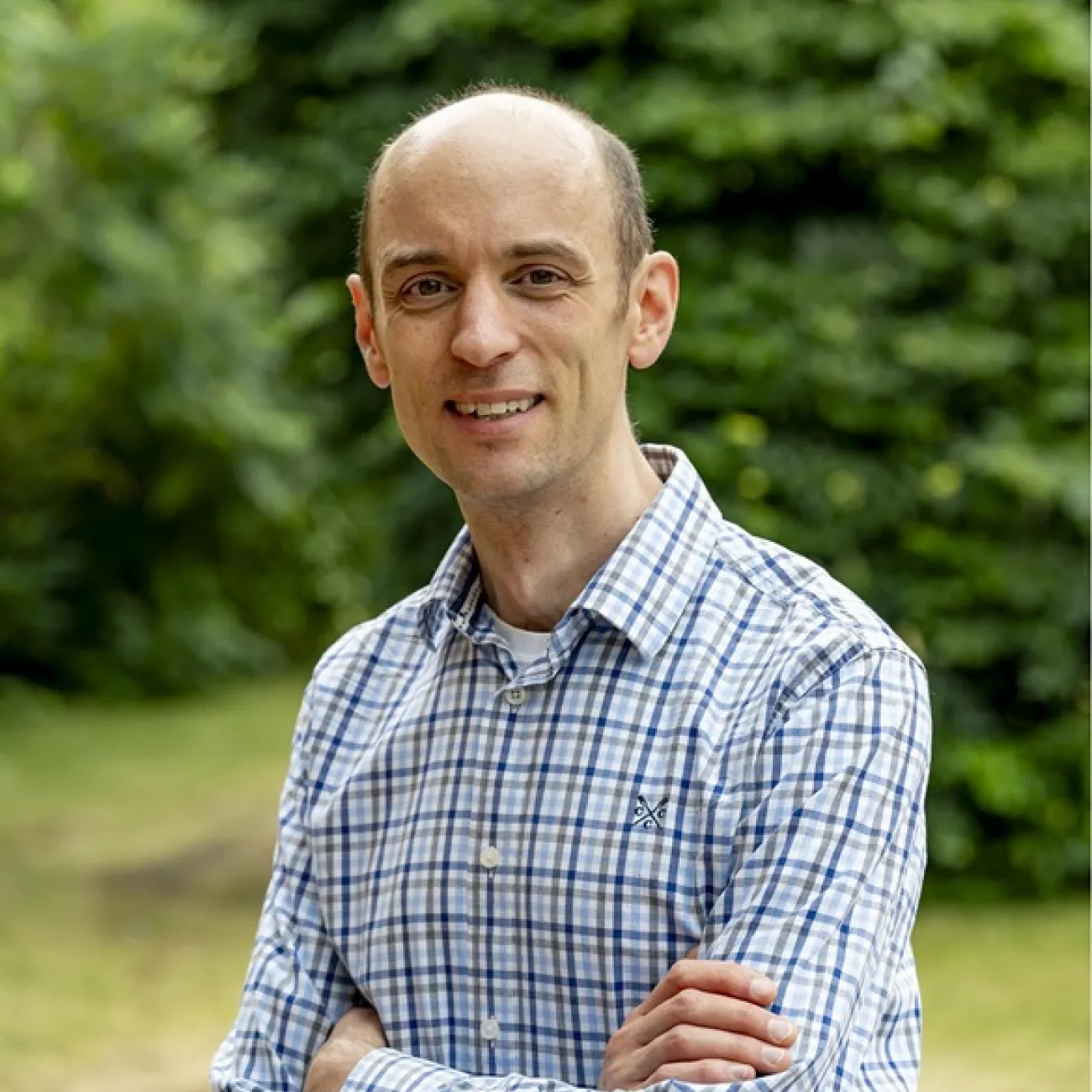
Kendra Tomassacci is a full-time Instructor in the Engineering Design Technology department at Pennsylvania College of Technology, where she has taught since 2016. She also serves as a Penn College Dual Enrollment Instructor, bridging academic and professional technical education. Previously, she held roles as a part-time instructor at Pennsylvania College of Technology (2014-2016), Workforce Development instructor (2015), and instructor at Columbia-Montour Vocational Technical School (2015). Her educational qualifications include: Master of Science in Education from Wilkes University B.S. in Computer Aided Product Design from Pennsylvania College of Technology A.A.S. in Computer Aided Drafting Technology from Pennsylvania College of Technology Her expertise centers on engineering design pedagogy with specialized focus areas in CAD systems implementation, technical drafting standards, product development workflows, and vocational training methodologies. Industrial applications span manufacturing design, construction planning, and industrial equipment specification. She maintains SolidWorks Associate Certification and possesses extensive industry experience as a Designer at G & B Specialties and ICON Industrial Construction and Design, and as a Drafter at Glenn O. Hawbaker.
Andrés García Granada is a Full Professor in the Department of Industrial Engineering at IQS School of Engineering, Universitat Ramon Llull (URL), Barcelona. He is the Head of the GEPI (Industrial Products Engineering) research group and also teaches part-time at EUETIB-UPC. His academic and professional journey includes a PhD from the University of Bristol and prior industrial experience at SEAT, AUDI, and British Aerospace. PhD in Mechanical Engineering, University of Bristol (2000) Industrial Engineering, ETSEIB-UPC (1996) His research focuses on advanced manufacturing technologies, including additive manufacturing, computer-aided engineering, residual stress analysis, and biomechanics. He applies these to biomedical challenges such as pediatric stent design and vascular tissue engineering. His work integrates simulation (Abaqus, CATIA, SolidWorks), experimental testing, and industrial collaboration. Recent research trends show a strong integration of AI and computational modeling in materials and biomedical engineering, with publications in areas like 3D-printed stents, robotic locomotion, and laser-based material processing. His projects often involve interdisciplinary collaboration with institutions like Harvard-MIT, Hospital Clínic, and UPC. Excellent Presentation Award at ISGMA2017 He leads and contributes to numerous research grants, including POLYCOARCT, AUXSTENT, and EQUIDENTAL, funded by national and regional agencies. He mentors a wide range of student projects in robotics, crash analysis, and medical device innovation. He is actively involved in knowledge transfer and innovation, holding patents in vascular repair devices. He leads the GEPI research group, which specializes in Additive Manufacturing, Reverse Engineering, and material characterization, and has been instrumental in organizing academic events and conferences such as IC4M and ICDES.
Dr Grzegorz Matusik is an Assistant Professor and Vice-Dean for Teaching at the Faculty of Industrial Design, Academy of Fine Arts in Kraków. He has been affiliated with the institution since 2005 and is a key member of the Department of Design Fundamentals, where he teaches and conducts design-related work integrating modern CAD tools. His research and professional interests focus on industrial design, design fundamentals, and computer-aided design. He specializes in technical documentation, 3D visualization, and digital modeling using software such as Rhinoceros and Fusion 360, bridging traditional design principles with contemporary technological methods. Grzegorz Matusik has contributed to significant cultural and educational projects, including the #DZIEDZICTWO exhibition at the National Museum in Kraków and collaborative initiatives with local government bodies in the Kraków Metropolitan Area. His work supports both patent processes and academic training. Rector’s Award of the Academy of Fine Arts He advises on academic organization and teaching development, having taken on leadership as Vice-Dean. While no formal list of advisees or research grants is mentioned, his role emphasizes educational and organizational leadership. He is involved in institutional collaboration and design practice, working closely with public sector partners.
Harald Skulberg serves as an Associate Professor in the Department of Design at Oslo School of Architecture and Design (AHO), where he has established himself as a dedicated educator and researcher specializing in design pedagogy and product design methodology. His academic profile demonstrates consistent scholarly contributions to design education conferences and proceedings over nearly two decades, with particular focus on how students approach design problems and develop creative solutions. Skulberg's research interests primarily center on the cognitive aspects of design thinking, with special emphasis on mental scaling techniques, light manipulation in 3D form exploration, and cross-disciplinary approaches to complex design projects. His work examines how students navigate the design process, particularly during diploma-level work, and investigates how various media stimuli and digital tools can enhance creative potential in design education. He has made significant contributions to understanding how the pandemic context transformed design education practices, documenting the shift to virtual classrooms and the resulting pedagogical adaptations. Analysis of Skulberg's publications reveals a consistent research trajectory focused on the intersection of cognitive psychology and design education. His work demonstrates how mental scaling techniques serve as crucial tools for designers to conceptualize and manipulate form, particularly when working with light as a design element. More recently, his research has addressed the challenges and opportunities presented by remote design education, documenting how design pedagogy adapted during the pandemic era. His publications appear consistently in major design education conference proceedings, particularly the International Conference on Engineering and Product Design Education (E&PDE). Skulberg has also contributed to several collective works documenting student projects at AHO, including the 'AHO WORKS Studies' publications that showcase design education outcomes. His work bridges theoretical understanding of design cognition with practical applications in the design studio environment, making him a significant contributor to contemporary design education scholarship.
Dominiek Reynaerts is a full Professor at KU Leuven's Faculty of Engineering Science, Department of Mechanical Engineering. He leads research within the Manufacturing Processes and Systems (MaPS) unit and holds key affiliations with Leuven.AM – KU Leuven Institute for Additive Manufacturing, LGI – KU Leuven Gravity Institute, and LIMNI - KU Leuven Institute for Micro- and Nanoscale Integration. His research focuses on Precision engineering , Microsystems , Advanced actuators , and Design methodology , with significant emphasis on micromanufacturing technologies. Key research areas include: Electrochemical and laser-based hybrid micromanufacturing Additive manufacturing for microsystems Micromachining of advanced materials (cermets, bulk metallic glasses) RF-based process monitoring in micro-EDM Integrated sensing on mechanical components Recent publications reveal strong trends in multiphysical process-chain optimization, with significant contributions to electrochemical jet machining, microfluidic platform fabrication, and AI-driven process control. His work bridges fundamental material science with industrial applications in aerospace and medical device manufacturing. As an active research leader, Prof. Reynaerts serves as Promotor or Co-promotor for 10 major projects including: Unravelling hybrid removal mechanisms for bulk metallic glass (2025-2029) AdvanceEJM: Advanced electrochemical jet machining equipment (2025) Digital Intelligence for Sustainable Manufacturing (SusManPro) with UBC (2025) Electrochemical deposition for integrated sensing (2024-2028) TALENT: Advanced thin-film depositions (2024-2030) He supervises PhD candidates including M.H. Arshad and teaches courses spanning Precision Engineering, Mechanical Drive Systems, and Production Machines. His laboratory network includes the Fabrication Laboratory and Manufacturing Division within MaPS, with strong industry partnerships enabling technology transfer of micromanufacturing innovations.
Beverly Bass serves as Department Head & Professor at the Landscape Architecture Department of California Polytechnic State University (Cal Poly). Her academic and professional work focuses on integrating ecological processes into urban environments through sustainable design practices. BFA in Painting and Drawing from East Carolina University MLA from the University of Arizona Research emphasizes small town regeneration , sustainable neighborhood design , and walkable communities , influenced by mentors like Ann Whiston Spirn during her studies at the University of Arizona. She teaches advanced design studios and computer-aided drafting courses, prioritizing ecological integration in built environments. Professional affiliations include membership in the California Central Coast Chapter of the United States Green Building Council, alongside credentials as a registered landscape architect, LEED accredited professional, and ISA certified arborist.
Carolina Moraleda Oliván (b. 1972) is an Associate Professor at the University of the Balearic Islands , affiliated with the Architectural Constructions Department under the College of Industrial Engineering and Construction . She combines her academic role with a career civil servant position in the Higher Faculty Corps of the Balearic Islands Government (CAIB) , where she has served since 2007 at the Institute of Educational Infrastructure and Services (IBISEC) , currently as Head of the Projects, Works, and Supervision Service. Her work focuses on drafting architectural projects, construction supervision, and teaching. PhD courses in Architectural and Urban Rehabilitation Certificate of Pedagogical Aptitude University Expert in Advanced Teaching Techniques Basic Level Technician in Occupational Risk Prevention Her research interests revolve around architectural engineering , topography , and sustainable agricultural infrastructure , informed by her teaching roles in courses like Agrifood Construction and Infrastructure and Agricultural Topography. She has contributed to pedagogical innovation through advanced teaching certifications.
Boegli Alexis is an Associate Professor at Haute Ecole Arc - Ingénierie (HES-SO) since 2018, with a PhD in Science from the University of Neuchâtel. Specializing in embedded systems, RF technologies, and energy-efficient electronics, he focuses on applications requiring high constraints such as energy autonomy and compactness. His research spans BLE-based localization, dielectric elastomer actuators, and energy harvesting for biomedical devices. His educational background includes a BSC in Computer Science and Communication Systems from HES-SO and advanced studies in Microengineering at EPFL. He teaches courses like Electrotechnics I and co-supervises doctoral students in interdisciplinary projects. Key research areas include: RF Localization Systems (BLE AoA/AoD) High-Voltage Electronics for Capacitive Actuators Zero-Power Wearable Energy Harvesting Smart Sensor Networks Recent work demonstrates sub-meter accuracy in IoT localization systems using BLE and developed ultra-high-voltage (7kV) converters for dielectric elastomer actuators. His 2025 research explores inverted actuation cycles for facial prosthetics, reducing energy consumption by 1.5%. Patents include a BLE-based access control system combining RF positioning and video analysis (2022) and a real-time regulatory compliance method for wireless transmitters (2013). Collaboration with EPFL and CSEM drives technology transfer in industrial and biomedical applications. His projects often involve Innosuisse, SNSF, and industry partners.
Emmanuel Alby is a Lecturer in the Civil Engineering and Topography Department at the University of Strasbourg, affiliated with INSA Strasbourg. He is a Researcher in the ICUBE Research Unit's TRIO Team and a member of the PAGE team. His work focuses on integrating geomatics technologies such as photogrammetry, laser scanning, and 3D modeling for archaeological and cultural heritage documentation. Research Interests: Alby's research emphasizes digital documentation of archaeological sites, 3D modeling of heritage structures, and the development of low-cost solutions for artifact and site recording. His work bridges traditional archaeological methods with cutting-edge technologies like UAV imagery, point cloud processing, and semantic segmentation for heritage preservation. Key Contributions: Alby has pioneered methodologies for combining photogrammetry and laser scanning data to create comprehensive 3D models of sites such as the Bronze Age cave "Les Fraux" and the Monastery of Saint Hilarion in Gaza. He has also developed open-source tools for real-time 3D visualization and semantic analysis of archaeological data. Articles Trends: His publications highlight advancements in 3D reconstruction techniques, artifact identification algorithms, and the application of machine learning to architectural heritage. Recent work includes real-time smartphone-based depth mapping and long-term monitoring of excavation sites in Jordan and France. Labs/Teams: Active in ICUBE's TRIO and PAGE teams, Alby collaborates on projects involving heritage preservation, archaeological surveying, and interdisciplinary geomatics applications.
Adrien Bousseau is a Senior Researcher at Inria within the GraphDeco group at Université Côte d'Azur. He earned his PhD from Inria Rhône-Alpes under Joëlle Thollot and François X. Sillion, with internships at Adobe and MIT. His postdoctoral research at UC Berkeley focused on computational design and graphics. Notable roles include leading the ANR DRAO project (2012–2015) and coordinating the CRISP associate team with UC Berkeley. He has received prestigious awards such as the Eurographics 2011 PhD Award and ERC grants for projects on 3D design and circular design. Research interests span image creation, stylization, vector graphics, and sketch-based modeling. Recent work explores computational methods for circular design and AI-driven design tools. He has supervised over 13 PhD students, including Nicolas Rosset (aerodynamics) and Emilie Yu (VR sketching). Key projects include ERC-funded initiatives on drawing interpretation and material acquisition. Service contributions include co-chairing Eurographics 2025 and EGSR 2021, and editorial roles at Computer Graphics Forum. Publicly accessible tools include Photoshop watercolor filters and academic resources like BendFields tutorials.
Professor Alex Dickinson is a leading academic at the University of Southampton , specializing in the biomechanics and design of prosthetic limbs . He actively supervises PhD students and teaches undergraduate courses in Engineering Design , Finite Element Analysis , and Biomaterials . Education: MEng in Mechanical Engineering, University of Southampton (2006) PhD in Biomechanical Engineering, University of Southampton (2010) Research Interests focus on prosthetic innovation , computer-aided design (CAD) , data-driven healthcare , and musculoskeletal engineering . His work integrates digital fabrication , patient perspectives , and interdisciplinary collaboration to address global challenges in prosthetics. Trends in Recent Publications include open-source prosthetic modeling , patient-centric design evaluation , and global health data analysis . His research spans digital fabrication , smart implant technologies , and epidemiological studies in low-resource settings. Scientific Awards Royal Academy of Engineering Research Fellowship (2015) Hornsby Cup (2021) Medilink South West Partnership Award (2025) ISPO World Congress Best Paper Prize (2025) Advising : Supervises four PhD students in Biomedical Engineering and Health Sciences . Key grants include EPSRC , NIHR , and European Union funding for global prosthetic initiatives. Research Groups : Co-founder of the People Powered Prosthetics group, member of the Bioengineering Science Research Group and Institute for Life Sciences .
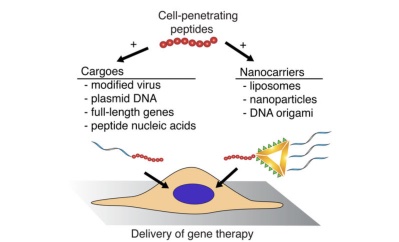
Rebecca Taylor is a Professor in the Department of Mechanical Engineering at Carnegie Mellon University's College of Engineering, with courtesy appointments in Biomedical Engineering and Electrical and Computer Engineering. Her research spans DNA nanotechnology, advanced manufacturing, and bio-inspired micro/nanosystems, focusing on integrating self-assembly with top-down microfabrication. 2013 Ph.D. in Mechanical Engineering (minor in Bioengineering), Stanford University 2010 MS in Mechanical Engineering, Stanford University 2001 BS in Mechanical Engineering with Robotics Certificate, Princeton University Her research centers on: (1) DNA nanotechnology for molecular and cellular mechanobiology (AFOSR YIP, NIH R21), (2) bio-inspired materials using gammaPNA (NSF CAREER), and (3) biomanufacturing with DNA robotics. She also develops workforce training tools like voice assistants for skill mastery. Recent publications highlight DNA microswimmers, compliance in colloidal assemblies, and generative design for origami nanostructures. Awards include the NSF CAREER Award and Ansys Career Development Chair. She advises interdisciplinary students and leads the Microsystems and Mechanobiology Lab, collaborating with Biomedical Engineering, Chemistry, and Cardiovascular Medicine teams. NSF CAREER Award Ansys Career Development Chair Lab members include postdocs (Grace Rohaley, Sarah Weintraub), Ph.D. students (Taryn Imamura, Vismaya Walawalkar), and undergraduates (Irene Yap). She teaches courses like Nanoscale Manufacturing Using Structural DNA Nanotechnology and Modern Manufacturing in Steeltown , emphasizing design and automation.
Christopher McComb is an Associate Professor in the Department of Mechanical Engineering at Carnegie Mellon University's College of Engineering. He leads research in sociotechnical systems, machine learning for engineering design, and human-AI collaboration. He is affiliated with the Block Center for Technology and Society, Manufacturing Futures Institute, NextManufacturing Center, and Wilton E. Scott Institute for Energy Innovation. Previously, he was an assistant professor at Penn State, where he directed the Center for Research in Design and Innovation and led the Technology and Human Research in Engineering Design Group. Ph.D., Mechanical Engineering, Carnegie Mellon University M.S., Mechanical Engineering, Carnegie Mellon University B.S., Civil Engineering and Mechanical Engineering, California State University-Fresno His research centers on human-AI teaming , sociotechnical systems , and computational design , with applications in additive manufacturing, STEM education, and energy systems. He explores how machine learning can enhance engineering design processes, particularly through human-centered AI, generative design, and agent-based modeling. His work emphasizes the integration of human cognition and behavior into AI systems to improve collaboration and innovation. The 15 most recent publications (2025) demonstrate a strong trend in AI-driven design automation , neural surrogate modeling , human-AI interaction , and data generation for engineering simulations . Topics span from using large language models for material selection and design concept generation to developing datasets and benchmarks for advanced manufacturing and CAD systems. There is a clear emphasis on real-world applications in aerospace, finance, and global manufacturing, particularly in Africa. National Science Foundation Graduate Research Fellow McComb has received research funding from NSF, DARPA, and private corporations, and has collaborated with Boeing through their Visiting Professorship Program. He advises students in mechanical engineering and design, and leads the Human+AI Design Initiative and the Design Research Collective. His research has been applied in partnerships with NASA and in addressing manufacturing challenges in Africa. He leads or contributes to interdisciplinary research teams focused on AI in design, additive manufacturing, and energy systems. His labs and initiatives include the Human+AI Design Initiative and the Design Research Collective, which foster collaboration between human-centered design and artificial intelligence.
Dr. Binayak Bhandari is a Research Associate at the Automated Manufacture of Advanced Composites (AMAC) Research Centre at the University of New South Wales (UNSW Sydney). He previously served as Assistant Professor & Department Chair at Woosong University, South Korea, and earned his PhD in Mechanical Engineering from Seoul National University (2014). His research spans interdisciplinary engineering domains including artificial intelligence, advanced composites, renewable energy systems, robotics, and manufacturing processes. Bhandari has led projects such as the National Research Foundation grant (2017–2020) on AI-driven robotics for object identification. He has been recognized for contributions in renewable energy and teaching, including the 2022 Young Researcher Award and the 2020 Special Achievement Award. Education: PhD in Mechanical Engineering (2014, Seoul National University). Research Interests: Dr. Bhandari’s work focuses on integrating AI with manufacturing and energy systems. Key areas include nondestructive evaluation of composites using deep learning, optimization of hybrid renewable energy systems, and smart manufacturing processes. His expertise spans computer vision applications for quality assurance, acoustic emission analysis, and sustainable energy solutions for remote regions. Key Contributions: Over 50 peer-reviewed publications across journals like Journal of Composite Materials and International Journal of Precision Engineering . Notable works include studies on hybrid energy models, composite material characterization, and machine learning-based anomaly detection. Awards: Recipient of multiple accolades including the 2022 Young Researcher Award (ASAT), 2018 IJPEM-GT Most Cited Article Award, and 2010 Grand Prize for precision engineering innovation. Grants & Activities: Led a $150,000 National Research Foundation grant (2017–2020) on AI-based robotics. Collaborates on projects involving automated fiber placement, renewable energy integration, and smart factory systems. Labs & Teams: Principal researcher at AMAC Centre, UNSW, focusing on advanced composite manufacturing and AI-driven solutions for industry challenges.
Leonidas Guibas is the Paul Pigott Professor of Engineering and Professor (by courtesy) of Electrical Engineering at Stanford University's Department of Computer Science. He leads the Geometric Computation group and is affiliated with the Computer Graphics and Artificial Intelligence Laboratories. His research focuses on algorithms for sensing, modeling, and reasoning about the physical world, with expertise in computational geometry, robotics, sensor networks, and topological data analysis. Current work includes geometric modeling with point clouds, 3D reconstruction, and mobility data analysis. He holds prestigious awards including ACM Fellow (1999), Allen Newell Award (2008), and membership in the National Academy of Sciences (2022). Education: PhD, Stanford University (1976) MS & BS, California Institute of Technology (1971) Research Interests: Geometric and topological data analysis 3D reconstruction and 3D shape analysis Sensor networks and robotics Biological structure modeling Machine learning for geometric problems Recent Articles Focus: Recent work emphasizes neural radiance fields (NeRF), dynamic Gaussian splatting, and physically plausible 3D shape generation. Publications span advancements in symmetry detection, articulated object manipulation, and multi-view video generation. Awards & Honors: Fellow, ACM (1999) Allen Newell Award (2008) Fellow, IEEE (2011) Member, National Academy of Engineering (2017) Member, National Academy of Sciences (2022) Advising & Teams: Advises doctoral and master's students on topics like geometric computing and robotics. Leads interdisciplinary teams at Stanford's ICME, HAI, and Woods Institute. Current advisees include Ian Huang, Boxiao Pan, and Colton Stearns. Labs & Collaborations: Active in the Geometric Computation group and collaborates with the Stanford AI Lab. Works on projects funded by grants in robotics, computer vision, and computational biology.